Powered by
-
Car Reviews
Latest reviews
- Car News
-
Car Comparisons
Latest comparisons
- Chasing Deals
Latest reviews
Latest comparisons

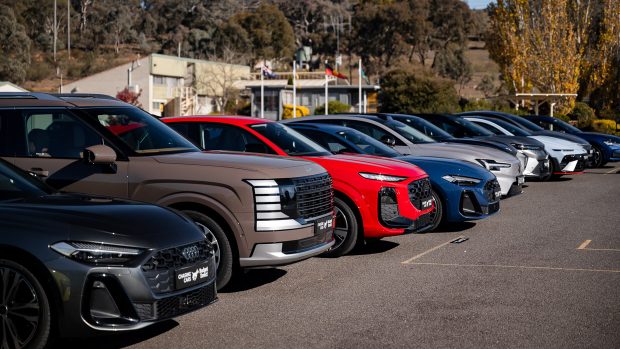
This year is shaping up as the Year of the Dragon, with China replacing Japan as our biggest source of imported vehicles.
Australians bought a monthly record 140,058 vehicles in June, almost a quarter of which were electric vehicles.
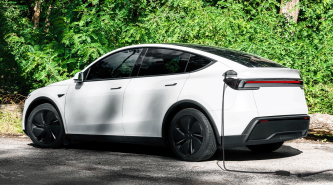
Chinese car maker BYD came within a whisker of toppling market leader Toyota as number one in June, while Tesla’s Model Y racked up monthly sales numbers not seen since the Holden Commodore’s domination of the market in the ’90s.
Although the market was buoyant, not everyone was making hay while the sun shone.
Here are the winners and losers of the first half of the year.
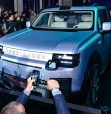
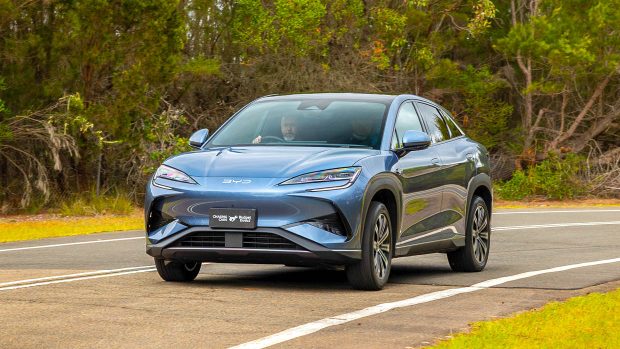
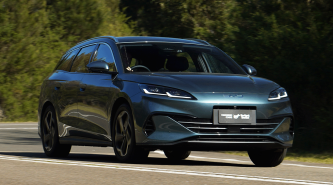
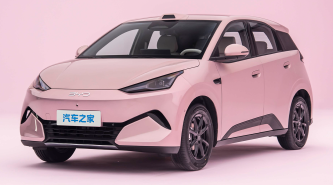
It’s taken four short years for BYD to become the brand most likely to topple Toyota from the top of the sales charts.
The EV and plug-in hybrid specialist moved into clear second place on the year-to-date sales charts with a bumper June where it sold just 243 fewer cars than Toyota.
Sales more than doubled in the first six months of the year to 52,335, as BYD took advantage of the generous Fringe Benefits Tax exemption for electric vehicles and a fuel supply crisis.
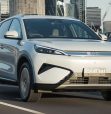
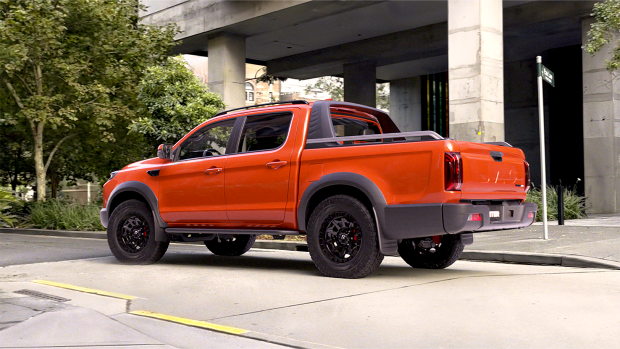
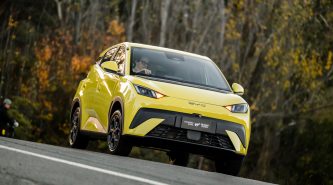
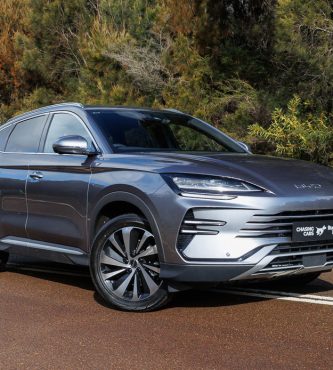
Spearheaded by the all-electric Sealion 7 electric SUV (4730 sales in June) and the plug-in hybrid Shark ute (3398 June sales), the brand has clearly won over a new breed of Aussie families and tradies.
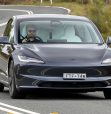
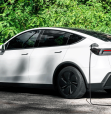
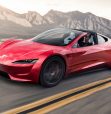
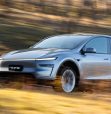
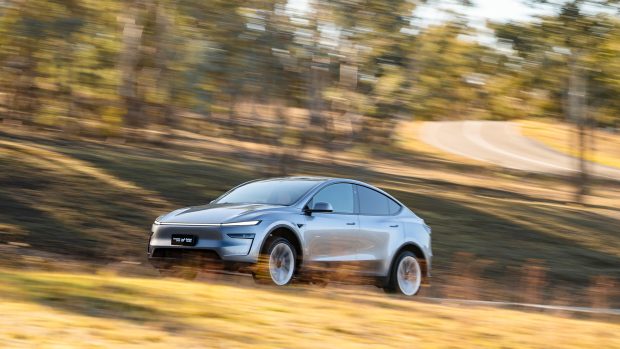
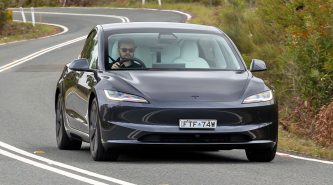
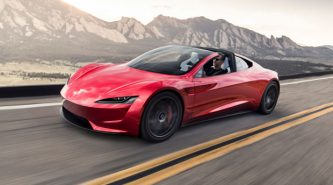
Tesla sold 23,588 vehicles in the first six months of the year, up 67 per cent from 14,146 in the corresponding period last year.
The brand finished the first six months with a surge, selling 8670 vehicles to rank fourth on the sales charts.
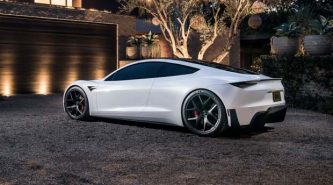
Tesla is now regularly shading some of the biggest brands in the country, an impressive feat for a brand with just two models.
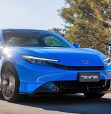
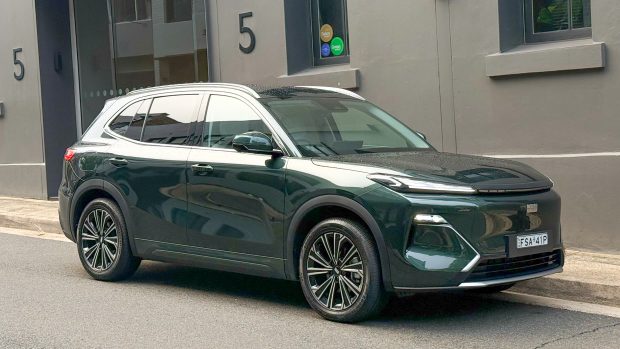
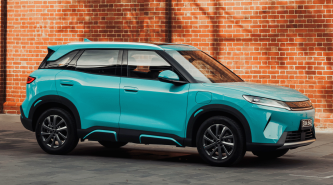
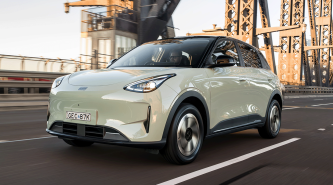
The Chinese brand, a giant in its home market but a newcomer to Australia, has chalked up explosive growth in the first half of the year.
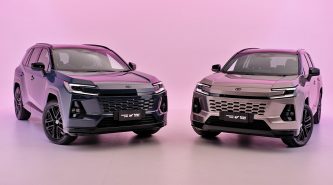
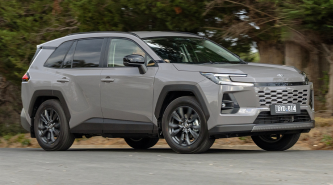
The maker, which also owns the Volvo, Polestar and Zeekr brands, has sold 10,970 vehicles this year, compared with just 1845 in the same period last year.
For a brand that only launched in March last year and has just two vehicles in its line-up, it is making huge inroads.
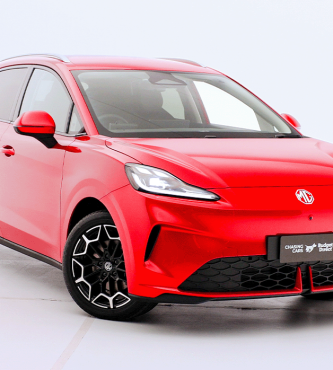
Sales of the EX5 EV and Starray EM-i plug-in hybrid have bettered some of the country’s most established brands in the medium SUV market.
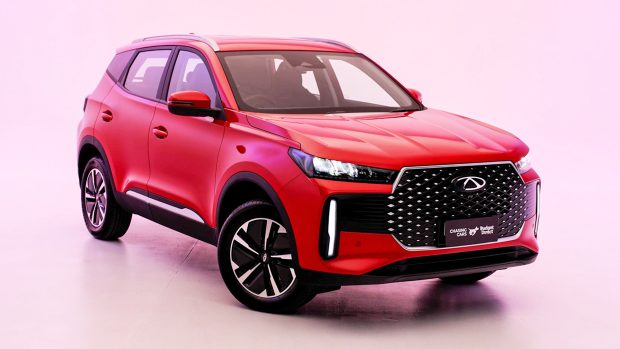
Chery, which relaunched locally in 2023 after an eight-year hiatus, has surged into the top ten on the sales charts.
Sales are up 76.8 per cent to 24,964 in the first half of the year on the back of the keenly priced Chery Tiggo 4, which has become the top-selling small SUV in the country.
Unlike its compatriots, Chery sells predominantly conventional petrol-powered and hybrid variants, illustrating that sharp prices – not just electric vehicle technology – are drawing Australians to Chinese brands.
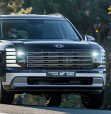
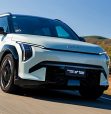
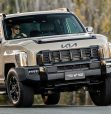
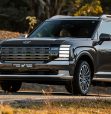
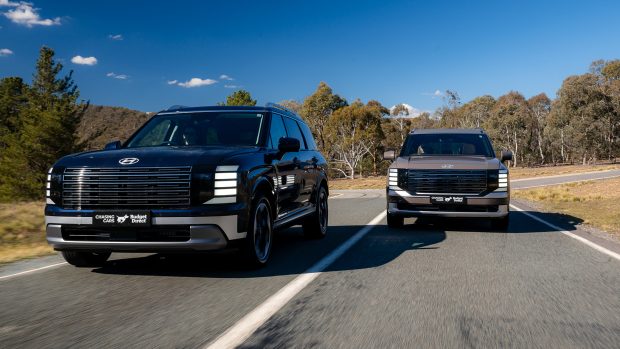
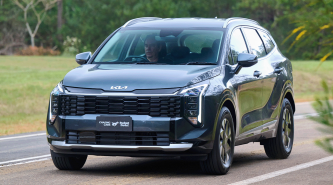
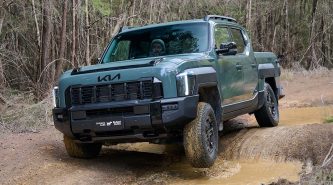
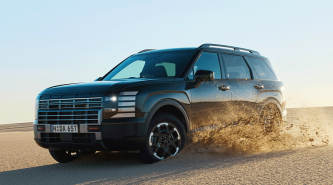
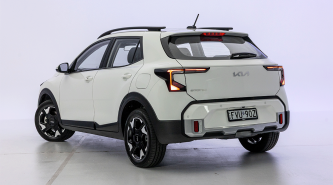
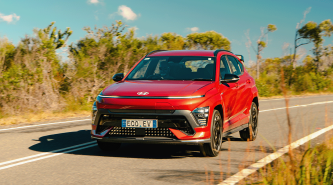
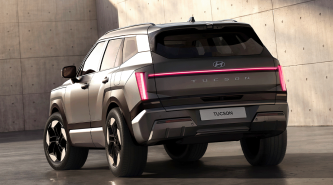
Hyundai and Kia make the list here because they have both managed to grow their market share – albeit marginally – in the face of the onslaught from the Chinese brands. Kia sits in fourth place on the charts with 41,846 sales, up from 40,750 last year, while Hyundai is sixth with 39,590.
The result is a testament to the growing strength of the brands in the local market and their early decision to pivot to electric vehicles.
A decade ago, the Korean brands would have been the low hanging fruit for the Chinese, selling on price more than cache.
Now they are maintaining share at a time when Japanese brands are struggling.
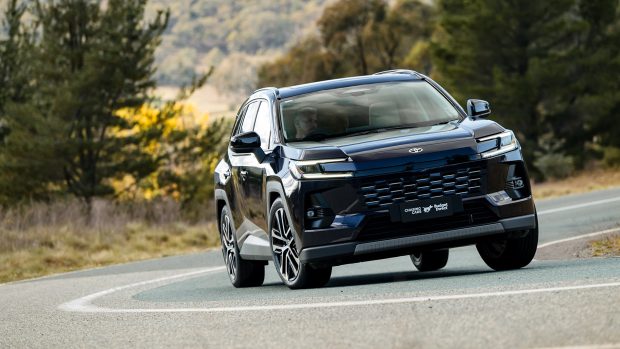
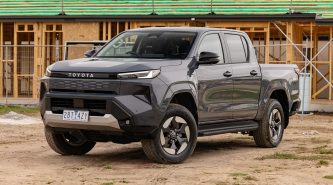
The title of biggest loser goes to Toyota, with a caveat.
The brand is still number one with daylight second, selling 95,141 vehicles in the first half of the year.
It says it is on track to sell more than 220,000 vehicles this year, which is probably enough to outsell its nearest competitor two to one.
But it has had the biggest industry decline in sales in terms of sheer numbers, selling 25,837 fewer vehicles in the first half of this year than in the corresponding period last year, for a 21.4 per cent drop.
The brand insists that supply, not demand, is its biggest issue.
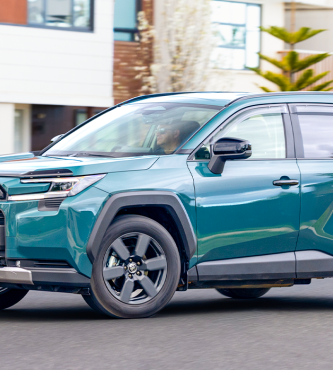
It has secured an additional 10,000 vehicles from head office and the arrival of the RAV4 plug-in hybrid should help it in the second half of the year.
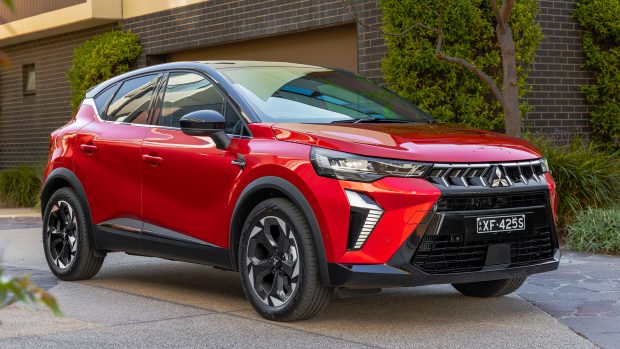
The new version of the ASX has hastened rather than arrested the brand’s tailspin.
ASX sales are roughly a tenth of the previous model, which was one of the oldest “new” cars on the market. Just 910 have been sold this year, compared with 6656 in the first half of 2025.
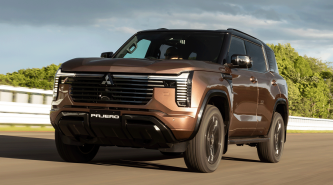
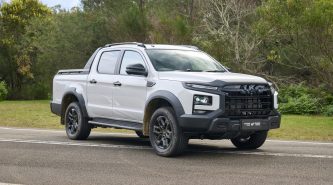
When you’ve sold on price for so long, it’s hard to compete with rivals that can be up to $10,000 cheaper, and Mitsubishi sales have slumped by 25.7 per cent
Sales are down by roughly a third to 13,854 this year.
For a brand that sold more than 80,000 vehicles in 2012 and more than 45,000 in 2024, the fall has been a spectacular one.
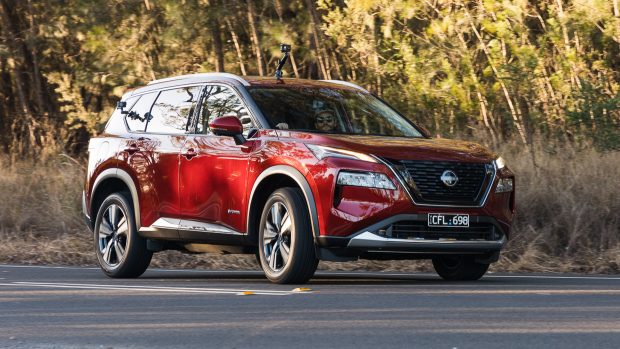
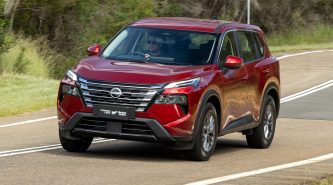
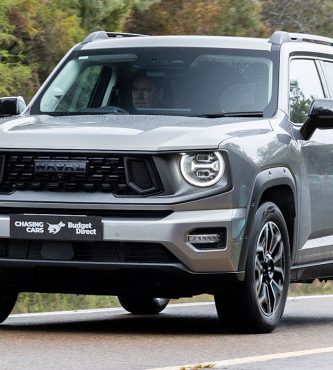
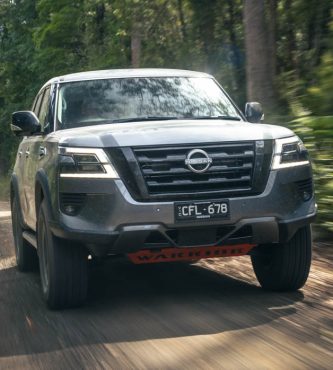
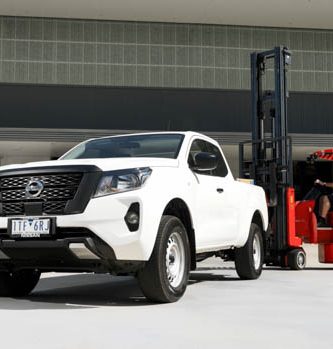
While the X-Trail still sells, the Navara is struggling to compete with Chinese workhorses.
Most disappointing is the brand’s EV strategy.
Its Leaf EV was groundbreaking when it arrived here almost 15 years ago, but sadly the brand has decided to pause plans to import the new model. At a time when EV sales are booming, it has sold just 186 this year.
After decades of embracing Japanese brands, Australians are turning their back on them.
By this time last year, we had bought 187,078 Japanese cars and only 102,938 Chinese cars. This year we’ve bought 175,151 Chinese cars and only 144,430 Japanese ones.
It seems Australians – confronted by daily headlines about a cost of living crisis – care more about bells and whistles and sticker prices than quality, resale and reliability.
Fuel shortages and the FBT exemption for EVs have sent car buyers scurrying to electric vehicles and the Japanese simply don’t provide enough choice or value.
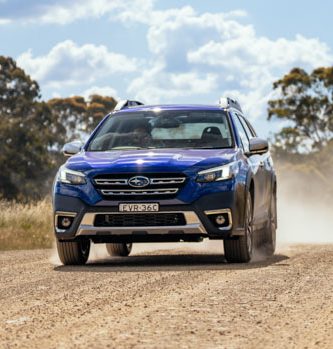
Mazda (down 17.2 per cent), Subaru (down 25.6 per cent) and Suzuki (down 20.9 per cent) are struggling to compete.
The Chinese approach of throwing everything against the wall and seeing what sticks seems to be working for most brands, but JAC could be the exception.
The brand, which has just one model, the T9 4WD, sold just 437 vehicles in the first half of this year, less than half those it sold in the same period last year.
Experts warn that the flood of new Chinese brands will end in tears for some.
Latest news
About Chasing cars
Chasing Cars reviews are 100% independent.
Because we are powered by Budget Direct Insurance, we don’t receive advertising or sales revenue from car manufacturers.
We’re truly independent – giving you Australia’s best car reviews.