Powered by

-
Car Reviews
Latest reviews
-
Car News
Latest news
-
Car Comparisons
Latest comparisons
- Chasing Deals
Latest reviews
Latest news
Latest comparisons
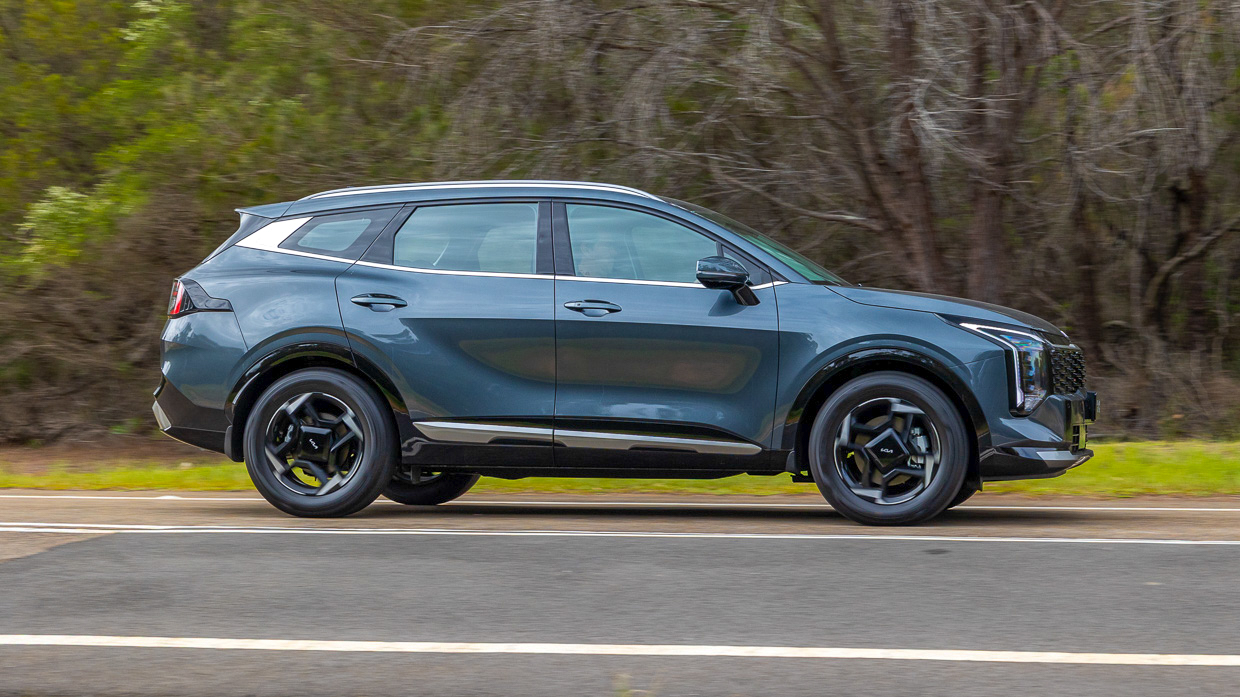
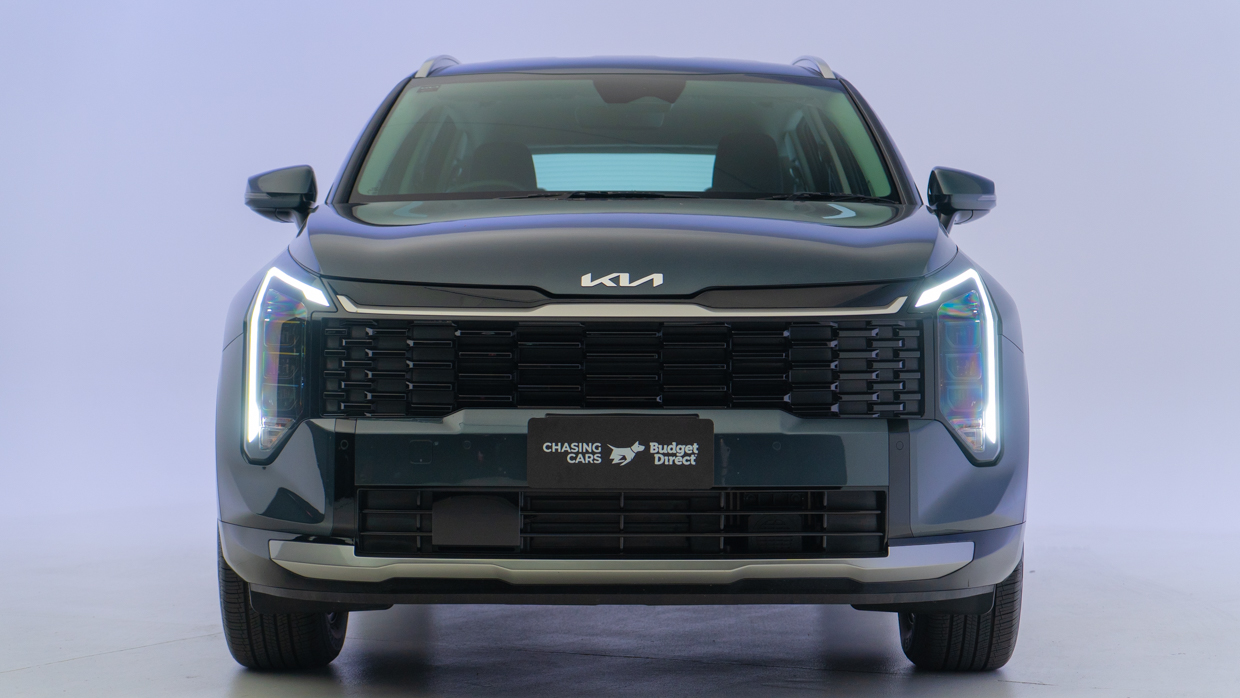
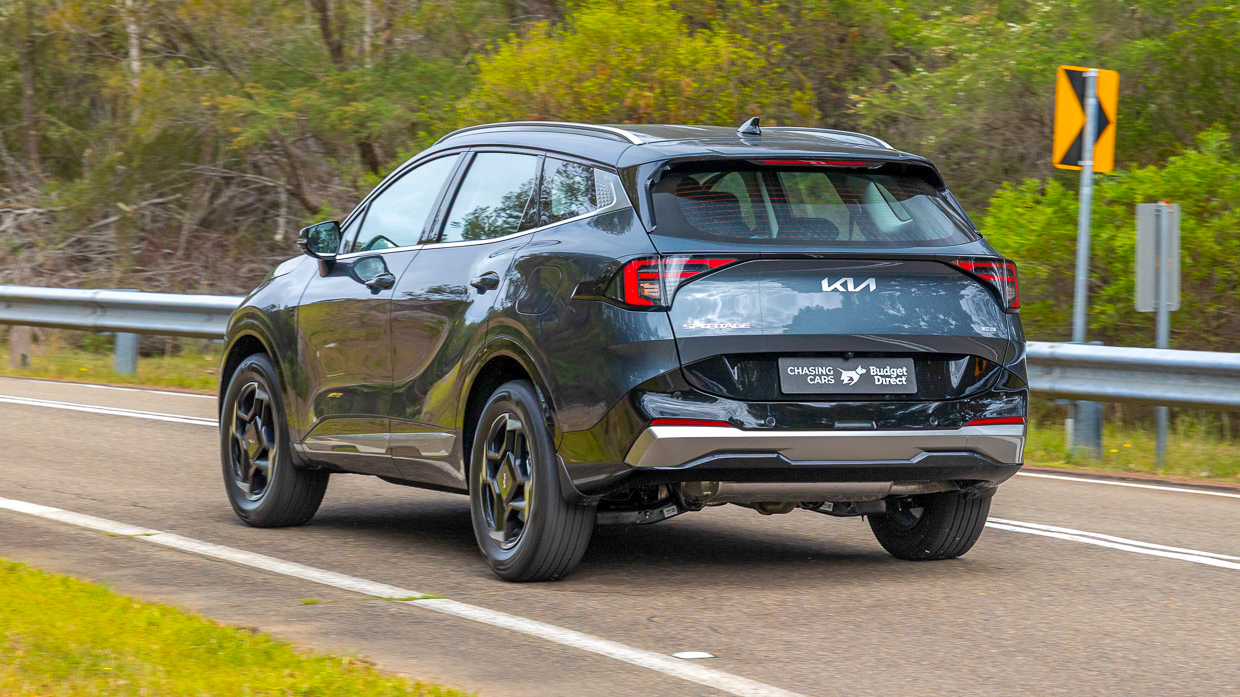
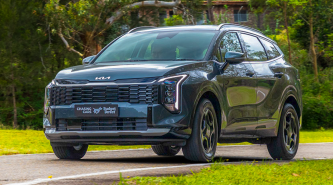
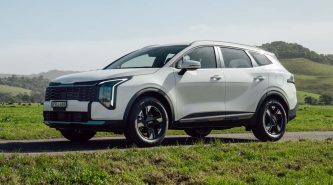
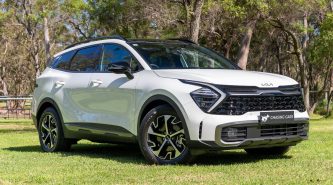
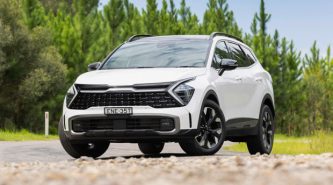
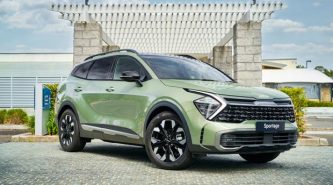
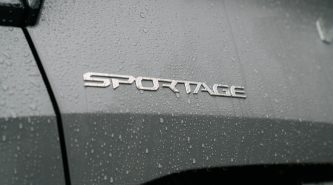
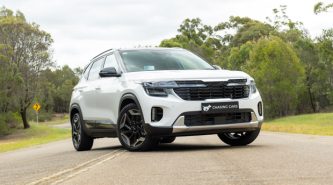
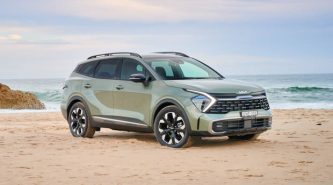
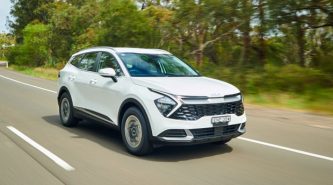
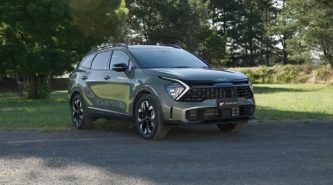
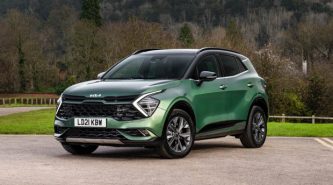
Sportage medium SUV takes a page from Toyota RAV4’s playbook, consolidating all petrol variants into an expanded petrol-hybrid range to sit alongside existing diesels
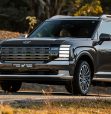
In just a few short months, the Kia Sportage model range will drop its offerings from 15 variants to eight, following the discontinuation of both the 1.6-litre turbo and 2.0-litre naturally aspirated powertrains.
To pick up the slack, Kia’s hybrid Sportage will span S, SX, and GT-Line grades in both front- and all-wheel drive guise, while the Sportage diesel will reduce its offerings to just SX+ and GT-Line trim, remaining AWD exclusive.
Kia’s decision aims to place more Sportage buyers in hybrids, with its once cheapest $38,490 2.0-litre naturally aspirated entry point now replaced by a front-driven hybrid S from $44,450. Both prices are before on-road costs.
Gone too is the cheap oil-burning S, once starting from $43,890, with Kia’s cheapest diesel all-drive Sportage now the only powertrain to wear near-top trim SX+ badges and a starting price of $50,980.
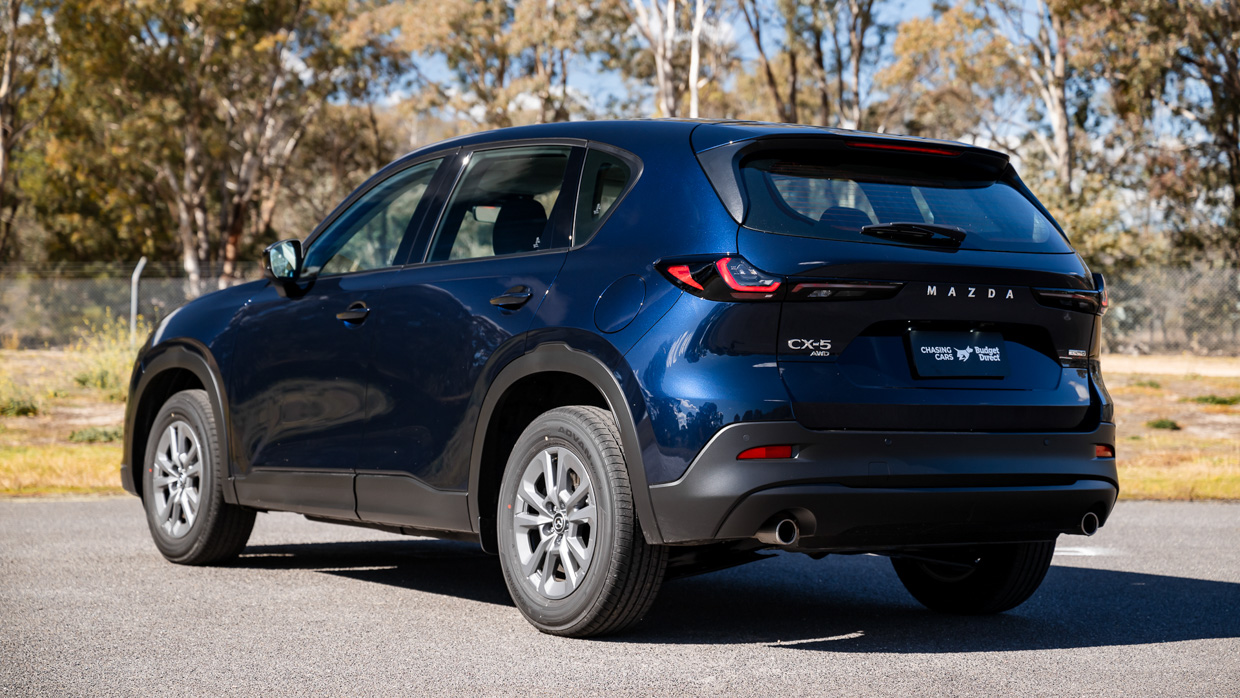
Closest rivals continue to be the $44,990 Honda CR-V, $39,990 Mazda CX-5, and $45,990 Toyota RAV4 – all three of which have upped their hybrid offerings for the new model year. Honda has more, cheaper CR-V hybrids, Mazda has long teased a hybrid CX-5, and Toyota’s RAV4 is of course hybrid-only.
Perhaps that’s why Kia tells us its petrol-cull decision for Sportage isn’t to do with NVES, and rather, represents a shift in buyer attitudes.
Speaking with Chasing Cars, General Manager Product Planning and Training, Roland Rivero, said Kia’s decision “[is] not just because of NVES.” Explaining that the Korean automaker has “monitored market demand, and the hybrid has really become a favourite in the Sportage range.”
Rivero explained that Kia’s ‘optimisation’ exchanges petrol models for hybrids, introducing more hybrid variants “to create an opportunity to satisfy multiple budgets”. The diesel remains as a dependable, ‘safe option’ for rural buyers and the non-EV curious.
While it’s no secret that this year has seen unprecedented growth in the electrified vehicle sector, particularly with plugless hybrids (which last month captured 17.8-percent of new vehicle sales), the potential of hefty fines imposed under NVES is a looming presence for all car manufacturers.
The forthcoming NVES benefits for a consolidated Sportage range could potentially save Kia thousands in fines. Both of Kia’s now defunct Sportage petrols exceeded the 2026 ‘Type 1’ NVES emissions target by between 52 and 67 grams of CO2 per kilometre.
Starting from next year, Type 1 vehicles will adhere to an even stricter target of 92g/km (was 117g/km). Meaning Sportage petrols would be between 77 and 92g/km in the red. In monetary terms, this equates to fines between $3850 and $4600 per car (figure ignores Mass Adjustment Factor).
Of course, NVES targets will again tighten in 2028 to 68g/km.
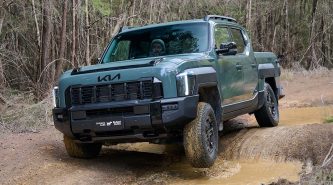
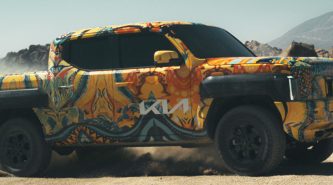
While Kia’s Sportage is the first domino to fall, NVES or otherwise, several of Kia’s popular vehicles will need emissions-focused adjustments by 2029. Both the Kia Tasman ute and Picanto hatch, for example, have been tipped to offer some kind of powertrain adjustment by 2028.
All prices listed are before on-road costs.
Sportage Hybrid
Sportage Diesel
Latest news
About Chasing cars
Chasing Cars reviews are 100% independent.
Because we are powered by Budget Direct Insurance, we don’t receive advertising or sales revenue from car manufacturers.
We’re truly independent – giving you Australia’s best car reviews.