Powered by

-
Car Reviews
Latest reviews
-
Car News
Latest news
-
Car Comparisons
Latest comparisons
- Chasing Deals
Latest reviews
Latest news
Latest comparisons
While less popular than its SUV siblings, the new-generation Audi A5 rises to the occasion for 2026 with an arsenal of well-executed grades and powertrains
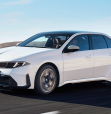
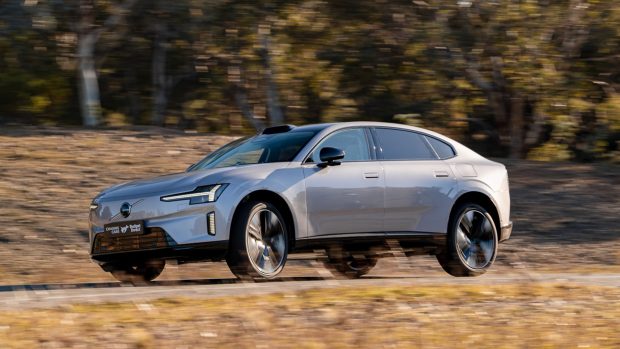
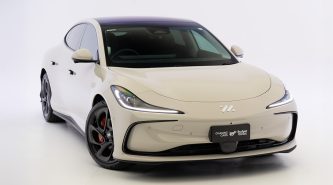
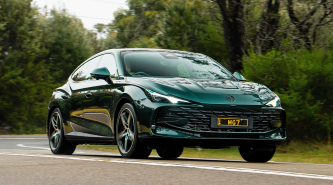
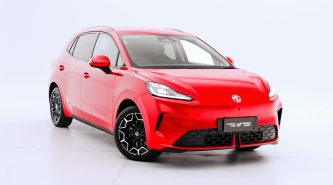
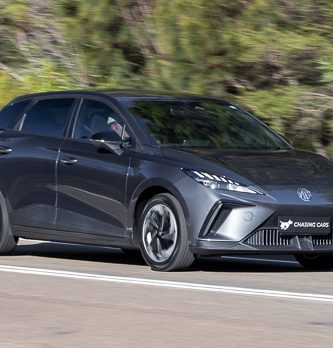
Separating the Luxury SUVs from the Luxury ‘Cars’ (ie. regular sedans or wagons) definitely trims down numbers for the latter quite a bit, though 2026 did have a few quality entrants – the new-gen Audi A5 with its brand-new platform, the revival of a Volvo sedan with the electric ES90, and MG Motor’s foray into luxury territory with the IM5 electric sedan.
As likeable as the lusty IM5 is (for the agility afforded by its adaptive air suspension and four-wheel steering, as well as its astonishing performance), its interior falls well short of what would be considered genuine luxury at this level, even though it looks quite okay from a distance.
In comparison, the Audi and Volvo feel like pukka premium vehicles. They even smell like the upmarket products that they are, though in both cases you need to head higher up the range, while potentially dabbling in their optional equipment, to achieve a degree of glamour that truly justifies their $100K-plus stickers.
What are we looking for in a Car of the Year segment winner? It’s all about performance of intended function — how well a vehicle executes its purpose. Below are the aspects we interrogate.
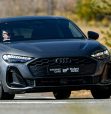
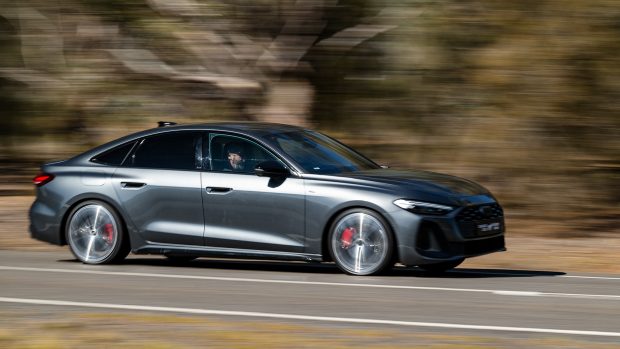
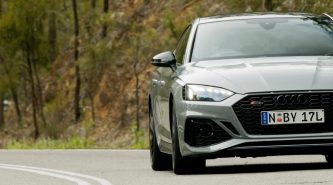
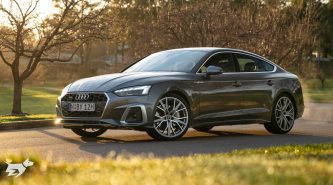
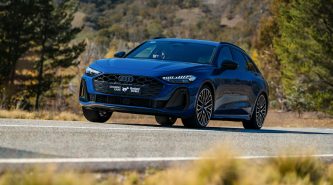
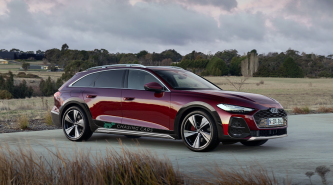
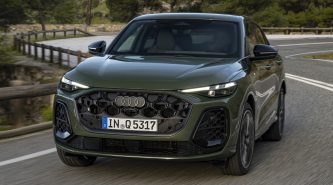
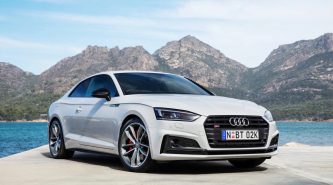
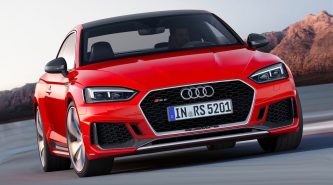
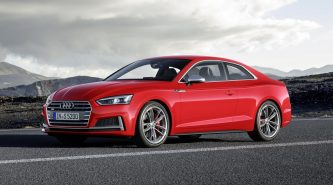
Audi may have slightly missed the target with its underwhelming new Q5 and not-so-fabulous Q3, however its bread-and-butter mainstay – the B10 A5 – has somehow dodged that bullet of blandness.
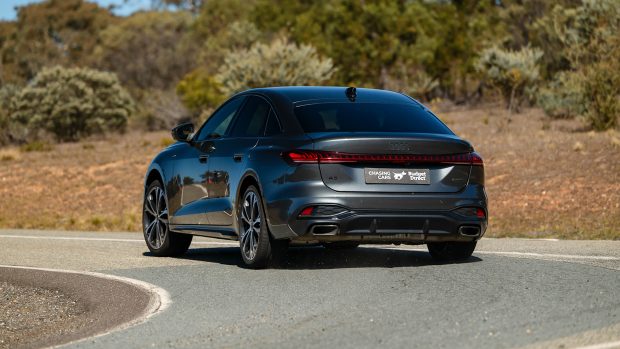
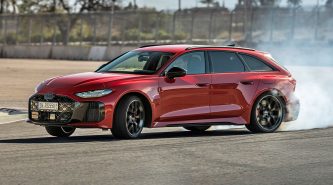
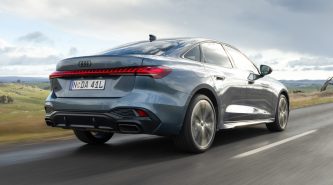
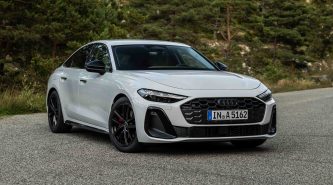
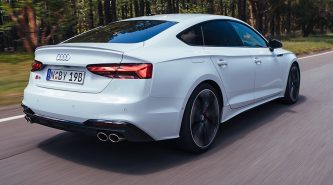
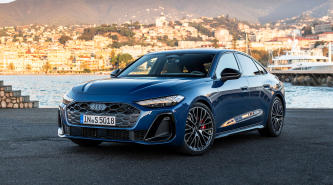
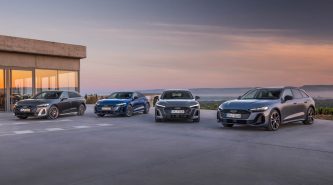
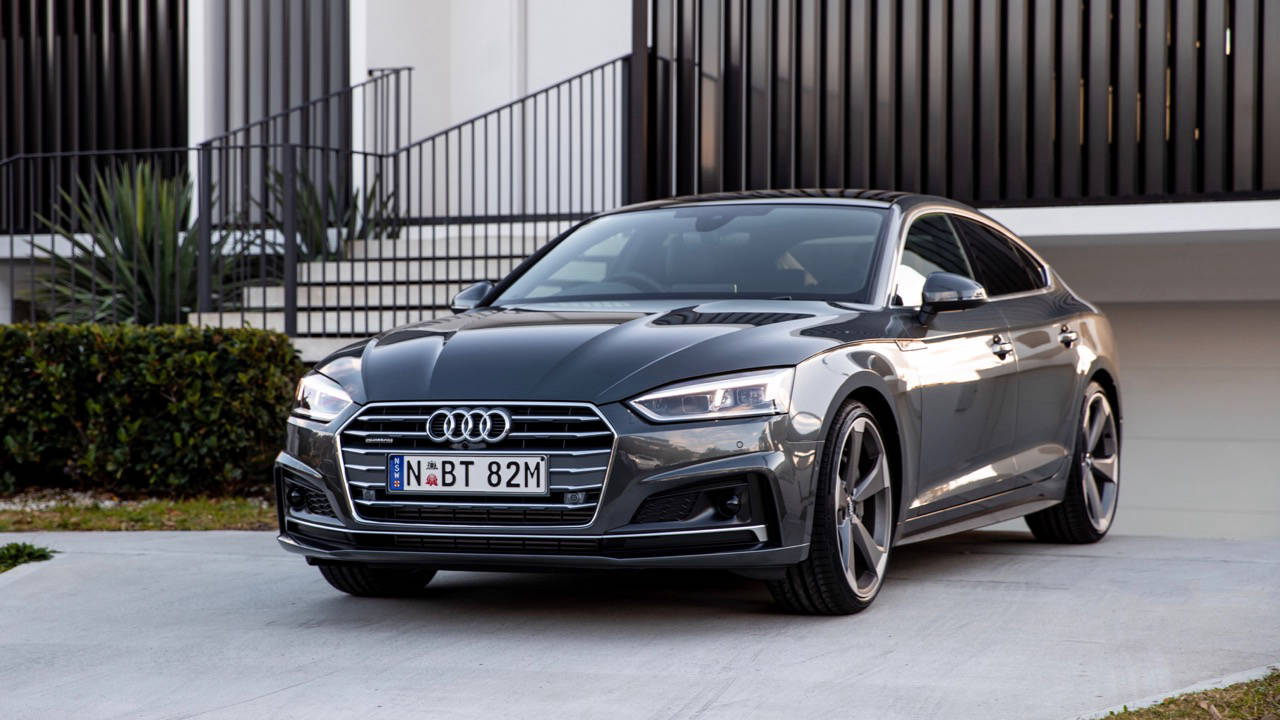
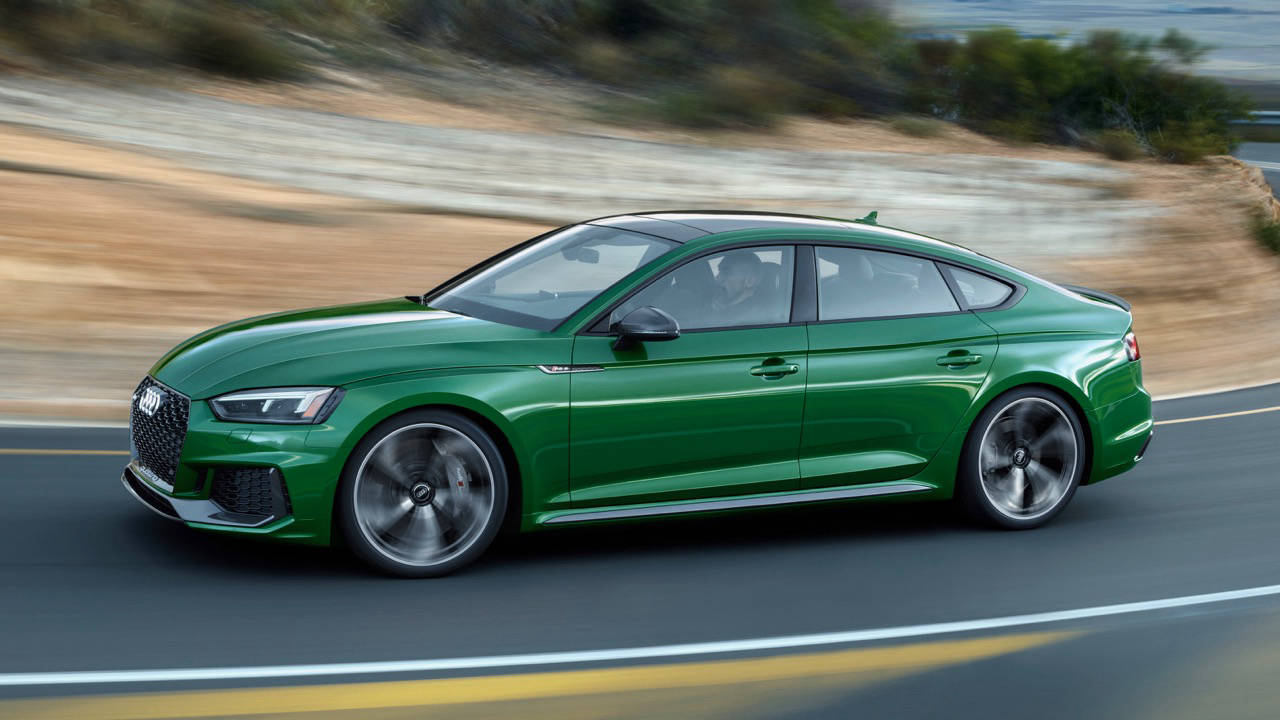
Replacing the previous B9 A4 sedan/wagon and A5 Sportback with a single model line, the A5 sedan now features a liftback tailgate (like the previous A5 Sportback) while the A5 Avant becomes the German brand’s new staple station wagon.
There’s also an impressive new plug-in hybrid quattro powertrain, selling alongside a 200kW turbo-petrol quattro and a front-drive 150kW turbo-petrol.
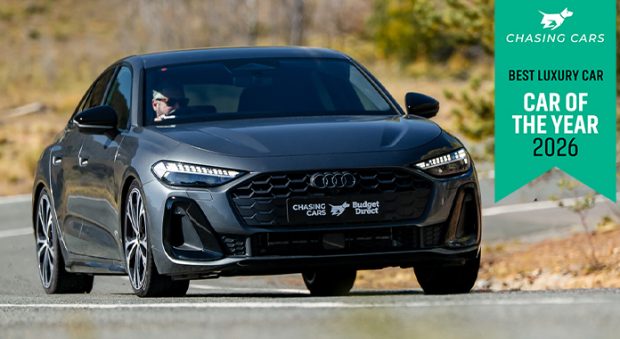
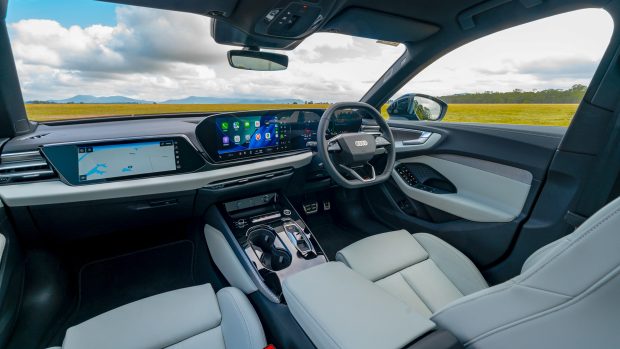
With its subtler detailing, less gratuitous grille shape, suave pulse-squeeze door handles and more elegant sheetmetal, the A5 avoids the forgettable form of its SUV relatives. And its cabin follows a similar path towards communicating luxury, though Audi’s transition to an excess of screens is polarising – especially the ugly, pointless panel in front of the passenger (which costs $2K extra to make it do anything).
At least the clacky steering-wheel panels have already reverted to proper switches for MY26, and at least the A5’s driving experience lives up to its premium promise.
Audi is offering a 2.0-litre turbo quattro or a 270kW 2.0-litre plug-in hybrid quattro for the same money ($89,900 before on-roads) and while the PHEV version misses out on the petrol’s adaptive dampers, it’s a surprisingly comfortable and dynamic car on 20-inch wheels.
Indeed, our test A5 PHEV sedan proved quite an eye-opener when it came to driving entertainment. Its rear-biased balance, involvement and adjustability are superb for a non-sporting sedan, though with standard sports suspension, brilliant leather sports seats and those Audi Sport alloys, it has the hardware to carry off the impression.
The powertrain combines a 2.0-litre turbo-petrol four with a 20.7kWh battery for superb performance – 0-100km/h in 5.1sec, plus a level of instantaneous response that smashes most plug-in hybrids we’ve driven. There’s 97 kilometres of WLTP range as well, so it’s the thinking person’s sports-luxury sedan.
In terms of the way it drives, it makes SUVs seem like the dull compromise that they are, yet there’s also a capacious Avant wagon to cover luggage needs. Only its relative lack of ground clearance puts the A5 at a disadvantage compared to, say, a Q5 – and perhaps its height of entry for popping kids into baby seats.
Yet there’s plenty of lounging room in the rear seat (for two, at least), and with liftback accessibility to a completely flat and extendable luggage area (lacking any kind of spare wheel in this PHEV version), the A5 sedan argues a strong case for practicality as well.
Perhaps because luxury sedans are still a big thing in the US and China, and perhaps because Avant wagons are such an Audi brand tradition, it seems like more development love has been invested in the B10 A5 range than Audi’s more recent SUVs. And it shows.
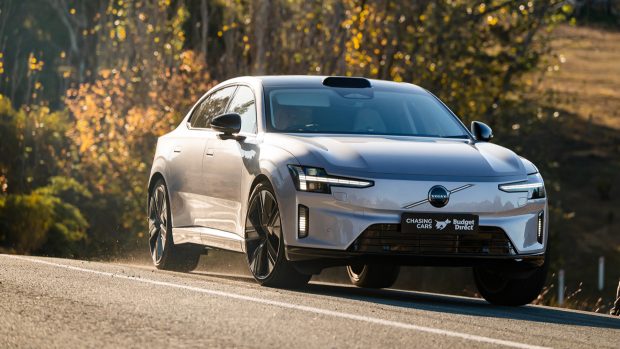
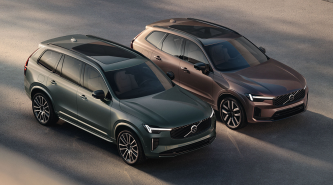
A stylish electric Volvo sedan that seems to be the perfect antidote to a Tesla Model 3’s design blandness and lack of cabin warmth? What’s not to love?
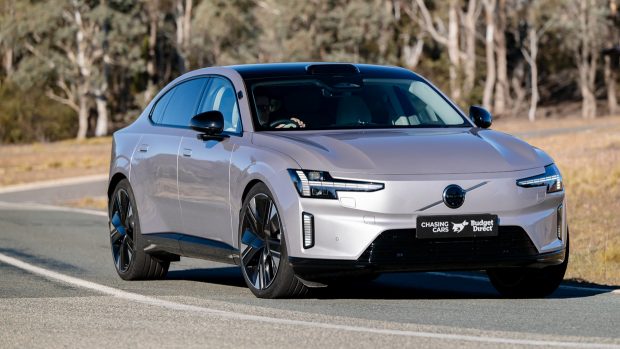
In theory, that’s exactly the niche the ES90 fills. In top-spec Ultra form, it’s a classy, individual, rear-drive, 800-volt EV with adaptive air suspension, soft-close doors, a luxurious interior and the same ear-splitting 25-speaker stereo as the EX90 SUV. For standard equipment and driveway flair, the ES90 quietly says expense.
Its performance on the road achieves a similar result. It only offers Soft or Firm settings for both steering and suspension damping, and it feels suitably refined and plush in Soft, though with a degree of thump from its 22-inch wheels over big bumps.
Its powertrain is smooth and reasonably brisk (0-100km/h in 6.6sec) and its EV cred is solid (554km WLTP, 10-80 percent in 22mins, 300kW maximum DC charging).
Ensconced in its supportive front seats, the ES90 displays a pleasing evolution of Volvo’s dashboard design DNA. The perceived quality is there, however storage is flawed in this day and age…which leads us to the rear seat.
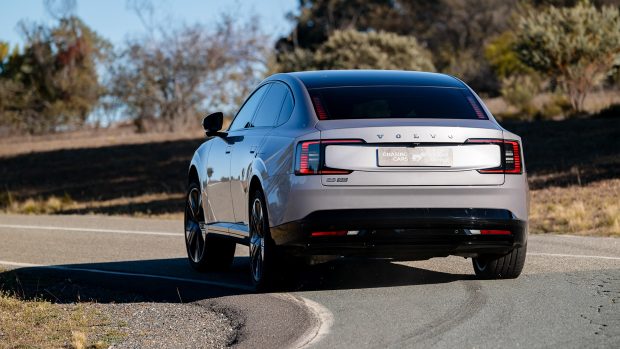
Row two offers huge legroom and excellent vision, but it undermines those advantages with a short seat cushion, a high-set floor and minimal toe room. For kids, it’s great, but for adults, it’s weirdly compromised.
That pigeonholes the ES90 as essentially a car for retirees, or just two people, with an occasional back seat and a reasonably flexible, liftback-accessed boot.
It’s stable, refined and quite suave. But for such a big car, it’s simply not generous enough for passengers.
Latest comparisons
About Chasing cars
Chasing Cars reviews are 100% independent.
Because we are powered by Budget Direct Insurance, we don’t receive advertising or sales revenue from car manufacturers.
We’re truly independent – giving you Australia’s best car reviews.