Powered by

-
Car Reviews
Latest reviews
-
Car News
Latest news
-
Car Comparisons
Latest comparisons
- Chasing Deals
Latest reviews
Latest news
Latest comparisons
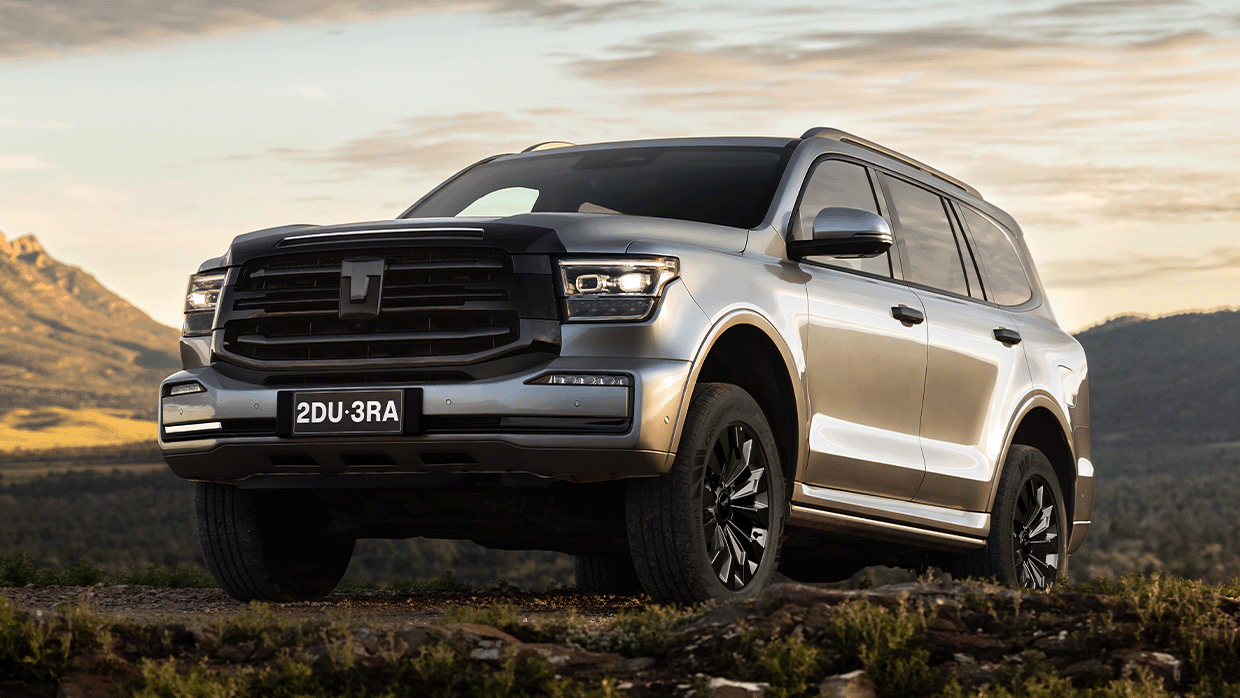
Diesel power finally arrives for GWM’s Toyota Prado rival that brings impressive numbers and improved handling that shows the brand is catching up
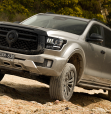
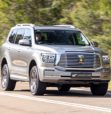
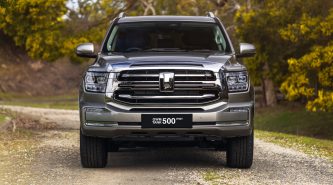
When GWM launched the Tank 500 locally in early 2024, the body-on-frame large SUV was a breath of fresh air in a segment where innovation is rare to find.
A sharp $66K starting price, 2.0T petrol-hybrid engine and luxury feature set drove appeal but, like in much of GWM’s arsenal, impressive on-paper stats don’t always translate. We previously noted wayward handling and poor drivetrain calibration which fell short of the established competition such as the Toyota Prado and Ford Everest.
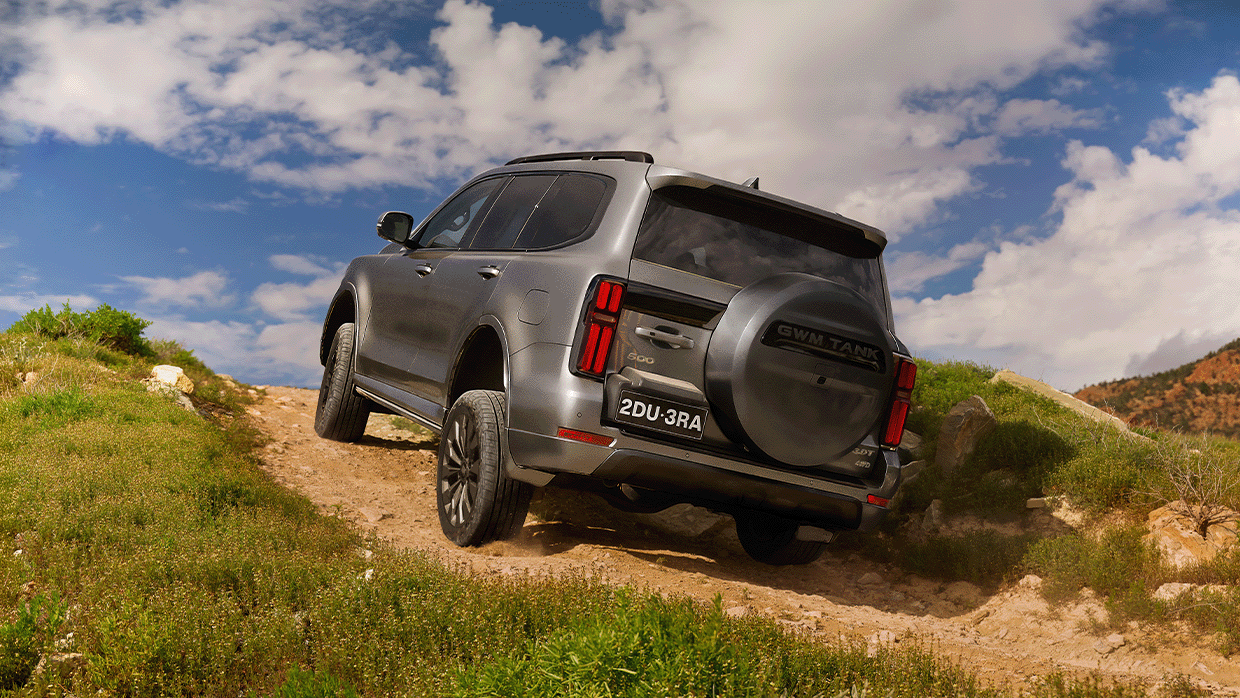
Several revisions have improved the Tank 500 incrementally, now sporting a rather solid plug-in hybrid option, but for many off-road tourers the omission of a diesel is a hard line they won’t cross.
From this September, GWM will introduce a new 3.0-litre turbo-diesel four-cylinder engine producing 170kW of power and 620Nm of torque, which will phase out the plugless 2.0T hybrid.
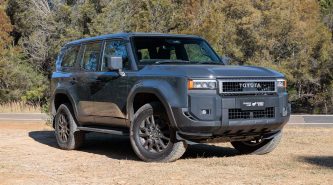
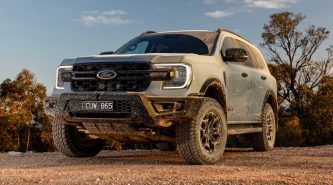
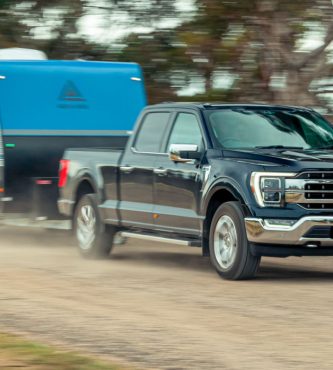
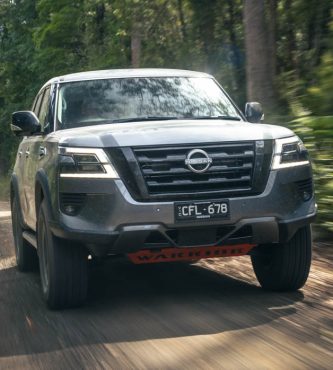
Pricing has yet to be confirmed but GWM says its two-grade lineup of Lux and Vanta will kick off from the ‘Mid $60,000 d/a’ range, making it cheaper than an entry-level Toyota Prado GX (circa-$79,300 d/a) and Ford Everest Active V6 (circa-$74,000 d/a) – though an Isuzu MU-X LS-M 3.0TD could still have it beat ($63,250 d/a).
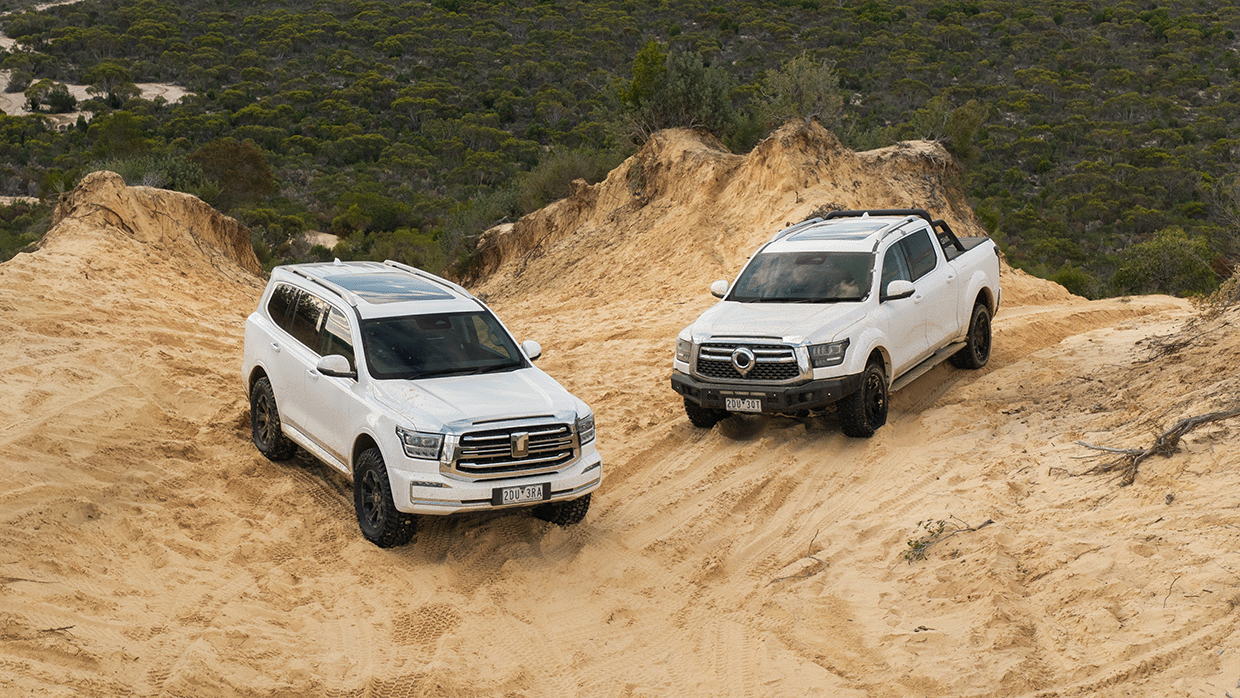
The Tank 500 Hi4-T plug-in hybrid will remain the range topper, sold only in Ultra guise at $79,990 driveaway. And unlike the related Cannon Alpha, there’s no plan to introduce a rugged ‘XSR’ grade for the Tank 500.
With Australia classified as the lead market for the 3.0TD, GWM says it’s spent months and tens of thousands of kilometres towing and touring on our roads (and off them) in the Tank 500 to ensure the new donk meets the brutal requirements buyers consider the minimum standard for a tough 4×4 wagon.
Alongside a new steering and suspension tune cooked up by the local engineering team known as ‘AT-1’, GWM claims its new offering is nothing short of class-leading.
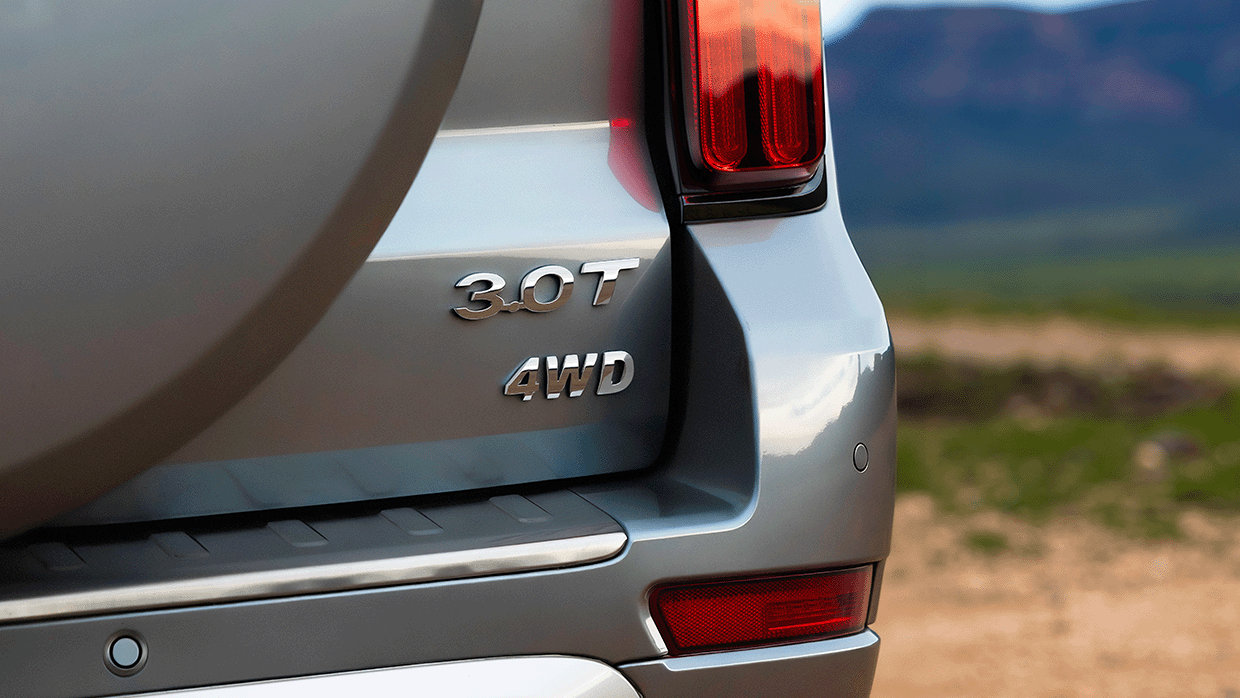
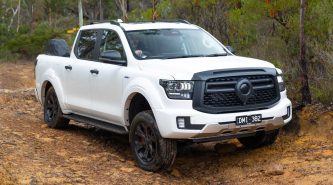
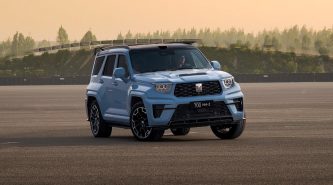
To find out if there’s merit to this claim, Chasing Cars sampled the Tank 500 and the Cannon Alpha in pre-production form at the Australian Automotive Research Centre (AARC) proving ground facility in Victoria.
Our initial drive with the Tank 500 diesel was brief, but it started abruptly; after climbing into our pre-production unit and shifting into reverse, we dabbed the throttle with a typical amount of foot travel and the Tank 500 shot out with such speed that it engaged automatic braking to prevent an impact.
In truth, there was no risk of collision, just the reverse AEB being dramatic. Though it does highlight that GWM’s lingering preference for overly sensitive throttle pedals at low speed is not dead yet.
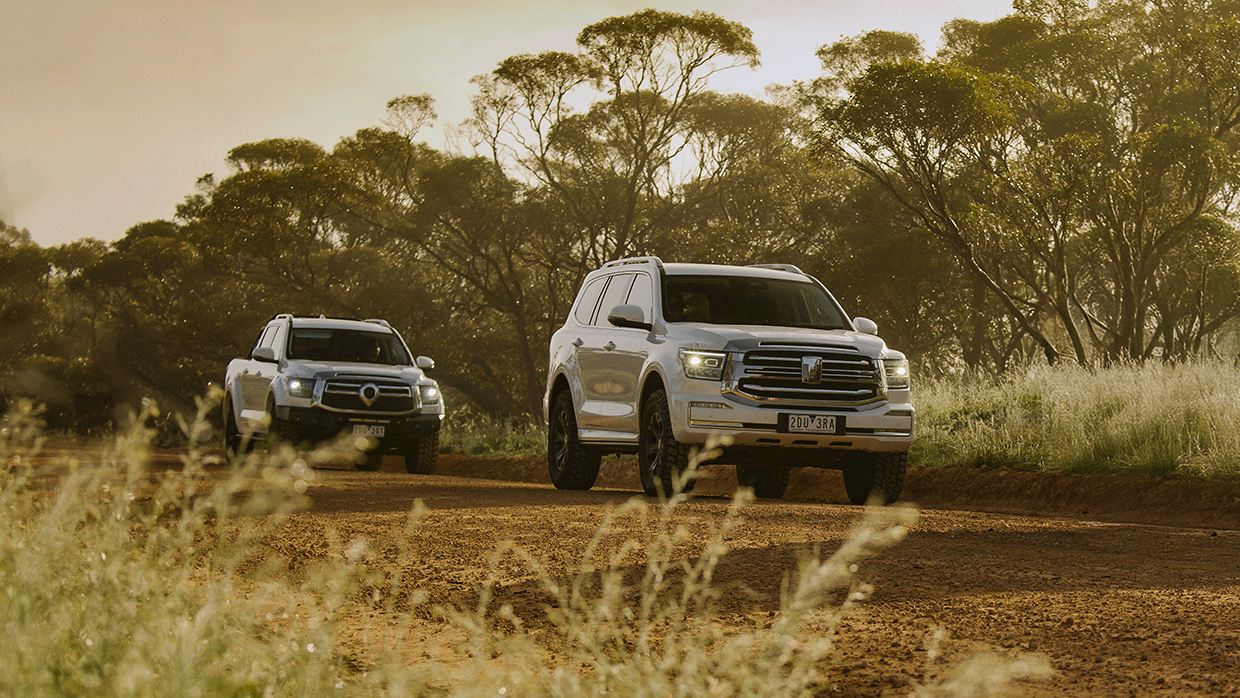
What’s stranger is this sensitive behaviour flips at higher speeds, with the conservative transmission calibration serving as a seawall between the driver and the 170kW/620Nm outputs of the new 3.0L diesel.
Those power and torque figures ring true when in the power band, and engaging Sport mode does give it a bit more pep, but the lazy transmission calibration doesn’t kick down gears fast enough to take hills with confidence.
There were exceptions to this behaviour, where the driveline would meet our demands appropriately but not with any kind of consistency. There are shift paddles to take over manually but this isn’t always practical. Further testing is needed here.
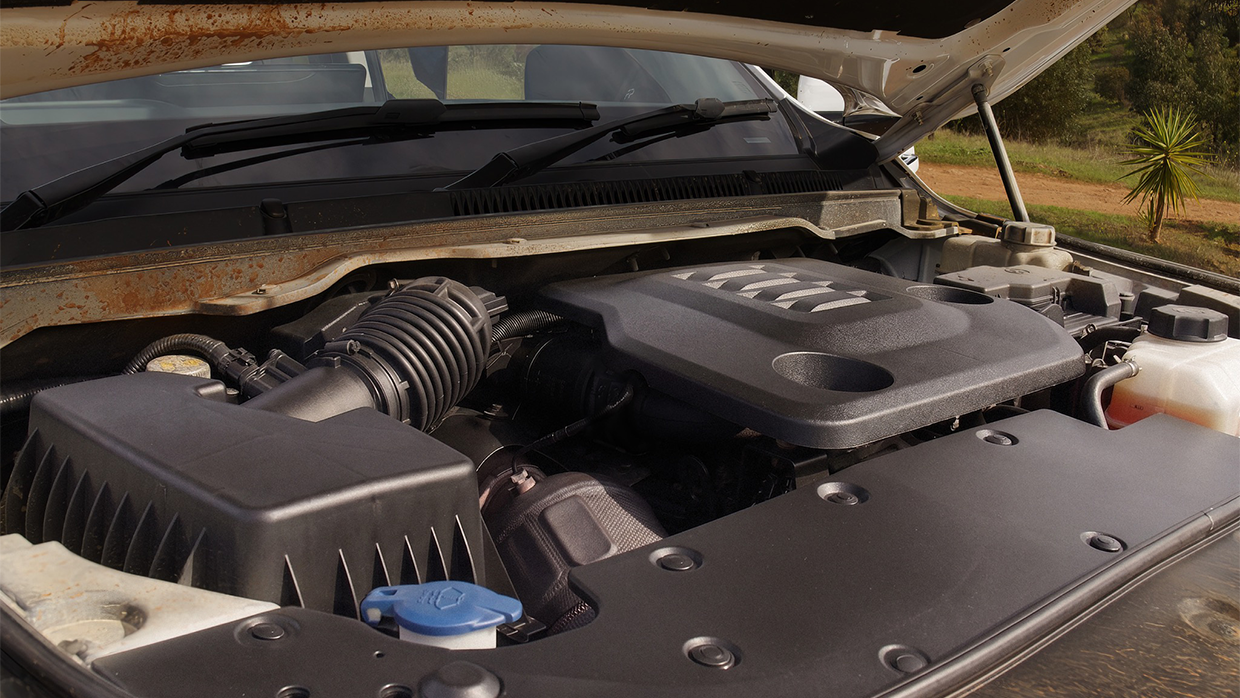
One of the highlights, however, was what we didn’t notice: thumping and indecision from the nine-speed transmission, which has been a nuisance in previous Tank 500s though may finally be tamed in the latest iteration.
The level of grunt from the new 3.0TD is certainly impressive, and GWM is keen to point out that its peak torque figure of 620Nm (1400-2400rpm) is accessed sooner, and held for longer than the Ford Everest’s 600Nm from its 3.0L V6 diesel (1750-2250rpm).
The new motor is certainly punchier than the Isuzu MU-X’s 140kW/450Nm 3.0L four‘, however GWM’s 170kW engine lacks the haste of Ford’s more powerful 184kW V6.
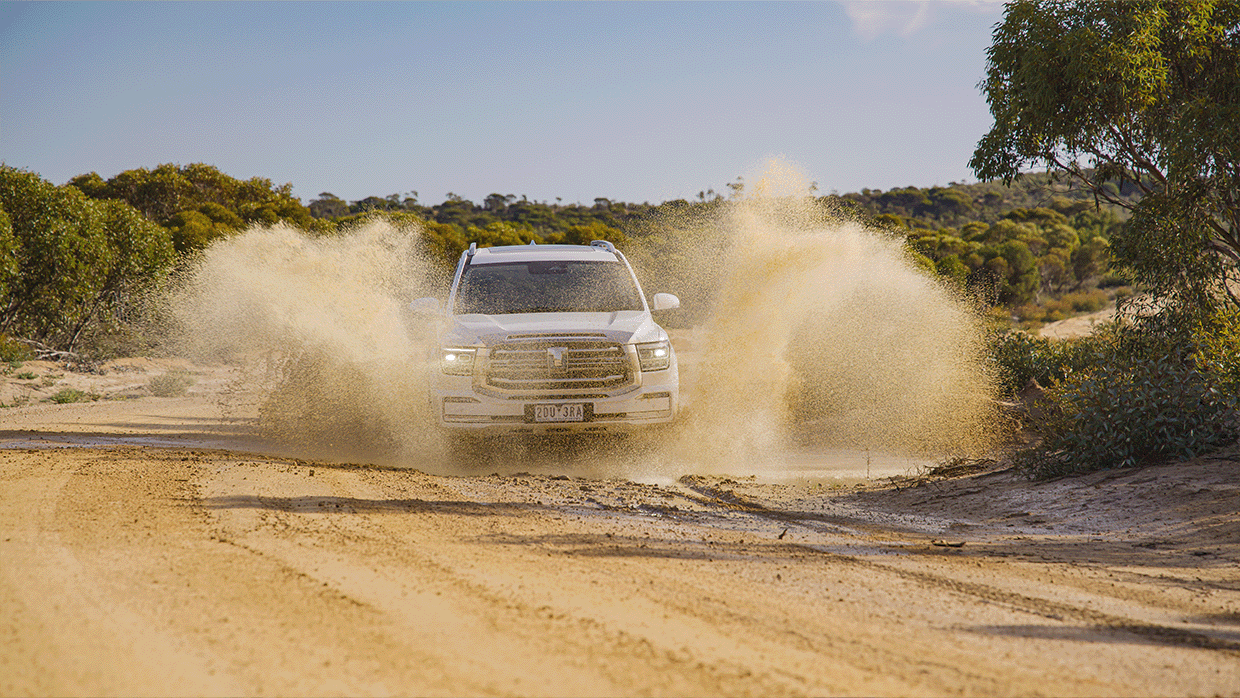
We didn’t get a chance to test the Tank 500’s 3.5T braking towing capacity (500kg more than the PHEV) but we’re encouraged by the development of a dedicated ‘Tow Mode’ that will be paired with an integrated brake controller in new diesel variants.
Our short course saw us tackle sealed highways, windy roads and loose dirt surfaces alike. The Tank 500 performs admirably, with the latest suspension changes instilling a greater sense of confidence in the driver when slamming through brutal corrugations and mid-corner bumps.
Body control is still wafty compared to rivals, but it does feel better than previous iterations. The ride, too, is generally composed, with the coil-spring rear end of the 500 diesel making for a more comfortable ride than the unladen, leaf-sprung Cannon Alpha on the same loop.
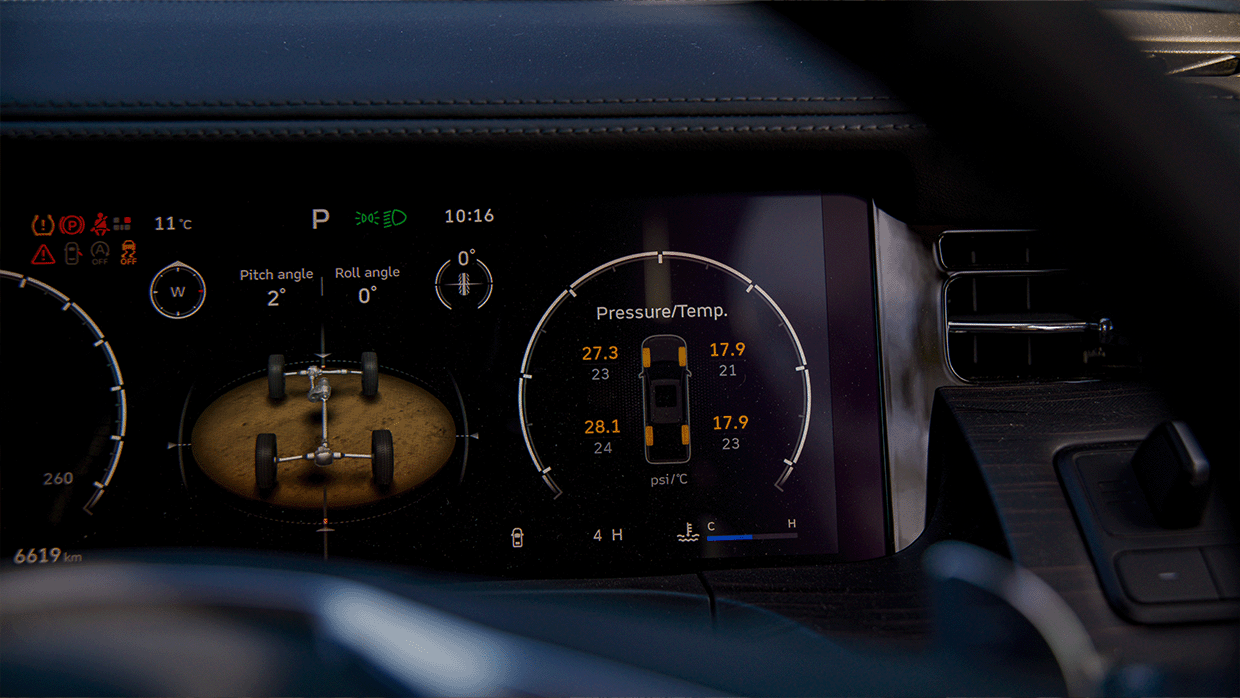
Unfortunately, the diesel steps back with a switch to part-time 4×4, rather than an on-demand setup that can send drive to all four wheels on sealed surfaces.
With the shorter wheelbase of the Tank 500 vs the Cannon Alpha, the SUV feels more tail-happy than we’d like from such a lumbering beast, and switching from 2H to 4H is no easy task while driving, particularly given that GWM forces the driver to slow below 80km/h before it can be engaged.
Even then, a constant alarm sounded when we exceeded 80km/h in 4H, though we’re told this goes away in other off-road modes.
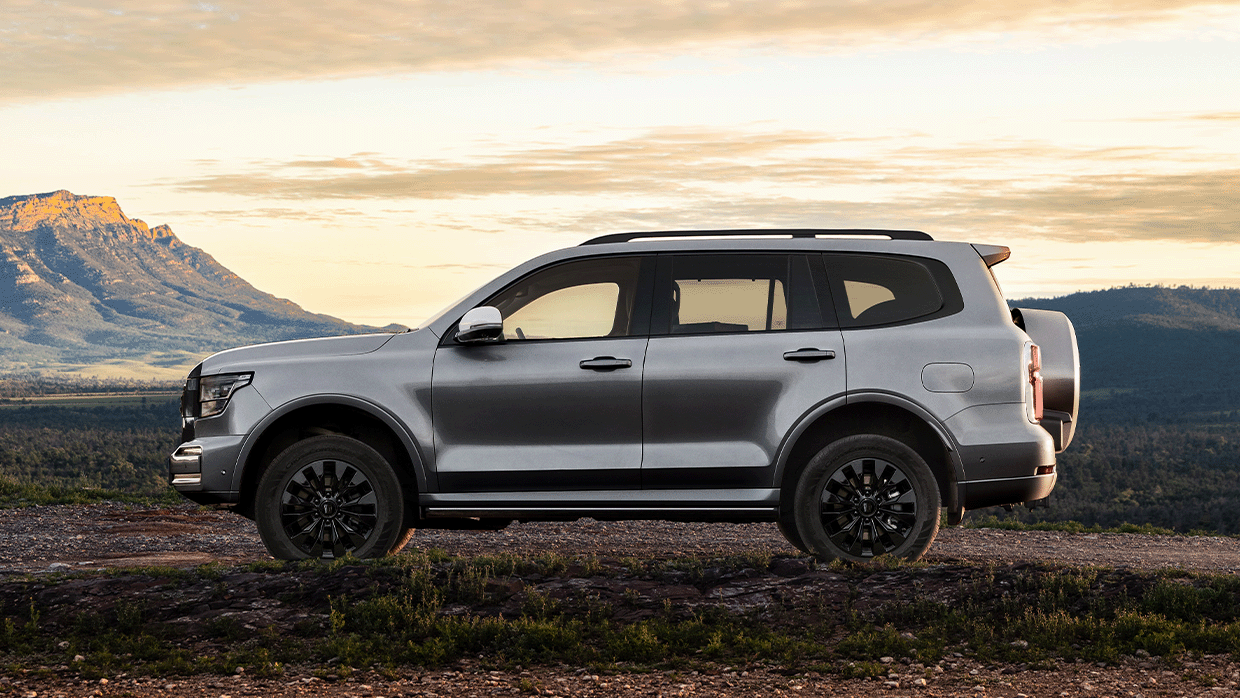
The switch to a part-time 4×4 system and the conservative driveline calibration was done to achieve the commendable 7.1L/100km combined fuel efficiency claim, which is more frugal than an Everest V6 (8.5L/100km) and Toyota Prado (7.6L/100km)
GWM has also fitted a sub-tank to the ‘Vanta’ grade, which expands the total tank capacity to 131L, suggesting a range of 1845km – which is almost as good as a Toyota Land Cruiser 70 Series ‘Troopy’. And at least for now, the Tank 500 diesel does not require AdBlue.
Along with a more affordable price tag, many Tank 500 buyers are likely to be swayed by the diesel’s more practical seven-seat layout over the plug-in, which is limited to just five, thanks to its big battery.
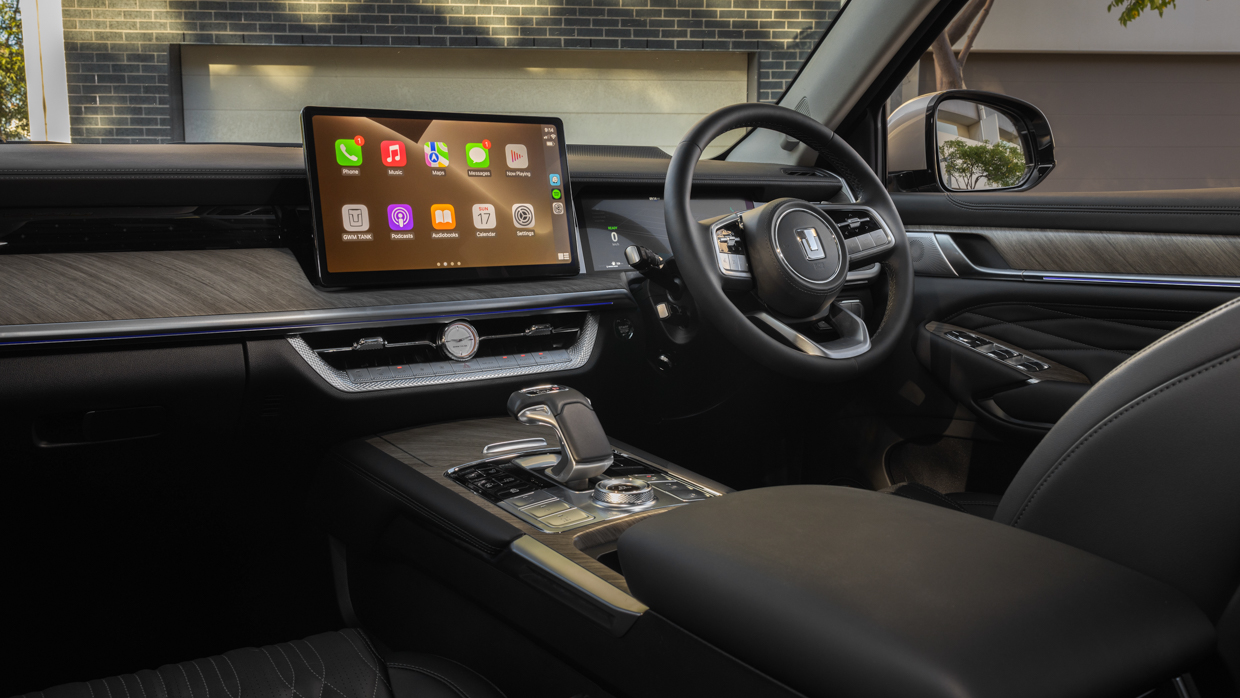
Pictured: the plug-in hybrid Ultra
You can read more about the interior of the Tank 500 in our previous reviews but it continues as a generally comfortable and spacious place to be, with a sense of luxury that sometimes feels genuine and can at others feel painted-on.
Official specifications for the diesel haven’t yet been released but it’s fair to expect standard features like a wireless phone charger, sunroof, synthetic leather seats, powered and heated front seats and a 14.6-inch multimedia system.
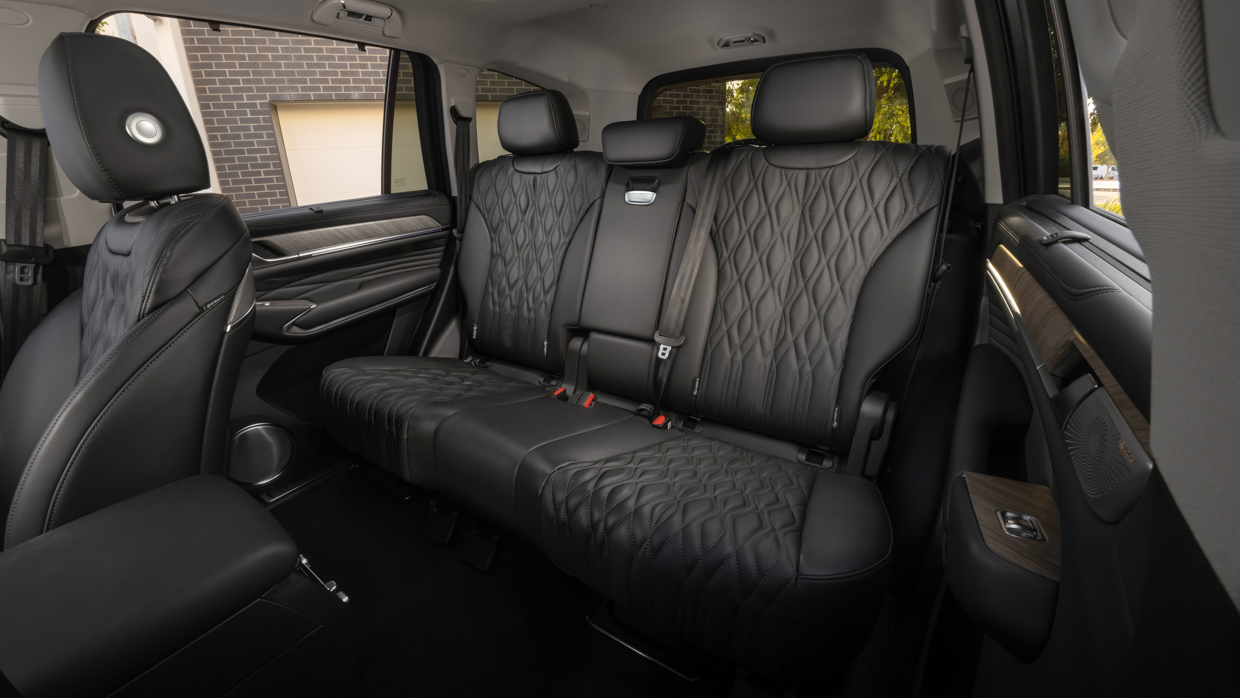
Pictured: the plug-in hybrid Ultra
The upper-spec Vanta is likely to add Nappa leather, a full-length panoramic sunroof, power side-steps, heated seats in the second row and ventilation in the front.
No word yet on the size of the Tank 500 diesel’s boot, but we don’t expect to be too far off the 795L quoted for the plugless hybrid when the third row is folded, or 98L when it’s in place.
GWM Australia is clearly proud of its new engine and there’s good reason to be. It is punchy and thoughtfully engineered.
Without further testing of a full production vehicle in crucial areas such as towing and low-range off-roading, we’re not yet ready to GWM’s claim the 3.0L is ‘segment-leading’, however.
Initial signs and innovation in key areas such as fuel economy show the Tank 500 diesel is a positive addition to the segment, rather than just more clutter.
About Chasing cars
Chasing Cars reviews are 100% independent.
Because we are powered by Budget Direct Insurance, we don’t receive advertising or sales revenue from car manufacturers.
We’re truly independent – giving you Australia’s best car reviews.
The estimate provided does not take into account your personal circumstances but is intended to give a general indication of the cost of insurance, in order to obtain a complete quote, please visit www.budgetdirect.com.au. Estimate includes 15%^ online discount.
^Conditions Apply
Budget Direct Insurance arranged by Auto & General Services Pty Ltd ACN 003 617 909(AGS) AFSL 241 411, for and on behalf of the insurer, Auto & General Insurance Company Limited(ABN 42 111 586 353, AFSL 285 571).Because we don’t know your financial needs, we can’t advise you if this insurance will suit you. You should consider your needs and the Product Disclosure Statement before making a decision to buy insurance. Terms and conditions apply.
Indicative quote based on assumptions including postcode , 40 year old male with no offences, licence suspensions or claims in the last 5 years, a NCD Rating 1 and no younger drivers listed. White car, driven up to 10,000kms a year, unfinanced, with no modifications, factory options and/or non-standard accessories, private use only and garaged at night.
^Online Discounts Terms & Conditions
1. Discounts apply to the premium paid for a new Budget Direct Gold Comprehensive Car Insurance, Third Party Property Only or Third Party Property, Fire & Theft Insurance policy initiated online on or after 29 March 2017. Discounts do not apply to optional Roadside Assistance.
2. Discounts do not apply to any renewal offer of insurance.
3. Discounts only apply to the insurance portion of the premium. Discounts are applied before government charges, taxes, levies and fees, including instalment processing fees (as applicable). The full extent of discounts may therefore be impacted.
4. We reserve the right to change the offer without notice.