Powered by

-
Car Reviews
Latest reviews
-
Car News
Latest news
-
Car Comparisons
Latest comparisons
- Chasing Deals
Latest reviews
Latest news
Latest comparisons
Australian families were given few new passenger-car choices during the past 12 months, and only one stood out
Industry sales data continues to tell us that nearly every Australian family is buying an SUV, but it also reveals that some still prefer to take the minority option and tread the passenger-car path.
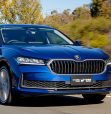
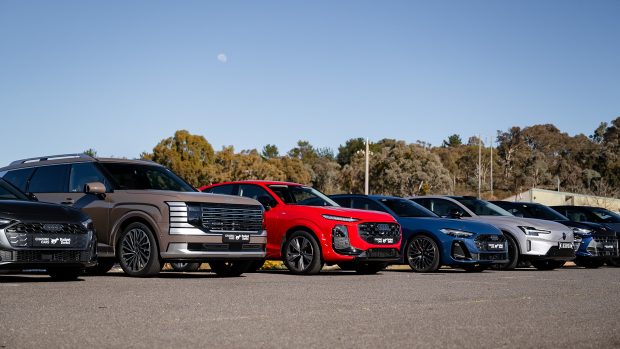
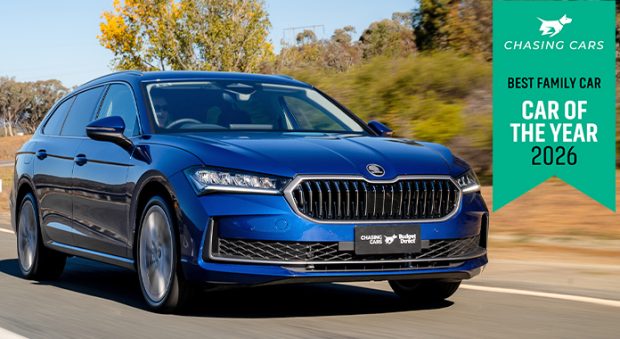
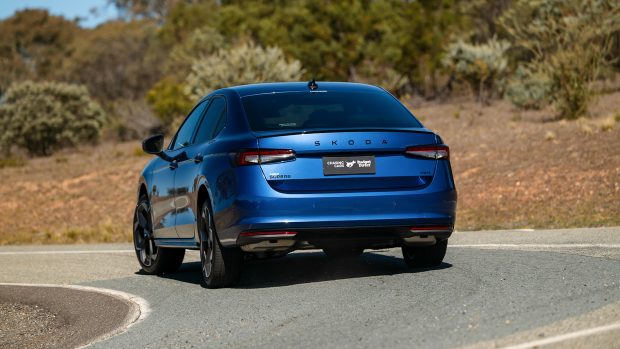
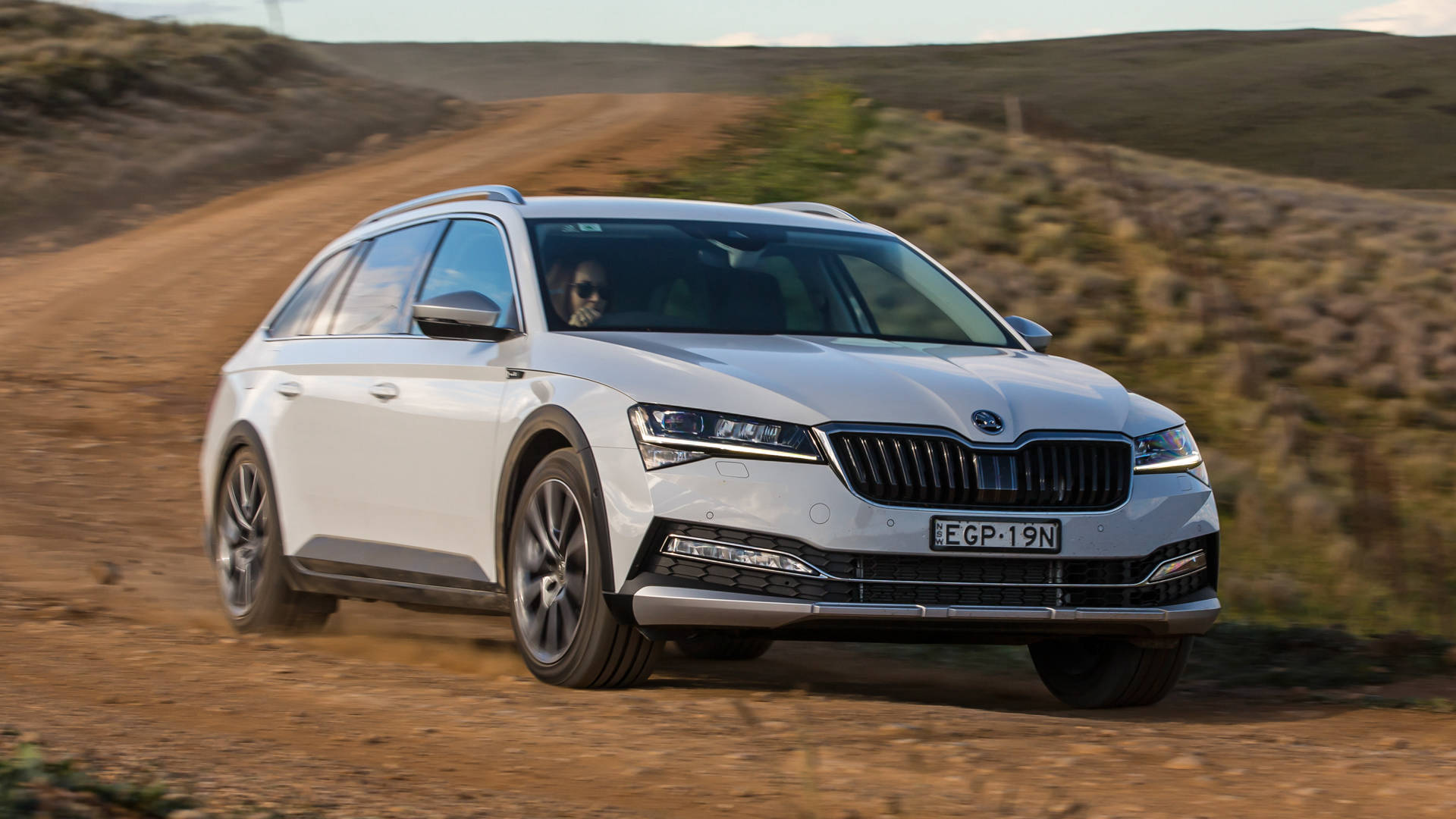
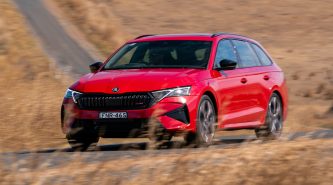
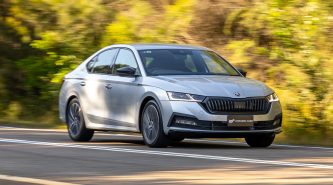
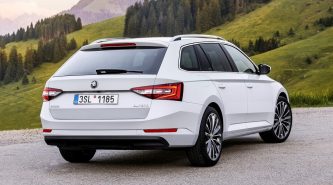
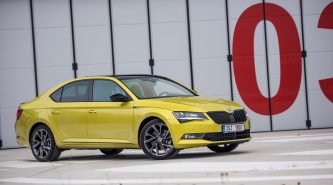
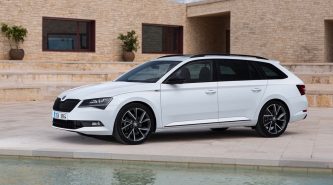
New SUV alternatives are slim pickings, however, which resulted in Skoda’s fourth-generation Superb large car being the only invitee to our COTY Canberra testing.
Our pre-event culling process crossed out all other eligible cars, which could be counted on just a single hand.
Kia’s K4 petrol hatch and electric EV4 electric sedan both garnered 7/10 scores that are respectable but no more.
MG’s MG7 sedan ghosted into showrooms in late 2025 without an official launch and, with equal mystery, hasn’t been forthcoming for review.
We did test the Chinese brand’s IM5 electric sedan, which is likeable while falling short of its premium-car aspirations.
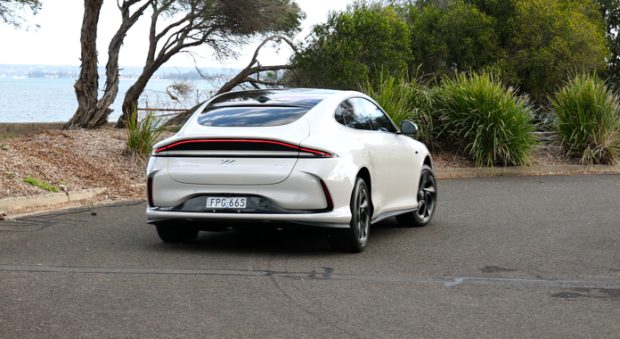
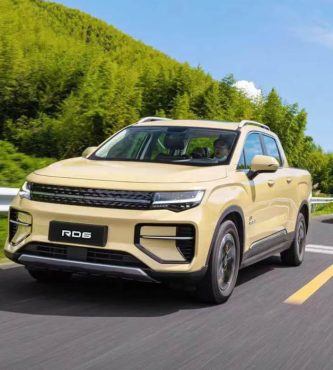
We’re still trying to figure out how to classify Deepal’s weird part-sedan, part-ute E07 but we were sure about an above-average rating only.
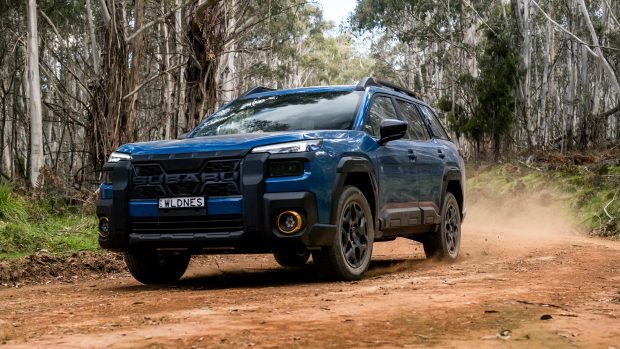
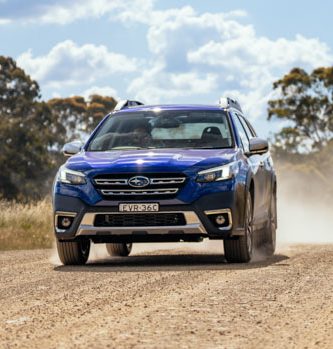
Subaru’s Outback is arguably more SUV than wagon these days, a body style transition made even more complete by the latest-generation model.
Even if given the benefit of the doubt to still be considered a passenger-car, the Outback had some key downsides working against it: a sluggish standard engine, lack of a fuel-efficient powertrain option, and a hypersensitive driver attention monitoring system.
What are we looking for in a Car of the Year segment winner? It’s all about performance of intended function — how well a vehicle executes its purpose. Below are the aspects we interrogate.
A winner by default yet a victory earned by being hard to fault.
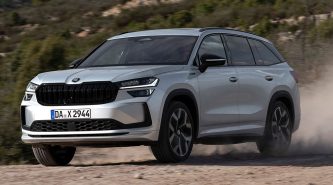
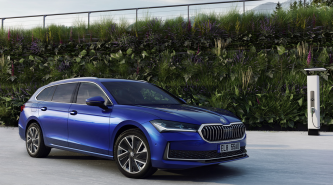
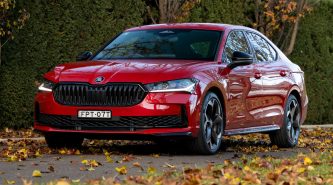
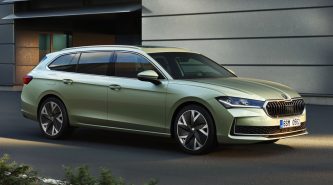
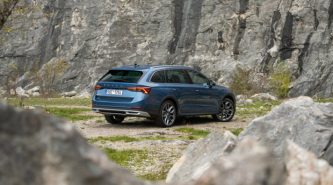
The strength of the Superb’s practicality is less about the size of the cabin – which is predictably huge for a car stretching to nearly five metres – and more about what Skoda has done within the space.
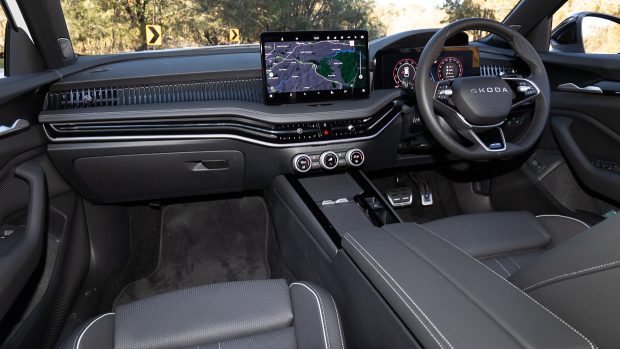
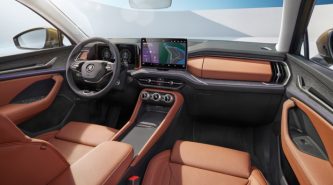
In the Czech brand’s long tradition, the Superb’s interior is brimmed with surprise and delights such as the brolly secreted into the driver’s door for unexpected downpours, a fabric wiper to clear the touchscreen of finger smudges, and the trio of physical-digital ‘Smart dials’ that places a configurable multi-function display between two climate controllers.
There’s an abundance of storage options including a 5.5-litre ‘Jumbo box’ centre console cubby and mini rubbish-bins in the front door pockets.
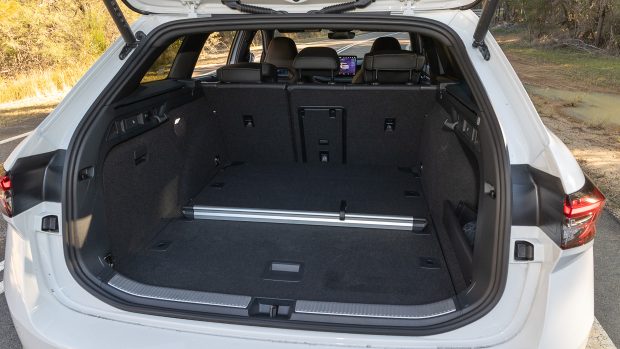
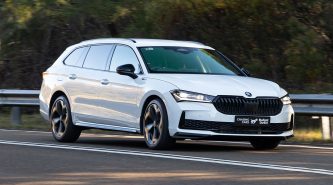
Generous boot space is granted by both body styles and even the sedan provides convenient access courtesy of its ‘liftback’ hatch. Further evidence of Skoda’s thoughtful thinking is found here with one-touch-retractable cargo blinds in the wagon, netting systems, storage ‘hammock’, moveable floor dividers, and various hooks.
More practicality points are scored with release levers for the seatbacks when bigger, longer items need to be stowed.
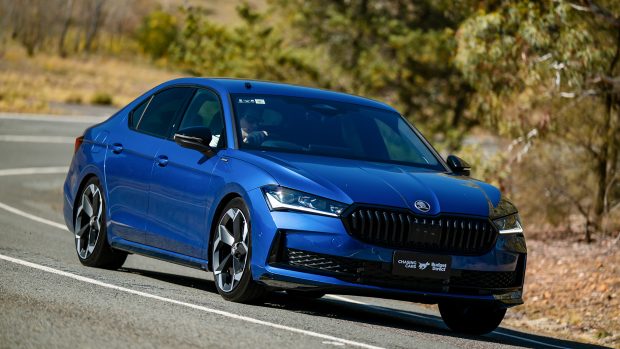
In Sportline specification, the Superb is jam-packed with equipment, adding standard features over the previous generation worth $8500 according to Skoda. An agreeable trade-off for a $2400 price increase.
Technology incorporates the first head-up display for a Superb, high-quality infotainment and driver-cluster screens, and a great-sounding Canton audio system.
Families can keep running costs and the Superb entry cost down by opting for the more recently introduced PHEV – priced from $62,990 in a lower Select grade and reducing fuel consumption with its plug-in hybrid drivetrain that offers up to 125km (WLTP) of pure electric driving. It’s currently restricted to the wagon body style.
The Select isn’t a downgrade in either cabin smartness or seat comfort, though it is about as colourful as an overcast day.
You can choose different colours for the Sportline’s LED ambient cabin strip lighting, with a dash of sportiness added by some fake carbonfibre trim and more purposeful-looking seats and steering wheel.
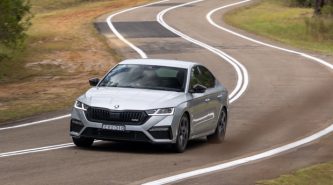
There’s a sporty drive available, too, delivered by the Sportline’s turbocharged petrol engine, though Skoda also acknowledges the Superb’s target market with an adaptive suspension that offers Comfort as well as Sports modes. For fussier types, 15-stage damping adjustment is possible without the need for a spanner – changed, instead, simply via a slider on the central touchscreen.
Combined with an engine that is as happy to run in a relaxed manner at low speed as it is revving towards its redline, it gives the Superb a broad dynamic spectrum to accommodate varying driver tastes or moods.
Elevated tyre noise on coarser road surfaces is the most notable driving blemish, and the Sportline’s adaptive dampers don’t always smother sharper bumps.
As we suggested earlier, however, the Superb’s good points far outweigh the negatives.
If it’s not quite perfect, the big Skoda – 17 years and three generations since its local debut – has never been less guilty of over-selling its nameplate.
Latest comparisons
About Chasing cars
Chasing Cars reviews are 100% independent.
Because we are powered by Budget Direct Insurance, we don’t receive advertising or sales revenue from car manufacturers.
We’re truly independent – giving you Australia’s best car reviews.