Powered by

-
Car Reviews
Latest reviews
-
Car News
Latest news
-
Car Comparisons
Latest comparisons
- Chasing Deals
Latest reviews
Latest news
Latest comparisons

With a huge influx of new names, the family-friendly mid-size SUV field was tough in 2026
This is the biggest segment in the Australian new-car market, making up the majority of local sales and offering the broadest range of competitors.
The medium SUV has become the default family vehicle, offering space for five, a big boot and the suggestion of adventure capability with lifted ride heights compared to hatchbacks and sedans.
Yet crucially – because many of these vehicles will never get bogged in the mud – efficiency is the name of the game. Saving money on fuel means more to spend on fun things, like going on holiday and baked goodies.
A variety of vehicles launched this year. There were new generations of familiar names such as the Toyota RAV4, Mazda CX-5, Subaru Forester and Volkswagen Tiguan.
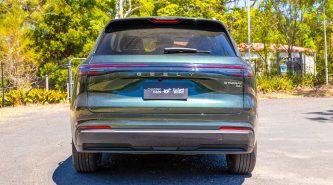
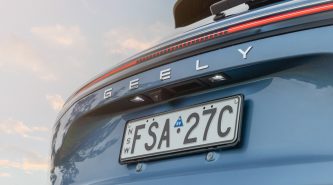
Excitingly though there were also more all-new names than most could keep count of, the Zeekr 7X, Cupra Terramar, GAC Aion V, Leapmotor B10, Geely Starray, BYD Sealion 5…the list goes on.
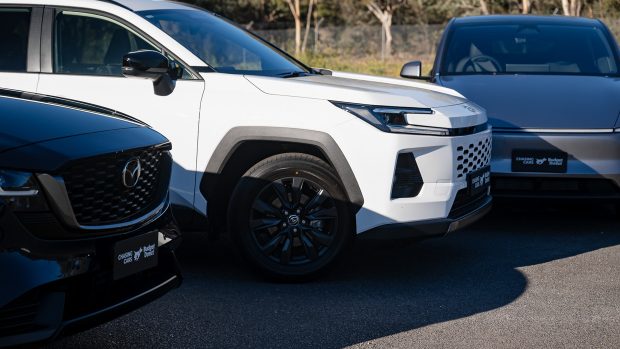
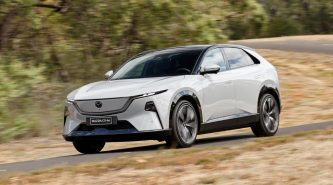
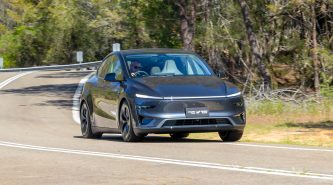
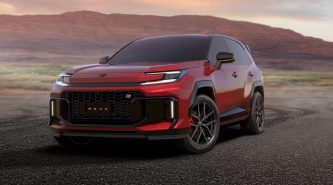
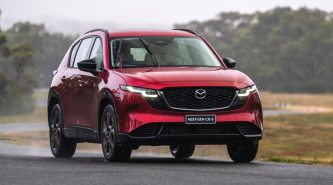
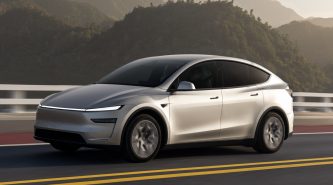
Contesting this year’s Medium SUV honours directly were the Tesla Model Y, Zeekr 7X, Cupra Terramar and Toyota RAV4, with a wildcard entry for the Mazda CX-5 letting us sample the popular nameplate before other media outlets.
What are we looking for in a Car of the Year segment winner? It’s all about performance of intended function — how well a vehicle executes its purpose. Below are the aspects we interrogate.
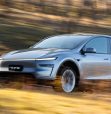
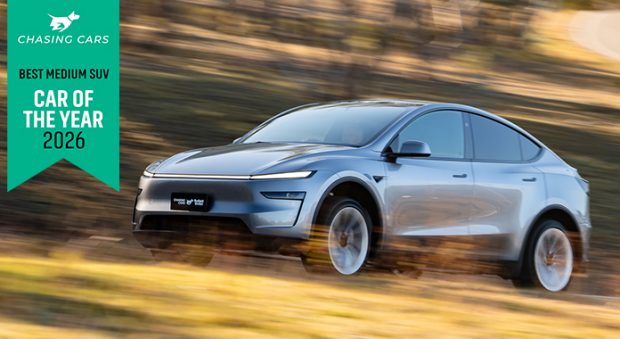
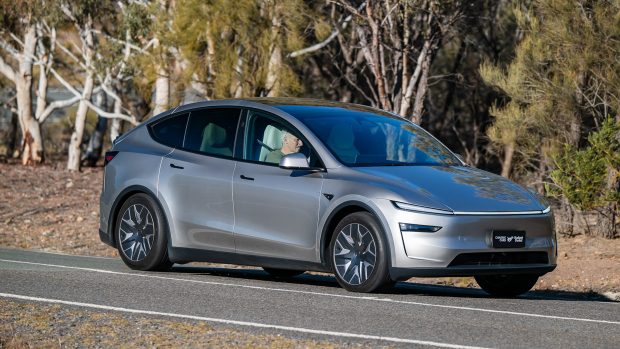
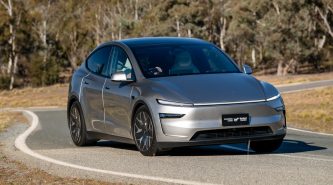
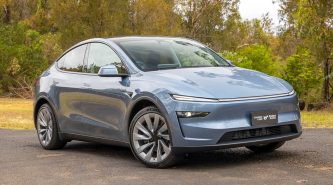
As you might be aware, a facelift doesn’t count for Car of the Year eligibility, but like the Tesla Model 3 in 2025, the MY26 Model Y has significant changes under the skin that fundamentally affect the way it drives.
So, with that in mind, it’s justified its inclusion this year and as you can probably figure out, that’s because it’s extremely good.
Let’s start with electricals. Charge speed may not change the game, however the efficiency Tesla has eked out of this platform is astounding.
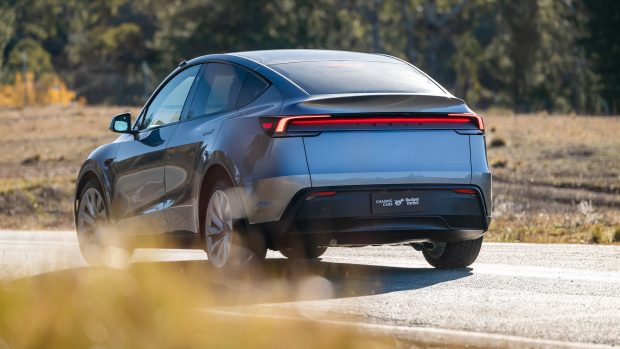
Put some of that down to the aero-friendly soap-bar styling but really it’s Tesla’s motors and battery technology that deliver the Model Y’s astoundingly low electricity usage.
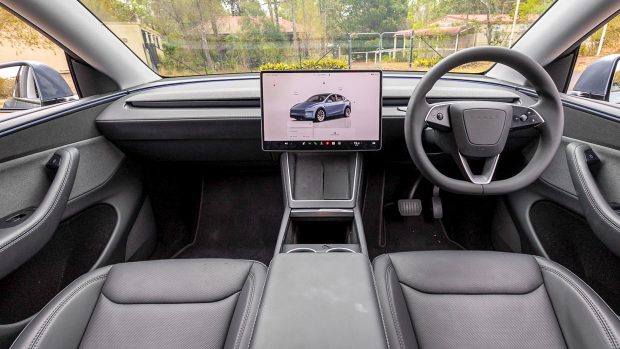
Inside, the Model Y is a packaging marvel, it always has been. The cabin is spacious and light-filled, the technology feels easily the most powerful on sale right now and the seating is comfortable. Ventilated seats are standard across all variants.
The other reason to include the Model Y was its new variant, the physically-larger Model Y L (or YYY, if you look at the badge). This new take augments the Model Y recipe with a third row of seating and two captain’s chairs in the second row.
It means you can leave child seats set in the middle row and walk through to the third, or even fit four if you need, boosting the Model Y’s utility.
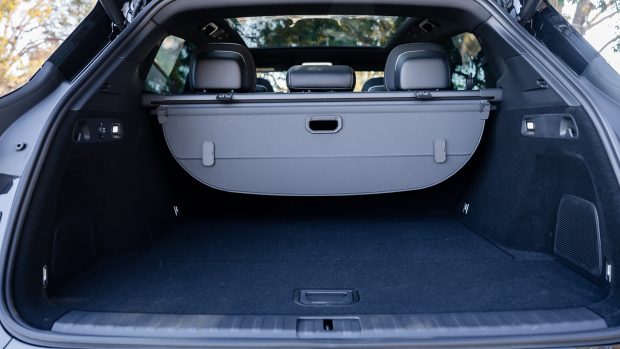
As always, Tesla’s audio systems are simply superb. They’re easily the best you can get under $100,000, and the Model Y continues this theme. The boots are massive, as are the frunks, making the Model Y a great choice for families.
When it comes to driving, the newest Model Y has been honed for most buyers; read into that as softened off, compared to early cars. There’s more body roll and pitch, we noticed on the ride and handling course, however the trade-off is better bump absorption.
The Model Y L also brings adaptive dampers to the nameplate for the first time outside the sharp-to-drive Performance. These are biased towards comfort, softening off the ride but still providing strong body control.
Steering has become less hyperactive, and in a way less satisfying to dice up a road. But it’s also much less tiring.
Tesla’s bold choice to roll out ‘Full Self-Driving (Supervised)’ essentially coincided with the new Model Y and it can’t be ignored here. Love it or hate it, Teslas are the only cars that can navigate real-world roads with such little driver input…at a cost, of course.
Combining excellent packaging, loads of equipment, stellar electrical credentials, decent ride and handling with a genuine vehicular innovation makes the Model Y an easy choice for the best medium SUV to launch this year.
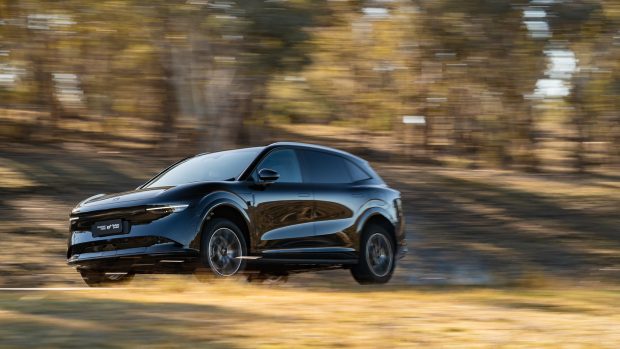
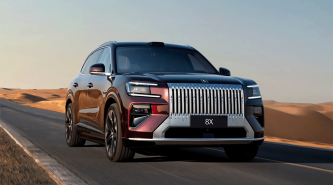
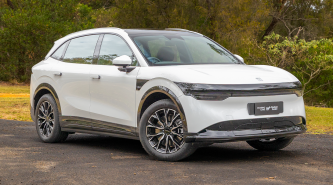
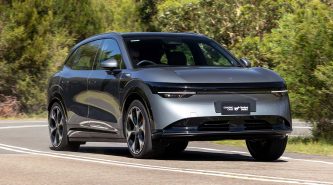
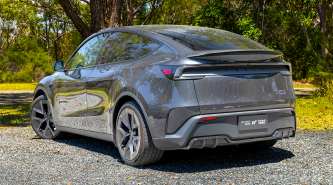
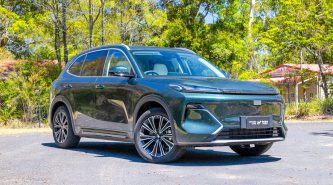
The Zeekr 7X and Tesla Model Y arrived on level footing, each having won a comparison test throughout the year in different guises. It was the 7X Performance that impressed us most, beating the more-expensive Tesla Model Y Performance on both value and chassis character.
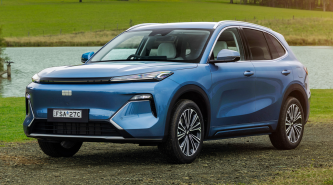
Down the lower end of the range, though, the 7X was pipped to the post by the base Tesla Model Y. At Car of the Year, we had the mid-spec 7X Long Range RWD, with its spectacular fast-charging time from 800-volt electricals and brilliant 615km WLTP driving range.
Unfortunately, the passively damped RWD 7X proved not to offer the dynamic bandwidth of the Performance, meaning it can feel a little untamed on twisting roads.
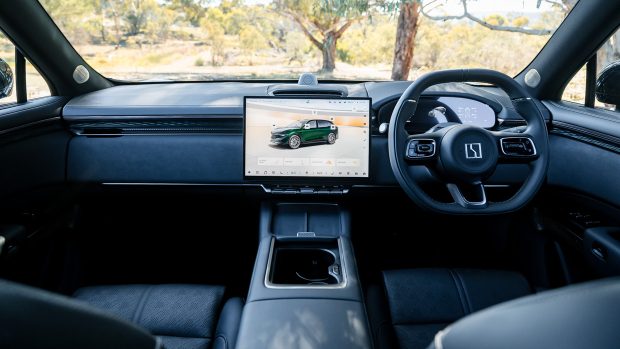
Plus, general usability isn’t as straightforward as the Model Y. The boot isn’t as smart and the big bright touchscreen is more convoluted in its layout.
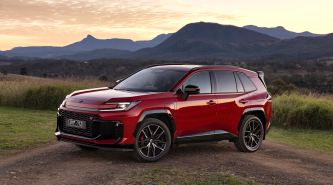
The Zeekr 7X majors on style and substance, coming in some excellent colours, but the range-wide execution just doesn’t quite hit the mark.
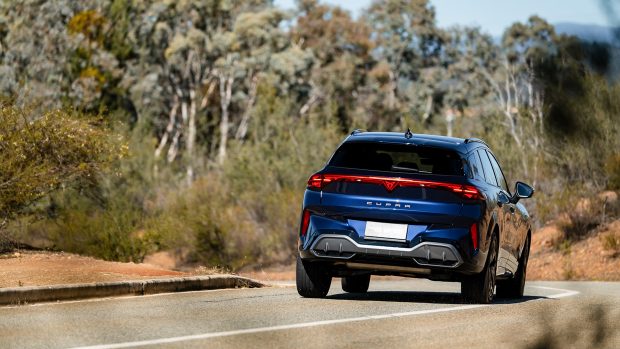
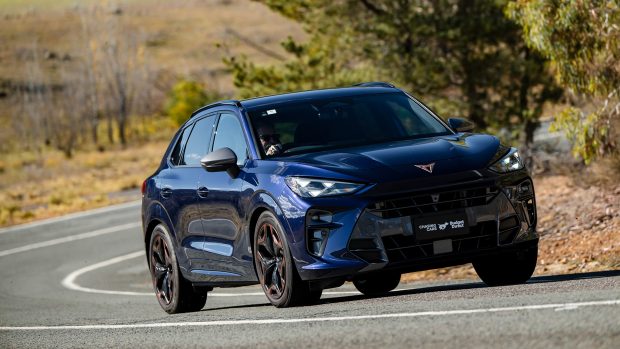
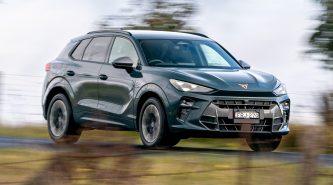
Why the Cupra Terramar instead of the Volkswagen Tiguan? Well, the Terramar had more promise. It’s a new name and a new take on the family car, one that’s practical without being daggy.
For us, the new Tiguan relies too heavily on screens and lacks personality in the driving department, something the Terramar does not. With a broad selection of rorty powertrains (including a plug-in hybrid) there’s plenty to like about Cupra’s most sensible offering.
However, we didn’t all love the copper-heavy interior detailing and it’s clear that the Terramar sacrifices a little bit of practicality in the name of style and being in your face. It’s fun, interesting, and different, but not an overall winner.
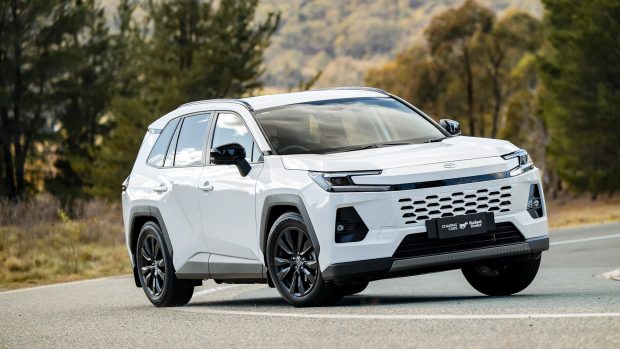
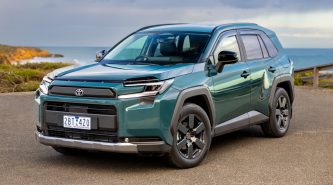
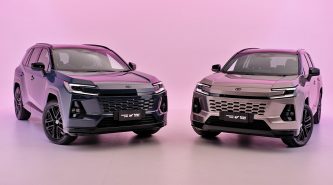
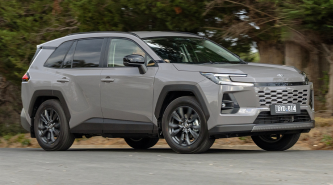
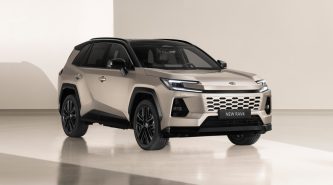
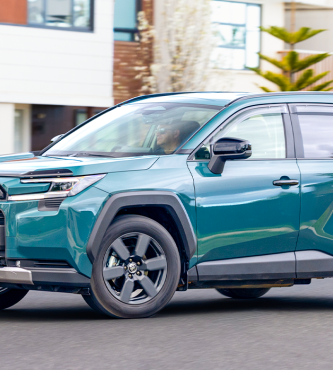
One of the two Japanese SUVs at Car of the Year 2026 which struggled with unambitious updates from manufacturers. We managed to drive the RAV4 before our week of testing and it won a comparison test against the Hyundai Tucson. But it was a narrow verdict.
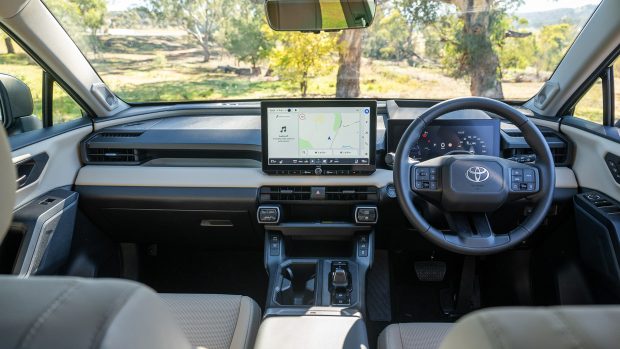
More efficient, quieter and with new technology, the latest RAV4 feels more like a facelift than the actual-facelift that is the Tesla Model Y.
Perhaps the most telling trick here is that Toyota put in its literature a massive gain in boot space, from 580 to 705 litres despite essentially unchanged exterior dimensions. Dive a little deeper, though, and Toyota reveals the new car’s space is measured to the roof, rather than the top of the rear seats. Hmm…
The new RAV4 is good. Quantifiably better than before, sure, but not in a way that will have current owners rushing out to buy a new-generation car.
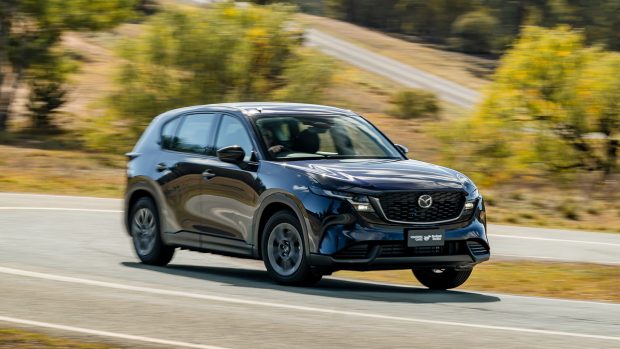
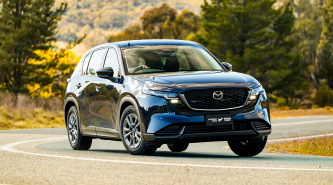
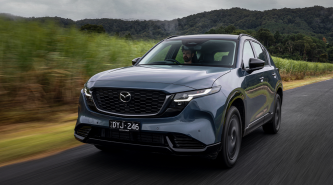
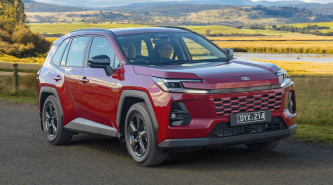
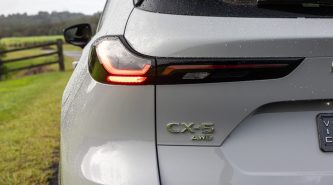
Invited as a wildcard, the new Mazda CX-5 doesn’t look like much on paper yet we all loved driving it at the proving ground. It’s generally simple to operate, easy to like and a nice improvement over the generation that came before in many aspects with enjoyable dynamics.
It’s not even any more expensive, really, adding AWD and a (detuned) 2.5-litre petrol engine for a very small premium at the lower end. It sits on the same platform, though, and there’s no hybrid.
That might not put all buyers off, but Mazda needed to offer one on a new-generation car to cut through.
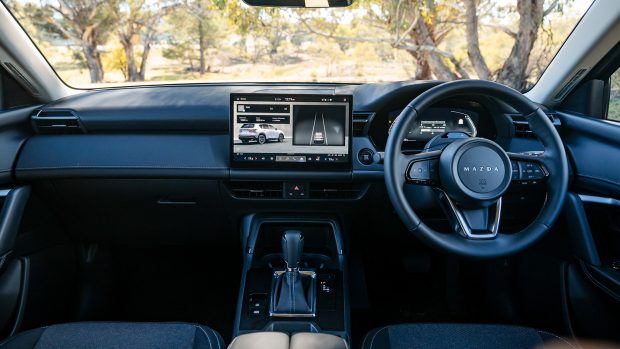
Usability flaws also presented themselves at Car of the Year, particularly the dark, overloaded central touchscreen which houses key functions including the climate controls.
Latest comparisons
About Chasing cars
Chasing Cars reviews are 100% independent.
Because we are powered by Budget Direct Insurance, we don’t receive advertising or sales revenue from car manufacturers.
We’re truly independent – giving you Australia’s best car reviews.