Powered by

-
Car Reviews
Latest reviews
-
Car News
Latest news
-
Car Comparisons
Latest comparisons
- Chasing Deals
Latest reviews
Latest news
Latest comparisons
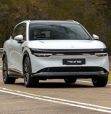
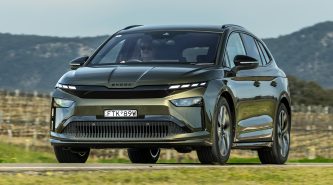
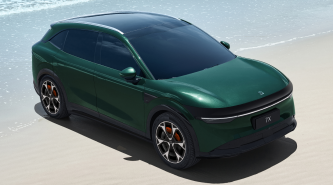
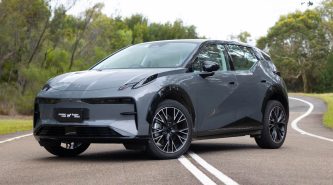
This Chinese premium electric medium SUV is enjoying skyrocketing popularity. Is Zeekr’s big-battery mid-spec rear-driver worth shortlisting?
To date, the Zeekr 7X medium electric SUV has garnered high critical praise and is – by Chasing Cars analytics – drawing huge reader and viewer interest with those following our channels. Not that this is likely to keep Audi, BMW, Lexus and Mercedes-Benz awake at night…
But…for the month of March this year, the Zeekr 7X was almost the best-selling premium SUV in Australia (679 units, VFacts). Further, year to date (to April), it’s outselling (at 1725 units) the likes of BMW X3/iX3, Lexus NX and Mercedes-Benz GLC in overall sales…though all and sundry trail the juggernaut success of Tesla’s Model Y (5897 units).
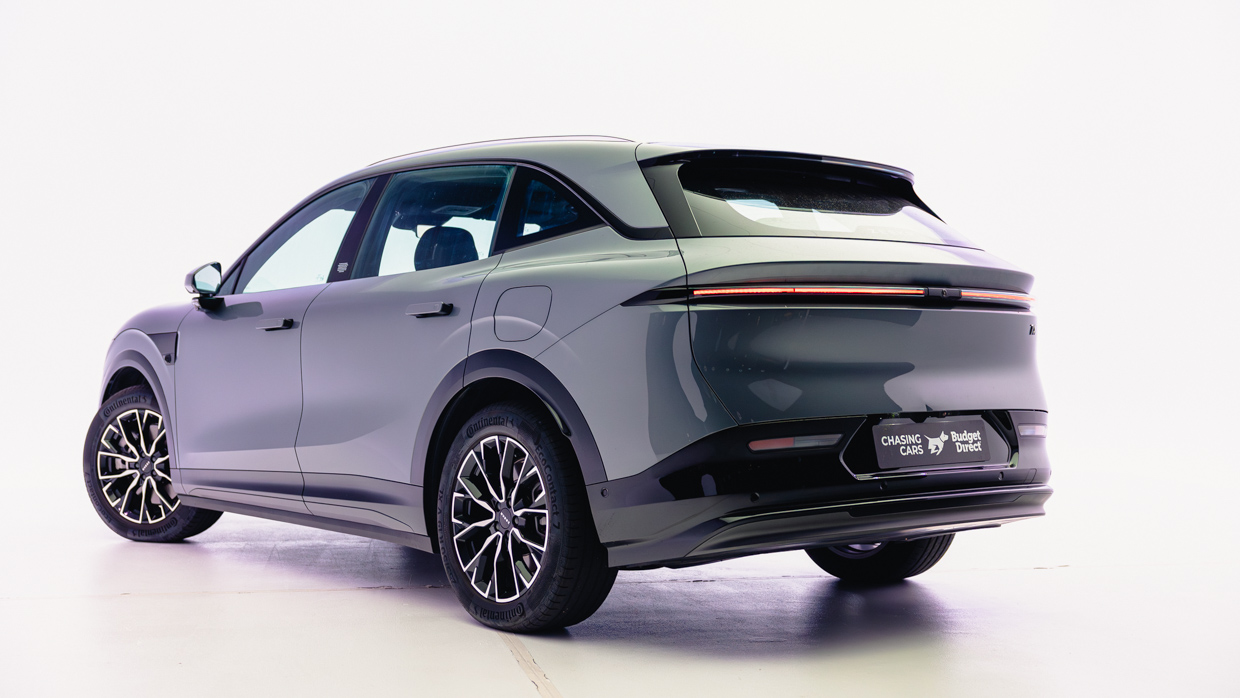
The sobering, sleepless bit for Germany and Japan is that Zeekr 7X only debuted in Australia in December 2025.
Is the 7X the right stuff for right here and right now? Evidence certainly suggests so.
And as the recipient of consistent 8/10 ratings at Chasing Cars in base and flagship performance guises, seemingly from nowhere, the 7X has landed as arguably the finest midsize Chinese SUV attainable money can buy.
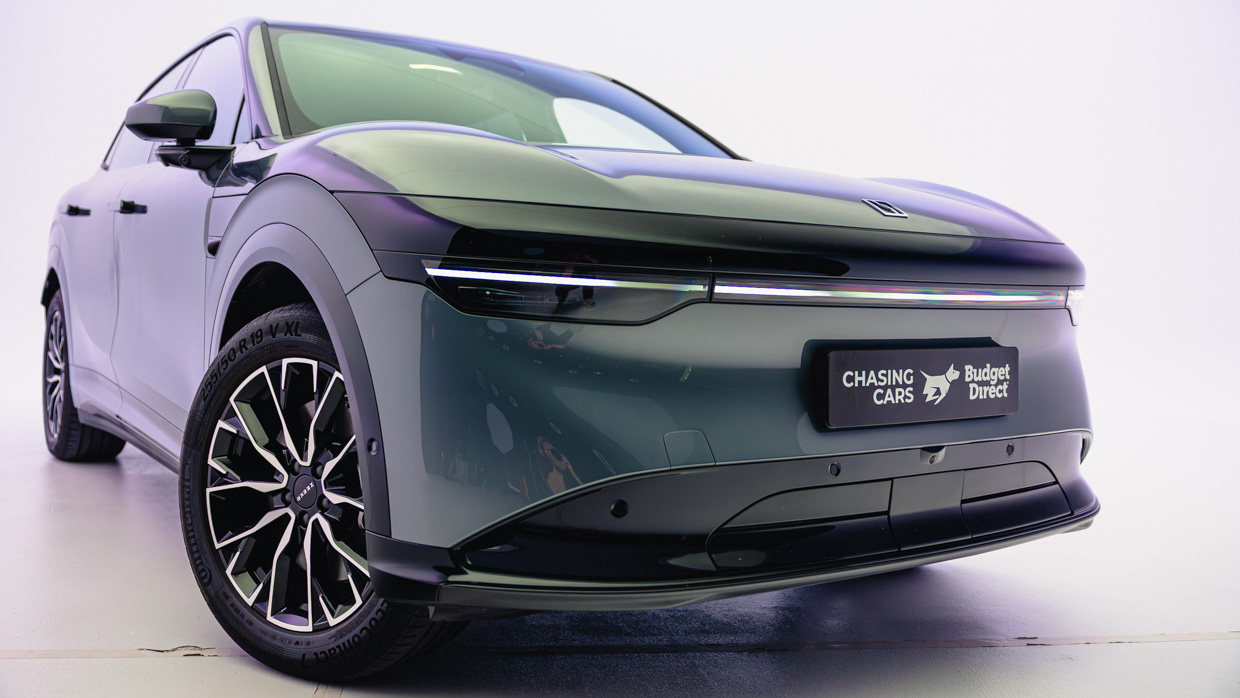
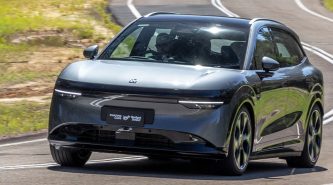
What we hadn’t sampled until now, though, was the one variant we’ve predicted that ought to be the sweetest spot in the three-variant range: the middling Long Range RWD version, priced from $63,990 list, some six grand more than the base RWD ($57,900) and five grand below the ballistic dual-motor Performance ($72,900).
The right price? Interestingly, if surprisingly, the 7X LR RWD lists precisely halfway between the entry Tesla Model Y RWD ($58,900) and Model Y Long Range All Wheel Drive ($68,900), where the American brand lacks a direct rival. On road, our Tech Grey ($1500) example of the 7X LR RWD clocks in at $71,918 driveaway (in NSW).
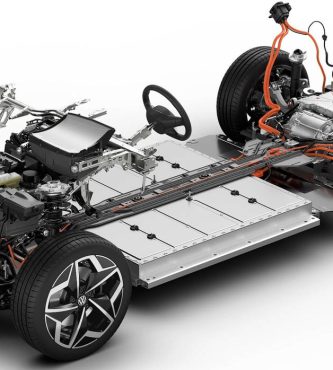
Essentially, our tester shares the same SEA platform used for Polestar 4, same 800-volt DNA, identical 310kW/440Nm outputs and 6.0sec 0-100km/h prowess as the base 7X.
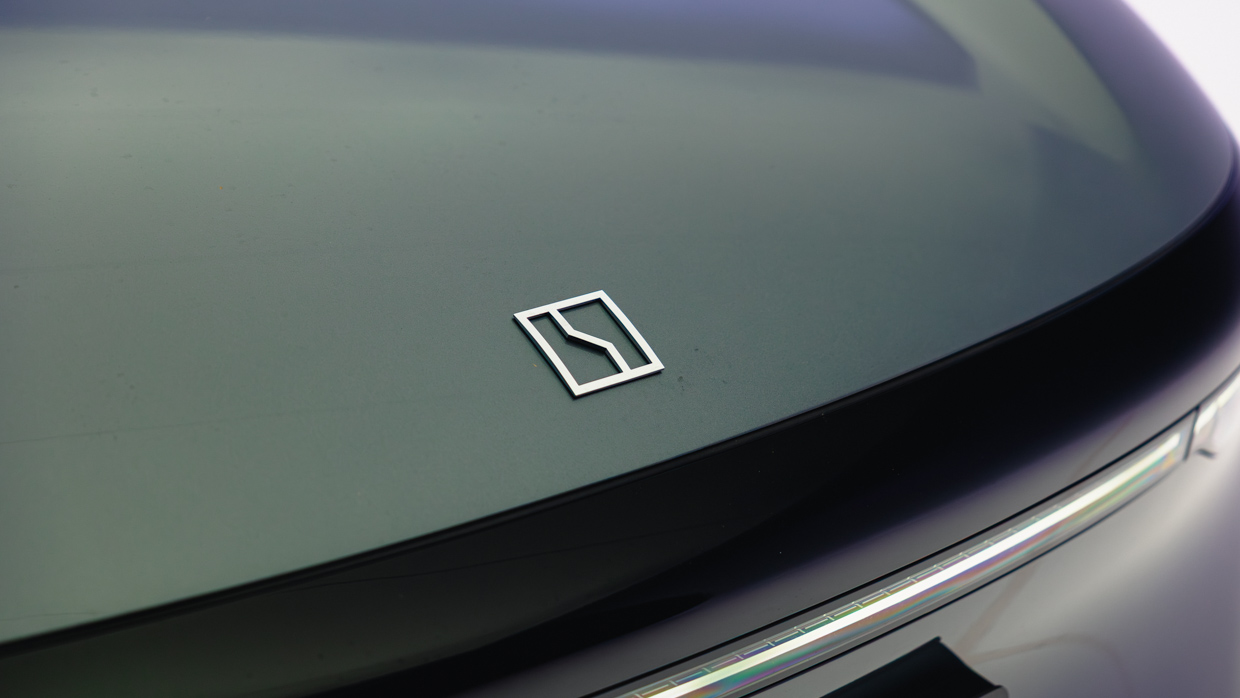
It’s just that your added $6K splurge ups the 75kWh (71kWh useable) LFP battery and 480km range claim credentials to a 100kWh (94kWh useable) NCM battery unit and a claimed 615km WLTP.
The big battery also demands a little longer to charge – down three minutes to a still stellar 16 minutes for the 10-80 percent DC boost – with a theoretical peak rate of 420kW. The AC peak rate is 22kW.
Much of the features set is shared with the base version, though the LR RWD does add a smattering of extra goodies: massaging and cooled front seats, a 36-inch head-up display, 21-speaker audio and few other nicknacks.
Is the LR RWD and continuation of fine critical form, and indeed the goldilocks variant it appears to be on paper? Or does it drop the ball with some sort of compromise or shortcoming (or three)?
We’ve gushed about the upper-crust 800-volt electro-mechanical DNA under the Zeekr’s skin aplenty in the past, but it’s how it comes together in character, comfort, surefootedness and friendliness that counts here.
The 7X is, in short, a hugely accessible and natural drive, and in no more a significant department than in ADAS calibration. This Zeekr demands no system switch-off prior to each trip to behave itself, which is unlike virtually any other Asian SUV your reviewer has driven in recent memory.
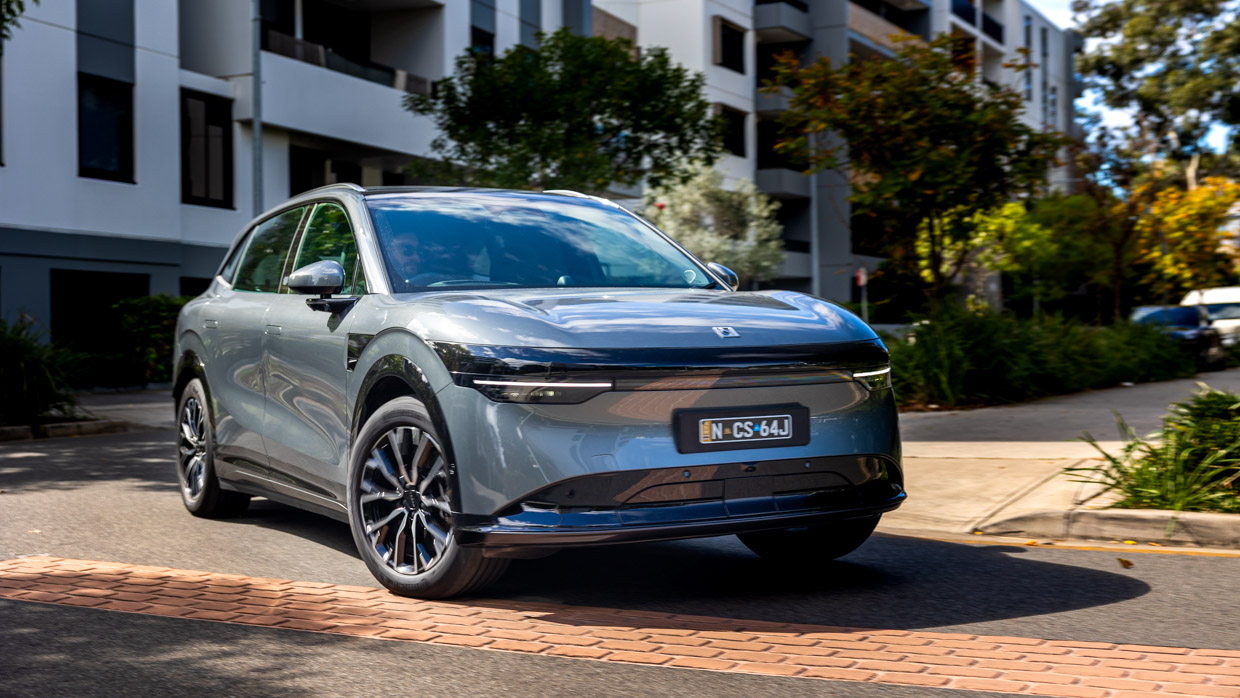
Characteristically, Zeekr has clearly had one eye on Tesla in the drive experience if, thankfully, without mimicking the American marque’s less savoury traits. While the Model Y’s terse (if improving) ride-handling balance and nervously darty steering appeals to some taste, the Zeekr is measurably more relaxed, measured and grown up.
Passively damped and sat on double-wishbone front and five-link rear suspension, the ride quality the 7X RWD returns is rounded, compliant and cushioning. The portly 2.4-tonne mass also does wonders to keeping the body settled on the move, fast or slow.
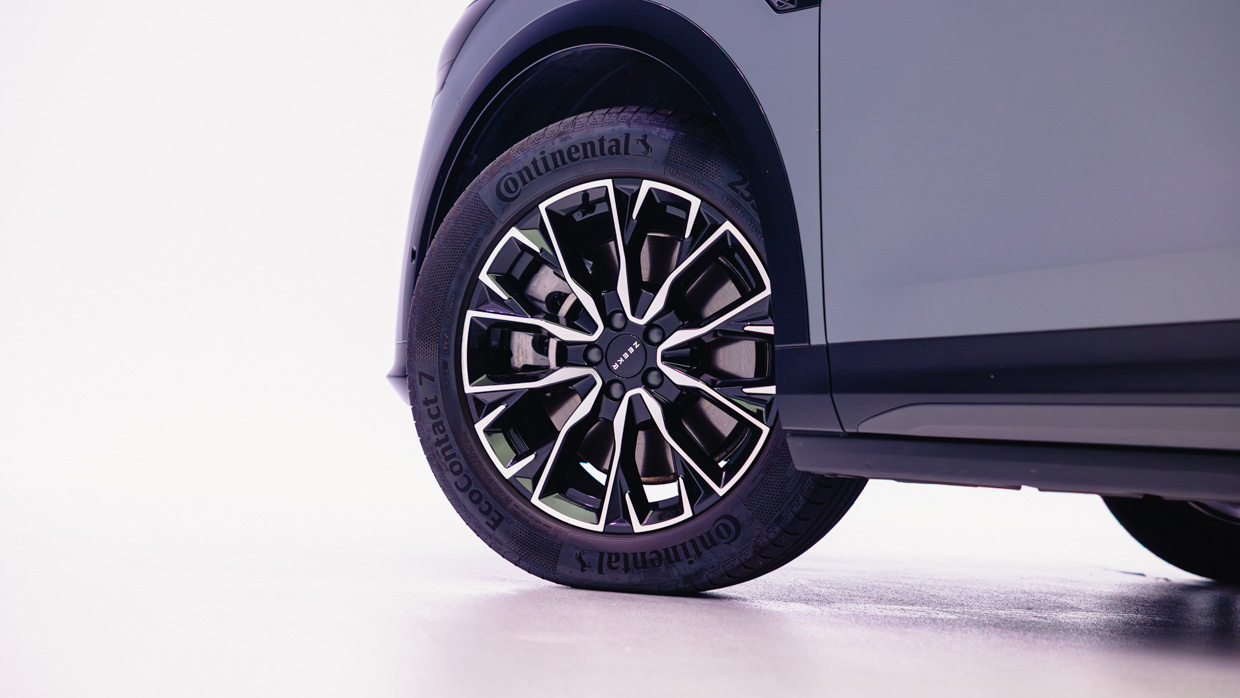
However, it’s prone to the occasional jolt across sharped edged road imperfections and – to nitpick – some faint jiggling across high-frequency lumps. And both ambient and road noise up through the tyres, is surprisingly prominent.
On the matter of surprise, dynamic talent comes swelling through the chassis when you tip the Zeekr into the corner with gusto. That it lacks much in the way of steering feel doesn’t negatively impact the driving experience too greatly.
There’s a huge amount of lateral grip and the front end points with aplomb – again, without the red cordial nervousness of a Model Y – and its point to point pace is impressive.
It’s surely one of the most composed and capable electric SUVs out there.
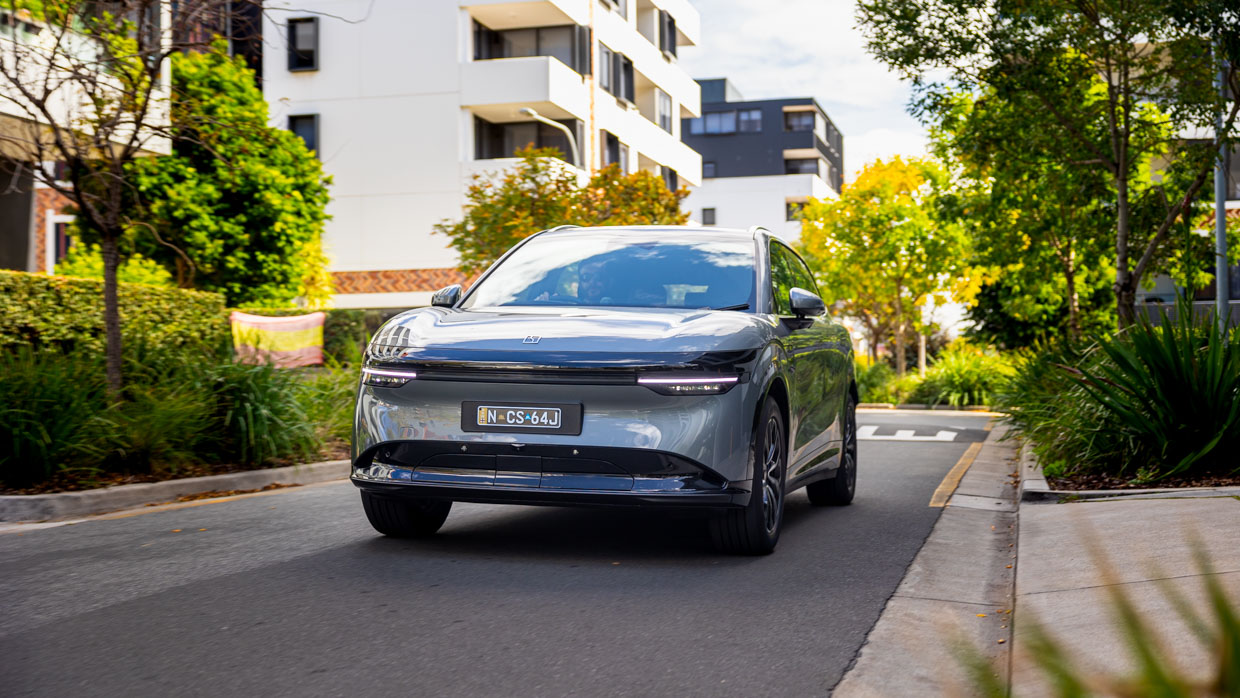
Part of that is performance. Despite the hefty vehicle weight and outputs that hardly raise an eyebrow on paper, the (440Nm peak) torque ramp-up is spot on: it’s assertive from low rpm if without unnecessary urgency with off-the-mark throttle response.
It builds pace in a nice, linear manner, too, with plenty of traction when launching hard while bringing a neat on-throttle manner exiting corners. The Zeekr is a satisfying driver’s punt, even in this single-motor guise.
Other highlights? Together with the excellent camera system, the 7X is a doddle to park thanks to a turning circle that feels remarkably concise if, in practice, is academically fairly average (11.6 metres).
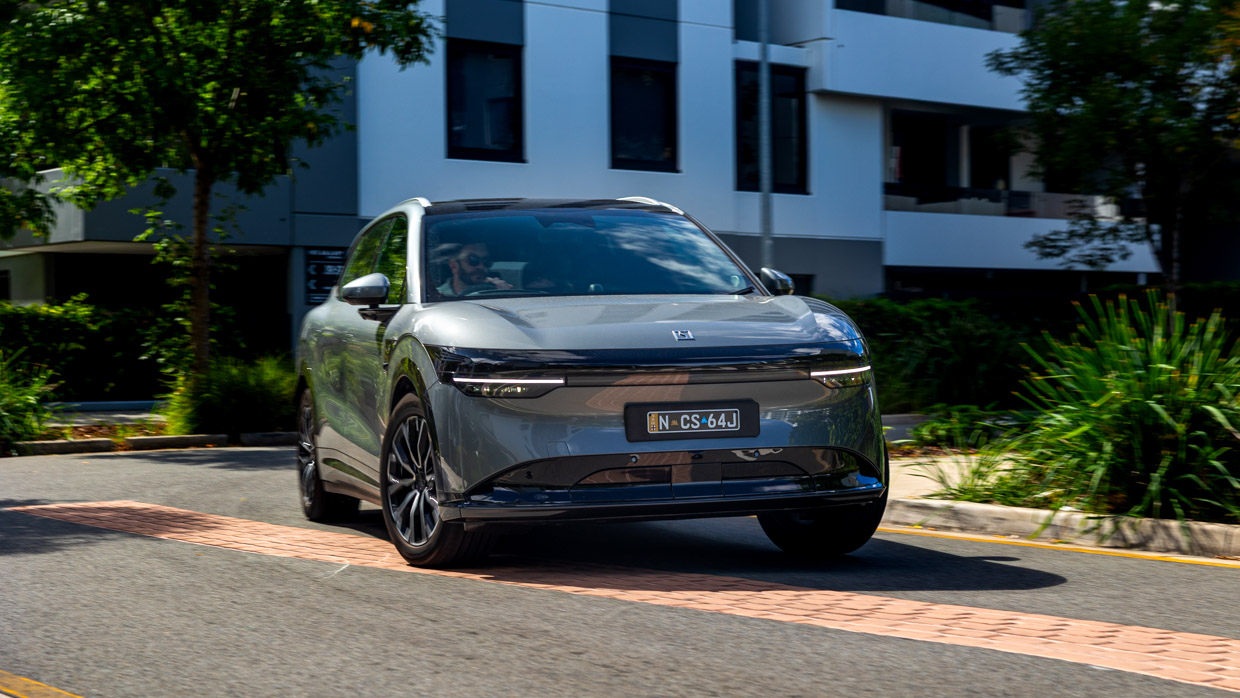
However, a missed trick – and one that would boost the 7X’s appeal a notch of three – is the lack of paddleshifter regen adjustment (ala Hyundai and Kia). Its limited mode selection is, sadly, buried too deep in submenus for feature adjustment that’s vastly more beneficial to the driver on the fly.
Nor can Zeekr counter Tesla’s (cautiously) well-regarded Full Self Driving (Supervised) semi-autonomy.
And while most of the (five-star ANCAP-rated) 7X’s broad array of ADAS systems are calibrated to pleasingly transparent effect, its highway driving assistance – as observed in reviews past – lacks consistency in operation.
The Zeekr is a ‘new-school starter’, so it unlocks, activates and is ready to drive once you approach holding the smart key, which is shaped exactly like a square box of dental floss (ask us how we know…).
It’s the same exiting at shutdown, though you learn quickly to drop the audio volume lest your sleeping neighbours get awoken by your Belinda Carlisle guilty pleasures at broadcast volumes while the doors are open.
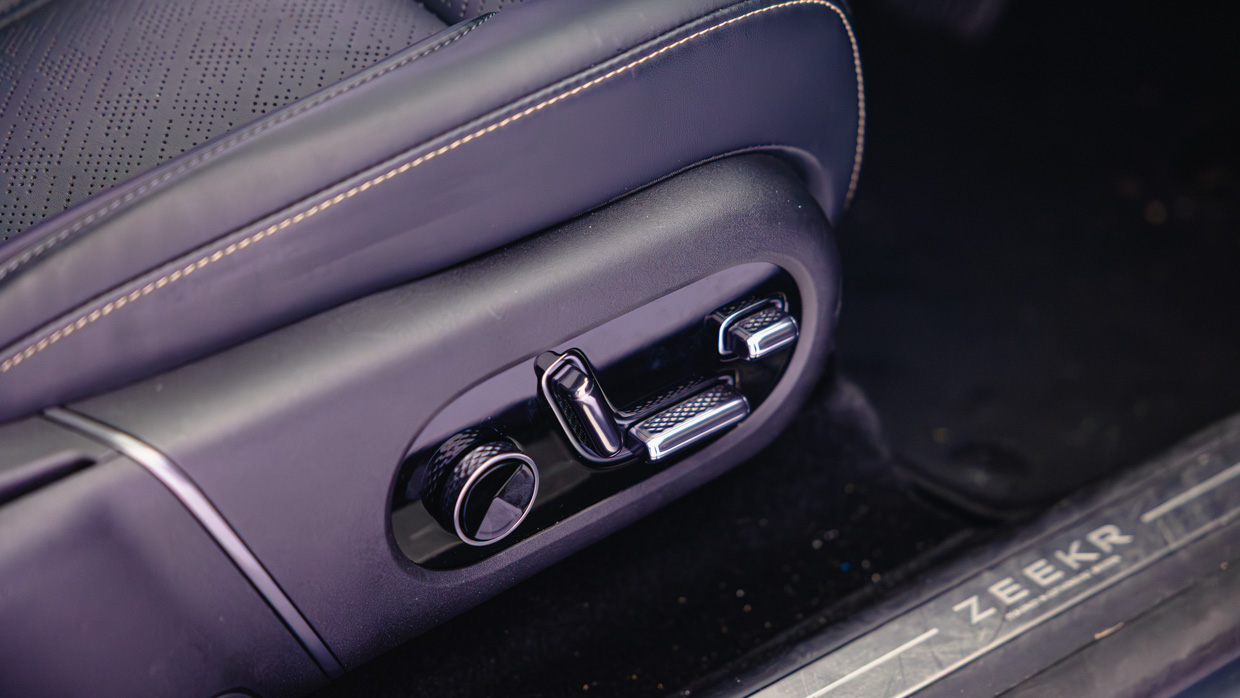
Seemingly unlike a growing many, your reviewer favours older-school methodology, such as a start-stop button and straightforward conveniences such as physical wing mirror and steering wheel height/reach controls, and mechanical air vent adjustment.
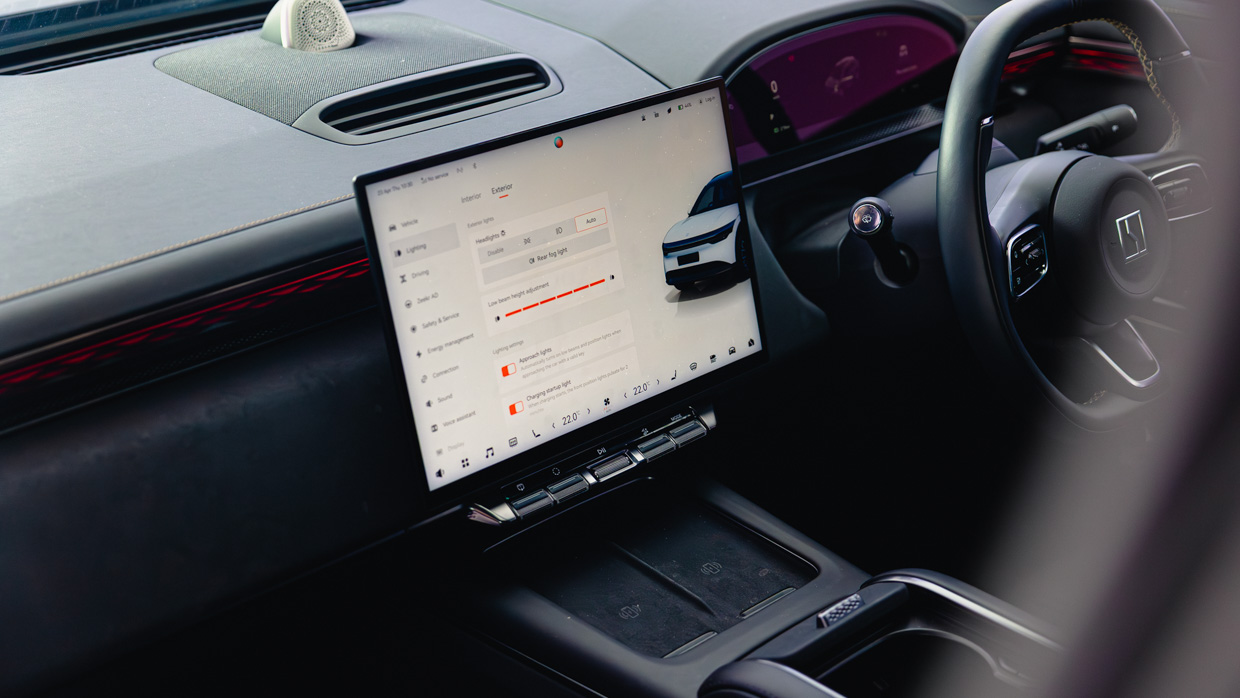
Tough luck. Because these and so many other system adjustments are accessible exclusively through a 16.0-inch touchscreen. It’s a nice, bright, pinsharp, and 3.5K with a Snapdragon brain (for those who care about such things) and has an astonishingly clear 360-degree camera system.
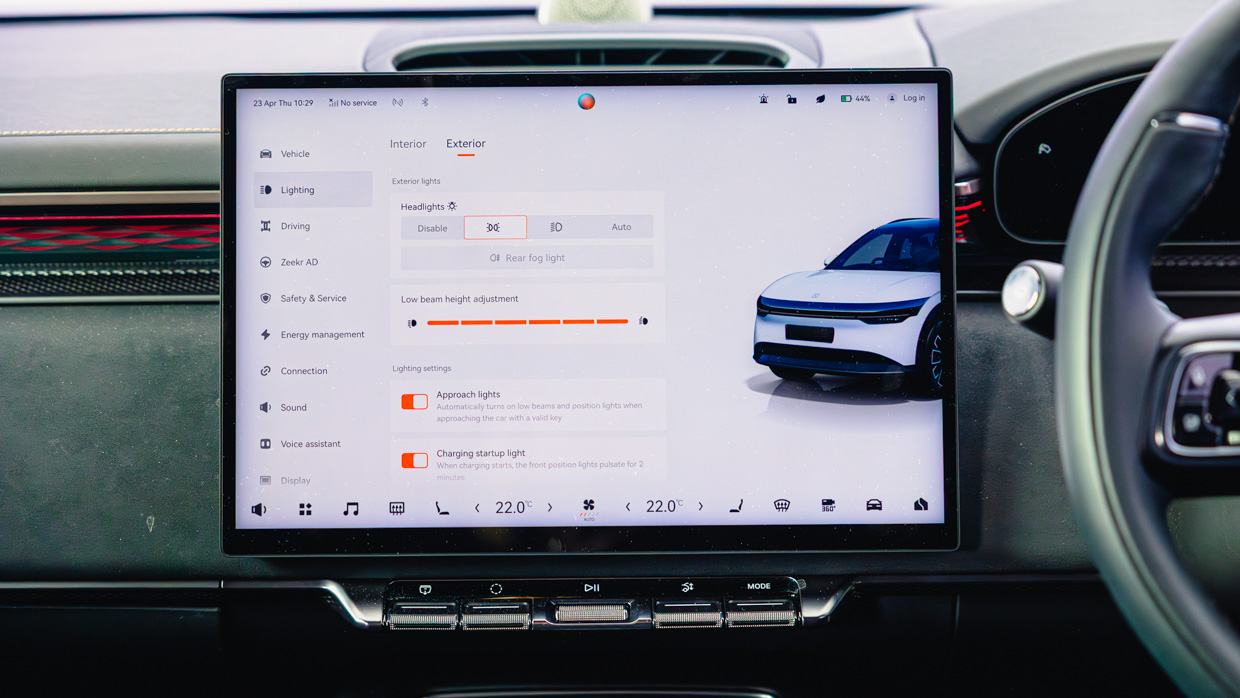
But it’s not a suitable driver focal point to dig about in submenus for wing mirror, air vent and/or wheel adjustment when clocking 90km/h in Sydney’s darkened toll tunnel network in the thick of traffic. Zeekr’s UI isn’t quite as unconventional as Tesla’s – it has indicator and drive selection stalks – but that doesn’t absolve it from sin.
It seems the theory is that a Zeekr owner preselects every conceivable system adjustment, which is saved for recall at each restart. Seems logical…until you throw its ‘key’ to your daughter or mother-in-law for a quick trip to the shops and confront large barriers to entry to simply driving the thing.
The media system is good but not great. Lots of main screen shortcuts and a lot of options in submenus, but our example was prone to some Apple CarPlay gremlins, like reconnecting issues once phone signal was lost and, in once instance, a complete reboot of the app mid-drive.
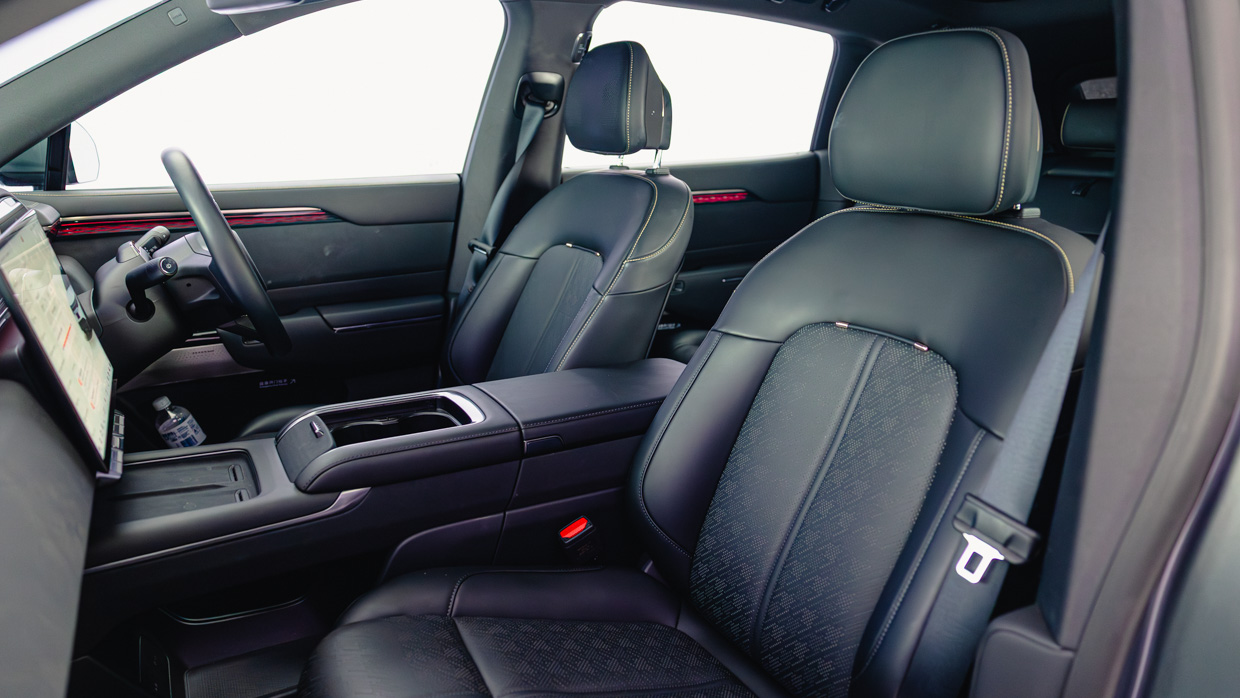
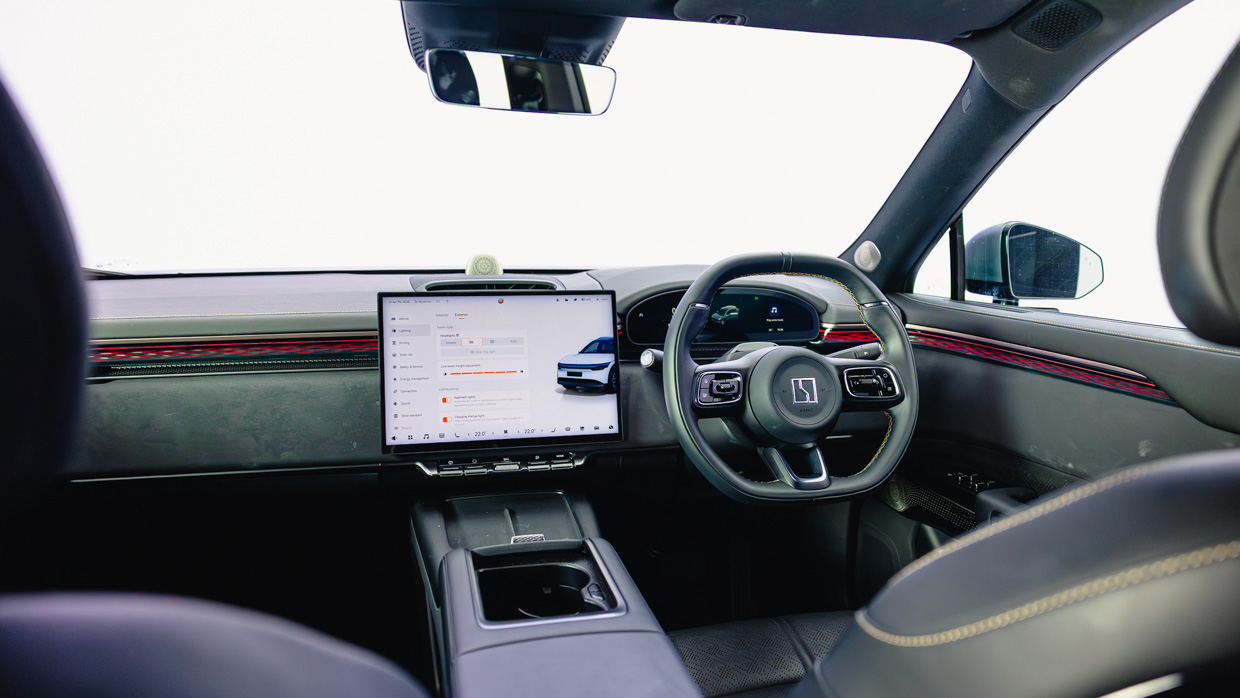
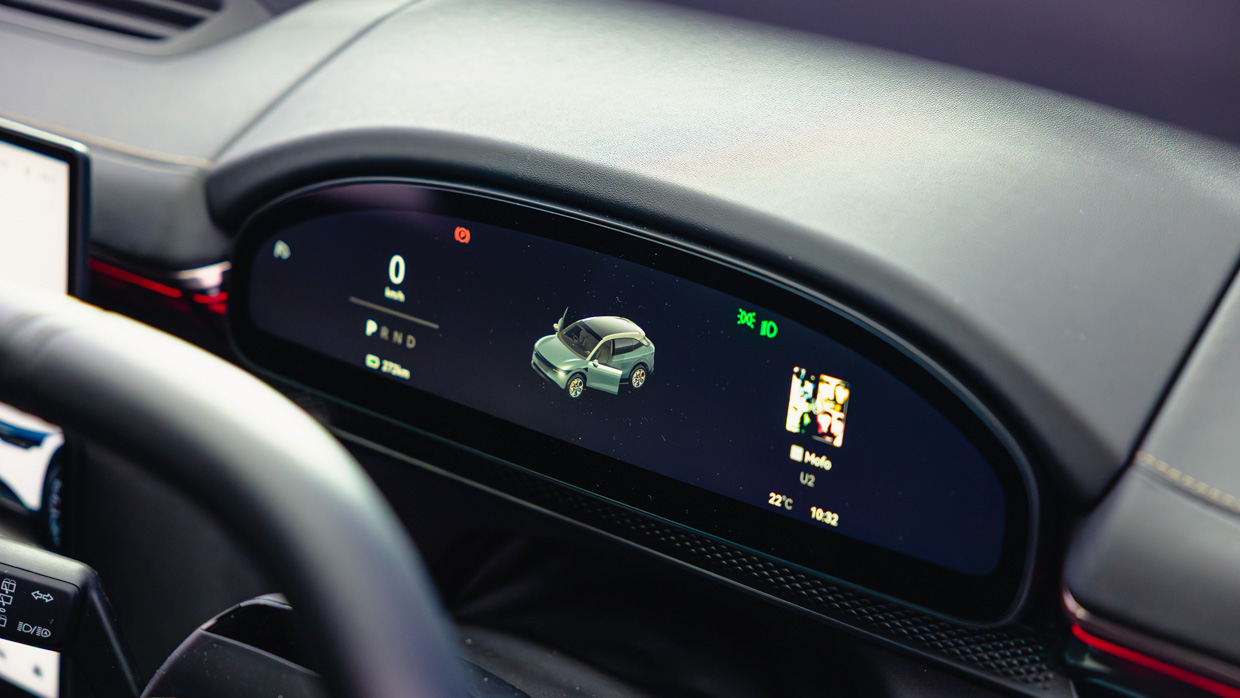
The rest of the cabin looks and feels like it’s specifically linking old with new. There’s a squircle wheel and Porsche-like curved-top driver’s display – complete with pointless Tesla-like environment graphic – but it’s mostly austere and innocuous. For 36 inches of HUD display, not much content makes it to the windscreen.
The massage and fold-flat front bucket seats are very comfy and the perforated vinyl is reasonably supple, though the electric lumbar is modest in its breadth of adjustments.
But the build quality is impressive and material tactility genuinely premium in areas, with the combination of suede-alike, mood lighting and padded vinyl across the dash providing a premium lift. Solidity of the (somewhat limited) switchgear is also very good.
There’s a load of storage, too, with two huge door bins, numerous cubbies (36 by its maker’s claim) and the very handy dual inductive phone charge pad array rated at a powerful 50 watts. But the arse-backward window switchgear – backwards to raise – takes some getting used to.
We’ve moaned about the climate control system before: weak at milder settings, raucous set high, but the main issue (outside of touchscreen adjustment) is that, strangely, the centre vents exit from the dash top.
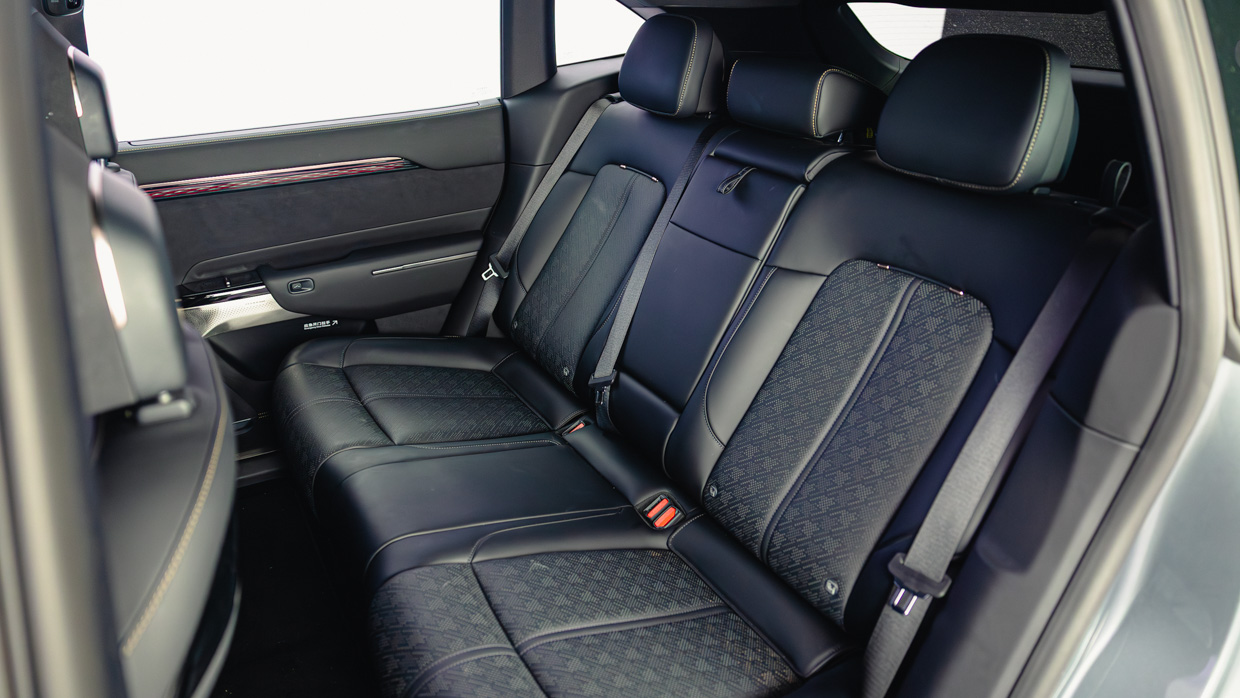
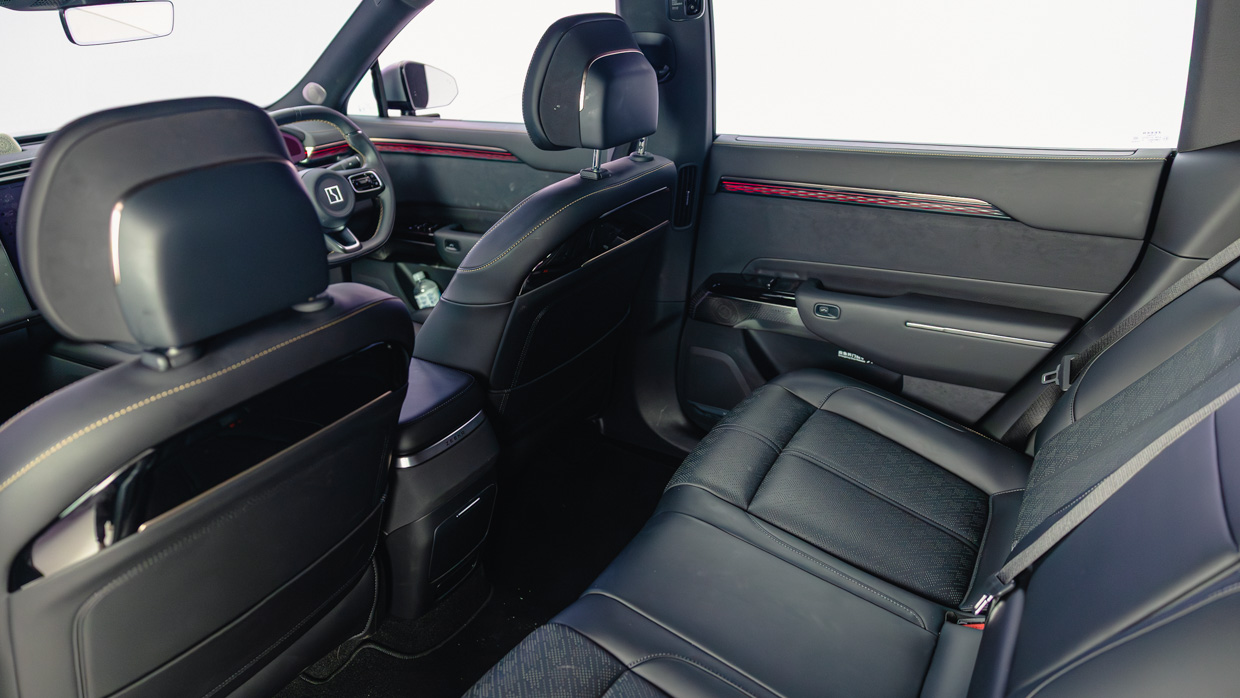
Row two is, in now accepted EV form, hugely spacious. But where the 7X punches hard for its class is in sheer comfort and the sense of opulence.
It’s fully featured, too, from the third climate control zone through to the outboard heating, and from the power reclining facility and to the powered rear window blinds. Head room and legroom is very generous indeed, and the angled seat base brings decent underthigh support, too.
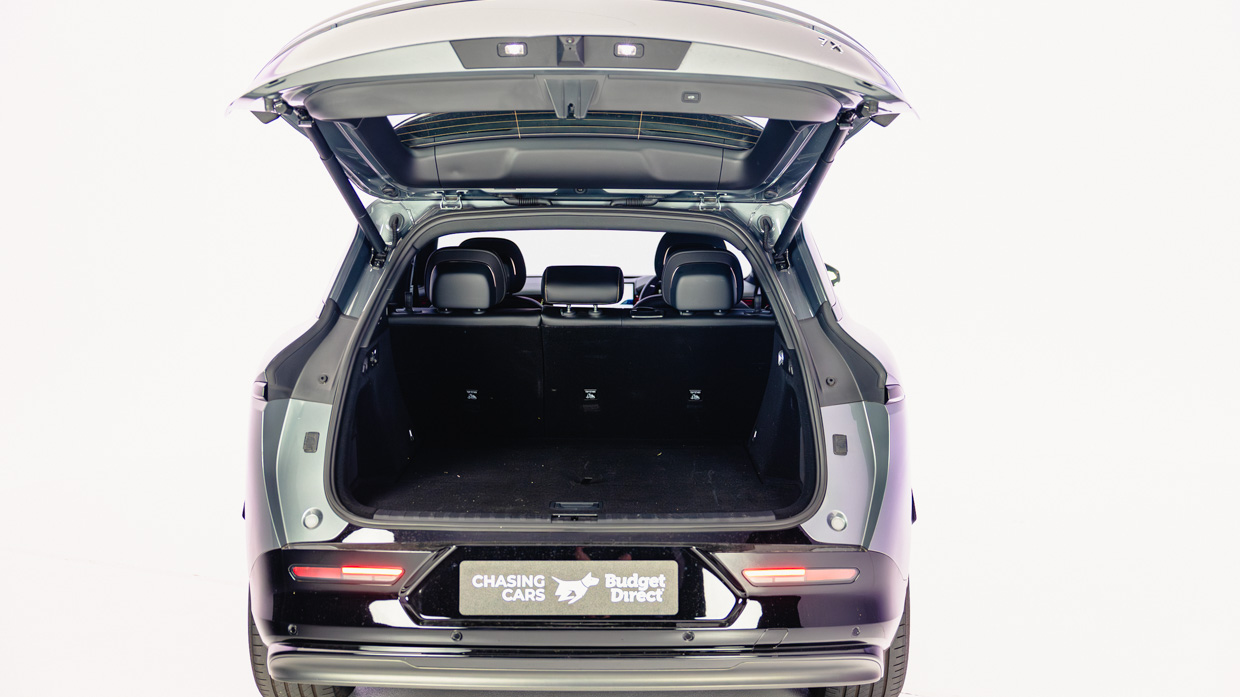
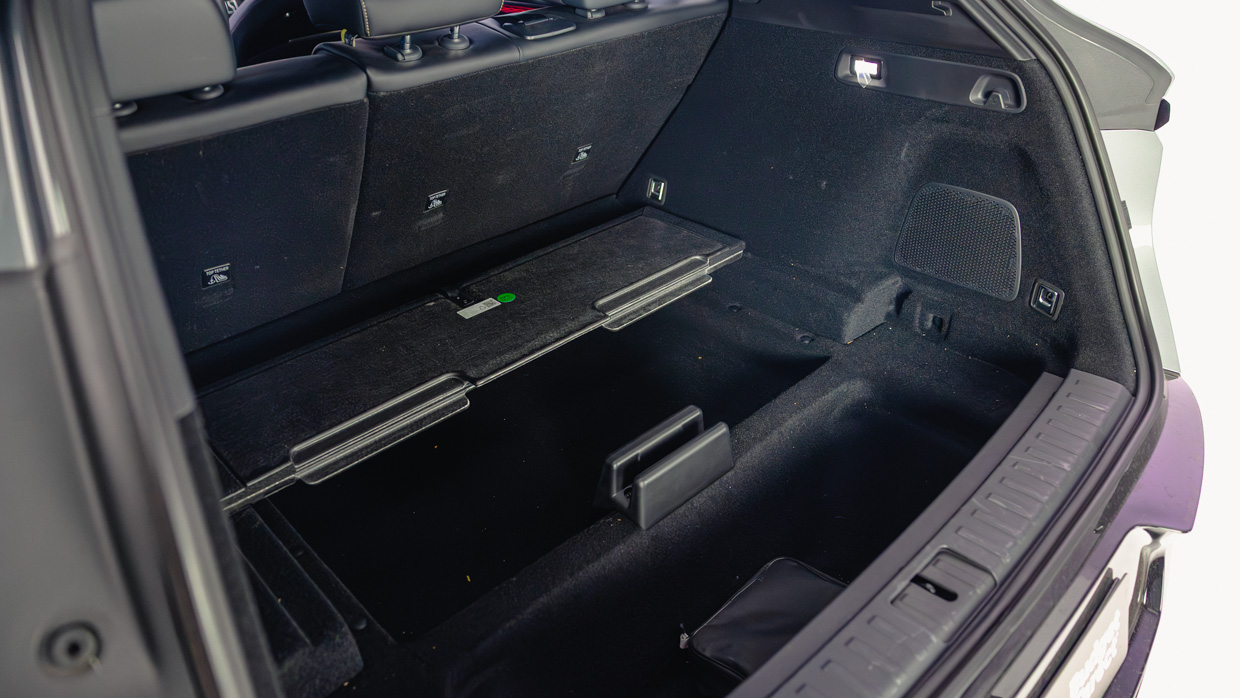
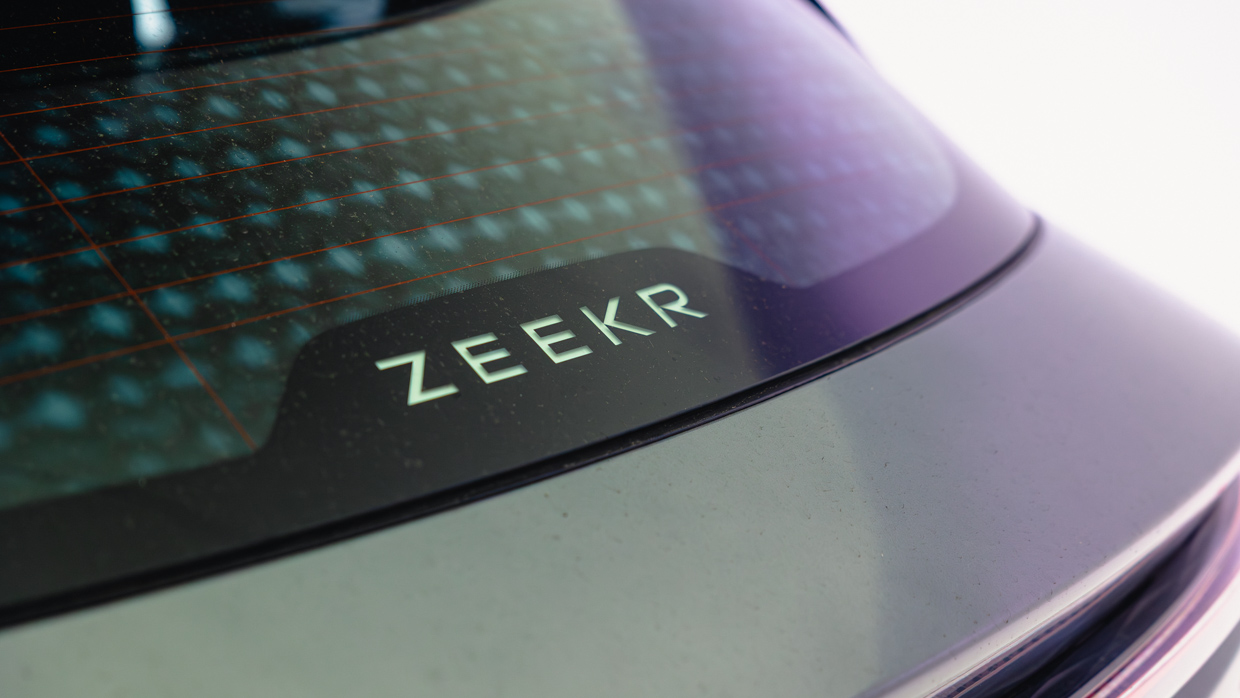
If there’s a downmark here, it’s the slim rear windscreen that’s hardly the last word in rearward visibility, though the hatch lifts to reveal a decent 539 litres that expands to 1978L with the rears stowed. There’s a handy 62-litre frunk, too.
The 800-volt architecture affords fast (up to 420kW) DC charging, with 100kWh big-battery versions of 7X at 16 minutes claimed for 10 to 80 percent. The base car’s 75kWh unit is quicker still, at 13 minutes.
AC charging is a healthy 22kW, or around five hours for a full charge at its peak rate. Our on test average consumption of 17.3kWh/100km translates to a theoretical useable maximum range of 543km.
Warranty is five years of unlimited-kilometre coverage, with eight years and 160,000km of warranty on the high-voltage battery. Servicing is $2385 for a price-capped five-year package.
Our third swing at the Zeekr 7X (in as many months) completes our long-form assessment regime of the three-variant lineup. And, like groundhog day, the midsize electric SUV again scores an overall rating of 8/10.
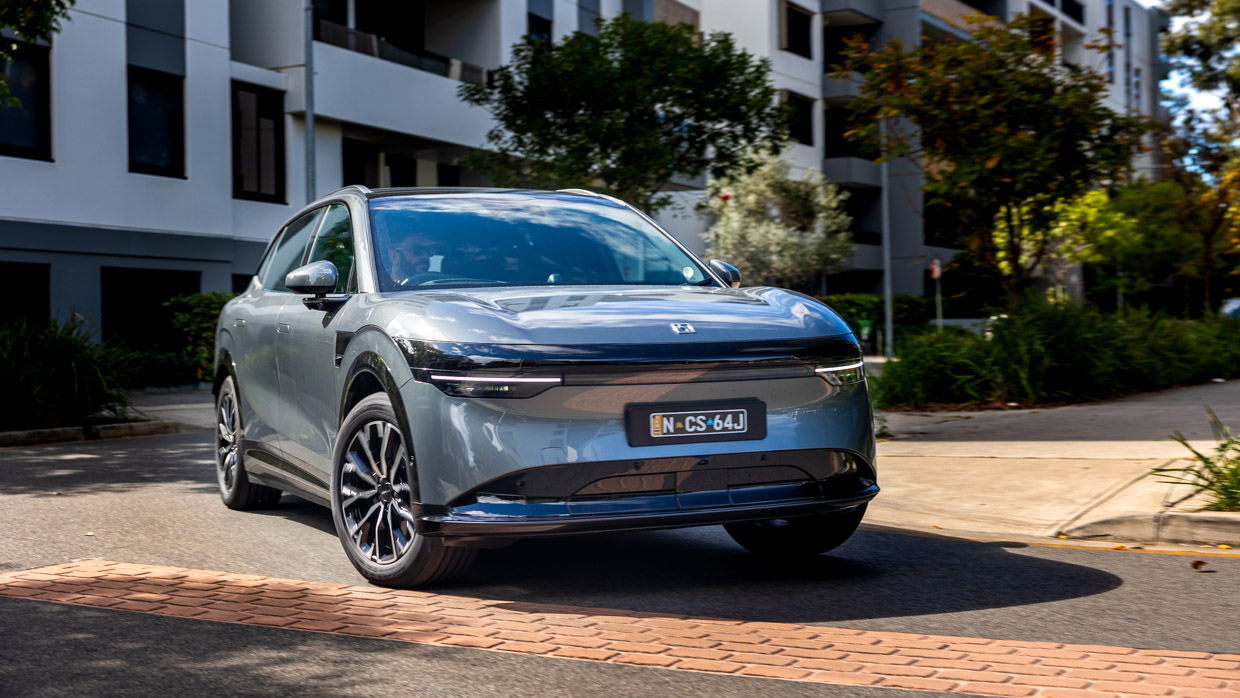
We’d expected that the middling, rear-drive, big-battery version testing here might be the sweetest spot in the range. While debatable, it’s a tough stance to argue against.
Ditto the proposition that, as a three-strong lineup, the Zeekr 7X has emerged – and oh-so-quickly – as China’s medium electric SUV to beat, and to which all comers should probably be measured.
In a nutshell, it has the tech and sophistication, it has the features (for the money), it has the range and charging speed, the performance and ride-handling maturity, and importantly the accessibility of the driving experience is worthy of best-in-class status.
It’s also positioned in the market ideally where it needs to be to compete on merit against Tesla Model Y, while offering a distinctly different spin on electrified Chinese-made family hauling.
As we found in the base and flagship Performance versions, there are shortcomings and room for improvement, though gripes aren’t necessarily common between their reviewers and respective variant reviews.
Zeekr remains behind the prevailing game where interior design is reverting back to more intuitive (and safer) physical control and less reliance on distracting touchscreen access for vehicle settings.
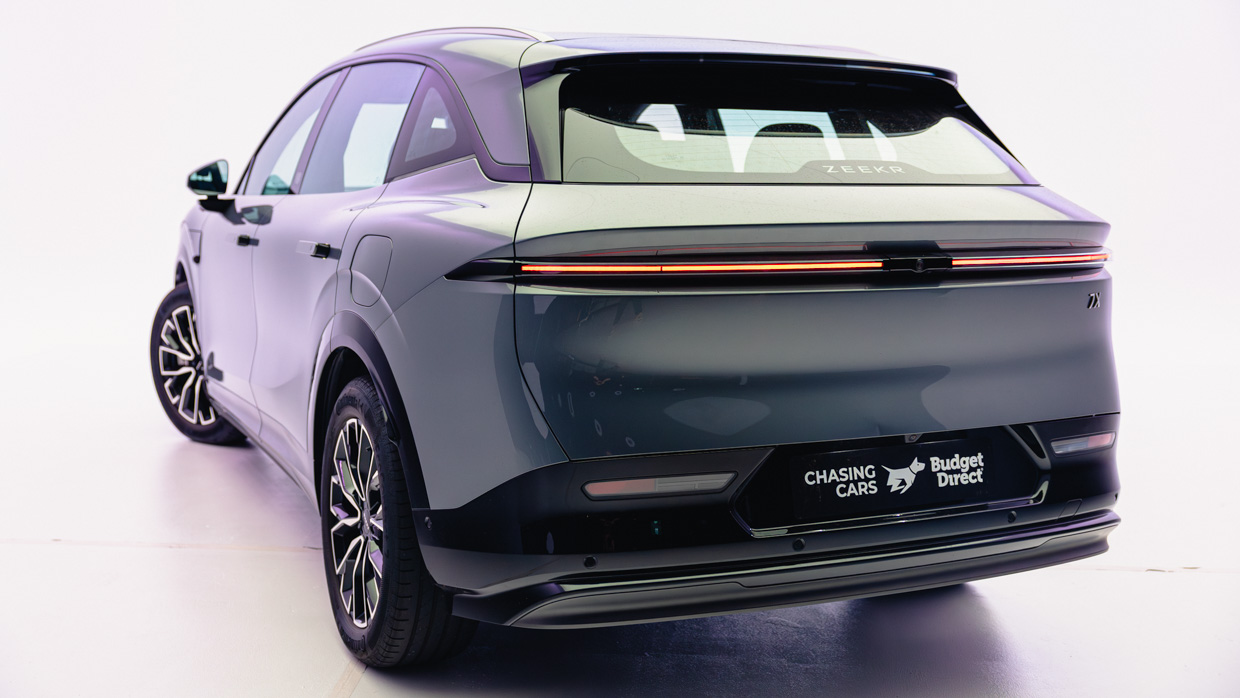
But it’s also more than that. The 7X just ought to be more user friendly and simpler to use. The fancy pop out door handles (with clumsy actuation), the mirror, air vent and steering wheel adjustments, the addition of quick-access regen adjustment… it could benefit greatly from just a little more logic in the execution of smaller-ticket items.
That’s really all the polish that’s required to what proves an otherwise compelling and resolved electric choice.
Key specs (as tested)
About Chasing cars
Chasing Cars reviews are 100% independent.
Because we are powered by Budget Direct Insurance, we don’t receive advertising or sales revenue from car manufacturers.
We’re truly independent – giving you Australia’s best car reviews.
The estimate provided does not take into account your personal circumstances but is intended to give a general indication of the cost of insurance, in order to obtain a complete quote, please visit www.budgetdirect.com.au. Estimate includes 15%^ online discount.
^Conditions Apply
Budget Direct Insurance arranged by Auto & General Services Pty Ltd ACN 003 617 909(AGS) AFSL 241 411, for and on behalf of the insurer, Auto & General Insurance Company Limited(ABN 42 111 586 353, AFSL 285 571).Because we don’t know your financial needs, we can’t advise you if this insurance will suit you. You should consider your needs and the Product Disclosure Statement before making a decision to buy insurance. Terms and conditions apply.
Indicative quote based on assumptions including postcode , 40 year old male with no offences, licence suspensions or claims in the last 5 years, a NCD Rating 1 and no younger drivers listed. White car, driven up to 10,000kms a year, unfinanced, with no modifications, factory options and/or non-standard accessories, private use only and garaged at night.
^Online Discounts Terms & Conditions
1. Discounts apply to the premium paid for a new Budget Direct Gold Comprehensive Car Insurance, Third Party Property Only or Third Party Property, Fire & Theft Insurance policy initiated online on or after 29 March 2017. Discounts do not apply to optional Roadside Assistance.
2. Discounts do not apply to any renewal offer of insurance.
3. Discounts only apply to the insurance portion of the premium. Discounts are applied before government charges, taxes, levies and fees, including instalment processing fees (as applicable). The full extent of discounts may therefore be impacted.
4. We reserve the right to change the offer without notice.