Powered by

-
Car Reviews
Latest reviews
-
Car News
Latest news
-
Car Comparisons
Latest comparisons
- Chasing Deals
Latest reviews
Latest news
Latest comparisons
Is the latest RAV4 the midsized hybrid SUV to beat?
The Toyota RAV4 doesn’t need a global oil crisis to achieve big sales, though the situation boosts its chances of beating diesel-powered utes to be Australia’s most popular vehicle.
As does the arrival of a new, sixth generation, which arrives six years after the previous model landed as the best Recreational Activity Vehicle 4 in the nameplate’s long history.
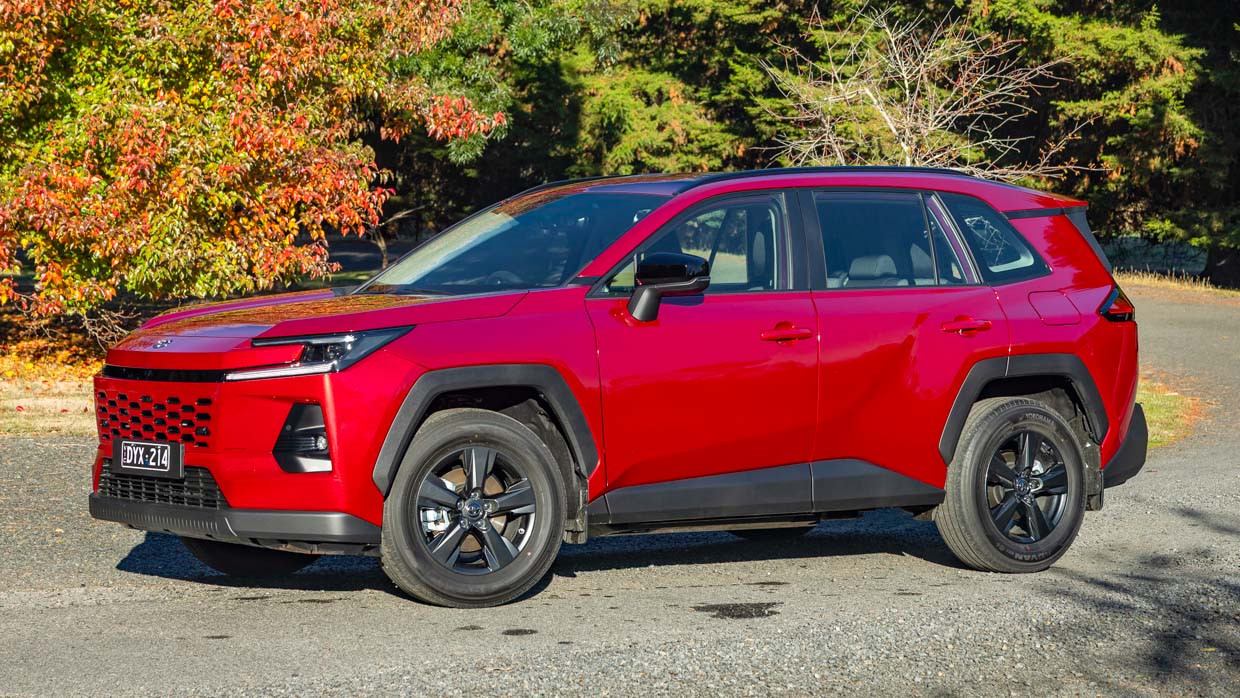
It’s not all-new. The ‘TNGA’ platform carries over from the previous model, which is not bad news considering it has helped transform the driving experience of Toyotas over the past decade.
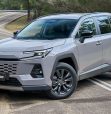
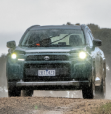
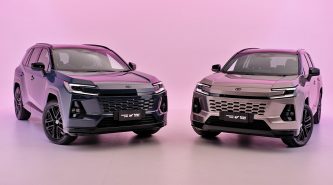
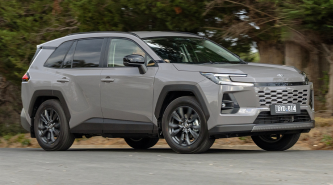
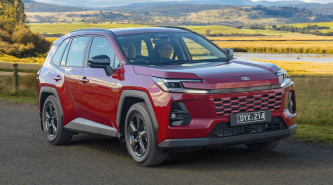
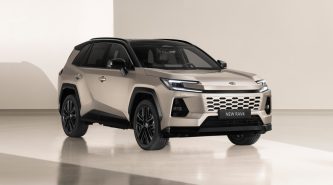
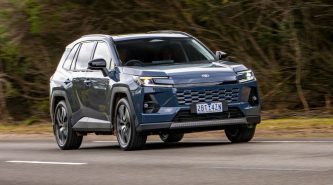
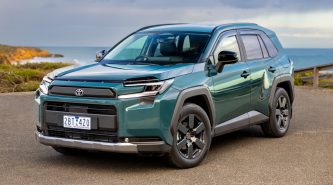
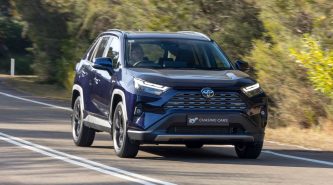
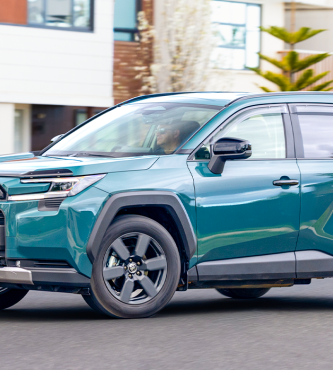
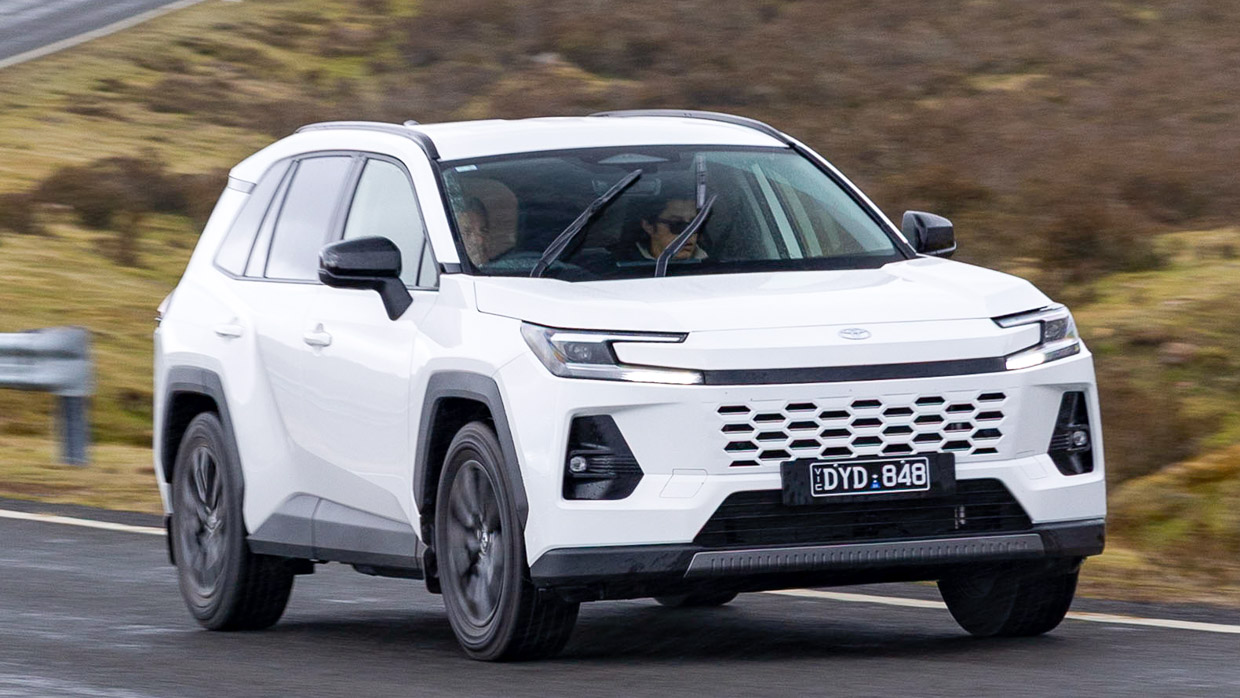
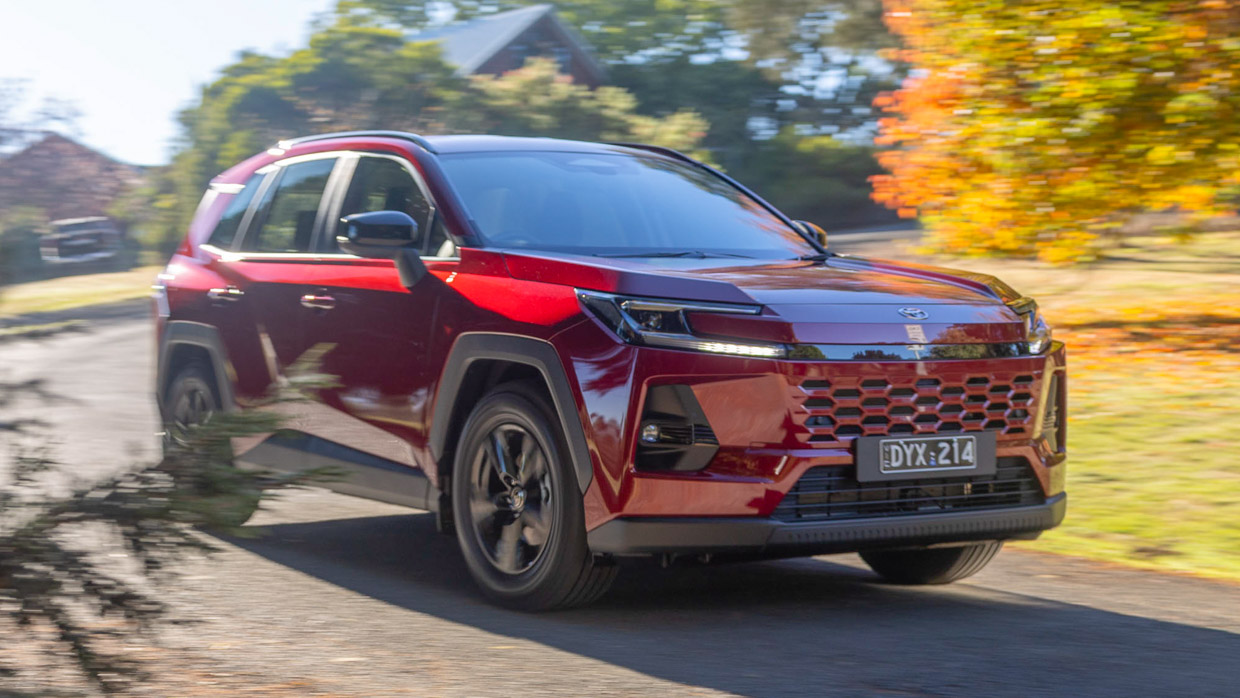
It’s no surprise, then, that the proportions look familiar, especially as the RAV4’s length and wheelbase remain unchanged. The styling is sharper, though, and the front end adopts Toyota’s new ‘cheese-grater’ grille and pincer-style headlights/DRLs.
A fifth-generation hybrid system powers the RAV4, with buyers again given the option of front-wheel drive or – for a $3350 premium – all-wheel drive. An Aussie-debut plug-in hybrid powertrain becomes available in showrooms later this year.
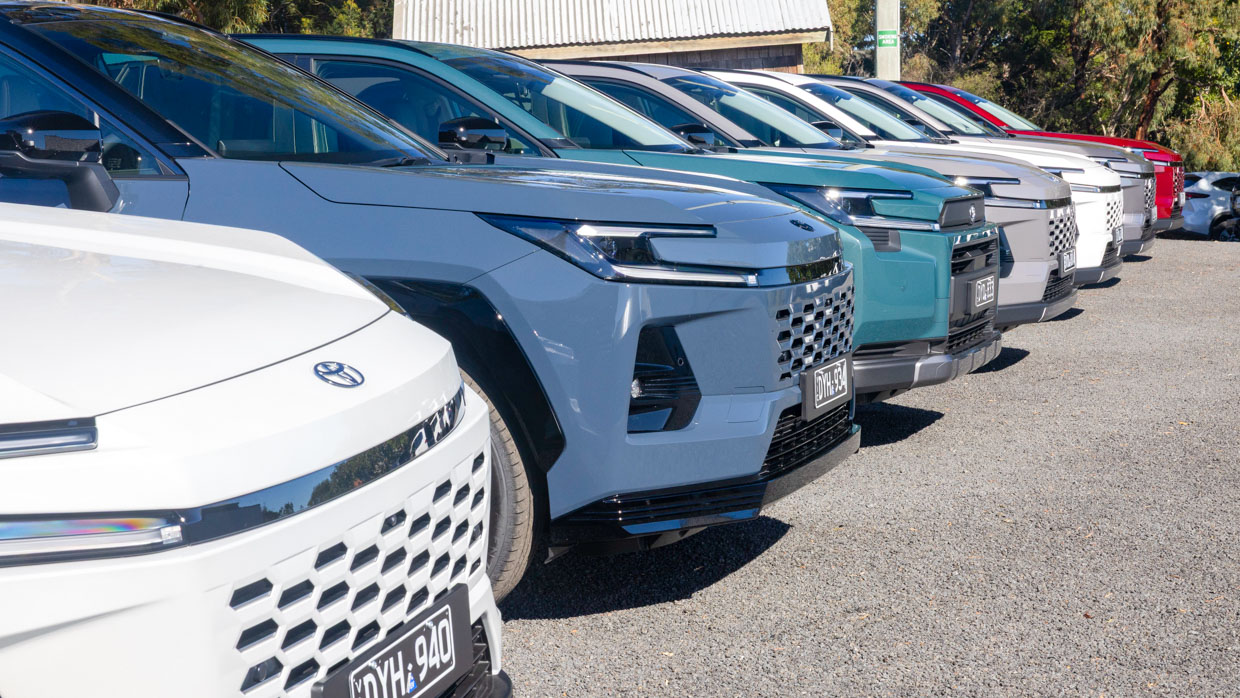
Prices for the regular hybrid have increased from about $3000 to $6000 across the range, with the RAV4 for the first time in its history no longer available for below $50,000 drive-away.
So, has Toyota rolled the arm over in a state of complacency or has it pulled out all the stops to ensure the RAV4 is the best hybrid family SUV money can buy?
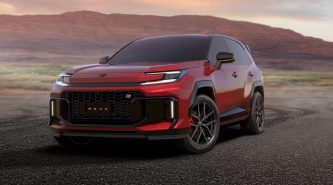
Trim grades are familiar, with the regular hybrid RAV4 offered – in ascending order – GX, GXL, Edge, XSE and Cruiser. The forthcoming plug-in hybrid (PHEV) will add a GR Sport variant, in addition to an XSE grade.
Entry to the plug-less RAV4 starts from $45,990 before on-road costs, nearly $4000 higher than before.
The plug-in begins at $58,840, though kicks off with a mid-range grade. Toyota believes the PHEV will account for about 30 percent of RAV4 sales. You can read our more details pricing and specifications article here.
The quick overview is that all regular hybrid models are offered in both front-wheel drive (FWD) and all-wheel drive (AWD), with the latter adding $3350 to the pricetag. The GR Sport plug-in will be AWD only.
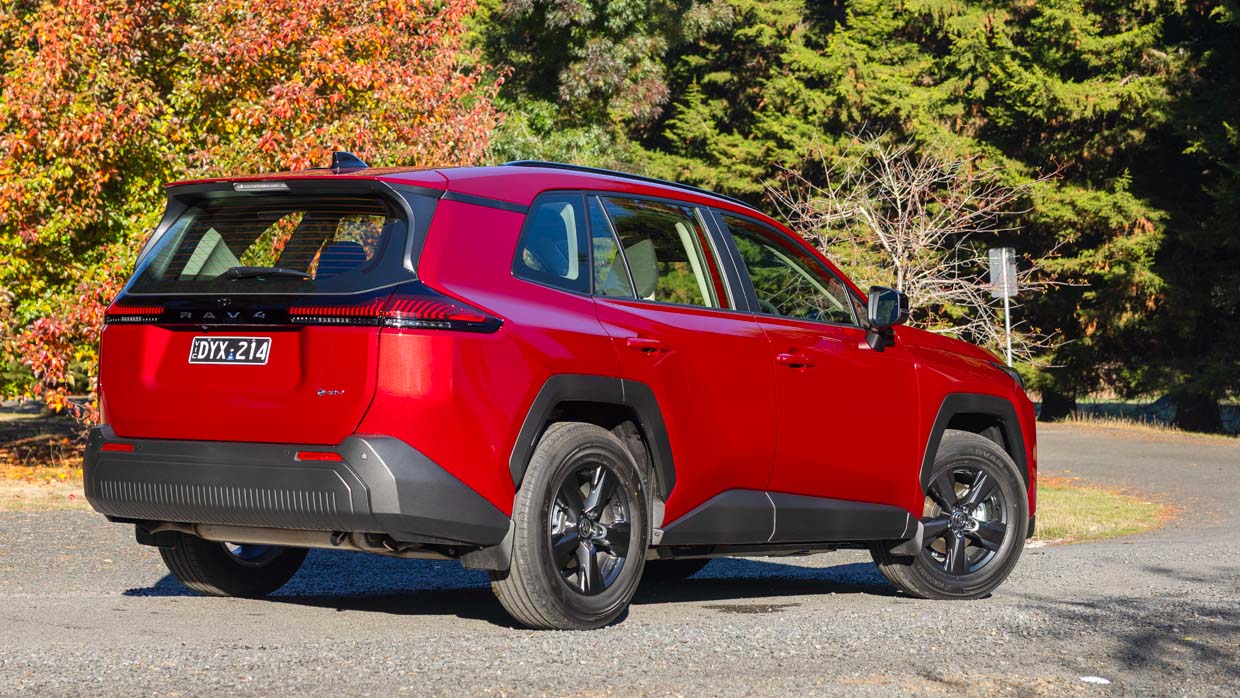
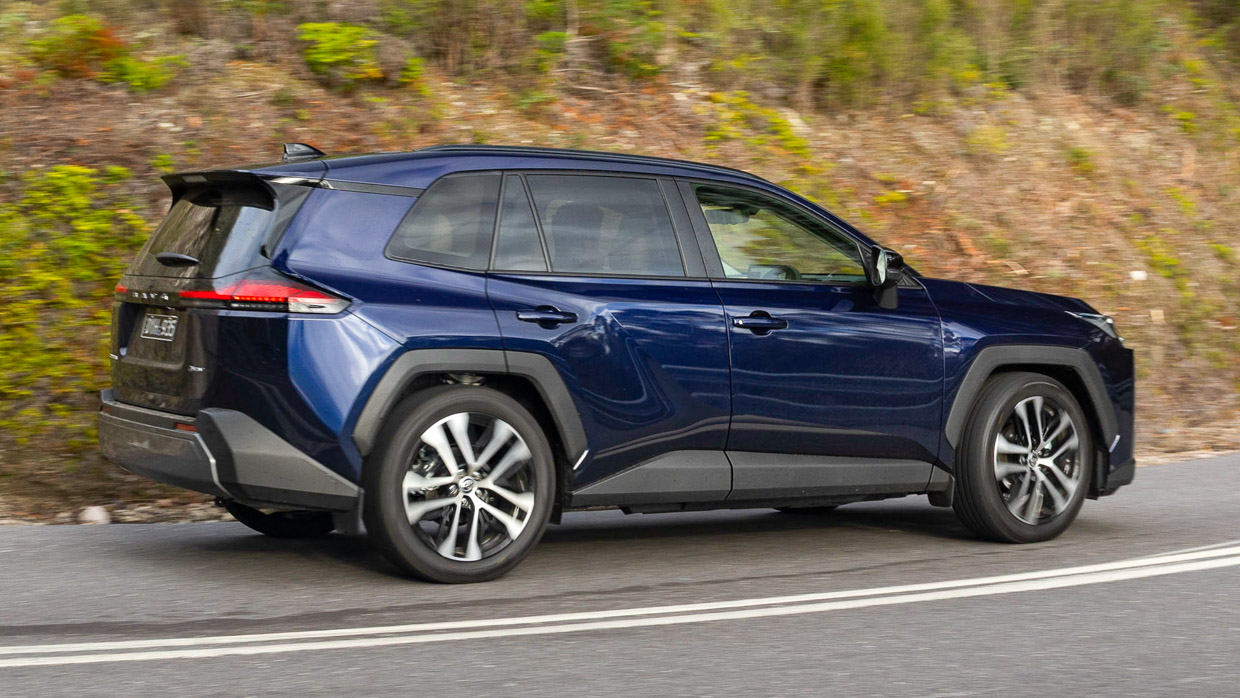
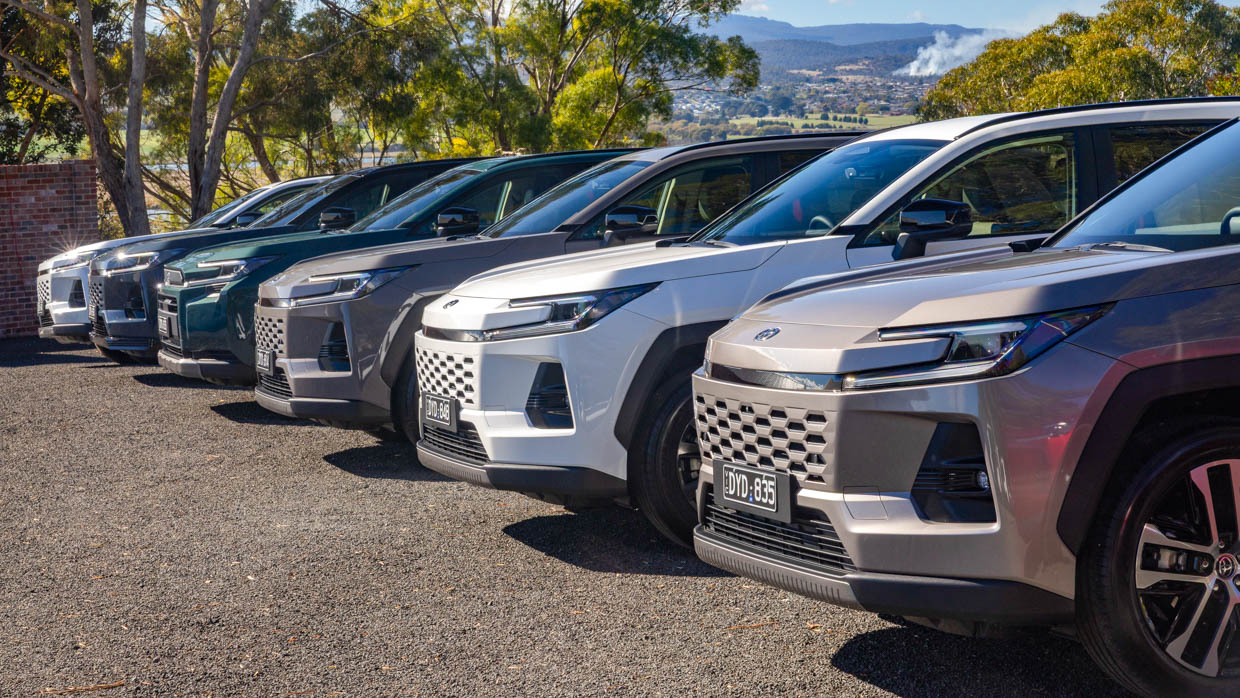
There are just two wheel sizes: GX, GXL and Edge grades sit on 18s; XSE, Cruiser and GR Sport feature 20-inch alloys. Four new colours include a distinctive Daintree Green and a blue-grey called Massive Grey.
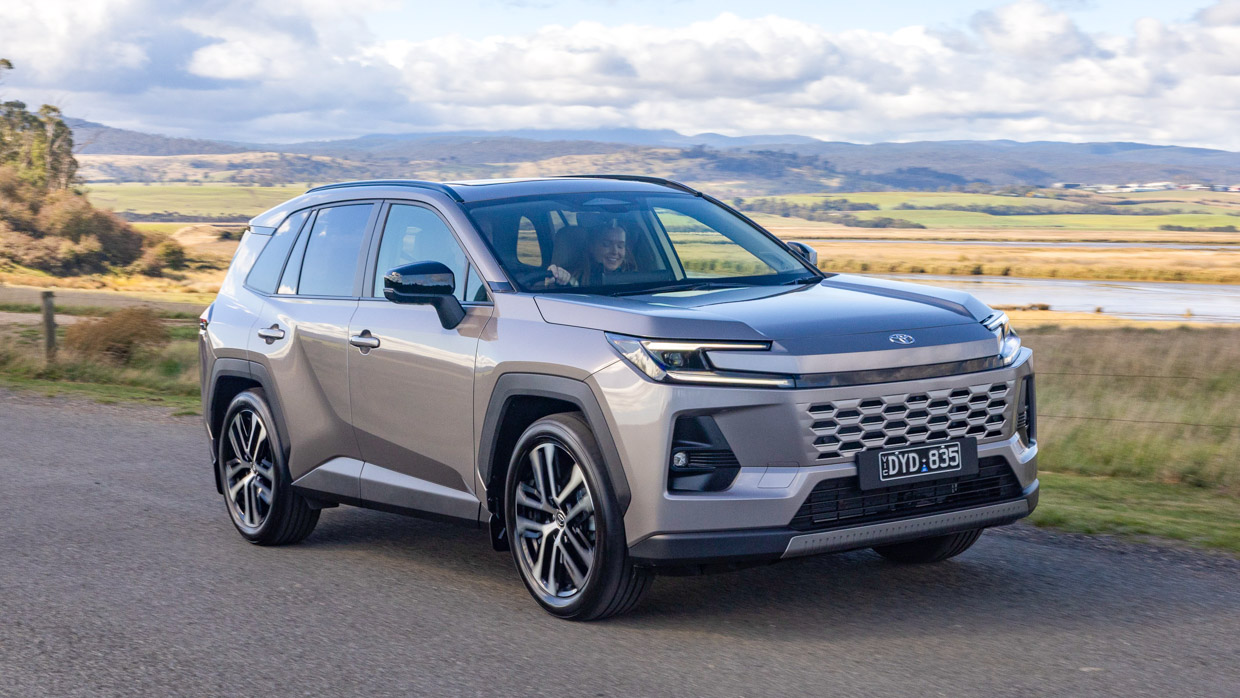
The RAV4 Edge features a differently styled nose to other models, while the XSE has the fewest colour options but all four are matched with a contrast dark roof.
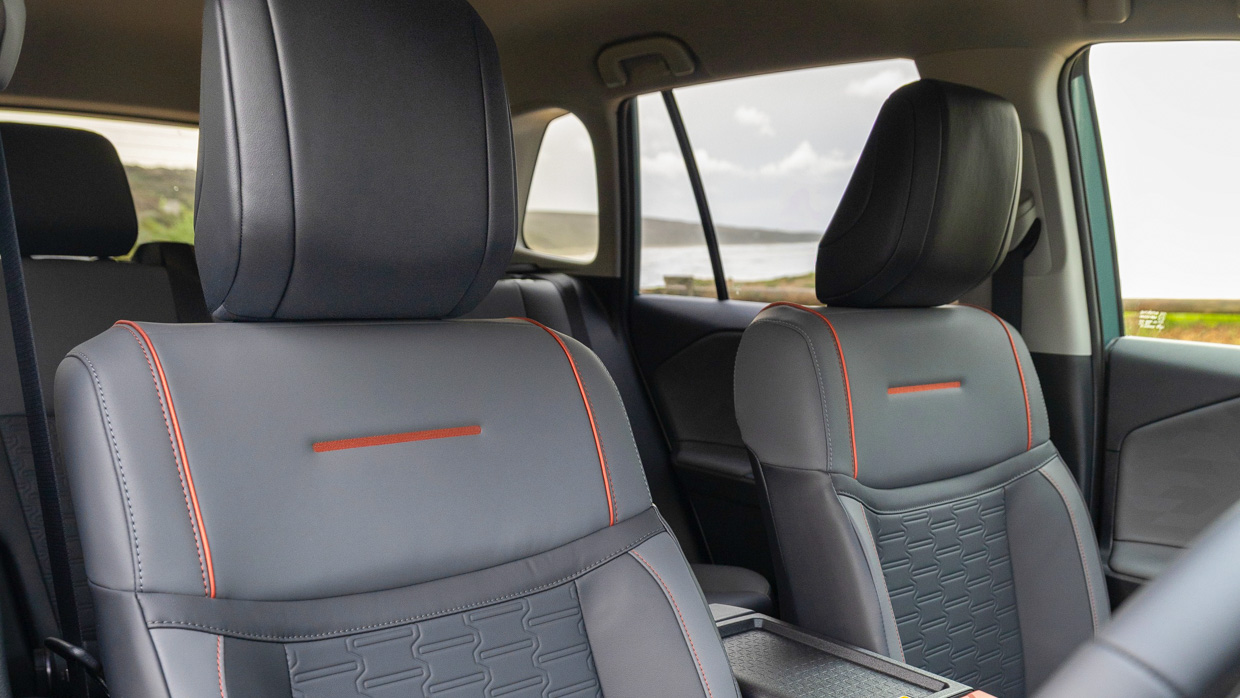
If you’d like a RAV4 interior that’s not black, you’re only option is the high-grade Cruiser that’s offered with an alternative beige cabin.
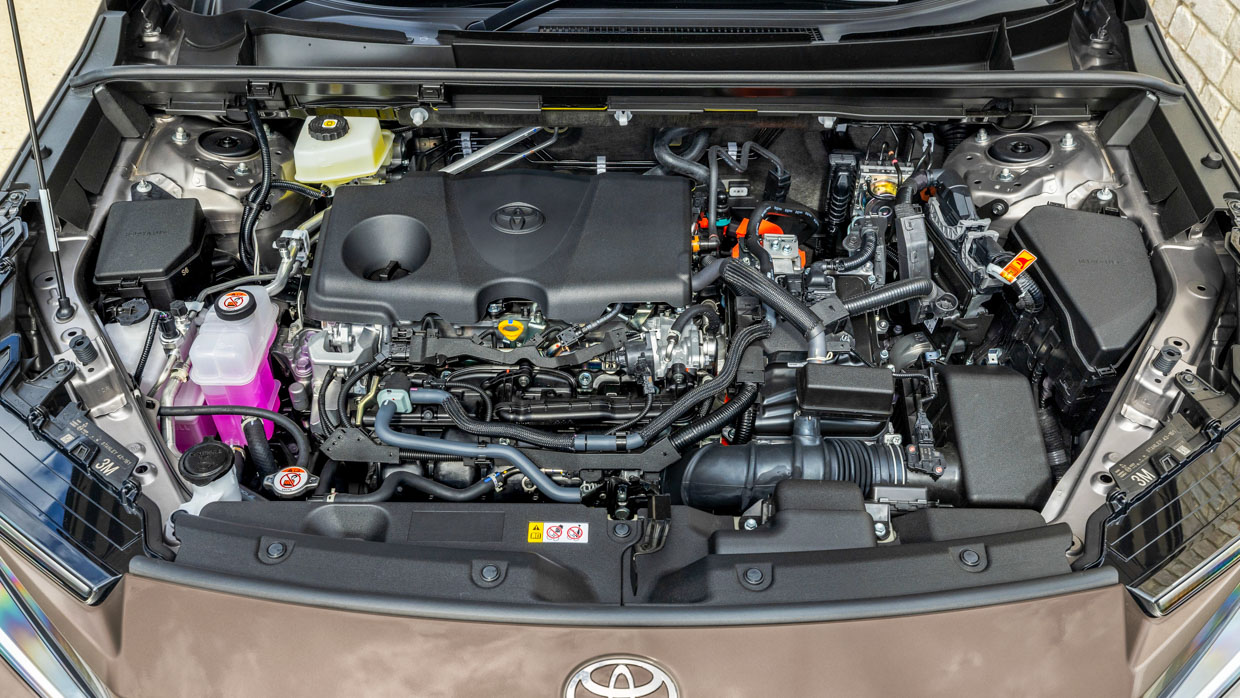
Toyota has introduced some new components into the RAV4’s hybrid powertrain, but ostensibly the driving experience remains largely unchanged.
Electric-only driving is still limited to low speeds and short distances before the 2.5-litre petrol engine kicks in – even if you have engaged the (somewhat pointless) EV Mode.
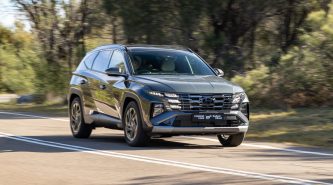
The four-cylinder also continues to become vocal when the RAV4 is tasked with more urgent acceleration or worked harder up hills. Hyundai’s engine in the Tucson hybrid is noticeably more refined, for example.
Power even drops by up to 12 per cent for the new RAV4 – down to 143kW for both front-drive and all-wheel-drive RAVs (previously 160kW and 163kW, respectively). It’s a consequence of Euro 6 emissions compliance, according to Toyota, and it is the petrol engine that loses power where the front electric motor bumps up its outputs slightly.
This is a bit of a blow for running costs, too, as the RAV4’s petrol engine now requires premium unleaded as a minimum where it was previously quite content running on regular 91.
Improved fuel efficiency at least partly compensates, with Toyota claiming a four percent reduction – or 0.2 litres. Official consumption for the FWD RAV4 is now 4.5L/100km, with 4.6L/100km for the AWD.
Toyota held the launch of the RAV4 in Tasmania, where roads are often long, often winding, and always fabulous. Fair play as this isn’t the optimum environment for showcasing low fuel use – and Toyota hybrids have traditionally performed better in the city – yet we still managed indicated consumption in the mid 6s despite the inclusion of some spirited driving. A later, post-launch spin around Launceston yielded an indicative figure of 5.1L/100km.
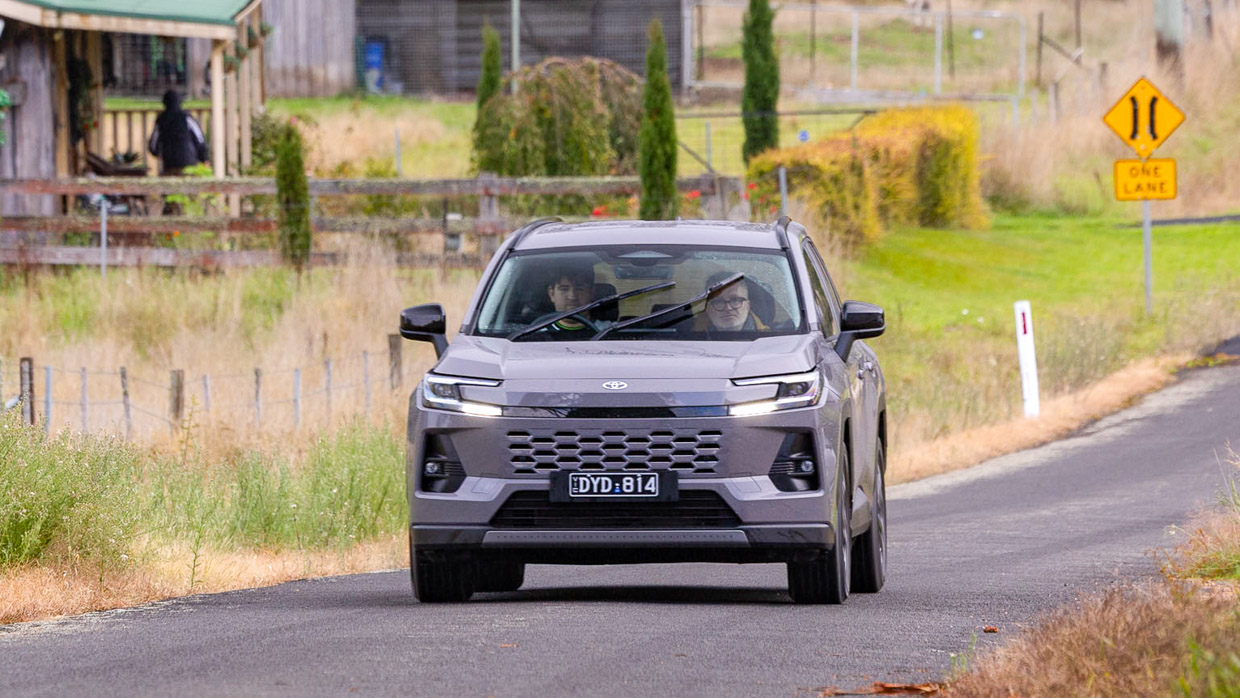
The RAV4 is an excellent touring vehicle for somewhere like Tasmania, especially if you pick an all-wheel-drive variant on 18-inch wheels. The ride is busier and noisier on the 20-inch wheels found on XSE and Cruiser models, while front-drive models lack the beneficial traction of all-wheel-drive RAV4s that feature a rear electric motor.
Toyota quotes 7.7 seconds for the AWD RAV4’s 0-100km/h time, three-tenths quicker than the FWD.
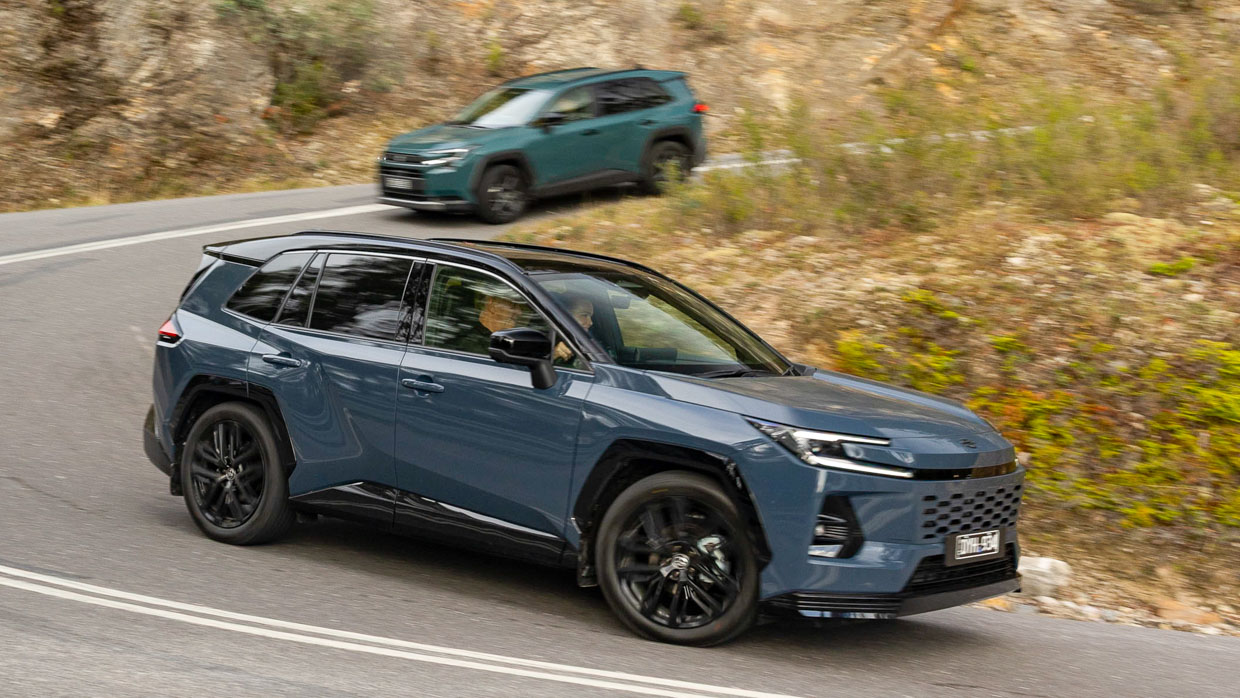
The steering impresses for its accuracy, and the medium weighting is particularly welcome for the fast, flowing roads that permeate the state of Tassie. As is the RAV4’s confident handling.
An updated braking system brings what is the most noticeable improvement to the RAV4 driving experience – a brake pedal that is easier to modulate for smoother slowing/stopping.
Driver assistance systems are largely non-intrusive. The lane-keep system occasionally got confused by country roads with fewer road markings, tugging at the wheel at times when you’d rather it didn’t. And the driver monitoring occasionally popped up to chastise me for not paying attention to the road when I’m pretty sure I was.
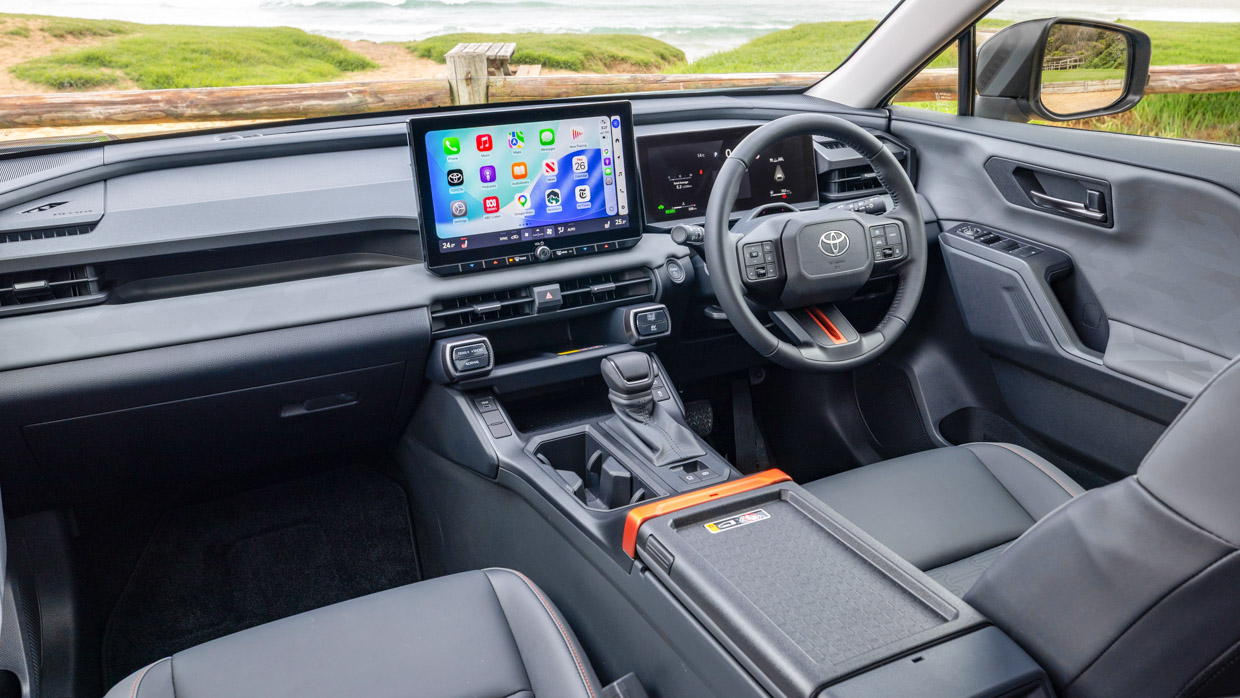
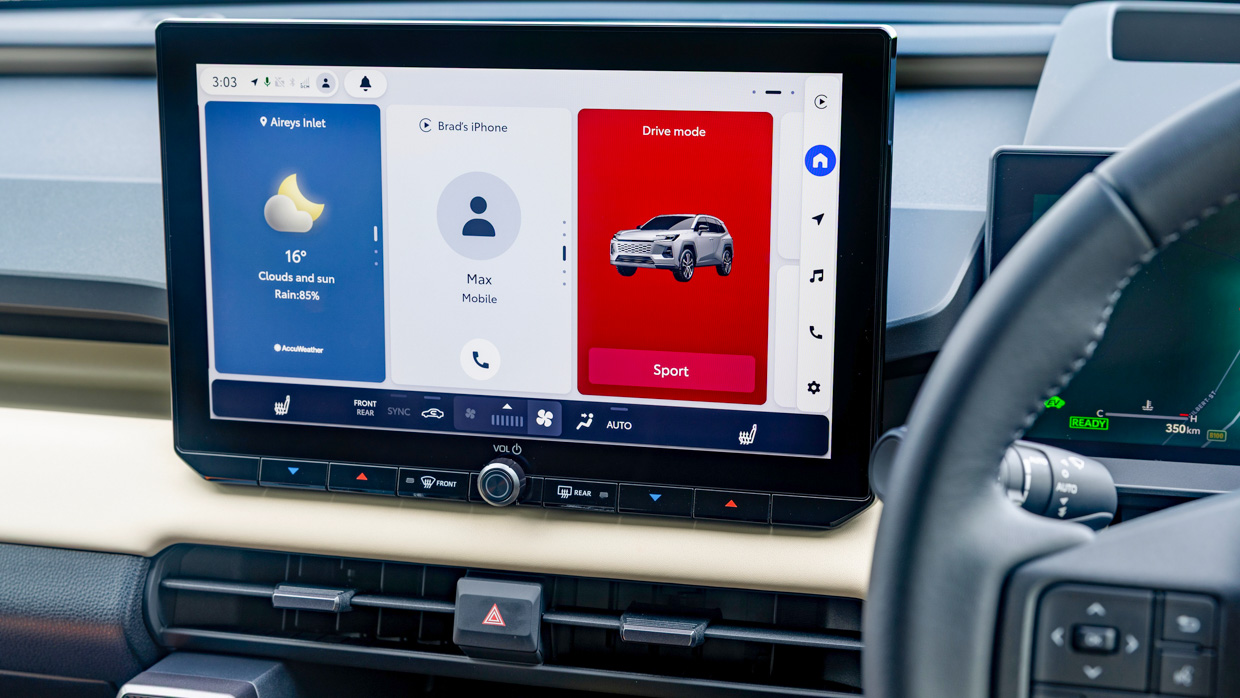
The headline tech is Toyota’s new Arene operating system, which debuts in the RAV4. It brings a much-needed overhaul of the infotainment system and introduces an array of connectivity features. Most are complimentary (or free trials) for a certain period before requiring a monthly subscription.
Toyota Connect+ is a 12-month free trial then $9.95 per month and brings the car maker’s first digital key, where the owner’s smartphone can perform various vehicle functions such as door locking/unlocking, opening/closing windows, and pre-warming or pre-cooling the cabin. It also adds stolen vehicle tracking.
Connected Multimedia is complimentary for six years and includes navigation, connected trip routing, and Google-powered voice assistant. Toyota says the voice command system is faster and more accurate, and better able to understand Aussie lingo such as “servo”. There’s also phone-free Spotify for $12.50 per month following a three-month free trial.
Wireless Apple Carplay and Android Auto are standard, though Arene also brings an upgraded infotainment menu with customisable tiles. It’s not the most inspiring presentation, though it’s a big improvement on the previous RAV4’s setup.
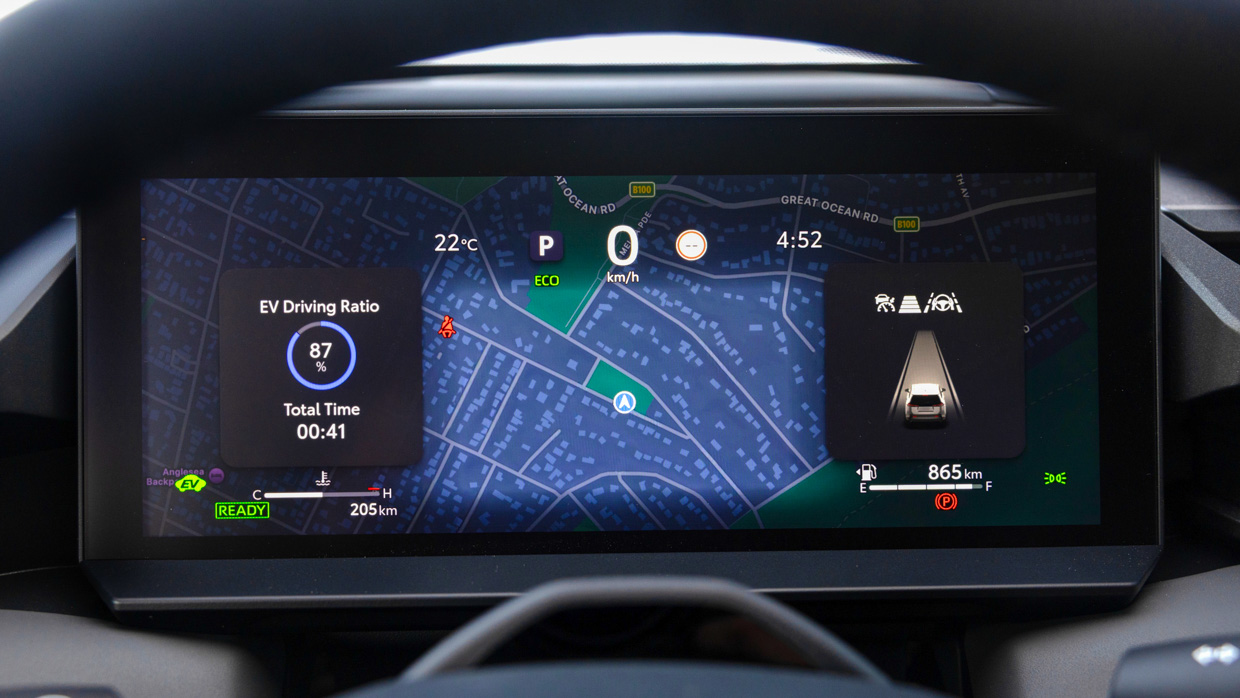
The digital cluster also improves, with more scope for the driver to change the layout of the 12.3-inch display. This includes the option of featuring app navigation such as Waze in the main central section.
And for drivers who like to glance at what hybrid components are doing what at any given time during a drive, the Energy Flow Monitor moves from the touchscreen to the left side of the cluster.
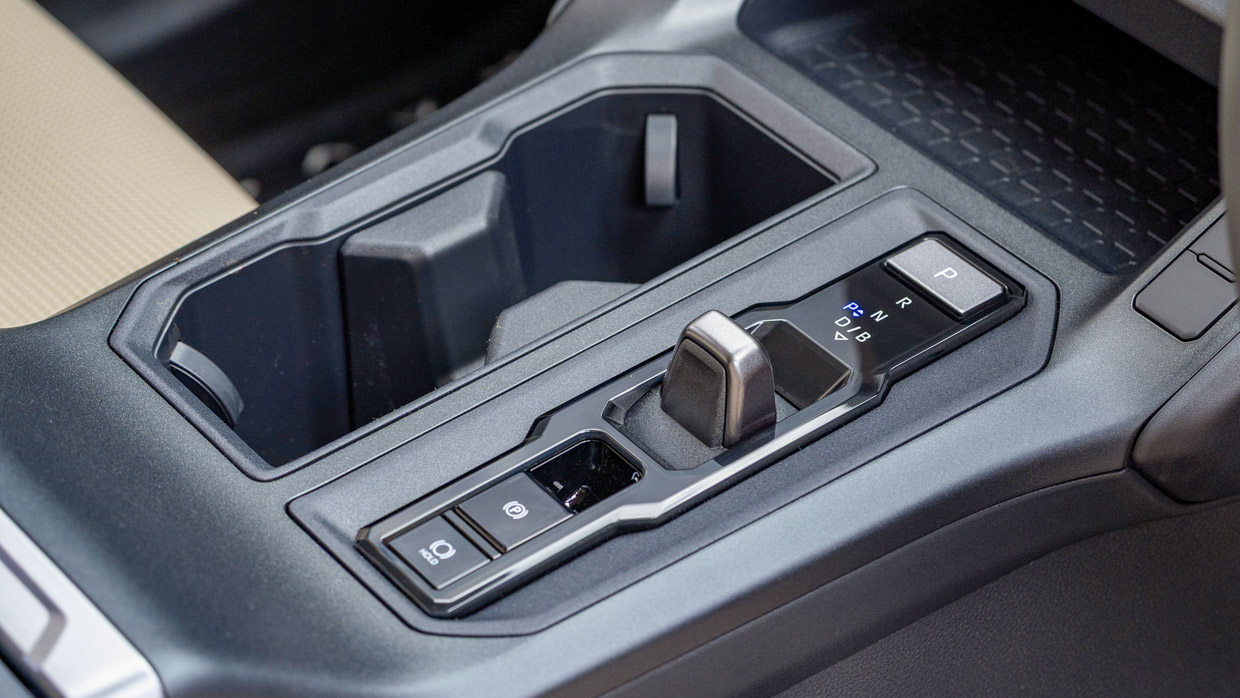
Excellent storage options include a two-tier front console split between smartphone trays (upper section) and a deep recess (bottom section). Most grades have just one charging tray; the Cruiser features two.
The centre console cubby lid can be opened from either side, or flipped from padded top to shallow storage tray.
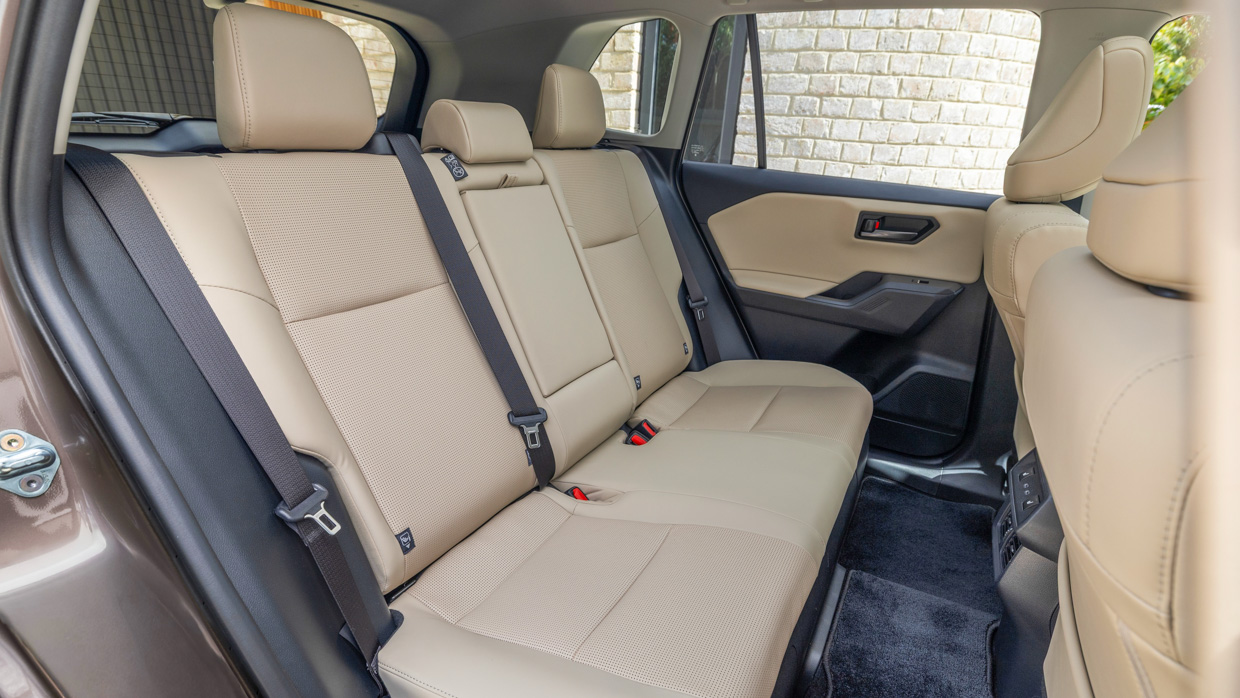
Rear-seat space doesn’t feel any bigger yet there was already plenty of room for knees, feet and heads. The backrest can be adjusted for different rake angles, and rear vents feed warm or cool air into the back.
Convenience and storage items include an armrest with two cupholders, seatback pouches, a bottle holder in each rear door, plus a couple of USB-C ports for powering devices.
A centre-beam panoramic roof is standard on the Cruiser only and not an option on any other grade.
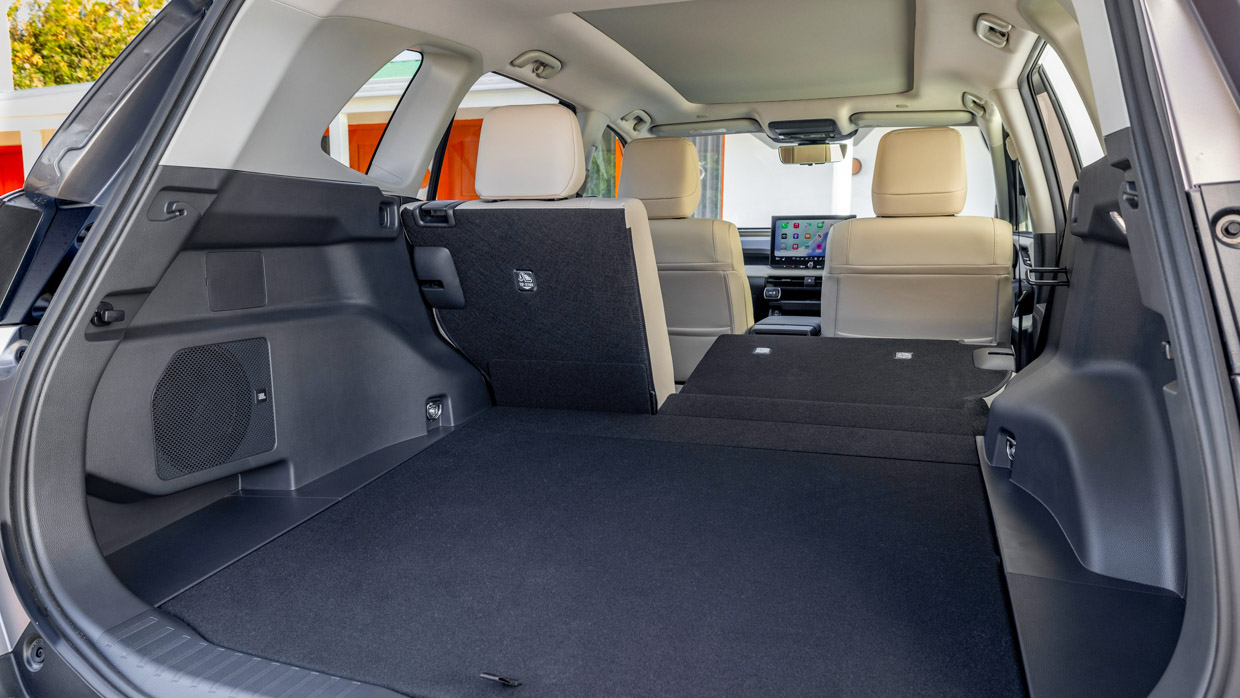
Toyota’s quote of 705 litres for the RAV4’s cargo area sounds like an amazing feat considering the SUV hasn’t grown. Checking the fine print, however, reveals volume is now measuring up to the roof. The previous capacity of up to 580 litres was measured to the top of the rear seats.
Disingenuous or not, the RAV4’s boot is big. A moveable floor allows for a greater cargo depth or a level loading height and a flat cargo area when the rear seats are folded down. Toyota Australia says that the rear seats fold flatter than before.
There’s a temporary spare wheel in every RAV4, with a full-size spare offered on the base GX for a $300 cost. The GX and, more surprisingly, GXL miss out on a power tailgate.
Servicing costs have increased by more than 20 percent, with every scheduled maintenance visit to the dealer costing $335. That still makes the RAV4 one of the cheaper midsized SUVs to service in its segment.
This capped-price servicing covers a five-year period or 75,000km. Toyota’s factory warranty is five years, unlimited kilometres.
Fuel bills will also climb with the new RAV4 as the petrol engine is now required to run on premium rather than regular unleaded.
Toyota says this is the safest RAV4 it has ever built, and there’s certainly a comprehensive list of features designed to look after occupants and other road users.
Early buyers, however, will own a RAV4 ‘Unrated’ by independent crash-test body ANCAP, with assessment delayed while Toyota makes unspecified “enhancements” to the SUV’s active and passive safety.
Read more about the RAV4 ANCAP situation here.
The new RAV4 doesn’t make the same giant leap over its predecessor as the fifth-generation model did.
Perhaps Toyota figured it didn’t need to, instead focusing on incremental improvements in key areas such as fuel efficiency while making big step-ups in much-needed areas such as infotainment/connectivity.
It’s certainly not perfect. You’ll find better bang for your buck elsewhere in the segment (and not just from the Chinese brands), and there are more refined hybrid systems on the petrol side. It’s also a shame the move to premium unleaded offsets the improved fuel economy.
The RAV4, however, remains a very easy SUV to recommend, and, with an upcoming plug-in hybrid variant joining the lineup, you’d be foolhardy to bet against this becoming Australia’s best-selling car in 2027.
About Chasing cars
Chasing Cars reviews are 100% independent.
Because we are powered by Budget Direct Insurance, we don’t receive advertising or sales revenue from car manufacturers.
We’re truly independent – giving you Australia’s best car reviews.
The estimate provided does not take into account your personal circumstances but is intended to give a general indication of the cost of insurance, in order to obtain a complete quote, please visit www.budgetdirect.com.au. Estimate includes 15%^ online discount.
^Conditions Apply
Budget Direct Insurance arranged by Auto & General Services Pty Ltd ACN 003 617 909(AGS) AFSL 241 411, for and on behalf of the insurer, Auto & General Insurance Company Limited(ABN 42 111 586 353, AFSL 285 571).Because we don’t know your financial needs, we can’t advise you if this insurance will suit you. You should consider your needs and the Product Disclosure Statement before making a decision to buy insurance. Terms and conditions apply.
Indicative quote based on assumptions including postcode , 40 year old male with no offences, licence suspensions or claims in the last 5 years, a NCD Rating 1 and no younger drivers listed. White car, driven up to 10,000kms a year, unfinanced, with no modifications, factory options and/or non-standard accessories, private use only and garaged at night.
^Online Discounts Terms & Conditions
1. Discounts apply to the premium paid for a new Budget Direct Gold Comprehensive Car Insurance, Third Party Property Only or Third Party Property, Fire & Theft Insurance policy initiated online on or after 29 March 2017. Discounts do not apply to optional Roadside Assistance.
2. Discounts do not apply to any renewal offer of insurance.
3. Discounts only apply to the insurance portion of the premium. Discounts are applied before government charges, taxes, levies and fees, including instalment processing fees (as applicable). The full extent of discounts may therefore be impacted.
4. We reserve the right to change the offer without notice.