Powered by
-
Car Reviews
Latest reviews
-
Car News
Latest news
-
Car Comparisons
Latest comparisons
- Chasing Deals
Latest reviews
Latest news
Latest comparisons

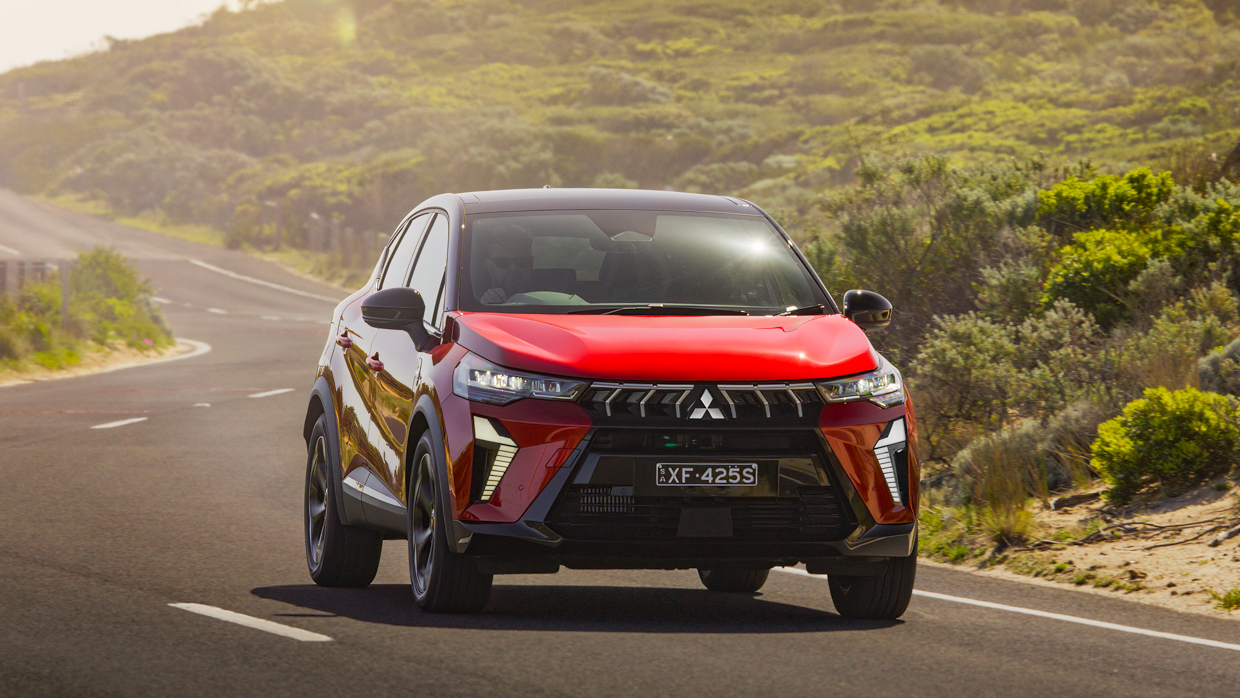
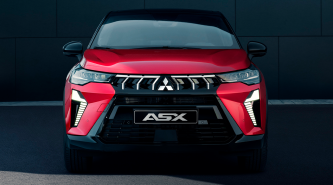
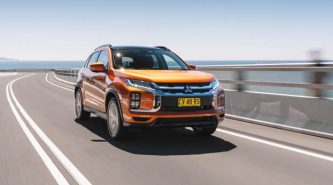
New-generation ASX small SUV is not hitting internal sales targets, but what will be done?
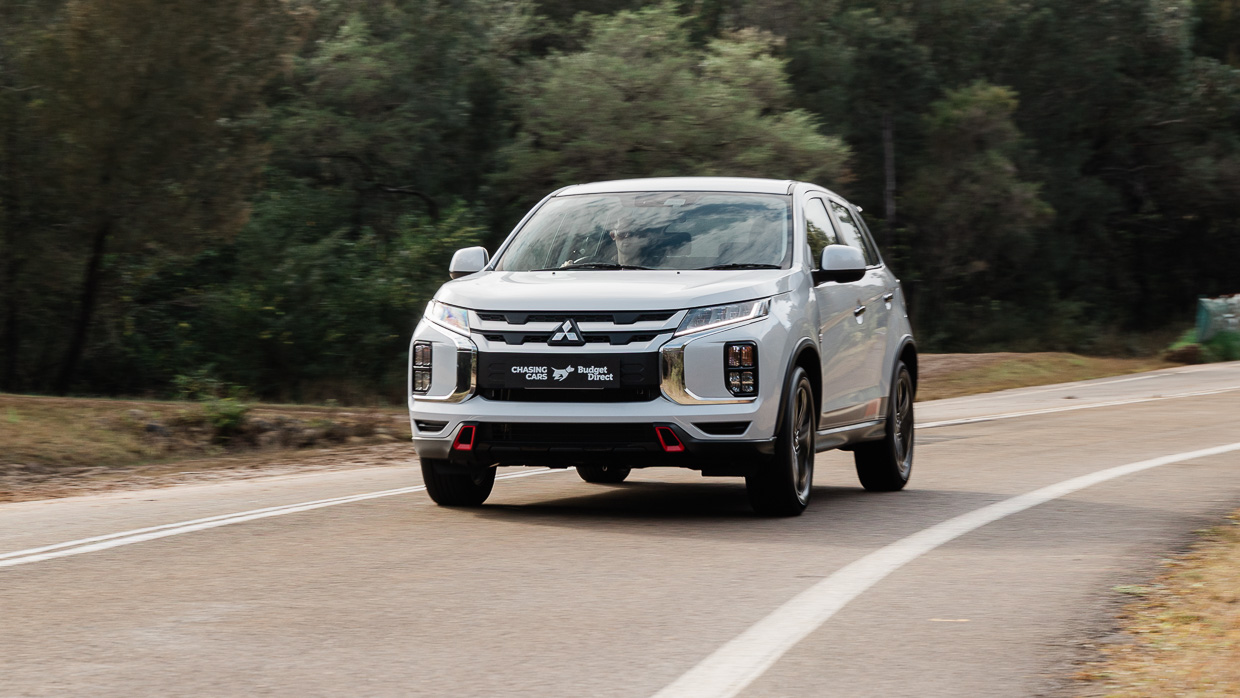
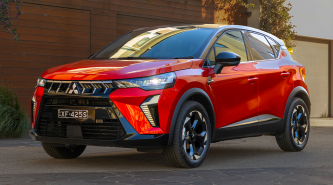
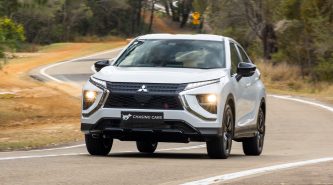
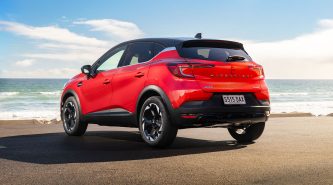
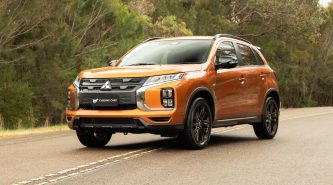
Mitsubishi Australia has admitted the new ASX compact SUV’s ailing sales figures are “not desirable”.
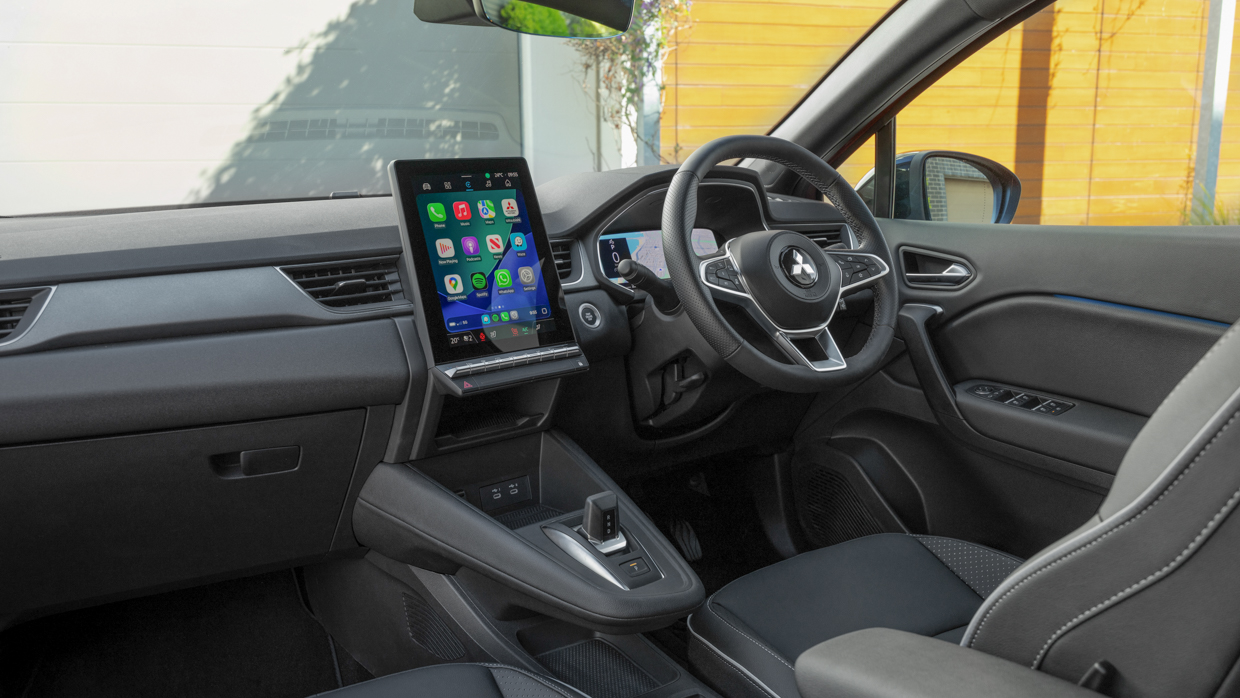
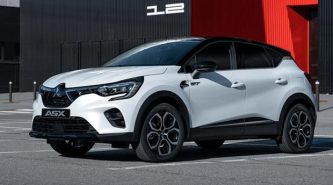
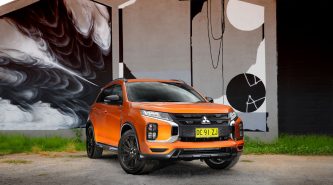
The stalwart small SUV was a regular feature in the monthly top-20 sellers list in previous-generation form but latest sales figures reveal the new, Renault Captur-based Mitsubishi ASX is down 87.4 percent compared to last year.
“It is a very different vehicle and positioned to a different customer than what we’ve historically been supporting with ASX,” the company’s GM product strategy and product PR Bruce Hampel told Chasing Cars. “But the volume isn’t meeting our expectations,” said Hampel.
The sales numbers show how much the new ASX is struggling. In 2025 it made up about a fifth of Mitsubishi’s local sales, but compared to May last year almost 5000 fewer ASXs have been registered.
This has accounted for a major chunk of Mitsubishi’s sales slide so far this year, with the Japanese brand down 26.4 percent by the end of May 2026 as new Chinese brands such as BYD, GWM, Chery and others rocket up the ladder.
“We’re still working to try and understand why,” Hampel said, before positing that the new ASX’s price might have been too much for the market to swallow.
“With the End Of Financial Year sale, we’re going to drop the entry grade down to $34,990 driveaway just to see if that helps with the showroom traffic — trying to get more people coming in to actually look at it, test drive it, experience the value that is in the car,” he explained.
In base LS trim the new ASX lists for $37,740, and for that you get front-wheel drive, a 1.3-litre turbo petrol engine and cloth upholstery. A top-spec Exceed will set you back $46,490 before on-road costs, and for that you still aren’t getting a hybrid engine or AWD.
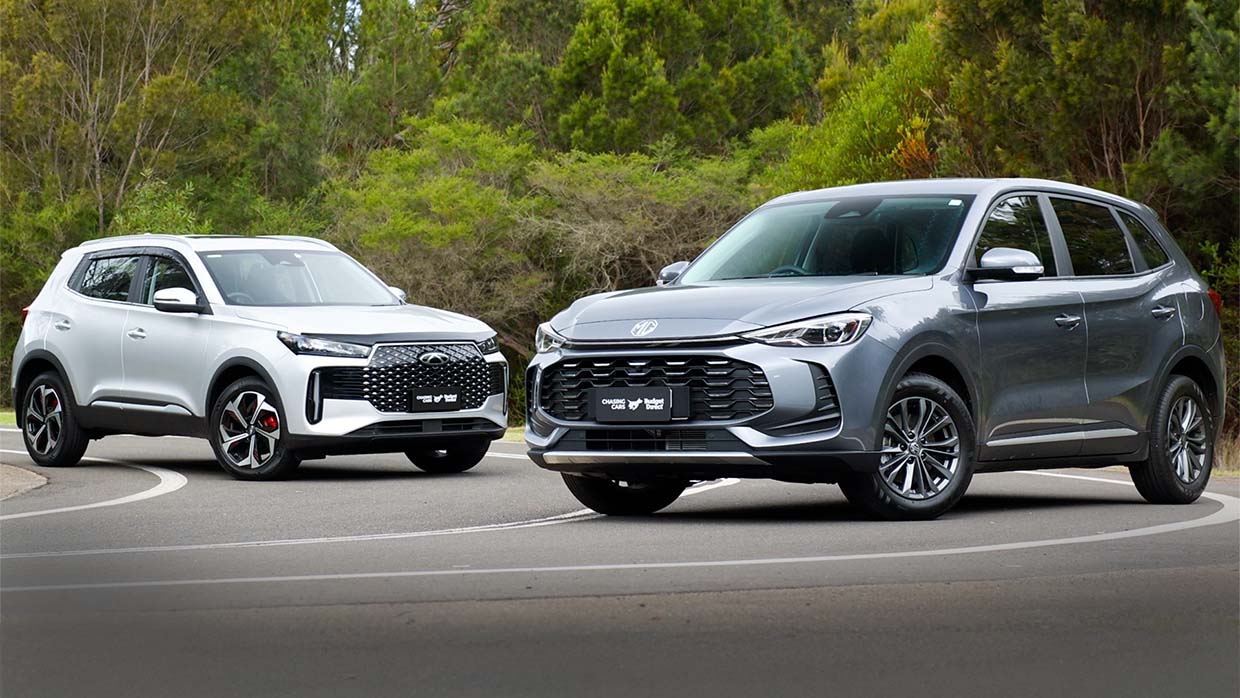
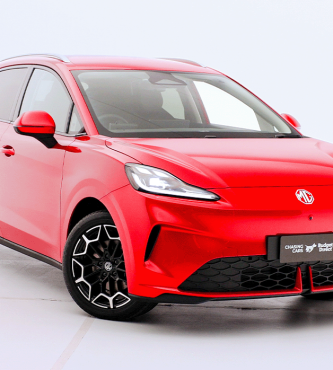
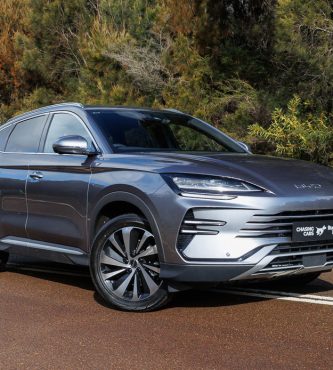
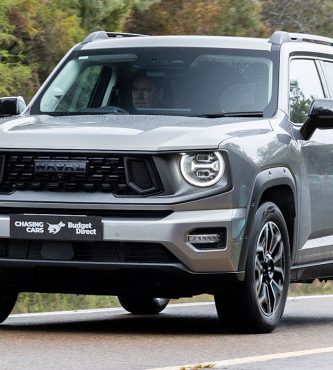
The best sellers in the ASX’s segment offer far better value on paper. The Chery Tiggo 4, for example, can be had in top-spec Ultimate guise with a hybrid for $32,990 driveaway. A Haval Jolion Premium can be bought for the same money, and the same is true for an MG ZS.
In more established brands, the significantly larger and highly rated Hyundai Kona can be had with a hybrid system for $39,950, before on-road costs.
Mitsubishi says the ASX’s newfound expense is part of the brand moving more upmarket, offering better “value” cars rather than the cheapest.
“There are still a lot of customers that are out there looking for cheap vehicles and there’s a lot of different OEMs offering cheap vehicles so that’s where they’re cross shopping.
“What we’re trying to do with the Mitsubishi brand is to really demonstrate that we offer that value through the adventurous product offerings that we have, and through the after-sales support programs with the Diamond Advantage, 10/10/10 advantage to try and hold the more loyal customers in the brand.
“We’re trying to attract customers that are looking at the higher level of that sub-segment of the market to come down and consider a Mitsubishi, whereas in the past they probably would not have considered Mitsubishi because they were looking for the higher, more premium products,” said Hampel.
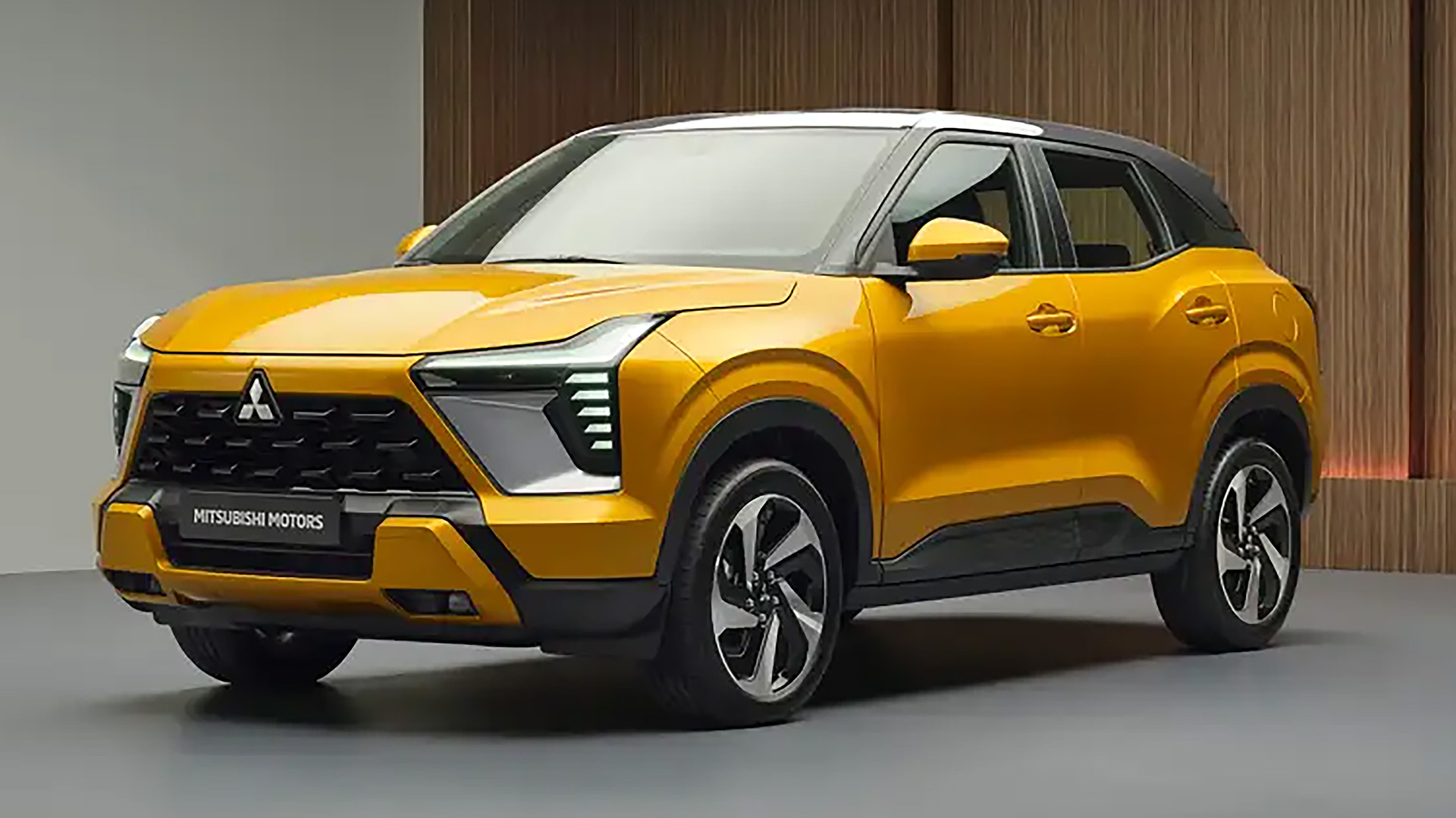
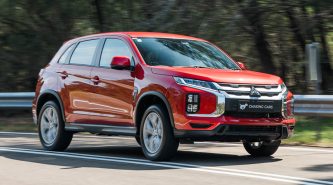
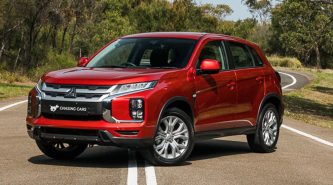
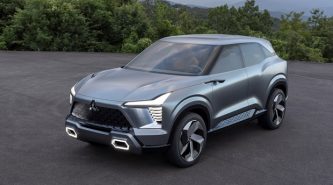
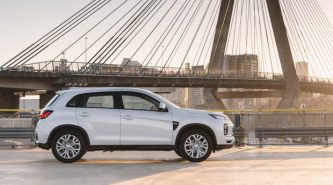
This isn’t to say the current ASX is the final solution for Mitsubishi Australia’s small, affordable car woes. The XForce SUV, for example, is sold in New Zealand as the Outlander Sport alongside the existing ASX which is no longer allowed to be imported due to Australian Design Rule 98/01 mandating advanced emergency braking technology.
“[Mitsubishi New Zealand is] lucky that they can actually import that vehicle and sell it because the requirements over there are different than ours,” explains Hampel.
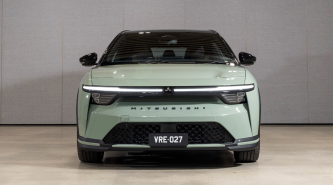
“We’d love to have the XForce, but it was never designed to meet our Australian requirements, given it was effectively a new ‘top hat’ on an older platform.
“We’re working hard with Mitsubishi to make sure that we can offer a similar type product that meets all the requirements as part of our momentum 2030 plan, so you’ll hear more about that from us in the future,“ he said.
Latest news
About Chasing cars
Chasing Cars reviews are 100% independent.
Because we are powered by Budget Direct Insurance, we don’t receive advertising or sales revenue from car manufacturers.
We’re truly independent – giving you Australia’s best car reviews.