Powered by

-
Car Reviews
Latest reviews
-
Car News
Latest news
-
Car Comparisons
Latest comparisons
- Chasing Deals
Latest reviews
Latest news
Latest comparisons
In a year of diverse drivers’ car variety, the surprise quality of a rebooted classic won the COTY judges’ hearts over
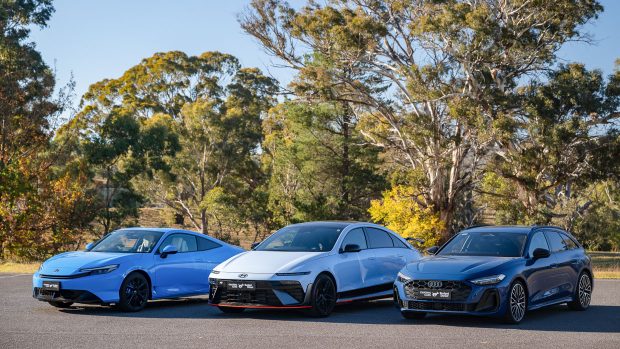
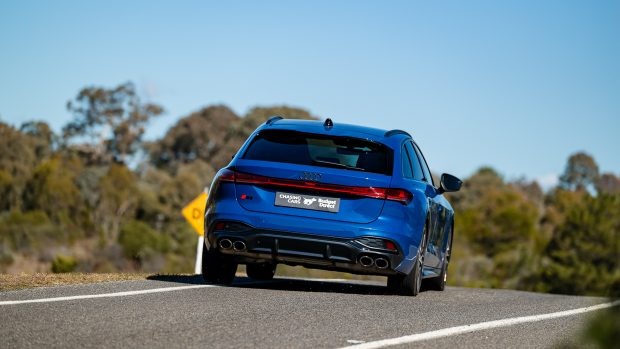
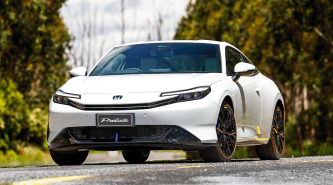
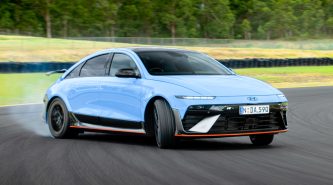
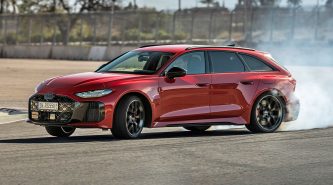
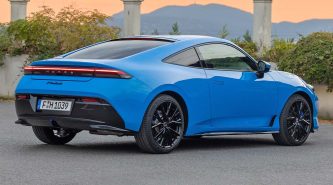
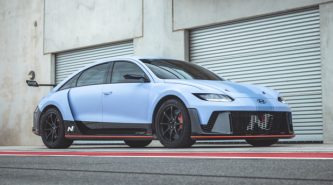
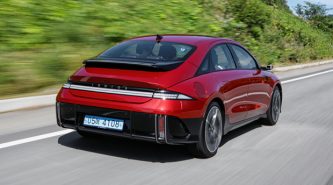
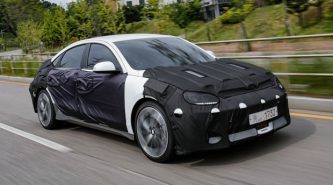
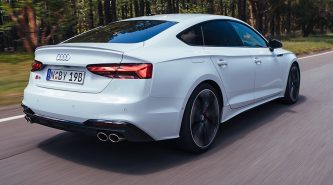
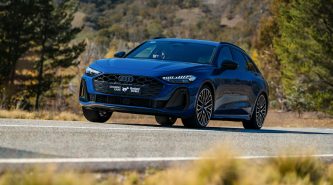
You couldn’t ask for a more diverse trio of ‘sports’ vehicles in 2026 – Honda’s long-awaited Prelude petrol-hybrid sports coupe, Hyundai’s ballistic Ioniq 6 N electric sports sedan, and the latest generation of Audi’s legendary V6 turbo-petrol S5 sports wagon.
In terms of intended function and audience, each is wildly different, though Honda openly confesses that it isn’t quite sure who is the exact target buyer for the new Prelude. Either way, driving fun ought to be high on the list of all three contenders, regardless of their ultimate purpose in life.
All three cars here would do a smashing job tearing around a racetrack, for varying reasons. The Prelude for its supreme handling balance and tireless brakes; the Ioniq 6 N because that’s what it’s designed to do…until you run outta charge; and the S5 because it’s both stable and forgiving, yet also adjustable.
Yet only one truly captures the joy of motoring at every turn – fast, slow, straight, undulating, even parking.
What are we looking for in a Car of the Year segment winner? It’s all about performance of intended function — how well a vehicle executes its purpose. Below are the aspects we interrogate.
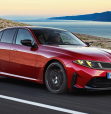
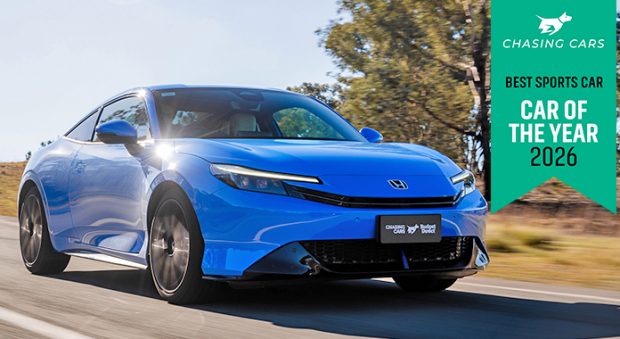
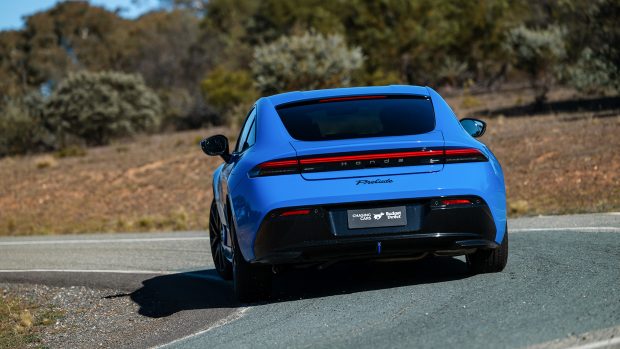
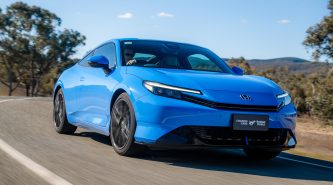
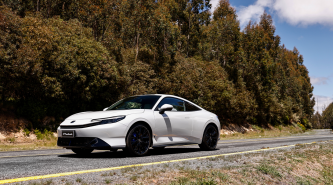
In the grand scheme of things, the new Prelude is more of a sports coupe than a sports car – just like the five generations that preceded it. A Porsche 911 rival it is not…though only because it costs so much less and isn’t so focused on outright performance.
This is a handling-biased car that also happens to ride well, sound purposeful, doesn’t slurp the juice, is easy on the eye and is surprisingly cheap to maintain. In that respect, then, the dissenting voices slagging the new Prelude for being little more than a Civic coupe might have a point.
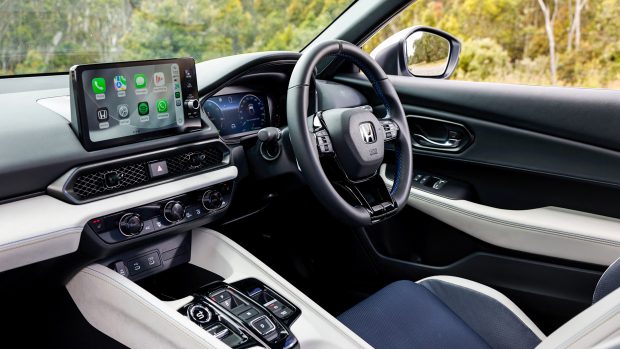
But then it doesn’t take very long behind the Prelude’s flat-bottomed leather wheel to appreciate that this is a sports car that champions the joy of motoring, at all speeds.
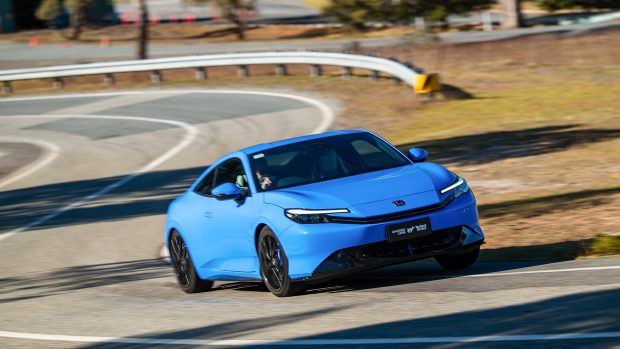
It’s that last point that underscores the greatness of the new Honda Prelude. In an era where few cars ride well or provide adequate feedback, the Prelude does both with a lithe, crisp fluency that’s evident even when you’re pottering about town.
Yet show it a challenging road and its low-slung, exquisitely poised hunger for carving through corners is an absolute revelation.
Honda provides four drive modes – one of which is a self-programmed set-up enabling a blend of parameters – yet you can leave the Prelude in Normal or Sport, transmission in Drive, and simply go for it.
While the transmission’s S+ Mode is a nice-to-have nod towards manual control, you can simply press the D selector and let the Prelude do everything itself, given how intuitive its transmission is. It even has stepped ratios that upshift crisply and decisively.
It’s an ‘e-CVT’ set-up with two direct-drive electric motors, not an expandable band thingy sapping power and response from your right foot.
And when it comes to grunt, while the Prelude e:HEV is no Type R, or even a Type S, its battery-boosted torque and delightfully crisp induction soundtrack bless it with a rich dose of past Honda four-cylinder flavour. It’s not aggressive – just suave and sporty.
Indeed, that’s a great way of summing up this delightful sports car. It has a sweetness and suaveness to the way it operates that has been lost in so many modern cars – buried under the burden of lifeless steering, lumpy ride and excessive electronic intervention.
The new Prelude e:HEV may be riding on the back of electrification, courtesy of its hybrid powertrain, but this is a lovingly engineered sports car that goes, stops, steers, handles and rides with a level of cohesion that few cars can match in 2026.
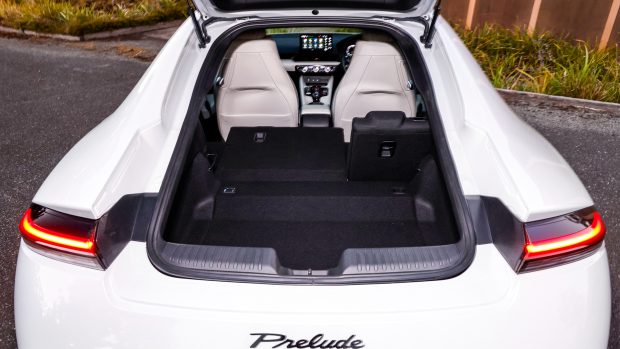
It also happens to be surprisingly practical, thanks to its ‘plus-two’ rear-seat accommodation and decent luggage space below its liftback tailgate – especially with the rear backrests folded fully flat.
And it has terrific vision, especially through its fairly upright windscreen, across the charming bulges encasing its Type R-derived front suspension and brakes, and black 19-inch alloys.
It could be argued that the Prelude should have electric front seats (rather than the flimsy manual lever adjusters it currently employs) and a degree more power and torque than the $9-15K-cheaper Civic Hybrid. Not everyone is comfortable with paying more for fewer doors, though like we said, this is not a two-door Civic.
That the sixth-generation Prelude manages to assert itself as its own thing – a hybrid sports coupe with the agility of a benchmark hot hatch – speaks volumes about the attention that Honda has paid to reviving an historic nameplate for a hybrid coupe that’s all about the future, not the past.
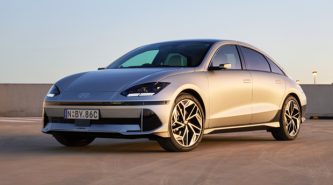
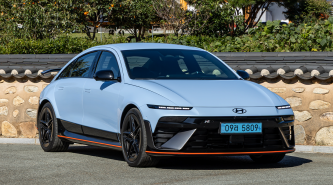
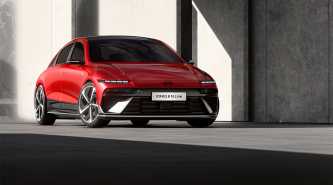
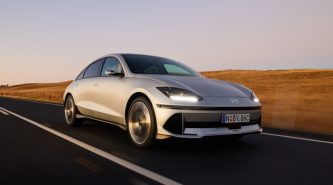
The new sister vehicle to Hyundai’s former COTY-winning performance flagship – the Ioniq 5 N – started with a pretty good basis. As the towering benchmark for electric hot hatches, the 5 N created a blueprint for making an electric car involving…and now we have the Ioniq 6 N sedan to expand on that even further.
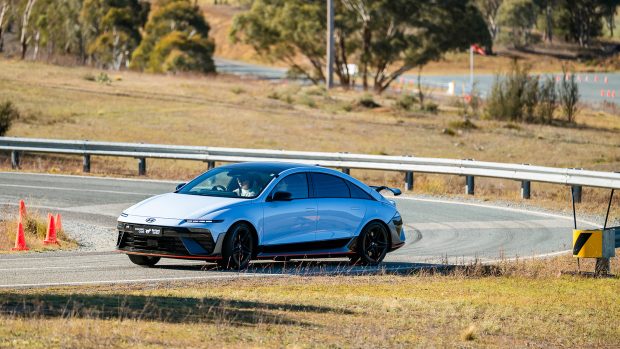
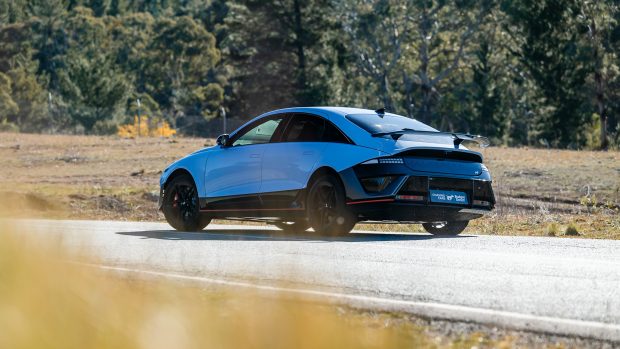
As a fresher, tougher visual evolution of the polarising Ioniq 6, the N version fulfills many high-performance fantasies, from the huge rear wing sprouting from its Porsche-like sloping tail to its huggy bucket seats and almost race car vibe.
And with just as much grunt as the Ioniq 5 N (448kW/740Nm), matched to a further honed chassis, the 6 N really does blow you away with its grip, balance, thrust – underpinned by a staggering plethora of electronic trickery.
There is so much to learn if you really wanna get to know the 6 N’s capabilities, but then it also has so much to offer in terms of bandwidth.
From a relatively nice-riding four-door sedan capable of a 487km WLTP electric range claim to a mind-altering track weapon that has so many layers it demands huge commitment, the Ioniq 6 N is for deep thinkers. With relatively deep wallets. And access to some kind of fast-charger come track day time.
Yet for all its seeming inaccessibility – certainly if you want a simple, point-and-shoot sports car – the Ioniq 6 N feels relatively natural and organic, especially for an EV.
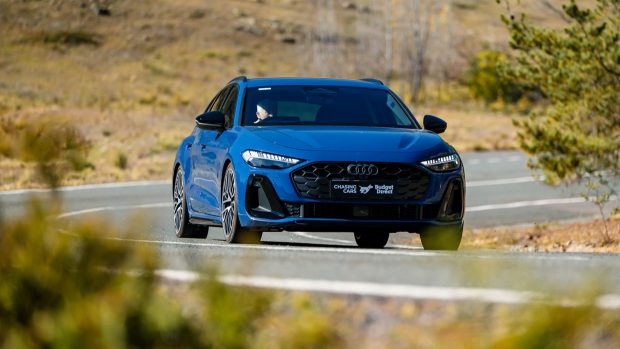
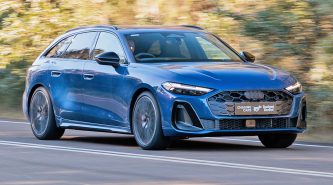
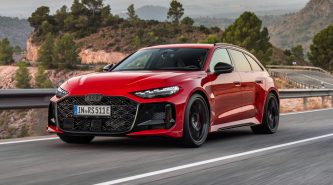
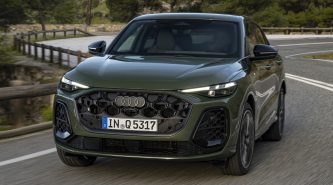
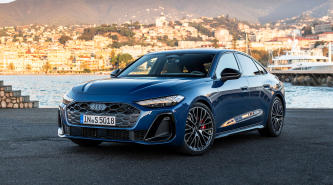
Invited to COTY as part of the broader new-generation (B10) A5 range, the new S5 quattro Avant gave us the perfect opportunity to comprehensively test what has become one of Audi’s staple performance cars.
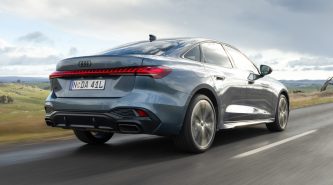
It’s quick, it looks purposeful, and it gets a standard Audi Sport torque-vectoring rear differential to heighten its dynamic prowess, so all the basics are there. But the S5 ended up being outshone by the plug-in hybrid A5 quattro sedan.
In Dynamic mode with ESC Sport engaged, the S5 feels really chuckable and will go seriously sideways if provoked, yet its power-down is brilliant. But with much higher handling limits than the A5 PHEV, you need to be going a lot faster to find the fun in the S5 on public roads.
The turbo V6 isn’t as barky as we would like, either, meaning the S5 Avant is a refined, finessed, solidly built fast wagon that’s perhaps a little too polite to be genuinely, lustfully sporty.
Latest comparisons
About Chasing cars
Chasing Cars reviews are 100% independent.
Because we are powered by Budget Direct Insurance, we don’t receive advertising or sales revenue from car manufacturers.
We’re truly independent – giving you Australia’s best car reviews.