Powered by

-
Car Reviews
Latest reviews
-
Car News
Latest news
-
Car Comparisons
Latest comparisons
- Chasing Deals
Latest reviews
Latest news
Latest comparisons
Mid-life improvements see Q4 finally pick up premium interior quality, and it’s still good to drive, but tough competition means the Audi also needs a price cut
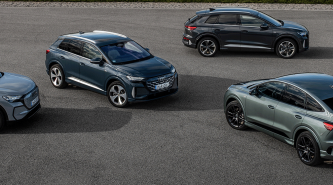
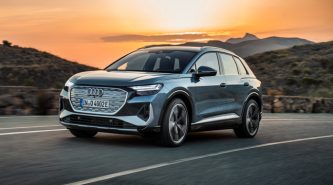
The Audi Q4 e-tron is a compact, premium electric crossover that—so far—has been a bit underrated in Australia.
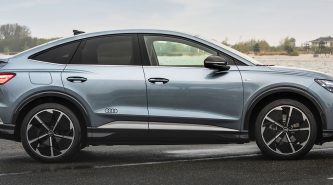
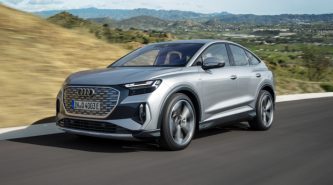
Outsold last year two-to-one by the BMW iX1, one of the reasons the Q4 has been overlooked has been ambitious pricing that currently kicks off from $84,900 before on-road costs for the 210kW rear-wheel drive SUV and rises beyond $107K in 250kW AWD Sportback format.
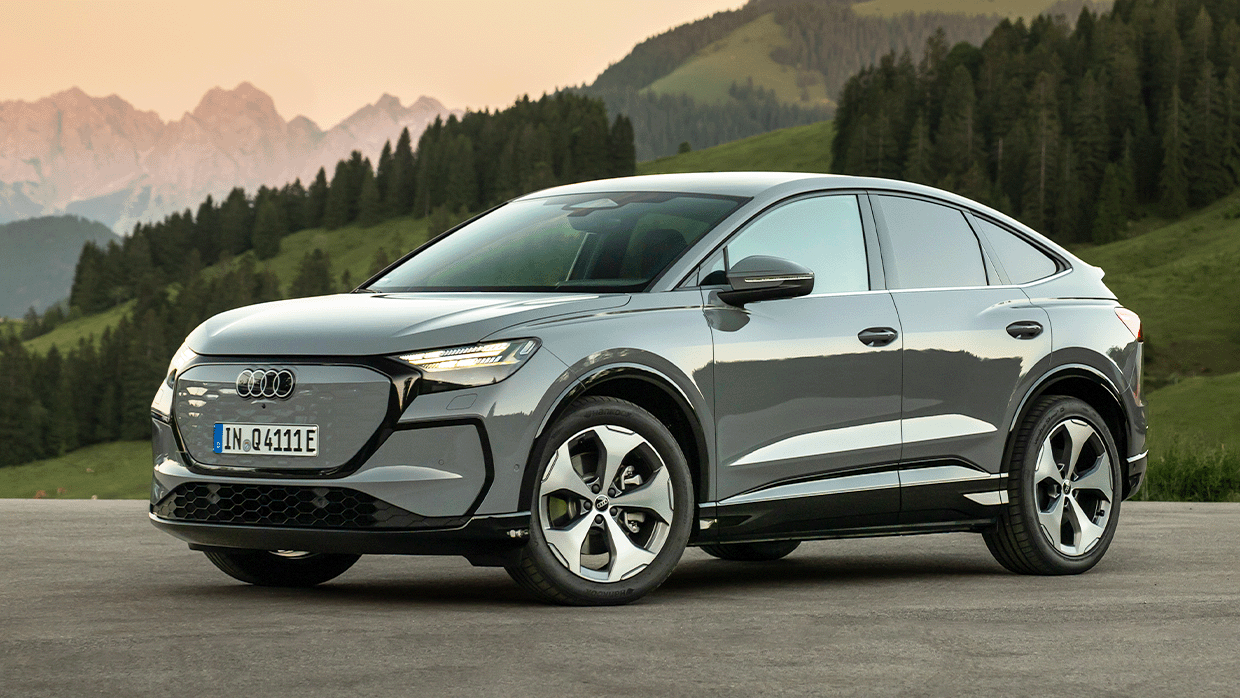
In outgoing pre-facelift form, that was pricing that has undoubtedly made Aussies think twice, especially given the Q4’s relatively ‘entry-level’ interior presentation and despite the fact the four-ringed EV has always driven quite well.
Now, Audi is on a mission to change the Q4’s fortunes. It hasn’t changed the inoffensive interior design much, but entering production shortly for Australia is a major 2027 update that, among other things, completely replaces much of the cabin.
A new dash and centre console adopt Audi’s latest interior aesthetic but more importantly, pick up the refined materials expected of a premium brand, while the infotainment architecture itself scores an upgrade with snappier processing power.
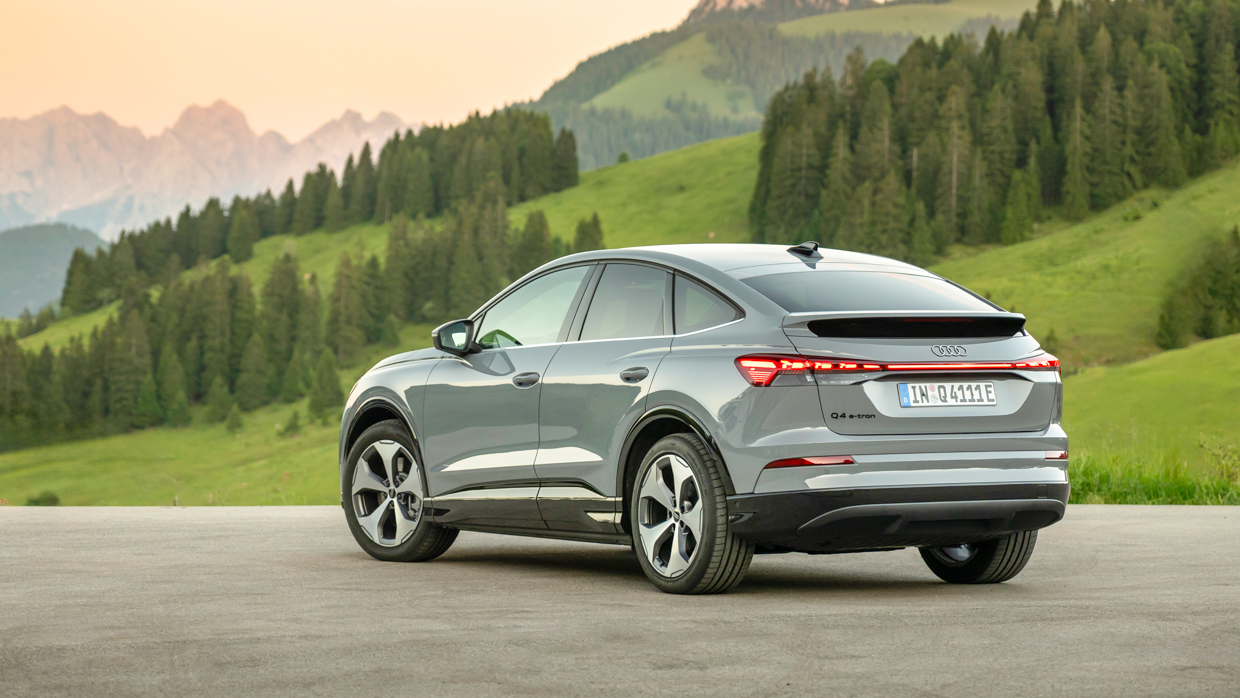
The new Q4 is expected to land in Australia in very late 2026 or early 2027. While local specs are still being finalised, expect the 210kW and 250kW powertrain options to carry over using a 77kWh (usable) nickel manganese cobalt battery promising 541-592km range (WLTP).
The big change to the Australian lineup is likely to involve pricing. With Audi now clarifying that it sees the BMW iX1—and not the bigger, 800-volt iX3—as the chief rival to the Q4, a recent price cut to the iX1 (to $78K with AWD) means Audi will be pressured to follow suit.
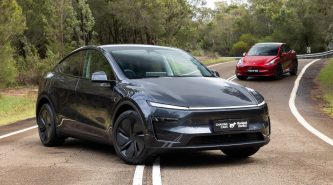
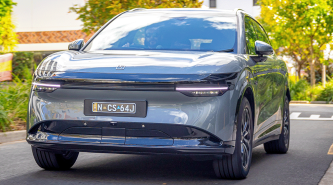
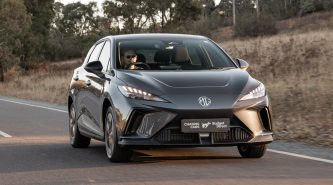
Price pressure isn’t only coming from BMW. The Q4 can also be cross-shoped with the perennially popular Tesla Model Y as well as new premium entrants from China, including the Zeekr X and 7X SUVs that cost thousands less.
A test of several variants on German motorways, suburban streets and mountain roads confirmed that the best updated Q4 is still the RWD ‘Performance’ grade.
While that name sounds like a hot version but Aud is now using ‘Performance’ to mean long-range. This is the most practical variant, teaming a 77kWh battery with 210kW/545Nm rear-drive outputs for a 6.6 second 0-100km/h time.
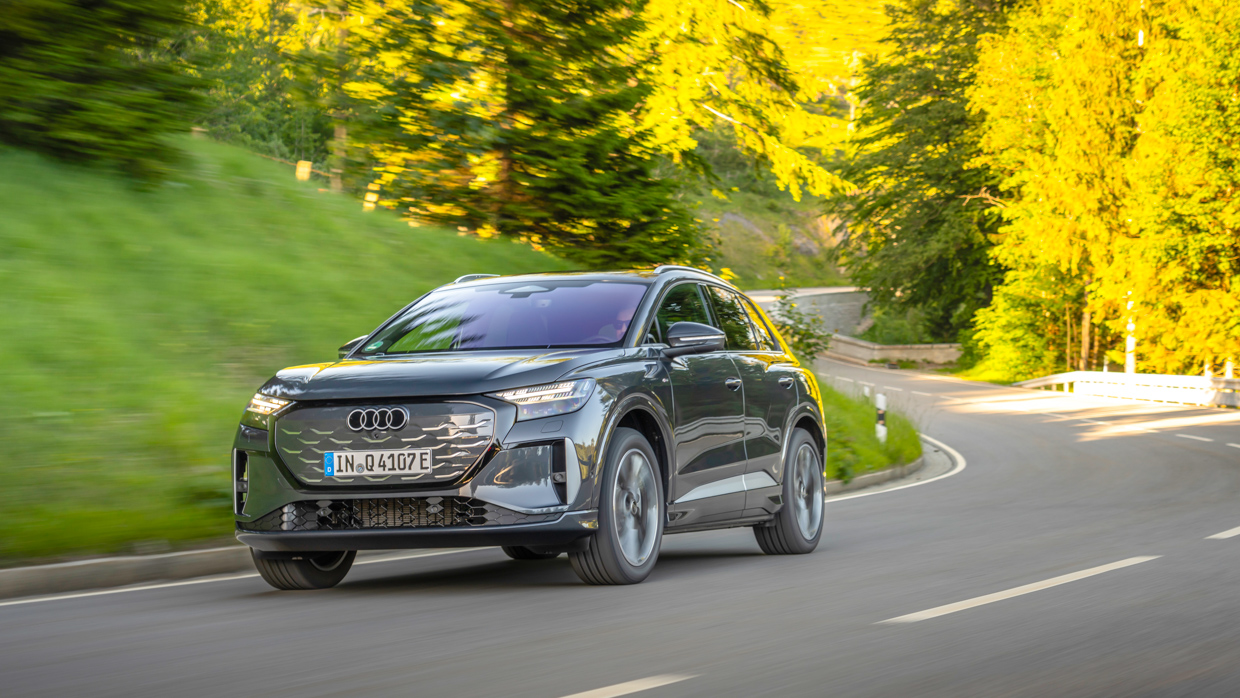
It’s no sports SUV, but the Performance is comfortably quick enough, and it feels balanced, composed and natural. Push on and it reveals itself to be remarkably dynamic and clearly RWD, unlike the BMW iX1.
Currently, Australian buyers can drop another $20K or so to update to the 250kW Quattro grade, which adds a smaller 80kW front motor and drops the 0-100km/h time to 5.4 sec.
While the AWD models are faster in a straight line and offer more traction, the Quattro system does not make the Q4 more fun and, in some ways, detracts a little from the purity of the RWD experience.
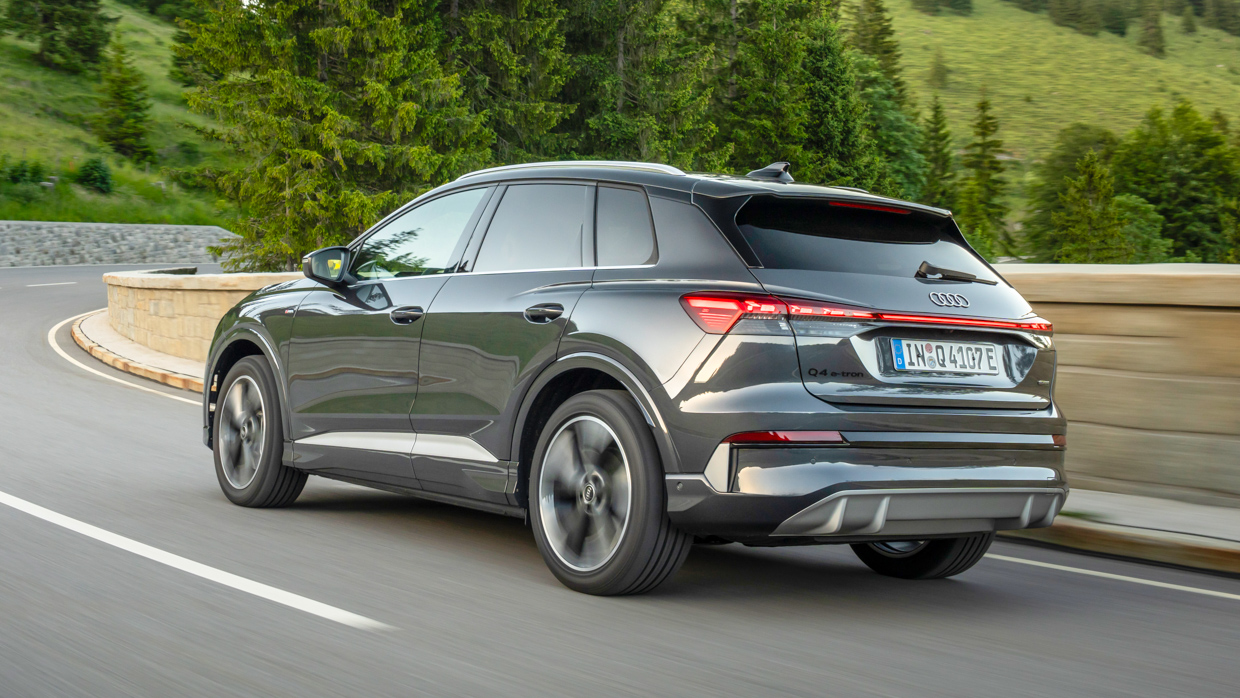
Most Aussie buyers probably don’t need AWD, and the simpler and more attractive dynamics of the RWD car mean we’d pocket the difference.
We expect the updated car to carry a price cut in Australia, but the truth is we’d happily pay a reasonable premium for this Audi compared to discount rivals because of the polish of its driving dynamics and safety features.
It’s immediately clear that Audi put a lot of time into tuning the ride quality, handling, and performance of the driver aids—things that often feel remarkably unfinished in some rivals.
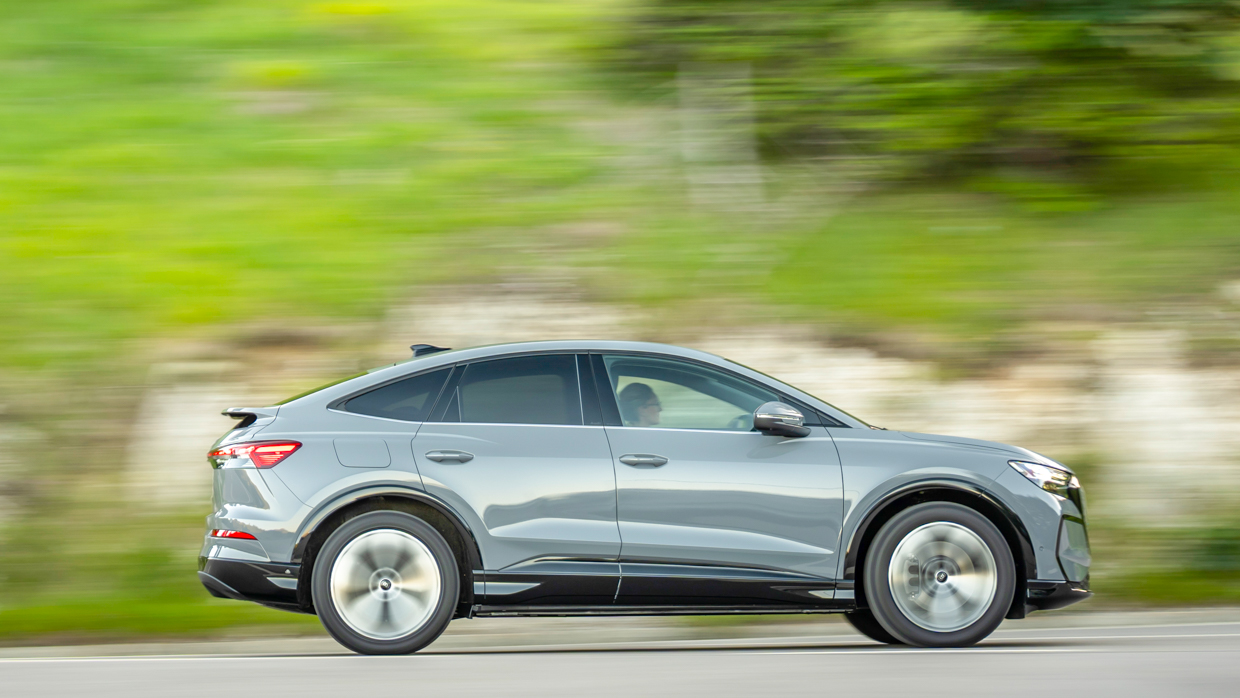
Keen and clean handling is a hallmark of the MEB platform, and the Q4 does not disappoint. The front end feels light and zealous when cornering, with very strong grip and even a decent flow of feedback to the driver.
Comfort is a strong point, with the caveat that Audi had fitted all cars on the international launch drive with three-stage adaptive dampers, which delivered a balanced and appealing ride—but we haven’t tested the cheaper passively-damped setup.
Refinement is another highlight. With laminated glass, road noise is impressively suppressed and the Q4 is hushed at speed, making it easy to enjoy the optional Sonos premium stereo.
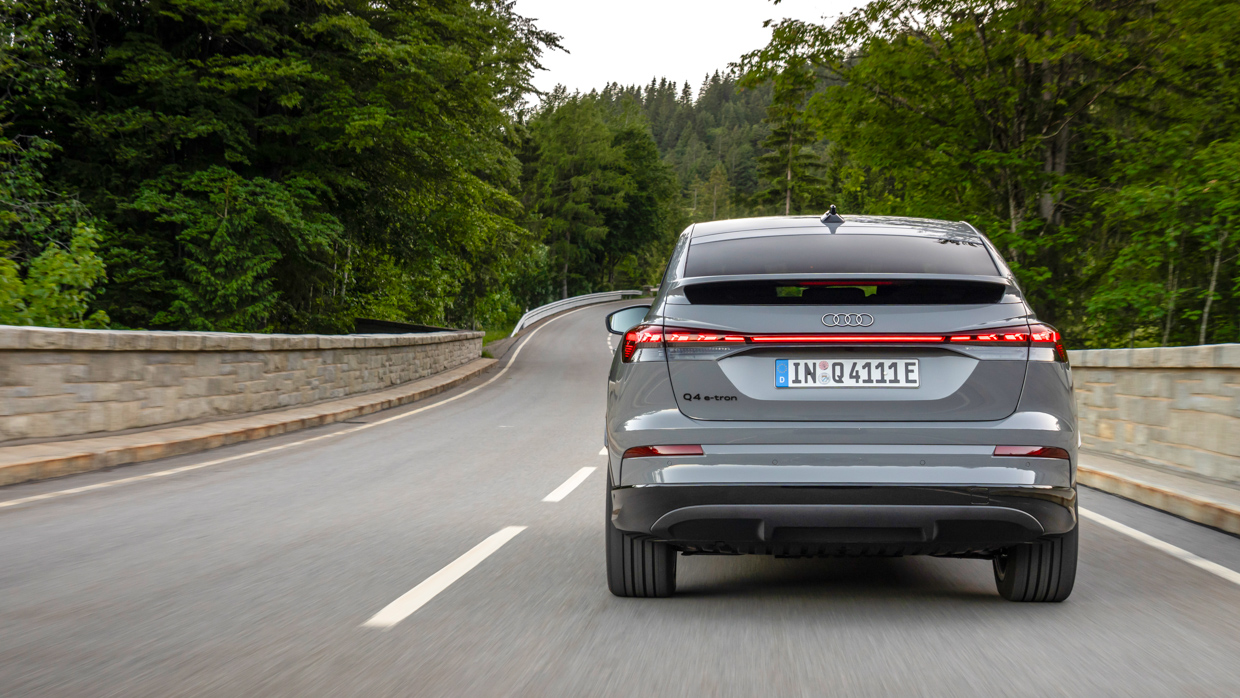
Braking remains handled by front discs and—controversially—rear drums, as with other MEB-platform EVs. That said, stopping power is strong and Chasing Cars’ brake testing of MEB cars has shown the setup is remarkably capable of quick stops.
A well-tuned adaptive cruise control system pairs with strong lane centring to reduce effort in motorway driving, and the car can perform automated lane changes—but unlike a Model Y, no hands-off functionality is offered.
Still, the 360-degree camera is clear and while the Q4 is fitted with audible speed monitoring (at least in Europe) it can be silenced easily enough with two taps on the touchscreen.
The interior is the biggest change to the updated Q4, and it needed to be. However, it’s a case of four steps forward and one or two steps back.
Previously, the Q4 cabin was laid out ergonomically—and included much-appreciated physical buttons for the climate control—but the materials were shiny and hard. Certainly, the perceived quality didn’t fit an $85K+ premium SUV.
When the closely related Volkswagen ID4 and Skoda Enyaq emerged with nicer and more yielding materials it was clear that Audi needed to stage an intervention.
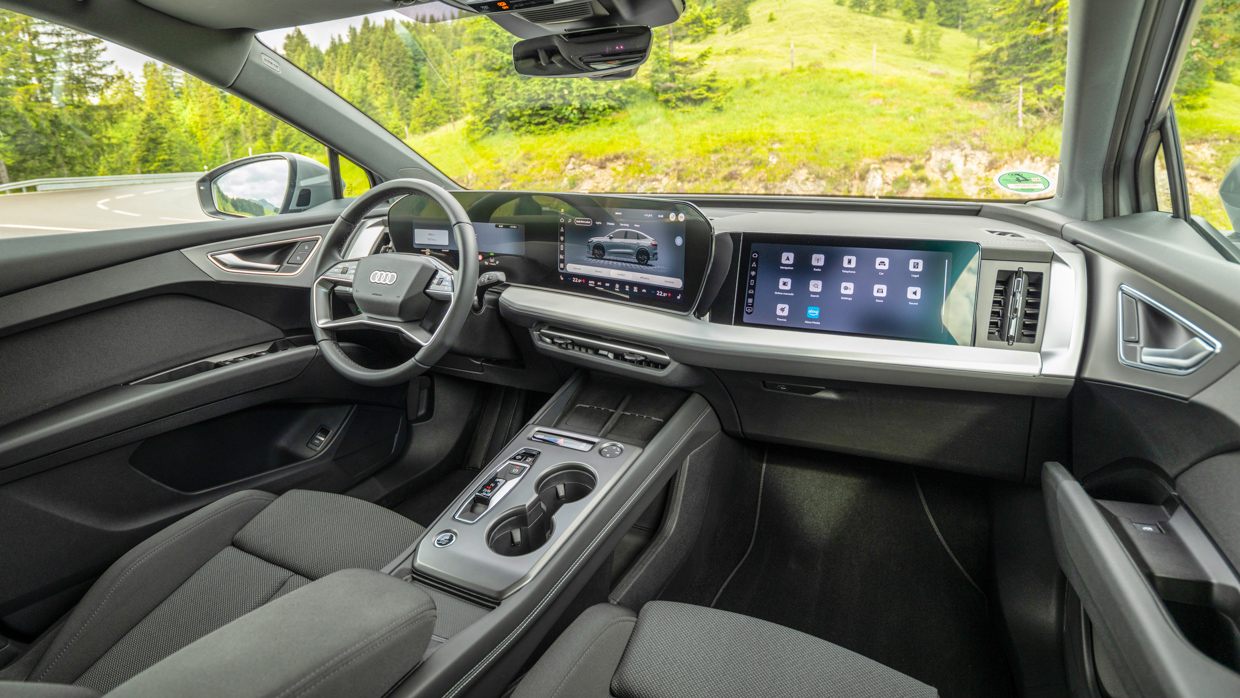
This facelift goes a long way to fixing that disparity. The dashboard is completely new, adopting the broader ‘Digital Stage’ curving display concept seen in recent Audi models.
There is now stitched, soft material across the dashboard and along a completely new centre console, with soft Dinamica and synthetic leather on parts of the doors—while piano black has been almost entirely dispensed with in favour of matte ‘Vanadium’ trim.
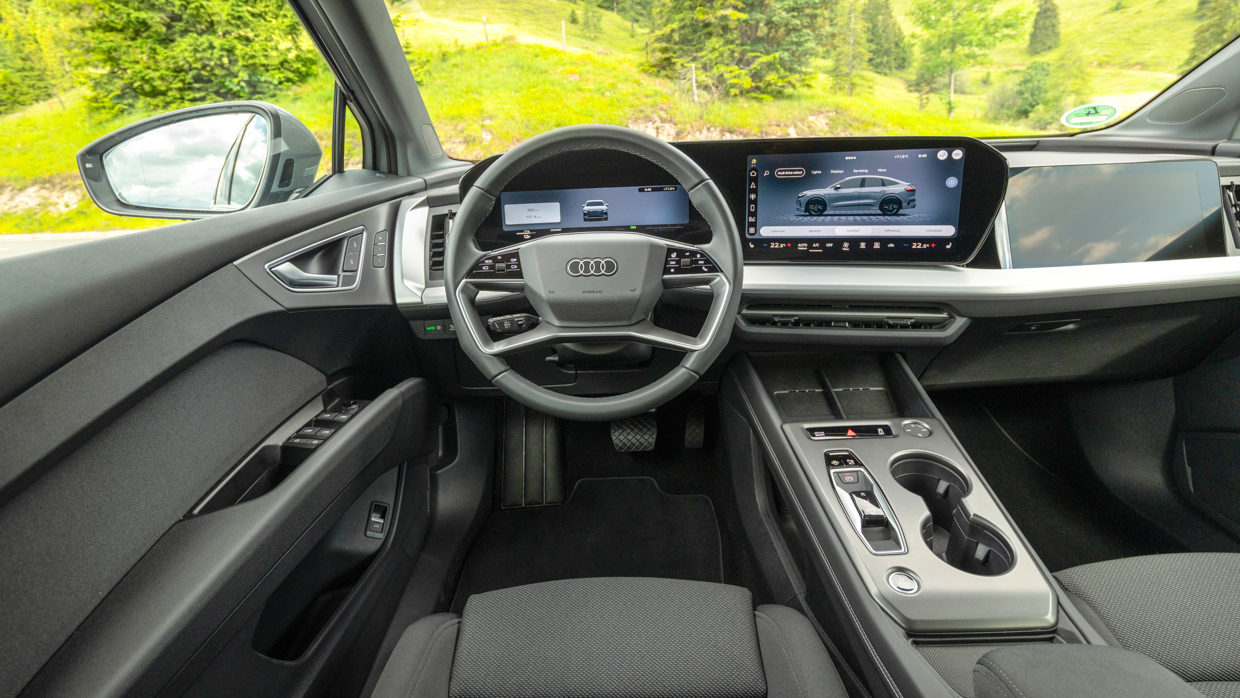
Of the two new steering wheel designs—both of which now incorporate scroll wheels for key functions—it is the ‘S line’ tiller that impresses the most with a perforated black leather rim, even if its flat top and bottom are a bit overdone.
Objectively, the new 12.8-inch MMI touchscreen works well. It’s based on a Google Android Automotive OS back-end and the processor delivers snappy responses, while the ever-present climate control panel allows for quick adjustments.
Wireless Apple CarPlay and wireless Android Auto are standard, and connectivity functions include a companion smartphone app and easier over-the-air update functionality thanks to the new Google basis.
No doubt it’s a more contemporary architecture, but if we were to find something to complain about, we think the integration of screens in the previous cabin was superior even if the material quality definitely required a lift.
That’s especially true for the ‘Virtual Cockpit’ driver display, which was far better integrated (and actually more fully-featured) before the facelift. The new 11.9-inch panel has a comically large bezel and has lost some customisation options.
More pleasing is Audi’s treatment of the passenger display. If the optional third screen is not fitted, Audi finishes the dash properly with a pleasant trim piece rather than leaving an ugly and non-functional blank panel (as in the Q5 and A5 models).
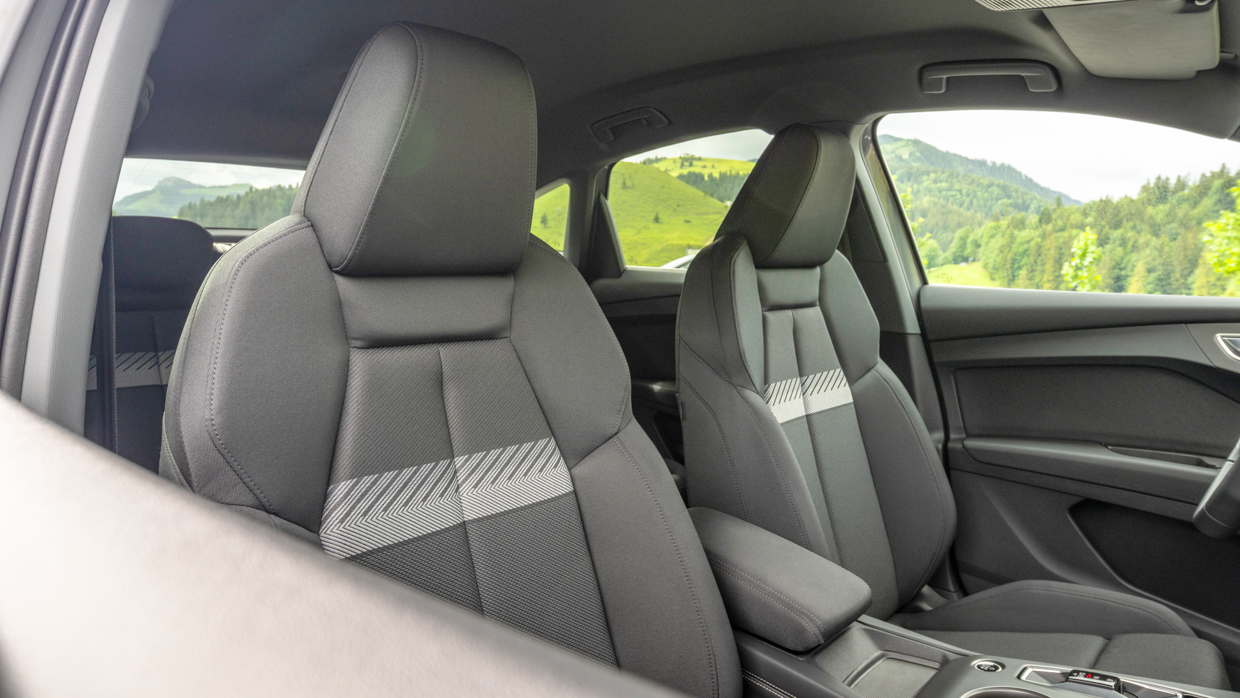
Front sport seats are now standard, and they are comfortable and supportive with 12-way power adjustment and heating—though no active ventilation.
Storage is solid, thanks in part to a deep new bin in the redesigned centre console and twin cooled 15-watt wireless device chargers.
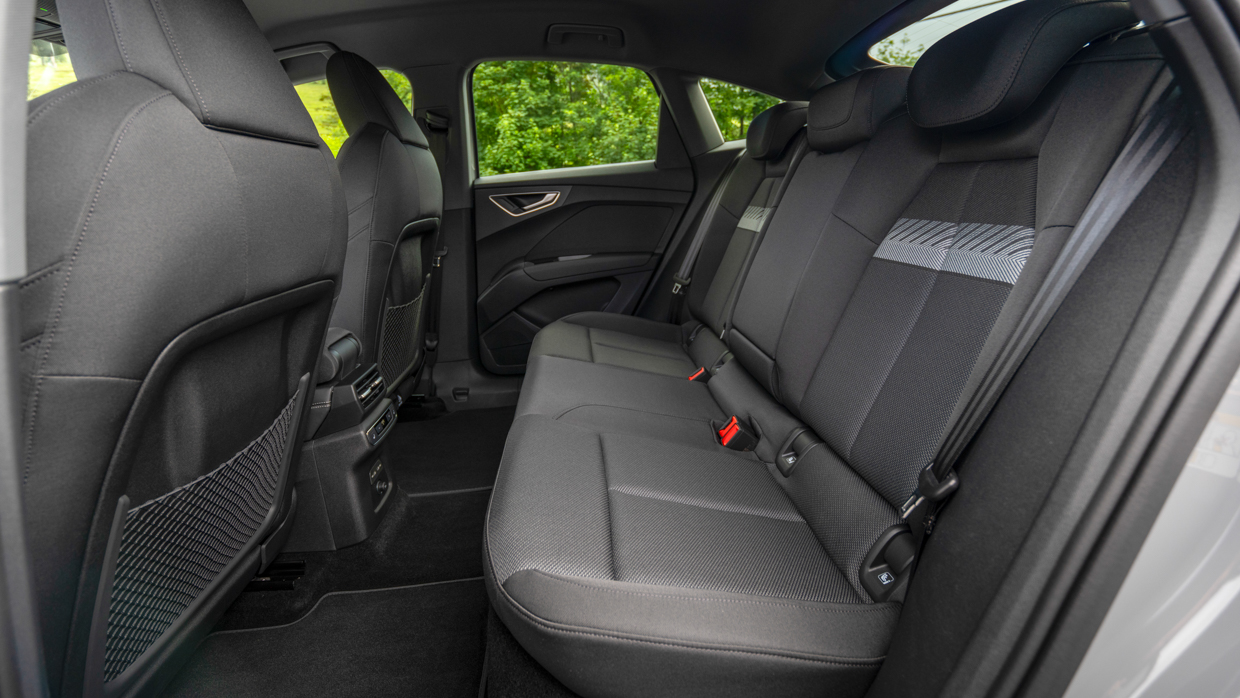
The back seat is one of the Q4’s strong points, with excellent legroom, headroom and leg support for adults, plus standard air vents, three-zone climate control and USB-C ports plus available heated rear seats.
A lingering let-down in row two is rock-hard rear door trim which remains unacceptable in a premium vehicle.
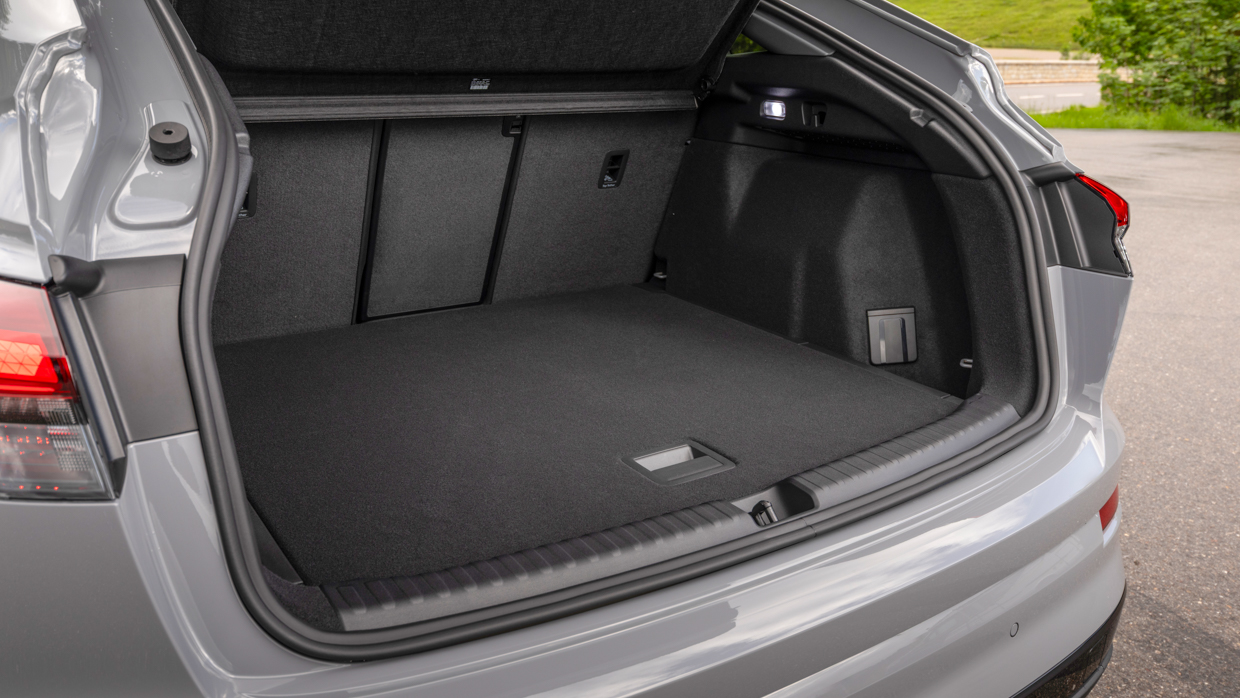
Boot space is 520L in the SUV and slightly more (by miracle of measurement) in the swoopier-roofed Sportback versions, while the rear seats fold 40/20/40 to create nearly 1.8 metres of load length.
The updated Q4 e-tron range is offered globally with two batteries: a 63kWh NMC unit (59kWh usable), or an 82kWh version (77kWh usable).
Australia is expected to continue with the larger battery, which offers up to 578km (WLTP) range in SUV form while the sleeker Sportback body stretches that figure to 592km.
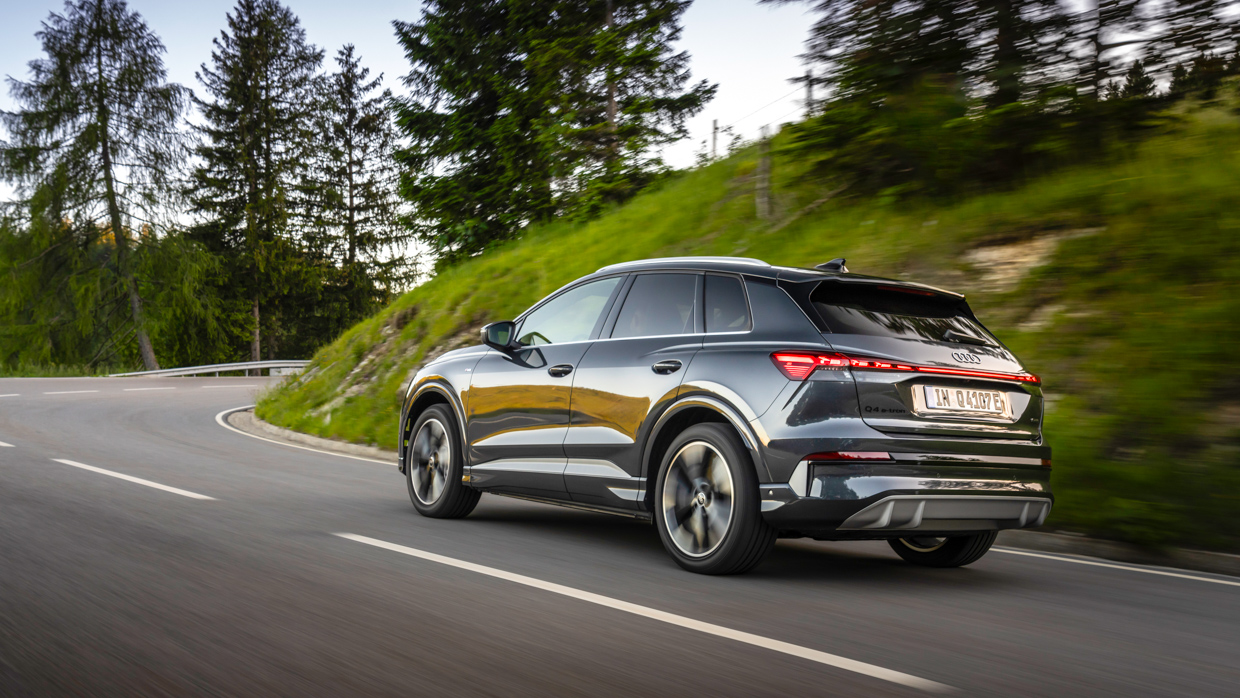
Opting for AWD sees range fall marginally to 541km (SUV) or 554km (Sportback).
One thing Audi hasn’t changed is the 400-volt nature of the Q4’s platform, which limits peak DC charging to 185kW for the Quattro Performance grade, offering a 10-80 percent charge in 27 minutes—that’s fine, though nothing special these days.
Efficiency is a major strength. Audi says the updated drivetrain is about 10 percent more efficient than before, helped by silicon-carbide power electronics, improved software, and lower-friction transmission lubricant.
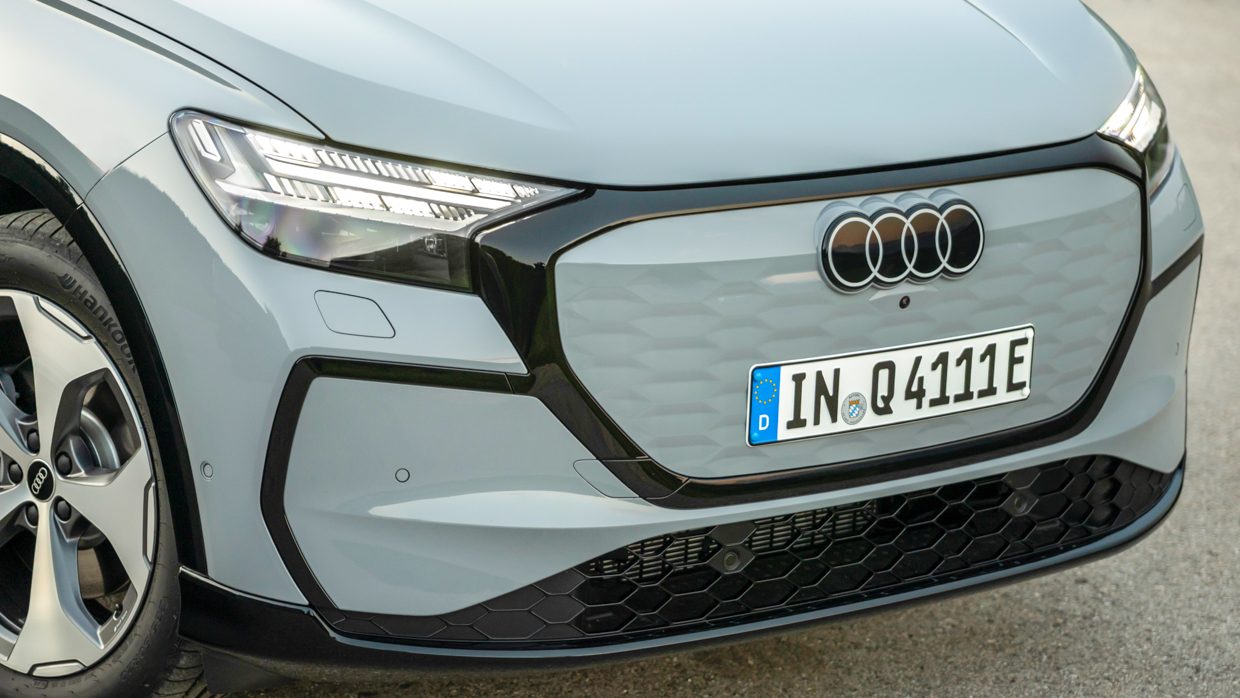
On a remarkably varied drive in Bavaria, we recorded a result of 12.6kWh/100km in the rear-drive Q4 Performance Sportback without trying too hard. That would give a range of 611km to exhaustion.
The Q4 also becomes the first Audi with bi-directional charging. Vehicle-to-load (V2L) allows the Q4 to power external devices, while vehicle-to-home (V2H) will be available in select European markets at first.
Australian servicing pricing hasn’t yet been announced for the updated Q4, though the EV’s current warranty coverage of five years/unlimited kilometres for the vehicle, and eight years/160,000km for the high-voltage components, is expected to continue.
The updated Q4 e-tron is good enough to be on your shopping list if you are considering a premium electric SUV, provided you can wait until it arrives late this year or early next—and provided Audi Australia sharpens its pencil on the price.
It’s that second point that is crucial. The Q4 has excellent fundamentals but in Australia, it’s just too expensive considering that German and Chinese rivals alike have seriously upped their competitiveness in recent months.
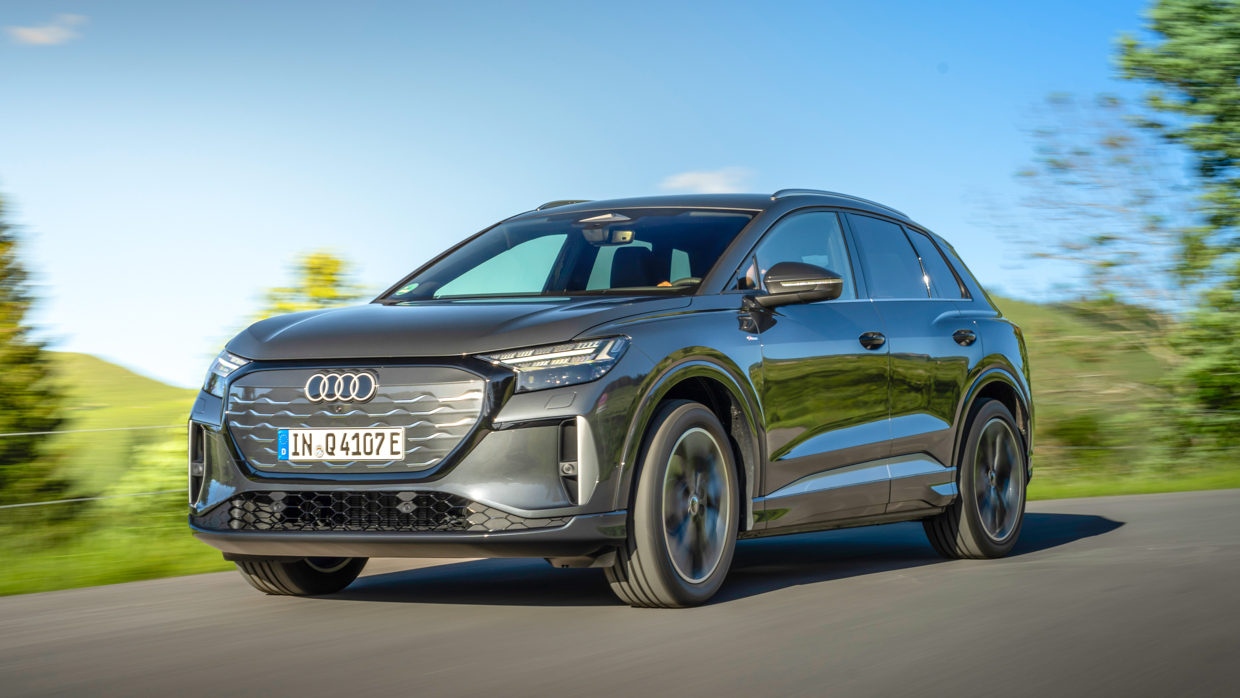
A big bump to the Q4’s perceived quality along with the retention of its advantages in ride and handling should make the 2027 version more appealing to more buyers.
While it’s not perfect, noting the lack of a frunk, downgraded Virtual Cockpit and slower charging than some rivals, the Q4 is a balanced choice that is easy to live with, especially if you’re already an Audi fan and you are ready to jump into an EV.
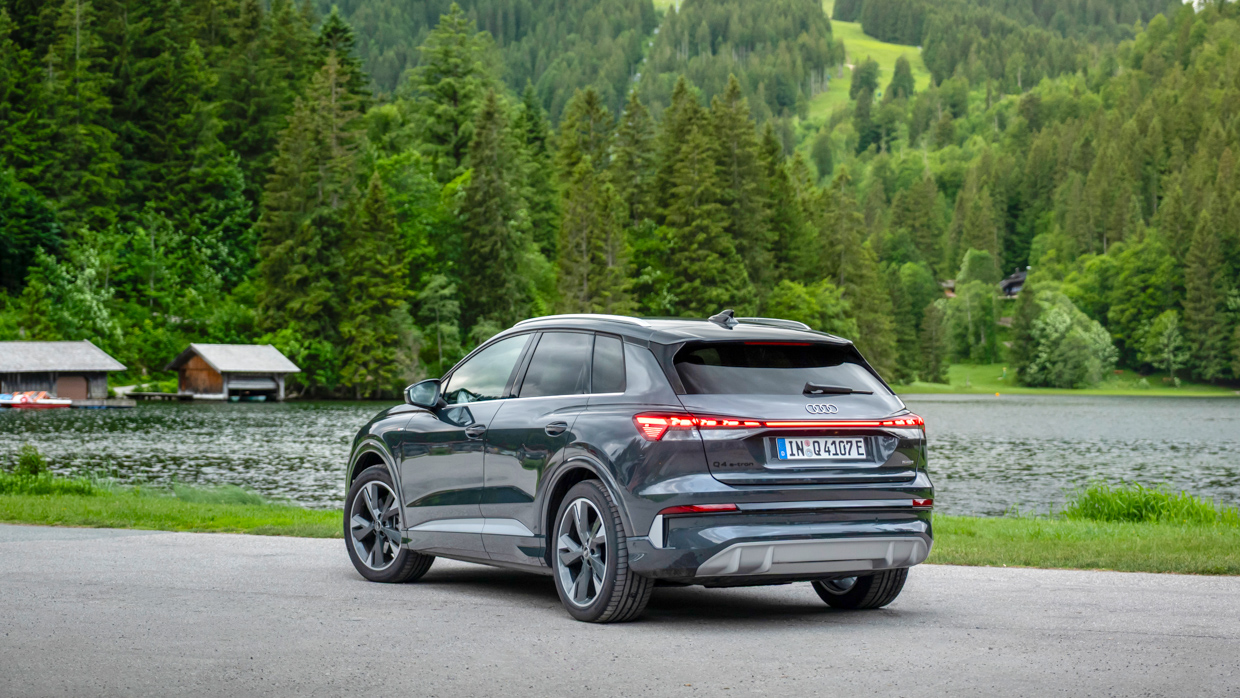
A clear sweet spot is the 210kW RWD Performance grade, which offers the range, torque, and dynamic character that suit the Q4 best. We’d probably opt for the slightly more practical SUV version but the Sportback style will suit some tastes.
The fundamentals are genuinely appealing here. Now Audi Australia needs to make the numbers work.
About Chasing cars
Chasing Cars reviews are 100% independent.
Because we are powered by Budget Direct Insurance, we don’t receive advertising or sales revenue from car manufacturers.
We’re truly independent – giving you Australia’s best car reviews.
The estimate provided does not take into account your personal circumstances but is intended to give a general indication of the cost of insurance, in order to obtain a complete quote, please visit www.budgetdirect.com.au. Estimate includes 15%^ online discount.
^Conditions Apply
Budget Direct Insurance arranged by Auto & General Services Pty Ltd ACN 003 617 909(AGS) AFSL 241 411, for and on behalf of the insurer, Auto & General Insurance Company Limited(ABN 42 111 586 353, AFSL 285 571).Because we don’t know your financial needs, we can’t advise you if this insurance will suit you. You should consider your needs and the Product Disclosure Statement before making a decision to buy insurance. Terms and conditions apply.
Indicative quote based on assumptions including postcode , 40 year old male with no offences, licence suspensions or claims in the last 5 years, a NCD Rating 1 and no younger drivers listed. White car, driven up to 10,000kms a year, unfinanced, with no modifications, factory options and/or non-standard accessories, private use only and garaged at night.
^Online Discounts Terms & Conditions
1. Discounts apply to the premium paid for a new Budget Direct Gold Comprehensive Car Insurance, Third Party Property Only or Third Party Property, Fire & Theft Insurance policy initiated online on or after 29 March 2017. Discounts do not apply to optional Roadside Assistance.
2. Discounts do not apply to any renewal offer of insurance.
3. Discounts only apply to the insurance portion of the premium. Discounts are applied before government charges, taxes, levies and fees, including instalment processing fees (as applicable). The full extent of discounts may therefore be impacted.
4. We reserve the right to change the offer without notice.