Powered by

-
Car Reviews
Latest reviews
-
Car News
Latest news
-
Car Comparisons
Latest comparisons
- Chasing Deals
Latest reviews
Latest news
Latest comparisons

Rigorous Car of the Year testing involves performance evaluation of all competitors — here are the fastest and slowest of 2026
Car of the Year is all about the winners, both overall and in our nine segments.
To pick a winner though, we need to test these vehicles and much of that is objective — none more so than against the stop watch.
We ran vehicles that attended the Chasing Cars 2026 Car of the Year from a standing start to 100km/h, through 80-120km/h to test overtaking acceleration and then from 100-0km/h to evaluate braking power.
All tests took place on the same day in dry conditions with ambient temperatures ranging from 8-15ºC.
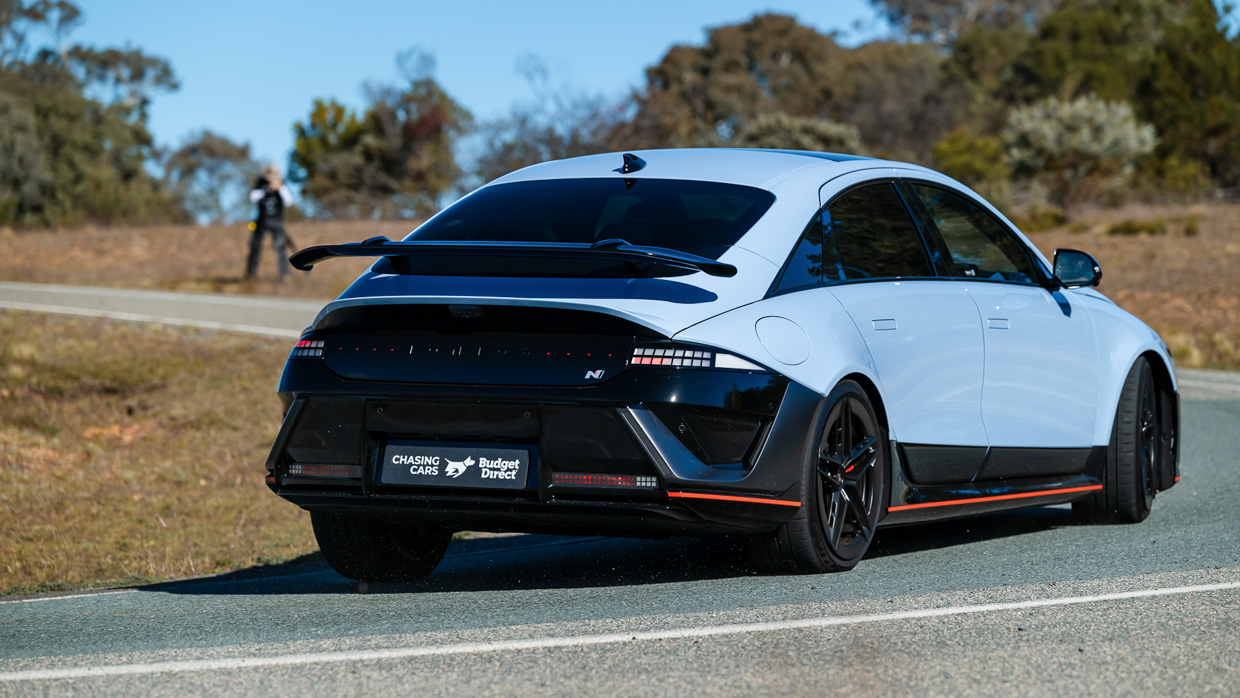
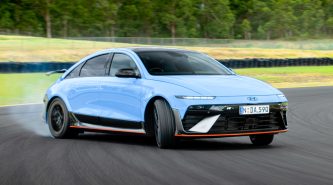
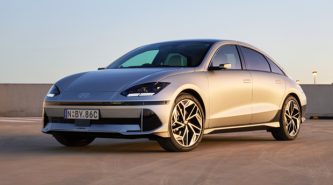
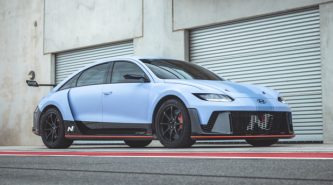
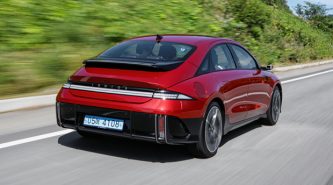
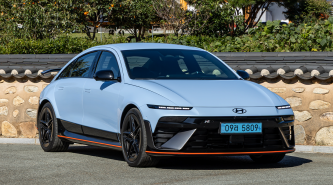
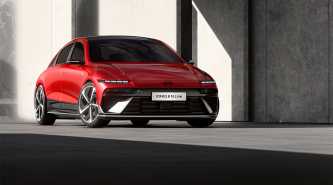
To no one’s shock, the track-focused, 478kW, all-paw Hyundai Ioniq 6 N topped the standings in every metric. It was the fastest accelerating and the best stopping.
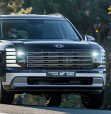
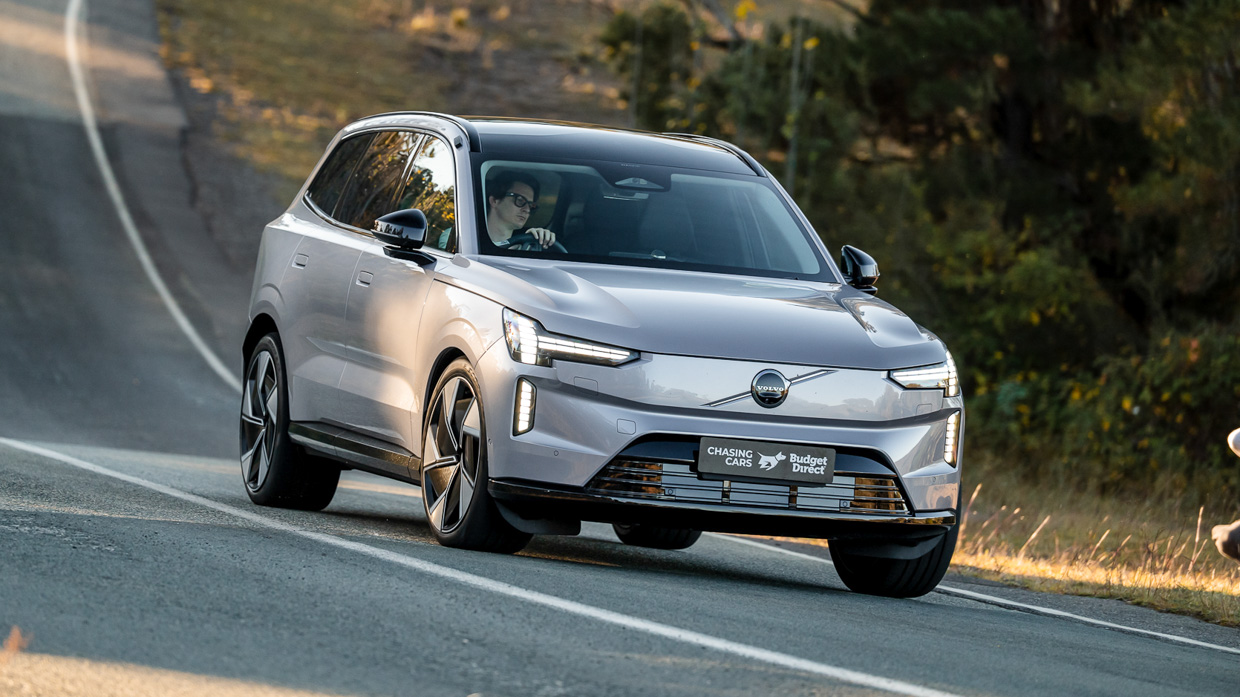
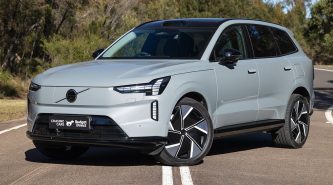
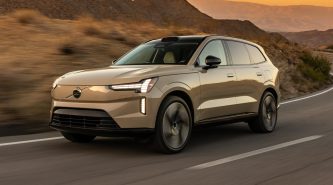
More impressive was the Volvo EX90’s pace; almost as quick in overtaking acceleration with room for seven occupants.
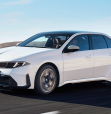
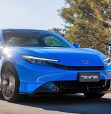
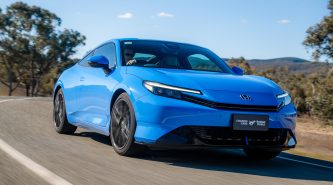
Another pleasant surprise was the Honda Prelude. The Japanese company undersells its 0-100km/h pace at 8.2 seconds — our GPS timing equipment showed it to be a second faster at 7.2sec.
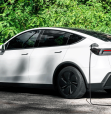
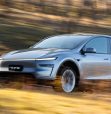
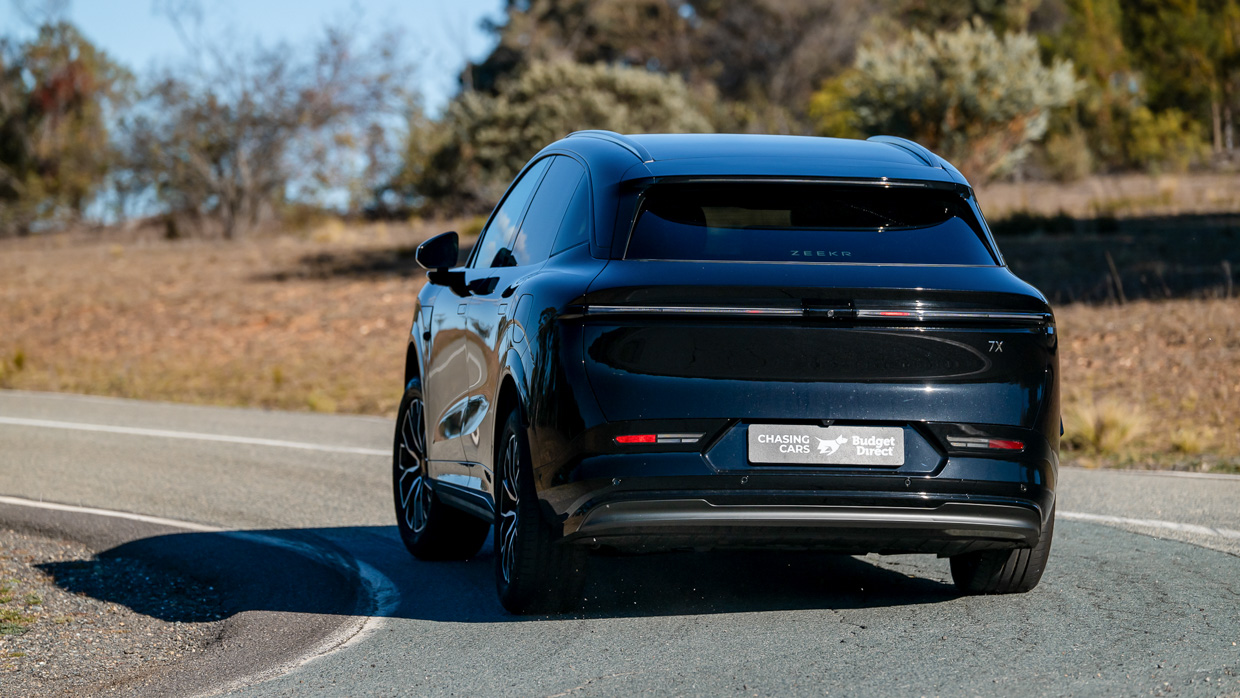
Although it wasn’t quite as rapid as the Tesla Model Y from a dig, the rear-drive Zeekr 7X put in an impressive 80-120km/h time suggesting optimised gear ratios or power curve for country overtaking.
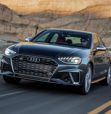
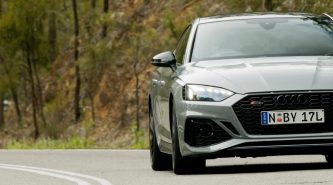
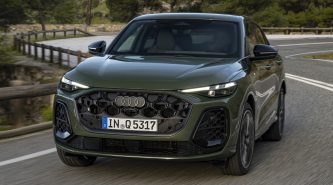
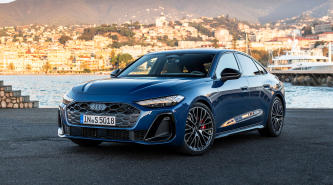
Slowest in acceleration stakes was the Audi Q3 110TSI. It felt undergunned on the road and the stopwatch confirmed this as fact. Not to mention the 150TSI was slower than the related Cupra Terramar V with the same power plant.
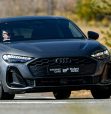
At least the Audi SUVs stopped well because not all cars did. A 100-0km/h stopping distance of more than 40 metres is considered poor for passenger vehicles and can have a genuine safety impact.
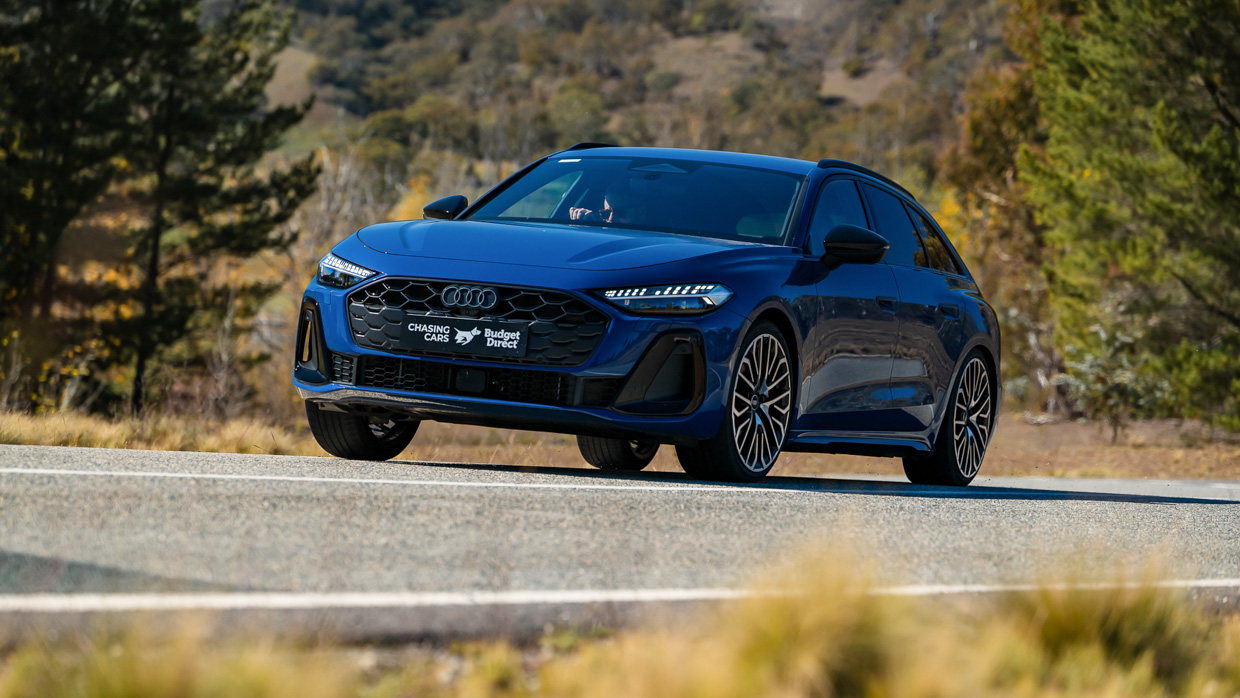
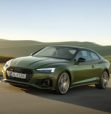
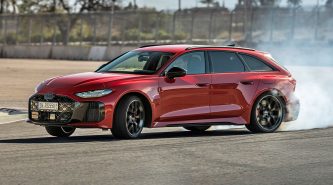
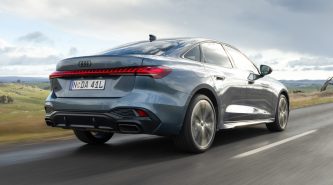
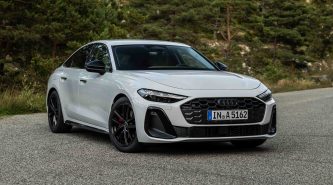
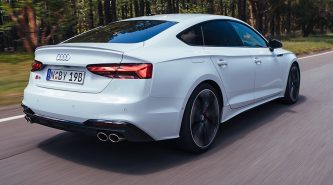
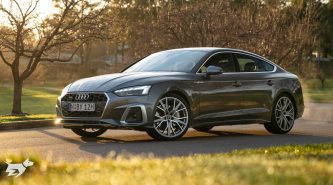
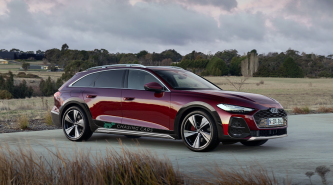
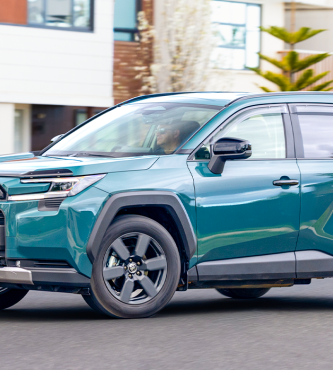
There were three vehicles that differed greatly, depending on specification. The Audi A5 PHEV, Tesla Model Y L and Toyota RAV4 GXL FWD all performed significantly worse than the other variants tested.
In the RAV4’s case we suspect this is due to smaller wheels with lower quality tyres and possibly weight distribution; the A5 PHEV and Model Y L, meanwhile, are heavier than the S5 Avant and regular Model Y, respectively.
Our slowest stopping car was the BYD Atto 1, which squirmed and wriggled under heavy braking on its way to a 41.8-metre stop.
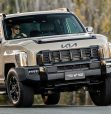
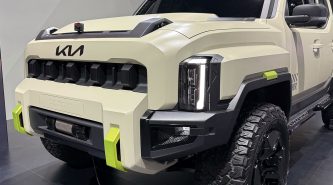
Note: We were unable to test the Kia Tasman and Renault Duster due to time constraints.
Latest news
About Chasing cars
Chasing Cars reviews are 100% independent.
Because we are powered by Budget Direct Insurance, we don’t receive advertising or sales revenue from car manufacturers.
We’re truly independent – giving you Australia’s best car reviews.