Powered by

-
Car Reviews
Latest reviews
- Car News
-
Car Comparisons
Latest comparisons
- Chasing Deals
Latest reviews
Latest comparisons

What are the best-selling EVs in Australia, and does Chasing Cars recommend them?
Electric vehicle sales in Australia are estimated to have passed the 650,000 mark, after a bumper July where they made up 22 per cent of the total market.
Despite their growing popularity, many buyers would struggle to recognise the names of the top 10 sellers.
Chinese-made vehicles dominate the list (both the Tesla Model 3 and Model Y are made in China) and only one mainstream brand, Kia, makes the cut.
Buyers appear brand-agnostic when it comes to EVs, wooed by the Chinese brands’ compelling value and technology.
But if you’re shopping for an EV it’s important to look beyond price to essentials such as range, charging speed and safety.
Here’s our guide to the most popular EVs on sale in Australia, and find out which models are recommended by Chasing Cars.
Here are the top 10 selling EVs so far in 2026 (to July).
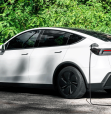
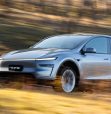
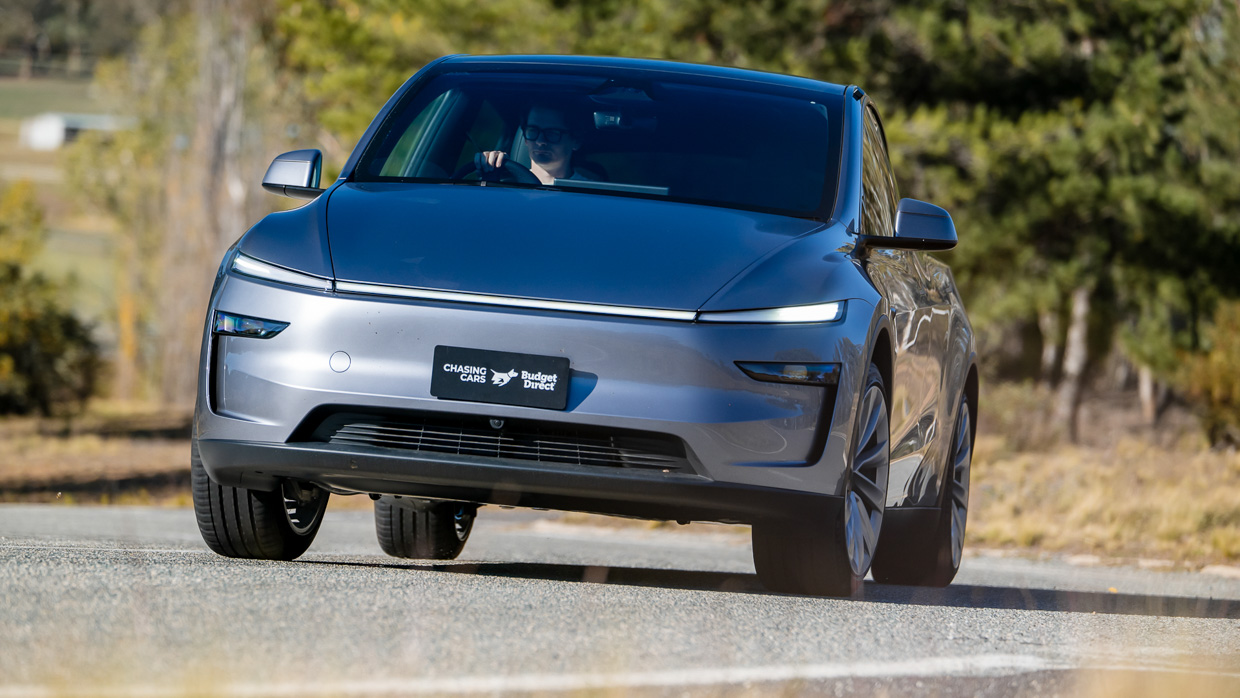
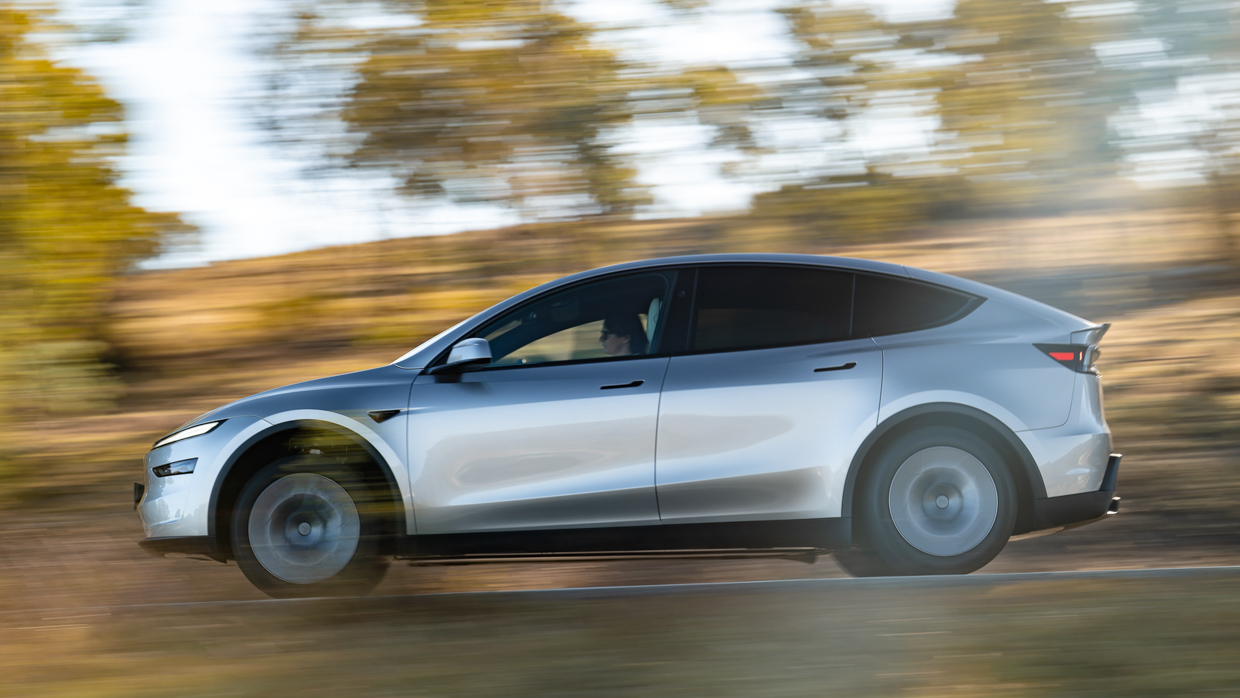
The Model Y range starts from $58,900 plus on-roads for the entry level rear-drive model and climbs as high as $89,400 for the all-wheel-drive version.
The entry model claims 466km of range and 175kW charging capacity, enough to add a claimed 238km of range in 15 minutes.
Tesla also has an unrivalled network of supercharger outlets. While these are now available to other makes and models, Tesla charges a premium for non-customers.
Tesla leads the pack on active safety, with autonomous features that work better and more seamlessly than Chinese rivals.
Read the Chasing Cars review here.
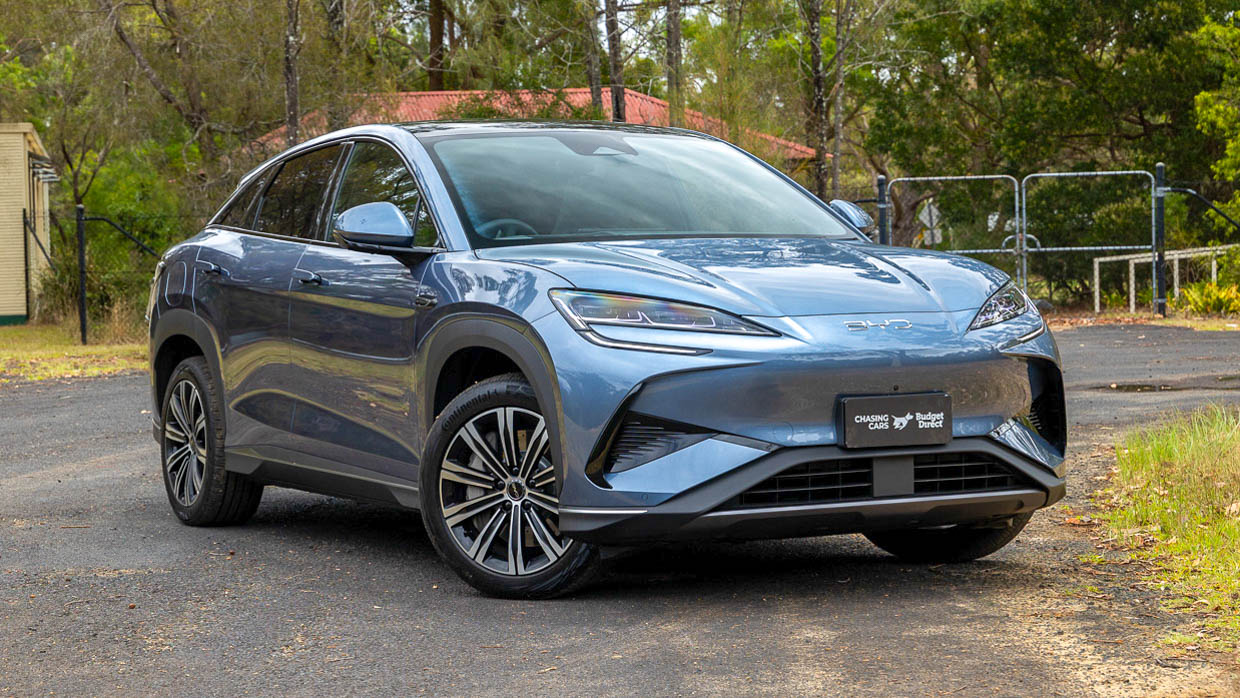
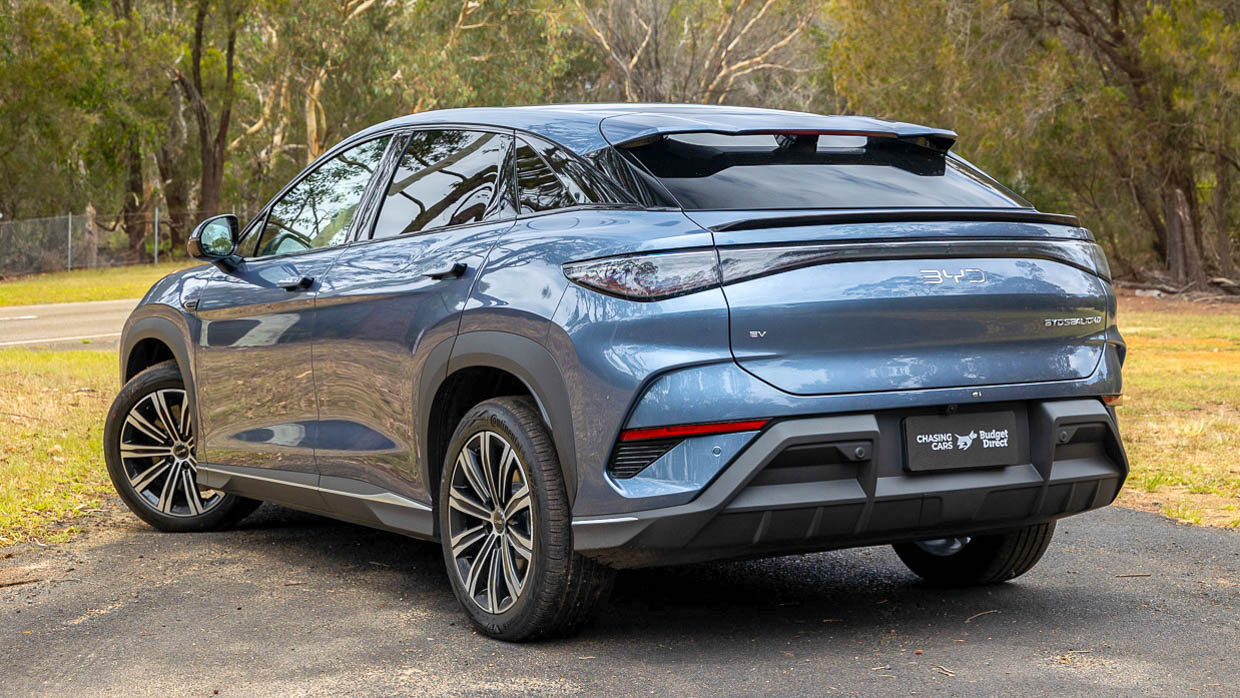
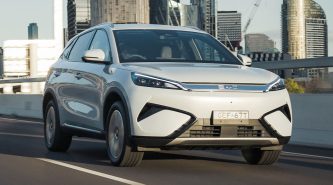
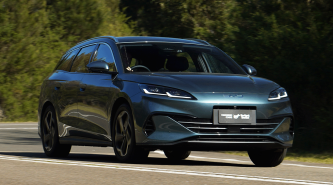
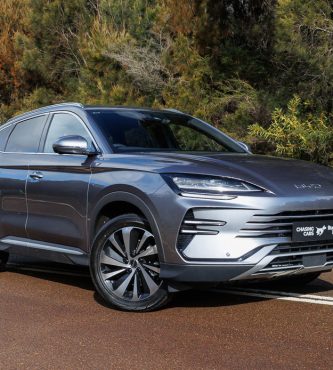
At $54,990 drive-away ($63,990 for the performance variant) the Sealion 7 offers a compelling alternative to the Tesla.
Premium cabin execution, loads of gear and a sharp price will win friends in the showroom.
The numbers stack up pretty well, too. Its 482km of claimed range is better than the equivalent Model Y and it’s roomier in all the crucial dimensions, although it can’t match the Tesla’s acceleration.
Charging speed is slightly slower than the Tesla at 150kW, with BYD claiming it will charge from 10 to 80 per cent in 32 minutes.
Our testers also found it was less efficient than the Tesla both around town and on the highway.
Read the Chasing Cars review here.
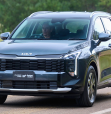
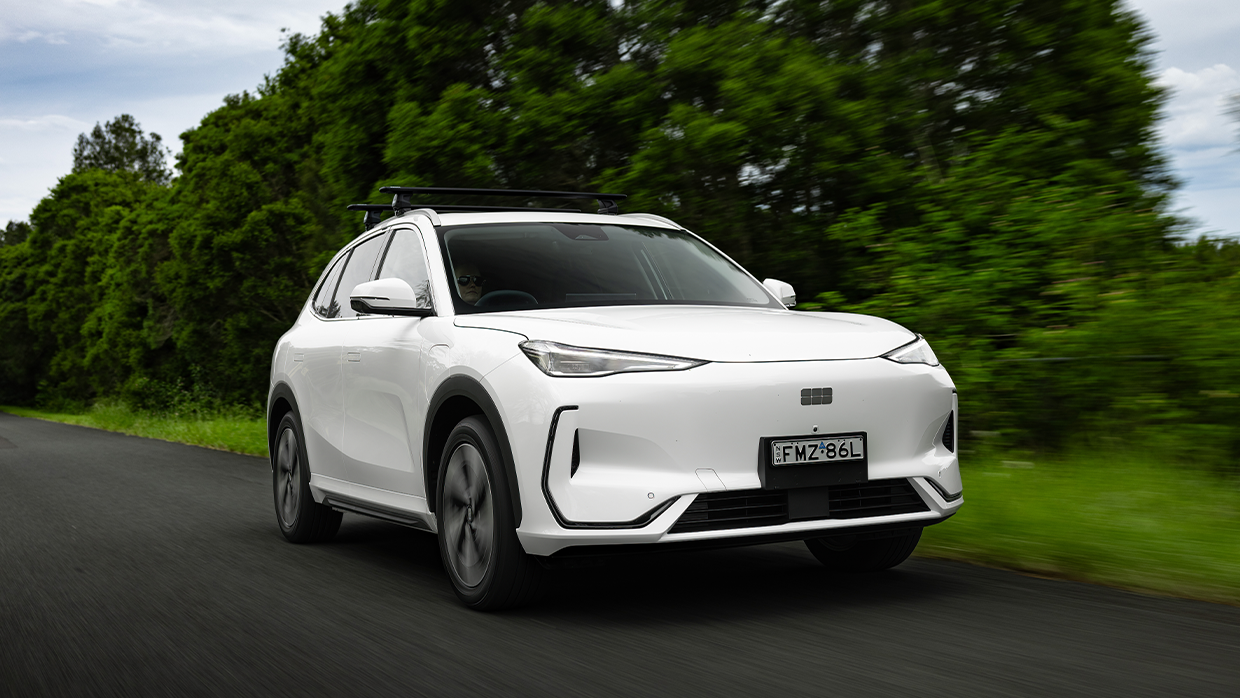
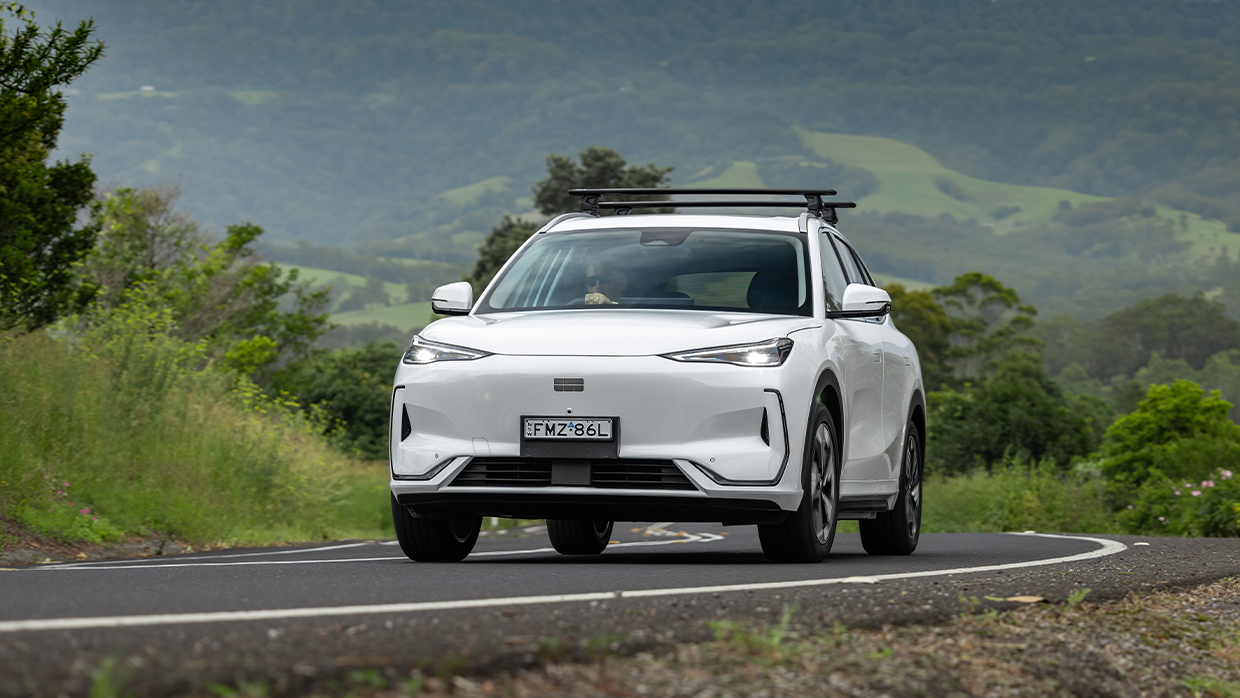
The RAV4-sized EX5 is attractively priced at $41,990 plus on-roads for the entry level Complete model, rising to $45,990 plus on-roads for the better equipped Inspire.
Claimed range is competitive at 475km for the Complete and 450km for the Inspire, but charging speeds are lower at 100kW. Geely claims it will charge from 30 per cent to 80 per cent in 20 minutes.
Performance also lags the BYD and Tesla, with Geely claiming a 7.4 second sprint to 100km/h.
The well equipped cabin feels modern but the user interface for the twin screens can be frustrating to navigate.
The driver aids are also a little clumsy and overbearing, while it doesn’t drive as well as the Tesla and BYD.
Read the Chasing Cars review here.
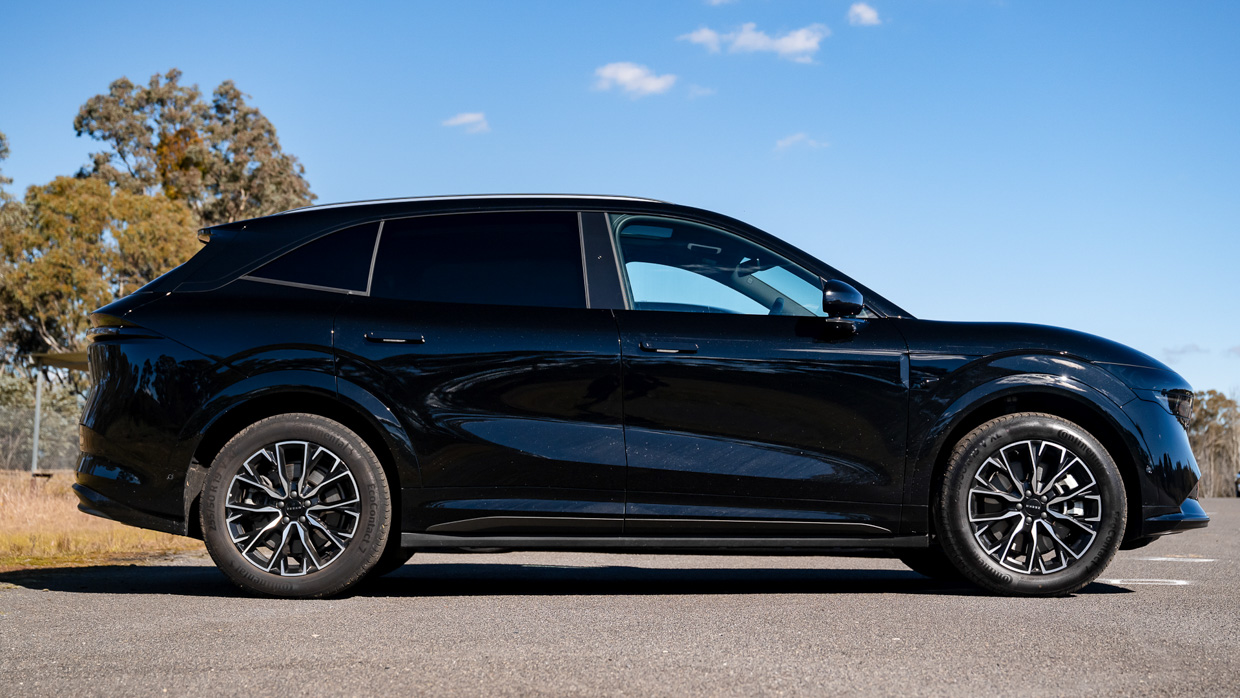
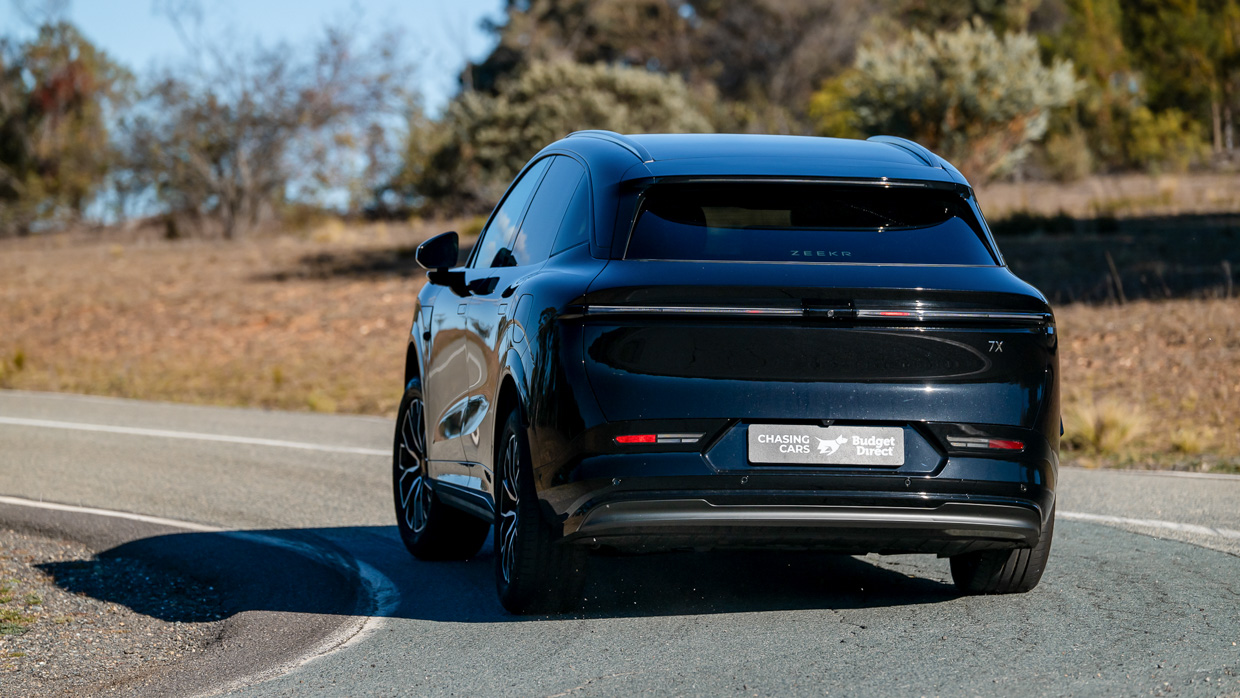
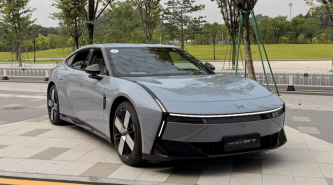
Another value-for-money family-sized electric SUV, the Zeekr 7X shares the same platform as the much more expensive Polestar 4.
Prices start at a Tesla-rivalling $57,990 plus on-roads, and the Zeekr shades the Tesla with a long feature list that includes luxuries such as heated, massaging front seats.
The standard model has a claimed range of 480km, while an extra $6000 buys you a bigger battery with 615km of claimed range.
The Zeekr’s strong suit is its claimed charging time: 13 minutes from 10-80 per cent on the faster public chargers.
The interior is plush and the ride-handling balance, while not perfect, is better than most Chinese rivals.
Read the Chasing Cars review here.
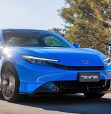
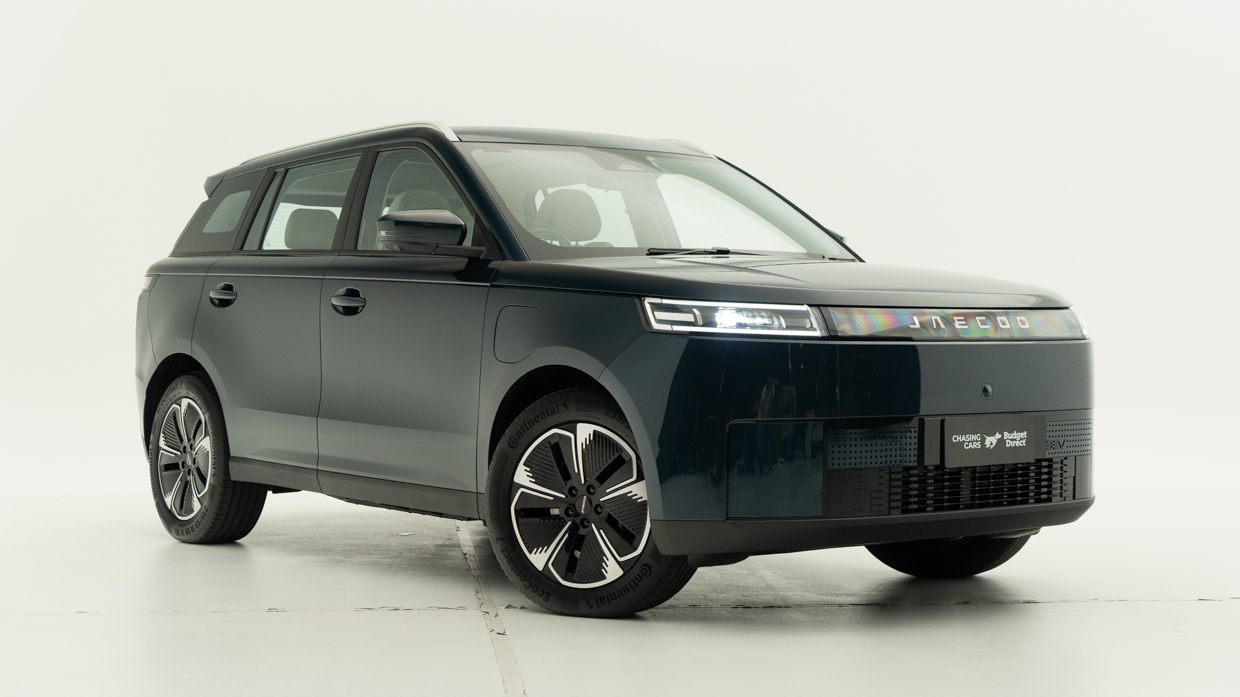
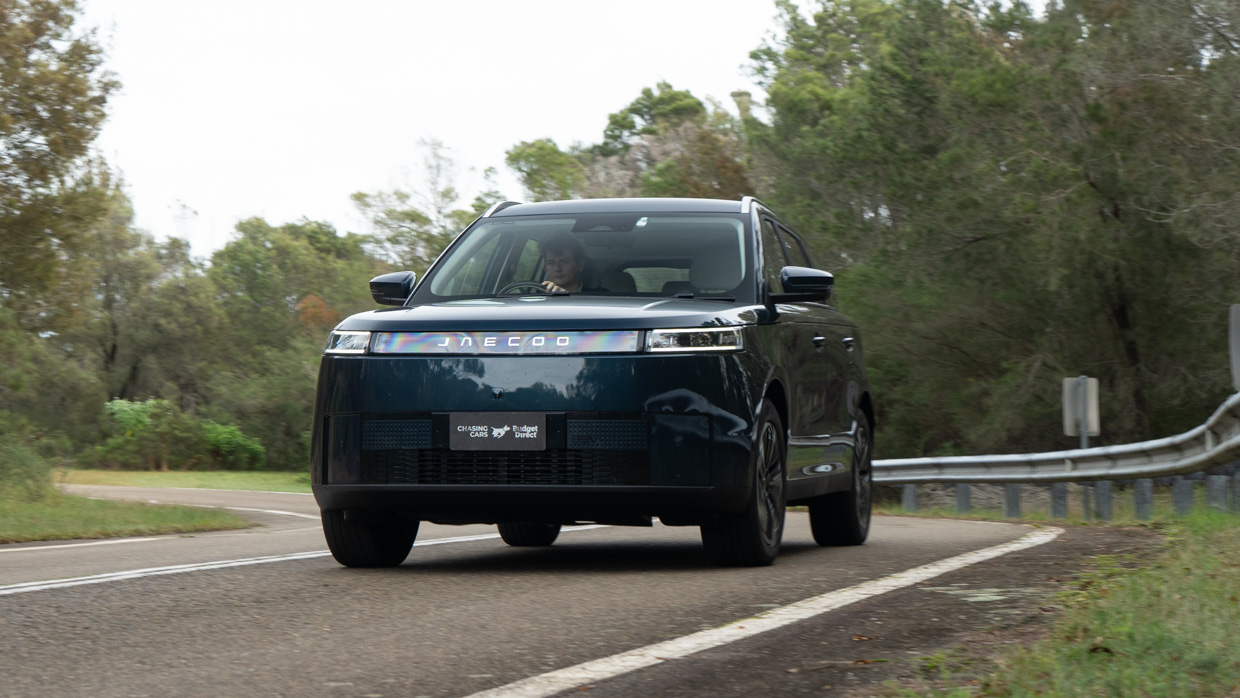
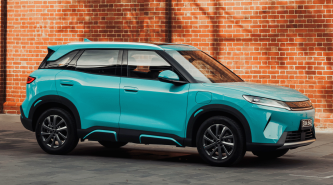
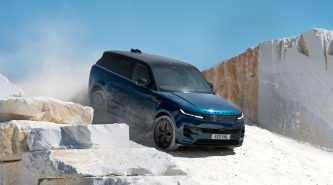
The J5 EV is winning plenty of admirers with its pseudo-Range Rover looks, attractive price, and long list of standard features.
Slightly shorter than a Mazda CX-30, the J5 starts at a head-turning $36,990 driveaway.
Range is not great, at 402km, which means long journeys will require regular pit-stops. The charging speed isn’t anything to shout about either. At a fast charger, it will take 28 minutes to charge from 30 per cent to 80 per cent.
The interior design is minimalist but attractive, dominated by a large centre screen and a second screen in front of the driver.
Chasing Cars testers found the J5 lacking finesse – an over-sensitive throttle and above average road noise detracted from the driving experience.
Read the Chasing Cars review here.
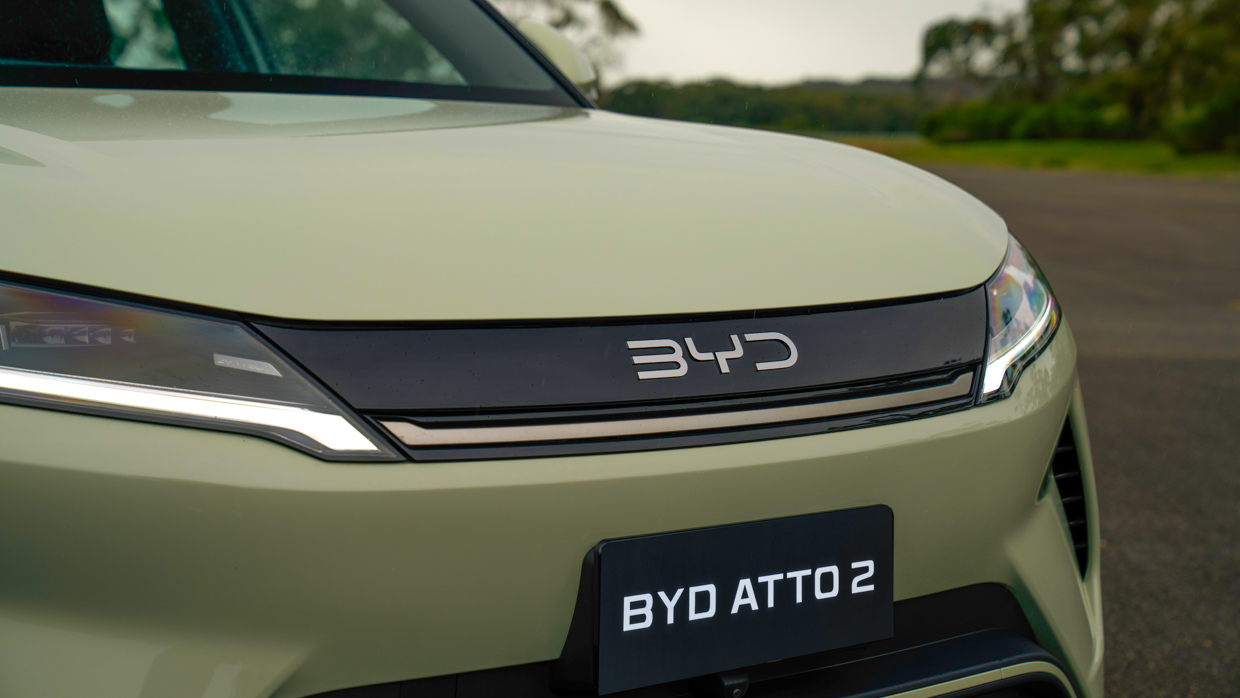
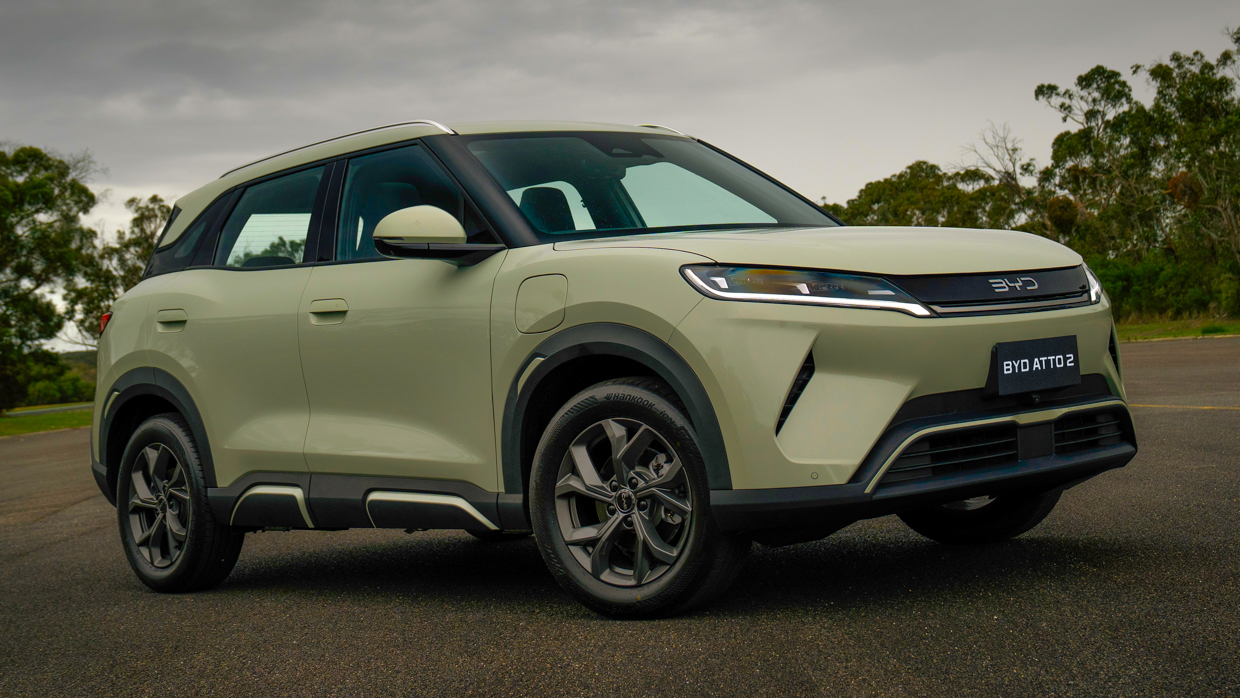
The Atto 2 is the cheapest of the top 10 best sellers, starting at $31,990 plus on-road costs (roughly $35,300 drive-away).
It’s smaller than a Toyota Corolla though cabin space is on par.
It offers a plain but well equipped cabin, reasonable acceleration, a generous boot for the class, and decent road manners for an urban SUV.
There are compromises, though. The range is only 345km, which is fine for city driving, but longer trips will require regular stops.
And those stops will take longer – a 10-80 per cent recharge will take roughly 40 minutes.
Of most concern, though, is the fact that BYD has not submitted the Atto 2 for independent crash testing.
Read the Chasing Cars review here.
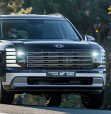
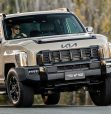
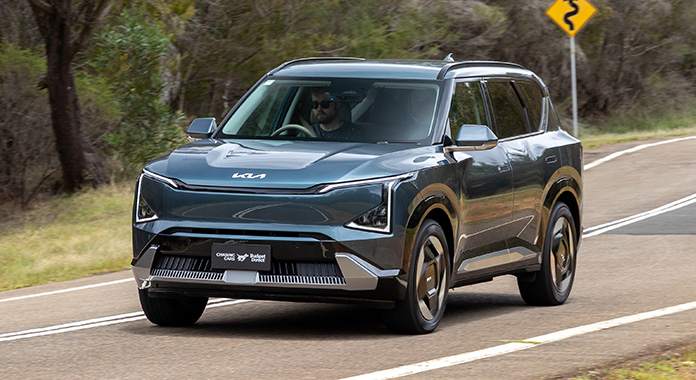
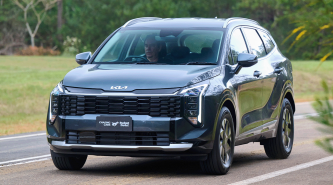
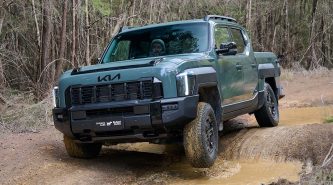
For those wary of little-known Chinese brands, the mid-size EV5 SUV offers the peace of mind of a trusted brand, generous seven-year warranty and large national dealer network.
The range starts at $49,990 drive-away for the single motor Air, with a range of 400km. Buyers are opting for the more expensive versions that offer all-wheel-drive and more range (555km).
Although Chinese-built, the Kia doesn’t wow with its level of standard equipment and its recharging times are significantly longer than the more expensive EV6. The mid-range Earth takes 38 minutes to charge from 10 to 80 per cent.
Read the Chasing Cars review here.
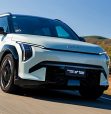
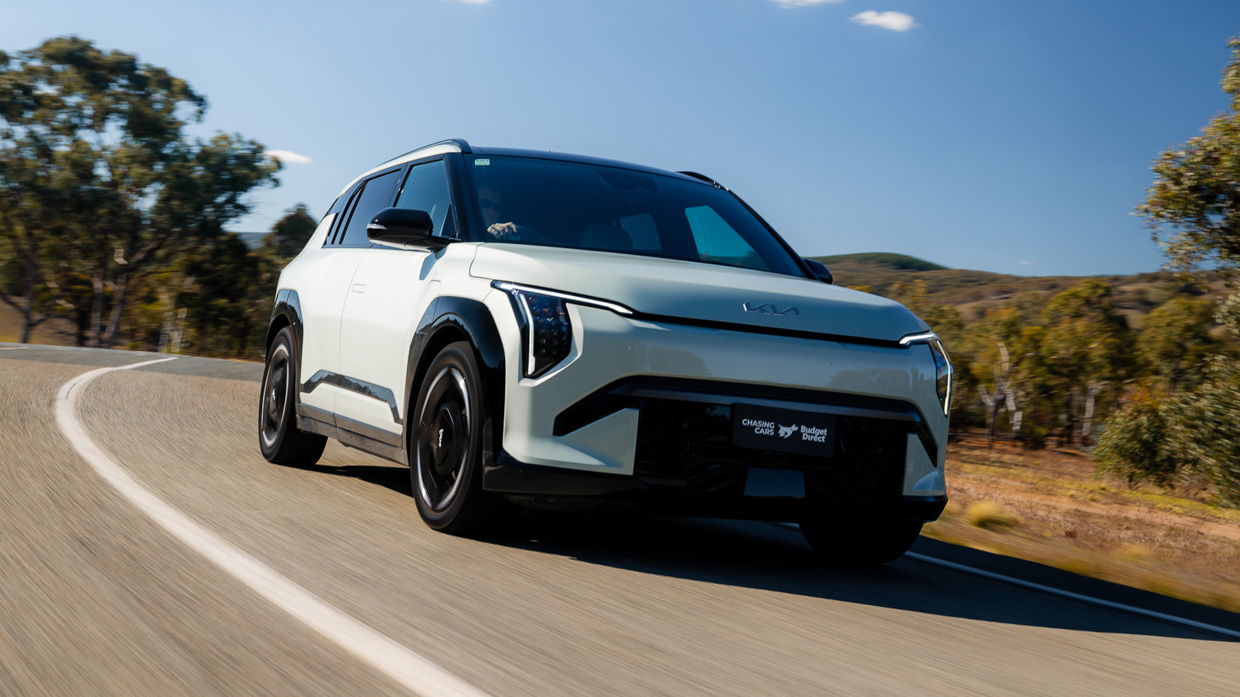
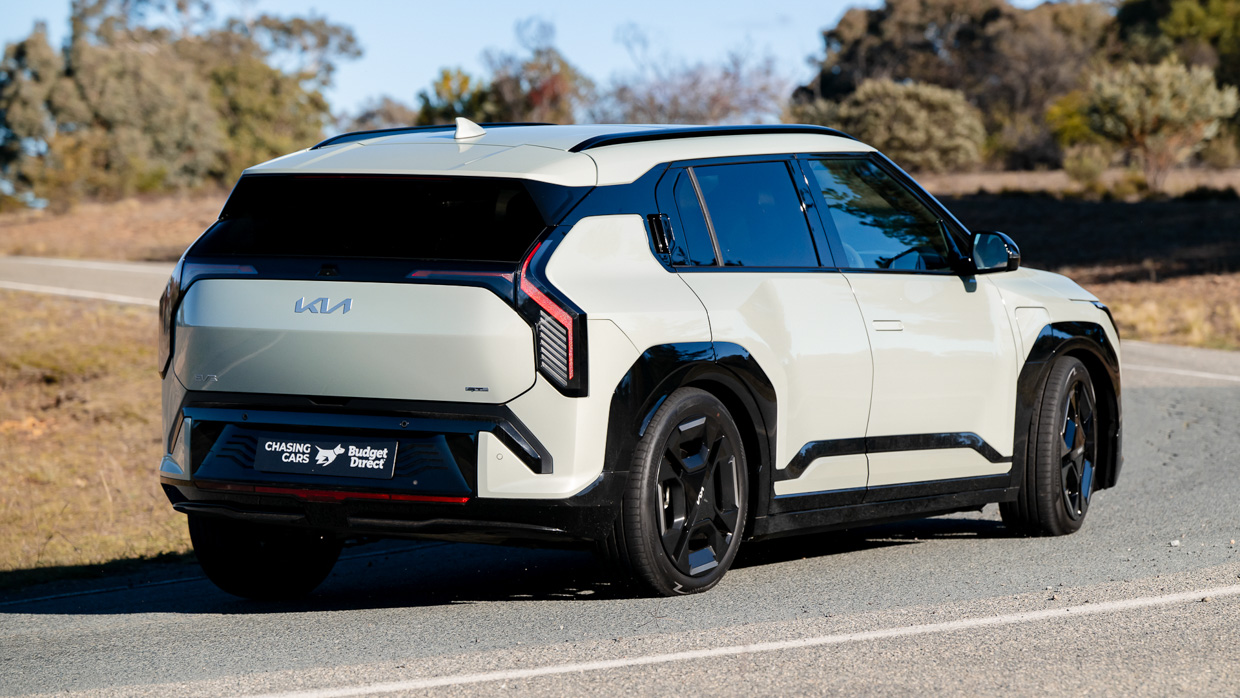
Kia’s cheapest EV starts at $46,990 but ratchets up to a hefty $68,500 for the top GT Line model. That’s not a lot less than the larger EV5, but the EV3 offers built-in-Korea quality, long range, fast charging and local suspension tuning.
The long range Air model claims 604km of range and can be charged from 10-80 per cent at rapid chargers in roughly half an hour.
Our testers found the EV3 impressive to drive and well executed inside.
If size isn’t as important, it’s the class of the field.
Read the Chasing Cars review here.
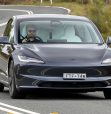
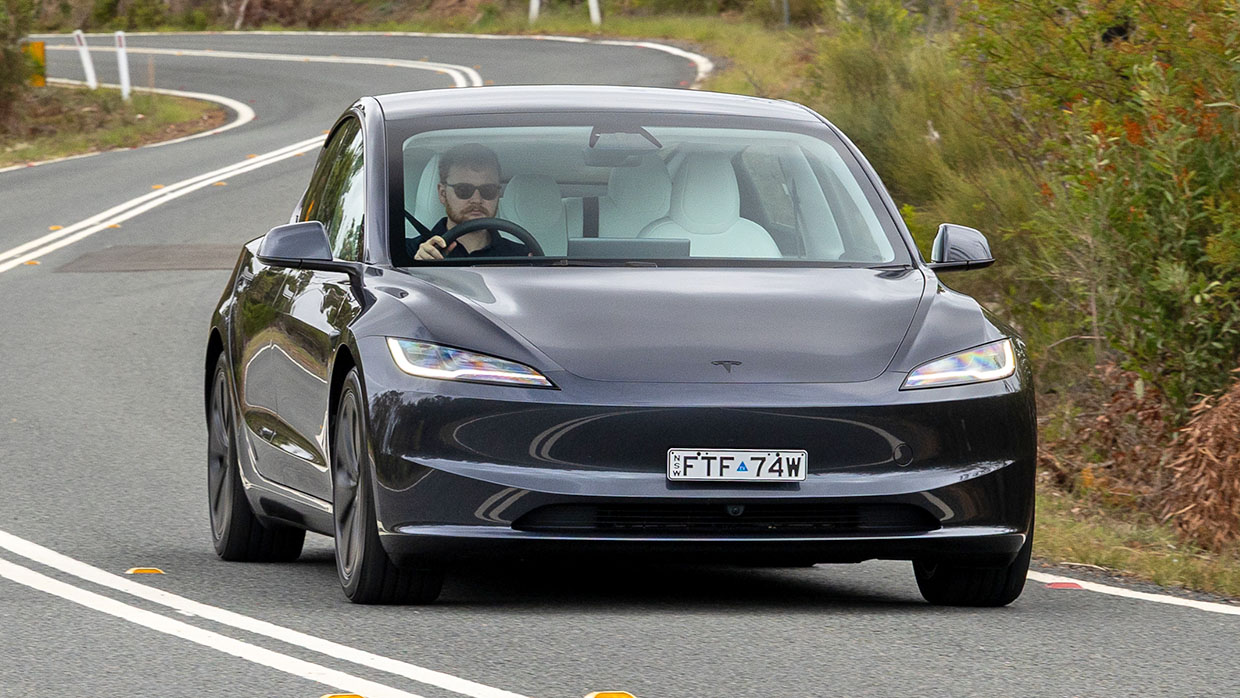
The Model 3 is the only conventional sedan in the top 10 sellers.
While the body shape will turn many buyers away, the driving experience, range and driver assistance tech hold plenty of appeal.
The long-range version of the Model 3 claims an impressive 750km of range, ideal for long road trips. Around town, that means less trips to the brand’s unrivalled supercharger network.
A 10-80 per cent charge should take just 30 minutes, enough time to dial up a few Youtube videos or watch a Netflix episode on the excellent entertainment system.
Add to that the most sophisticated – and least intrusive – active safety package and the Model 3 is a compelling package.
Read the Chasing Cars review here.
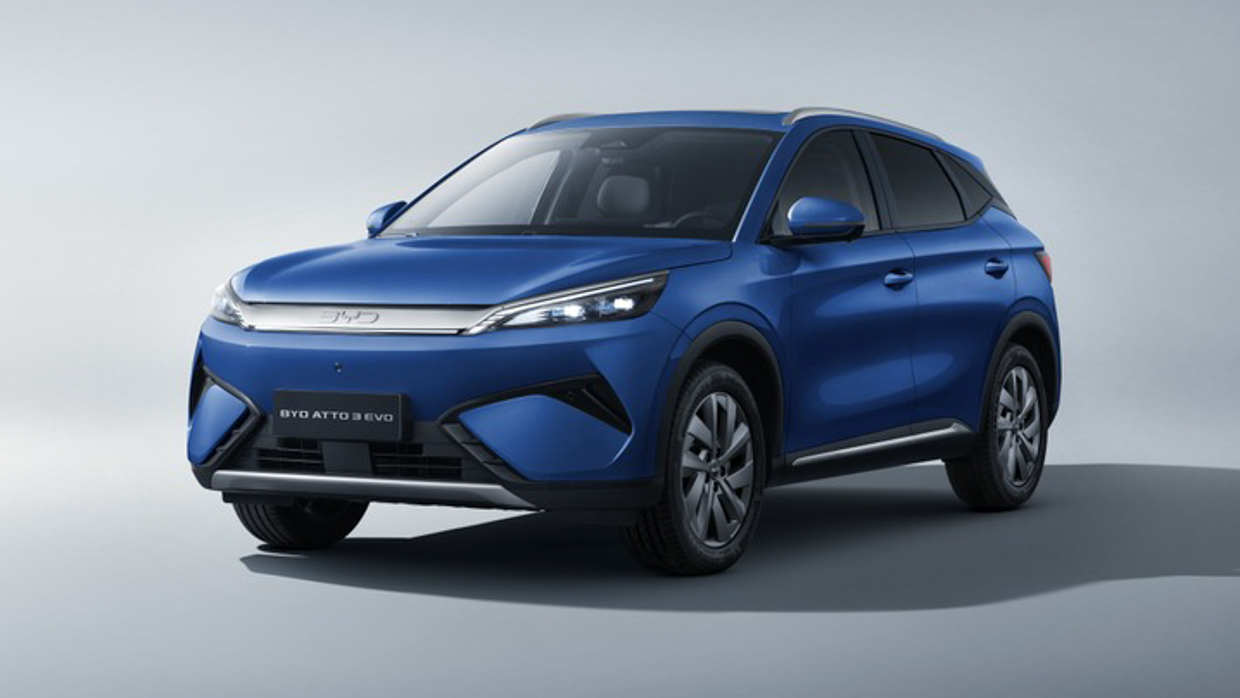
BYD has just updated the Atto 3. The entry level Essential model has been replaced by the $2000 more expensive Dynamic model ($41,990 plus on-roads), which has more range (420km instead of 345km) and faster charging (0-80 per cent in 40 minutes).
But the real improvement comes in the $46,990 EVO Premium model, which has more power, a bigger battery and faster charging times.
It is almost two seconds quicker to 100km/h, has 510km of range and charges from 0-80 per cent in a claimed 25 minutes.
Read the Chasing Cars review here.
Latest news
About Chasing cars
Chasing Cars reviews are 100% independent.
Because we are powered by Budget Direct Insurance, we don’t receive advertising or sales revenue from car manufacturers.
We’re truly independent – giving you Australia’s best car reviews.