Powered by

- Car Reviews
-
Car News
Latest news
-
Car Comparisons
Latest comparisons
- Chasing Deals
Latest news
Latest comparisons

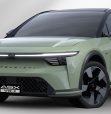
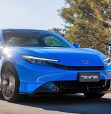
Mitsubishi will end a long absence from pure EVs when the ASX VR-e launches in Australia in Q4 2026
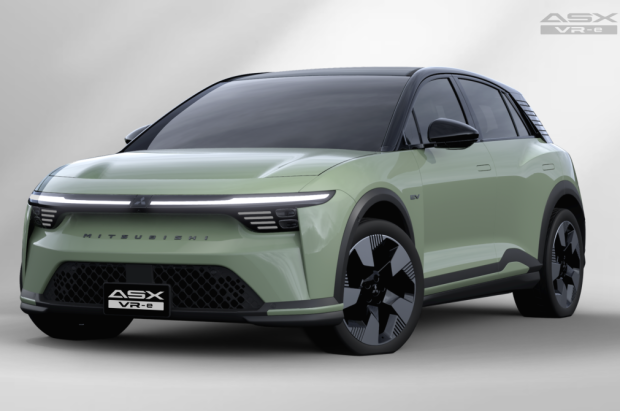
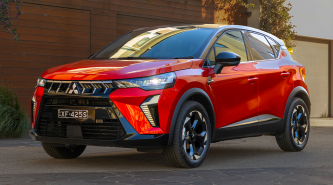
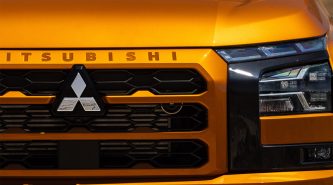
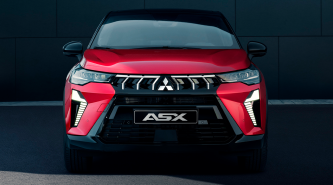
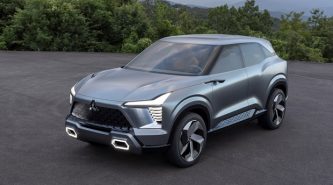
Mitsubishi will re-enter the Australian EV market later this year after a 14-year absence, with the ASX VR-e.
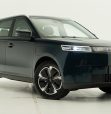
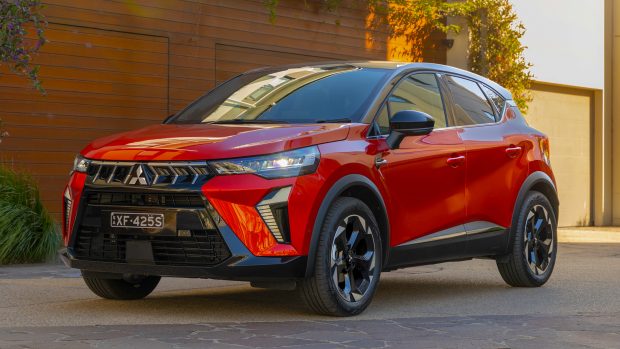
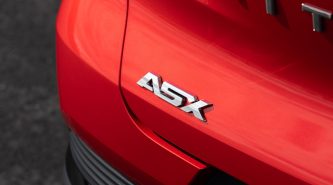
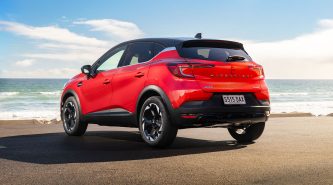
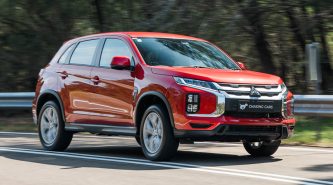
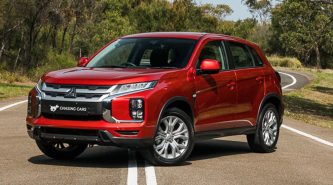
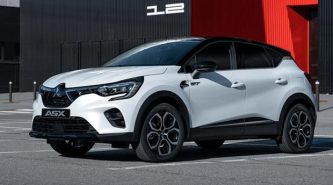
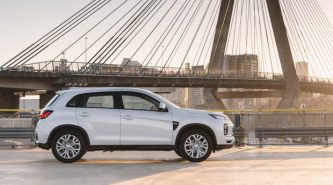
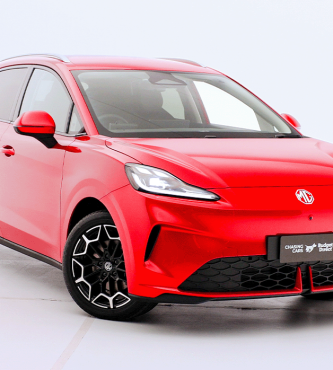
Much like the existing ASX, which is a rebadged Renault Captur, the ASX VR-e is a reskin of an existing car. Underneath the Mitsubishi badges is a Foxtron Bria.
While Foxtron is not widely known in the automotive industry, you’re likely reading this article on one of its products. Foxtron is a part of Foxconn, the Taiwanese contract manufacturing giant that assembles, among other consumer electronics, the majority of Apple products.
Australia will receive four variants: the LS, Aspire, Exceed and GSR. Mitsubishi Australia told Chasing Cars that specifications of the four variants would be revealed closer to launch.
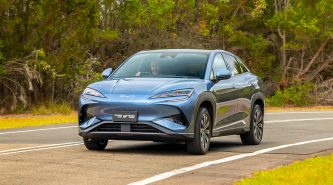
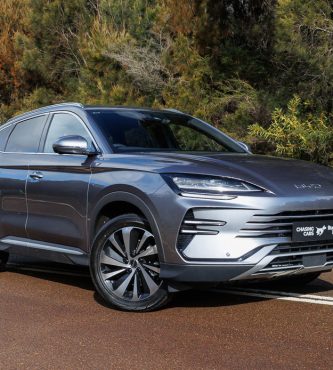
Also TBA is pricing. The Renault-derived petrol ASX starts at $37,740 before on-roads. If Mitsubishi mimics rivals by pricing the electric ASX somewhat above the petrol one, it would be in line with the Hyundai Kona (from $46,000 before on-roads for electric variants) or BYD Atto 3 ($39,990 before on-roads).
In the ASX VR-e’s native Taiwan, two powertrains are offered, both with a 57.7kWh lithium-iron-phosphate battery – either a rear-wheel-drive 171kW version or an all-wheel-drive 299kW version. Range claims of 516km (RWD) and 466km (AWD) should be taken with a grain of salt, as both are taken from the lenient NEDC cycle.
A DC charging peak of 134kW is claimed across the range in Taiwan, theoretically enabling 10-to-80 percent charging in under half an hour.
At 4315mm long, 1885mm wide and 1535mm high, the ASX VR-e is sized similarly to the petrol ASX, which is 77mm shorter, 88mm narrower and 40mm taller.
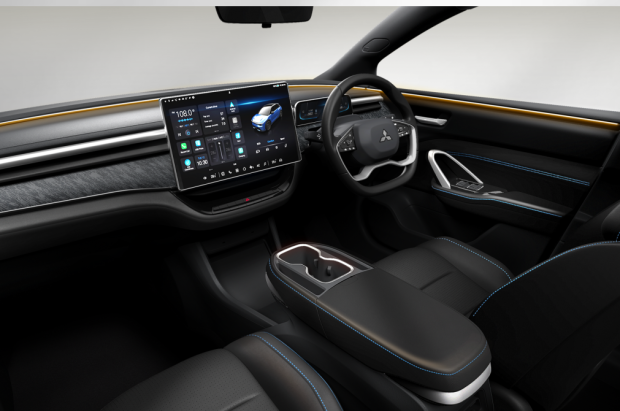
Inside, the eye is drawn to the 15.6-inch central touchscreen. Below it, however, is a row of physical buttons for the air conditioning. The sight of more buttons on the steering wheel and doors raises hopes the Mitsubishi ASX VR-e will be easier to use than many other new EVs.
Foxtron/Mitsubishi quotes a 320L boot size (1043L with the back seats folded). A 52L front boot isn’t standard in Taiwan, so whether Australian ASX VR-es will have a ‘froot’ is undetermined.
Mitsubishi and Foxtron developed the ASX VR-e specifically with the Australian and New Zealand markets in mind; it’s coming down under and across the ditch before any other markets.
Mitsubishi claims the ASX VR-e’s ride and handling is tuned for Australian conditions, which Chasing Cars will assess when we get behind the wheel for our in-depth review.
The name VR-e is a nod to Mitsubishi’s 1990s performance flagship, the Galant VR-4, and also to the VR-X variants of Mitsubishis past, such as the 380.
Foxtron collaborated with renowned Italian industrial design firm Pininfarina to develop the ASX VR-e. The exterior hides some clever drag reduction; a duct under the front lights guides air over the hood and roof, and the grill closes when air supply isn’t needed.
Latest news
About Chasing cars
Chasing Cars reviews are 100% independent.
Because we are powered by Budget Direct Insurance, we don’t receive advertising or sales revenue from car manufacturers.
We’re truly independent – giving you Australia’s best car reviews.