Powered by

-
Car Reviews
Latest reviews
-
Car News
Latest news
-
Car Comparisons
Latest comparisons
- Chasing Deals
Latest reviews
Latest news
Latest comparisons
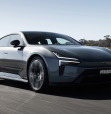
Swedish-branded, Chinese-built hyper GT is huge on style, manic in pace and reasonably priced. But can it seduce with enough charisma to find Aussie buyers?
Fantastic looks. Fantastic pace. And after driving it at its global debut a few months back, founder Tom Baker called the new Polestar 5 flagship electric four-door GT “one of the most convincing EVs we’ve tested so far”.
It was a bespoke car with model-bespoke architecture, some six years in the making. And, according to Polestar Australia, its Euro spec wasn’t quite finished, in that some bugs – mostly software related – hadn’t been exterminated from its much anticipated new hero model.
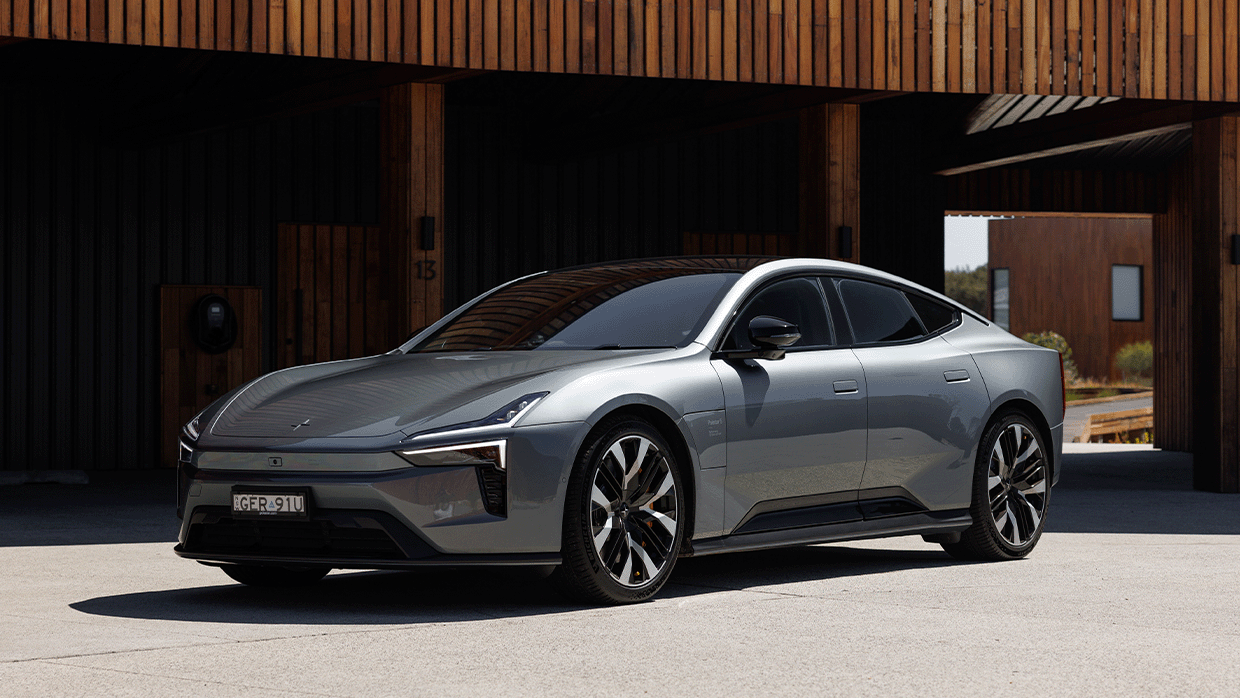
Months later, Chasing Cars saddled up in its most potent Performance guise of two available Aussie debut trim levels, complete with limited Launch Edition accoutrement: localised spec, gremlins licked.
So 650kW – 884 horsepower – and 1015Nm plying 2.5 tonnes, and pointed down various Targa Tasmania stages that, on most days, are some of Australia’s most spirited public backroads.
Our four Performance Launch Edition event vehicles, at $193,100 list before some dauntingly pricey options, are, at the time of writing, the only four in Australia. The $22K thrifter Dual Motor ($171,000 list) that loses 100kW (to 550kW), 203Nm (to 812Nm) and a swag of spec, including 6.0mm lower MagneRide adaptive suspension, arrives in tandem in showrooms with the Performance by year’s end.
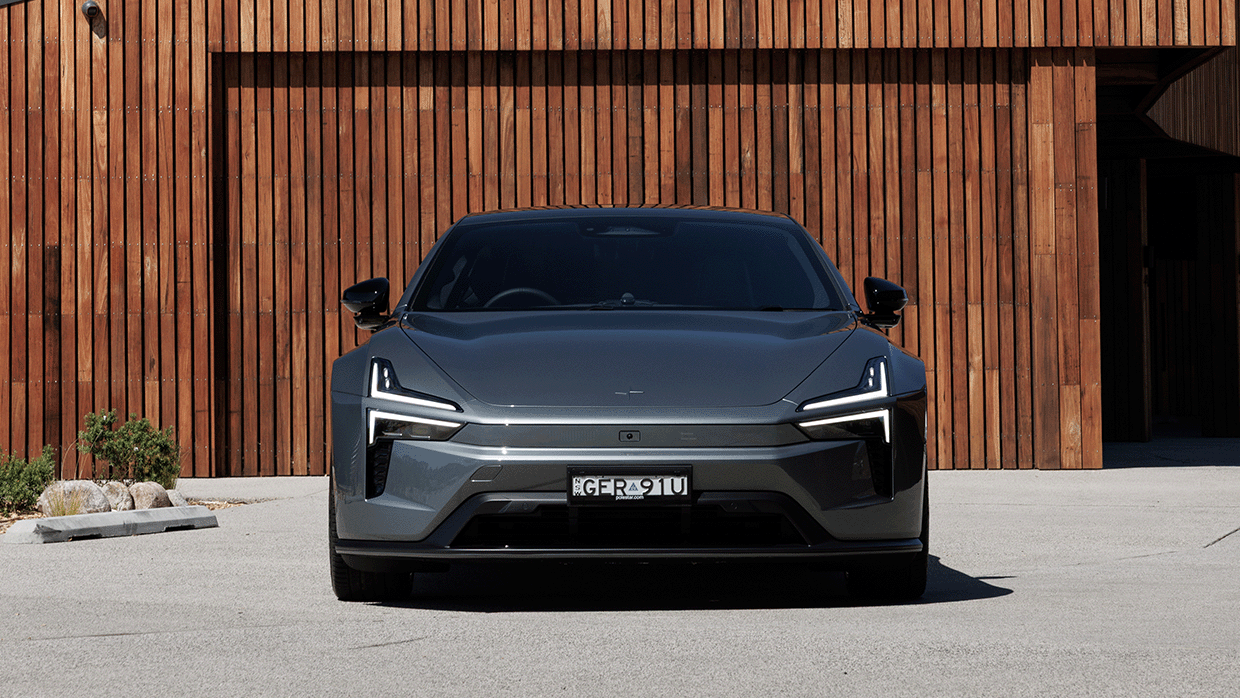
We did drive the Dual Motor the first time out, where it “seems like all that most people will need.” But you learn quickly Polestar 5 is much less about ‘needs’ and it’s more an ‘in for a penny in for a pound’ type enticer. Those who’ve ordered one thus far – its importer is ‘mum’ on numbers – have only ticked the big daddy Performance box thus far.
Seems, too, that the lure of 3.2sec 0-100km/h ‘Performance’, erm, performance is also larger dangling carrot than outright range, given the top-dog version (at 545km WLTP) cedes 105km to the cheaper regular variant (670km WLTP).
Both fit huge 112kWh NMC batteries in an 800-volt architecture affording up to 350kW of potential DC charging. And both weigh 2.5 tonnes. But the Performance’s added stonk yields a higher 20.9kWh/100km consumption than the Dual Motor’s 17.6kWh best, thus neutering peak range.
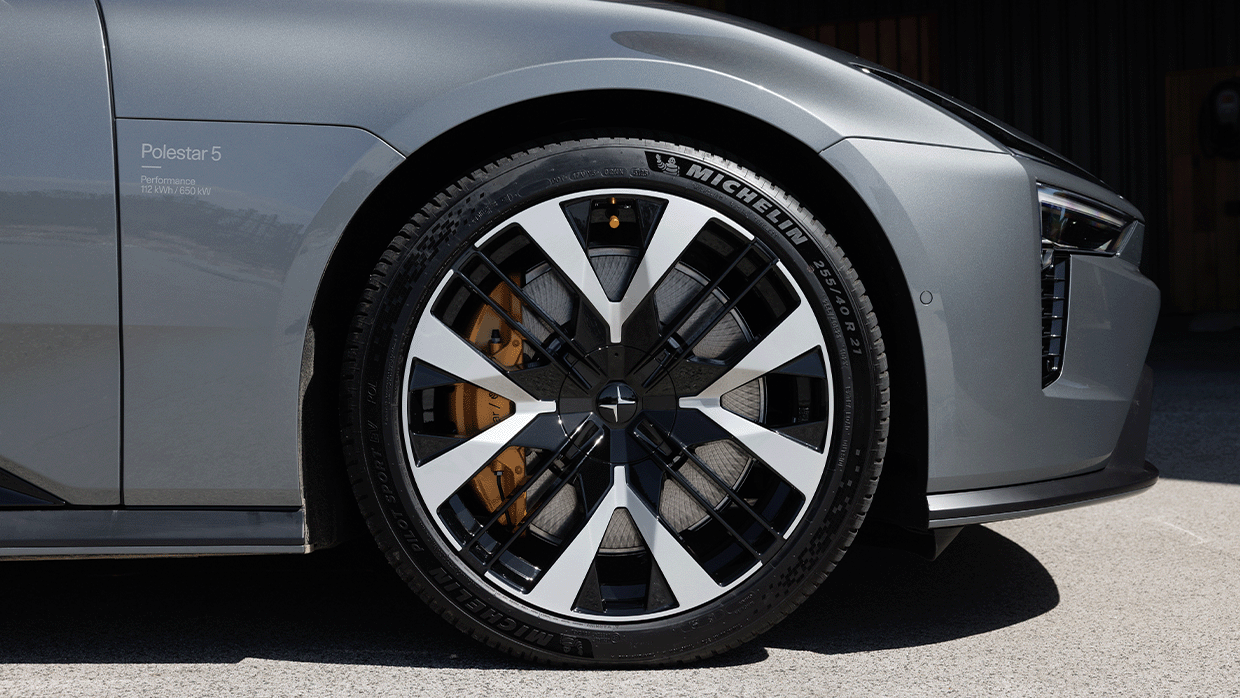
Outside of larger 21-inch wheels and the adaptive suspension, the Performance also gains Swedish Gold trimming, Bower & Wilkins surround sound, complete with road noise cancellation. The Launch Edition adds Pilot Pack (Pilot assist, lane change assist) and Climate Pack (heated steering wheel/rear seats/wipers) for nicks for the first year of production.
Options such as matte paint ($10,000) and Bridge of Wier leather trim (from $11,800) add up quickly on the bottom line, which is around $210K on road for a cleanskin Performance Launch Edition. Ownership wise, warranty is five years of unlimited kilometre coverage, with nominal service intervals of 24 months and 30,000kms.
The Polestar 5 pitch is that it’s quite unlike any alternative, especially in design and style. But its MO really is offering a two-row, electric GT experience to rival arch nemesis Porsche Taycan Turbo, at a handy $100K discount.
The Polestar 5’s most attention grabbing feat on road is its rolling response. It’s brutal for all aboard. It’s painful for unaware passengers, at least those who aren’t prepared and hadn’t braced heads to headrests.
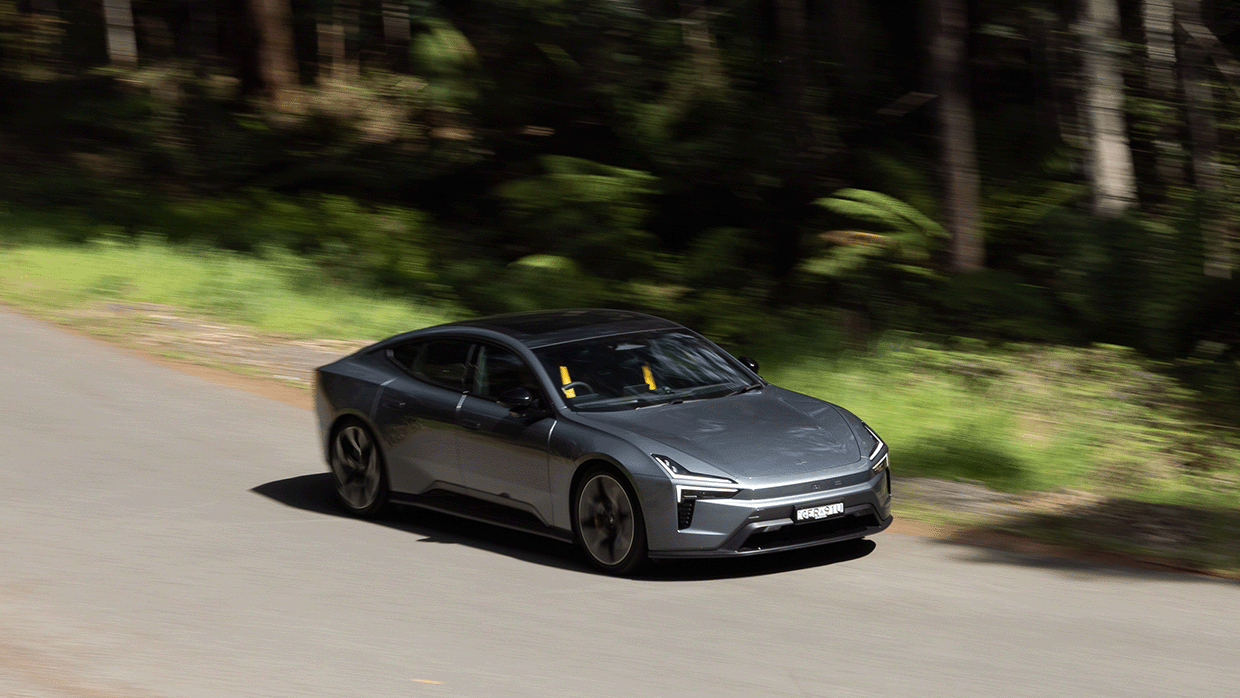
No, 1015Nm isn’t nearly benchmarking in the land of hyper-electrics in 2026: the new AMG GT SUV doubles that torque peak. But the instantaneous sledgehammer effect when you trounce the right foot is so manic one wonders how you’d want, need or even utilise more torque on road.
Nor is its 3.2sec sprint to 100km/h near the BEV sharp-enders now well into the twos. In fact, hard launched the Polestar 5 slingshots more softly off the mark, ramping up into furious acceleration less aggressively than Taycan or Cayenne ‘Turbo’ electrics.
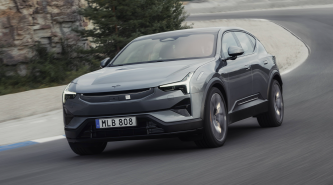
As we observed at its global launch, its talents go well beyond straight line speed. But, dear lordy, speed there is. And the Polestar 5’s low, squat nature – it seems to smear itself across the hot-mix – allows it to put its prodigious stonk to the ground effectively and with reassuring confidence.
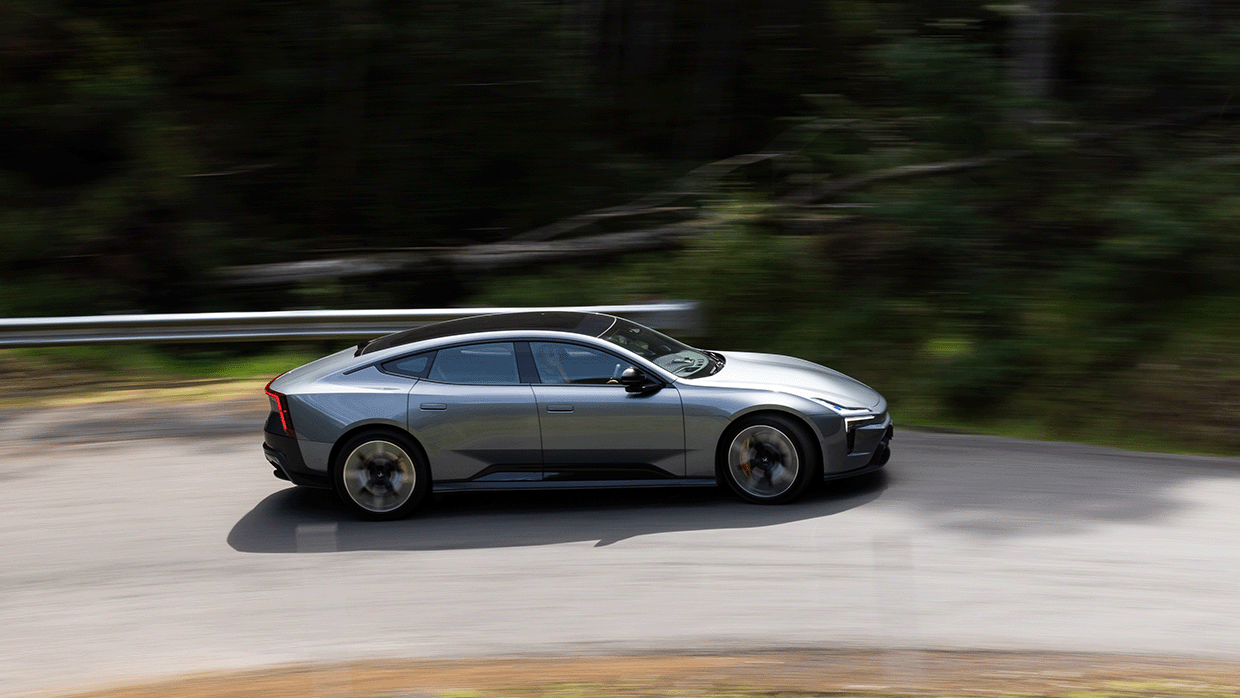
Its planted nature imparts a sense that the corners on rails, such are the levels of lateral grip and body control the Polestar 5 can muster up, even across the twisty change of direction and packmarked surfaces of the same backroads used for Targa Tasmania, where it was launched.
Its bespoke 450kW rear motor – over double the 200kW front motor’s power – surely aids mid-corner rotation to some degree, though the Polestar 5 simply grips and goes in a benign manner seemingly well within its limits at an on-road pace approaching the antisocial. A racetrack might reveal all…
We’d call out the steering for lacking Taycan-like communication before but, frankly, it might only be by shades. The measured linearity of the direction finder completes what’s an overall dynamic package that embodies the term ‘fluid’.
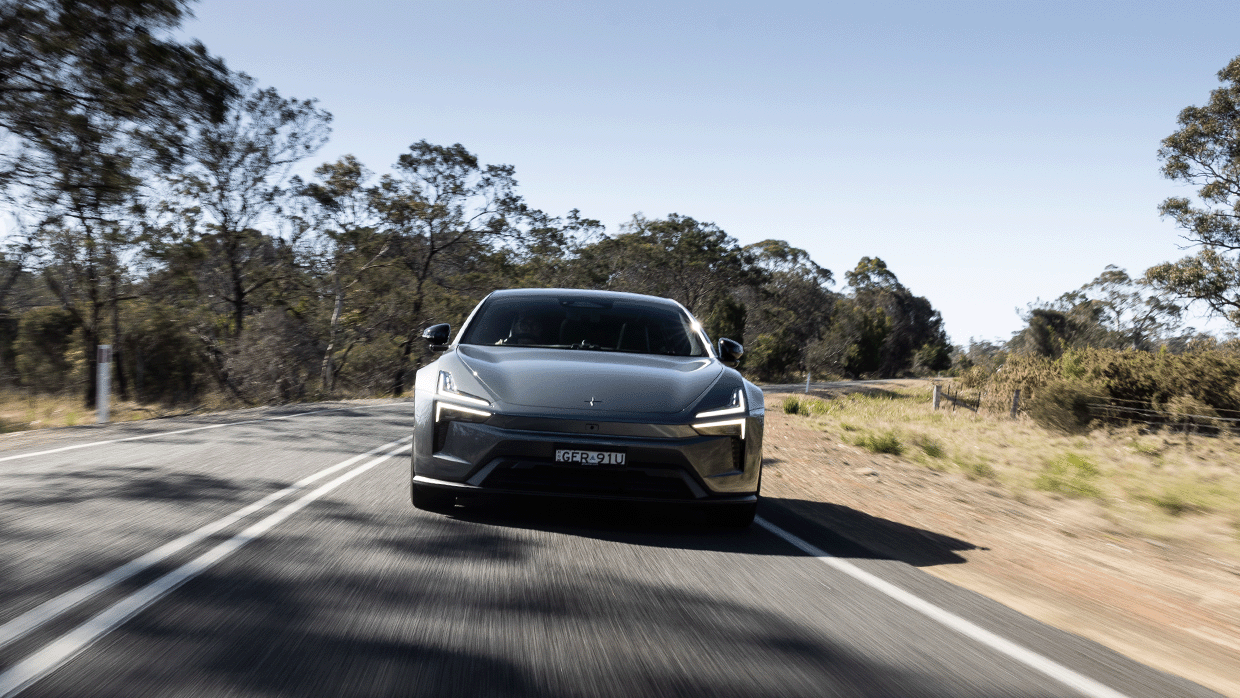
The real talent is in Polestar 5’s driving flexibility. Its head-punching drive mode is the same one sampled for the peak-hour, where it’s very measured and feels downright placid. The breadth of Jekyll to Hyde on tap and without touching a settings button is quite remarkable.
There’s also a sense to Polestar 5 shared with other thoroughbreds of largely aluminum construction, in that for its clear grand touring format the underpinnings and structure resonate a genuine sportscar vibe. It’s in how it connects itself with the road.
The three-mode MagneRide adaptive damping does a fine job of filtering out most of the rough stuff, though the 6.0mm lower ride than even the regular ‘passive’ Dual Motor affords limited vertical wheel movement, so it gets a touch choppy at some speeds over rough surfaces.
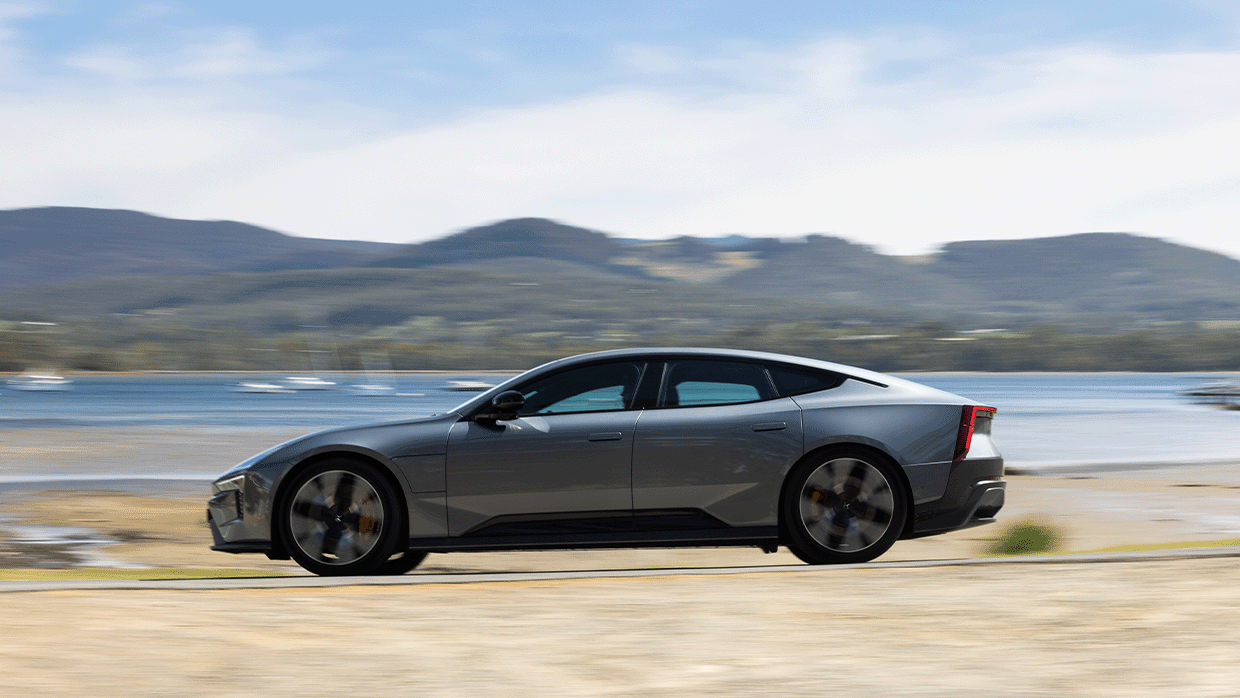
In manner, it’s mostly a fantastic grand tourer. The noise suppression – aided by the Bowers & Wilkins active noise cancellation – adds a nice veneer of sonic serenity, to a point where the level of near-silence amplifies faint creaks and rattles, and our test car had a few.
Downsides? The digital rear-view mirror is tough to get used to, if at all. And the front seats (see below) lean a little too hard into racy territory for bona-fide grand touring pleasure.
And while on-board telemetry for consumption lineball with claims (around 20kWh/100km), demonstrable range appeared quite a bit shorter than its 558km claim, even factoring in a ‘car launch’ driving style.
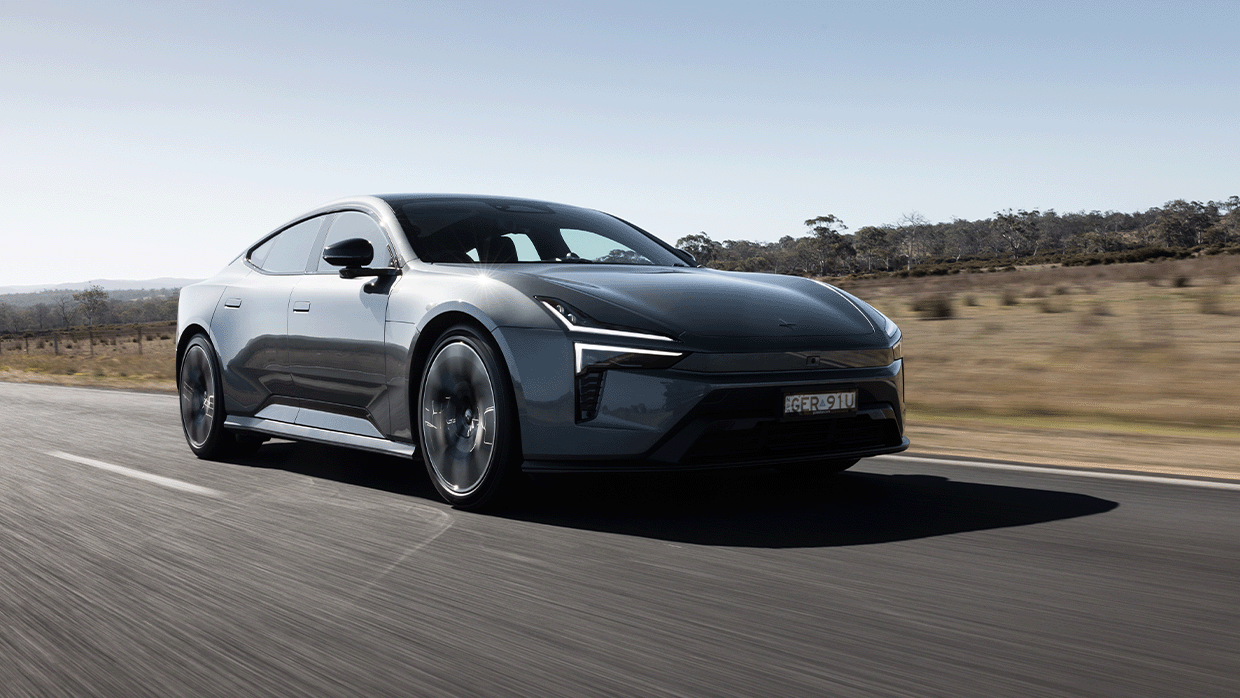
ADAS annoyances that rearm on restart? Yes, though Polestar keeps the ‘off’ button selection relatively accessible in the media screen.
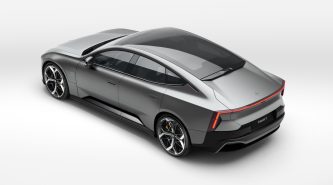
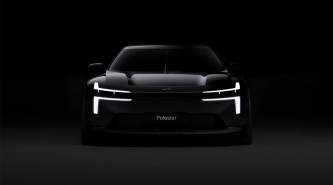
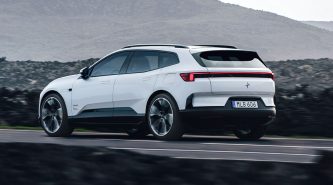
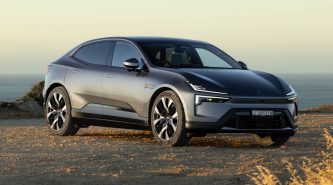
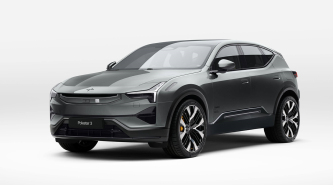
The ‘5’ is peak Polestar ‘design first’ ethos: it’s gorgeous and arresting in the (mostly aluminium) metal. Incredibly, its wheelbase seems improbably vast, yet at 3054mm it’s barely longer than Hyundai’s Ioniq 5. The illusion is mostly due to its scant 1419mm height.
‘Design first, interior packaging later’ seems the outcome. Its svelte form yields a cabin save by its length and constricted by its roofline, so it’s effectively roomy – especially for rear legroom – if feeling somewhat claustrophobic…not unlike Taycan.
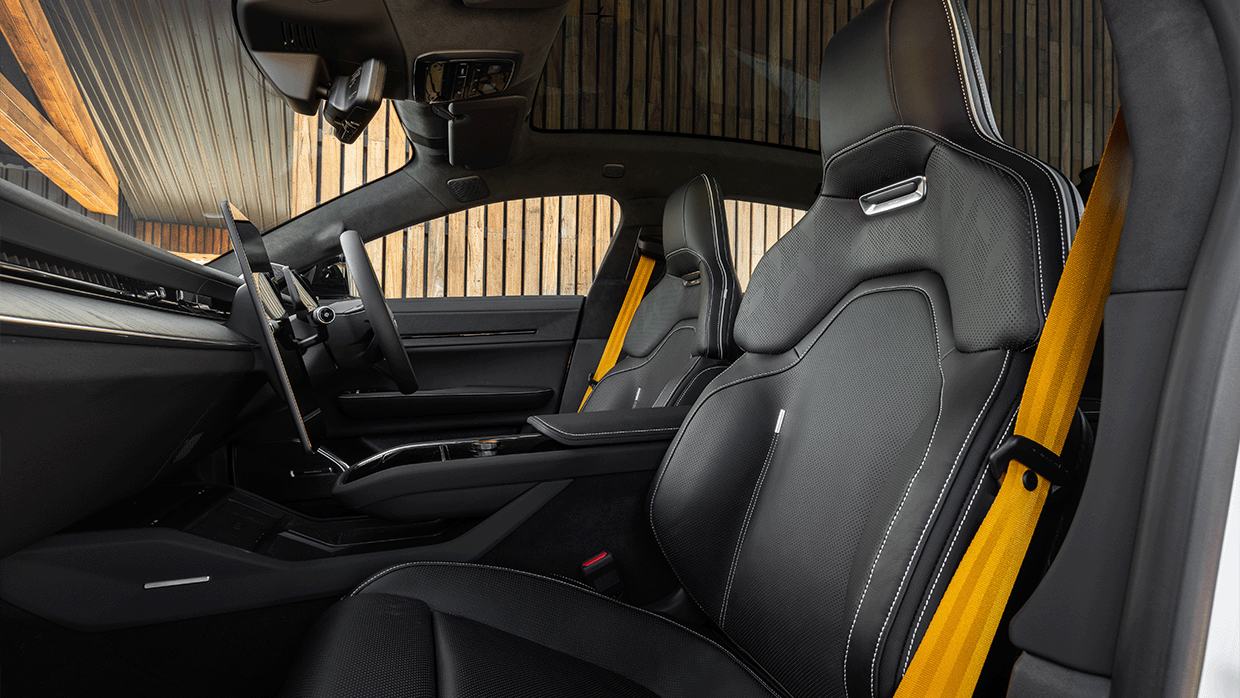
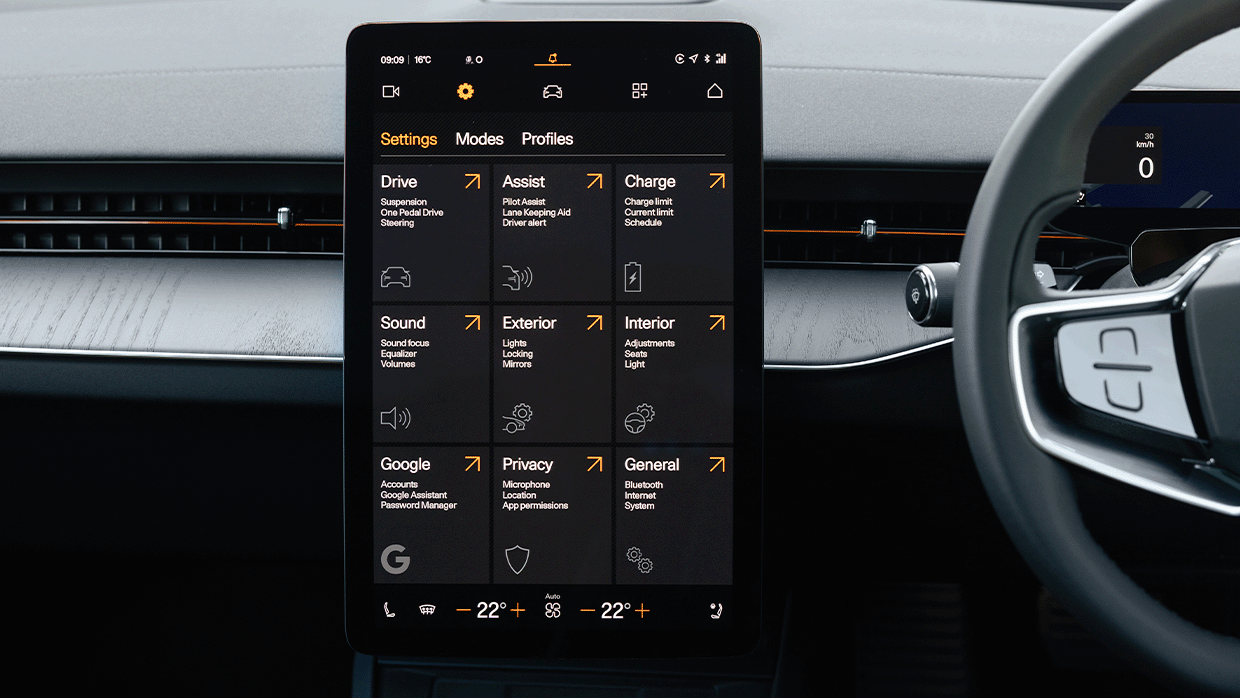
The closed quarters vibe is large due to the wheel and in-your-face located rectangular driver’s screen, which, like so many in 2026, annoyingly appears lopsided. But the content, like the 14.5-inch portrait media screen, is mostly quite crisp, clean and slick.
Apparently the software bugs we experienced at the global launch have been fixed, though this doesn’t fix some of the clumsy UI, such as the finicky and hard to access seat adjustment, some submenu gripes – HVAC screen obscuring sat-nav, for instance – and capacitive wheel switches for regen adjustment.
A shame, as the simple wheel – to match the minimalist cabin theme – is fetching, though the driving experience would benefit from more conventional paddleshift regen controls.
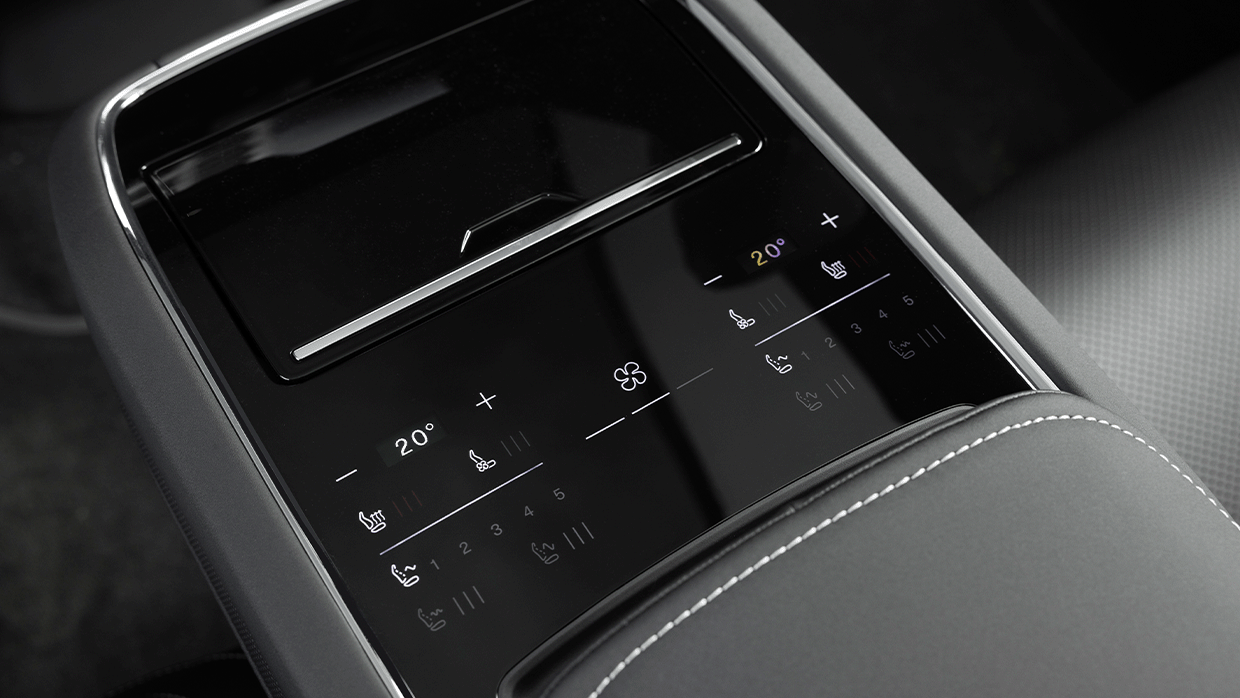
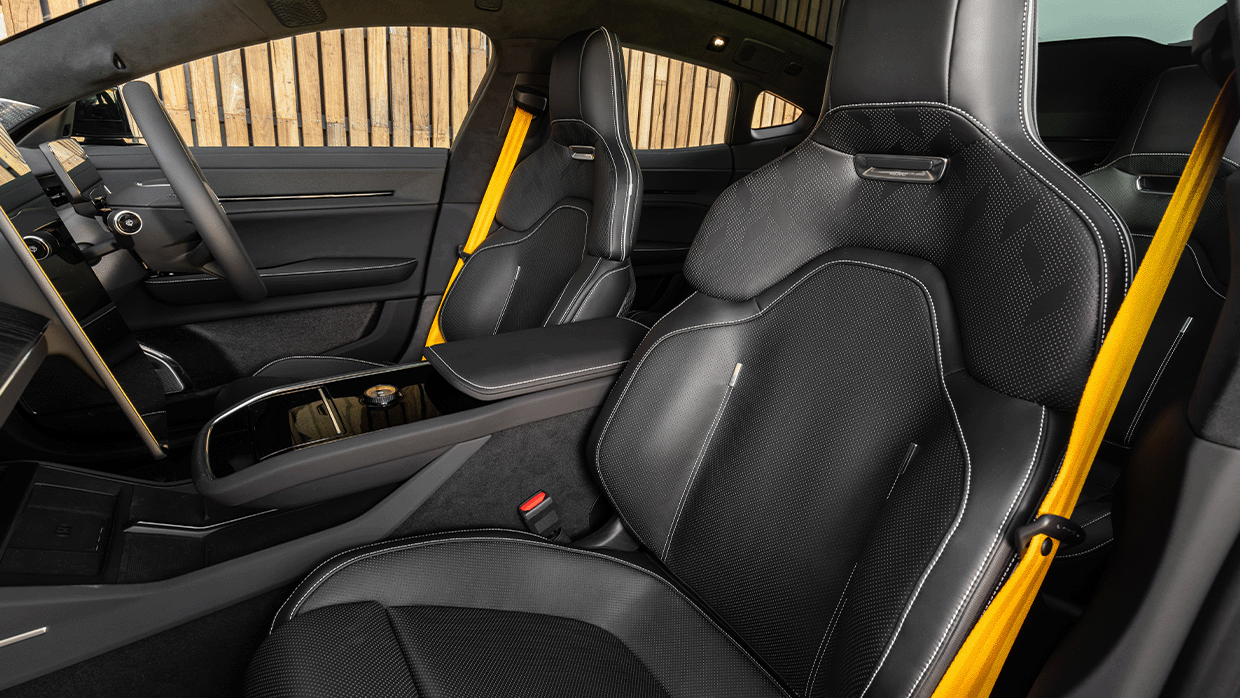
It feels suitably lavish, despite some of the eco-friendly cloth-like materials feeling a little ‘surf shop’ ready. Real leather, though, with Polestar sidestepping petrochemical-based fake ‘vegan’ leather in its fitout.
No Bridge of Weir premium nappa leather upgrade here – it starts from $11,800 – though the front seating proves comfy and supportive…for race-type buckets. As a grand tourer, though, they could benefit from a slightly more related form with softer padding.
There are a fulsome 12 ways of adjustment for both front seats – plus massage functionality – though a touch more seat base height reduction adjustment wouldn’t go astray, either.
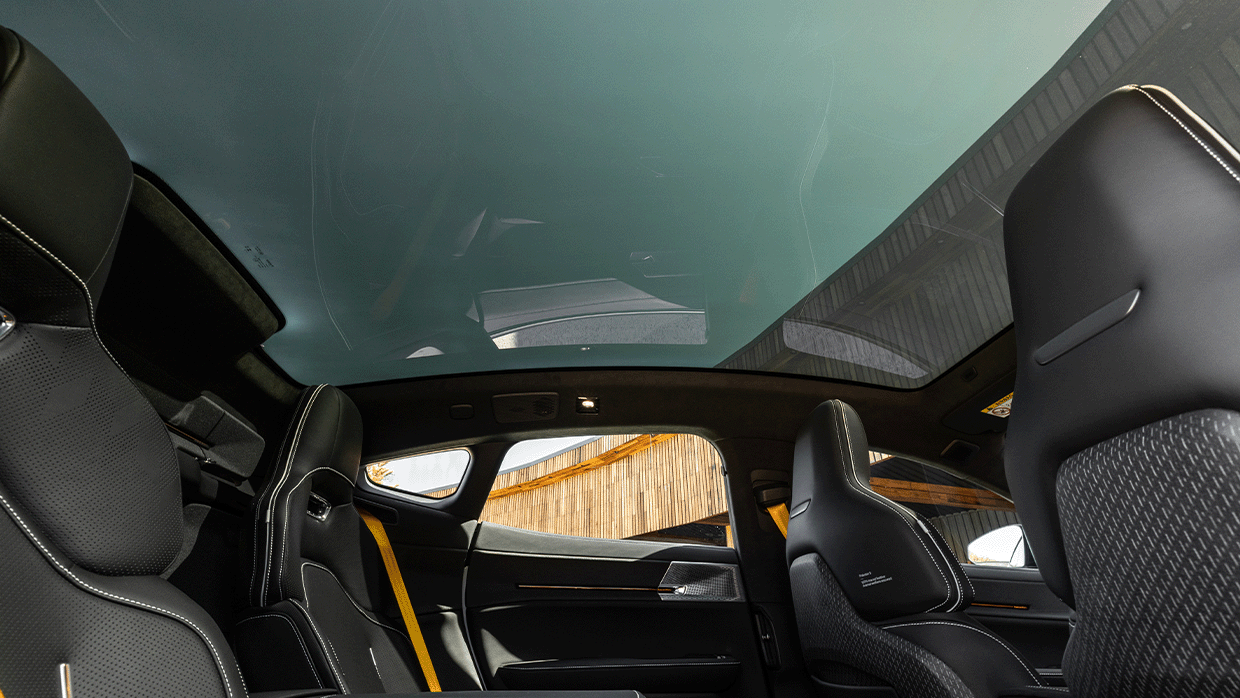
The Polestar 5 is yet another contemporary electric with a glass roof and no scrim, though what penetration didn’t prove an issue on test.
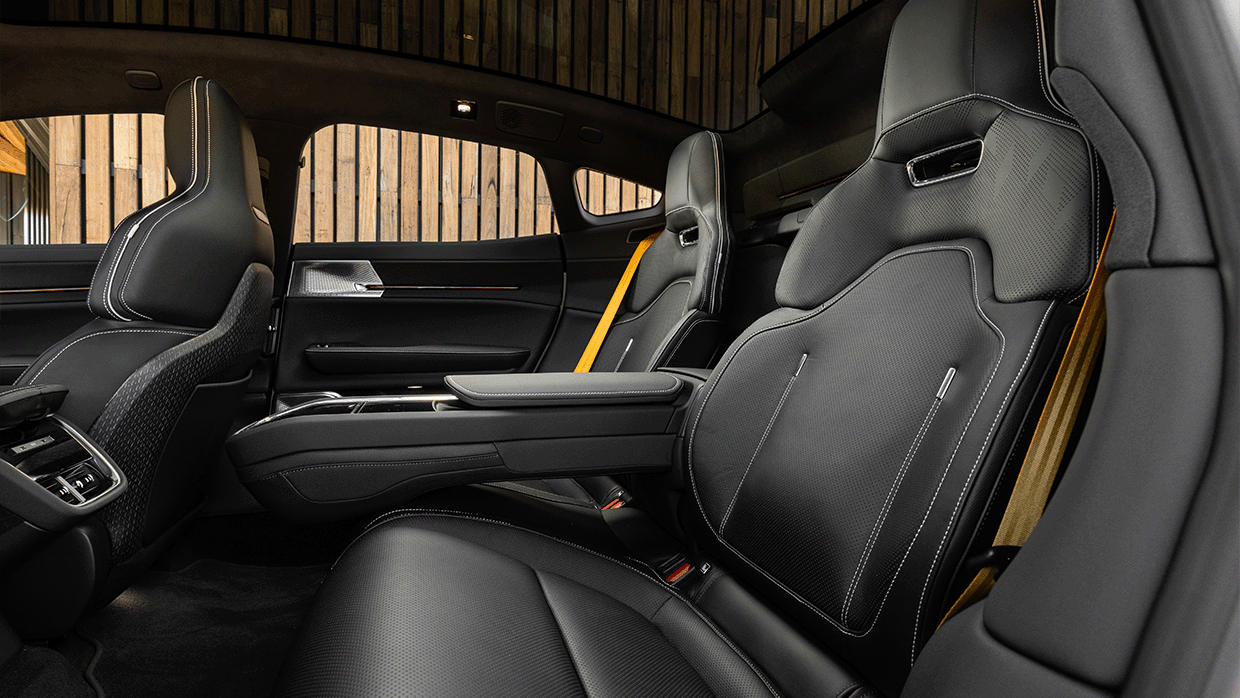
Impressively, the generous second-row legroom is complimented by decent headroom given the sloping, low-slung glass ceiling, afforded large thanks to the ‘foot garage’ design where the underfloor battery is relieved around the passenger footwell area, lowering the rear bench.
The nifty, humongous rear armrest assembly does fold upwards (as a bit of an afterthought, it seems) to prove something of an emergency middle seating position, if one best reserved for short trips in a pinch.
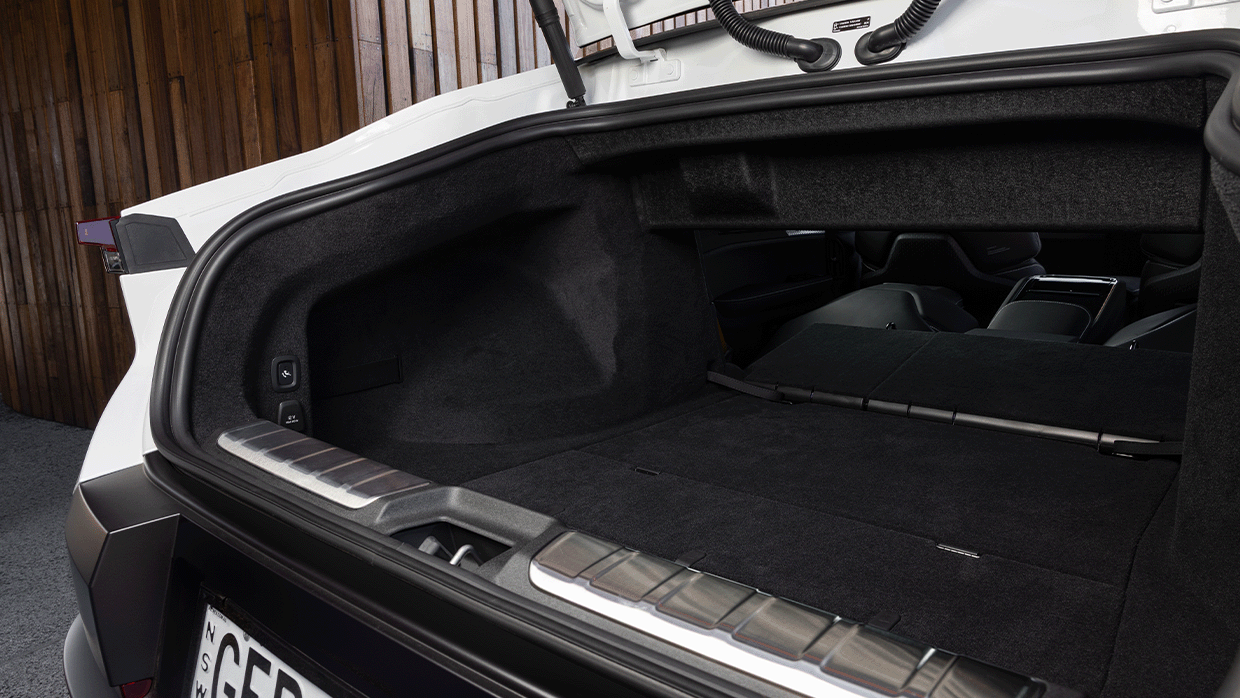
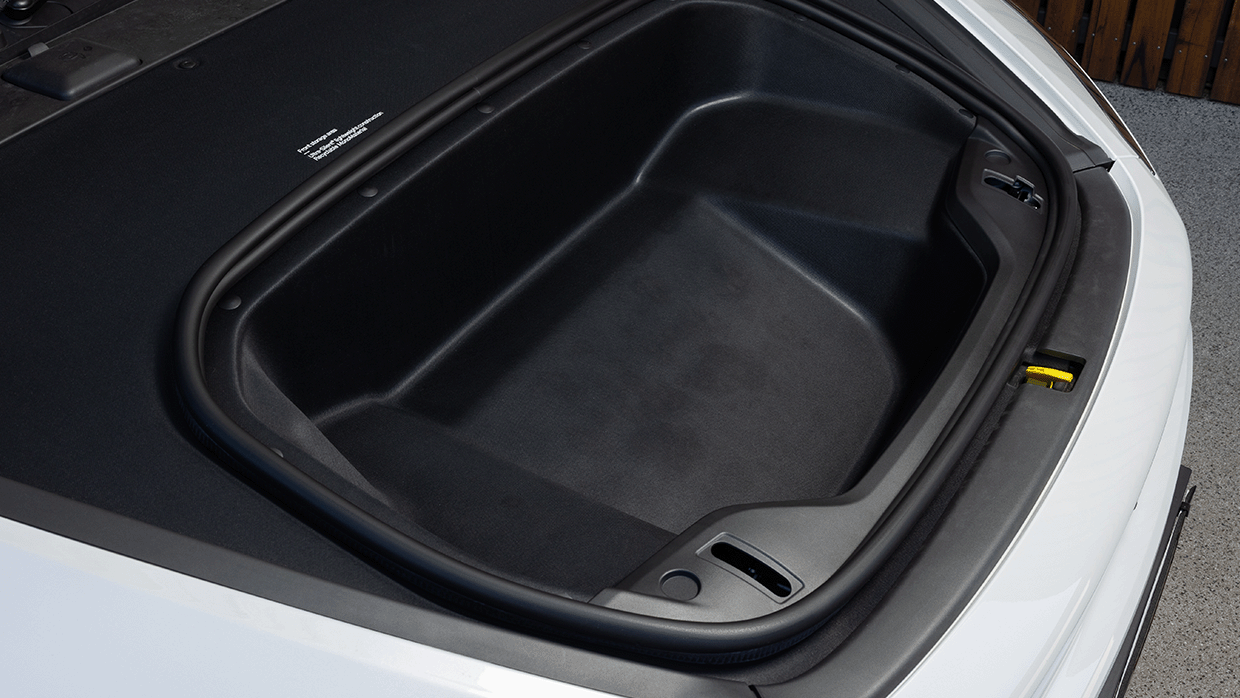
There’s some load-through to the boot, but the small aperture and modest 365-litre boot space means that you’ll need to pack thoughtfully for weekend touring trips away. Nice, though, is the wide degree of rear door opening and the added frunk storage up front.
Our local drive of the Polestar 5 affirms our first drive impressions: the four-door electric flagship grand tourer has the look, performance and execution to compete with the likes of Taycan – well beyond the altitude where a Tesla Model 3 Performance flies – with sharper pricing, spec for spec.
So it’s a fitting and somewhat well-timed brand builder for Polestar.
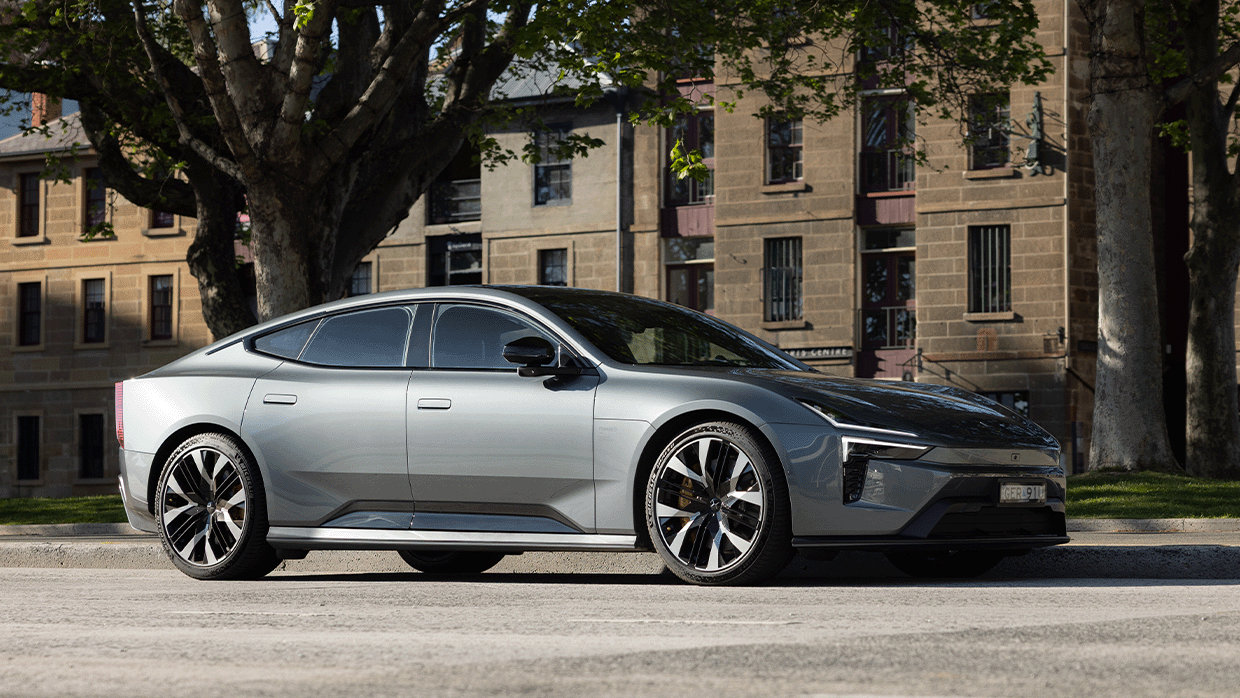
However, one can’t reasonably expect too many Aussie buyers will take a punt on $210K on-road (before options) for a brand aiming to lift its cache, in a high-priced tier it’s just starting to dabble in.
If exclusivity is a key drawcard, you’ve come to the right Polestar. One that, on merit, ought to cast a nice halo across some of the brand’s most attainable choices aiming for higher sales volumes.
About Chasing cars
Chasing Cars reviews are 100% independent.
Because we are powered by Budget Direct Insurance, we don’t receive advertising or sales revenue from car manufacturers.
We’re truly independent – giving you Australia’s best car reviews.
The estimate provided does not take into account your personal circumstances but is intended to give a general indication of the cost of insurance, in order to obtain a complete quote, please visit www.budgetdirect.com.au. Estimate includes 15%^ online discount.
^Conditions Apply
Budget Direct Insurance arranged by Auto & General Services Pty Ltd ACN 003 617 909(AGS) AFSL 241 411, for and on behalf of the insurer, Auto & General Insurance Company Limited(ABN 42 111 586 353, AFSL 285 571).Because we don’t know your financial needs, we can’t advise you if this insurance will suit you. You should consider your needs and the Product Disclosure Statement before making a decision to buy insurance. Terms and conditions apply.
Indicative quote based on assumptions including postcode , 40 year old male with no offences, licence suspensions or claims in the last 5 years, a NCD Rating 1 and no younger drivers listed. White car, driven up to 10,000kms a year, unfinanced, with no modifications, factory options and/or non-standard accessories, private use only and garaged at night.
^Online Discounts Terms & Conditions
1. Discounts apply to the premium paid for a new Budget Direct Gold Comprehensive Car Insurance, Third Party Property Only or Third Party Property, Fire & Theft Insurance policy initiated online on or after 29 March 2017. Discounts do not apply to optional Roadside Assistance.
2. Discounts do not apply to any renewal offer of insurance.
3. Discounts only apply to the insurance portion of the premium. Discounts are applied before government charges, taxes, levies and fees, including instalment processing fees (as applicable). The full extent of discounts may therefore be impacted.
4. We reserve the right to change the offer without notice.