Powered by

-
Car Reviews
Latest reviews
-
Car News
Latest news
-
Car Comparisons
Latest comparisons
- Chasing Deals
Latest reviews
Latest news
Latest comparisons

The honeymoon period for the car industry’s fully electric future could soon be coming to an end – and drivers are set to foot the bill
The tax man is coming for electric vehicle buyers.
Despite a High Court ruling that barred the states from introducing a road user tax for electric vehicles, NSW is pressing ahead with plans to introduce some form of state charge for road usage by July next year.
And while the Federal Government kicked the EV road tax down the road in the recent budget, it signalled that a charge was part of the future.
“The government is also considering other changes to the tax treatment of vehicles,” the budget paper said.
“Consistent with the recommendation of the Economic Reform Roundtable, the government is continuing to work with states and territories on the development of a road user charge for electric vehicles to ensure fair and sustainable funding for road investment and maintenance.”
Fair and sustainable are the key words.
The recent surge in fuel prices due to the Middle East conflict has heightened public awareness of the fuel excise, which is partly used to fund road maintenance.
And Pitcher Partners automotive analyst Steve Bragg believes the government can’t ignore the “bad optics” of petrol and diesel car owners paying an excise for the upkeep of roads while EV buyers do not.
“It needs to happen at some stage because you can’t have a portion of the vehicles driving on the roads without contributing to the maintenance of the roads. That seems totally unfair,” he said.
That’s a view the NSW Government shares.
A spokesperson said the government was “not planning to change course” on the user charge.
“This law was established to achieve a very simple principle, which is everybody who uses roads should contribute to them,” he said.
“We are working with the Federal Government to see whether there is potential to deliver a national road user charge, as that remains our preference.”
The road funding hole caused by the rapid adoption of electric vehicles is still small, but growing every year.
According to numbers provided by the Electric Vehicle Council, Australians have now bought more than 300,000 vehicles, and that number is growing rapidly. More than 70,000 EVs were sold in the first five months of the year alone.
Estimates vary, but Australian motorists typically drive between 12,000 and 15,000km a year, which means those 300,000 EVs are costing the government roughly $130 million to $165 million in excise each year.
“The government’s going to need to get the money from somewhere,” Bragg said.
But it’s not just the number of EVs that is creating headaches for road maintenance, it’s the weight of those vehicles.
It’s a problem that the Chinese, who lead the world in the manufacture and adoption of electric vehicles, are confronting.
China’s Ministry of Industry and Information Technology has estimated that the average weight of a passenger car in China has climbed from 1312 kilograms in 2012 to 1704kg in 2024 – a weight increase of almost 30 per cent. The average weight of EVs and plug-in hybrids is even higher, at 1940kg.
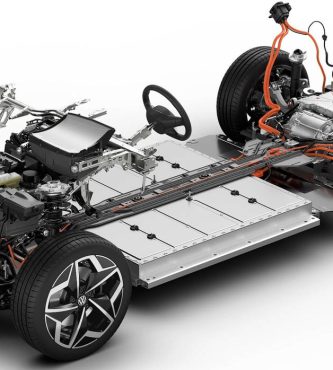
The weight gain has accelerated in recent years, as carmakers have added heavier batteries to deliver more range to customers. Experts say weights increased more between 2020 and 2024 than they did between 2012 and 2020.
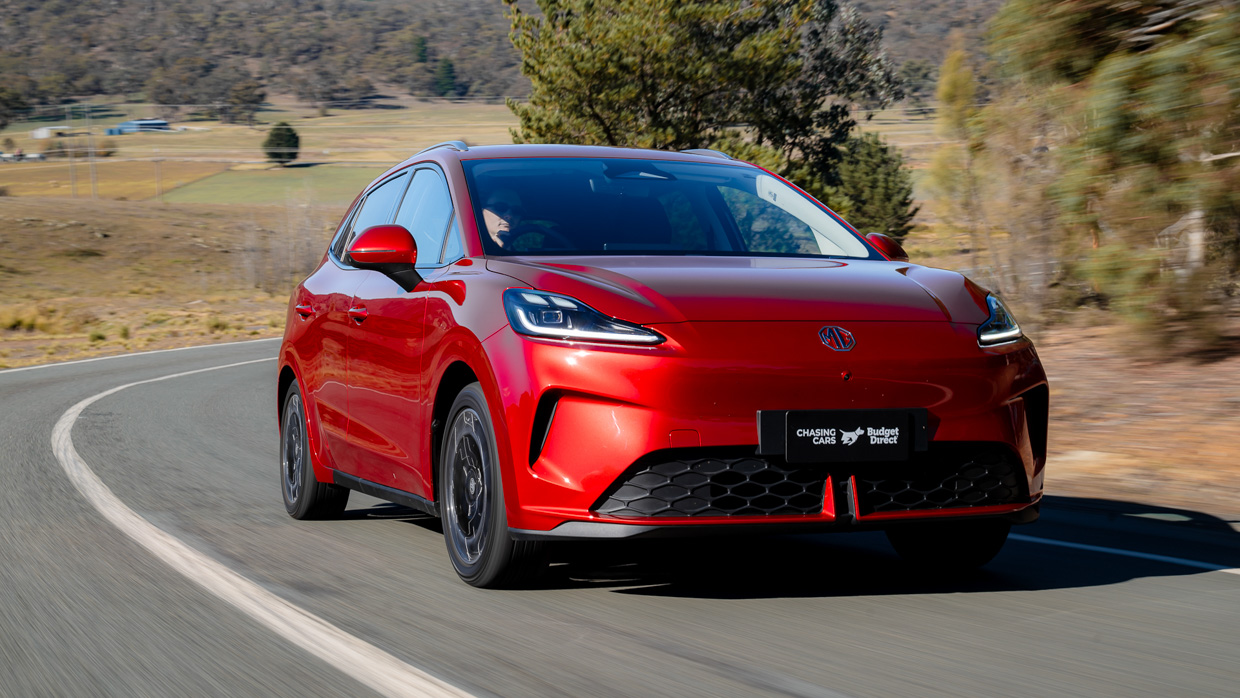
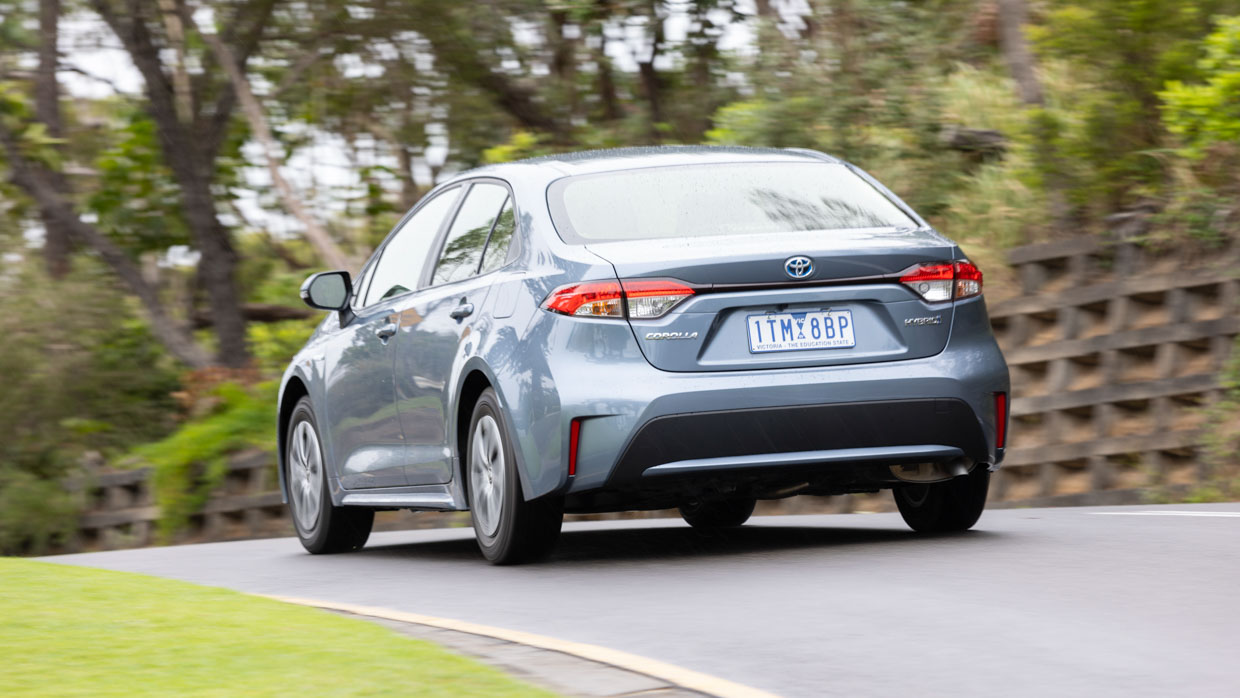
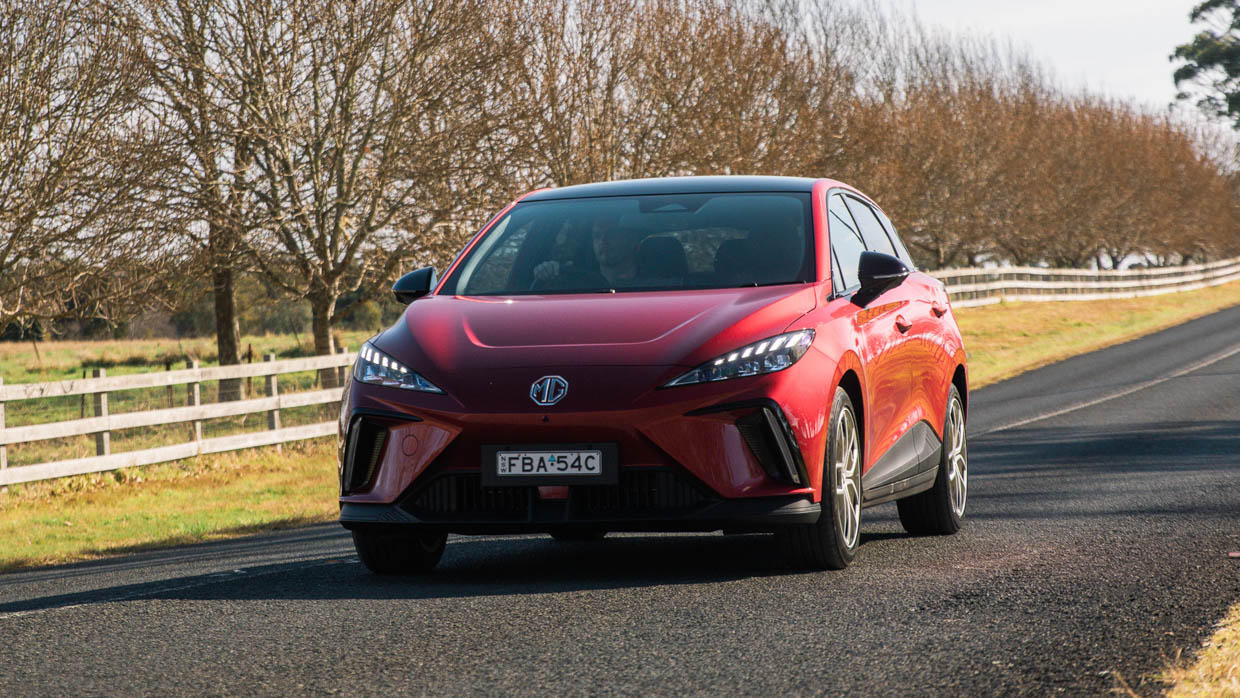
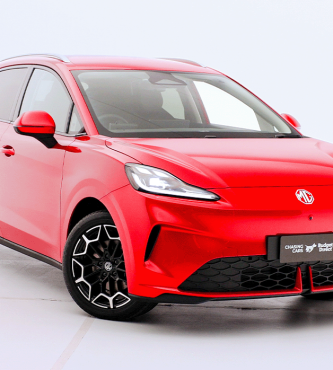
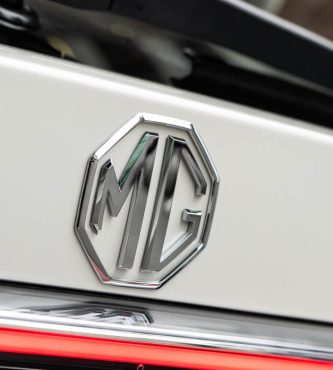
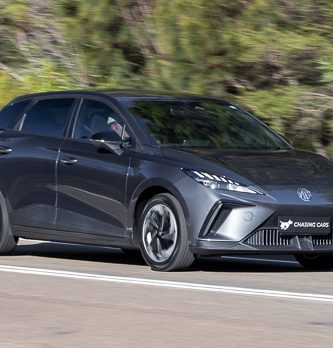
In Australia, an MG4 with a 64kWh battery weighs roughly 300kg more than a similarly sized Toyota Corolla hybrid.
According to an article in the South China Morning Post, William Li Bin, the chief executive of Chinese EV maker Nio, told a recent event that for every 20 per cent increase in a vehicle’s weight, the amount of damage it caused to road surfaces over time more than doubled.
The NSW Government is proposing a distance-based road user charge of 2.974 cents per km for electric vehicles and 2.379 cents per kilometre charge for plug-in hybrid vehicles.
Based on 12,000 to 15,000km a year, that would work out to approximately $360 to $450 a year for EV drivers. By comparison, the driver of a petrol vehicle using 7L/100km over the same distance would pay between $440 and $550 a year in fuel excise.
The Electric Vehicle Council is lobbying against the tax, arguing it could potentially derail the surge in EV sales.
EV Council chief executive Julie Delvecchio said a road user charge should apply to all vehicles, not just EVs.
“We support a road user charge that is universal for all cars, is brought in at the right time and encourages EV adoption – the NSW Government’s tax on EVs fails on all three fronts,” she said.
She said the NSW tax unfairly targets EV buyers.
“When Aussies are trying to get off petrol, the NSW Government’s tax will tax them up to 60 per cent more than for petrol hybrid cars,” she said.
“The best way to do this properly is through a national road user charge, not state by state approaches.”
Delvecchio points to recent research by Sydney University, which found that 28 per cent of people likely to buy an EV would be dissuaded by a road user charge.
She said that in New Zealand, where the government cut incentives and introduced a road user charge, EV sales dropped from 20.6 per cent of the market to just 3.8 per cent in the months following the move.
Latest news
About Chasing cars
Chasing Cars reviews are 100% independent.
Because we are powered by Budget Direct Insurance, we don’t receive advertising or sales revenue from car manufacturers.
We’re truly independent – giving you Australia’s best car reviews.