Powered by
-
Car Reviews
Latest reviews
-
Car News
Latest news
-
Car Comparisons
Latest comparisons
- Chasing Deals
Latest reviews
Latest news
Latest comparisons
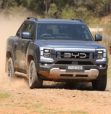
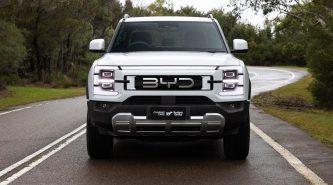
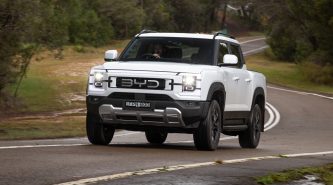
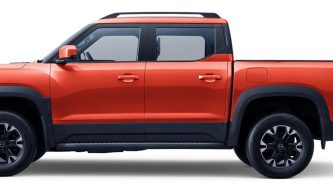
Just over a year since it flipped the ute segment on its head, the Shark 6 adds a Performance trim to address its two biggest pitfalls: off-roading and towing
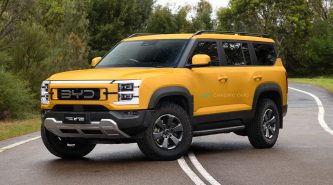
It’s hard to believe but it’s barely been more than a year since the BYD Shark 6 landed in Australia and re-wrote the rulebook on what counts as ‘utility’ in a ute.
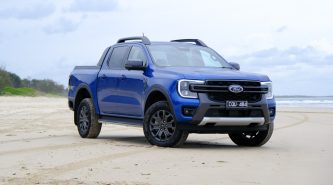
BYD sells more Shark 6s in Australia than anywhere else in the world. In fact, over 24,000 of them have been sold locally to date. That’s still less than half of the volume of Ford Rangers sold last year, but for a hybrid ute, in a famously electric-sceptical segment, it’s mighty impressive.
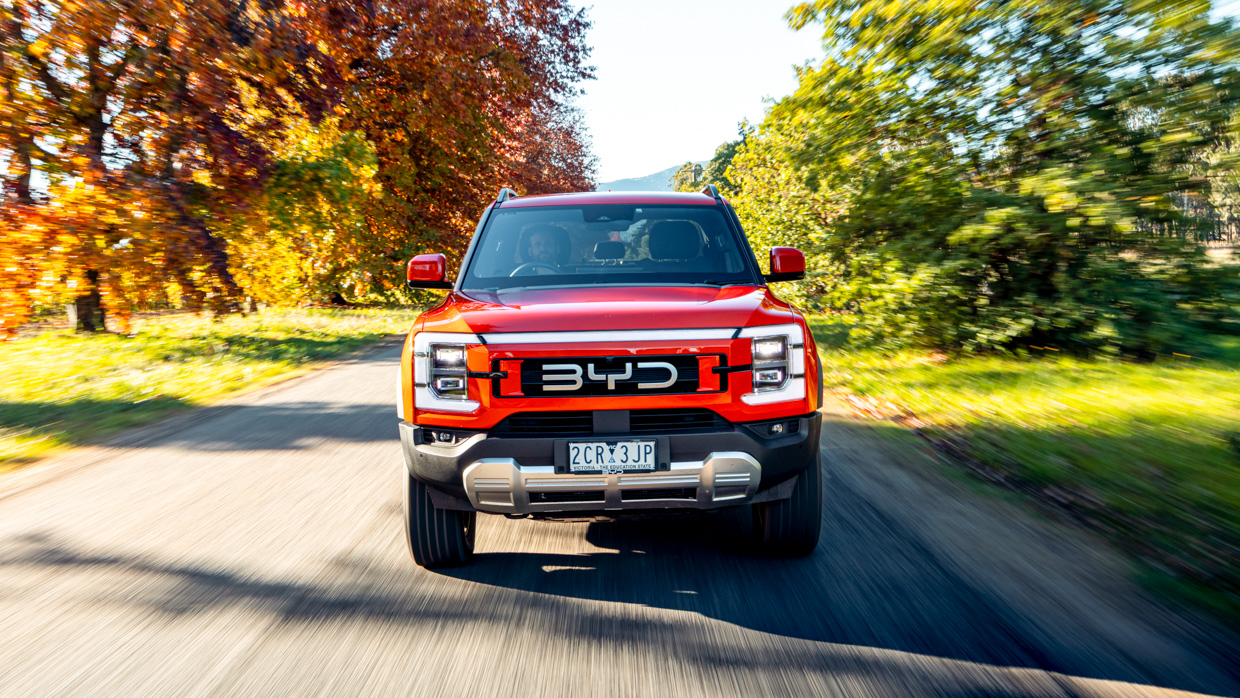
Buyers and pundits quickly set to work identifying strengths and weaknesses after the Shark 6 launched with its sole Premium grade and two areas quickly came up short: towing capability and off-road capability.
The former can be seen on paper, the Shark 6 Premium caps its braked towing rating at 2500kg, a full tonne short of the industry standard 3500kg.
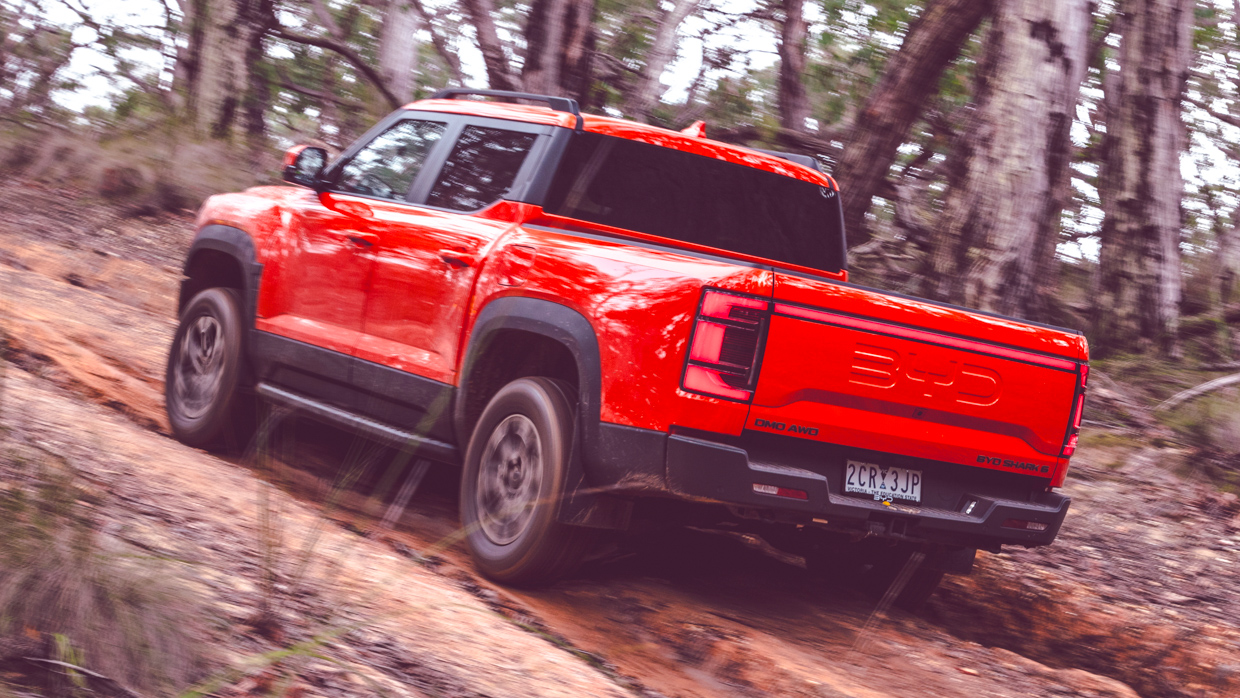
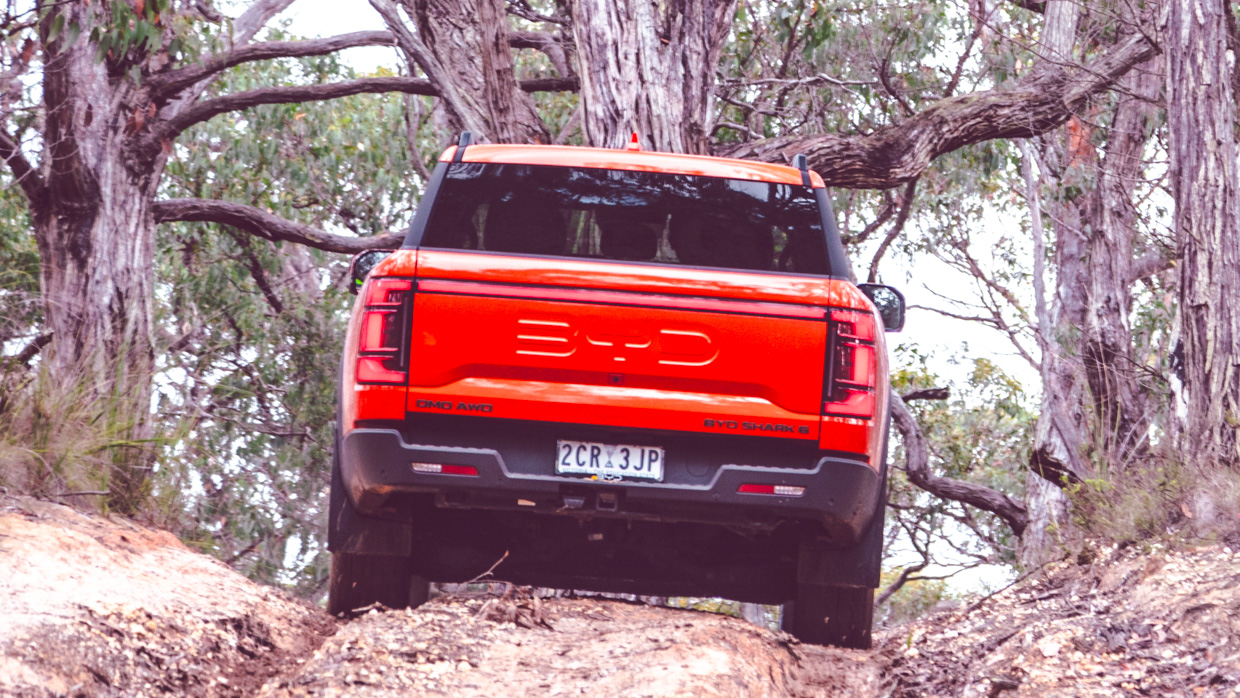
The latter was a bit more embarrassing, although sporting ‘AWD’ not ‘4WD’ badge on the tailgate, buyers expect off-road capability from their ute, and the Shark 6 was quickly exposed in testing by Chasing Cars as lacking the traction and control required for the low-speed off-roading.
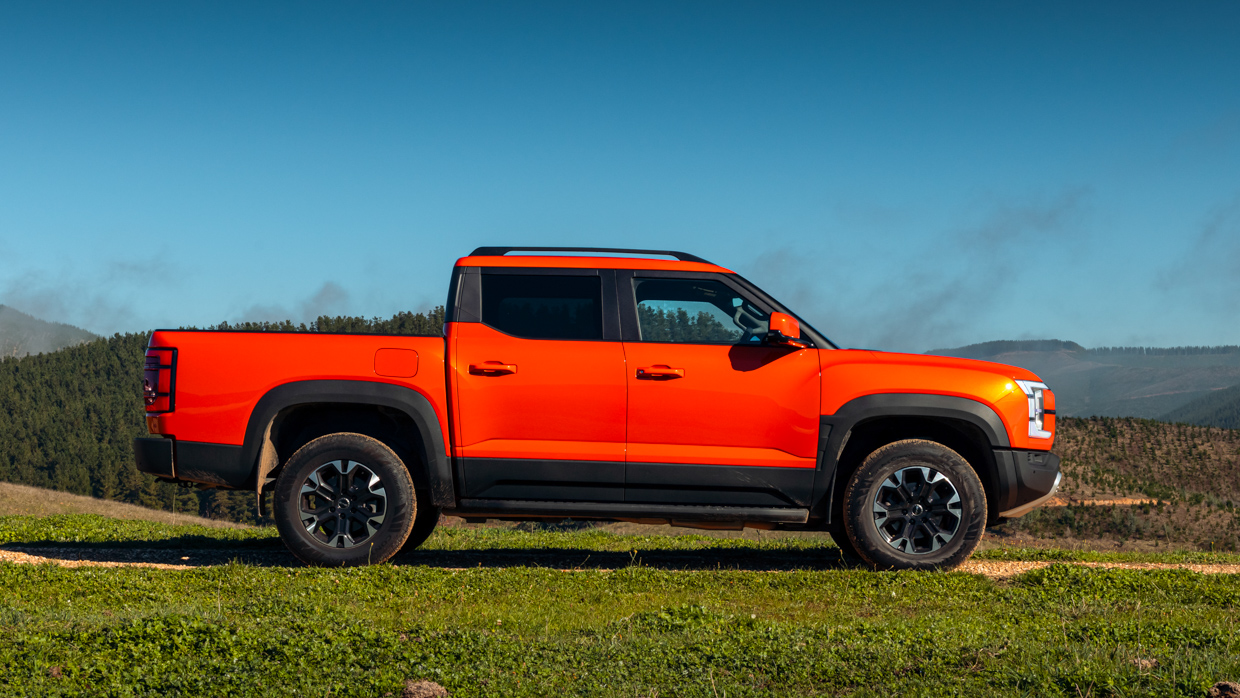
For an additional $5000 over the $57,900 (before on-roads) Premium, the Shark 6 Performance ($62,900) seeks to address both of these criticisms with a boosted 3500kg towing capacity and a new ‘Crawl Mode’, which BYD says significantly improves its off-road prowess.
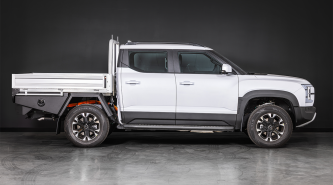
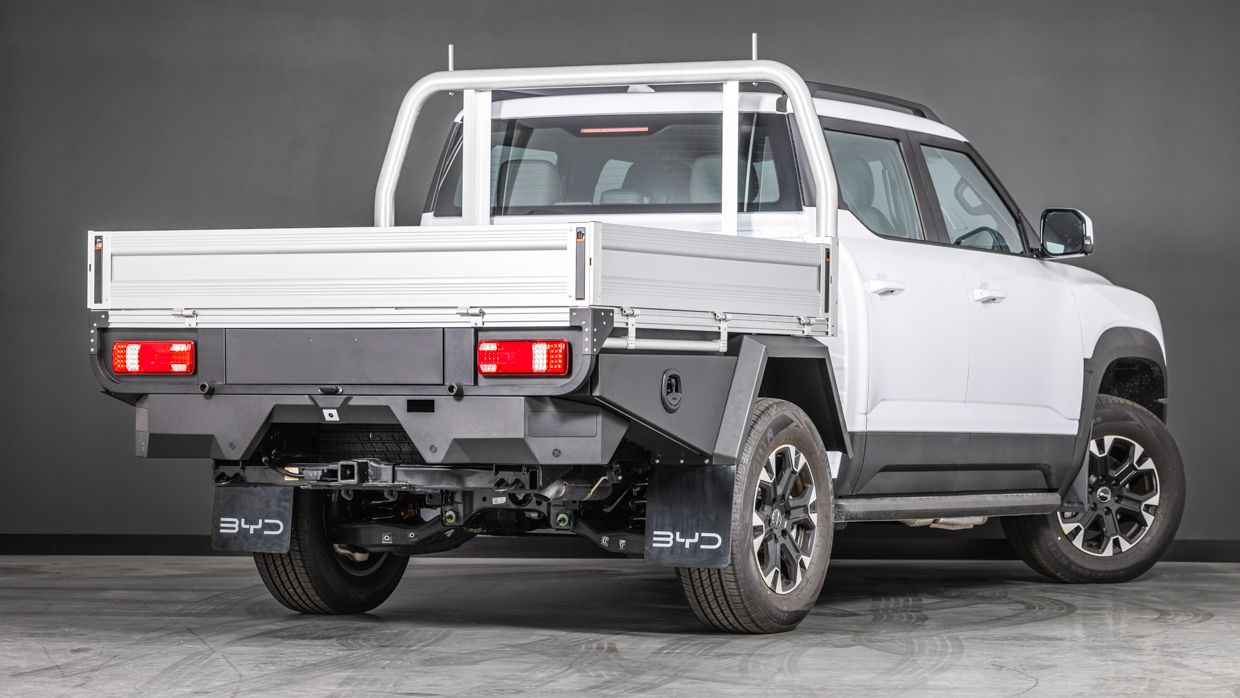
A new fleet-focused, less-equipped Dynamic Cab-Chassis has also been introduced for the 2026 lineup with a keener entry price of $55,900 list, though that figure does grow to $62,055 once you fit the Ironman-sourced heavy-duty alloy tray.
However, we’ll be focusing on the Performance for this review.
Inside and outside, the Performance is almost identical to the existing and well-equipped Premium grade, with the following highlight features:
Notably, BYD removed the ability to rotate the multimedia screen between portrait and landscape last year.
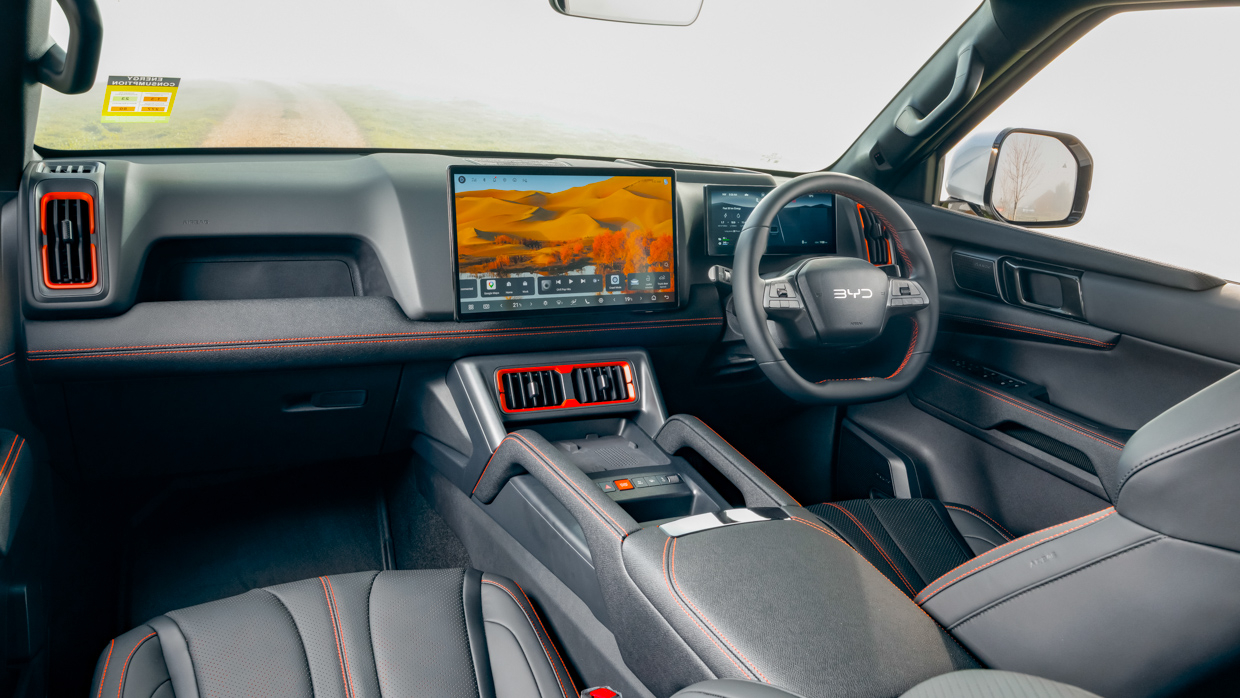
Along with some switchgear changes, the Performance uses a synthetic leather steering wheel instead of a genuine leather item in the Premium. More on that later.
A $5000 step up to $62,900 list – or roughly $67,800 on the road – means that the Shark 6 in Performance trim is no longer in ‘cheap ute’ territory, and needs to be held to a higher standard. But for the extra cash, the Shark 6 delivers and importantly, broadens its appeal.
Combined system outputs of 321kW/650Nm were already astonishing in the Premium, so the step up to the 350kW/700Nm feels hardly necessary. It also shortens the 0-100km/h time from 5.7 seconds to 5.5sec, according to BYD, making it the quickest ute on sale in Australia.
Integrating the larger 2.0-litre turbocharged four-cylinder from the Denza B8 large SUV, combustion outputs step up from 135kW/260Nm, in the Premium’s 1.5T, to 180kW/380Nm.
Similarly, a beefier 200kW/360Nm front motor has replaced the Premium’s 170kW/310Nm unit, though the pair share the same 150kW/340Nm electric motor at the rear.
It’s worth remembering this is an electric-first drivetrain in most scenarios, but the petrol engine plays an increasingly important role in high-load situations at speeds over 70km/h when it drives the wheels directly.
The 2.0T unit is able to feed 90kW of power to the hybrid system, rather than 70kW in the 1.5T, an ability that limited the Premium’s towing capacity at 2500kg. Why? Well, on some long, steep inclines with a circa-3500kg van in tow, the Shark 6 Premium’s electric motors would drain power quicker from the 29.6kWh LFP battery than the 1.5T could top it up. Not ideal.
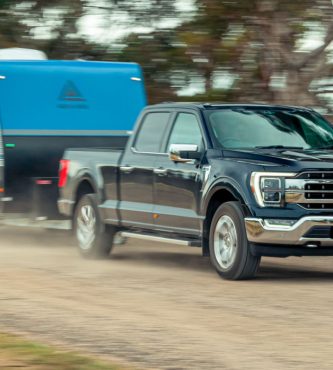
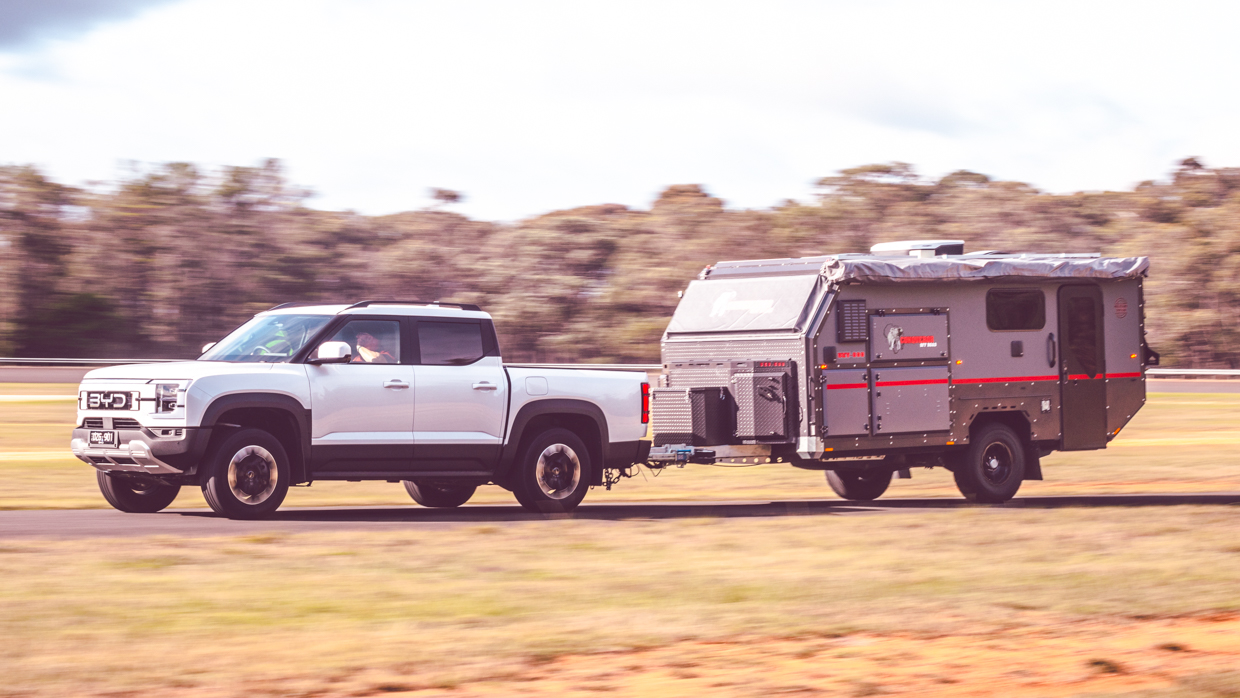
Our first drive of the Shark 6 Performance saw us traverse highways, city streets, forests and indeed a brief towing loop with an off-road caravan weighing roughly 2.7 tonnes.
On test, no hills were available to gauge whether its towing issue had actually been solved, but the Shark 6 pulled the off-road caravan with confidence, taking 10.5 seconds to reach 100km/h from rest, and completed a braking and lane changing at 80km/h with no major dramas.
Along with more power, BYD says the 2.0T is more fuel efficient in towing situations, so even if you’re towing less than 2.5 tonnes, the Performance could still be the pick. Major changes had been implemented to enhance towing ability but the same could not be said for off-roading.
But in other ways, the towing falls short for the Performance. Despite the 65kg heavier kerb weight of 2775kg, the Shark’s GVM is still restricted to 3500kg and in many cases the maximum axle capacity is either unchanged or even more restricted than the regular Premium.
After clarifying with BYD that the new ‘Crawl Mode’ was simply an enhancement of the existing traction control, involved no different locks or hardware – and would be rolled out to existing Premium buyers – we were skeptical of how effective this new mode could be, but our doubts were misplaced.
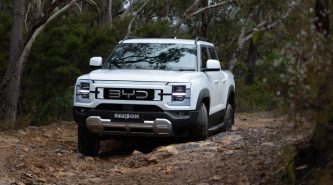
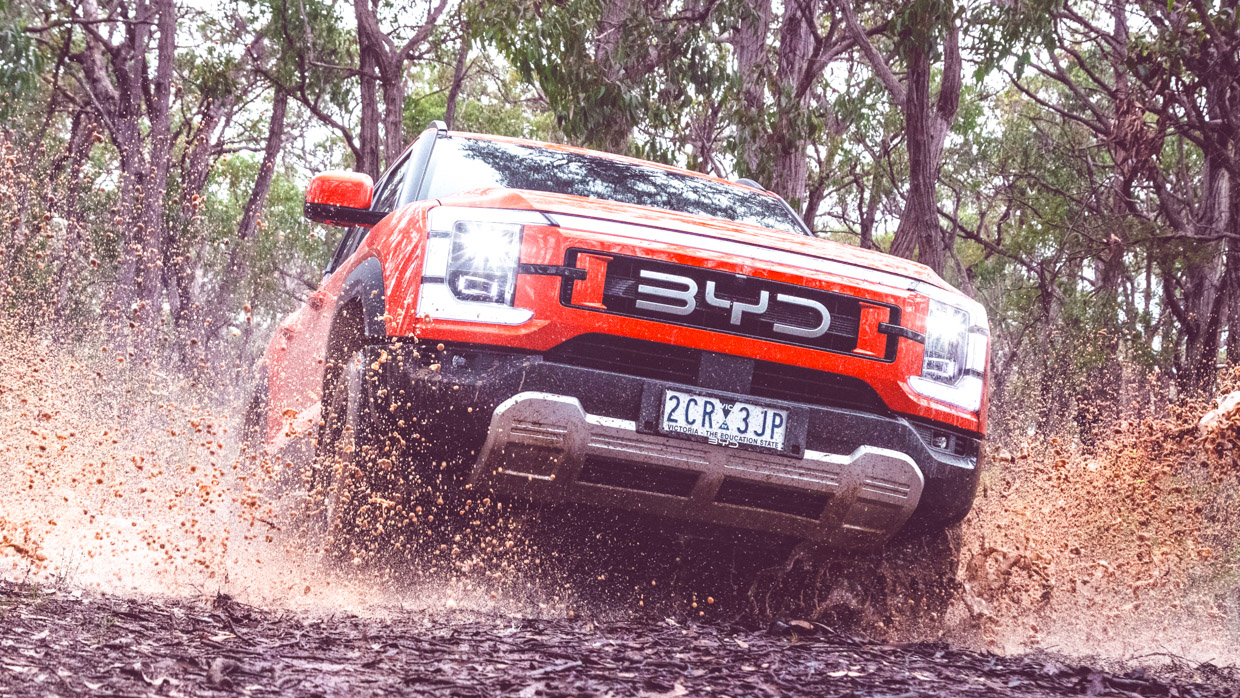
BYD’s launch program steered us through a muddy forest trail that could generally be tackled in a Subaru Forester with a bit of ambition, with the exception of a slick muddy hill kicking off a muddy bog hole to kill any momentum.
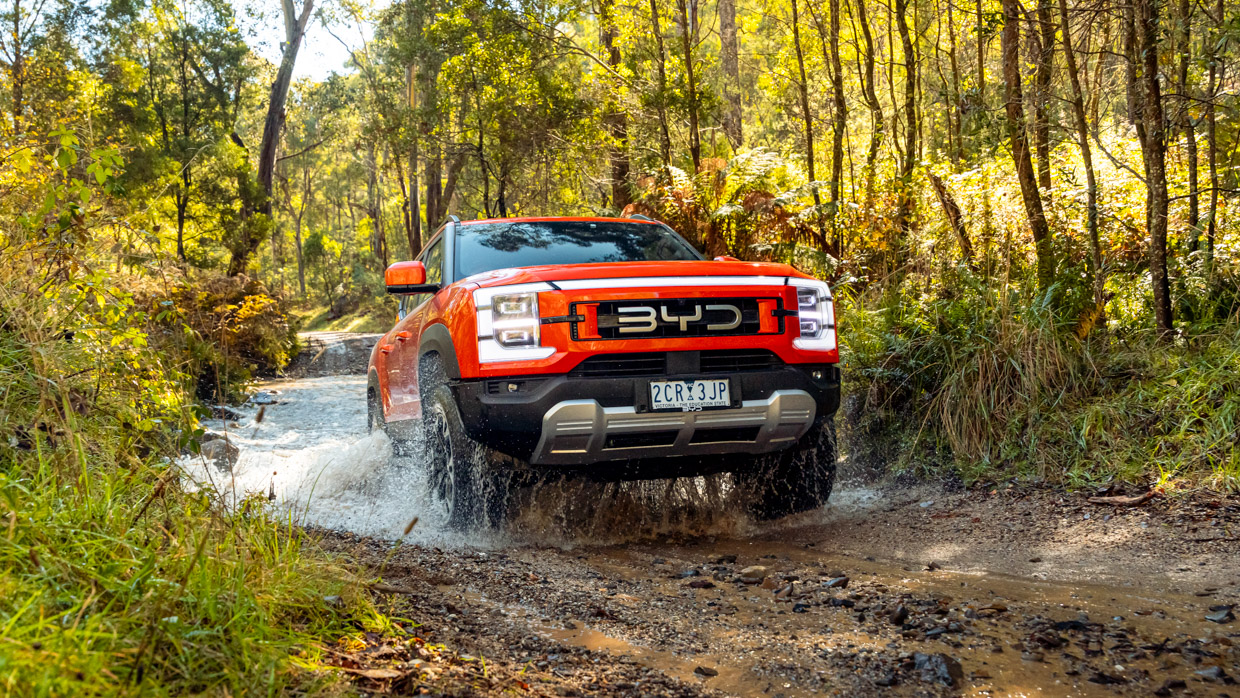
With Crawl Mode engaged (via the touchscreen) the Performance tacked the hill, and kept the electric nannies at bay just enough to keep the wheels turning and the Shark committed to the climb. It came as a genuinely shocking moment, but further investigation was needed and a hill climb exercise was our next stop.
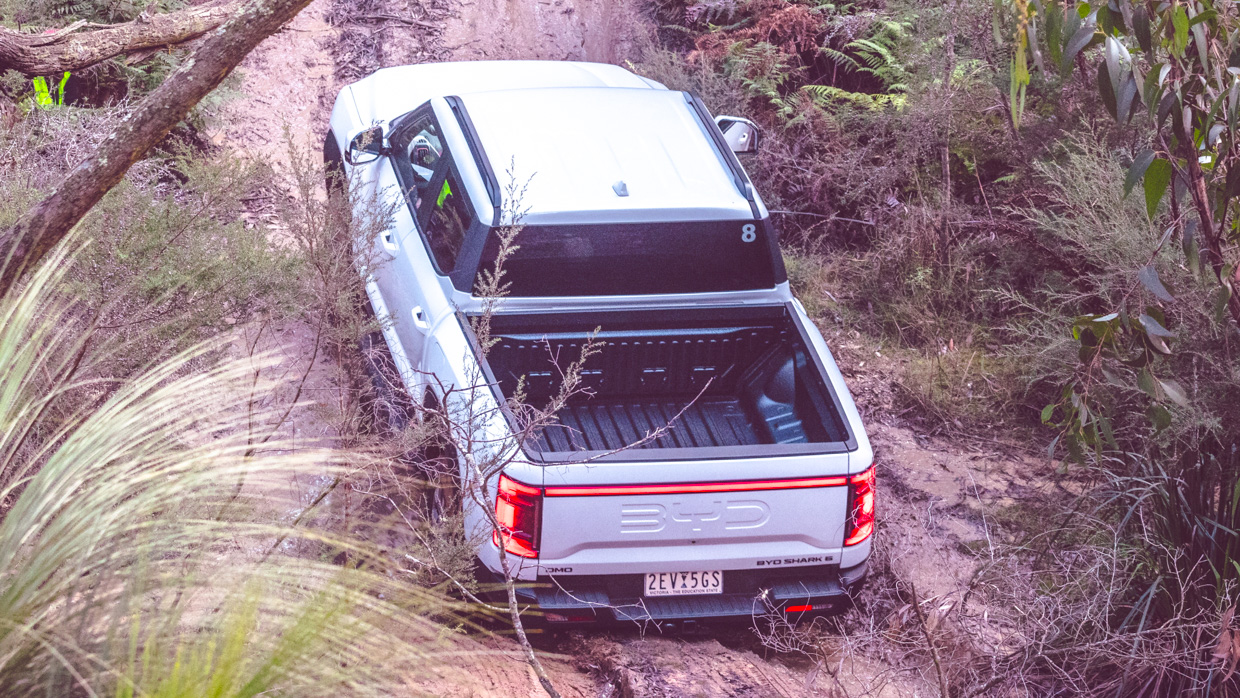
A less boggy, but still deeply rutted and off-set course gave us the opportunity to test the Shark 6 in more controlled conditions and importantly, at slower speeds. As any 4×4 expert will tell you, slower is always better, as you’ll break a lot less if the situation goes south.
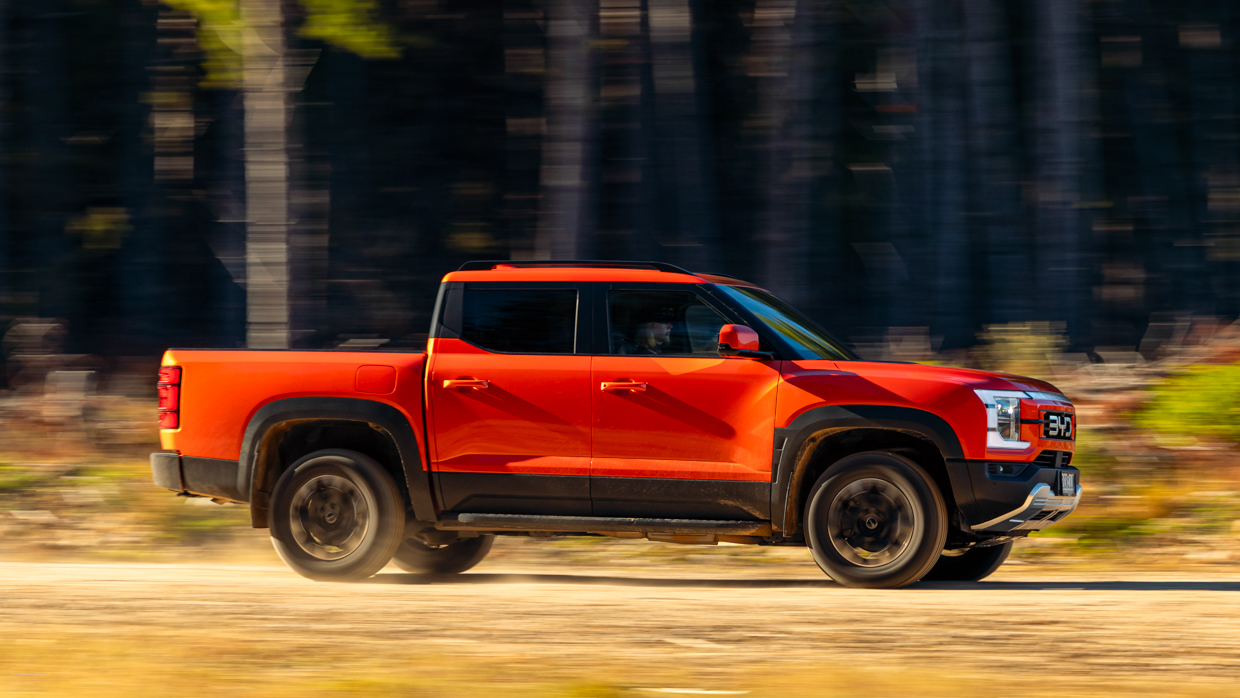
It was here we found the Shark 6’s ‘dead-pedal’ issue, where the ute will suddenly cut all power upon detecting slip off-road, was not quite resolved. Twice we had to retreat and approach with more momentum, but on the third attempt and subsequent ‘dead pedal’ moment, the Shark overcame its electric nannies and scrambled its way up the remainder of the hill.
Low-speed off-roading is still a relatively new concept to the Chinese market, BYD tells us, so the learnings here come straight from Aussie testing, and the evidence is clear.
In real terms, the Shark 6 has gone from being a ute that can tackle 70 percent of the off-road environments our country has to offer to roughly 85 percent, and that will be enough for most people.
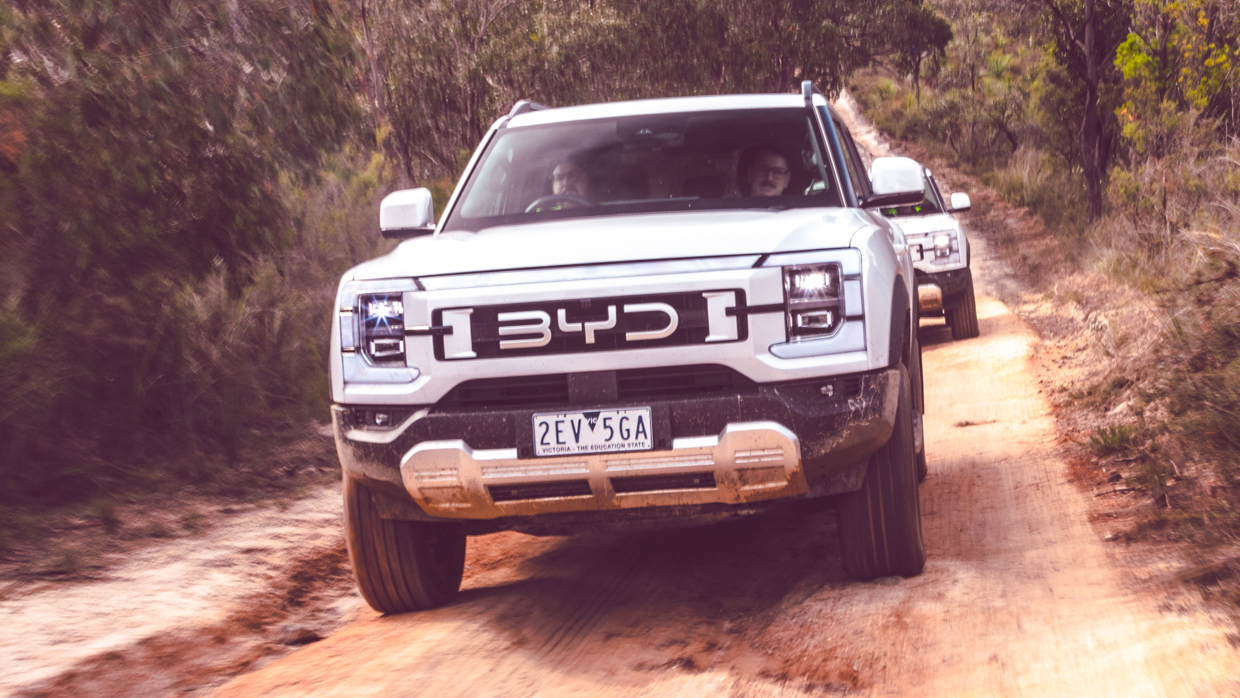
BYD has also sought to improve the Shark 6’s hill descent control in the latest update but the results here are poor and required driver intervention almost immediately to stop the near 2.8T beast rolling away.
On road, the Shark 6 Performance is the stark reminder of the benefits of electrification. Refinement is the immediate standout when compared to its diesel rivals, with the drivetrain near silent in all but high-load situations, such as towing, hauling or off-roading.
The ride comfort quality is less impressive, especially considering the implementation of ‘true’ independent rear suspension.
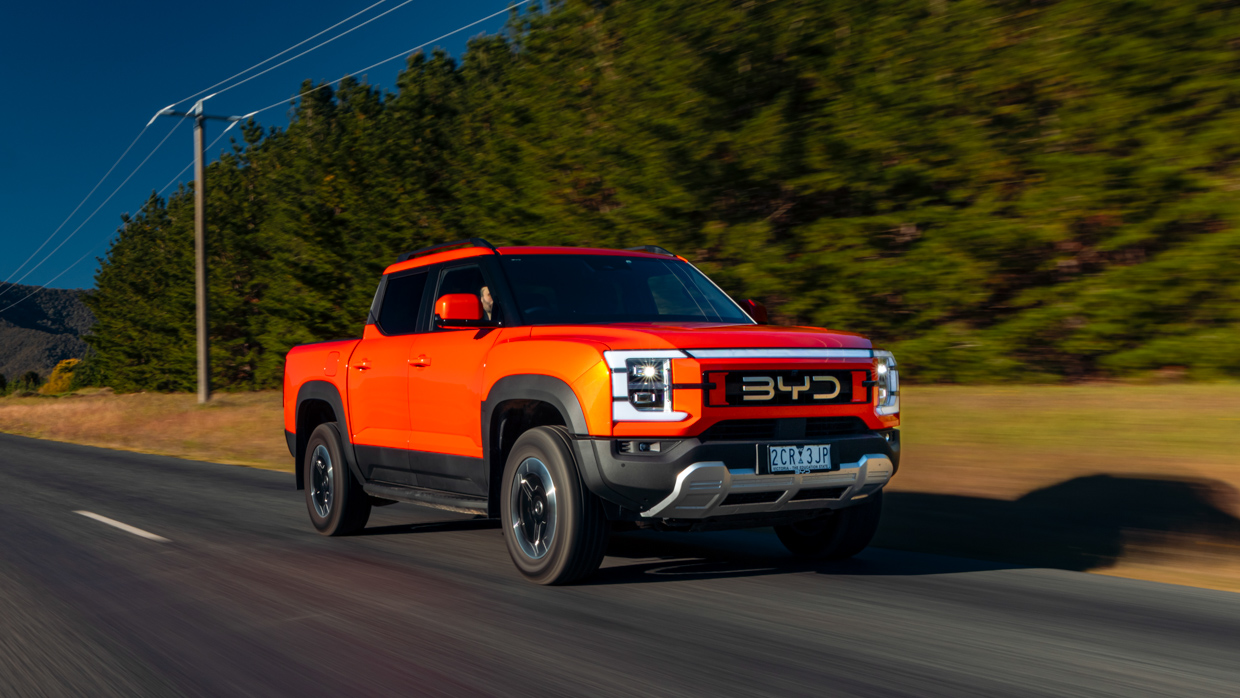
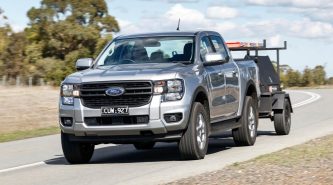
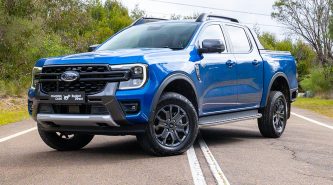
Jittery behaviour and some unladen harshness remain, and dynamically the Shark 6 doesn’t reach the loftier highs of diesel rivals such as the Ford Ranger and Kia Tasman.
BYD tells us the damping has been tweaked to suit the heavier 2.0L engine, but the spring rates are identical, resulting in a similar ride to the Premium.
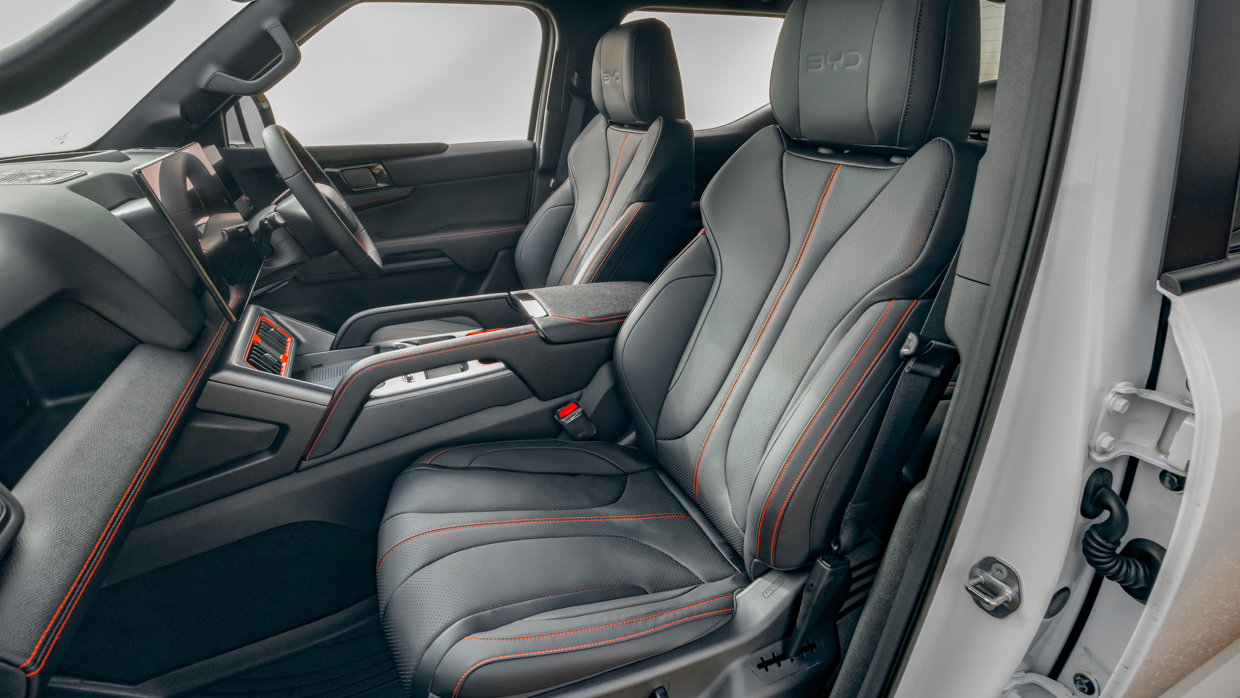
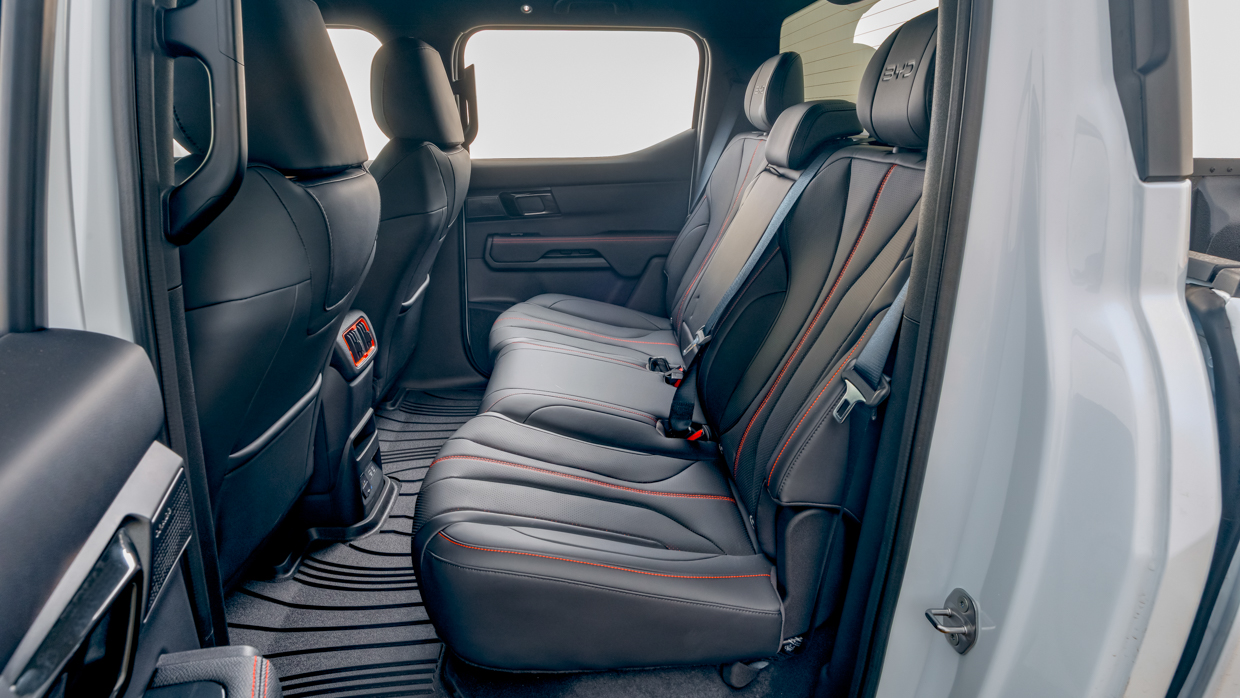
BYD’s goal with the new Performance grade was to retain the broad appeal of the Premium grade while enhancing capability. As a result, the interior is virtually unchanged.
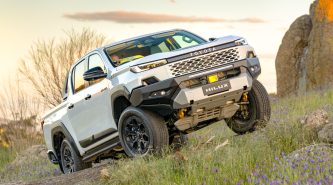
The Shark 6’s 5457mm length accommodates plenty of room for adults in both the front and back seats in a way that rivals such as the Toyota Hilux simply do not.
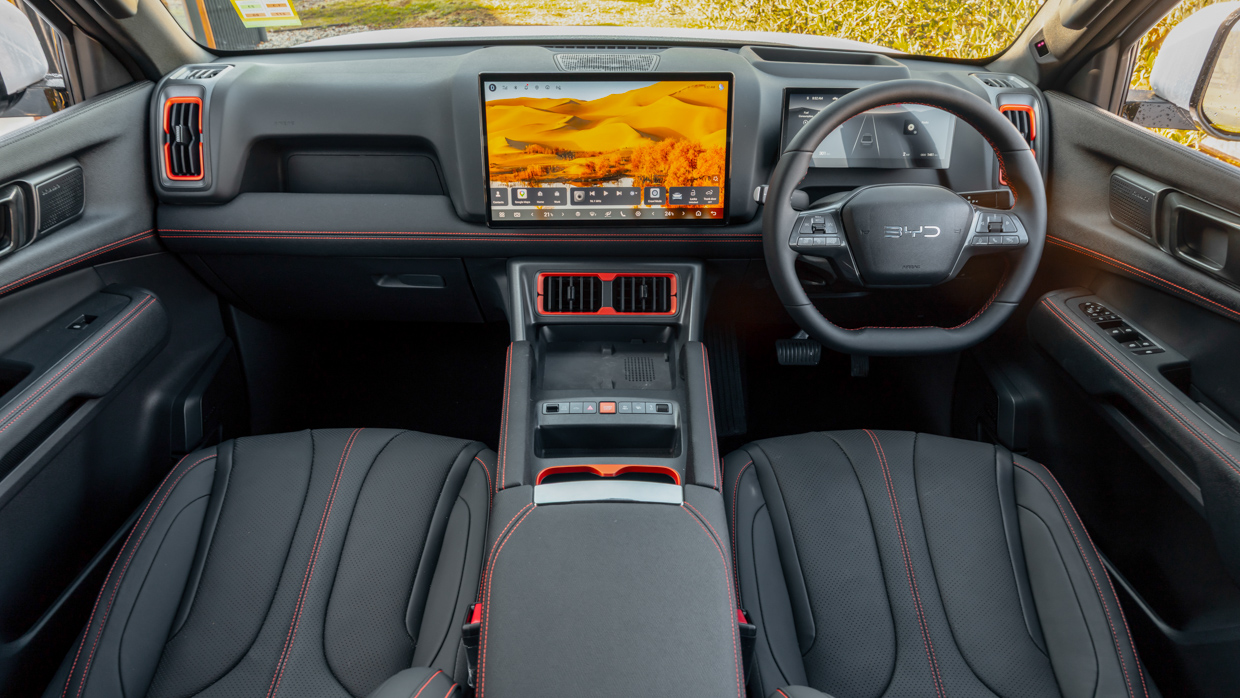
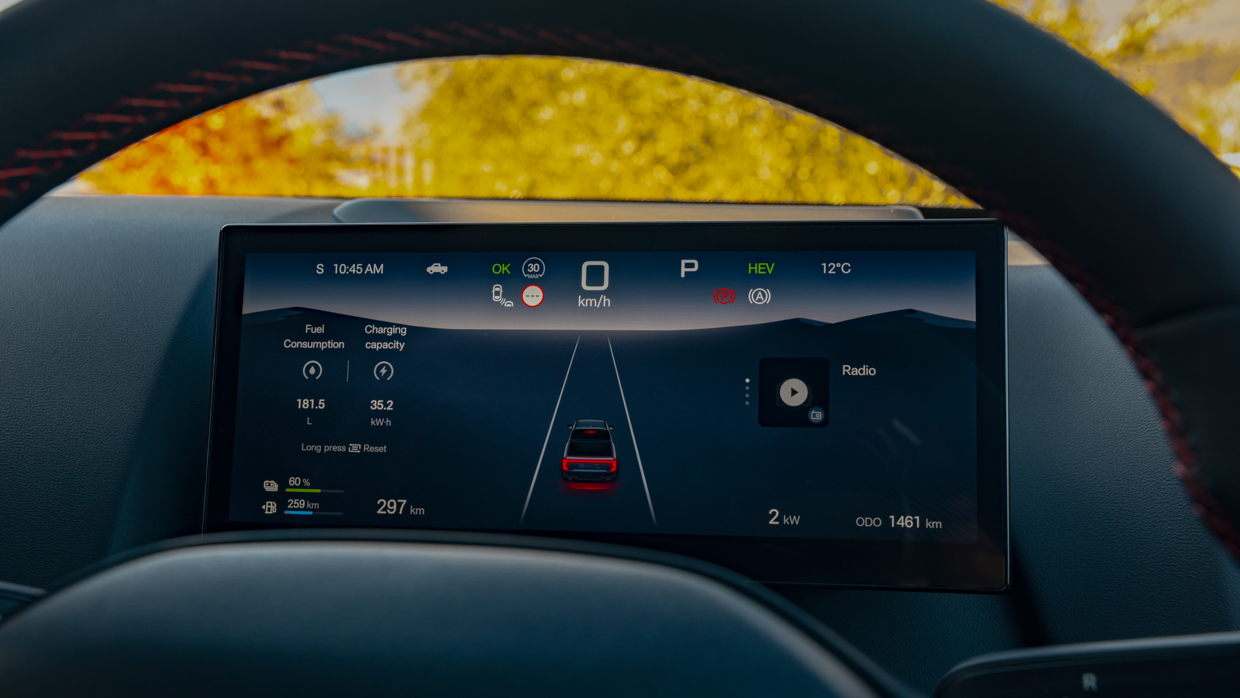
Materials aren’t lush inside the cabin of the Performance, but they aren’t harsh and scratchy either. Go too far on the luxury kit and the cabin space becomes prone to damage during adventuring, so the Shark 6 hits a nice balance for the price being asked.
Build quality is generally solid in the Shark 6, but we did encounter some creaking cabins in our initial drive showing there is room to improve. The synthetic leather seats are relatively comfortable and feature both heating and cooling upfront.
As part of BYD’s rolling lineup changes, the Performance has switched from a traditional central shifter on the console to a column selector on the right side of the wheel. A change which will eventually roll out to the Premium and Dynamic grades.
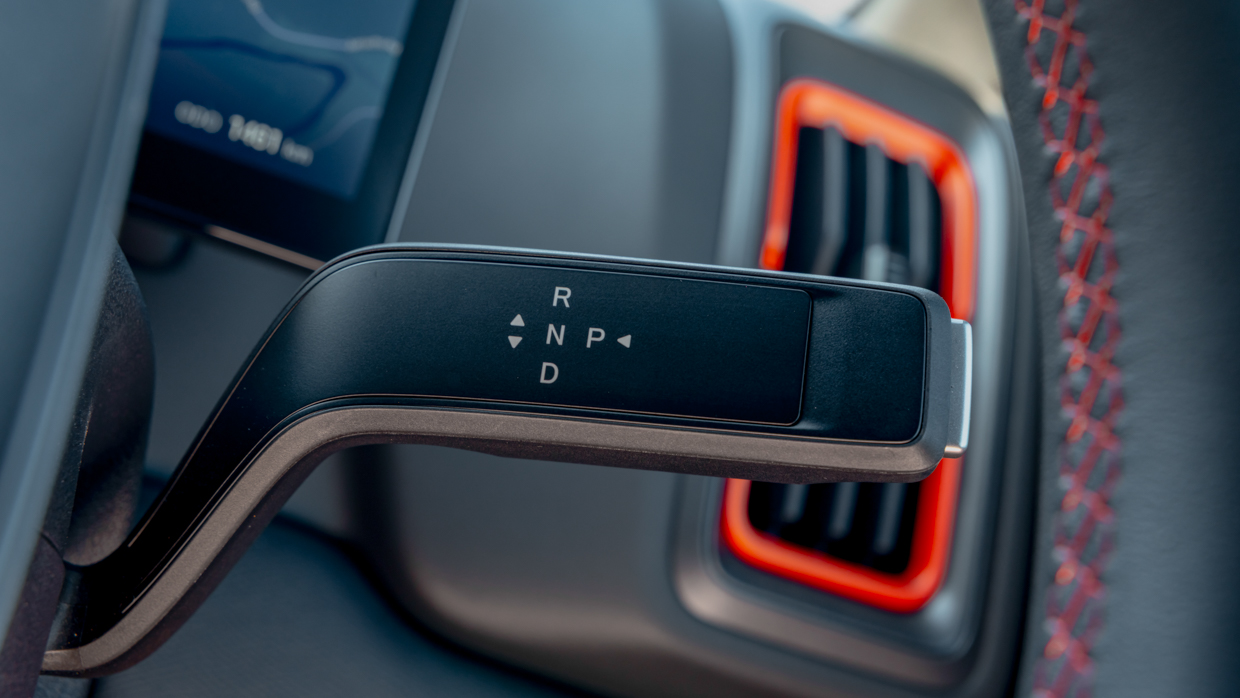
The move fills up space for storage in the centre, but the trade-off forces both wiper and indicator controls into a single stalk. Annoyingly, this requires the driver to turn on the headlights via the touchscreen.
As mentioned above, the Performance fits a synthetic leather steering wheel instead of a genuine leather item which feels significantly less pleasing in the hand.
Easy access drive mode selectors on the bottom of the wheel, along with the fun aircraft-style toggle switches on the centre console, are also put out the pasture for a more finicky setup.
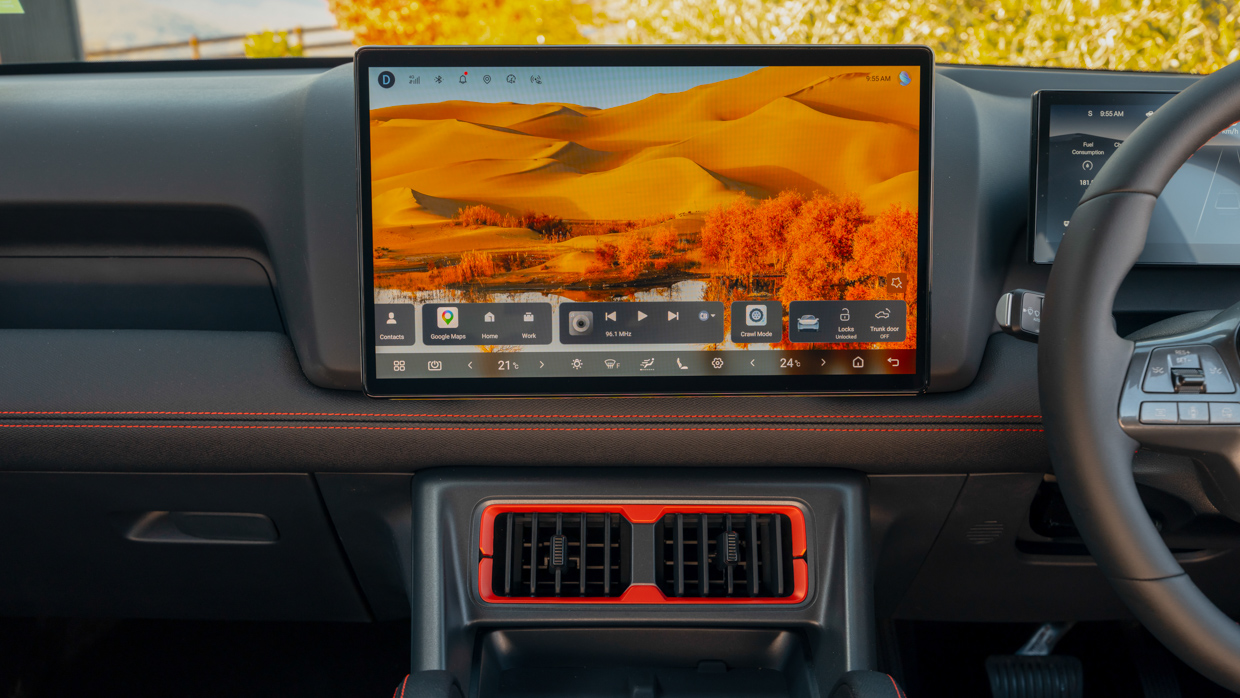
While the 15.6-inch multimedia screen no longer spins between portrait and landscape orientation, it now features Google Automotive Services – not to be confused with Android Automotive – that lets users install specific apps such as Google Maps within the BYD interface.
A trio of 230V three-pin plugs remain the Shark 6’s party piece in the tray, with more inside the cabin. Able to draw from the massive underslung battery, the ute can turn into a rolling power station when you need it.
The initial launch event didn’t give us enough time to measure real-world efficiently, but it comes at a time when BYD is transitioning from using the less accurate NEDC standard, to the more honest WLTP, starting with the new Performance grade.
The Dynamic and Premium, still use NEDC, so while the pair quote an electric driving range of 100km, and the Performance an inferior 80km, we expect the difference to be far less significant. All three use the same 29.6kWh LFP battery, with a respectable maximum DC charging speed of 55kW, but AC charging still lags behind at a peak of 7.0kW.
Combined range of the Performance is quoted at 640km under the stricter standard, which is rather brief for a ute. Partly to blame is the 60-litre petrol tank shared among all grades.
A 10.5L/100km average fuel economy is quoted when the battery’s state of charge falls below 25 percent, but improves dramatically to just 1.3L/100km when above 25 percent.
In terms of warranty, the Shark 6 continues to be covered by a six-year/150,000km vehicle warranty, and an eight-year, 160,000km warranty on the battery and electric drivetrain. Servicing intervals are every 12 months or 20,000km, with a capped cost of $3766 over five years.
Budget Direct told us the median annual premium purchased for the first time between 1/4/25 and 1/4/26 to comprehensively insure a new BYD Shark 6 was $2194. Individual circumstances and policy terms may vary.
Of course, everybody’s situation is different, and the premium will vary according to make and model, and other things insurers take into account, such as your postcode, driving history, who drives the car, where you garage the car and more.
Please quote for yourself. Subject to meeting underwriting criteria. Insurance issued by Auto & General Insurance Company Limited. See PDS & TMD at budgetdirect.com.au.
Updated and enhanced, the Shark 6 shows again that it’s not quite the ute for everyone, but by taking a two-pronged approach with the tradie-focused cab-chassis and beefier Performance grade, it’s better suited to more buyers than ever before.
Initial testing has reflected well on BYD’s local R&D program and their goals to improve some pretty serious flaws in the Shark 6’s package.
Chasing Cars is also especially pleased to hear the new Crawl Mode will be rolled out to the existing Premium buyers in an over-the-air update coming in the next few months, though it does make the argument to upgrade to the new Performance a difficult one.
BYD expects the new Performance to account for roughly 25 percent of new Shark 6 sales, but our feeling after this initial test is that figure is likely to be fairly conservative.
Key specs (as tested)
About Chasing cars
Chasing Cars reviews are 100% independent.
Because we are powered by Budget Direct Insurance, we don’t receive advertising or sales revenue from car manufacturers.
We’re truly independent – giving you Australia’s best car reviews.
The estimate provided does not take into account your personal circumstances but is intended to give a general indication of the cost of insurance, in order to obtain a complete quote, please visit www.budgetdirect.com.au. Estimate includes 15%^ online discount.
^Conditions Apply
Budget Direct Insurance arranged by Auto & General Services Pty Ltd ACN 003 617 909(AGS) AFSL 241 411, for and on behalf of the insurer, Auto & General Insurance Company Limited(ABN 42 111 586 353, AFSL 285 571).Because we don’t know your financial needs, we can’t advise you if this insurance will suit you. You should consider your needs and the Product Disclosure Statement before making a decision to buy insurance. Terms and conditions apply.
Indicative quote based on assumptions including postcode , 40 year old male with no offences, licence suspensions or claims in the last 5 years, a NCD Rating 1 and no younger drivers listed. White car, driven up to 10,000kms a year, unfinanced, with no modifications, factory options and/or non-standard accessories, private use only and garaged at night.
^Online Discounts Terms & Conditions
1. Discounts apply to the premium paid for a new Budget Direct Gold Comprehensive Car Insurance, Third Party Property Only or Third Party Property, Fire & Theft Insurance policy initiated online on or after 29 March 2017. Discounts do not apply to optional Roadside Assistance.
2. Discounts do not apply to any renewal offer of insurance.
3. Discounts only apply to the insurance portion of the premium. Discounts are applied before government charges, taxes, levies and fees, including instalment processing fees (as applicable). The full extent of discounts may therefore be impacted.
4. We reserve the right to change the offer without notice.