Powered by

-
Car Reviews
Latest reviews
- Car News
-
Car Comparisons
Latest comparisons
- Chasing Deals
Latest reviews
Latest comparisons
The Porsche 911 GT3 S/C might sound like a purist’s nightmare, but this manual-only cabriolet makes a case as the most emotionally satisfying modern GT3 yet
When it comes to the Porsche 911, I’m instinctively a coupe person, and not a cabriolet guy — yet, if I were ordering a GT3 in 2026, it would be difficult to walk past choosing the new open-top S/C variant, despite the pull of the slick-top Touring I’d normally prefer.
There’s a big reason the new S/C has such pull: if European emissions regulations don’t change course, we’re probably approaching the time when the GT3’s combination of natural aspiration and manual gearbox will have to go extinct.
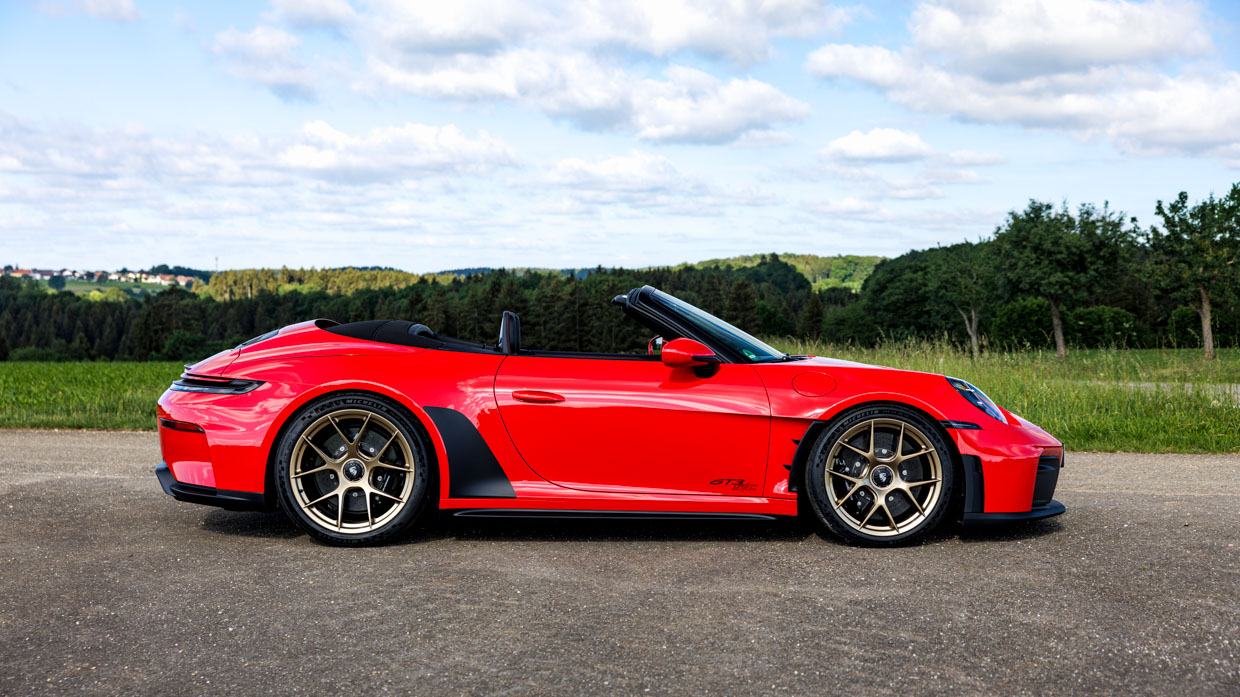
Unless there is a major change of heart among the EU lawmakers in Belgium who decide these matters, it is going to be tough for Porsche to keep building 9000-rpm screamers you can row yourself after 2028 or 2029.
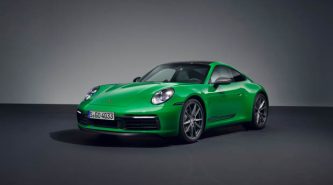
I feel like I’m already suffering premature FOMO for when the death knell rings, and that in turn is making me go against the internal monologue telling me I’d put my money down on a green GT3 Touring and be done with it. If the beauty and chaos of the atmo’ flat-six isn’t long for this world, I’d want to be as close to it as possible.
And that means no roof. It’s simple: the S/C cabriolet brings you closer to the mechanical symphony. You feel more involved, while also enjoying side benefits of the convertible experience: taking in the sights, sounds, and smells of the countryside as you traverse it rather quickly.
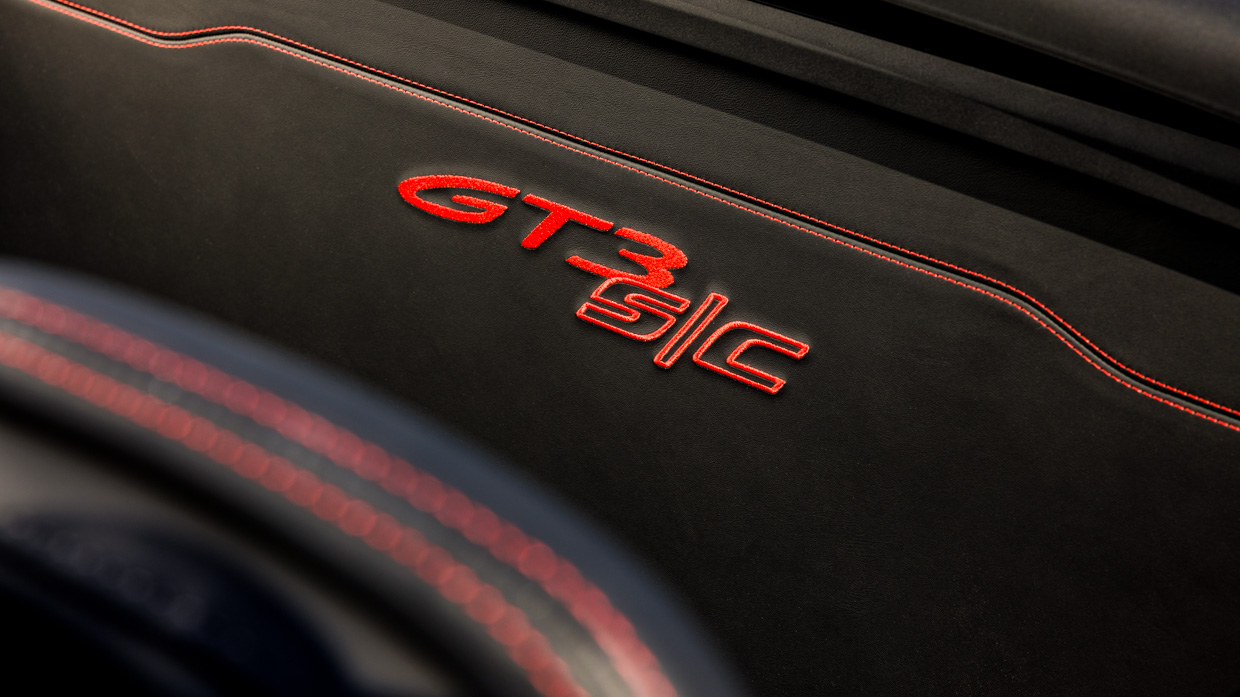
The S/C isn’t the first open-bodied Porsche GT car — and a good cohort of enthusiasts have been critical of the decision to follow up the more bespoke 991-generation Speedster with a series production model based on the standard 911 cabriolet.
But as Porsche GT director Andreas Preuninger told Chasing Cars at the German launch of the S/C, many more GT3 customers these days are seeking a more cultivated experience they can live with and drive every day, even if the weather turns inclement: enter the power soft-top.
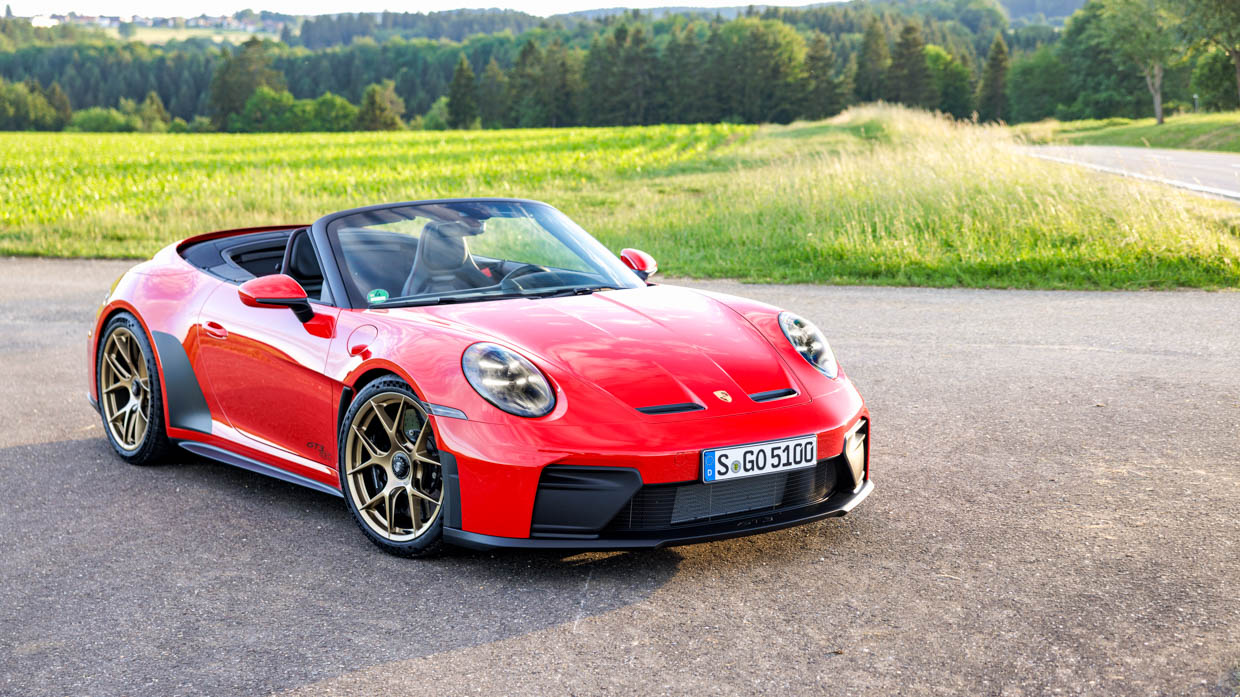
As if by magic, the challenging, swift and sinewy Swabian Alb route used for the S/C’s roadgoing premiere turned on exactly those conditions: late-20s and warm enough for a light sunburn in the morning — then 10 degrees cooler and teeming with rain later on.
Let’s say you can wrap your ego around the idea of being a convertible person. Has the S/C become the ultimate naturally aspirated 911 experience? And is this a car you should snap up for $588K plus on-road costs before politicians call time on the recipe?
This is an extremely expensive 911, even before Porsche’s famously tempting options catalogue enters the equation — and before you consider going crazy with Exclusive Manufaktur or Sonderwunsch customisation.
But unlike some Porsche GT cars that have existed mainly as collector bait, the S/C is not a numbered limited edition. Buyers can order it for as long as Porsche is willing and able to build it.
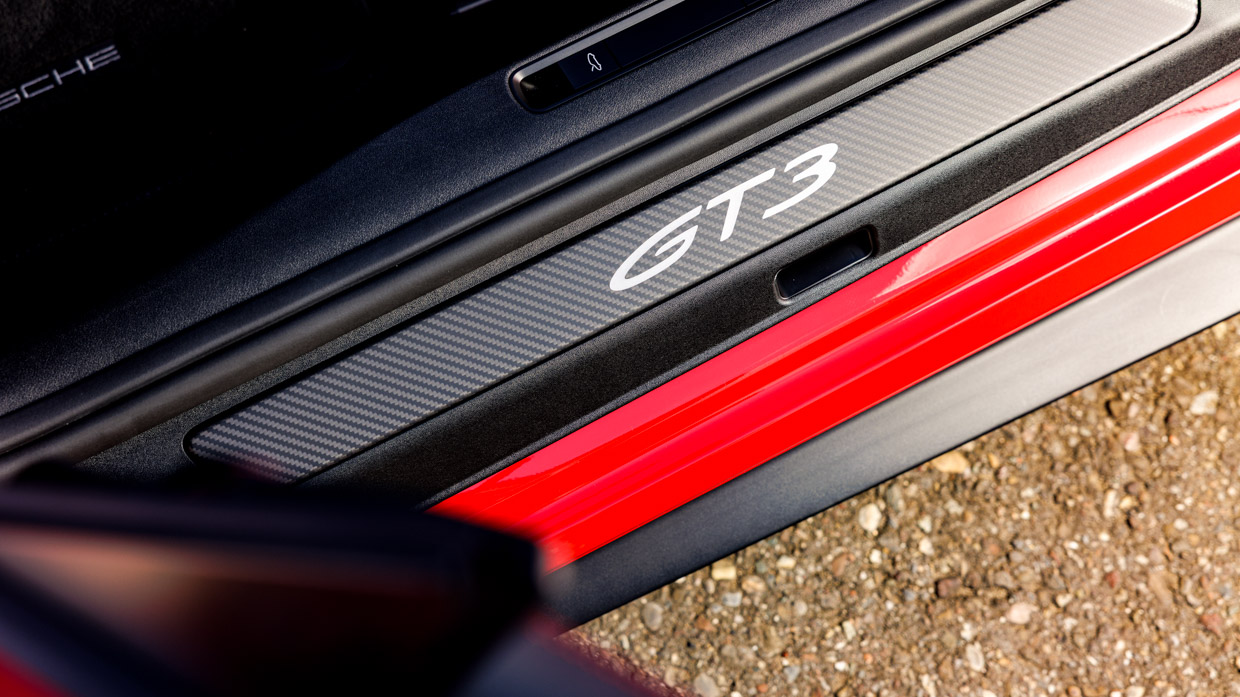
That caveat matters: the S/C exists in 2026 as a kind of anti-modern sports car. The only option here is a six-speed manual convertible with rear-wheel drive — no turbo, no hybrid.
Mechanically, the S/C combines the current 992.2 GT3’s 4.0-litre naturally aspirated flat six-cylinder petrol engine with elements of the lightweight 911 S/T and the open-top Carrera Cabriolet body.
The engine produces 375kW of power and 450Nm of torque, revs to 9000rpm, uses individual throttle bodies, dry-sump lubrication, titanium connecting rods, forged pistons, and solid cam followers. Getting it through emissions meant fitment of two particulate filters and four catalytic converters.
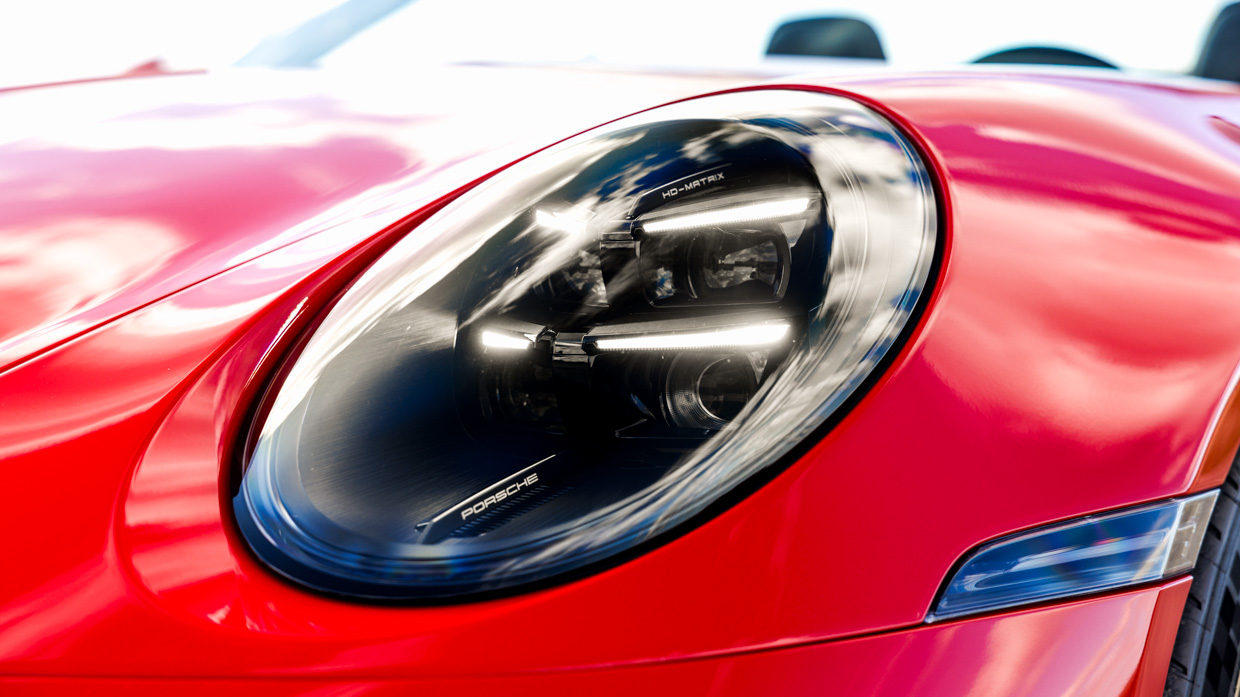
Every S/C uses a short-ratio six-speed ‘GT sports’ manual transmission, which Porsche says is 17kg lighter than the PDK — making the stick-shift one of the crucial ways this car scraped under 1500kg. The manual brings shortened shift travel and reduced cable damping.
The numbers are impressive: 0-100km/h takes 3.9 seconds, and top speed is 313k/h. But in an era of monstrously powerful EVs and far quicker 911 Turbo models, outright pace isn’t the point here.
Weight is more central to the character of the S/C. Porsche claims a kerb weight of 1497kg, making this the lightest open-top 911 in the range. That result comes from carbonfibre front guards, doors, anti-roll bars and rear shear plate; a compact lithium-ion starter battery, standard ceramic composite brakes, and forged magnesium centre-lock wheels.
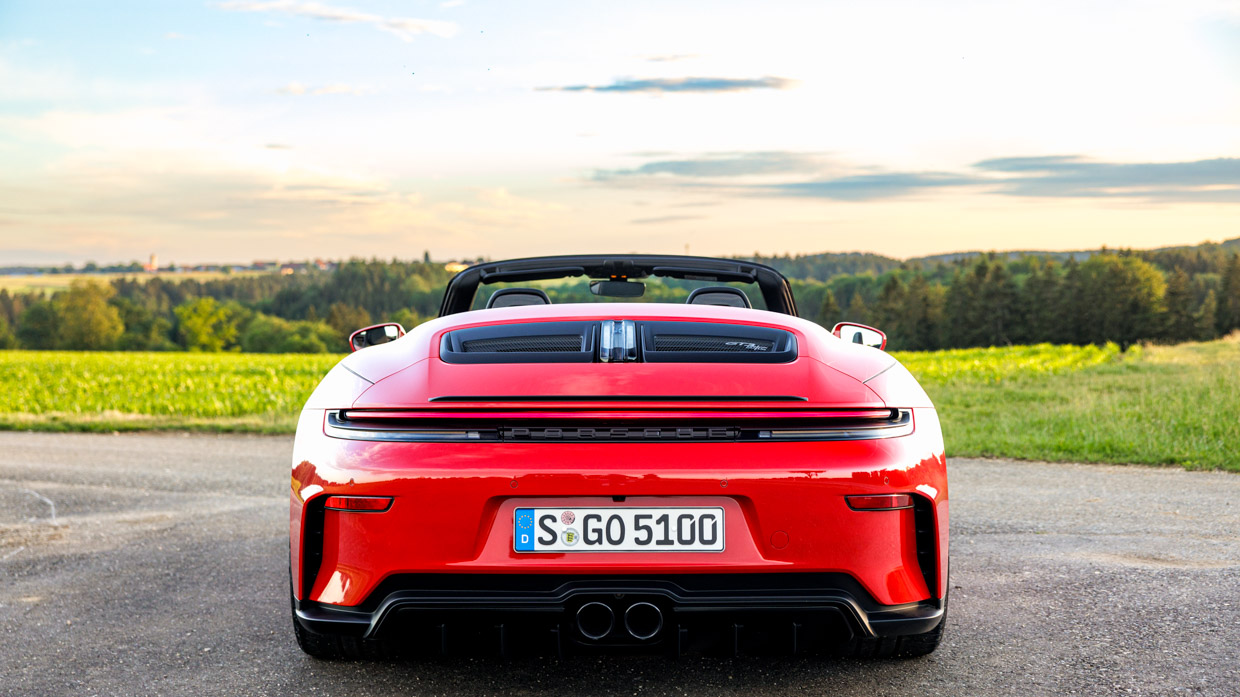
The staggered rims measure 20-inch at the front and 21-inch at the rear, and Porsche says they reduce rotating mass by around 9kg compared with comparable aluminium items. The PCCB ceramic brakes use 410mm front and 390mm rear discs.
The roof is also special: unlike the old Speedster, which used a manual arrangement, the S/C benefits from the fully automated setup with magnesium ribs, front roof frame and rear window frame, opening and closing in around 12 seconds at speeds of up to 50km/h.
A strict two-seater, the S/C can be fitted with a lockable 80-litre storage box to fill the open luggage area behind the front pews (in addition to its small frunk). Sports Seats Plus are standard with the lightweight carbonfibre buckets of our tester being optional.
It’s hard not to start by talking about the engine, because the sound and vibration of the six’ dominates first impressions. With the roof lowered, the S/C lets in not only the exhaust note but also the harder-to-capture induction sound that makes the 4.0-litre feel alive in a way almost nothing else on sale does.
Completely winding out the engine brings out different instruments in the orchestra. At low revs, there is a familiar and bassy horizontal-opposed grumble, hardening to a loud rasp in the midrange. Push towards higher engine speeds and the engine wails outrageously for a car that manages to be emissions-compliant in 2026.
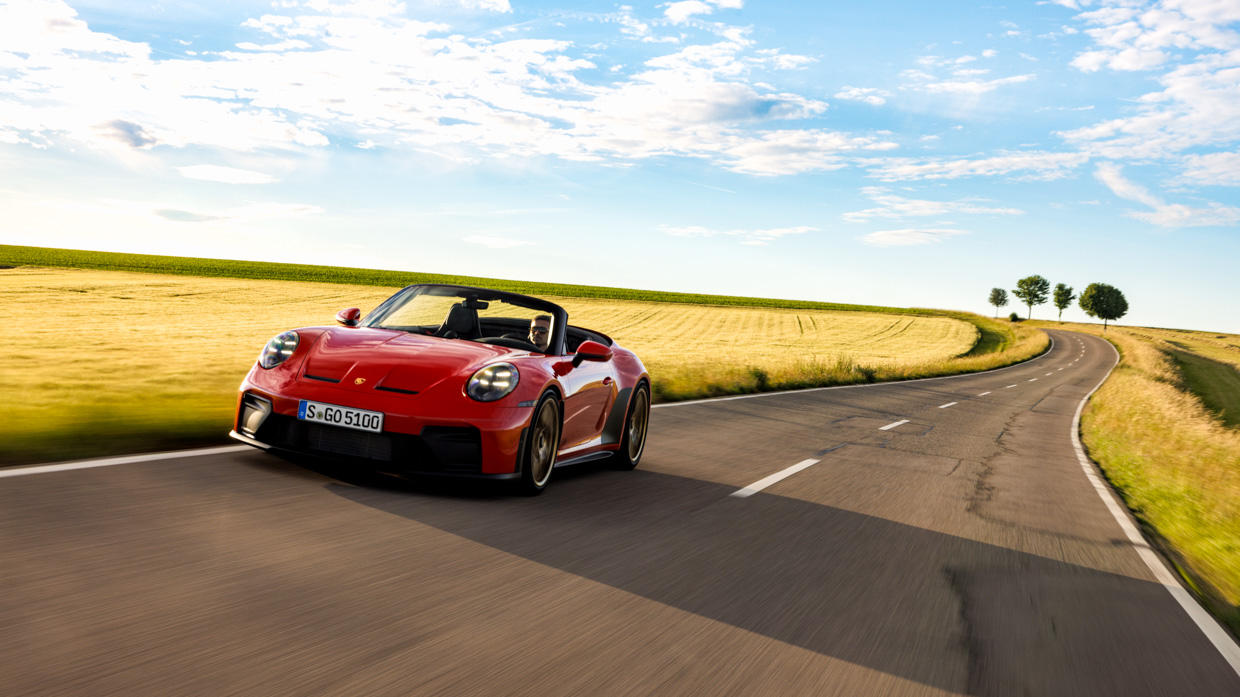
It could possibly be a touch louder — 10 or 15 percent? — but that’s nitpicking, and this reviewer has hearing damage, anyway … the reality is that few modern performance cars sound this real and pure.
The manual gearbox is a significant contributor to the experience. The shift is short, fast and mechanical, with enough effort to feel serious without becoming laborious on a longer blat.
Downshifts snap off beautifully (with perfect auto-blip function if you want it), though pedal spacing is good for heel-toeing.
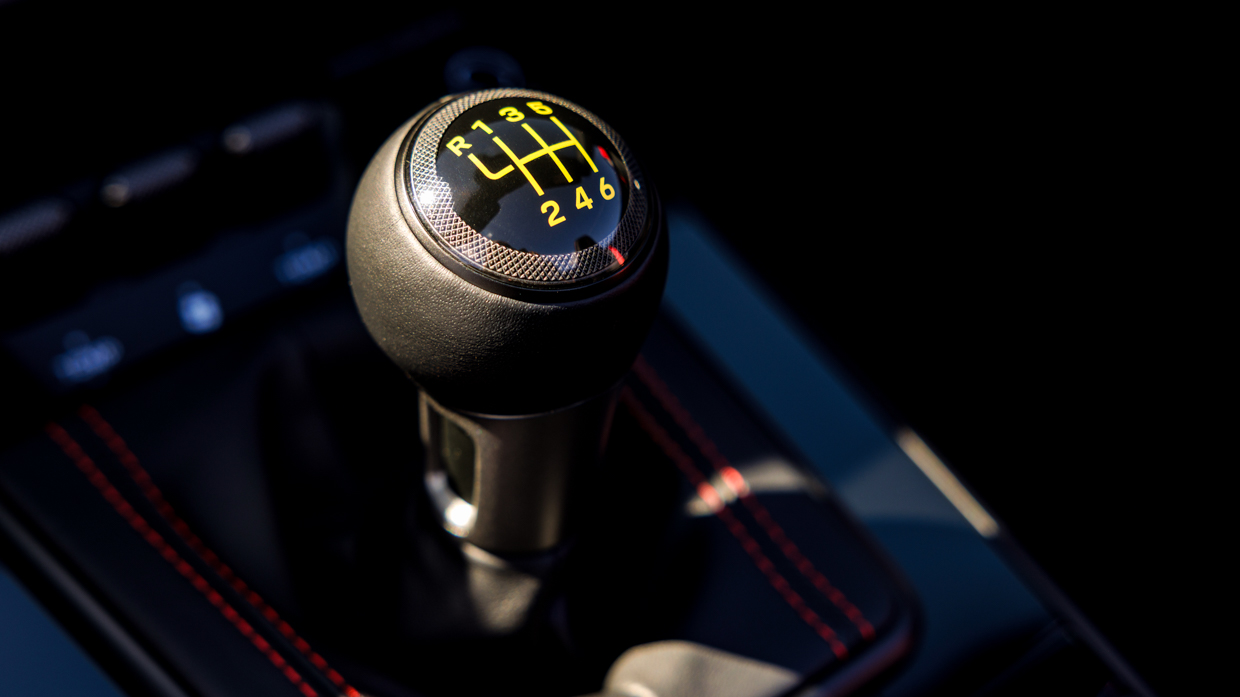
What stands out is the consistency of the control surfaces. The throttle can be manipulated by the millimetre with perfect engine response. The steering is layered and detailed immediately off-centre. The brakes are sensitive but not touchy. Nothing here is lazy or slack.
Yet the S/C is not intimidating or tiresome in the way bystanders might expect a GT3 to be.
While it’s not as easygoing as a 911 Turbo, and it will punish arrogance and grabbiness if you turn stability control completely off, this is a car that can be remarkably easy to drive, even on serious Michelin Pilot Sport Cup 2 tyres.
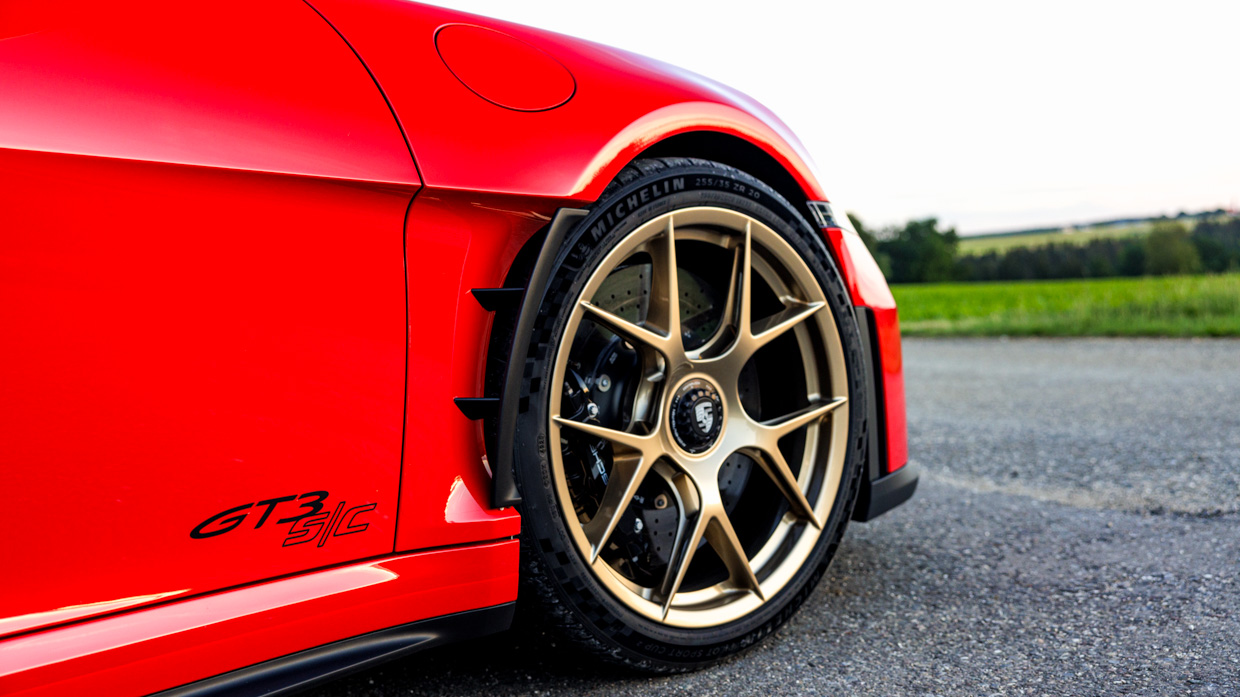
In dry conditions, grip levels are simply immense and the S/C encourages you to lean into it, and to fully exploit the chassis. In the wet — which drifted in and out on our test day — the same tyres and rear-engine layout naturally demand respect, but stability and traction systems work with enough subtlety to avoid ruining the experience.
For us, the biggest surprise was the immaculate damping. As you’d hope, the S/C has a firm ride — but the way it rounds edges off broken surfaces is sensational for a car with this level of focus.
It avoids thumping or crashing in the way you might expect, with very low unsprung mass and double-wishbone front suspension playing crucial roles.
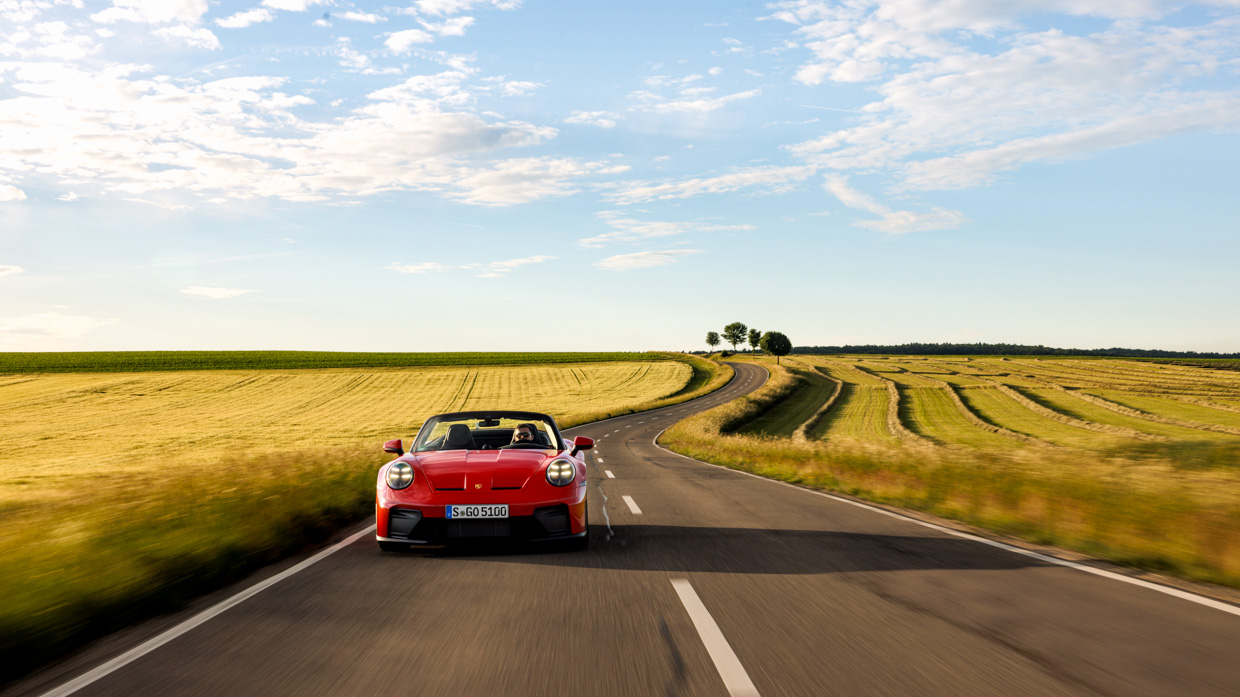
Body control is exceptional. There is virtually no roll, and despite being a cabriolet, little in the way of detectable scuttle shake. Porsche claims you’d need to be a racing driver on track to pick the S/C apart from a GT3 coupe; while that might be a slight stretch for experienced slicktop owners it’s not far off reality.
It’s a fact that the convertible gives away little that matters, and in fact it adds plenty: a good sense of what’s around you. Birds, wind, warm or cold air, smoke from chimneys, freshly cut grass … the broad, sensory sweep of a great road on a good day. In the S/C, that’s part of the ‘why’.
Like other 911 variants, the cabin of the S/C is one of the best on the market today because Porsche understood the difference between useful tech, and tech for the sake of it.
While we miss older analogue, and then partly-analogue, instruments of 911s gone by, the new fully digital cluster is one of the better executions of the idea with a curved 12.6-inch display that can recreate classic five-dial layouts, and a Track Screen model that strips info back to the essentials: tyres, oil, coolant, fuel.
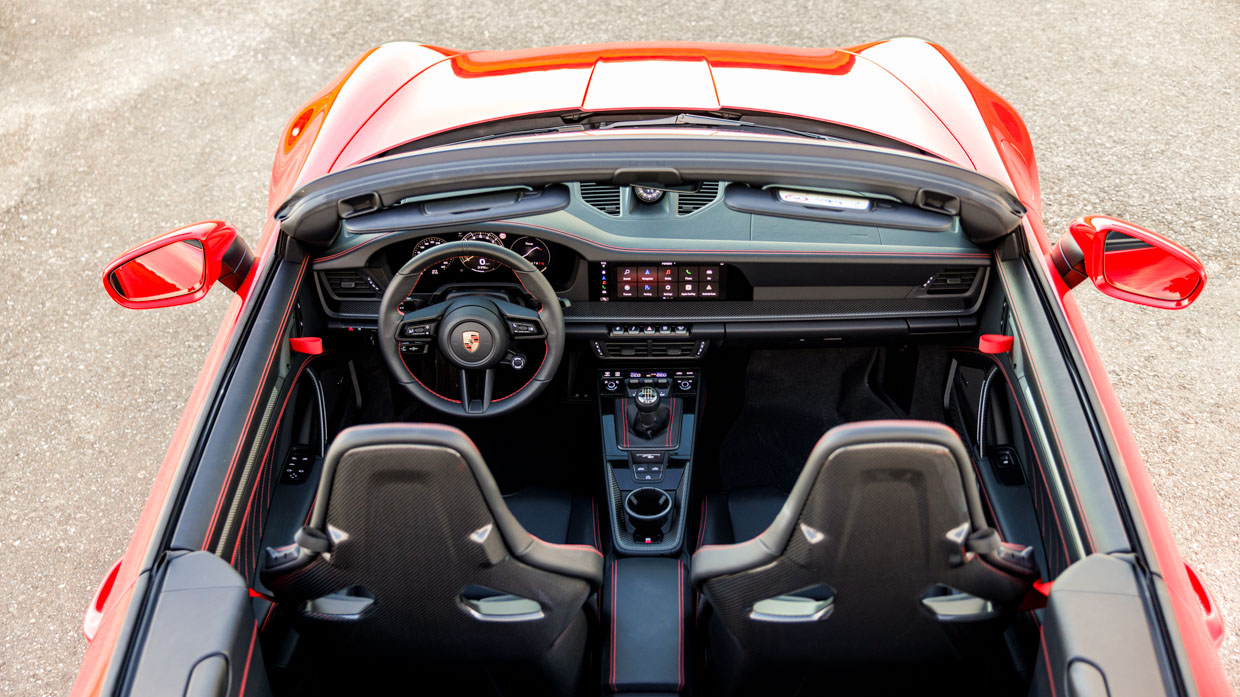
The central touchscreen is properly embedded into the dash rather than perched on top like an afterthought. It’s snappy, easy to use, and shielded from glare better than many rival systems. Wireless Apple CarPlay and Android Auto are available, and the newest Porsche Communication Management system brings good app functionality.
Also, the fundamentals are spot on. The steering wheel is round. The manual shifter is placed precisely where it should be. Drive-mode control is simple. There are also toggles for key functions like fan speed and temperature and the air vents can still be adjusted rapidly without diving into the screen.
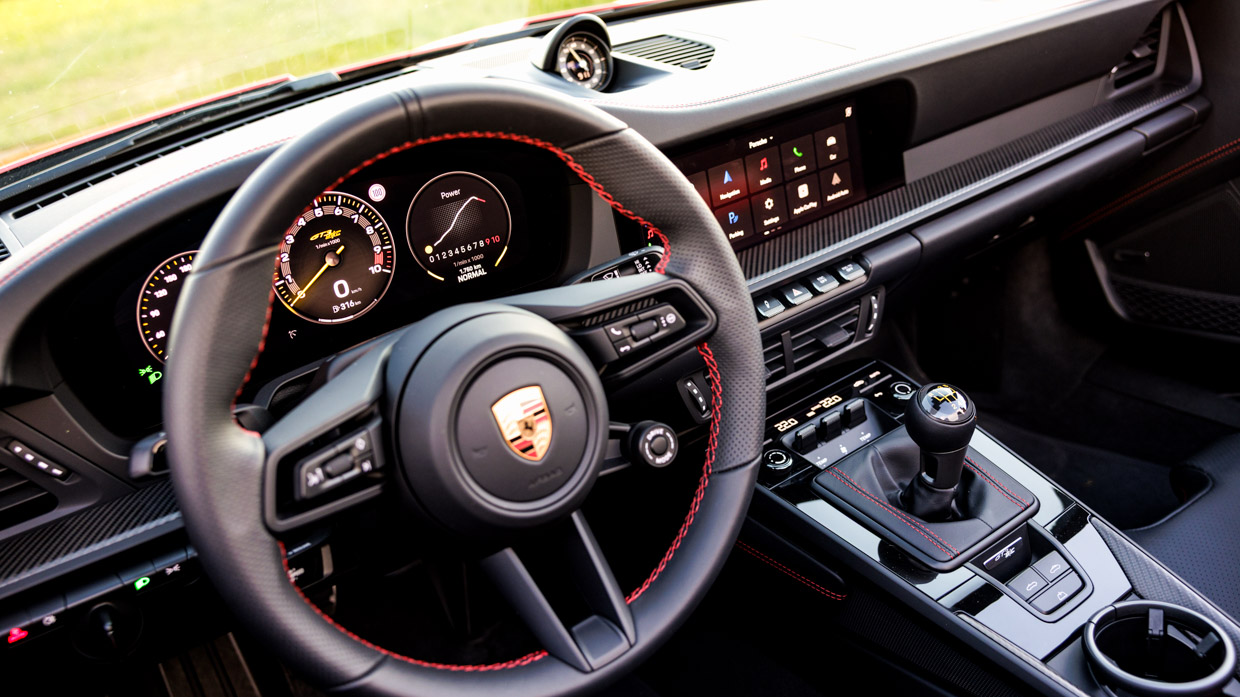
Lightweight touches are also part of the experience. The doors are incredibly light to open and close and the fabric loops to open them remain whimsical, even though standard finishes here include extended leather.
Seat choice deserves careful thought. The optional carbonfibre buckets look superb and suit the car’s character, but they certainly do not suit every frame. For me, they were far too narrow around the legs and not comfortable over distance. Getting in and out is also tough.
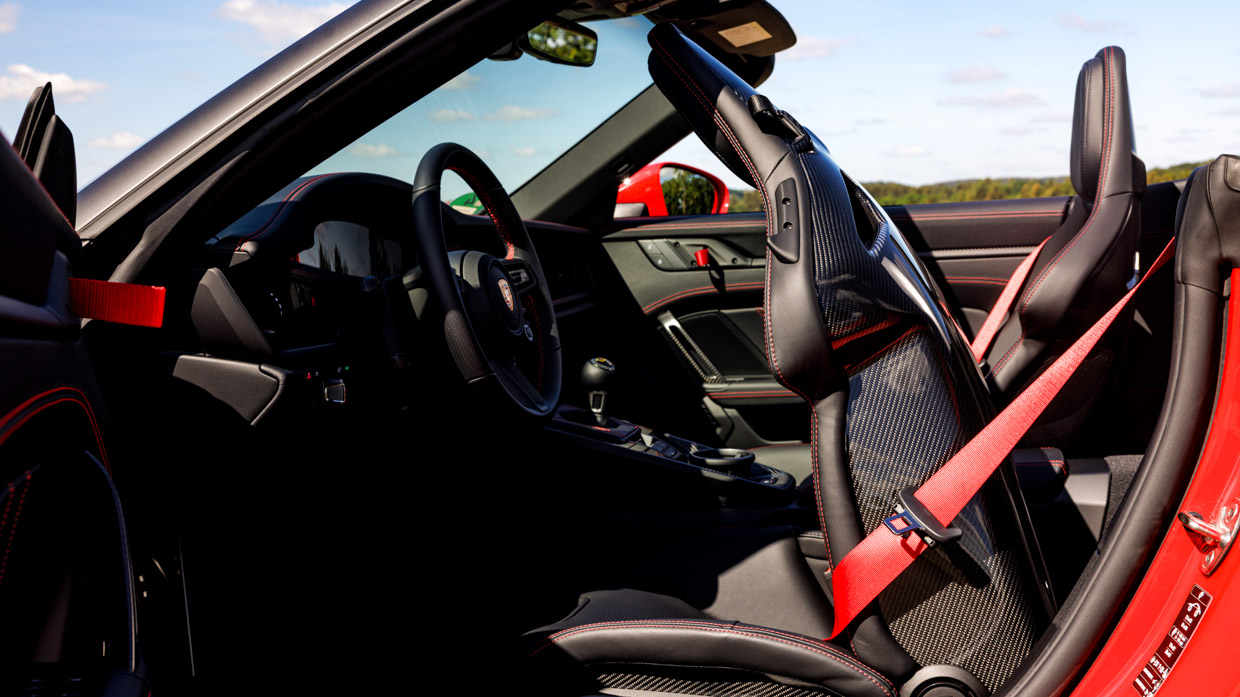
You should choose what suits you, but give careful thought to the standard Sport Seats Plus or optional 18-way adaptive pews. The latter also unlocks seat ventilation for the first time in a GT3 model, which would likely be worth it for a convertible in Australia.
A GT3 convertible that will return little change from $700,000 on-road is hardly rational transport, but the S/C makes a better case for itself than some rivals when it comes to ownership costs.
Official WLTP consumption is listed at 13.7L/100km with CO2 emissions of 310g/km. In reality, the number depends entirely on your restraint.
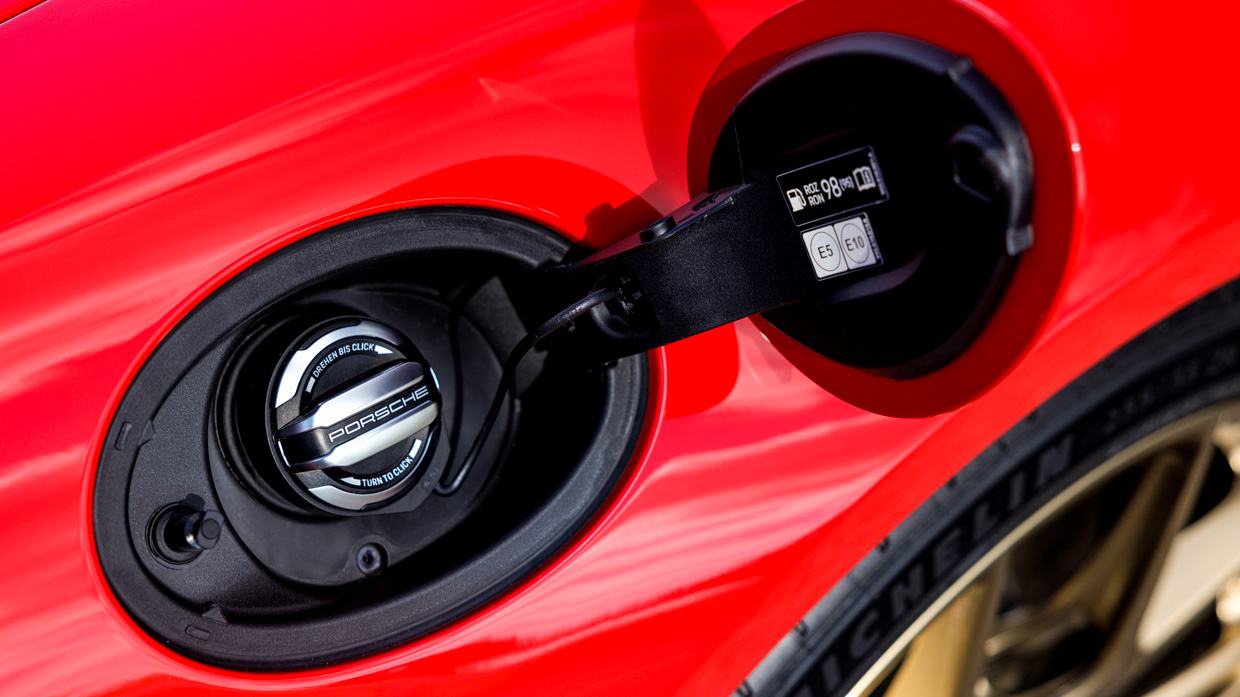
While this is not a car that encourages a light right boot, cruising on the highway will see efficiency rise (to around 11L/100km), but even having a real crack only saw our results rise to around 16.9L/100km. Not great, not terrible.
Porsche trails much of the rest of the industry on service and warranty arrangements, however. The brand’s standard three-year warranty is shorter than most, though it can be extended (for a fee) for many years.
No capped price servicing plan applies to the 911, and the complex nature of the GT3 S/C with many key items to inspect means that annual maintenance will not be cheap. And that’s before you factor in consumables.
The GT3 S/C is a great argument against the widely held view that the GT3 badge should not be affixed to cabriolet models.
Naturally, Porsche has great options for cabrio-phobes. The ‘regular’ GT3, and GT3 Touring, are phenomenal coupes and normally I’d be first in line for the latter.
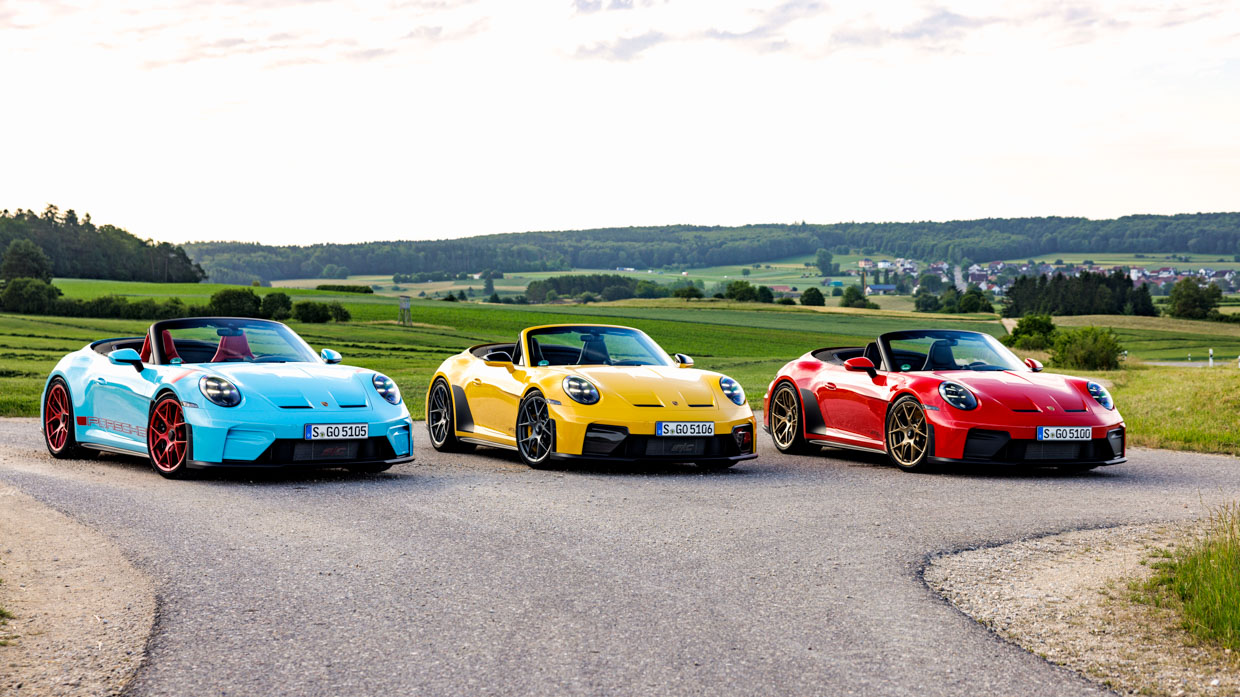
But the bleak outlook for cars like this increase the desirability of the S/C. If this is one of the last windows of time in which Porsche can still build a car like this without turbocharging or electrification, how close to the experience would you like to be?
For me the answer is ‘as close as possible’.
The S/C brings you that much nearer to wild induction sound, blaring exhaust, the road and the landscape around you — and it does so without turning the GT3 into some kind of floppy, compromised ‘lifestyle’ product in convertible form.
This car remains precise, composed, rigid, beautifully damped, and ferociously involving.
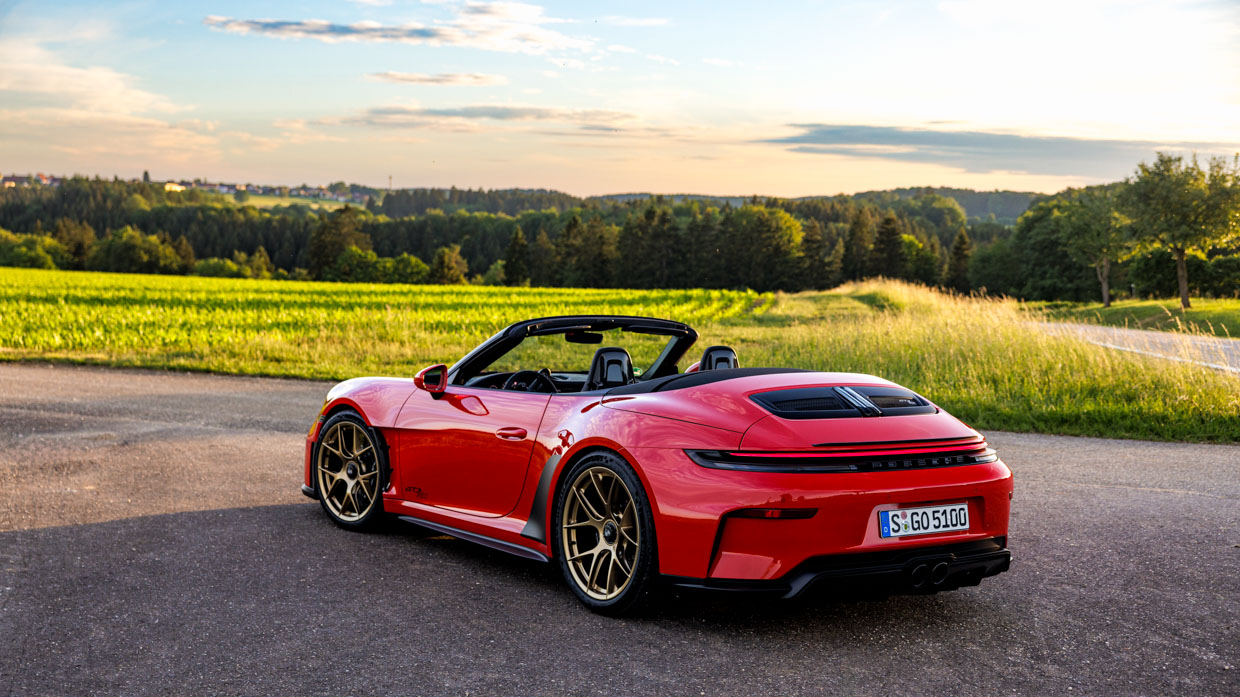
Sure, it isn’t perfect. The bucket seats are narrow, getting in and out is awkward, and some purists might even think the S/C is too polished for its own good.
That polish is part of why the S/C is so remarkable. Porsche has brought enormous engineering effort to bear here, to create a car that somehow feels quite simple and straightforward despite its complexity.
That’s a rare thing. The S/C is one of the most special 911s Porsche has built, and one of the best cars I’ve tested.
About Chasing cars
Chasing Cars reviews are 100% independent.
Because we are powered by Budget Direct Insurance, we don’t receive advertising or sales revenue from car manufacturers.
We’re truly independent – giving you Australia’s best car reviews.
The estimate provided does not take into account your personal circumstances but is intended to give a general indication of the cost of insurance, in order to obtain a complete quote, please visit www.budgetdirect.com.au. Estimate includes 15%^ online discount.
^Conditions Apply
Budget Direct Insurance arranged by Auto & General Services Pty Ltd ACN 003 617 909(AGS) AFSL 241 411, for and on behalf of the insurer, Auto & General Insurance Company Limited(ABN 42 111 586 353, AFSL 285 571).Because we don’t know your financial needs, we can’t advise you if this insurance will suit you. You should consider your needs and the Product Disclosure Statement before making a decision to buy insurance. Terms and conditions apply.
Indicative quote based on assumptions including postcode , 40 year old male with no offences, licence suspensions or claims in the last 5 years, a NCD Rating 1 and no younger drivers listed. White car, driven up to 10,000kms a year, unfinanced, with no modifications, factory options and/or non-standard accessories, private use only and garaged at night.
^Online Discounts Terms & Conditions
1. Discounts apply to the premium paid for a new Budget Direct Gold Comprehensive Car Insurance, Third Party Property Only or Third Party Property, Fire & Theft Insurance policy initiated online on or after 29 March 2017. Discounts do not apply to optional Roadside Assistance.
2. Discounts do not apply to any renewal offer of insurance.
3. Discounts only apply to the insurance portion of the premium. Discounts are applied before government charges, taxes, levies and fees, including instalment processing fees (as applicable). The full extent of discounts may therefore be impacted.
4. We reserve the right to change the offer without notice.