Powered by

-
Car Reviews
Latest reviews
-
Car News
Latest news
-
Car Comparisons
Latest comparisons
- Chasing Deals
Latest reviews
Latest news
Latest comparisons
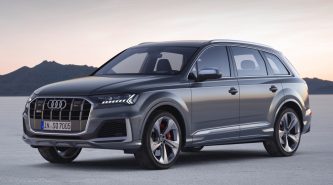
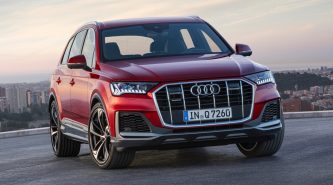
An early drive of the next-generation Audi Q7 shows how mature this SUV has become, effortlessly delivering a near-uniformly premium family car experience
Audi has arrived at a crossroads. Having spun off an independent brand to placate specific tastes of its Chinese buyers, the four rings has belatedly acknowledged concerns from its Western audiences that perceived quality has fallen in recent years, and launched a plan to restore ‘Audi-typical’ look and feel to its next generation of cars.
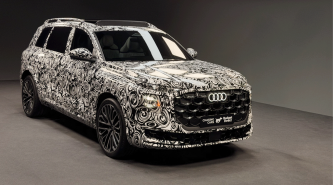
We’ve now driven the third-generation Q7, which demonstrates – in part – what the results of that plan might look like. But while Audi’s gotten faster at developing new cars, having taken efficiency lessons from its China business, things cannot change overnight, and as a result the next Q7 is a patchwork of past and future.
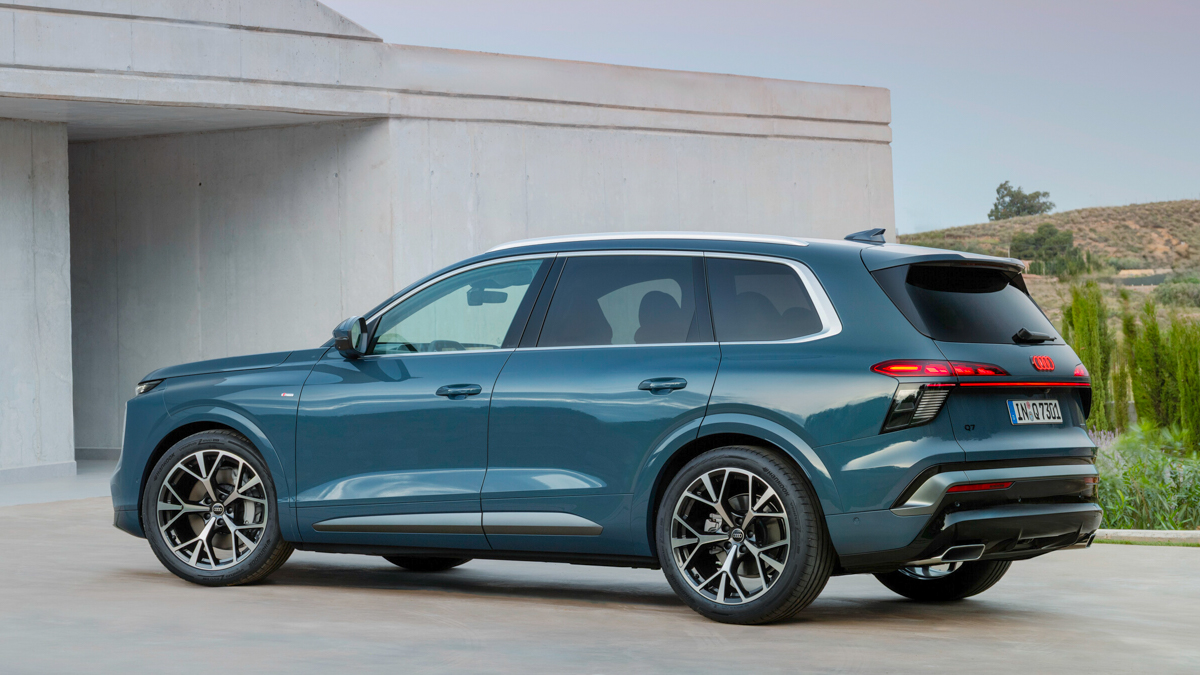
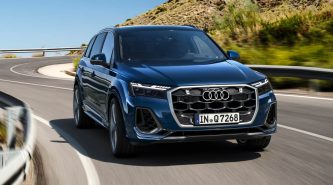
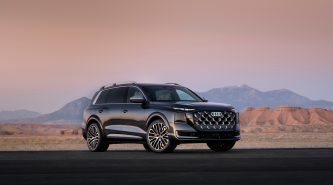
Thankfully, the handsomely proportioned new Q7 gets much more right than wrong. It delivers the polished driving dynamics that, in fairness to Audi, never slipped even as cabin quality lost its way earlier this decade. It arrives with meaningful cabin material upgrades, but without the wholesale Audi interior changeover that will occur later this decade.
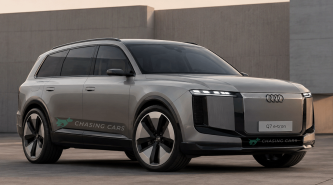
At its heart, the new Q7 doesn’t stray far from the established formula existing owners tend to like. An all-electric variant (with completely new exterior and interior styling) lands in 2028, but until then the range retains a foundation in V6 diesel power, though a new six-cylinder petrol plug-in hybrid (PHEV) is set to slowly become the focus in Australia.
The new model introduces a multitude of upgrades under the skin. Improvements to the mild hybrid system, steering, suspension and Quattro AWD system initially look subtle but their cumulative effect is surprisingly substantial, making the new Q7 feel totally effortless in how it delivers a premium family car experience.
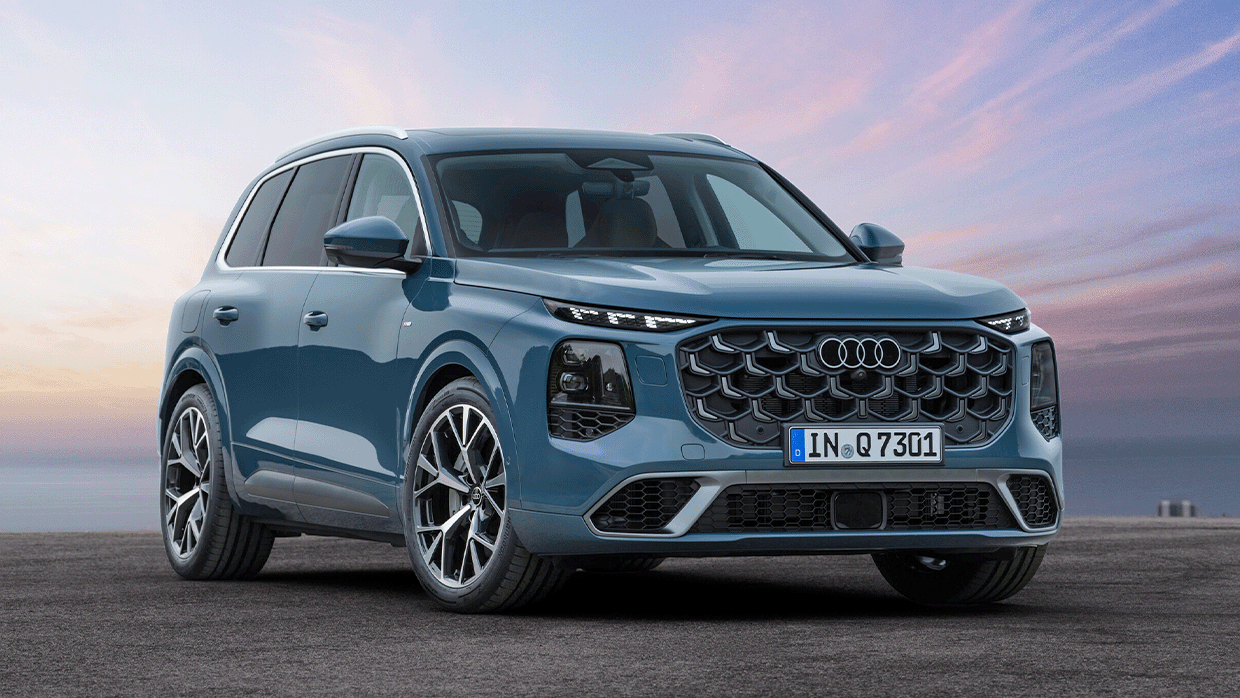
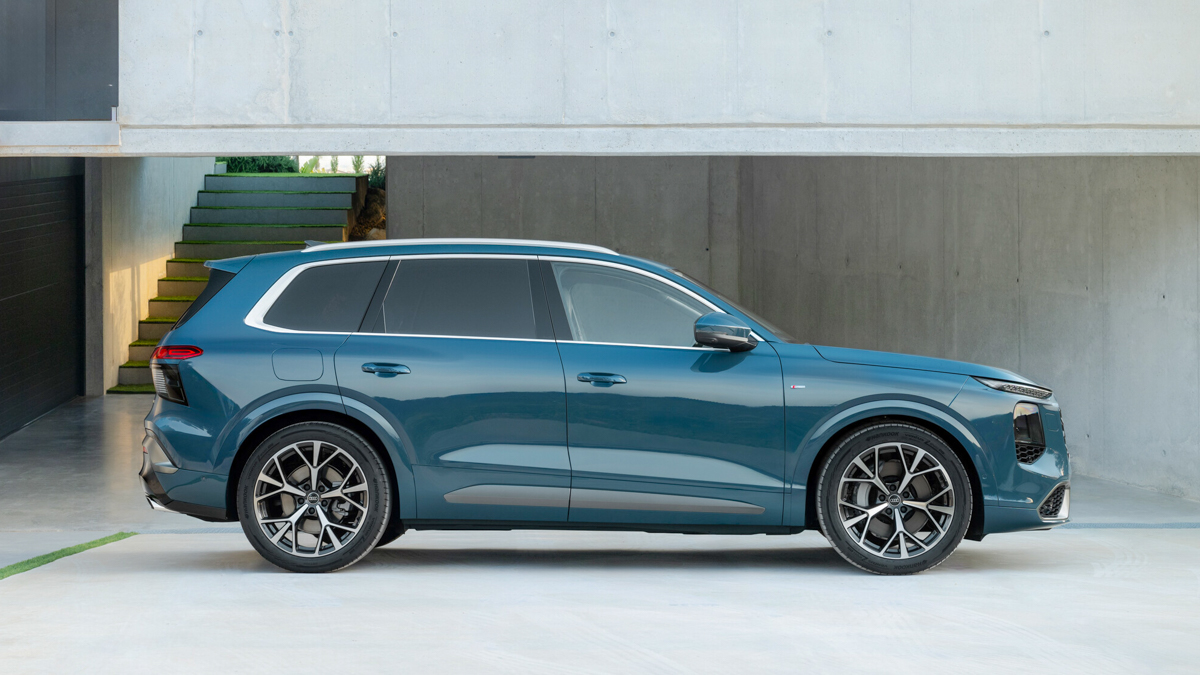
One thing that hasn’t changed is the size of the five-metre Q7. Planners deliberately resisted increases to make room for the incoming Q9 that is 30cm longer. The latter is coming to Australia to provide a more spacious three-row experience. The more wieldy Q7 retains seven seats as standard, but with six- and five-seat layouts available.
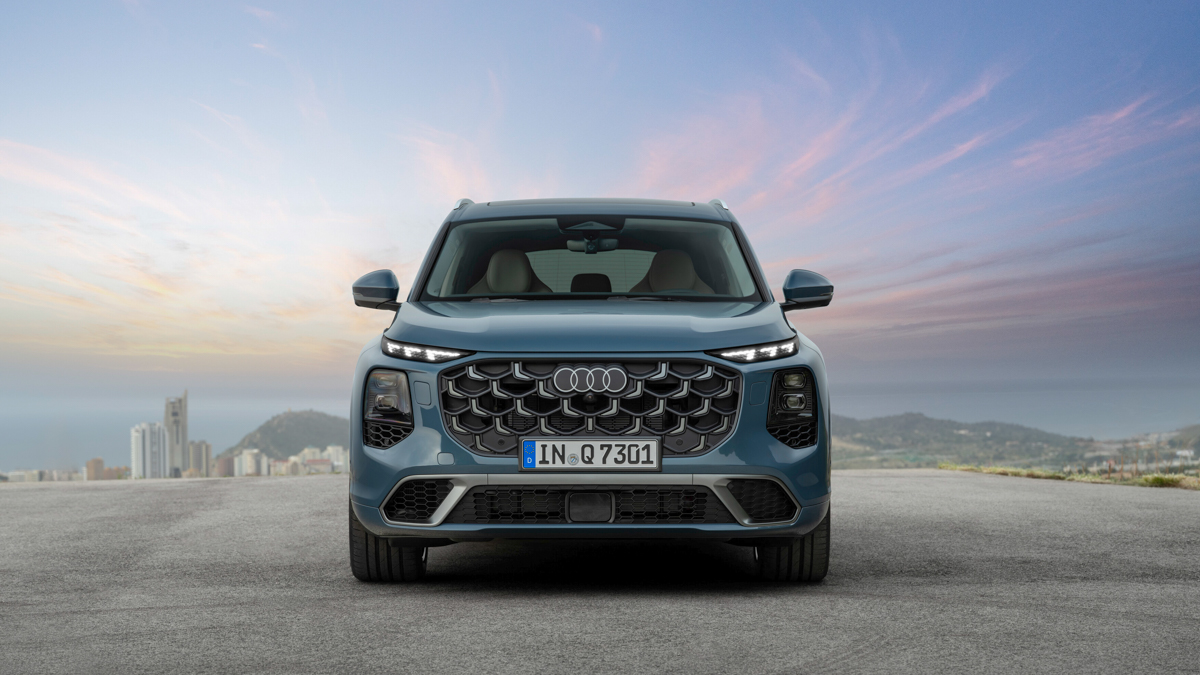
It’s a bit wider and taller, but the fact the proportions remain similar masks just how significant this generational changeover really is. Buyers might be forgiven for thinking the 2027 Q7 is just a refresh. But it’s far more than that.
The new Q7 drives extremely well.
Significant upgrades to the hardware and software have allowed Audi to apply several layers of additional polish to the powertrain, transmission, braking performance, ride quality and handling, and driver assistance tech – in other words, it drives better in every way.
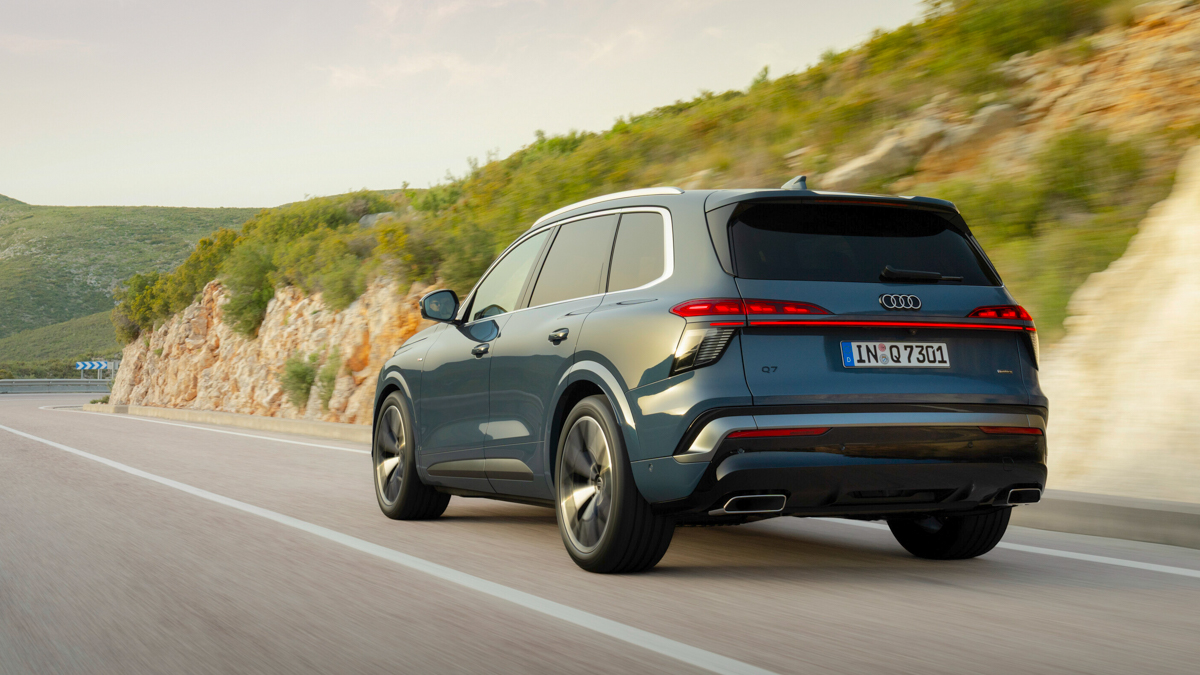
You kind of feel for Audi, because mechanically, the spec sheet almost looks like a carryover document. The new stuff is hard to crow about in a brochure because it’s nerdy and technical – hence why recently-appointed chief technical officer Rouven Mohr and a small group of experts were on hand at the first drive event in Austria.
Take the launch engine: it’s yet another iteration of Audi’s long-running 3.0-litre single-turbo diesel V6, now developing 220kW/620Nm—up 10kW/20Nm. Big deal, right?
Well, yes: a hidden but major change to the Torsen centre differential now allows much more of the engine’s torque to be rapidly ramped up and down under throttle, making the powertrain feel far more responsive and energetic than ever before.
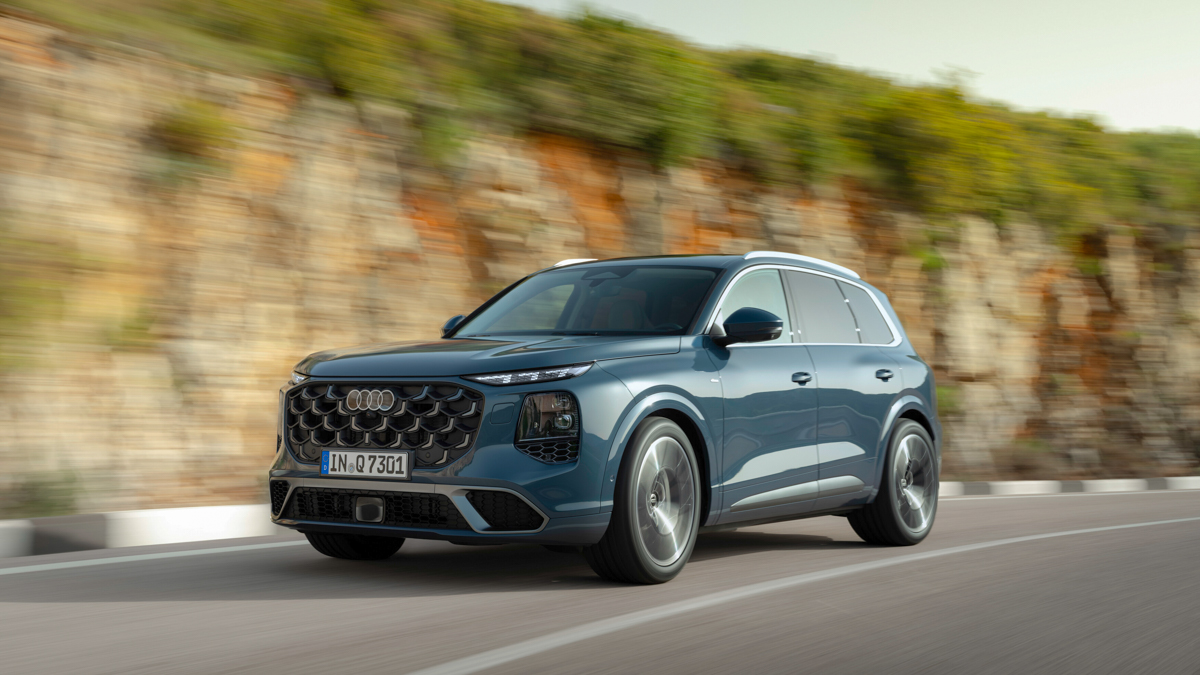
That’s to say nothing of the more powerful 48-volt ‘MHEV plus’ system, which is seamlessly integrated into the eight-speed ZF torque converter automatic. Now capable of driving the car for short distances on electricity, the combination of superior mild hybrid and upgraded diff’ banishes the lag the V6 TDI was once known for.
How about the suspension? Four-corner adaptive air suspension is nothing new for the Q7. Haven’t we seen this before? No, we haven’t.
In fact, there are now two distinct ‘flavours’ of air-ride for the Q7: a comfort-biased system, which delivered an appealingly even and loping ride on a tester equipped with 22-inch wheels, or ‘sport’ air springs with a firmer and flatter edge, particularly bundled with new 23s (!). Yet even the latter never forewent compliance over broken tarmac.
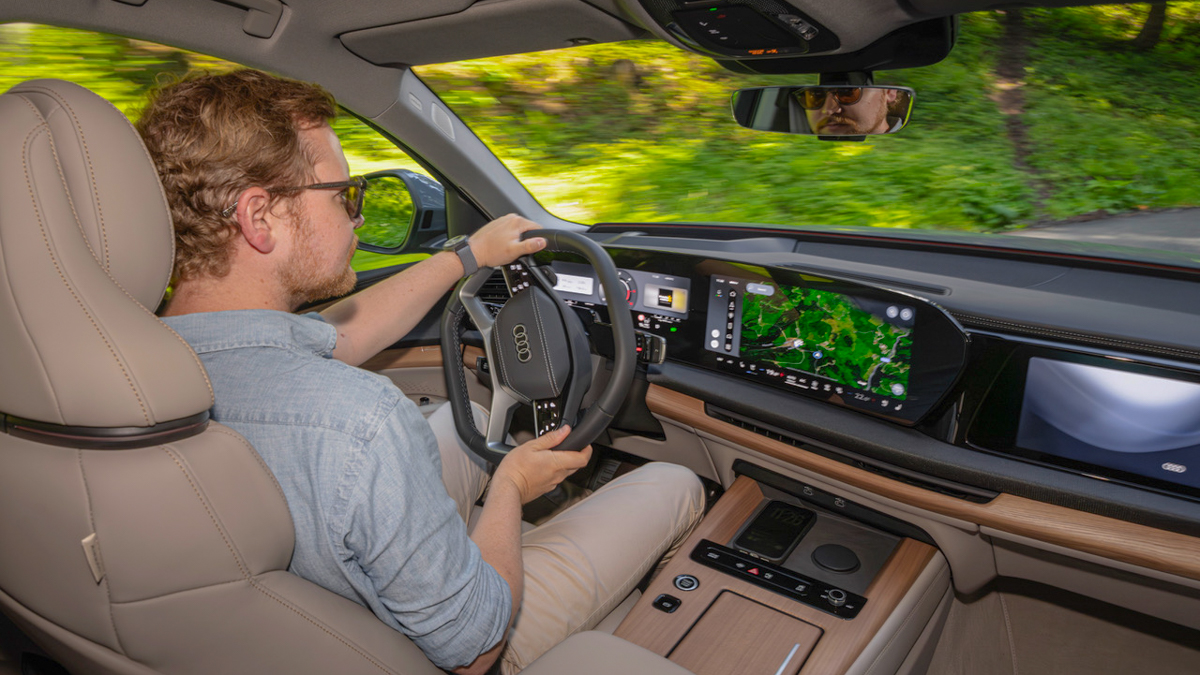
As ever, it’ll take a long drive on Australia’s mediocre country road surfaces to really assess the advantages and drawbacks of the Q7’s new suspension systems but our initial drive was impressive, to say the least.
But there’s a change in focus compared to the old Q7. The outgoing car’s clear athleticism (sometimes at the cost of comfort) has been diluted just a touch in the slightly more languid new model. We would say appropriately: luxury SUVs are supposed to be comfortable and this one is.
Yet, counterintuitively, there’s agility to be found. The amended centre differential hasn’t just fixed a long-running bugbear with engine lash: it’s also allowed for torque distribution to be retuned, with more of the engine’s punch able to be sent immediately rearward on corner exit. On-throttle, the Q7 now happily pivots its rear end!
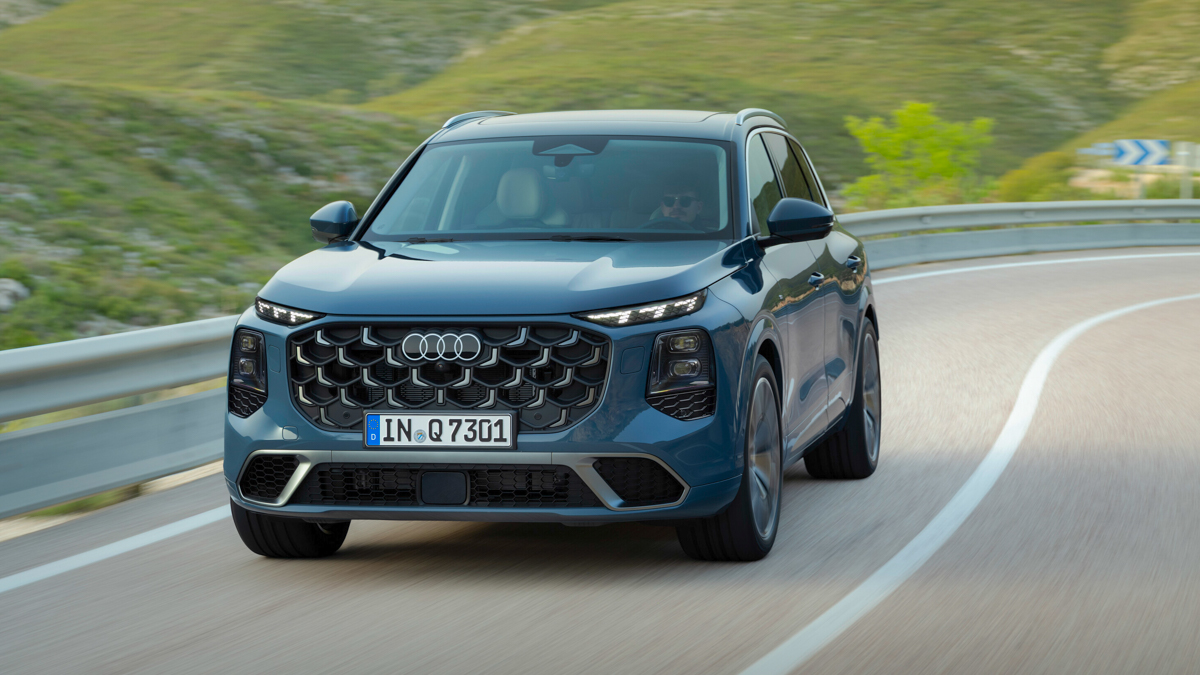
Another leap forward has come from careful adjustment of the four-wheel steering system. A bit unnatural in older Audis, it’s now hard to notice at all – other than a perception that the Q7 feels more like a Q5, size-wise, when you’re hustling it.
Complaints? A bit more heft means this is now a 2350kg kg bus: that’s a bit indulgent given the PHEV and electric versions haven’t even arrived yet. They will push towards three tonnes.
Even with 220kW, the V6 TDI feels like it could use a little more punch—then again, the 440kW/800Nm, petrol V8-powered SQ7 should tickle that fancy. Equally, we wouldn’t mind if the steering ratio was a little quicker on initial turn-in, either — again, the SQ7 will do the trick.
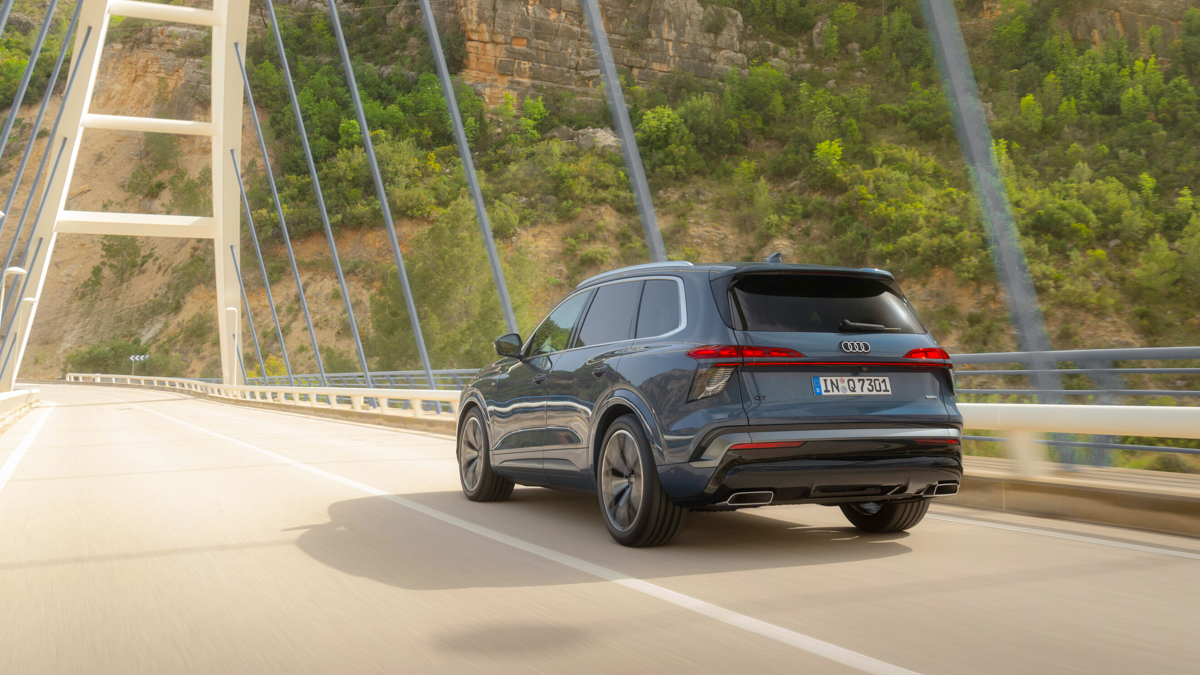
Our first drive offered only a limited opportunity to sample the Q7’s safety tech, but the shift from the old model’s MLB platform to its Premium Platform Combustion (PPC) successor means more modern electrical cabling, increasing assistance system smarts.
If there’s a weak spot here, it’s the dashboard layout of the new Q7 – but not all is as it seems. Photos of the new model make it seem like the Q7 has picked up the same cabin as the latest Q5 and A5, which have been accurately maligned not only for in-your-face tech, but also for a clear material downgrade.
With the Q7, Audi has solved the latter problem. Perceived quality has suddenly shot up. Why? Because it’s relatively simple to throw better materials at the car. It’s time-consuming and far more expensive to rip out the entire dash—even though that’s what Audi may do sometime after the EV arrives, with its new ‘Audi-typical’ interior, in two years’ time.
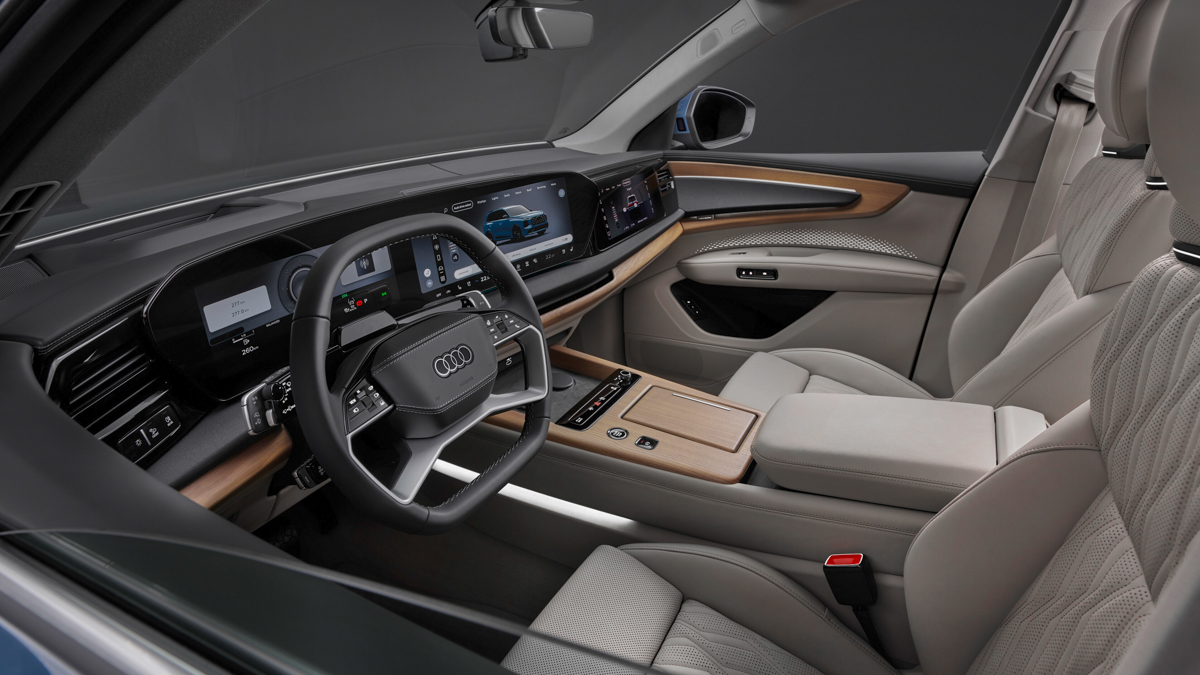
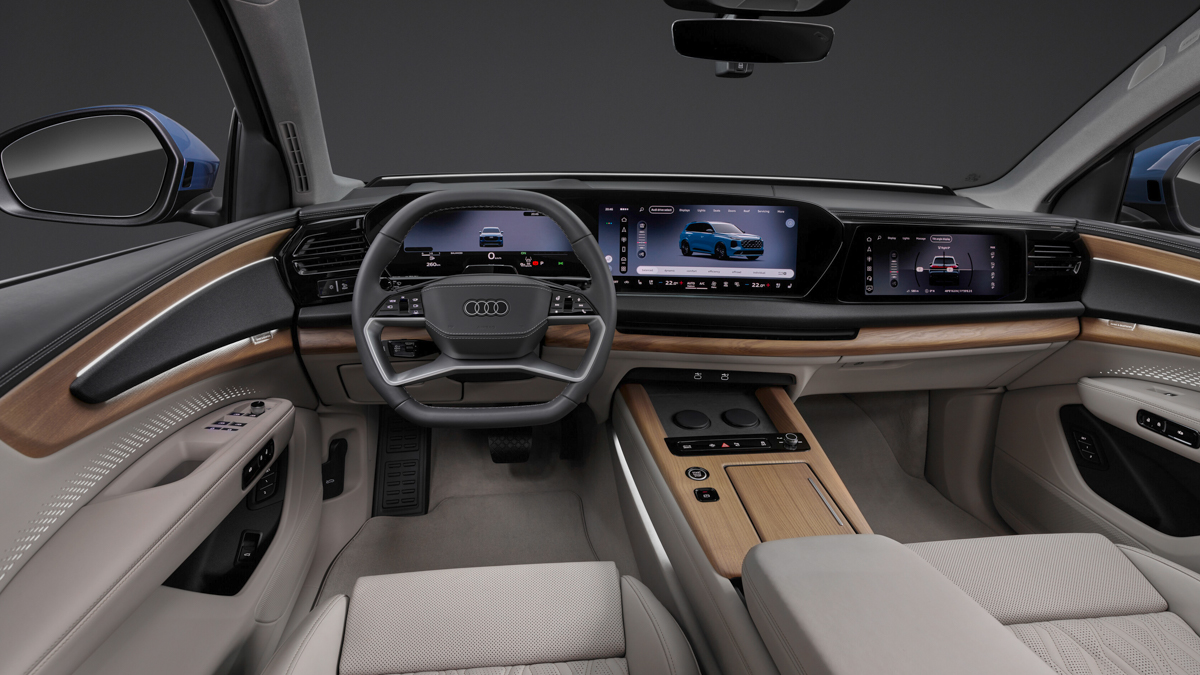
To keep things in perspective, the screens and dash of the new Q7 (and the other recent Audi models that use the same ‘Digital Stage’ structure) are not that bad. They’ve copped more criticism than they deserve—probably because they lack the elegant simplicity and sheer tactile qualities of beautiful old Audi cabins. The ones Audi says it’s bringing back.
While it’s awkward the new Q7 launches with what we’d have to say is an interim interior, it’s decent as provisional steps go. While the screens are over-exaggerated, they are bright and crisp and responsive, with great processing power behind the scenes. Wireless Apple CarPlay, Android Auto and Audi’s own system work seamlessly.
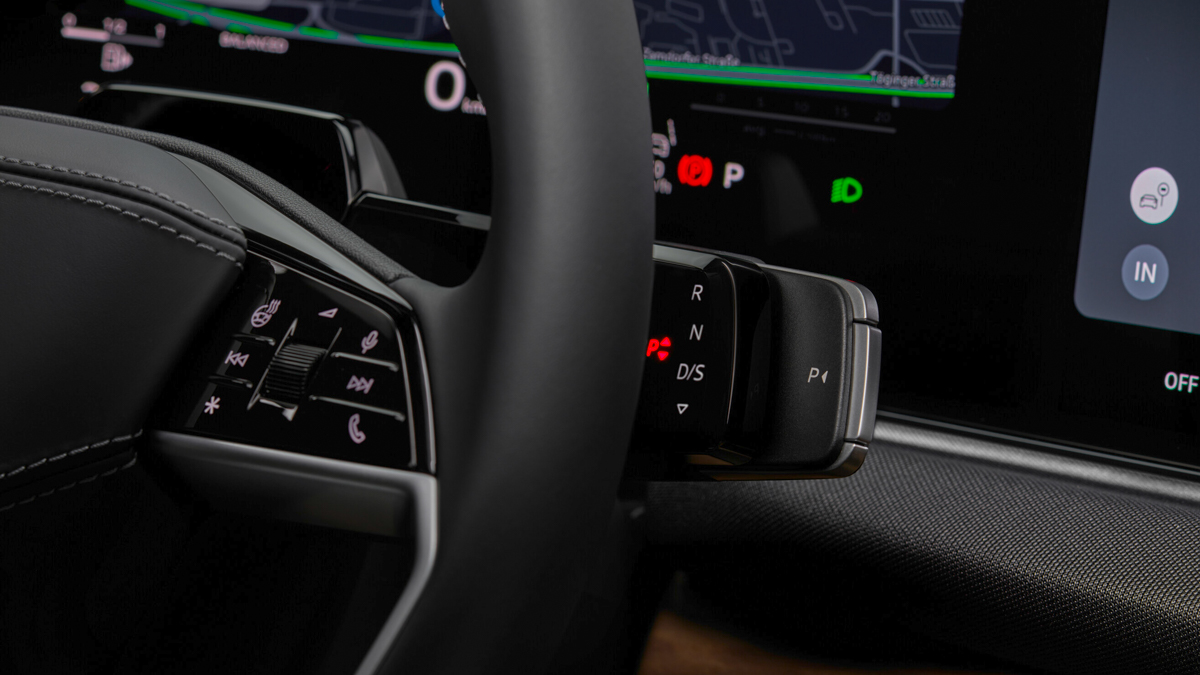
While we miss physical climate toggles among other hard keys – most of which are missing – Audi deserves credit for covering the steering wheel boss, dashboard, door tops, and centre console in lushly stitched leather (sorely missed in the new A5/Q5), while finally the memo that piano black is unwanted got through! Open-pore wood is the name of the game.
Dragging your eyes away from the dash, other core elements of the interior are genuinely pleasing: the new front seat design amps up the visual interest with quilted, perforated high-end leather (with heating, cooling, massage and extensive power adjustment). The driving position is excellent and outward visibility is fantastic with a huge glasshouse.
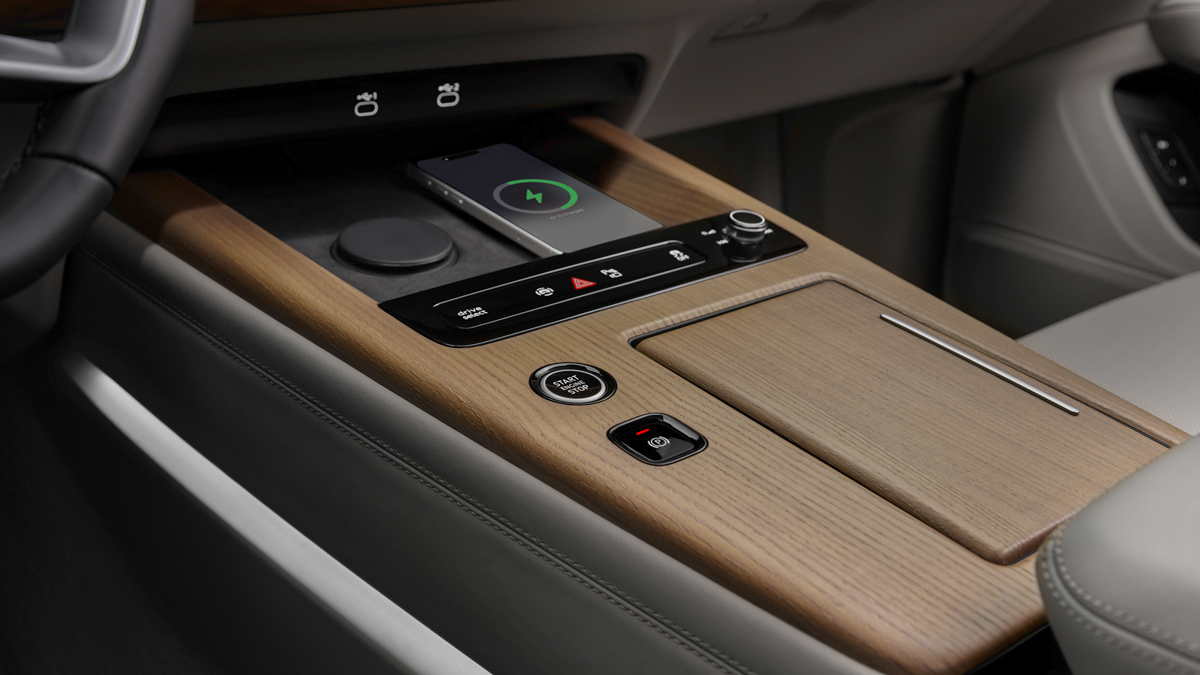
Storage space up front – oddly stingy on the outgoing Q7 – hasn’t been completely fixed but there are now dual-cooled wireless device chargers and girthier cupholders that Audi’s German leadership cheerfully mentions can now accommodate America’s obsession with enormous Stanley cups. Which is good. We quietly admit to owning one.
Row two now holds a new choice for buyers: in the first two generations of Q7, a bench seat was all that was available. Now, second-row captain’s chairs can be fitted, essentially duplicating the ultra-comfy front seats for a lucky pair while offering a somewhat graceful ‘walkthrough’ to the third row that accommodates kids or teenagers.
Audi Australia expects the seven-seat configuration to remain the most popular in Australia but the six-seat choice is one worth considering. So too is the five-seat option, which maxes out boot space to 806 litres (versus 722L with seven seats, if row three is folded).
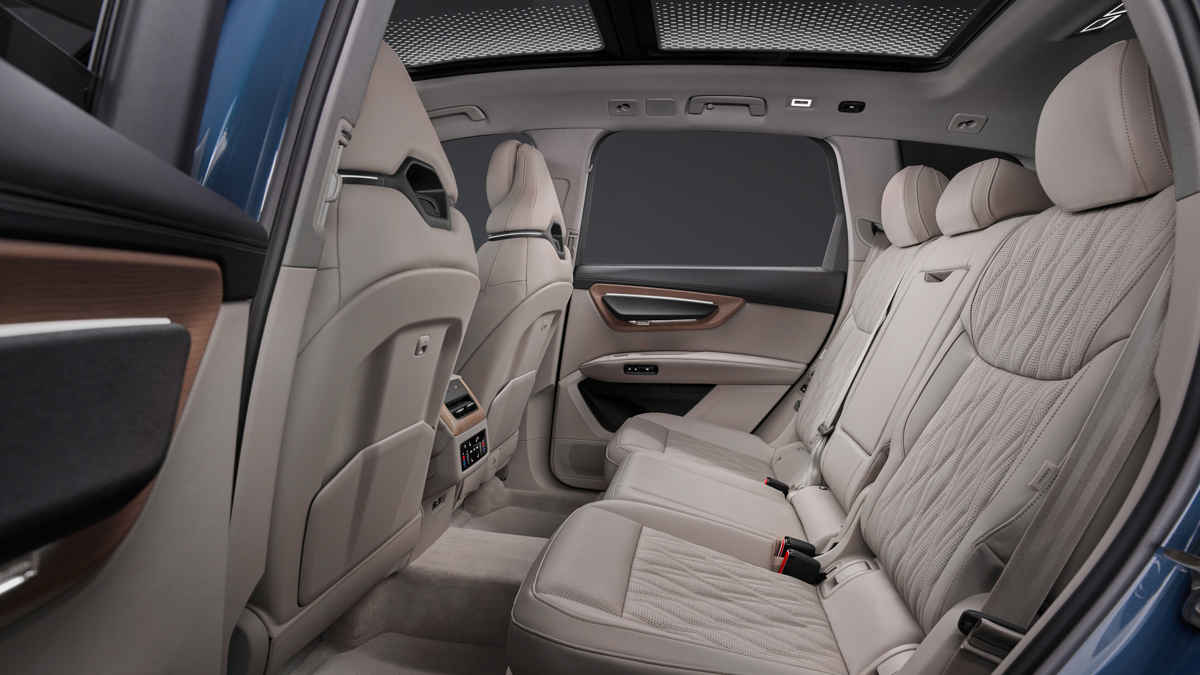
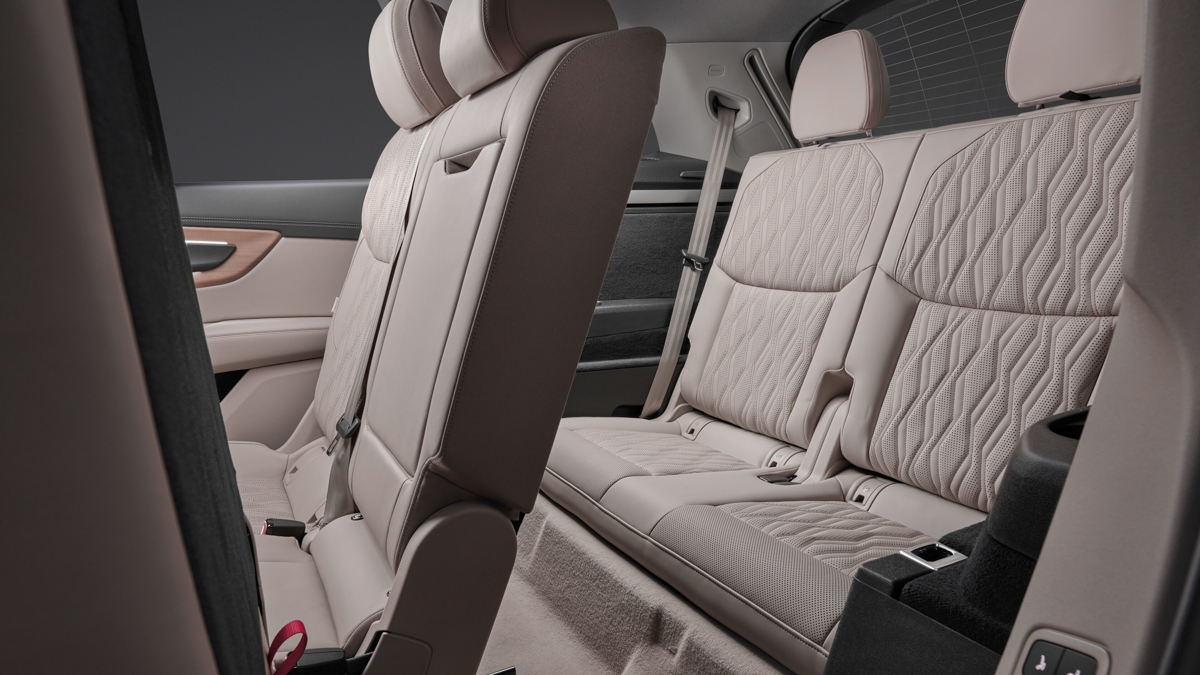
Buyers who do a lot of country touring will be dismayed that the 48-volt hybrid system battery has displaced the spare wheel and tyre that came (in collapsible form) with the outgoing Q7, but Audi Australia says a spare can be ordered as an accessory.
Our pre-launch drive was honest but relatively contained. It involved about 100km of driving in the Austrian Alps – up hill and down dale, and at a range of different speeds.
We recorded a staggeringly efficient 6.2L/100km result from the 220kW V6 TDI engine, which would have equated to a real-world range to empty of 1200km from the 75L fuel tank.
The realities of the real world probably mean that our launch result is on the lower end, but it’s safe to say that the mild hybrid-assisted six-cylinder diesel is a very frugal powertrain, and a mark of how efficient combustion engines can be, even without a plug.
A less powerful 180kW/500Nm version of the 3.0-litre V6 diesel will also come to Australia but its fuel economy is likely to be similar.
Speaking of plugs, a PHEV powertrain is very likely to come Down Under in 2027. This will provide around 100km of electric-only running with extended range courtesy of a 3.0-litre turbo petrol V6 basis.
Service pricing is currently $3410 for a five-year plan—expect something similar for the new car – and Audi Australia’s five-year, unlimited kilometre warranty is likely to be maintained.
Having flagged a major change is a few years out, we suspect that the most rusted-on Audi fans will want to wait and see what the brand does to its interiors before sinking $100K-plus into a new Q7.
But we think pretty much everybody else in the market for a premium, combustion-powered luxury SUV should take a good look at the third-gen’ Q7 when it lands in Australia early next year, as even the ‘transition’ cabin is no dealbreaker for us.
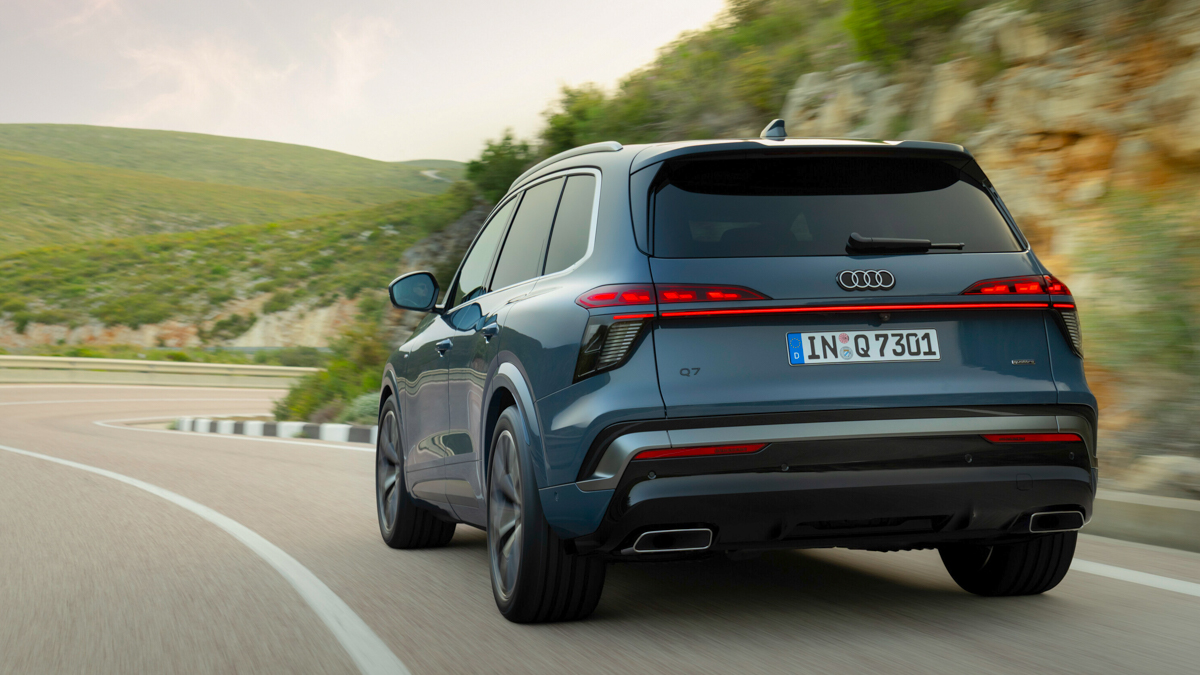
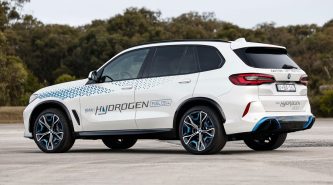
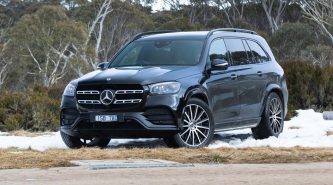
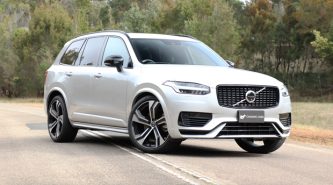
Based on our early taste, we think it’s clear the Q7 is slicker to drive than its Mercedes-Benz GLE and Volvo XC90 equivalents and Audi has set this SUV up to be competitive with probably its biggest rival: the next-gen BMW X5, which will be revealed this week.
That said, the Q7 will also be challenged, especially on price, by a wave of emerging Chinese luxury crossovers – like the Zeekr 8X. But while those newcomers attract huge attention, the genuinely premium feel and overwhelming sense of polish of the new Q7 mean it deservedly demands close consideration.
About Chasing cars
Chasing Cars reviews are 100% independent.
Because we are powered by Budget Direct Insurance, we don’t receive advertising or sales revenue from car manufacturers.
We’re truly independent – giving you Australia’s best car reviews.
The estimate provided does not take into account your personal circumstances but is intended to give a general indication of the cost of insurance, in order to obtain a complete quote, please visit www.budgetdirect.com.au. Estimate includes 15%^ online discount.
^Conditions Apply
Budget Direct Insurance arranged by Auto & General Services Pty Ltd ACN 003 617 909(AGS) AFSL 241 411, for and on behalf of the insurer, Auto & General Insurance Company Limited(ABN 42 111 586 353, AFSL 285 571).Because we don’t know your financial needs, we can’t advise you if this insurance will suit you. You should consider your needs and the Product Disclosure Statement before making a decision to buy insurance. Terms and conditions apply.
Indicative quote based on assumptions including postcode , 40 year old male with no offences, licence suspensions or claims in the last 5 years, a NCD Rating 1 and no younger drivers listed. White car, driven up to 10,000kms a year, unfinanced, with no modifications, factory options and/or non-standard accessories, private use only and garaged at night.
^Online Discounts Terms & Conditions
1. Discounts apply to the premium paid for a new Budget Direct Gold Comprehensive Car Insurance, Third Party Property Only or Third Party Property, Fire & Theft Insurance policy initiated online on or after 29 March 2017. Discounts do not apply to optional Roadside Assistance.
2. Discounts do not apply to any renewal offer of insurance.
3. Discounts only apply to the insurance portion of the premium. Discounts are applied before government charges, taxes, levies and fees, including instalment processing fees (as applicable). The full extent of discounts may therefore be impacted.
4. We reserve the right to change the offer without notice.