Powered by
-
Car Reviews
Latest reviews
-
Car News
Latest news
-
Car Comparisons
Latest comparisons
- Chasing Deals
Latest reviews
Latest news
Latest comparisons

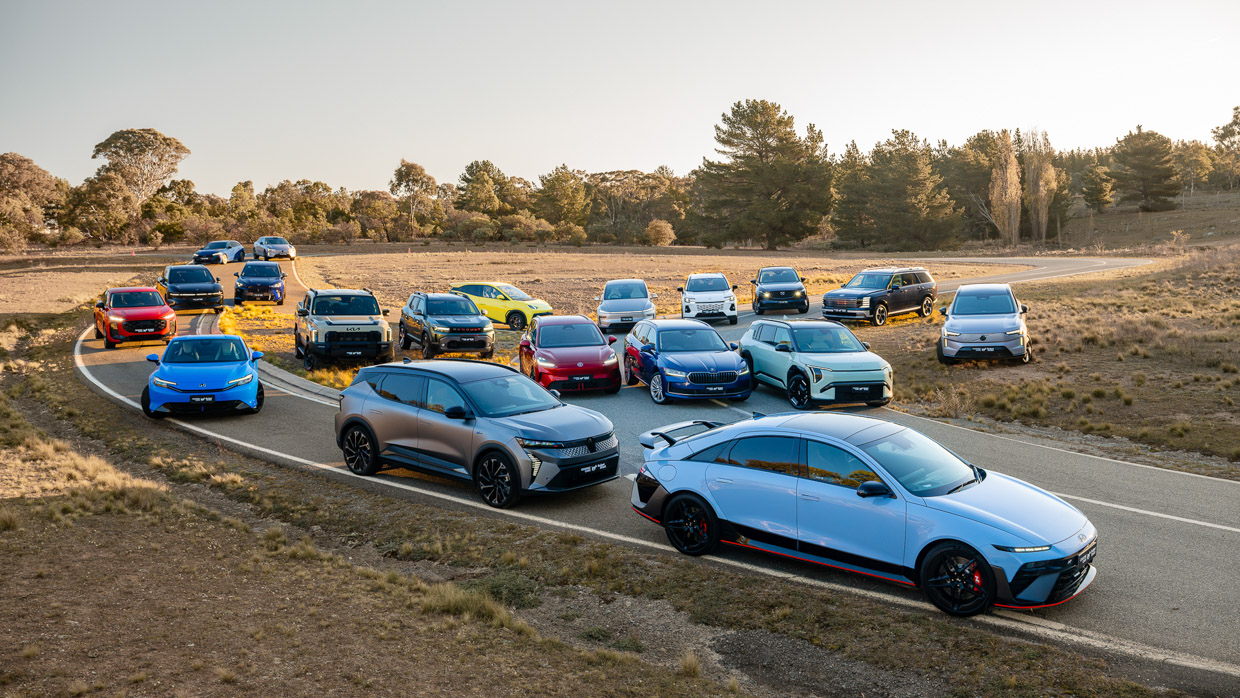
These are the top ten biggest-selling nameplates in Australia. Are they any good? And what alternatives should you consider?
If you subscribe to the theory that there’s safety in numbers, then these cars should be on your shopping list.
They are the top selling vehicles of 2026, according to the latest industry sales data (Vfacts).
As with anything, though, the best sellers aren’t necessarily the best cars on sale. Nor are they necessarily the best value – with popularity often comes price rises.
If you’re in the market for a new hatchback or sedan, this list won’t be much use either. After ruling the roost for decades, traditional passenger cars are on the nose with buyers.
Here are the ten most popular cars in Australia, year to date as of July 2026.
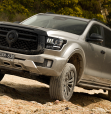
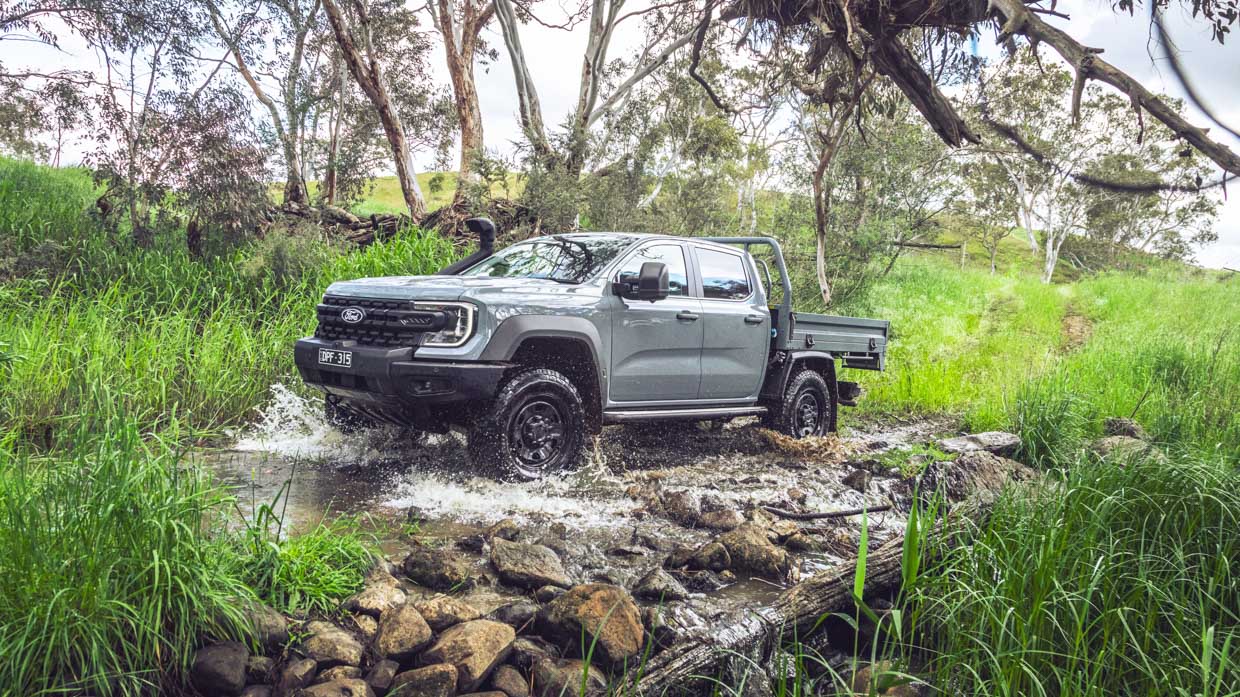
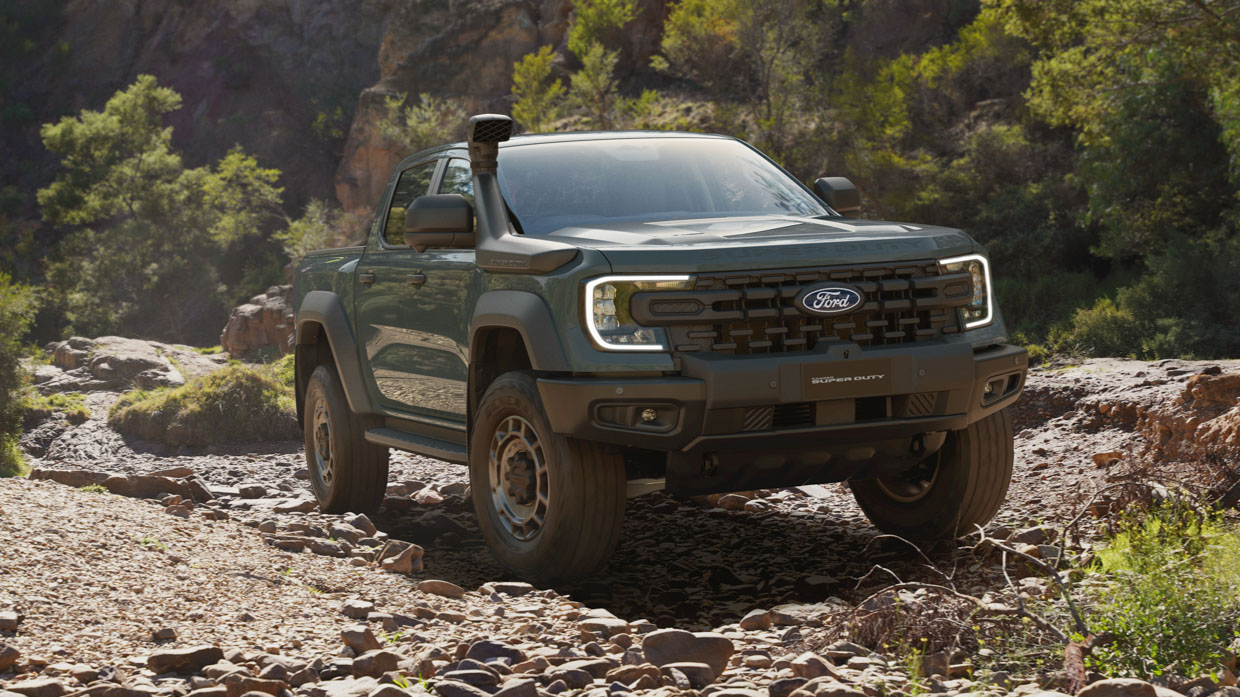
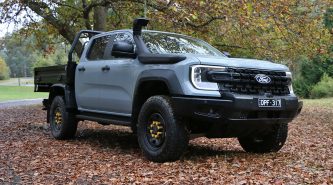
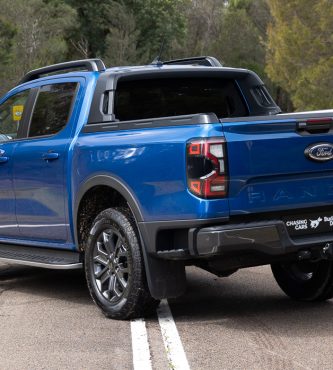
The king of the road in more ways than one. The ruggedly handsome Ford Ranger remains the best driving ute on the market, both in terms of ride comfort and cornering ability.
Inside the cabin is comfortable and the tablet-style centre screen is both intuitive to operate and nice to look at.
You’ll pay a premium for the privilege of driving the top dog in the carpark, though. Prices start at about $53,000 driveaway for the Black Edition but the range-topping Ranger is close to six figures in the traffic.
Why you might look at something else: For the price, there are some low-rent looking plastics and finishes in the cabin. The bulletproof Hilux and the more affordable, workman-like Isuzu D-Max are worth considering.
Read Evan Spence’s review of the Ford Ranger Super Duty XLT pick up here.
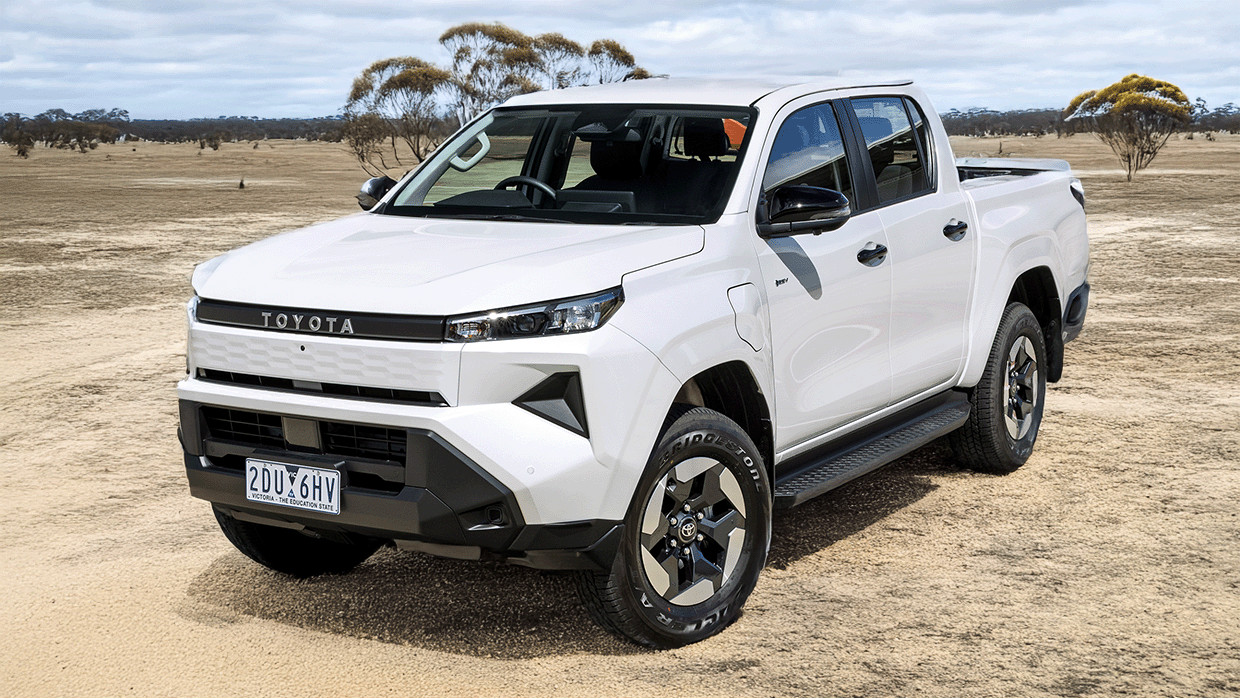
Toyota’s Hilux has never been the class leader for ride comfort or dynamics, but it has a fiercely loyal following due to its reputation for quality, durability and reliability.
The new model is more of an update than an all-new platform, but the interior, technology and some driving attributes – most noticeably the steering – have improved.
People buy the Hilux on reputation and it rarely lets them down. Add to that Toyota’s unrivalled network of dealerships and parts availability and it’s easy to see why farmers, grey nomads and off-road enthusiasts stay loyal.
Why you might look at something else: As with the Ranger, you pay a premium, this time for peace of mind. The Nissan Navara, Mitsubishi Triton and Isuzu D-Max offer better value if you’re looking for a no-frills, reliable workhorse.
Read John Law’s review of the Toyota Hilux here.
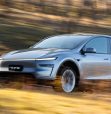
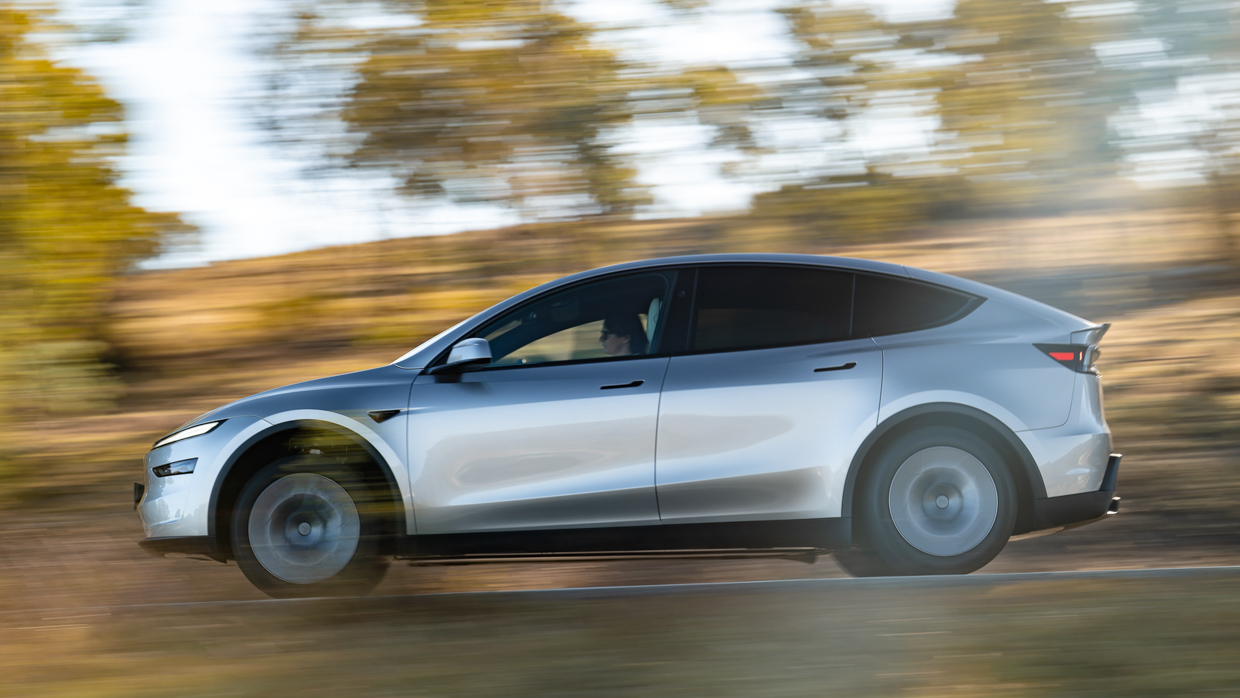
Australia’s top-selling SUV has a lot going for it. Its driver assistance technology is a cut above its Chinese rivals and crucially, Tesla has invested in a decent charging network that alleviates range anxiety.
The stretched, six-seat L version provides an option for larger families and the Model Y’s combination of range, charging speed and performance is class-leading.
Why you might look at something else: Chinese rivals including the BYD Sealion and the critically acclaimed Zeekr7Xoffer more bling for the buck, while the Hyundai Ioniq 5 and Kia EV6 offer better build quality.
Read Tom Baker’s review of the Tesla Model Y RWD here.
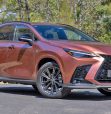
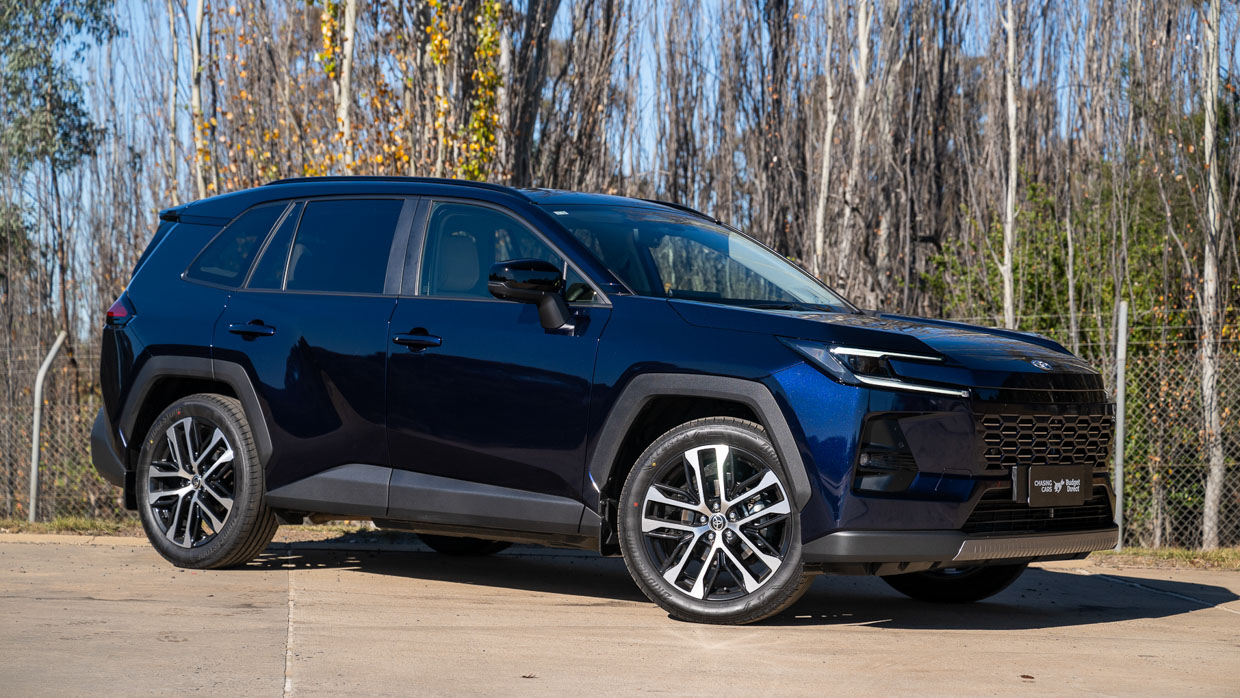
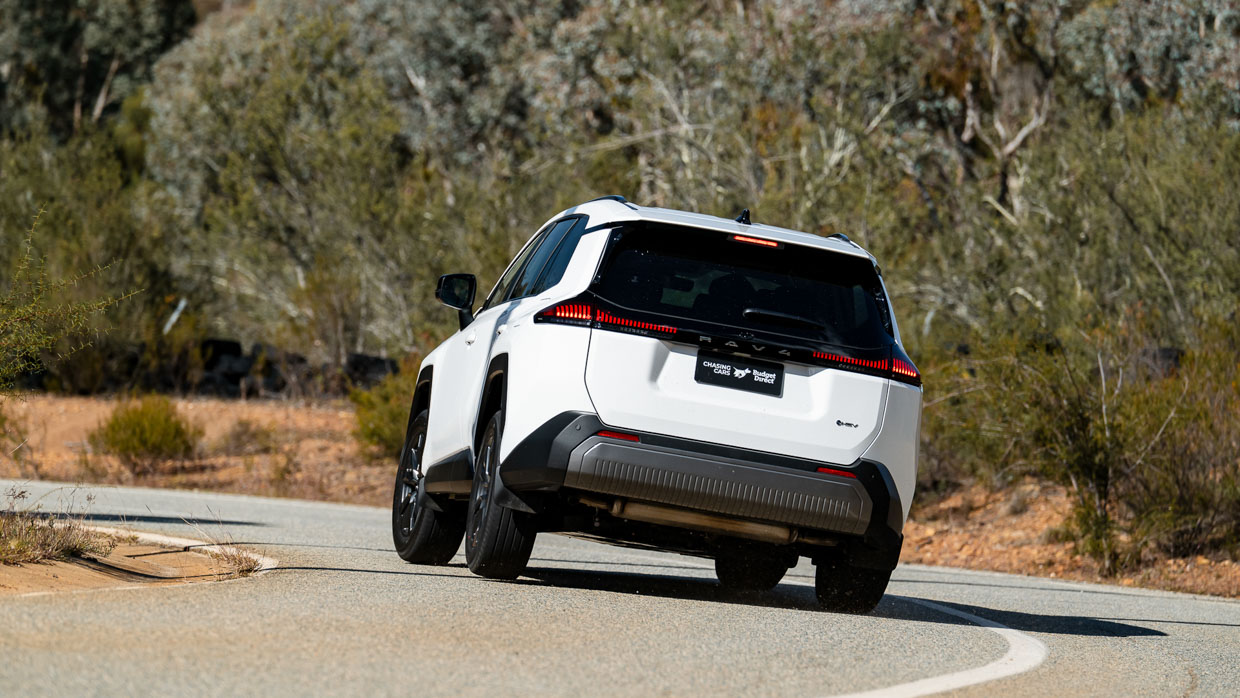
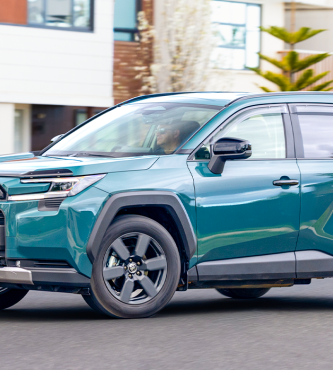
While the 2019 RAV4 was a revelation, the new 2026 model is more of an evolution, though the addition of a plug-in hybrid model has broadened the appeal for customers looking for a low-emission vehicle.
The brand says that 40 per cent of July RAV4 sales were plug-ins, while demand is still strong for the traditional hybrid. The new model is impressively efficient, although it now requires expensive premium unleaded.
There are loads of space inside, the infotainment is better and it drives well. It also has bulletproof residual values.
Why you might look at something else: Prices have increased and that has pushed the RAV4 into the realms of Chinese electric vehicles with all the bells and whistles. RAV4 is no longer the only hybrid choice, with Kia’s Sportage, Hyundai’s Tucson and Nissan’s X-Trail offering strong competition.
Read Jez Spinks’s review of the Toyota RAV4 here.
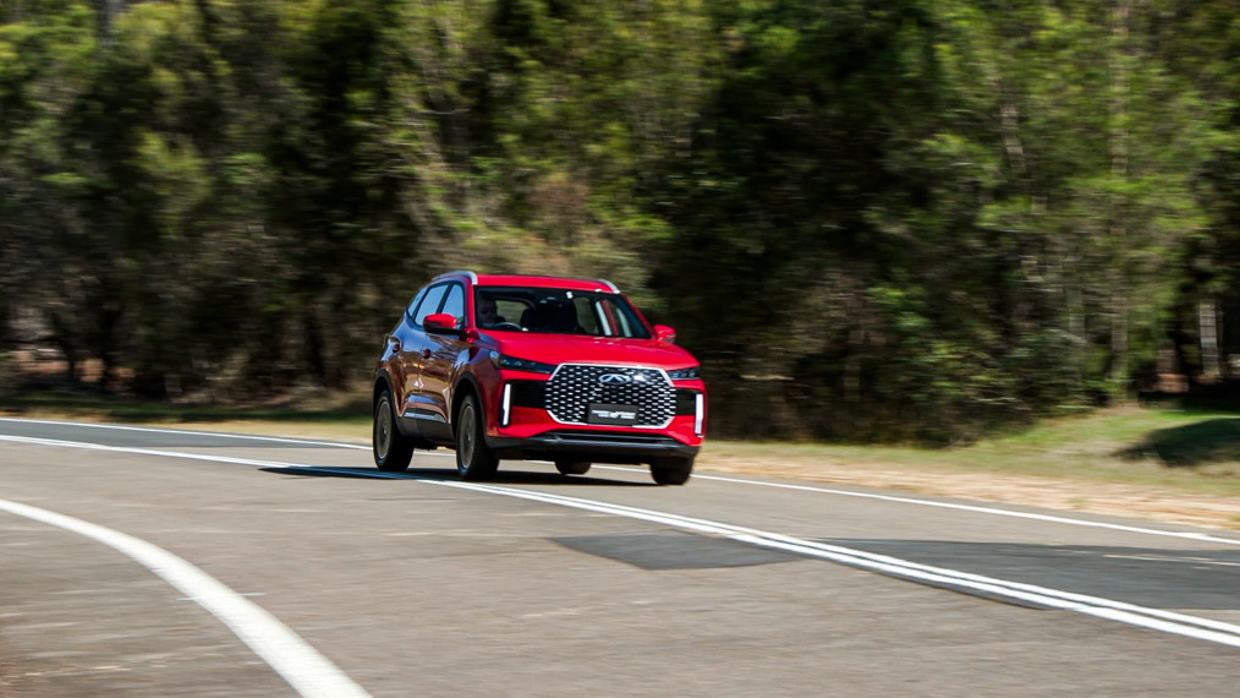
The Chery Tiggo 4 is a showroom seducer, packed with gear and attractively priced from $23,990 driveaway for the petrol model. The value-for-money equation is compelling and the cabin presents well, with good ergonomics and all the latest infotainment, housed on a large centre screen.
The engine is strong and the CVT auto is reasonably well-behaved.
However, soft suspension, dull steering and less than perfect tyres detract from the driving experience.
Why you might look at something else: It lacks the polish of Japanese and Korean rivals and the active safety package can be hit and miss. If you’re after something a little more solid on the road, look at a Mazda CX-3 or Kia Stonic.
Read Nathan Ponchard’s Tiggo 4 Pro review here.
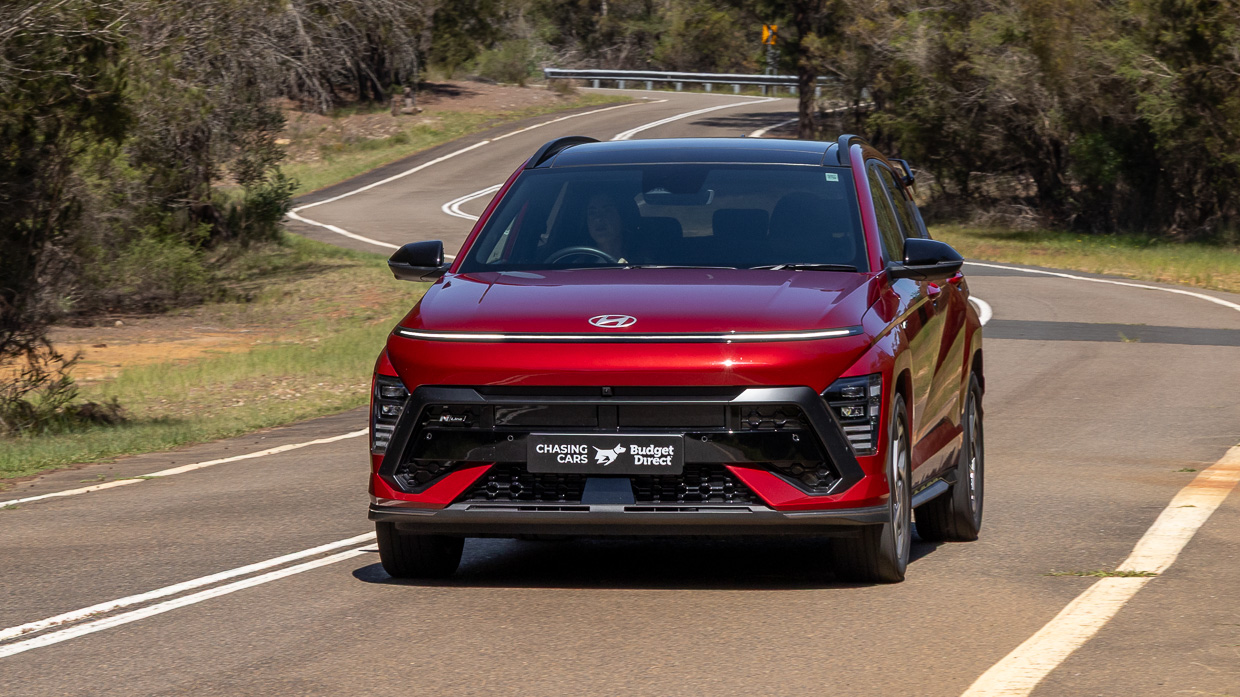
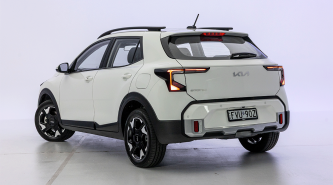
The Kona is unique in offering electric, hybrid and conventional petrol variants in the same body shape. The hybrid version is by far the most popular, accounting for roughly 60 per cent of sales.
The hybrid powertrain is frugal and the Kona has polished road manners that will appeal to those stepping out of a hatchback for the first time. The engine lacks a little grunt and refinement, while the active safety suite can be too intrusive.
Why you might look at something else: On paper it can’t compete with cheaper, better equipped Chinese rivals.
Read Curt Dupriez’s Hyundai Kona hybrid review here.
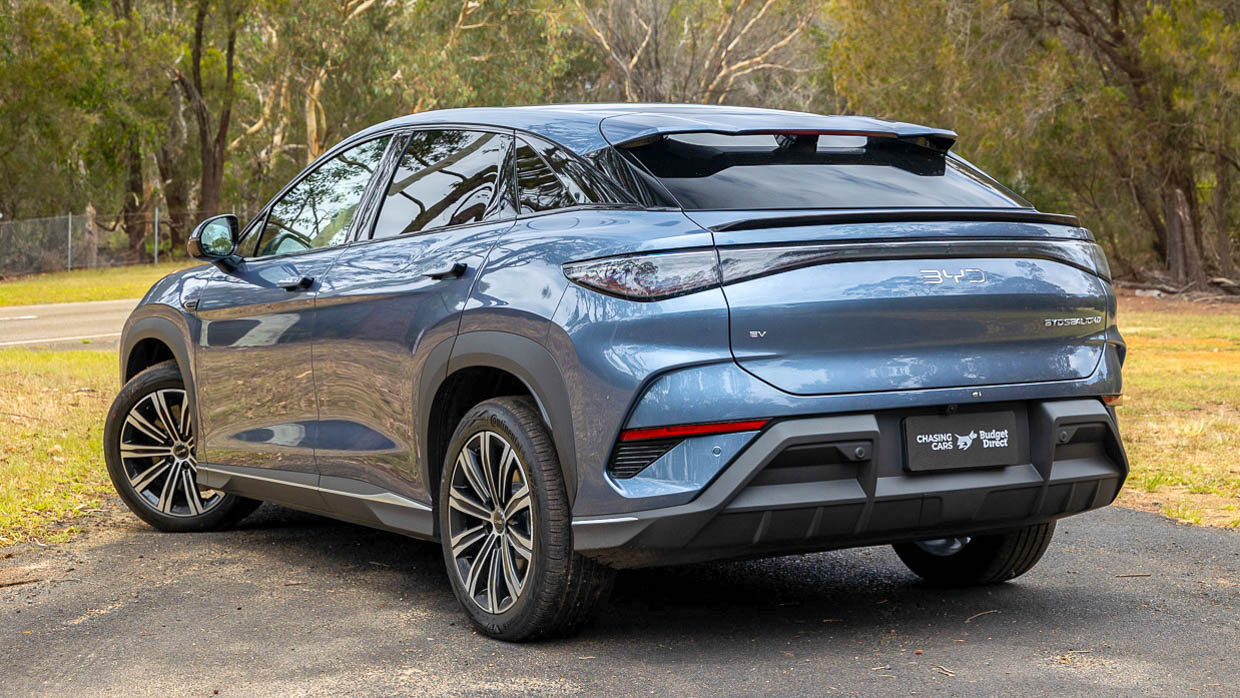
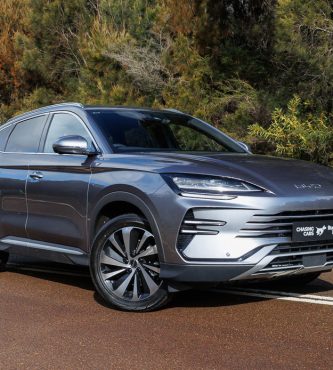
The most serious threat to the Model Y’s dominance of the electric vehicle market, the BYD Sealion 7 is a head turner in the traffic.
It backs that up with a modern, well finished and appealing cabin dominated by attractive, premium looking twin screens on the dash. Performance is sprightly and the driving dynamics are reasonable.
Why you might look at something else: The Tesla SUV still has the edge in driver enjoyment, efficiency and real-world driving range. The Sealion 7’s driver aids are over-sensitive.
Read Tom Baker’s Sealion 7 review here.
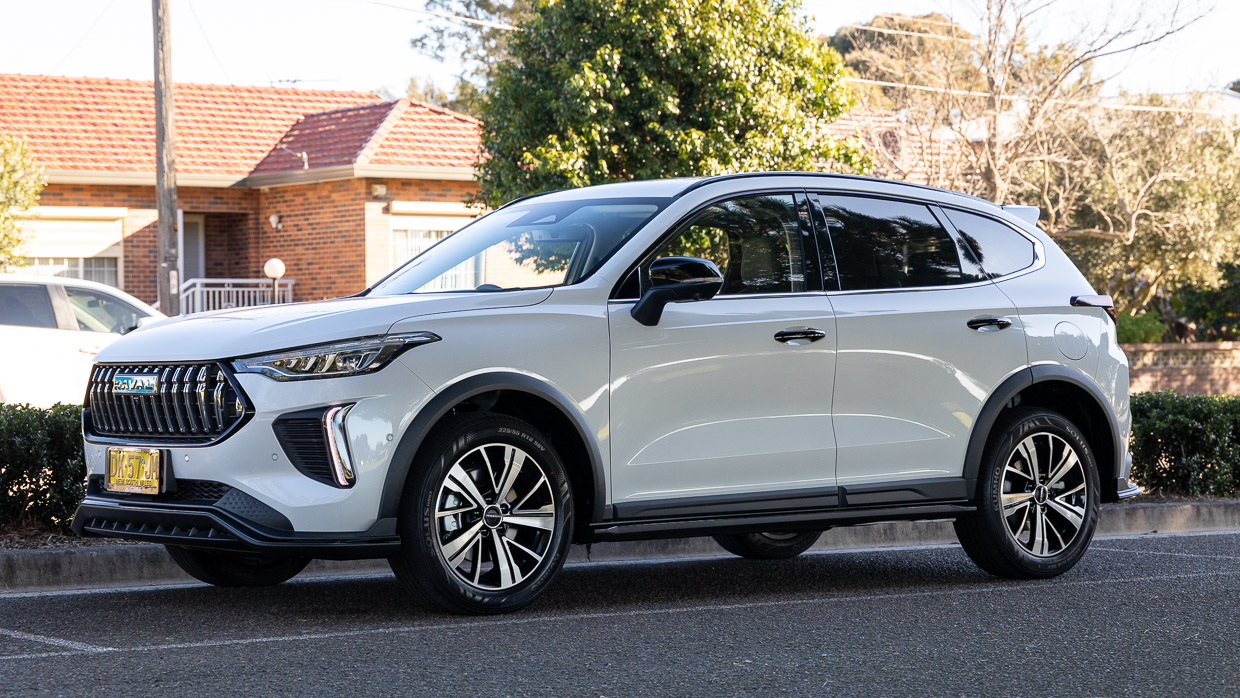
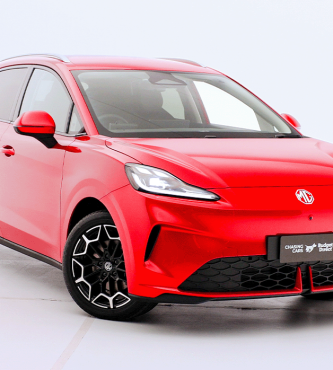
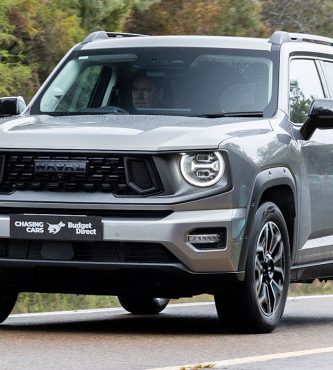
The Jolion exhibits all the strengths and weaknesses of Chinese cars.
The sticker price is undeniably alluring, while equipment levels match or better those of substantially more expensive Korean and Japanese rivals.
The hybrid variant doesn’t lack punch and is surprisingly smooth, and it feels secure and predictable on the road. The interior is conservative and some cheap looking finishes betray its price.
Why you might look at something else: The infotainment and other controls are fiddly to navigate while the driver assistance tech is overbearing. Pricier competitors feel more premium.
Read Nathan Ponchard’s Haval Jolion hybrid review here.
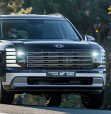
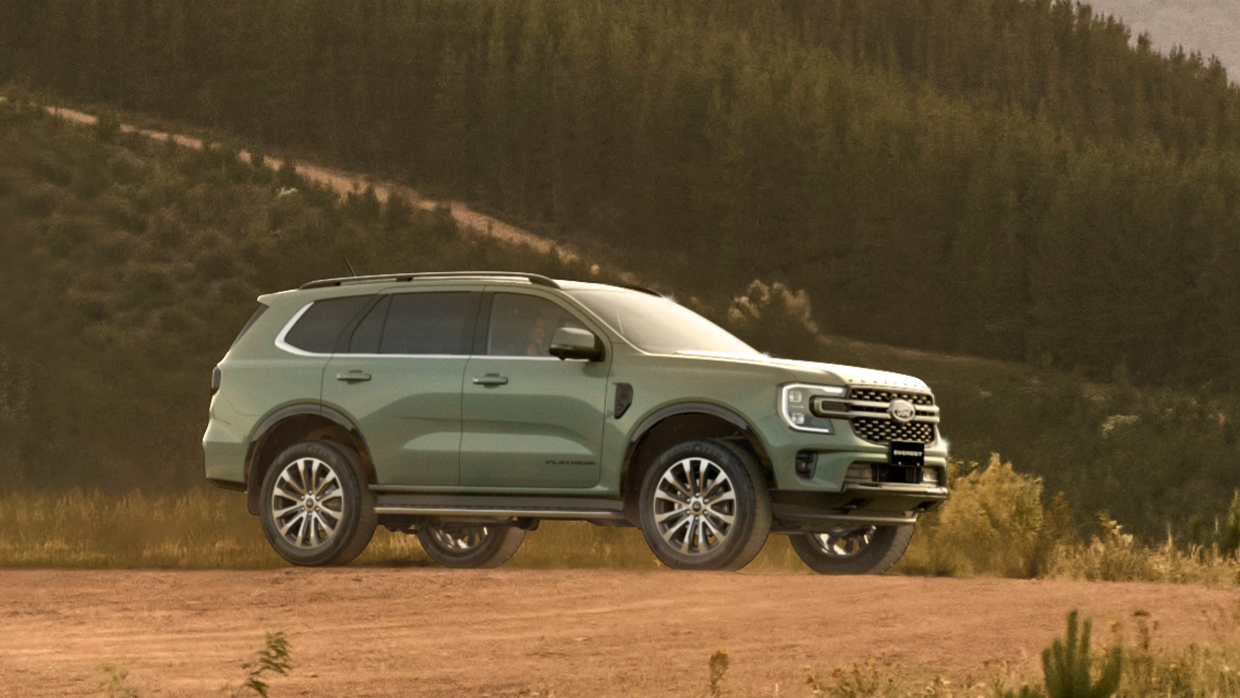
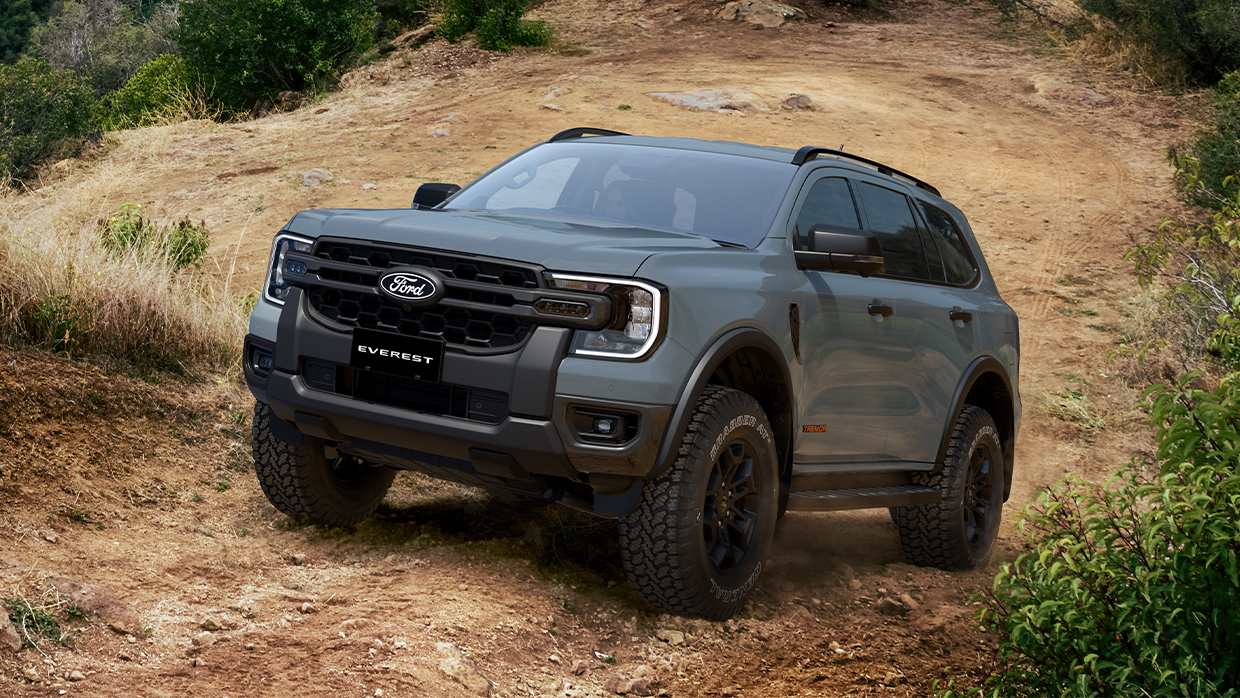
The Everest is basically a shorter Ranger with a longer roof, although it stacks up pretty well against its main rival the Toyota Prado.
Buyers are drawn to its V6 engine, its comfortable, spacious seven-seat interior and its attractive looks.
The Everest drives well and is a capable tow vehicle, although it can’t compete with genuine offroaders when the going gets a little tougher. The value equation isn’t overly compelling for a vehicle that shares its underpinnings and cabin with a workhorse.
Why you might look at something else: The Toyota Prado is more polished and has a reputation for ruggedness that the Everest is yet to fully earn.
Read Tom Place’s review of the Ford Everest Tremor here.
Hyundai was late to the hybrid party but the Tucson now represents a credible alternative to the dominant Toyota RAV4. Hybrid versions outsell conventional petrol models by roughly three-to-one but the Hyundai lineup offers a tonne of powertrain choice.
The Tucson is an impressive package. The hybrid set-up is an excellent balance of efficiency and performance, the driving dynamics are at the pointy end of its class and the cabin feels modern and well screwed together.
Why you might look at something else: Prices have crept up and the bargain hunters may look elsewhere, while the new RAV4 is a compelling package, with the option of embracing more electrification through the plug-in hybrid version. The twin-under-the-skin Kia Sportage is no slouch either.
Read Curt Dupriez’s long term review of the Hyundai Tucson hybrid here.
Latest news
About Chasing cars
Chasing Cars reviews are 100% independent.
Because we are powered by Budget Direct Insurance, we don’t receive advertising or sales revenue from car manufacturers.
We’re truly independent – giving you Australia’s best car reviews.