Powered by

-
Car Reviews
Latest reviews
-
Car News
Latest news
-
Car Comparisons
Latest comparisons
- Chasing Deals
Latest reviews
Latest news
Latest comparisons
Stylish plug-in wagon punches above its weight for its seductive $40K price point
BYD’s voracious model expansion in an effort to gain local market share sees the Chinese upstart threaten the mighty number one stalwart, Toyota, in outright sales. And two newcomers to the 12-strong and fast-expanding model lineup – all exclusively BEV and PHEV powered – both debut the Seal 6 nameplate.
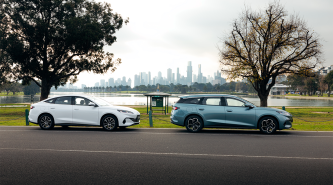
Both are plug-ins, front-wheel-drivers and medium-sized options – one Touring wagon as tested here, the other a sedan – and both ostensibly sit in the wheeltracks of the fully electric, Tesla Model 3-rivalling Seal four-door.
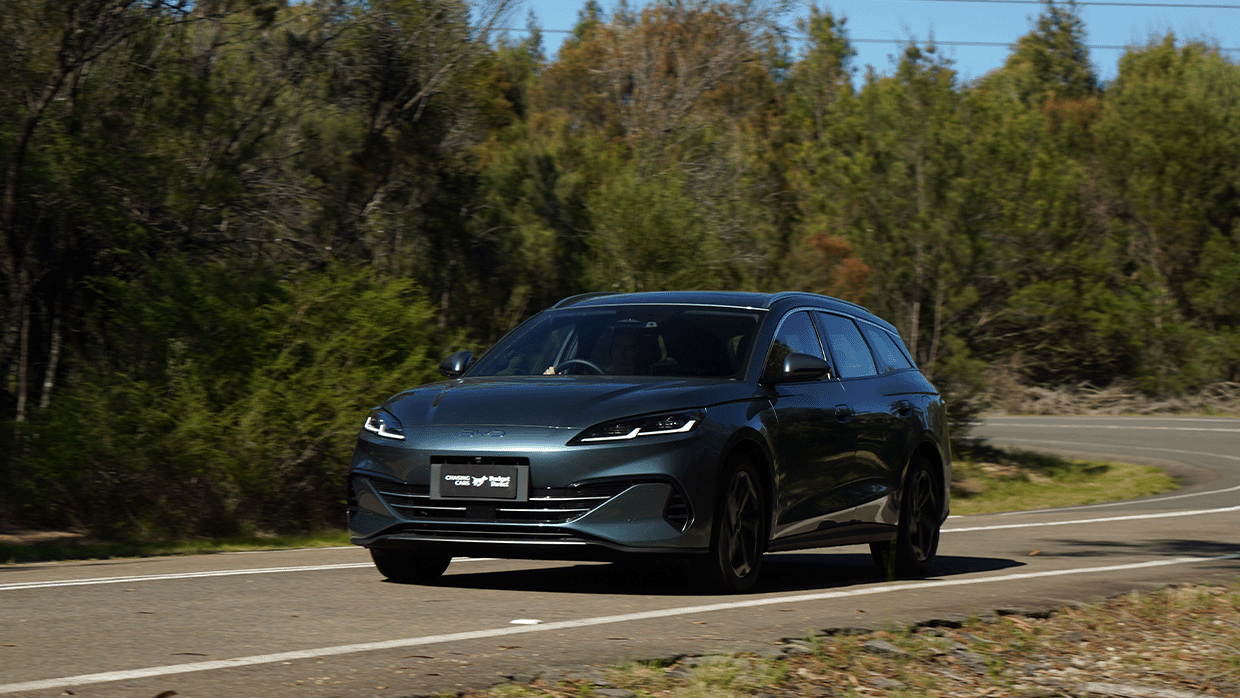
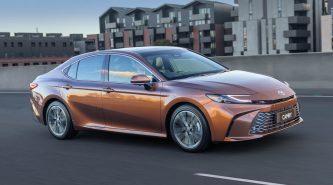
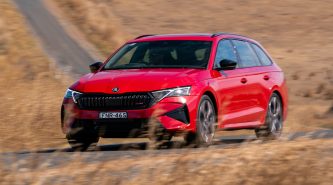
They fill key holes in BYD’s local line-up facing off against Toyota Camry, Skoda Octavia and, in format at least, Honda Accord.
Unsurprisingly, for BYD, both lure with sharp pricing, with the Touring five-door variant priced at $39,990 list in sole Premium trim – right at the tip-in point of a Toyota Camry, and significantly cheaper than the $69,990 Cupra Leon Sportstourer VZe wagon we reviewed recently.
On paper, the Touring Premium appears the thrifty private-ownership family hauler or shrew rental/ride share commercial option, touting 0.8L/100km consumption and 1000km touring range (WLTP) in a practical wagon form fitted with an ample features set. There’s no direct rival out there for anything like its low price.
This leaves the even measurably cheaper ($34,990 list) sedan choice, in technically simpler and slightly spec nobbled Essential guise, a proper ride share buck-banger…and a worthy review subject for another day.
For the five-grand upcharge, the Touring is more than just a bigger boot. Its 163kW (up 33kW) and (up 30Nm) 260Nm combined comes about from a larger 19kWh (plays 10kWh) battery paired to a more powerful 160kW (up 40kW) and 260Nm (up 50Nm) motor, though both fits the same 70kW/120Nm 1.5-litre Atkinson cycle petrol four engine.
Not only does the wagon return a superior fuel economy claim (0.3L/100km improvement), its 100km WLTP electric only range is significantly longer (by 45kms). More evidence the Touring is more private buyer minded is that it offers 6.6kW AC and 27kW DC charging, whereas the sedan is 3.3kW AC and offers no DC facility whatsoever…
These are impressively solid credentials for what’s the cheapest fully fledged wagon on the local market.
If its efficiency stats appear genuine on test, the Seal 6 Touring only needs to deliver an adequate experience to make for a somewhat enticing choice for its buck-banging outlay.
Ownership wise, warranty is six years if capped (150,000km) for mileage, with servicing priced at $2775 for the first five years (with condition-based intervals based on usage).
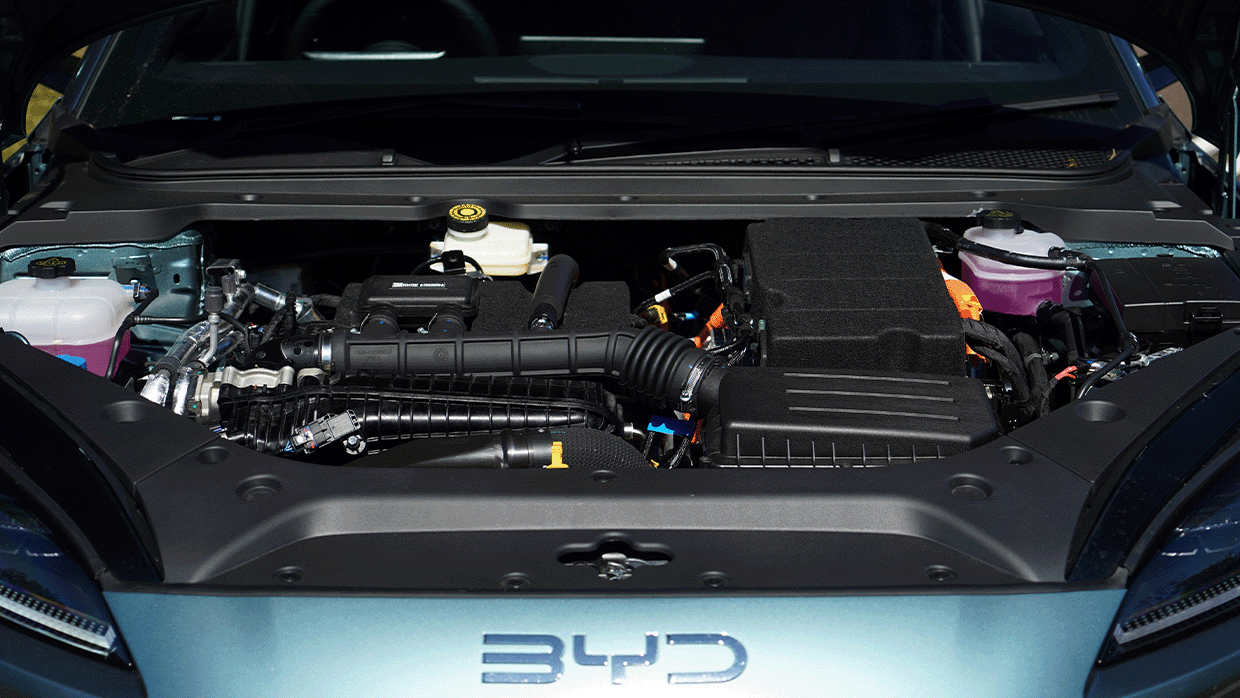
The Dual Mode 5.0 Super Hybrid (aka DM-i Super Hybrid) branding couldn’t drown out concerns of what might happen when that modest 70kW/120Nm combustion engine might run out of electric drive reserves. In practice, though, any sudden neutering of drive power is completely avoided in all usable modes.
The power has three modes: full electric drive with no combustion use; ‘HEV Series’ where the engine is purely a non-propulsion generator for the 19kWh ‘Blade’ battery (so still EV only); and HEV Parallel mode, where both electrons and dinosaur juice conspire to forward (or reversing) motion, for peak combined outputs.
Opting for the first mode returning close enough to its 100km of real world range on electrons alone. But in reverting to either hybrid mode in anything lower than 50 percent charge, the Seal 6 Touring always has electric drive readily on tap.
It’s good, too. In Normal drive mode, this DM Super Hybrid feels smooth, linear and decently toey. In Sport mode, it amps up impressive enthusiasm and thickens the undertow of torque without any unnecessary peakiness in throttle response.
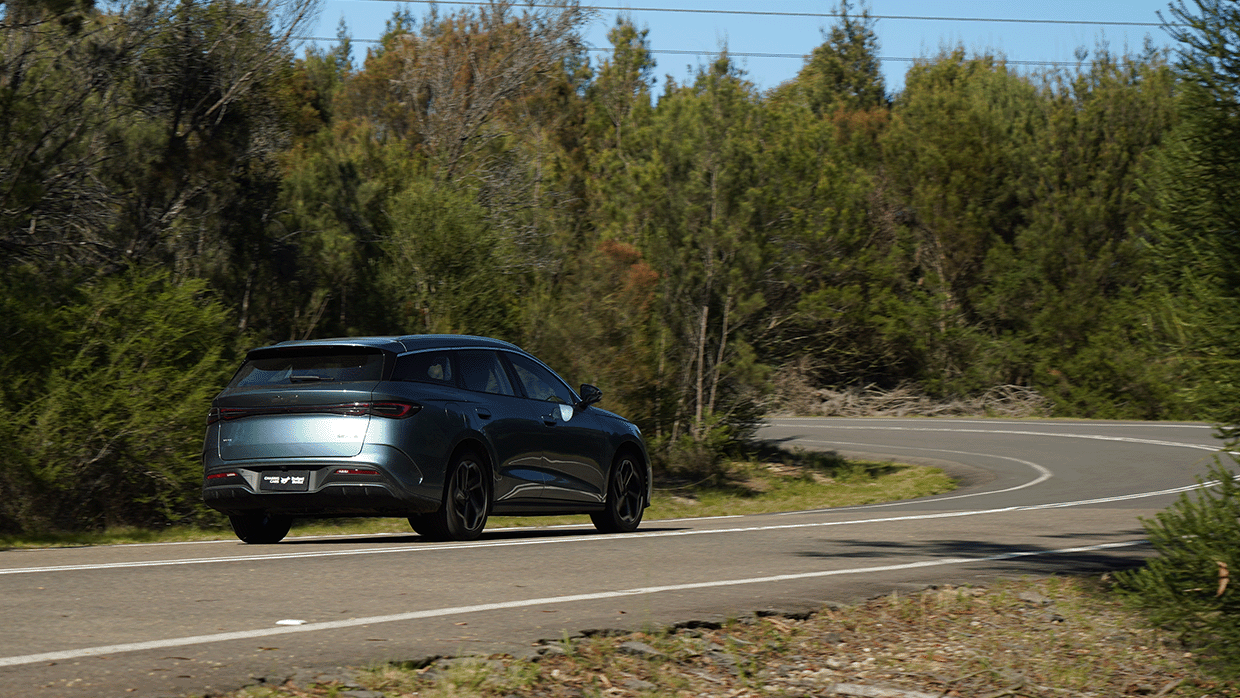
Better yet, the 1.5 engine is very quiet and the powertrain returns impressive refinement, with whatever ratio swapping – if any – in the hybrid system auto utterly seamless in action.
It’s a polished, well-sorted powertrain that, by comparison, makes the character of even Toyota’s or Hyundai’s latest generation hybrids feel – and sound – raspy and slightly agricultural by comparison.
Another big plus is that the BYD doesn’t overly punish you if you never choose to actually plug it in. Left to its own hybrid devices, for mixed driving, consumption sits in the low-four-litre mark per hundred kays…or around the same as your average self-charging (non-PHEV) Toyota hybrid such as RAV4 or Camry.
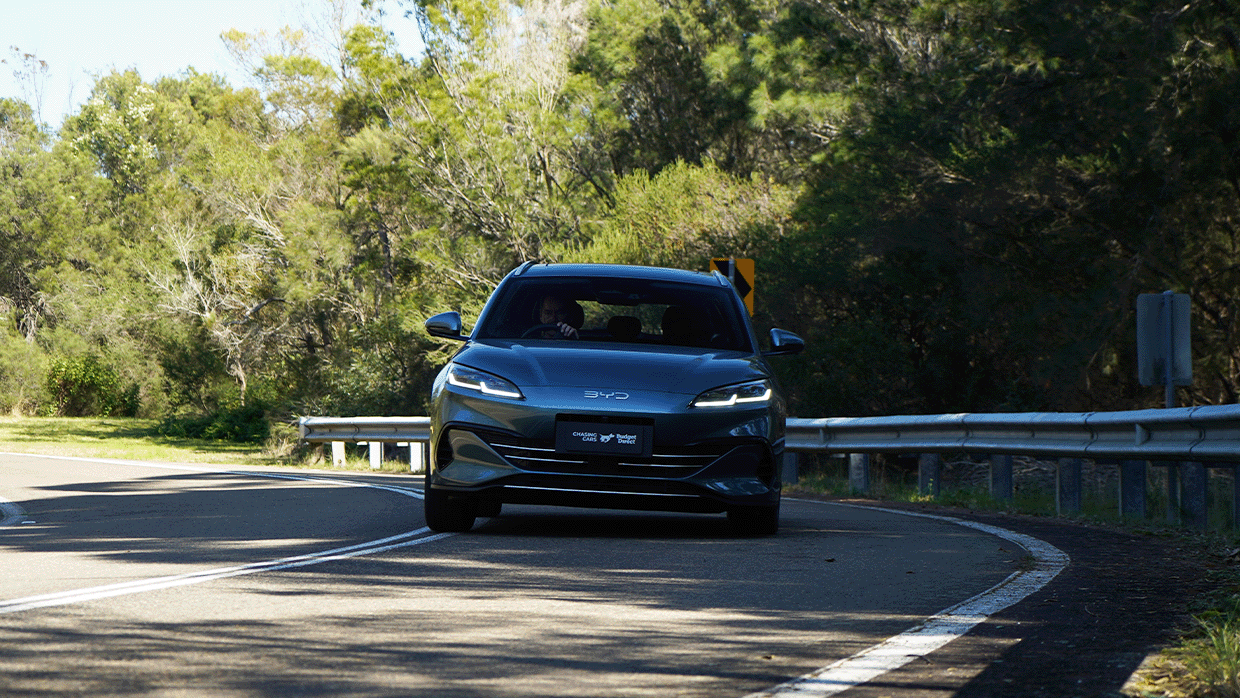
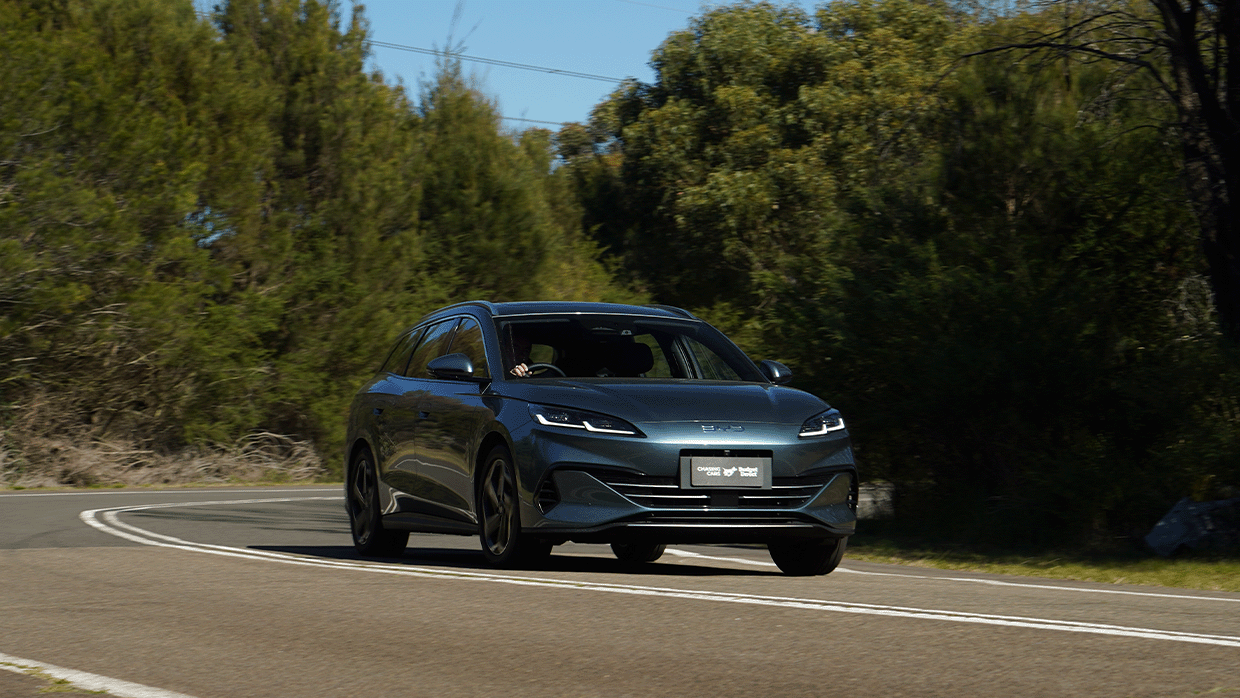
The chassis is decent, too, though not without fault. The suspension’s front end is very soft, which is good for ride quality but less so for outright dynamic talent. Conversely, the rear end is quite taut, bringing ample lateral grip if making it pitchy over speed bumps.
That said, the two axles blend together well enough to balance ride and handling out acceptably well. It’s a moderately spirited corner carver, with surprisingly even and accurate steering, and the general ride compliance is nice enough in the lion’s share of driving situations.
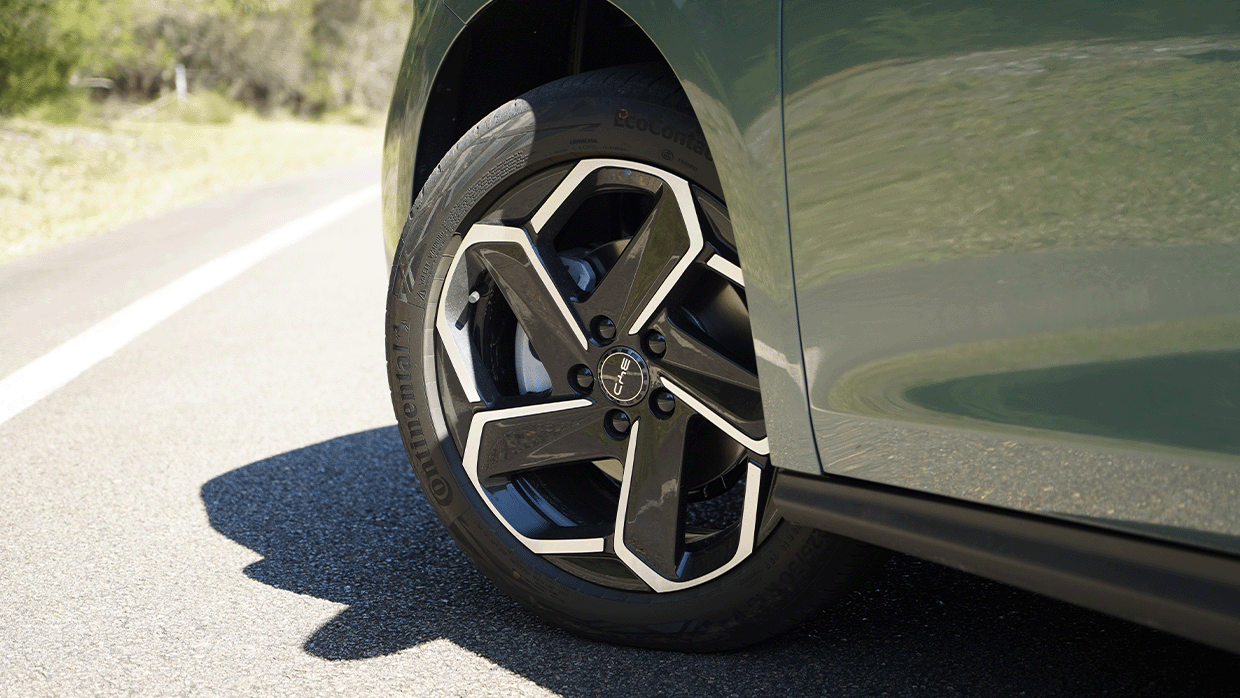
Kudos to BYD, too, for fitting quality Continental EcoContact 6 rubber, in 225 50/R18 spec, which add solid dry and exceptional good all-weather grip as well as some added sidewall compliance.
Its 1800kg kerb weight is neither waify nor excessive, so the wagon does feel reasonably sprightly once the red mist descends across some tasty backroad curves. It’s sporty enough, then, to return rather handy grand touring manners its sporty appearance tends to promise.
Downsides? While the ADAS features are mostly well behaved, the driver monitor system is downright oppressive and overly sensitive to normal Aussie urban driving. In our maiden 20-minute highway trip, either the driver fatigue or distraction warning triggered a dozen times.
It’s such a shame that BYD managed to make such a generally accomplished drive suffer through bumbling ADAS calibration that puts a real downer on any sort of daily drive or open road task this wagon is otherwise glove-fit for.
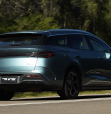
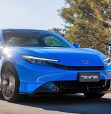
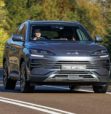
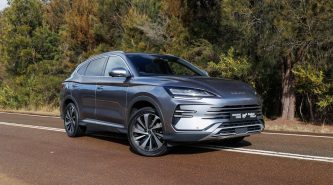
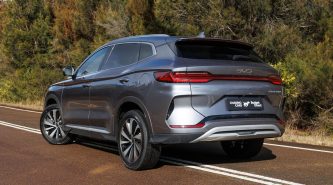
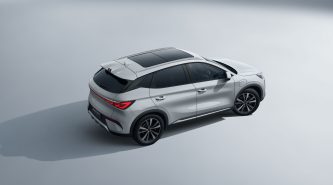
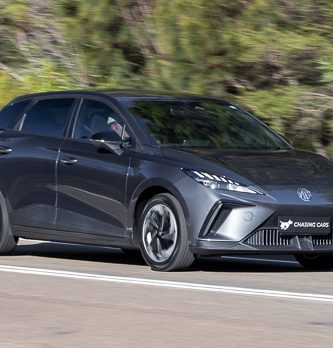
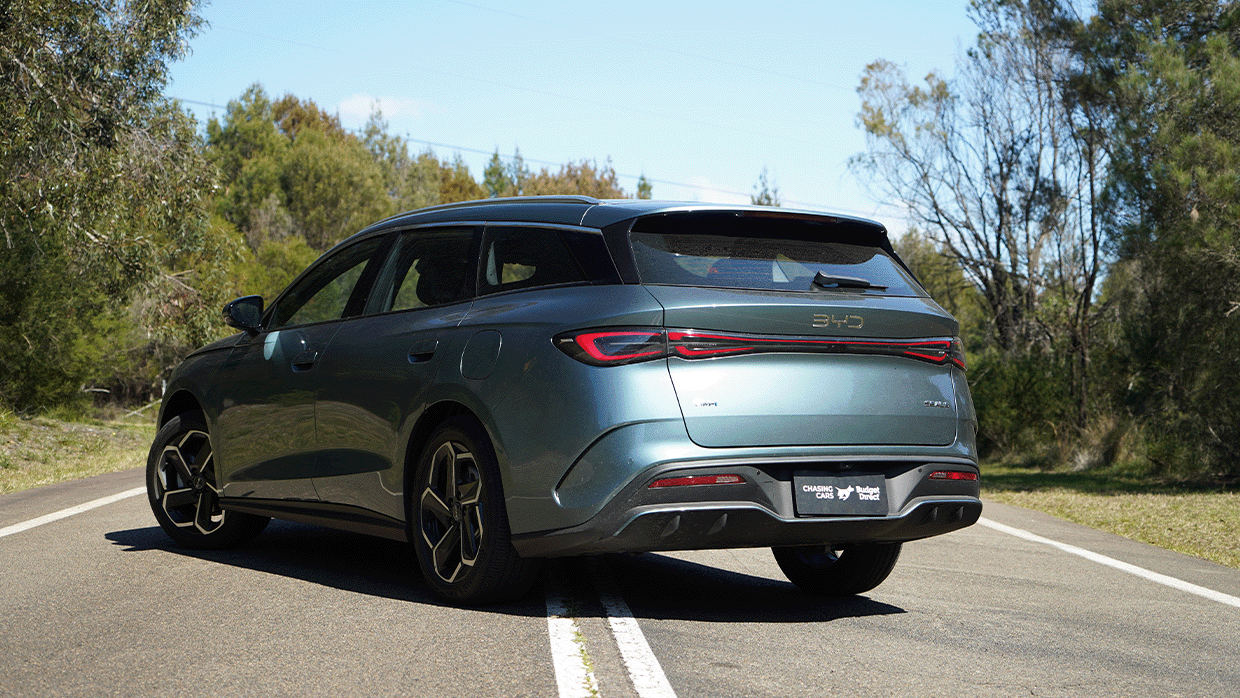
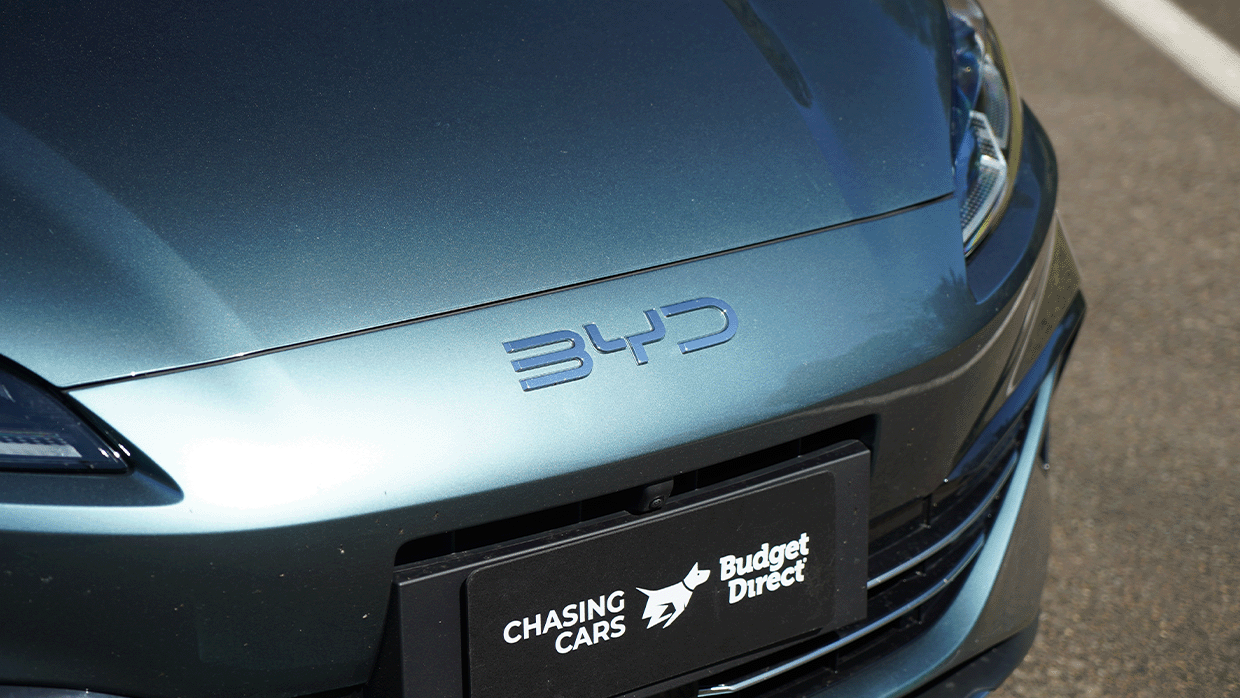
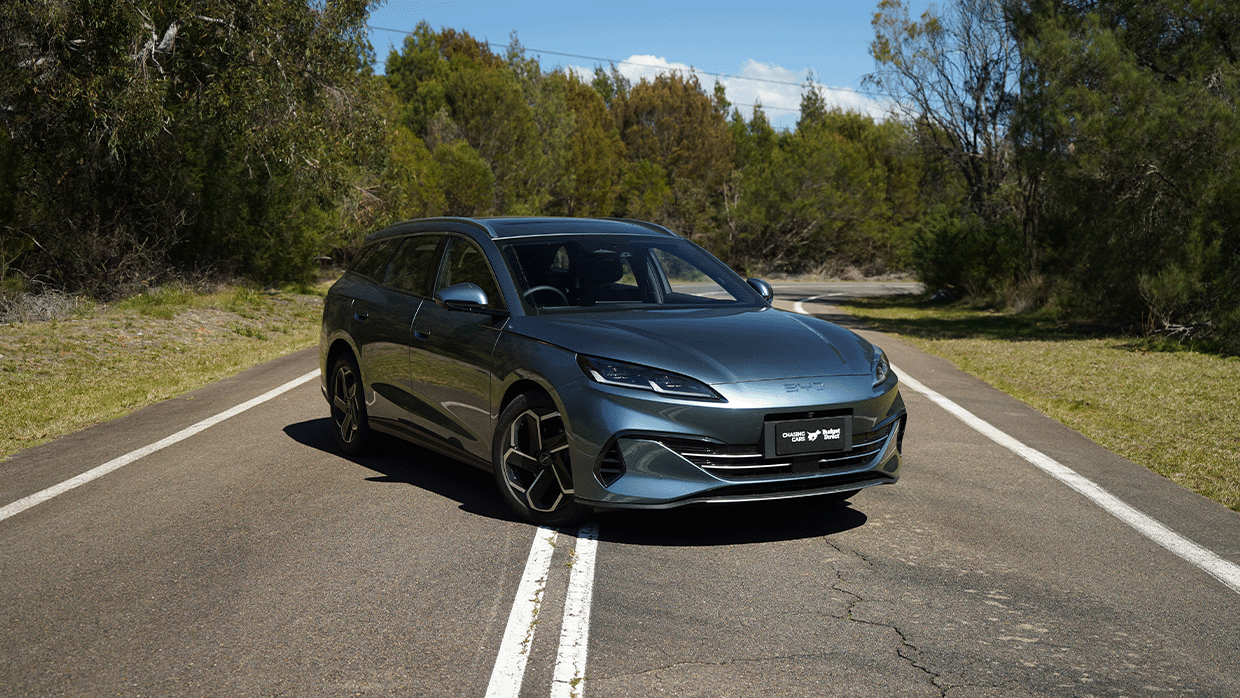
Not to be ignored is the exterior presentation. The Seal 6 Touring is a handsome, quite conventionally styled wagon that’s both mature and fetchingly sporty.
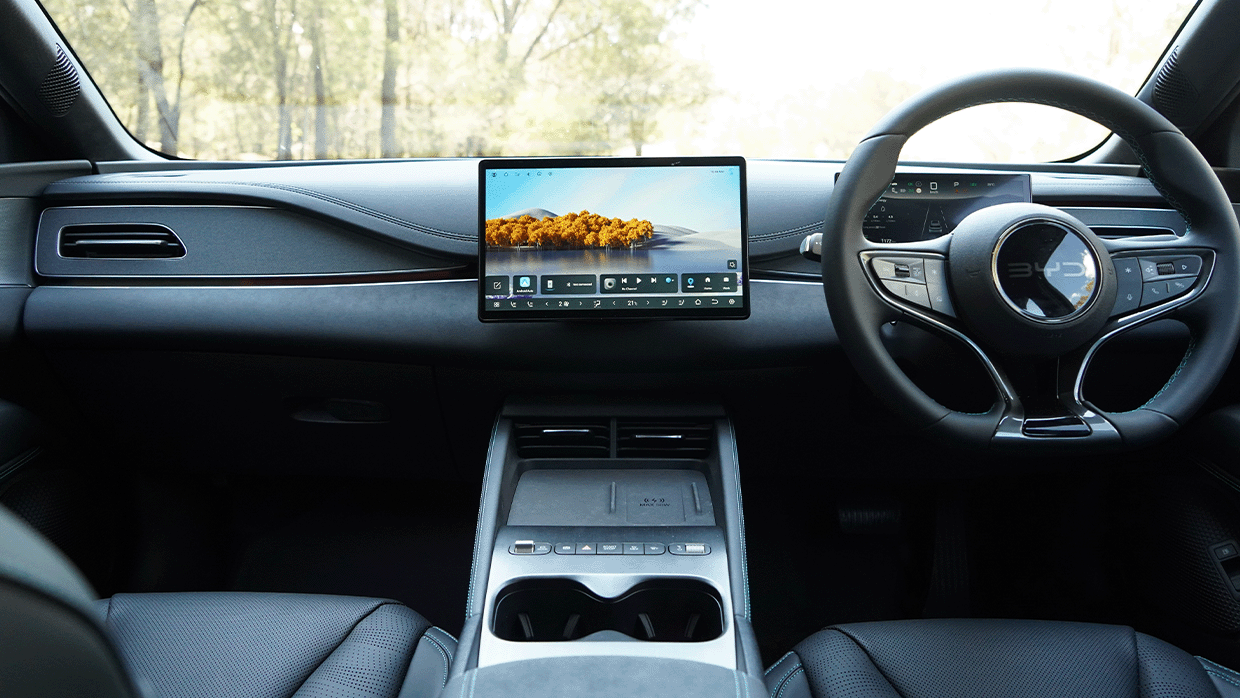
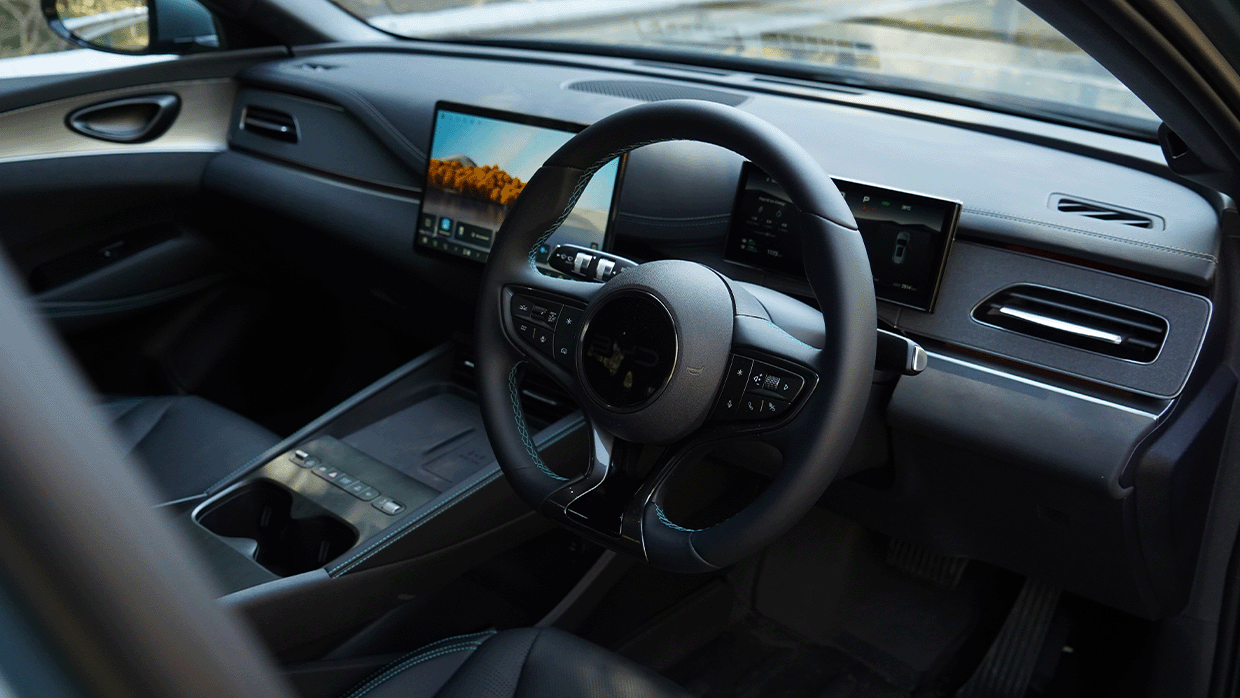
That theme continues inside. Sure, it’s largely mid-grey dipped and, bar some neat green double-stitching, quite dour in look, but there’s some sense of celebration in the sweeping dash theme that’s minted in decent materials for its price point.
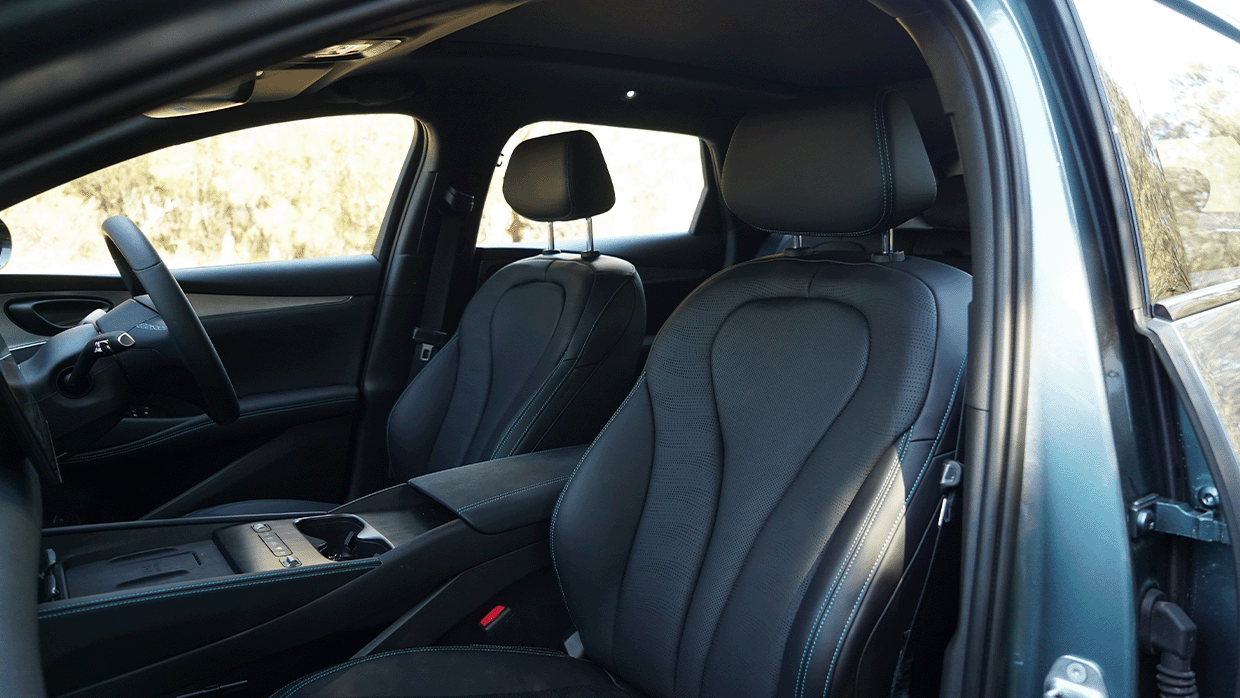
The suede-like effect through the dash fascia, doors and armrest are nicely tactile – ditto the soft touch vinyl trimmings. And the perforated faux leather of the reasonably comfy front sport seats – both fully electric in adjustment – feels plush enough.
Further, front seat ventilation and heating is specc-y for any sub-$40K proposition, though we’d easily trade either feature for some semblance of lumbar adjustment for the six-way-electric driver seat (while the front passenger gets four-way).
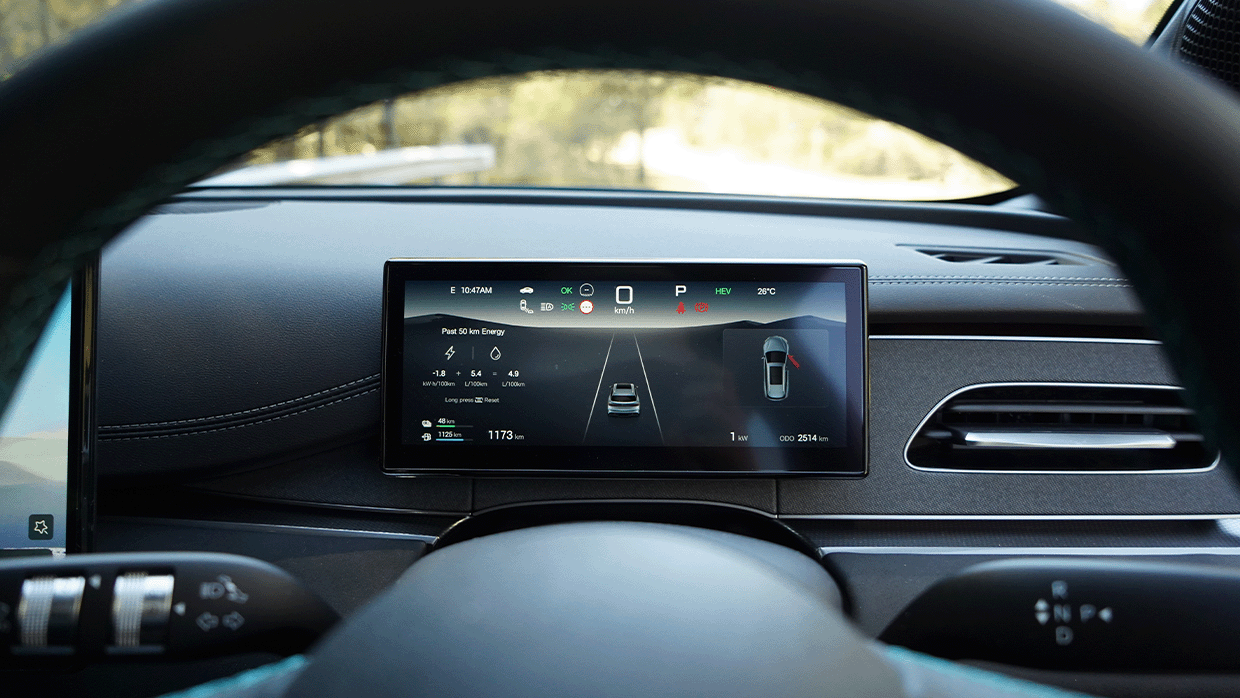
A neat chunky sports wheel, petite 8.8-inch LCD driver’s screen and 12.8-inch media touchscreen are all quite conventional, easy to use and classy. And the console control set is simple and intuitive. It’s a nice antidote to some of the weird execution in many of today’s Chinese offerings.
There’s nothing too ‘poverty pack’ about the features set, either. The proprietary sat-nav is crisp and clear, the inductive phone charging is powerful (50 watts max) and there’s even a 360-degree camera system with adaptive guidelines, albeit one with a painfully low frame rate.
USB-A and -C ports, and air vents, are covered across both rows, and a big plus is that its decent first row fitout doesn’t plummet downmarket once you climb into row two.
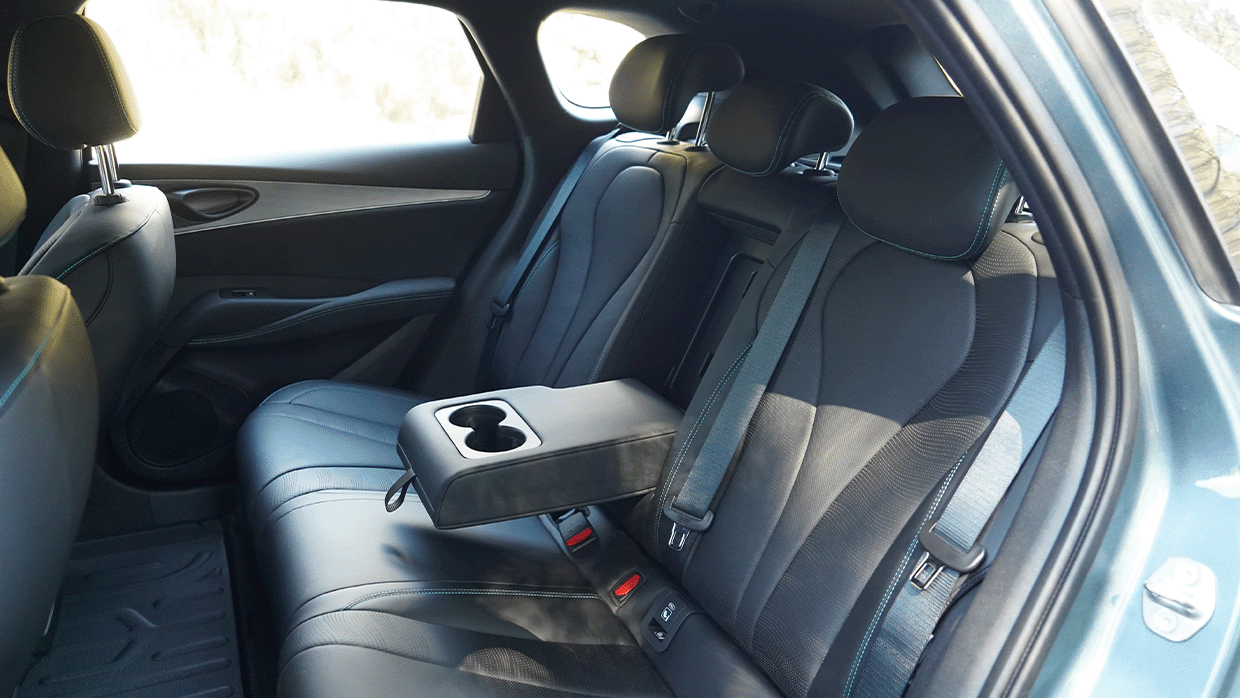
Its medium-sized length translates into good rear space, too, with ample knee and headroom. The full-length panoramic glass roof also imparts a nice, airy ambience with the fabric scrim retracted.
If there’s a gripe with the interior, it’s that the climate control functionality is inconsistent and struggles to self-regulate a consistent temperature. And while it’s planted in the media screen – rather than its own dedicated control panel – at least the main air-con controls stay on the home screen.
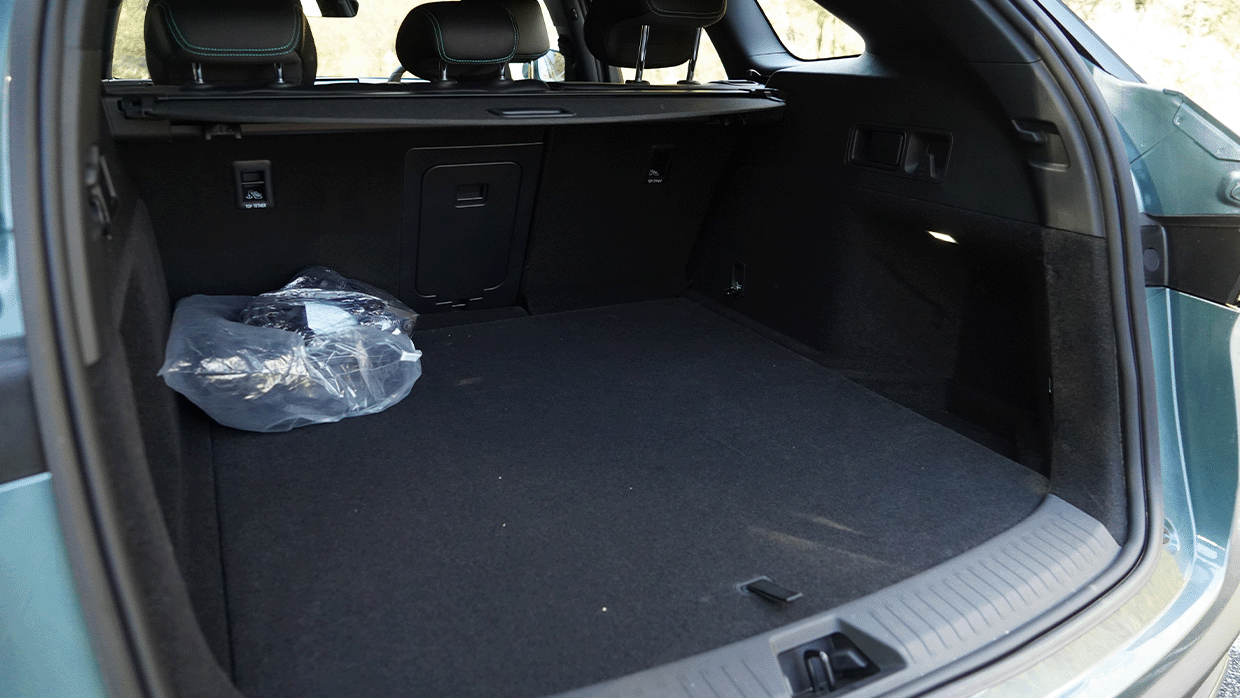
There’s a nice, large boot, offering 670 litres (to the ceiling) in five-seat configuration and a claimed 1535L converted to a two seater. There’s no space saver, but you do get a proper inflator device under the rear cargo floor. A powered gate, too, is a nice inclusion at this price point.
The plug-in Seal 6, in both sedan and wagon forms, was awarded five stars from ANCAP datestamped from 2025 and based on Euro NCAP testing. Commendably so, with 92 and 90 percent respectively for adult and child occupant protection, and high 84 percent scores for vulnerable road user and safety assist.
While not to take away from this accolade, one questions the validity of ANCAP’s ratings given the ADAS calibration of the Australian spec cars prove demonstrably compromised, albeit in one specific area, when driven normally in real-world Australian conditions.
As standard, the Seal 6 Touring key features include:
It turns out that the cheapest wagon on the market is more than adequate in many areas, and its shortcomings, impressively, are few. And, overall, bang for its modest $40K buck is quite impressive.
The powertrain is a highlight: frugal, flexible, plenty powerful and more refined than those fitted to so many Japanese and Korean mainstream mainstays. And it’s paired with the chassis that, while not perfect, underpins a pleasant urban or touring experience.
Despite the dour theme, the interior gets everything mostly right. And from the burgeoning lists of features and usability to space and practicality, it punches above its weight.
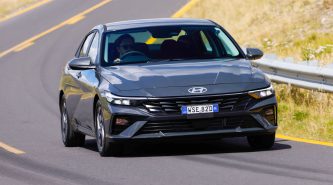
The Seal 6 Wagon is also a bit of a unicorn on Aussie roads, a stylish plug-in wagon that offers a surprising amount of depth and value, and represents a worthy family-friendly alternative to the me-too SUV set. One that Toyota, Skoda and Hyundai currently have no direct answer for.
Key specs (as tested)
About Chasing cars
Chasing Cars reviews are 100% independent.
Because we are powered by Budget Direct Insurance, we don’t receive advertising or sales revenue from car manufacturers.
We’re truly independent – giving you Australia’s best car reviews.
The estimate provided does not take into account your personal circumstances but is intended to give a general indication of the cost of insurance, in order to obtain a complete quote, please visit www.budgetdirect.com.au. Estimate includes 15%^ online discount.
^Conditions Apply
Budget Direct Insurance arranged by Auto & General Services Pty Ltd ACN 003 617 909(AGS) AFSL 241 411, for and on behalf of the insurer, Auto & General Insurance Company Limited(ABN 42 111 586 353, AFSL 285 571).Because we don’t know your financial needs, we can’t advise you if this insurance will suit you. You should consider your needs and the Product Disclosure Statement before making a decision to buy insurance. Terms and conditions apply.
Indicative quote based on assumptions including postcode , 40 year old male with no offences, licence suspensions or claims in the last 5 years, a NCD Rating 1 and no younger drivers listed. White car, driven up to 10,000kms a year, unfinanced, with no modifications, factory options and/or non-standard accessories, private use only and garaged at night.
^Online Discounts Terms & Conditions
1. Discounts apply to the premium paid for a new Budget Direct Gold Comprehensive Car Insurance, Third Party Property Only or Third Party Property, Fire & Theft Insurance policy initiated online on or after 29 March 2017. Discounts do not apply to optional Roadside Assistance.
2. Discounts do not apply to any renewal offer of insurance.
3. Discounts only apply to the insurance portion of the premium. Discounts are applied before government charges, taxes, levies and fees, including instalment processing fees (as applicable). The full extent of discounts may therefore be impacted.
4. We reserve the right to change the offer without notice.