Powered by

-
Car Reviews
Latest reviews
-
Car News
Latest news
-
Car Comparisons
Latest comparisons
- Chasing Deals
Latest reviews
Latest news
Latest comparisons
Mercedes-Benz’s first electric C-Class is rapid, efficient and properly premium, but just as with the petrol version, getting the specification right is key
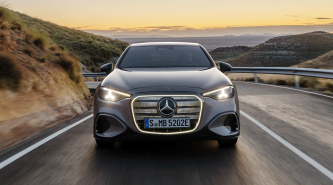
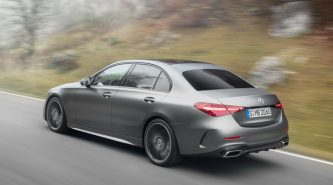
Mercedes-Benz has built and sold several electric sedans in the past — but its decision to add battery power to the C-Class carries additional weight.
This is the badge that has long distilled Benz brand values into its most attainable traditional sedan model – if you don’t count the CLA – so getting the C-Class Electric right is a high-stakes project.
The new electric C-Class carries the ‘W520’ chassis code, and it will not replace the petrol and hybrid ‘W206’ model — both of which will continue on sale for the foreseeable future.
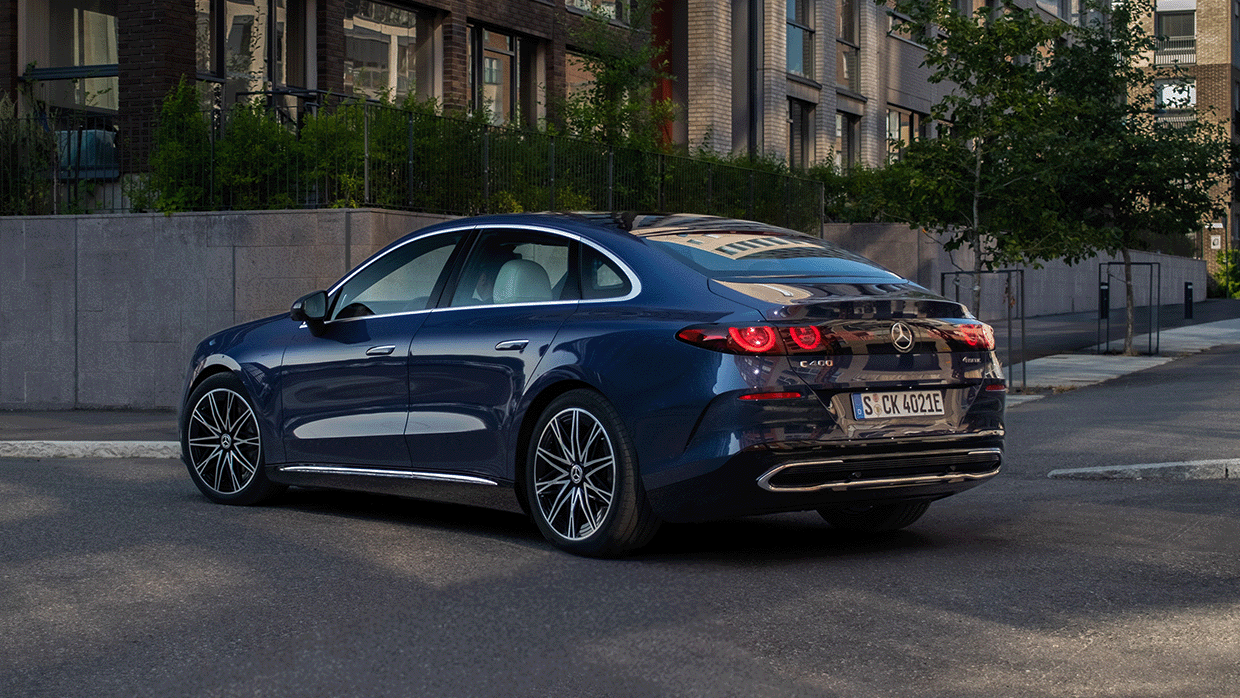
Instead, the EV will sit alongside the combustion models in Mercedes-Benz Australia showrooms from early 2027 as a larger car and purpose-bult EV. At 4883mm long, it rides on a 2692mm wheelbase and weighs a substantial 2460kg in C400 4MATIC dual-motor spec.
That mass makes Mercedes’ claim that this is the sportiest C-Class yet sound ambitious. However, C-Classes have really pursued lightness or athleticism: their strength has been cohesion, comfort, restrained performance, pleasant interiors and a sense that the car has been engineered to a high standard.
The first version to land is the C400, which nabs all-wheel drive, 360kW of power, and a 94kWh (usable) NMC battery. Further RWD and AWD models, along with a likely smaller battery, will follow. Australian pricing remains unconfirmed, but German positioning of the EV suggests its price may sit near to the circa-$100K C300e plug-in hybrid.
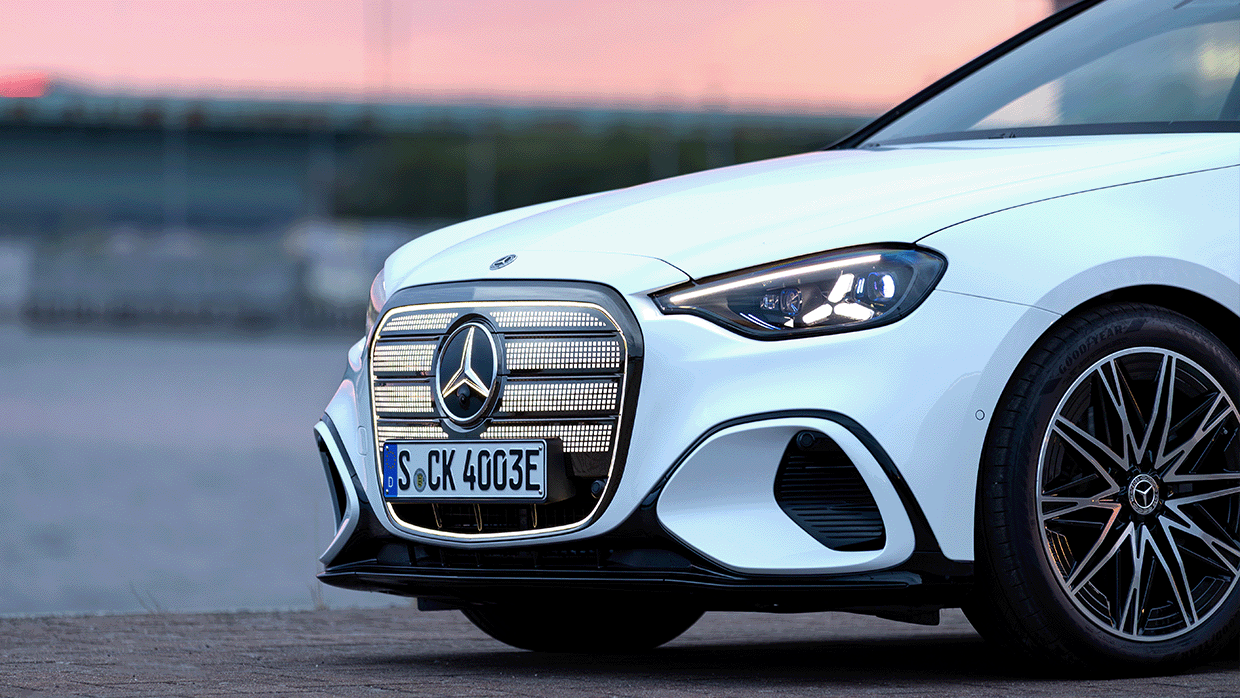
When it lands here, the C-Class Electric will immediately enter an important fight. BMW’s ‘Neue Klasse’ i3 — and electric 3 Series — is the obvious rival, and it will launch at a similar time. Meanwhile, Audi is preparing an electric A4 (for 2028), and the Tesla Model 3 remains a strong-selling benchmark EV sedan.
While various trim grades and equipment levels are available in Europe, including a fetching luxe-spec Avantgarde or the choice of a racier AMG Line appearance pacakge, expect to see a trimmed lineup for Australia reflecting the fact that the C-Class — which sold 1425 units locally last year — is much more niche these days than its GLC SUV sibling.
Built in Kecskemét, Hungary on the new MB.EA platform, the EV is technically convincing, and better-resolved than several recent Mercedes-Benz EVs — including the slow-selling EQE and EQS sedans.
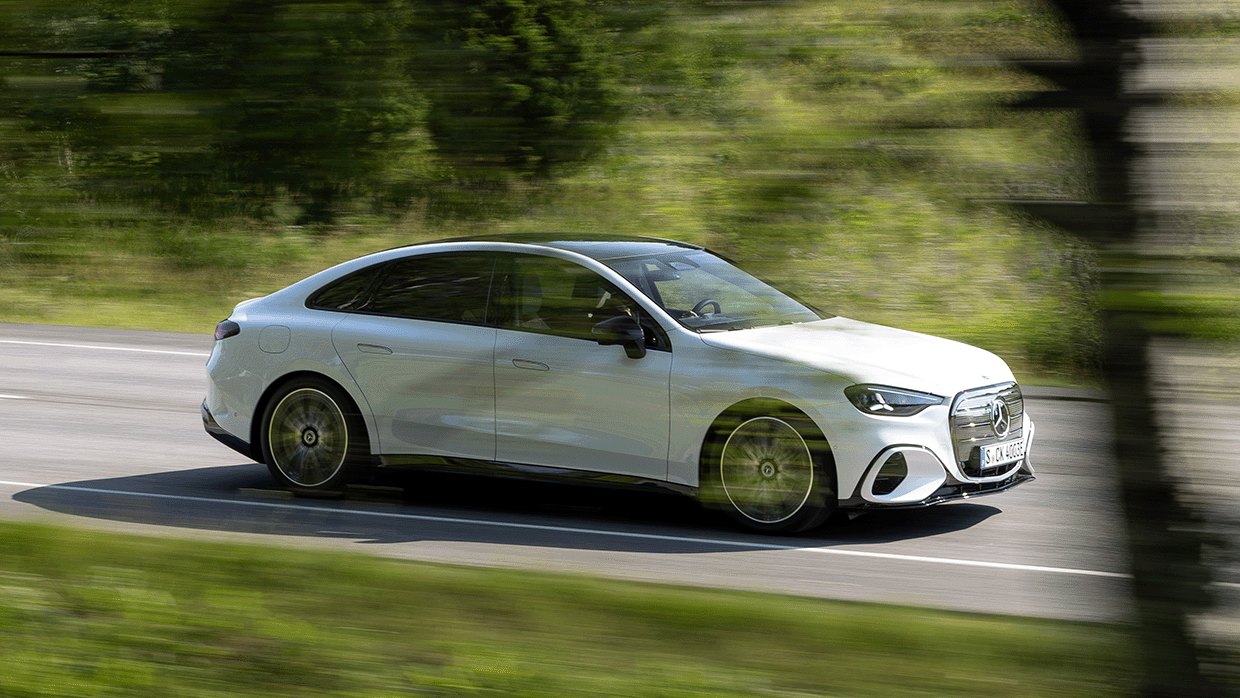
The C400’s 360kW/800Nm dual-motor outputs are more than generous — some would say almost excessive — for a non-AMG C-Class, and the swell of power underfoot is deeply enjoyable in the real world.
Pin the throttle and the C400 will complete the 0-100km/h sprint in 4.0 seconds, yet the defining sensation is in reality the breathtaking rolling acceleration, delivered with the quiet and effortless punch of an old-school comfort-tune Mercedes V8 like the E500 model of days gone by.
In fact, Mercedes-Benz could have called this grade the C500 and we wouldn’t have been surprised.
Power is abundant at every legal speed, and most buyers won’t need this much performance — but it’s nice to have. More affordable single-motor RWD versions should be more than sufficient but the C400’s power in reserve gives it an interesting character.
A two-speed reduction gearset on the rear motor uses a short 11:1 first ratio for response off the line and a 5:1 second ratio for higher-speed efficiency. On the road, the change of gear is barely noticed. The result is smooth, quiet progress.
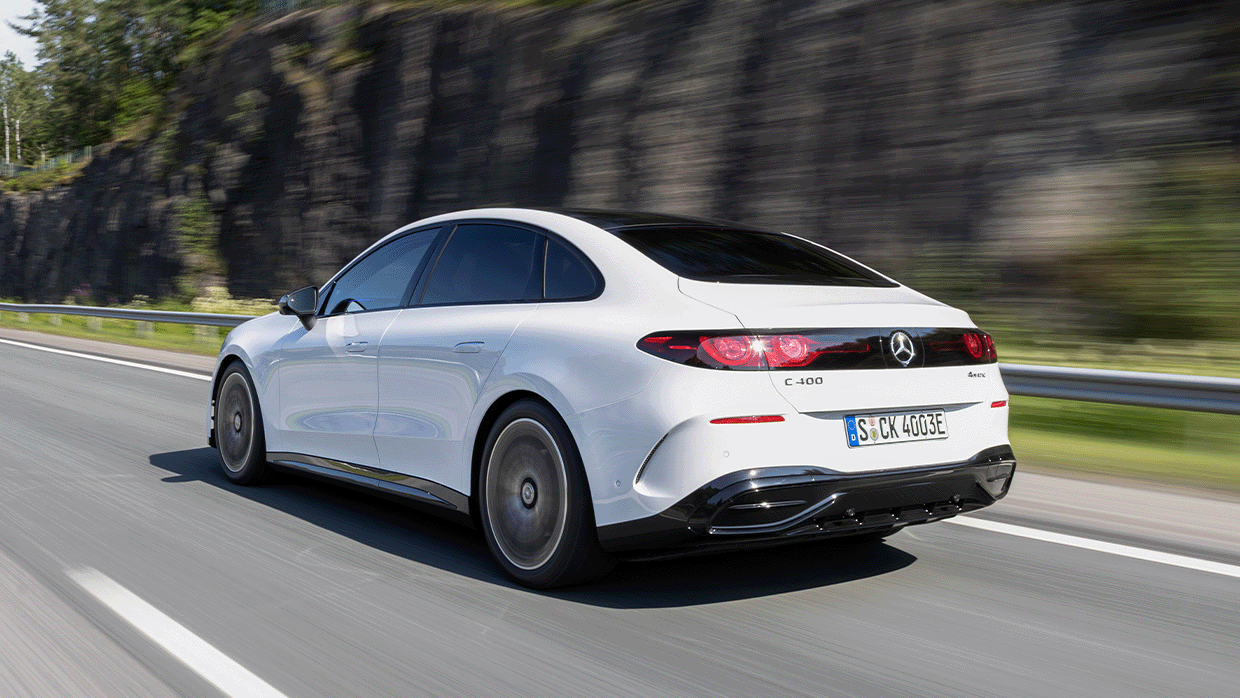
There’s a choice to be made by buyers (in Europe, at least) regarding suspension. Standard C400 examples use passive amplitude-selectiver dampers, while the optional Agility and Comfort package adds Airmatic air suspension and 4.5-degree rear wheel steering.
The tech bundled with the air-spring pack is clever, including predictive damping informed by cloud-based road imperfection data shared automatically by other cars, but the upgraded suspension does not improve the C400’s ride and handling enough to justify the added cost, weight, and complexity.
On mottled Finnish roads that resembled regional Australian surfaces, the passively-damped C400 rode beautifully, even on large 20-inch wheels — we suspect it would be even more cosseting on 18s or 19s.
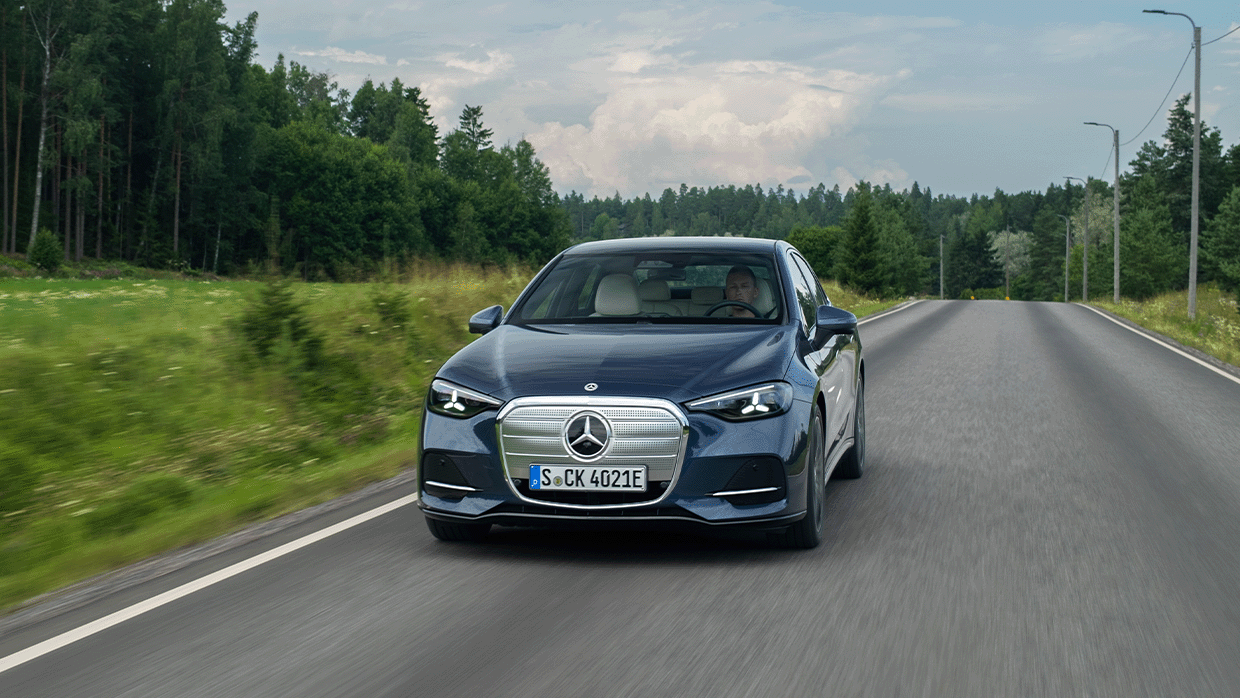
Sharp edges were absorbed with impressive compliance, while retaining relatively controlled body movements. The air-sprung car felt most natural in ‘Sport’ suspension, which was not exactly hard-edged (it could be called ‘Normal’). Comfort introduced a float effect that was not appealing.
Rear-wheel steering felt unnecessary. The system reduces the turning circle from 12.1 to 11.2 metres, but its interventions were a touch aggressive for our tastes, and made the C-Class harder to place naturally through corners. The standard ‘front-steer’ layout felt calmer and more intuitive to us.
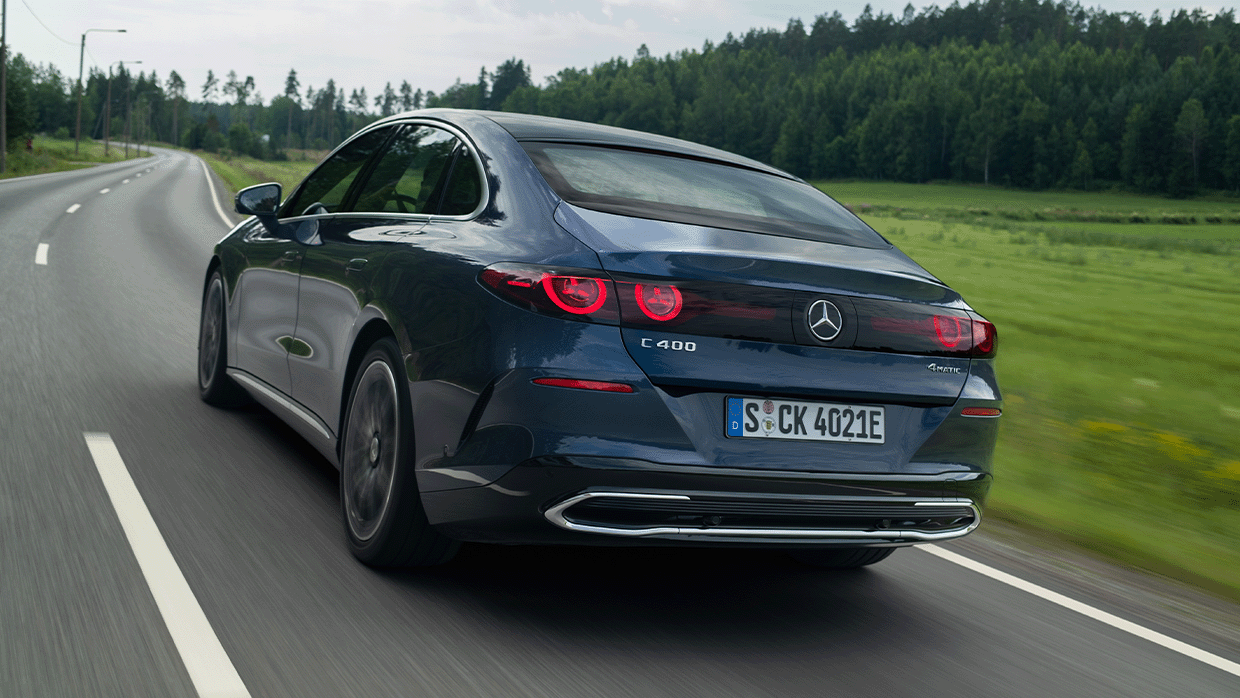
There was considerably more tyre noise than expected, despite an otherwise high degree of refinement — though acoustic glazing could be added as a (worthwhile) option.
We found the ADAS systems to be well-judged (and backed by impressive computing power to reduce false positives), and features like audible speed warning can be quickly silenced.
The cabin of the C-Class Electric is framed around a broad piano black dashboard shelf that houses three split screen panels in base form, or optionally, a seamless 39.1-inch MBUX Hyperscreen.
While there’s no doubting the showstopping effect of the conjoined screen, there is certainly little resemblance in here to the elegant and restrained C-Class cabins of the old days — but Mercedes-Benz says its customers want cutting-edge display tech.
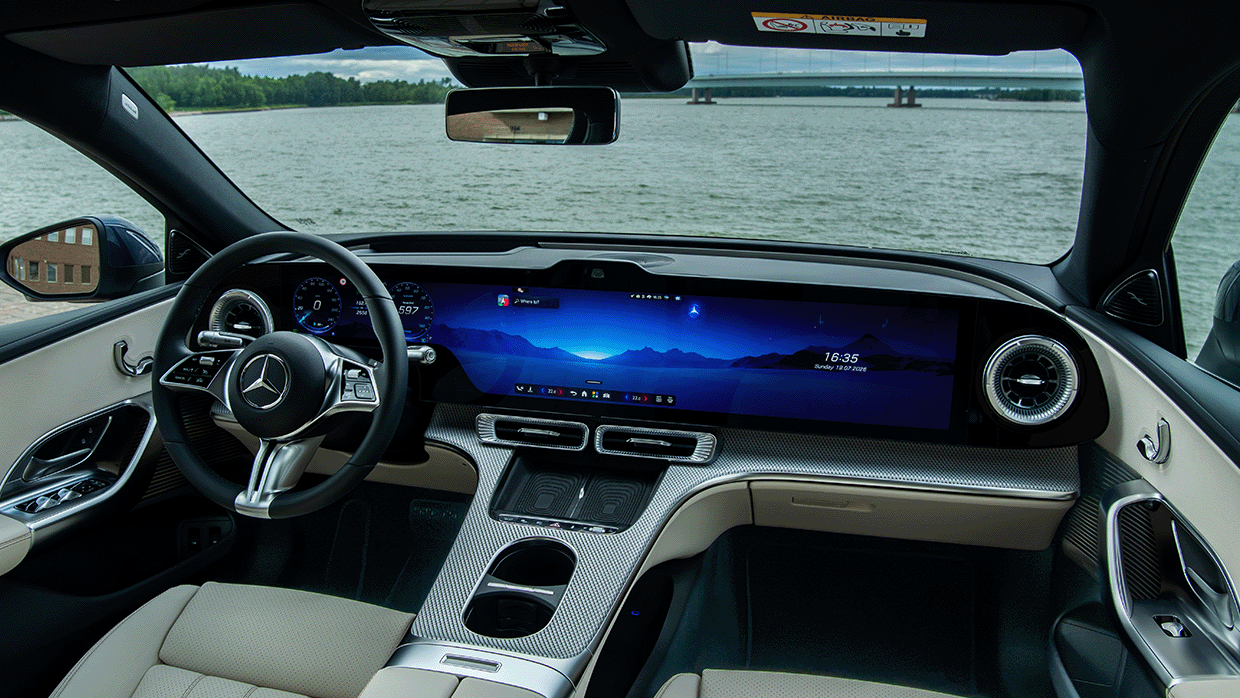
Frankly, the execution is very solid. The screen sits beneath your eye-line and manages to avoid distracting while on the move; the Mercedes software is snappy and wireless Apple CarPlay/Android Auto can be engaged if you prefer.
Importantly, Mercedes appears to have addressed the creaking dashboard structures that undermined several recent generations of models. Deliberate attempts to flex the car’s fascia and dash produced no movement or noise; perceived quality is clearly improving, and not before time.
The interior of the C-Class Electric can be personalised effectively without choosing many costly extras, with various Artico (artificial leather) or real hide colours on the options list as well as a wide choice of metals and woods for secondary trim. The front seats in particular are very comfortable and supportive.
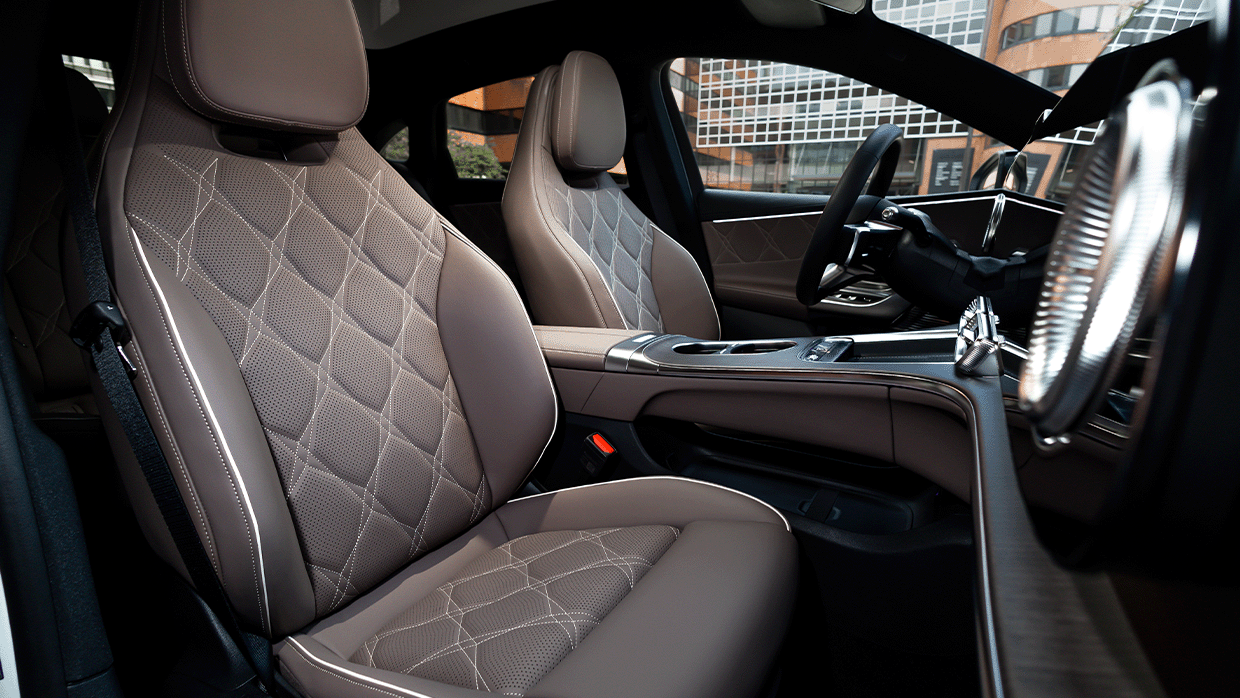
We found the standard stereo of the C-Class to be perfectly adequate, though the Burmester upgrade likely to be bundled into a premium package (that also adds tech like digital matrix LED headlights) is exceptionally bassy and will suit some tastes better than others.
Rear accommodation in the C-Class Electric is impressive, with adequate legroom and headroom for six-foot adults, though toe room is tight because the front seats have been mounted (pleasingly) low — something has to give.
A raised section for the thighs of rear-seat passengers mostly compesnates for the high floor above the battery, making the back seating position notably better than today’s BMW i4.
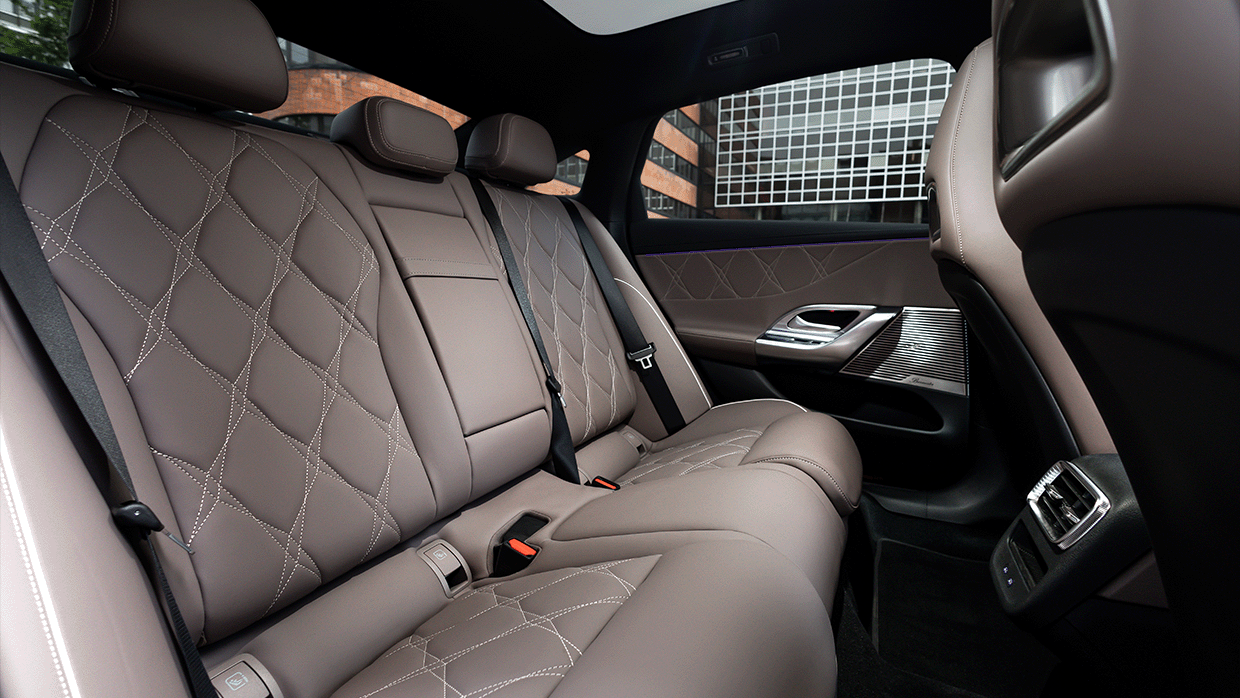
Passengers in the back receive the same soft materials as their counterparts up front, plus air vents and high-power USB-C ports. A standard glass roof makes the cabin airy, but Australian buyers are likely to want the optional dimming feature.
As a sedan only — with no wagon on the horizon — the C-Class is limited a little by its 470-litre boot, which is deep but a touch awkward for carrying larger objects. An excellent 101-litre frunk takes cables or a carry-on suitcase, opened with a novel and easy badge-press function.
The C400 grade uses a 94kWh usable lithium-ion nickel manganese cobalt (NMC) battery with 800-volt underpinnings. Official WLTP vehicle consumption sits at 12.3kWh/100km (762km of range).
We found it tough to approach those claims on our first drive of the C400 4MATIC in Finland, despite driving fairly modestly due to that country’s similar speed camera obsession to Australia.
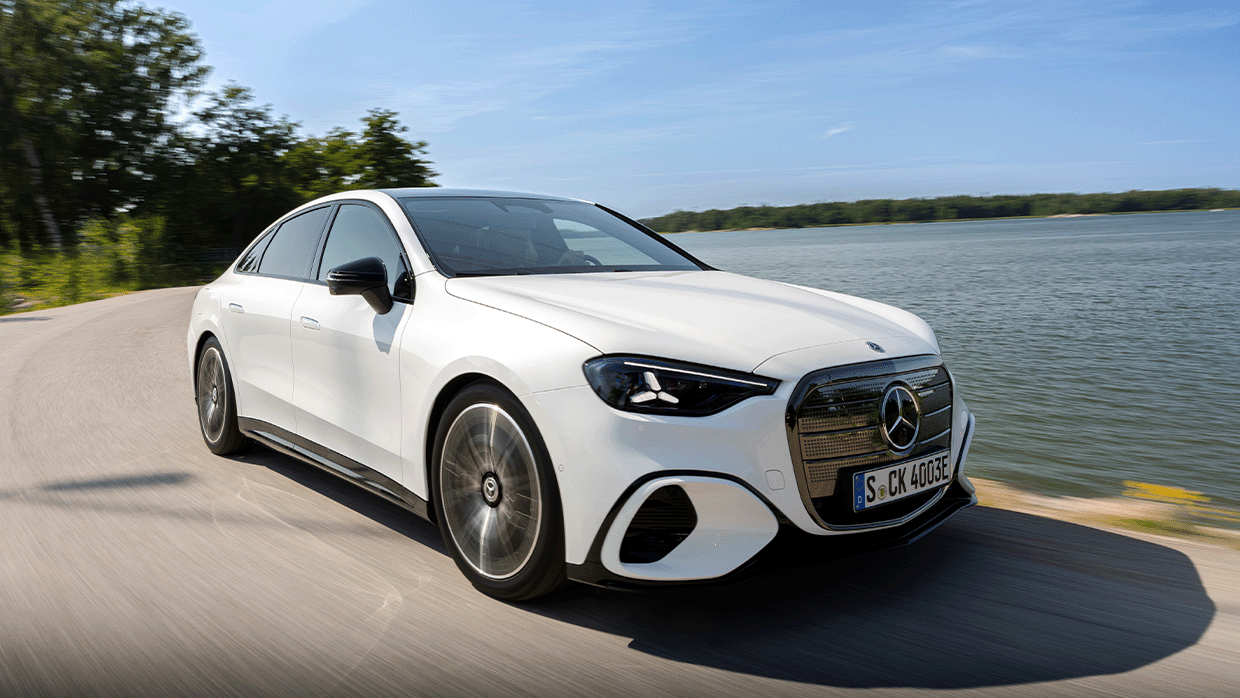
Very careful piloting saw us record 15.0kWh/100km (626km range) but settling into a nice gait on country roads saw efficiency head north to a just-acceptable 17.0kWh/100km (552km).
DC charging power peaks at 330kW with a claimed 10-80 percent charge time (in most favourable conditions) taking 22 minutes at an average of 190kW. AC charging is 11kW standard, or 22kW optionally.
Australian servicing intervals and prepaid plan prices have not yet been announced, but expect to see these closer to the early 2027 local launch window.
The C-Class Electric is a respectable premium EV effort. Mercedes-Benz has produced a credible battery-electric version of its famous badge: it’s fast, efficient, comfortable, and more coherent than earlier EQ-badged efforts from the brand.
On the whole, the C-Class Electric feels like it’s been engineered as a typical Mercedes-Benz first and an EV second, which is precisely what most buyers of cars like this want.
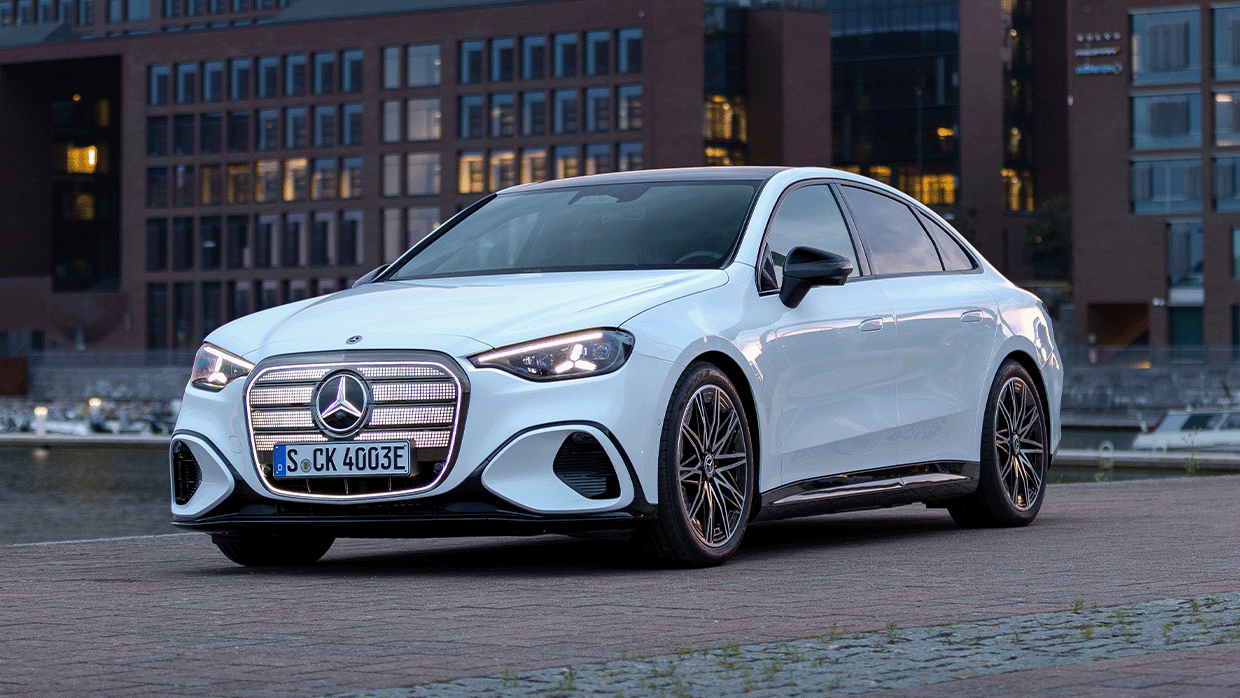
The good news is that it seems that there is little marginal benefit to splashing for the expensive chassis package that will likely be optional in Australia. The passive suspension is very well-judged and feels up to the task of controlling this weighty sedan.
It does make sense to spend up a little in the cabin: the full-width Hyperscreen plays an important role in completing the dashboard visually, while we think a sophisticated exterior colour and lighter interior helps the C-Class feel as expensive as it should.
Pricing is the last major unknown, but with the premium electric sedan segment becoming a bit more of a battleground once again — with the Benz, the BMW, and later the Audi all contesting this space — buyers should find there is plenty of choice on the horizon.
About Chasing cars
Chasing Cars reviews are 100% independent.
Because we are powered by Budget Direct Insurance, we don’t receive advertising or sales revenue from car manufacturers.
We’re truly independent – giving you Australia’s best car reviews.
The estimate provided does not take into account your personal circumstances but is intended to give a general indication of the cost of insurance, in order to obtain a complete quote, please visit www.budgetdirect.com.au. Estimate includes 15%^ online discount.
^Conditions Apply
Budget Direct Insurance arranged by Auto & General Services Pty Ltd ACN 003 617 909(AGS) AFSL 241 411, for and on behalf of the insurer, Auto & General Insurance Company Limited(ABN 42 111 586 353, AFSL 285 571).Because we don’t know your financial needs, we can’t advise you if this insurance will suit you. You should consider your needs and the Product Disclosure Statement before making a decision to buy insurance. Terms and conditions apply.
Indicative quote based on assumptions including postcode , 40 year old male with no offences, licence suspensions or claims in the last 5 years, a NCD Rating 1 and no younger drivers listed. White car, driven up to 10,000kms a year, unfinanced, with no modifications, factory options and/or non-standard accessories, private use only and garaged at night.
^Online Discounts Terms & Conditions
1. Discounts apply to the premium paid for a new Budget Direct Gold Comprehensive Car Insurance, Third Party Property Only or Third Party Property, Fire & Theft Insurance policy initiated online on or after 29 March 2017. Discounts do not apply to optional Roadside Assistance.
2. Discounts do not apply to any renewal offer of insurance.
3. Discounts only apply to the insurance portion of the premium. Discounts are applied before government charges, taxes, levies and fees, including instalment processing fees (as applicable). The full extent of discounts may therefore be impacted.
4. We reserve the right to change the offer without notice.