Powered by

-
Car Reviews
Latest reviews
-
Car News
Latest news
-
Car Comparisons
Latest comparisons
- Chasing Deals
Latest reviews
Latest news
Latest comparisons
Tesla Model 3 rival has plenty of aura about it, evoking the visual appeal of low-riding performance cars of the 1970s – but there’s work to be done for it to win in Australia
Guangzhou-based Chinese carmaker Xpeng describes itself as a robot-manufacturing, AI-specialising technology company that just happens to make cars. Globally, its aspirations are grandiose – but in Australia, it’s simply on a mission to restore order to the brand.
A bumpy start for Xpeng in Australia saw independent distributor TrueEV retailing a sole model in the G6 coupé-SUV, a Tesla Model Y alternative. Headquarters has now taken over sales and service with a promise to deliver a superior experience…and a host of new products.
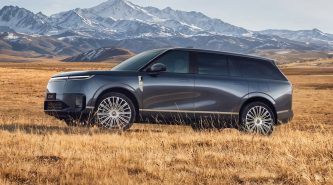
We already know the coming Xpeng product offensive for Australia will consist of smaller SUVs, like the affordable Mona L03, and larger ones, like the downright-premium G9L.
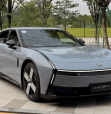
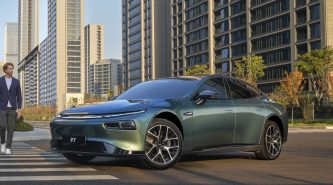
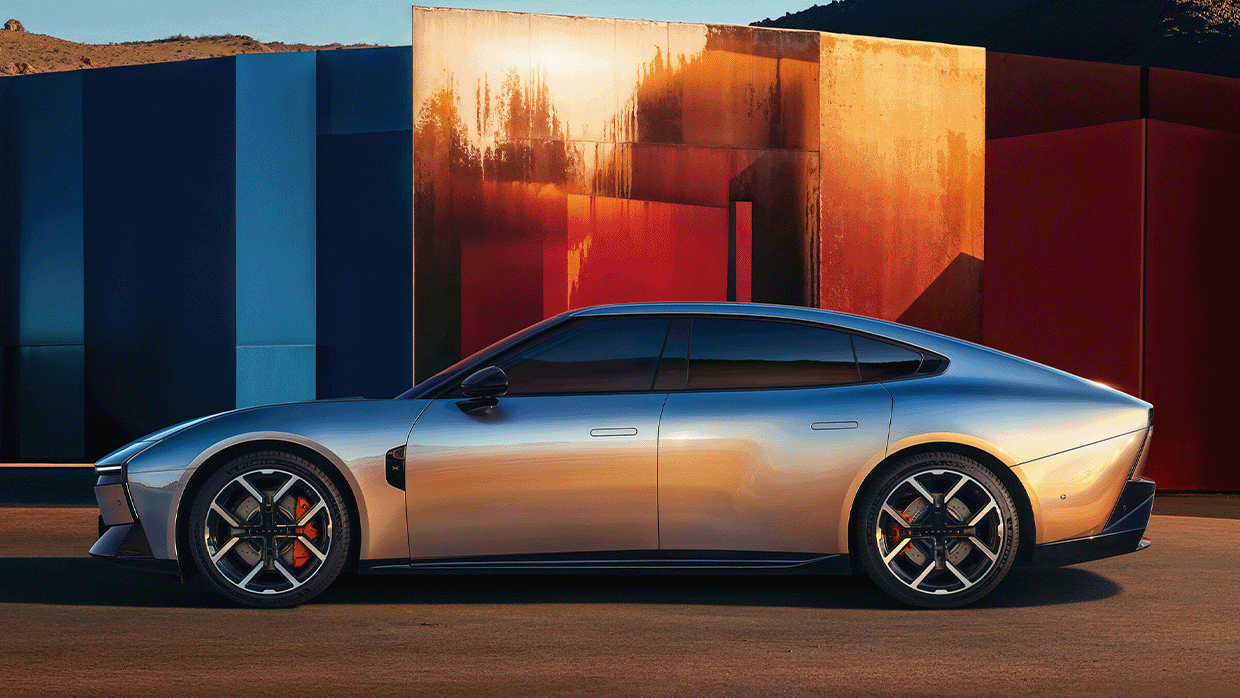
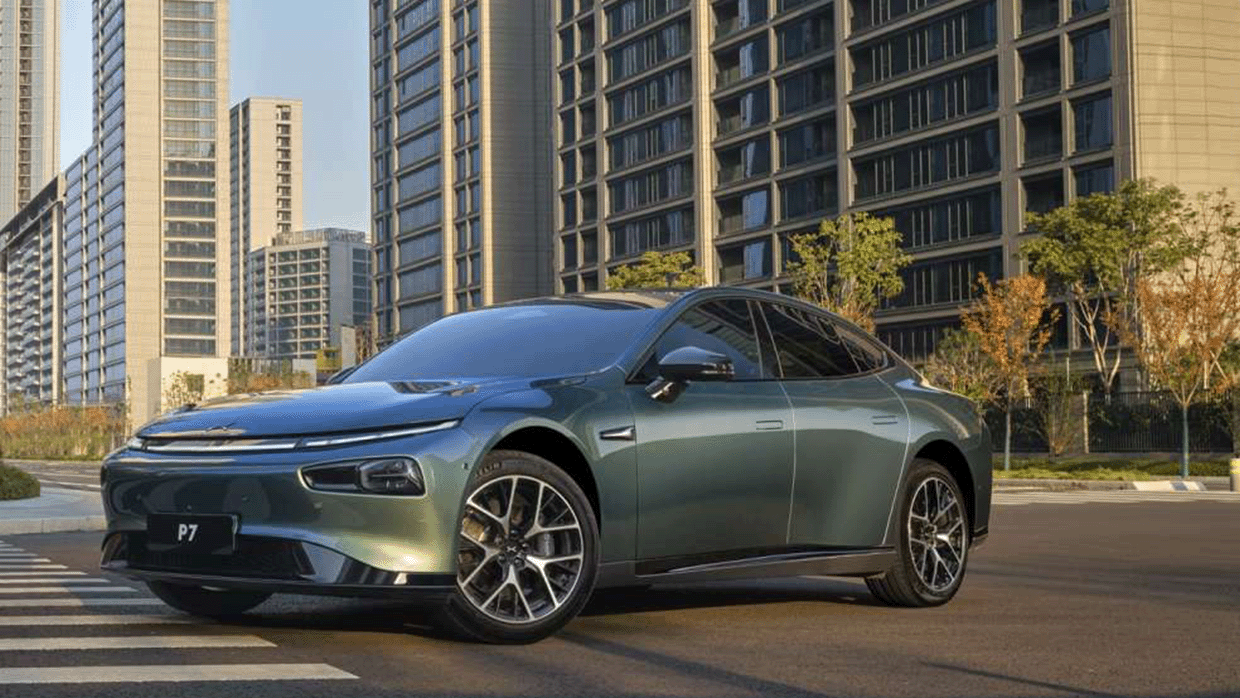
But a wildcard entry will take the form of at least one sedan model. Xpeng execs in China want it to be the large, rounded-off P7+ (Plus). But there exists a much more interesting sedan in Xpeng’s lineup that we’d like to see instead: the regular P7 (non-Plus).
A recent visit to Xpeng headquarters provided the company’s international operations chiefs with an opportunity to explain how they plan to steady the ship. But once talking was done, we were afforded the opportunity to jump into the P7 on Chinese highways and streets.
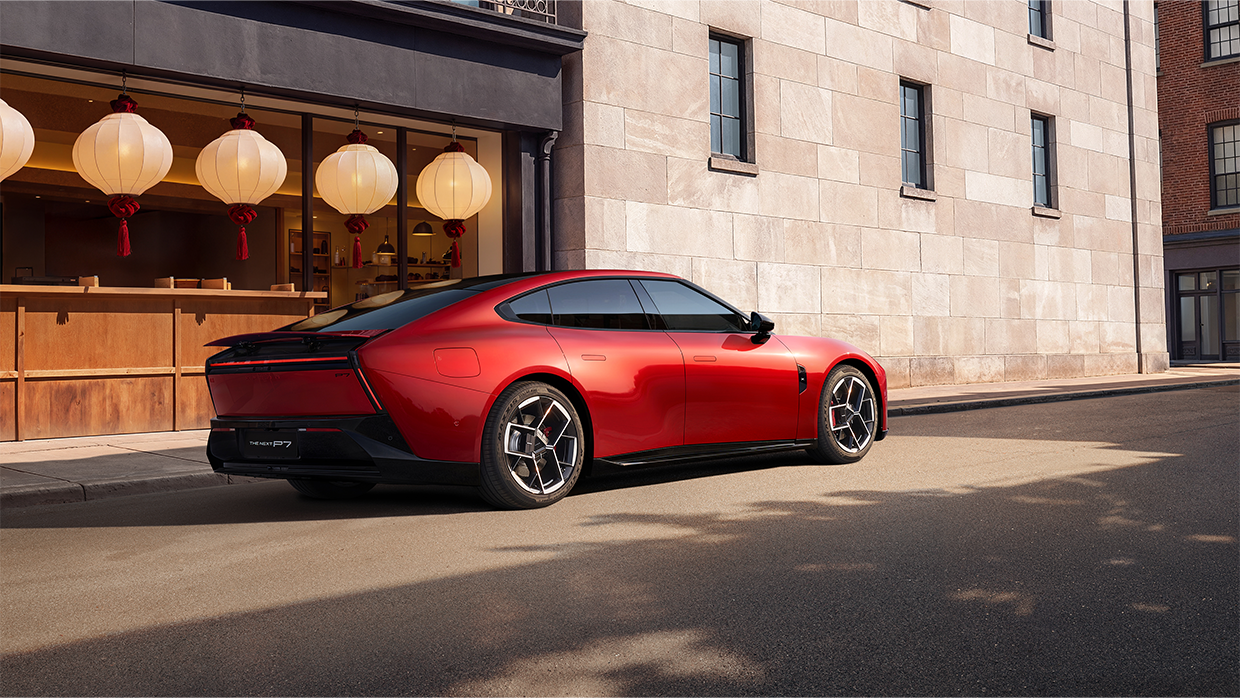
Contrary to some reporting, a final decision hasn’t yet been made on the P7-or-P7-Plus debate, though the challenges to re-engineer the hard-edged, 1970s-esque regular P7 are quite significant.
That said, the striking exterior design, pleasant cabin atmosphere and the potential of the P7’s sophisticated chassis and suspension make us optimistic that it’s worth a punt as a left-field rival to familiar electric sedans like the Tesla Model 3 and the BMW i4.
Because China is an enormous market, the P7 lineup in its home country is complex – it’d probably be cut down for Australia. It revolves around two rear-wheel-drive models (270kW/465Nm), and two all-wheel-drive cars (437kW/695Nm).
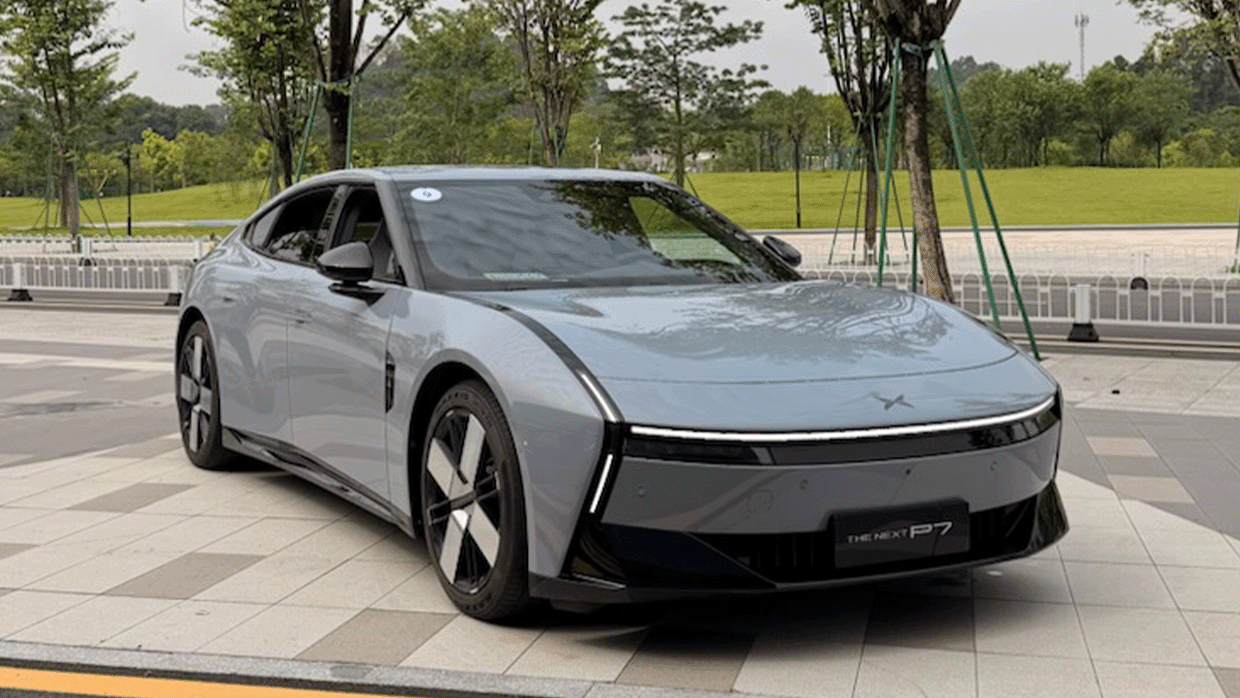
Within that split, there’s no true entry car. Base spec is called ‘Max’, packing Nappa leather/Dinamica upholstery with heated, ventilated and massaging front seats, a 23-speaker premium audio system, 15-inch central screen, dual 50W wireless chargers, 360-degree camera, 20-inch wheels, and twin-axle air suspension.
AWD cars add much more power while slashing the acceleration time. They also nab a bigger brake package to wipe off speed, fake engine sounds, and soft-close doors. And the outrageous top-spec Pengyi in China throws in scissor doors to really make an entrance.
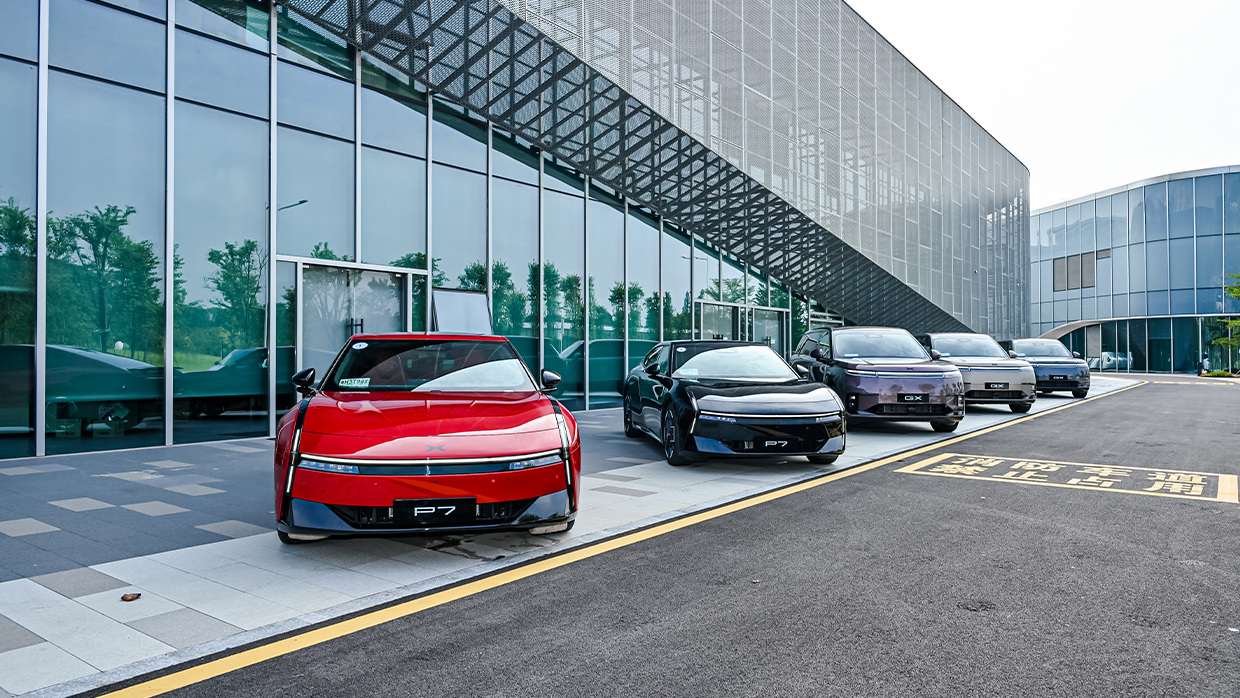
Buyers not only need to filter through expected options like exterior paint and interior theme, but also what grade of self-driving tech they want. A single ‘Turing’ chip system with basic autonomy is standard but $5000 buys Xpeng’s latest-gen three-chip VLA 2.0 system that is coming to Australia in some form next year.
Our test car was a long-range 820 Max rear-driver with VLA 2.0 – a spec that sits around the $55,000 mark if directly converted from the yuan. It’d likely cost somewhere around $65K-$70K in Australia once various costs are factored in.
Like many Chinese cars we sample in their home market, though, there’s work to be done. The P7’s Euro-led styling efforts have worked on us – this is an appealing and cool-looking liftback – but the damper and steering tune aren’t yet up to BMW or Tesla standard.
On our test, the ride was over-soft, and the vertical body control was a touch loose from an Australian perspective. These are attributes often found on Chinese domestic market tunes and are somewhat anathema to the tauter control/compliance balance we typically look for.
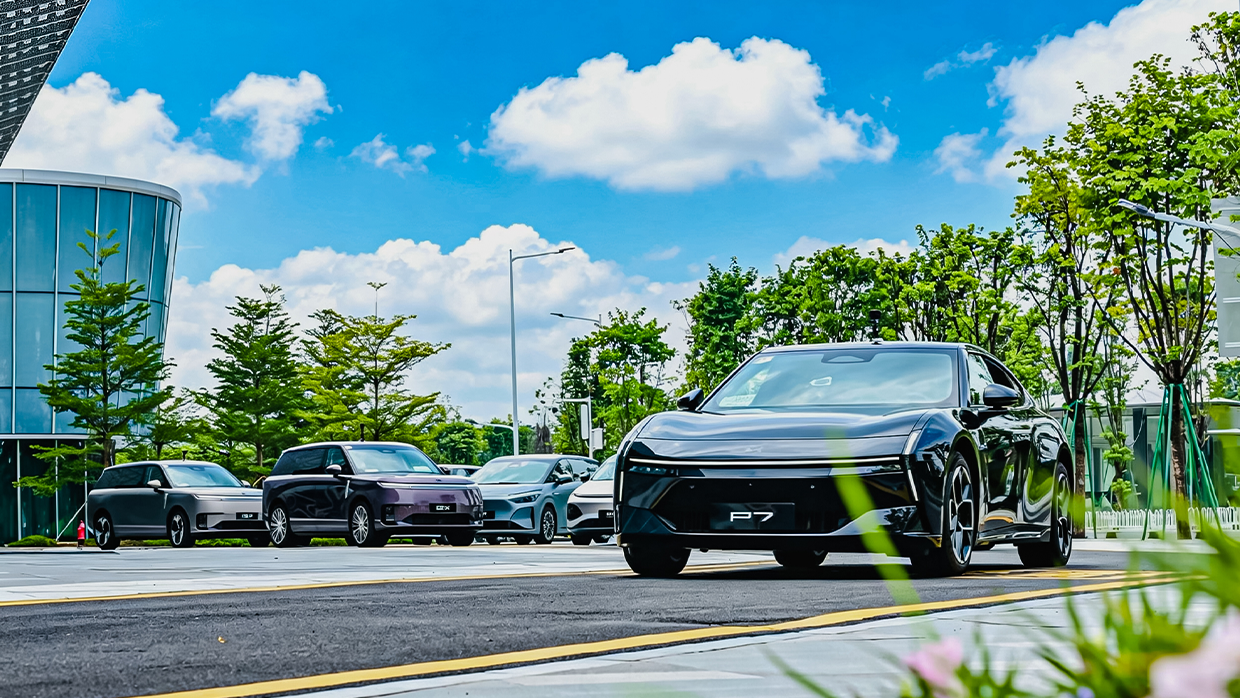
The thing is, the P7 has an excellent basis for further tuning. The base mechanicals are very impressive, with all cars sporting virtual kingpin front suspension and five links at the rear. Dual-chamber, adaptively damped air suspension is also fitted across the range.
There are so many characteristics of such a system that can be adjusted that we are very optimistic that a retune program (either run in China with input from markets like ours) or in Australia with local experts could yield an incredible sports sedan.
Certainly, the P7 wasn’t sloppy on our test drive. The steering is fast, intuitive and feels natural in the hand, and while Guangzhou’s a congested place to try out a car’s handling, our minders pointed us towards some entertaining, fast 270-degree highway onramps. That left us wanting more.
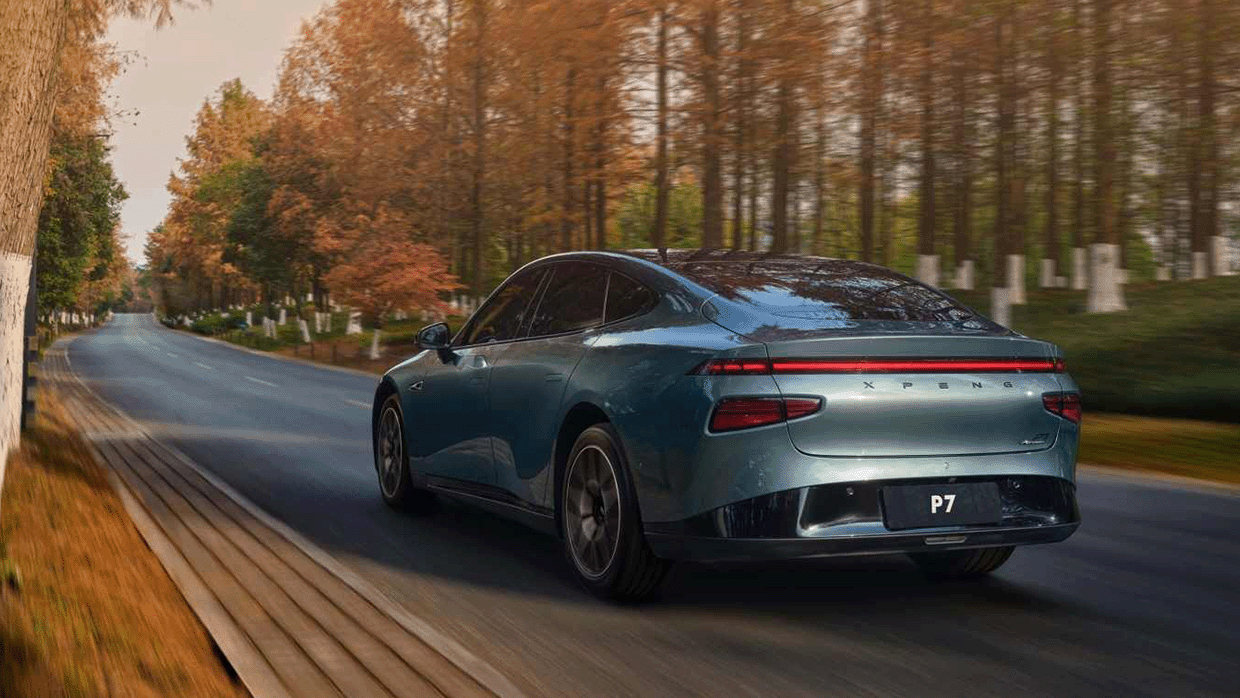
There’s no question that the rear-drive powertrain is an interesting one. Its 270kW of power is more than adequate but the more moderate 465Nm of torque keeps it from feeling intimidatingly fast. With a 5.8sec 0-100km/h time, you can get stuck into the throttle.
Various levels of regenerative braking can be selected (from weak to one-pedal), and we felt the middle setting suited our tastes in town.
After getting a half-decent feel for the chassis, we were invited to switch into supervised self-driving mode. Our tester was fitted with three of Xpeng’s ‘Turing’ AI chips and the necessary hardware for VLA 2.0. Unlike Tesla’s FSD, there is a wide range of ‘assertiveness’ settings.
Our minder had chosen the most aggressive persona for the self-driving software and…well…it worked as intended, seizing autonomously on gaps in traffic to propel us through congestion quickly. But it also wouldn’t let other motorists in.
That could sound like a godsend for commuters in Sydney or Melbourne, of course. Overall, we were impressed by the quality of the system and are looking forward to independently assessing it on Australian roads ourselves, including against Tesla’s FSD Supervised system.
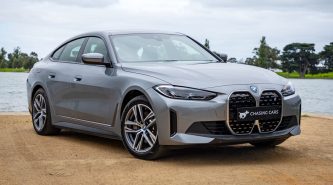
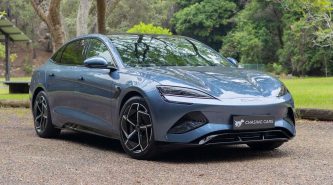
Like the BMW i4 and unlike the BYD Seal or Tesla Model 3, the Xpeng P7 is not a sedan but a liftback with a long, slowly sloping piece of rear glass that opens as a vast tailgate.
Whether you call them liftbacks, Sportbacks, Gran Coupes or something else, the P7 format is ultimately a considerably more practical one than a standard three-box sedan thanks to the generous aperture for loading items in and out.
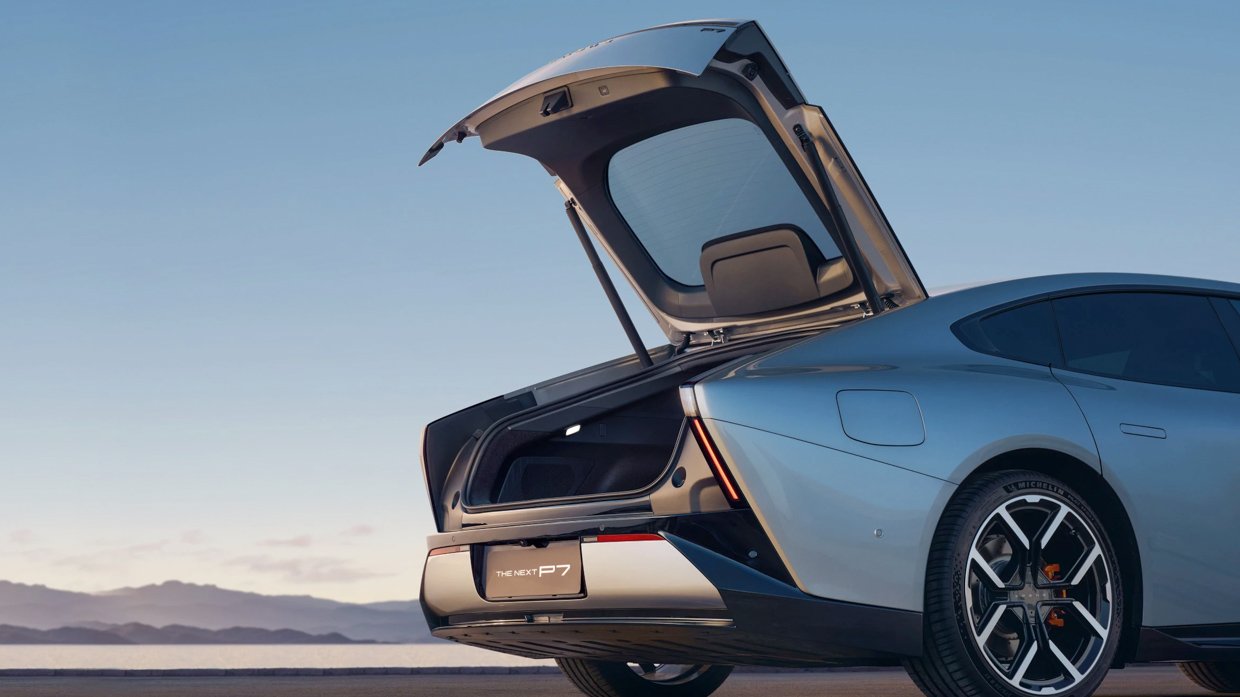
Boot space is reasonable, at 575 litres (expanding to 1929L in two-seat mode) and this is supplemented by a compact frunk that adds a further 56L of cargo room – good for stashing the charging cable or sports equipment that you don’t want on the carpets.
The Australian market in the last decade has increasingly relegated sporty sedans like this one to ‘non-family-car’ status – perhaps the car driven by the parent that doesn’t often do the school pick-up, or those without kids.
With that in mind, the cabin space is acceptable. Despite its considerable length, accommodation in the second row is just ‘fine’; legroom is good, but headroom is a little tight beneath the glass roof. Kids should find it reasonably comfortable, however.
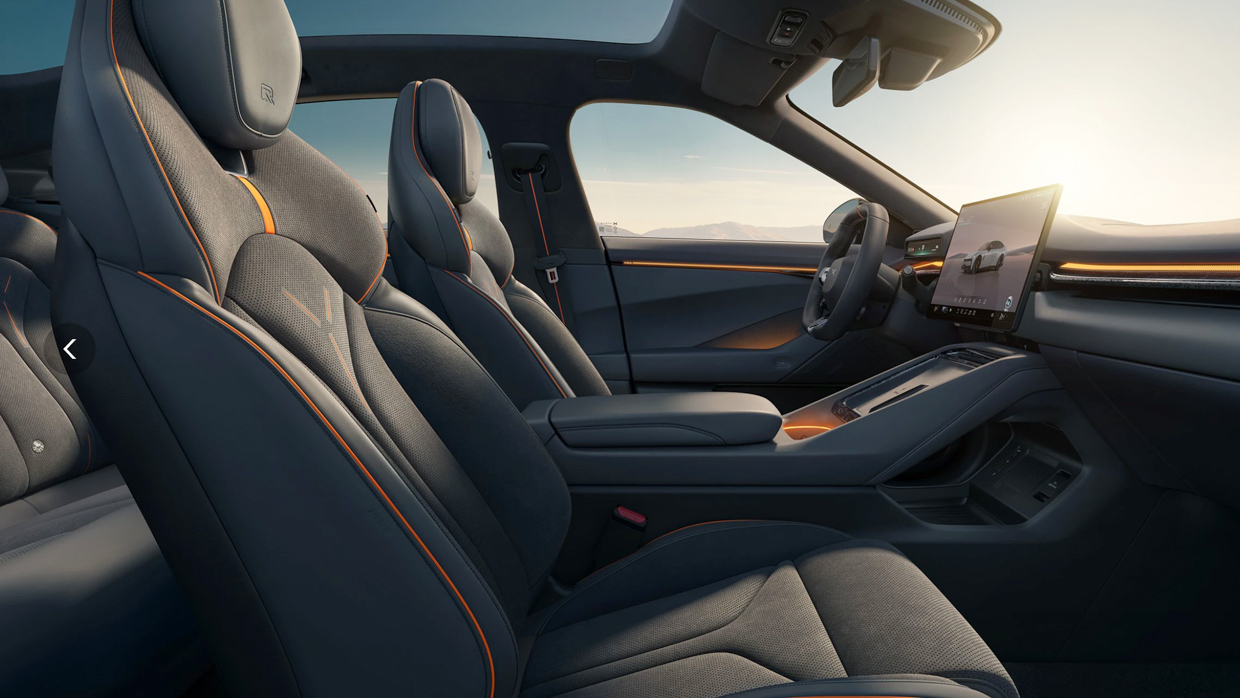
Where you really want to be is up front in the P7. This is a Chinese car that breaks with the typical reliance on artificial vinyl/neoprene surfacing and instead adopts a firmly European-inspired selection of materials that we found quite appealing indeed.
Beyond the nice-quality Nappa on the remarkably low-mounted seats (blending tastefully with warmer textiles on the inner bolsters), real metals are used throughout for the cabin accents. Inside, the Xpeng is giving more Audi or BMW than BYD or IM.
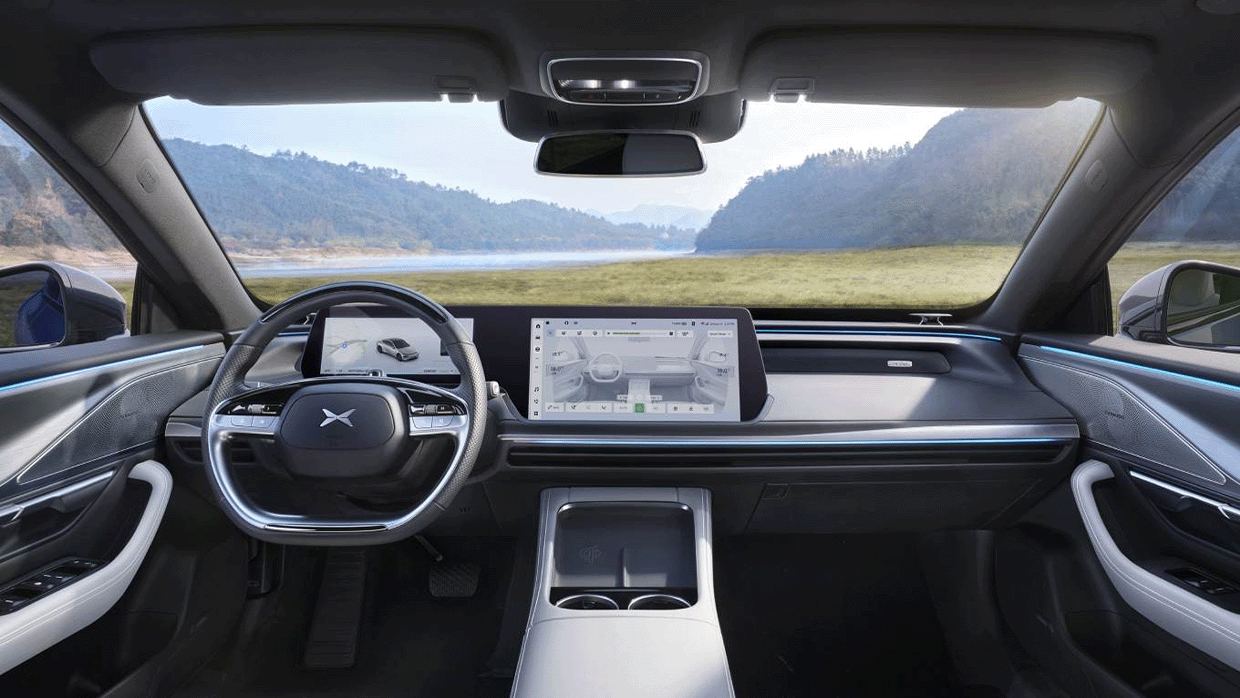
There are a few knobs and buttons on the centre console for common controls (but not climate). That vibe extends to the compact, flat top/bottom steering wheel, which retains a variety of physical shortcuts and satellite buttons for modes and self-driving interaction.
We also appreciate the use of two discrete screens: a 15-inch central touchscreen (with snappy processing) that would benefit from Apple CarPlay/Android Auto in Australia, plus a smaller slate instrument panel easily viewable at a glance. There is also an 87-inch HUD.
All versions of the P7 are fully electric. Xpeng has developed range extender tech for its SUVs, but the solid aerodynamics and long potential range of the P7 mean the case for an EREV model is less clear here.
Two battery sizes are on offer: just one grade (the ‘bottom’ 702 Max) makes use of LFP chemistry in a 74.9kWh usable pack. The ‘702’ in the name stands for the car’s Chinese-system range rating, but it would correspond to more like 600km under the WLTP regime.
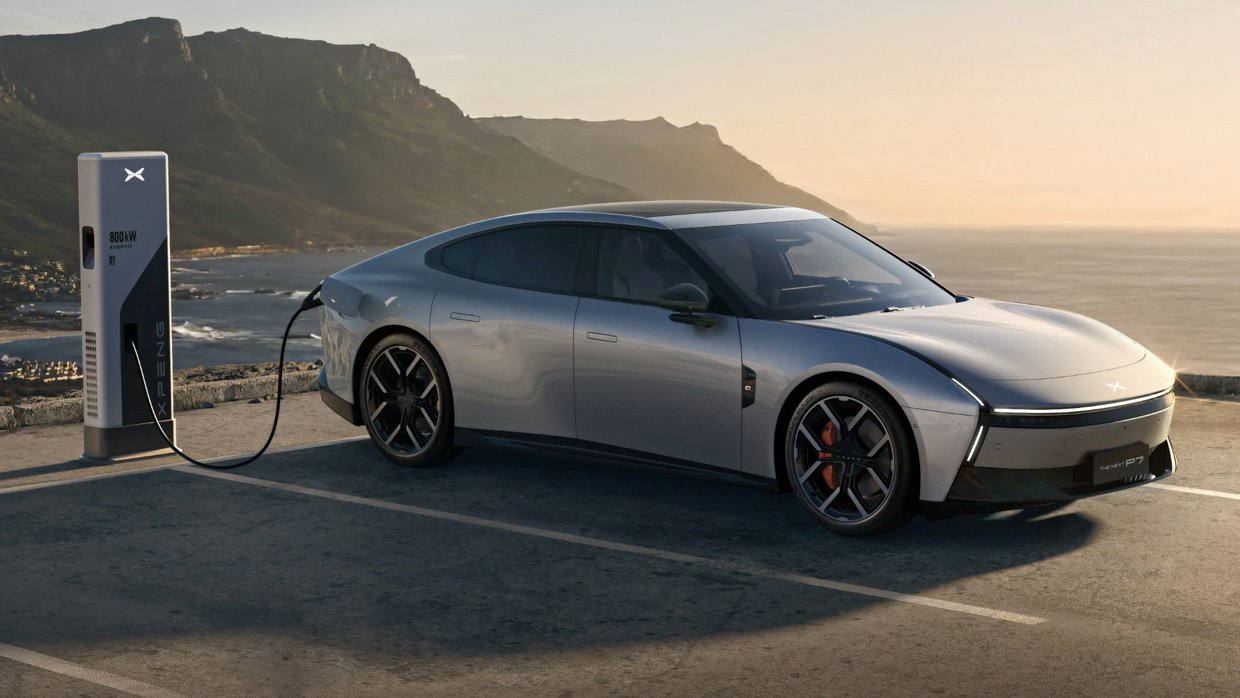
All other grades – the 820 Max, 750 AWD Max and 750 AWD Pengyi – utilise a larger and denser 92.2kWh NMC battery that would lift range well into the 700km region in the big-battery RWD grade while still being quite practical for the AWD cars.
Consumption depends on grade but would sit somewhere in the 13kWh/100km range in official testing. We saw around 15kWh/100km during our test drive.
Excellent charging performance sees the P7 hit a peak DC charge speed of 486kW on its way to replenish 10 to 80 percent in 11-12 minutes. But to hit those numbers, you’d need to find a circa-500kW charger, which are largely non-existent in Australia so far. On a more common 350kW unit you’d be out of there in a quarter of an hour.
Chinese EVs are maturing at a rapid clip, and the Xpeng P7 is part of a new breed that layer genuine visual appeal – and the potential of some real driving appeal – on top of eye-catching pricing and long equipment lists.
The design of the P7 is particularly refreshing. Most EVs are slaves to aerodynamic efficiency in order to inflate their official range numbers but end up looking uniformly rounded.
It’s likely that Xpeng left a bit of range on the table to allow its designers to pen a mean and hard-edged car but we’re glad they did: it’s memorable in a way few cars these days are.
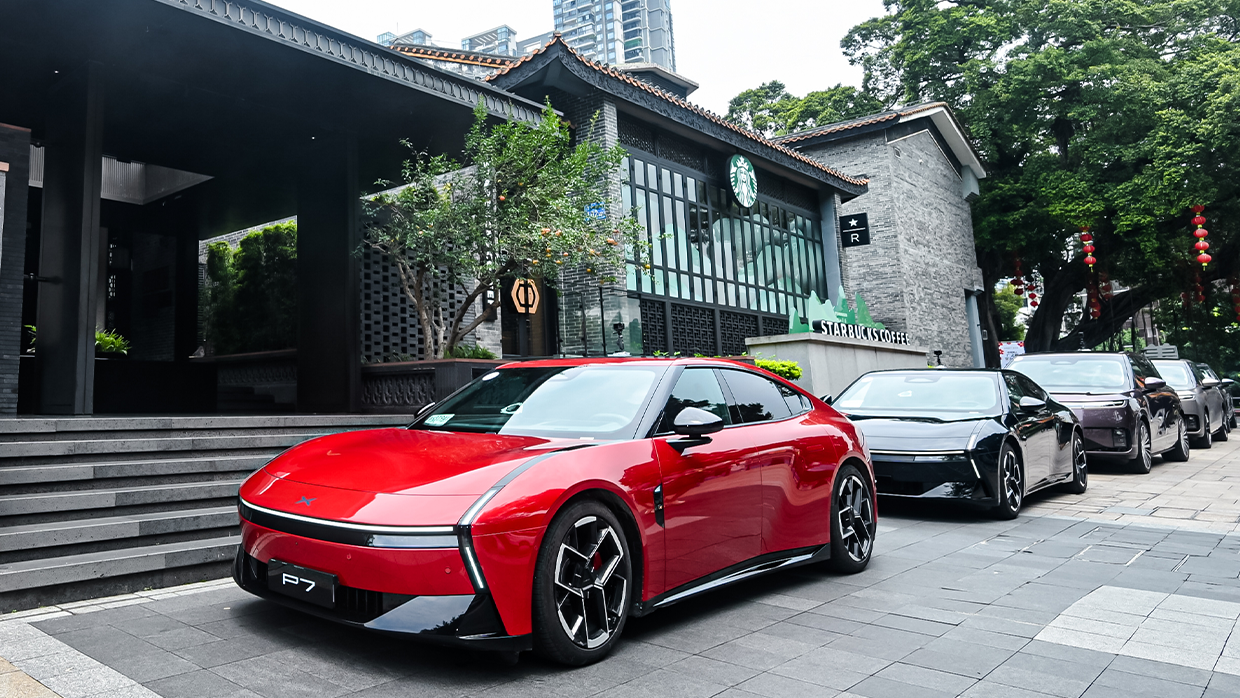
Sadly, the P7 isn’t yet confirmed for Australia, but we think it could be.
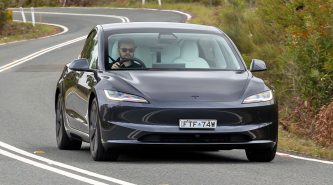
Locally, it would compete with two established cars that are highly rated by Chasing Cars: the Tesla Model 3, which astonishes with its efficiency, ease of ownership and the fluency of its FSD tech, and the outgoing BMW i4, which has superb ride and handling qualities.
Still, we’d like to see Xpeng create a Euro/Australian-market tune for this car’s chassis, bring it Down Under, and put a bit of stick about in the growing premium EV sedan space.
About Chasing cars
Chasing Cars reviews are 100% independent.
Because we are powered by Budget Direct Insurance, we don’t receive advertising or sales revenue from car manufacturers.
We’re truly independent – giving you Australia’s best car reviews.
The estimate provided does not take into account your personal circumstances but is intended to give a general indication of the cost of insurance, in order to obtain a complete quote, please visit www.budgetdirect.com.au. Estimate includes 15%^ online discount.
^Conditions Apply
Budget Direct Insurance arranged by Auto & General Services Pty Ltd ACN 003 617 909(AGS) AFSL 241 411, for and on behalf of the insurer, Auto & General Insurance Company Limited(ABN 42 111 586 353, AFSL 285 571).Because we don’t know your financial needs, we can’t advise you if this insurance will suit you. You should consider your needs and the Product Disclosure Statement before making a decision to buy insurance. Terms and conditions apply.
Indicative quote based on assumptions including postcode , 40 year old male with no offences, licence suspensions or claims in the last 5 years, a NCD Rating 1 and no younger drivers listed. White car, driven up to 10,000kms a year, unfinanced, with no modifications, factory options and/or non-standard accessories, private use only and garaged at night.
^Online Discounts Terms & Conditions
1. Discounts apply to the premium paid for a new Budget Direct Gold Comprehensive Car Insurance, Third Party Property Only or Third Party Property, Fire & Theft Insurance policy initiated online on or after 29 March 2017. Discounts do not apply to optional Roadside Assistance.
2. Discounts do not apply to any renewal offer of insurance.
3. Discounts only apply to the insurance portion of the premium. Discounts are applied before government charges, taxes, levies and fees, including instalment processing fees (as applicable). The full extent of discounts may therefore be impacted.
4. We reserve the right to change the offer without notice.