Powered by

-
Car Reviews
Latest reviews
-
Car News
Latest news
-
Car Comparisons
Latest comparisons
- Chasing Deals
Latest reviews
Latest news
Latest comparisons
Following a troubled start in Australia, XPeng is renewing its commitment with an onslaught of new vehicles
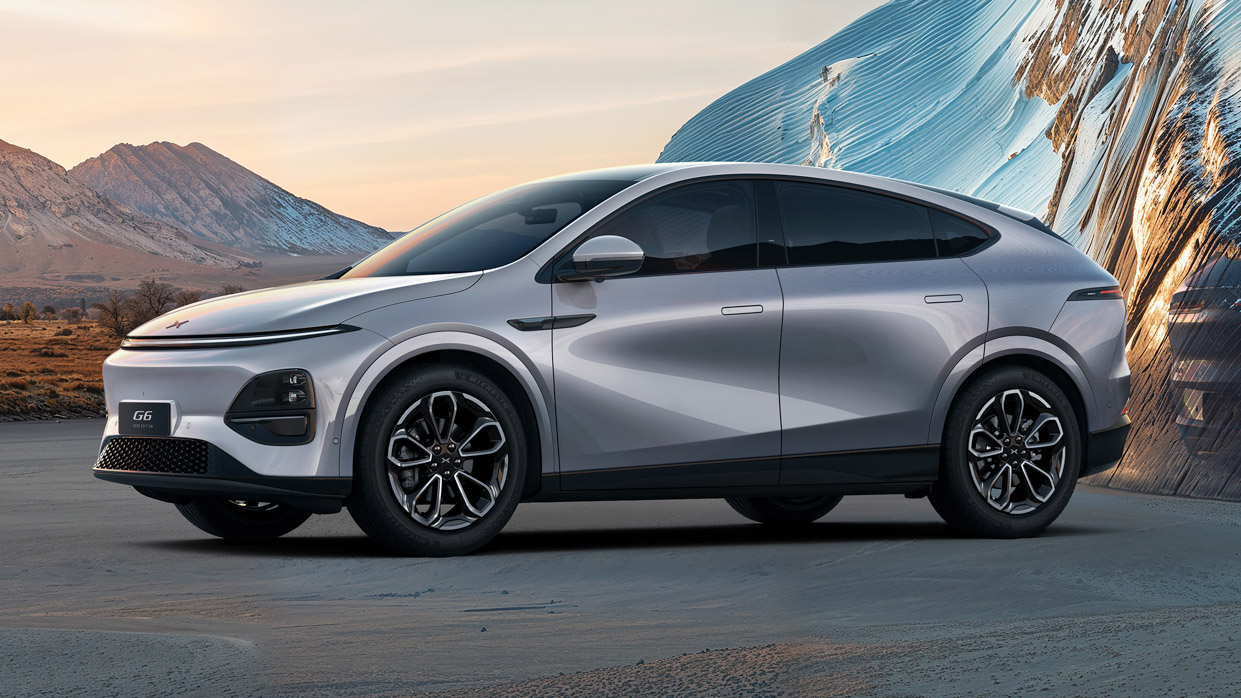
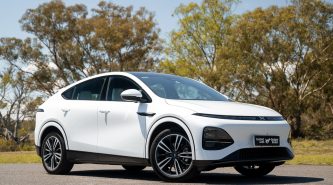
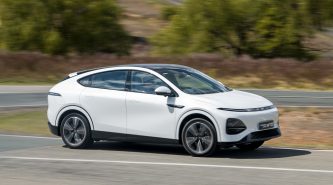
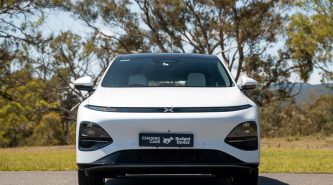
Xpeng’s arrival in Australia, spearheaded by the G6 mid-sized crossover, hasn’t been the smoothest of journeys as the brand has instigated a switch to in-house distribution from the original third-party distributor, TrueEV.
This transition is now complete (though not yet fully resolved, with some owners, contractors and former service outlet Ultratune still owed money), however factory-backed Xpeng has extended its warranty coverage, instituted factory-run servicing, and confirmed it will honour all previous promotional campaign offers to reassure Australian buyers it is here for the long run.
This commitment is underpinned by a new model offensive that began in mid-July.
Xpeng currently has 25 dealers in Australia and New Zealand but wants to expand this to 50 locations over the next six months – underpinned by three exclusive ‘experience centres.’
It will also establish offices in Sydney, Melbourne, Brisbane and Auckland to provide central support for its growing dealership network.
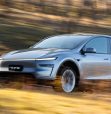
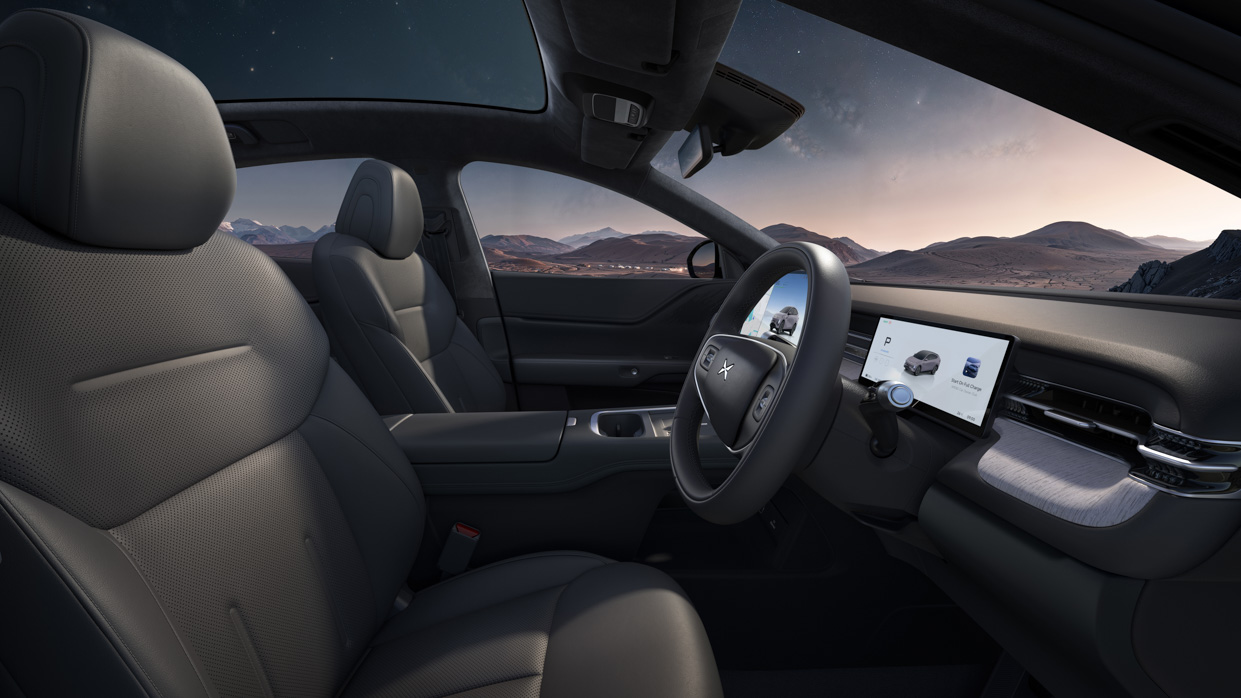
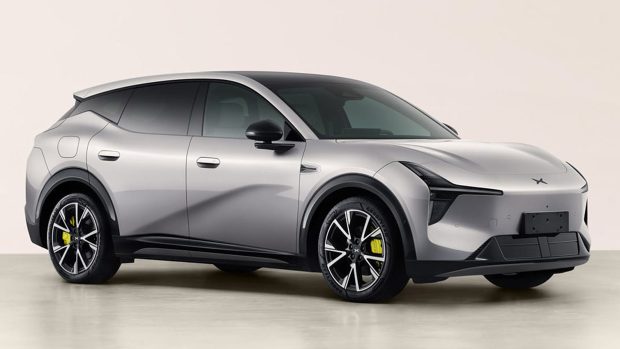
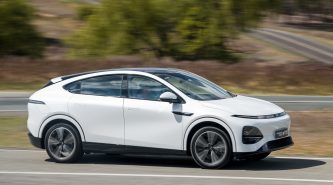
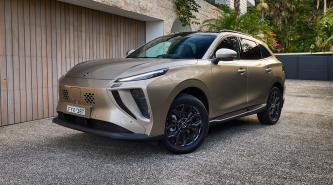
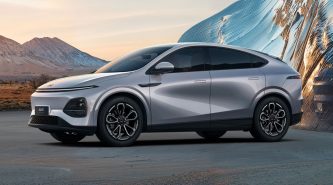
Xpeng’s 800-volt Tesla Model Y and BYD Sealion 7 competitor has been upgraded, with the addition of even faster charging, all-wheel drive and a longer seven-year warranty.
The existing rear-wheel-drive variants get a $3000 price cut, with the Standard Range (480km WLTP) now asking $51,800 before on-road costs, and the Long Range (525km WLTP) asking $56,800.
New to the range is the G6 AWD Performance (358kW/660Nm, 0-100km/h in 4.1sec, 510km WLTP) for $63,800 before on-road costs, as well as a G6 AWD Performance Black Edition for $66,800.
Xpeng claims faster DC charging of up to 451kW on the RWD Long Range and AWD Performance variants, and 10-to-80-percent charging in just 12 minutes for all variants “under test conditions.”
Chasing Cars’ experience with early G6s suggests this charging claim is credible.
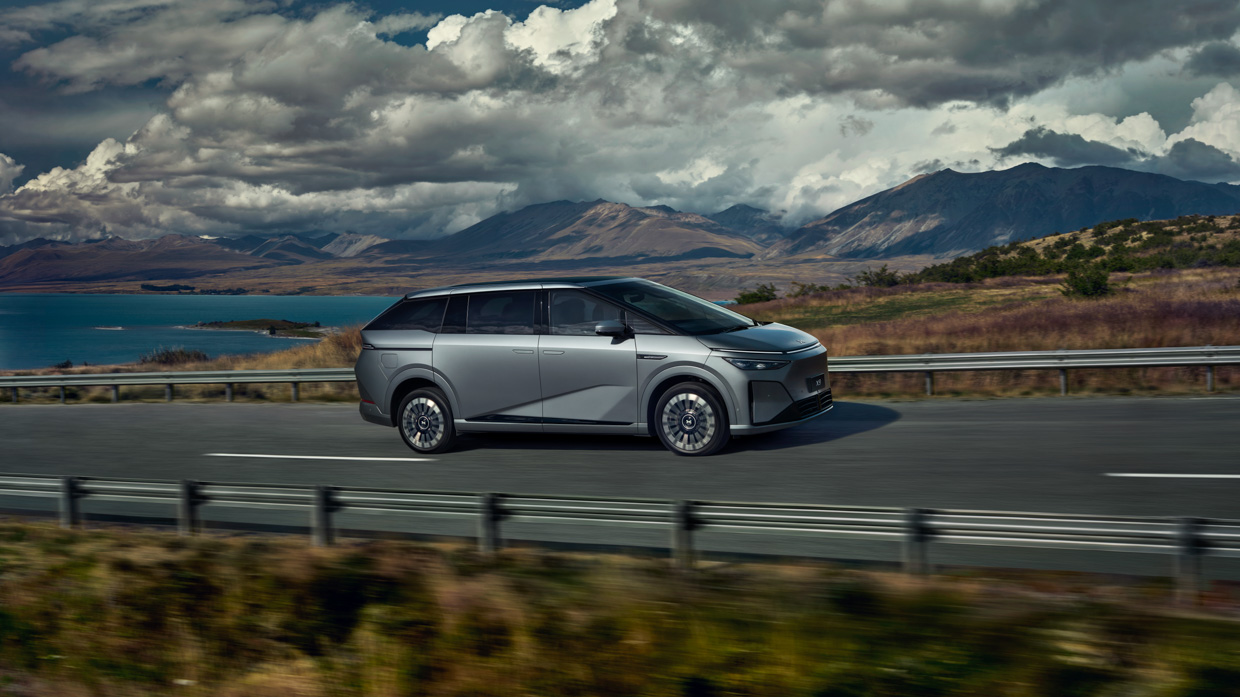
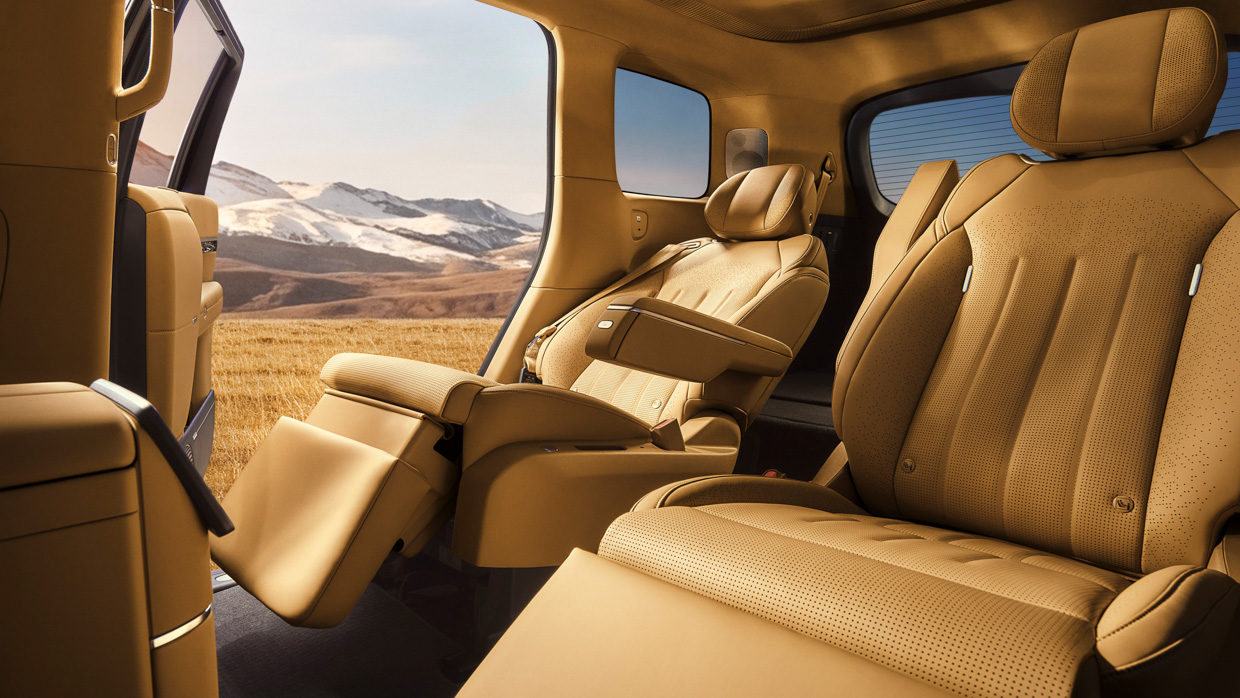
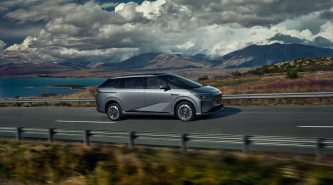
Xpeng is joining the Australian people-mover revival with the X9. Its ambitions are clearly upmarket, with features including heated, ventilated and massaging seats, Nappa leather trim, a panoramic sunroof, a 27-speaker stereo and even a fridge.
Air suspension ought to make it cushier than the average van, while four-wheel steering ought to make it nimbler than the average van.
The X9 is all-electric, with Xpeng claiming up to 580km of range and 10-to-80-percent charging in just 12 minutes.
Starting from $89,900 before on-road costs, Xpeng sees BYD’s Denza D9 ($88,185) and the Mercedes-Benz VLE (pricing TBC) as obvious rivals, though Hyundai’s hybrid-only Staria Lounge ($73,740) could also steal its thunder.
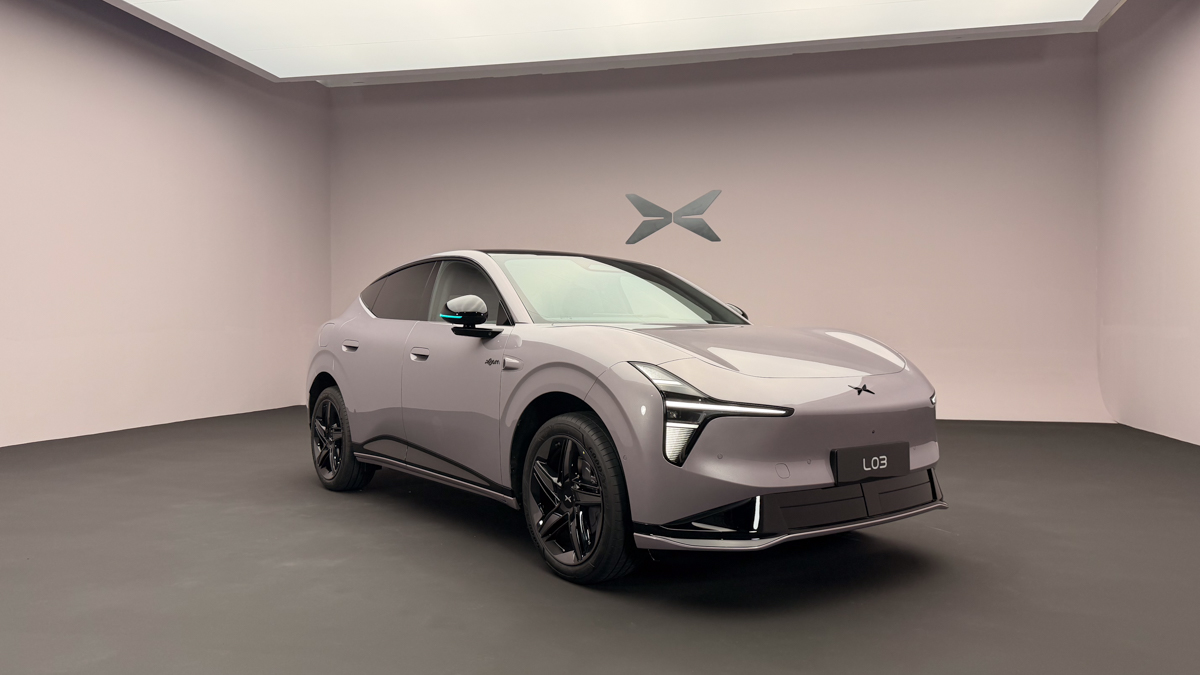
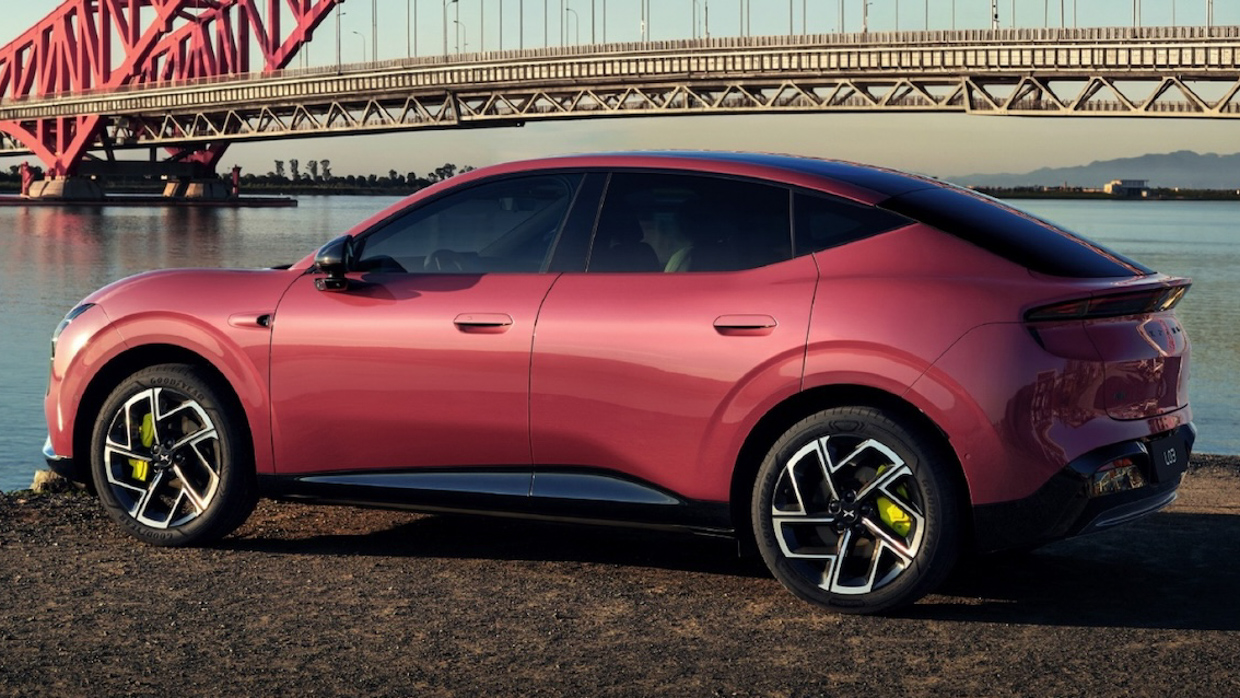
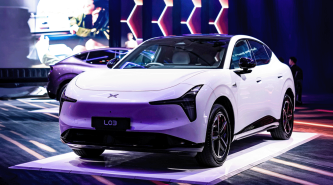
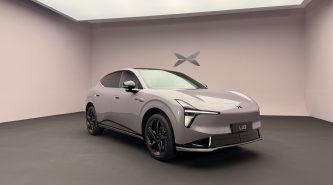
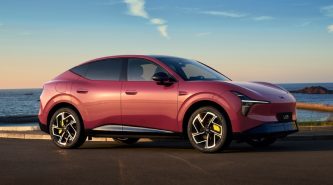
In China, Homer Simpson’s mother lends her name to Xpeng’s new entry model – the Mona L03, a medium-sized ‘next-gen AI SUV coupé’ marketed through its comparatively affordable ‘Mona’ sub-brand. But in Australia, expect this car’s nameplate to be simplified to just L03, branded as an Xpeng.
The L03 uses a relatively affordable 400-volt platform rather than the 800V architecture used in other Australian-market Xpengs, though its claimed 149kW DC charging peak remains competitive. Up to 520km of WLTP range is claimed.
What should pique Aussie interest is the debut of Xpeng’s optional ‘Kunpeng Range Extender’. It puts a 70kW 1.5-litre petrol generator under the bonnet to charge the battery pack on the move, enabling “over 1000km” of claimed combined system range (albeit unconfirmed by which measurement standard).
Xpeng explicitly aims the L03 at the Geely EX5 ($41,990 before on-road costs) and soon-to-be-updated BYD Atto 3 (currently starting at $39,990), despite being a smidgen larger than both – 4650mm long, 1920mm wide and 1600mm tall, riding on a long 2850mm wheelbase.
Our overseas correspondent Tom Baker recently attended a preview of the L03 and estimated an Australian price between $40,000 and $50,000.
The L03 will be joined by the medium-to-large Mona L05 SUV inside the next six months – again with the likelihood of its name being simplified to just L05 for Australia.
As revealed in Chinese patent filings (which unmasked its exterior design and tech specs in May), the L05 appears to be an expansion of the coupe-like L03 and closely follows its design language, but with more conventional SUV proportions.
According to the filings, the L05 measures 4870mm long, 1930mm wide and 1636mm tall, with a 90mm-longer wheelbase than the L03 at 2940mm.
Two powertrains were part of the government submission – a single-motor electric version producing 183kW, paired with LFP (lithium-iron-phosphate) batteries, and a range-extender version (EREV) featuring a 70kW 1.5-litre engine acting as a generator for its battery.
XPeng recently told Australian motoring media to expect the L05 to arrive within the next six months – hinting at a Q1 2027 launch date.
Plans to bring Xpeng’s now four-year-old G9 large SUV to Australia appear to have been scrapped, in lieu of the brand-new, export-focused G9L.
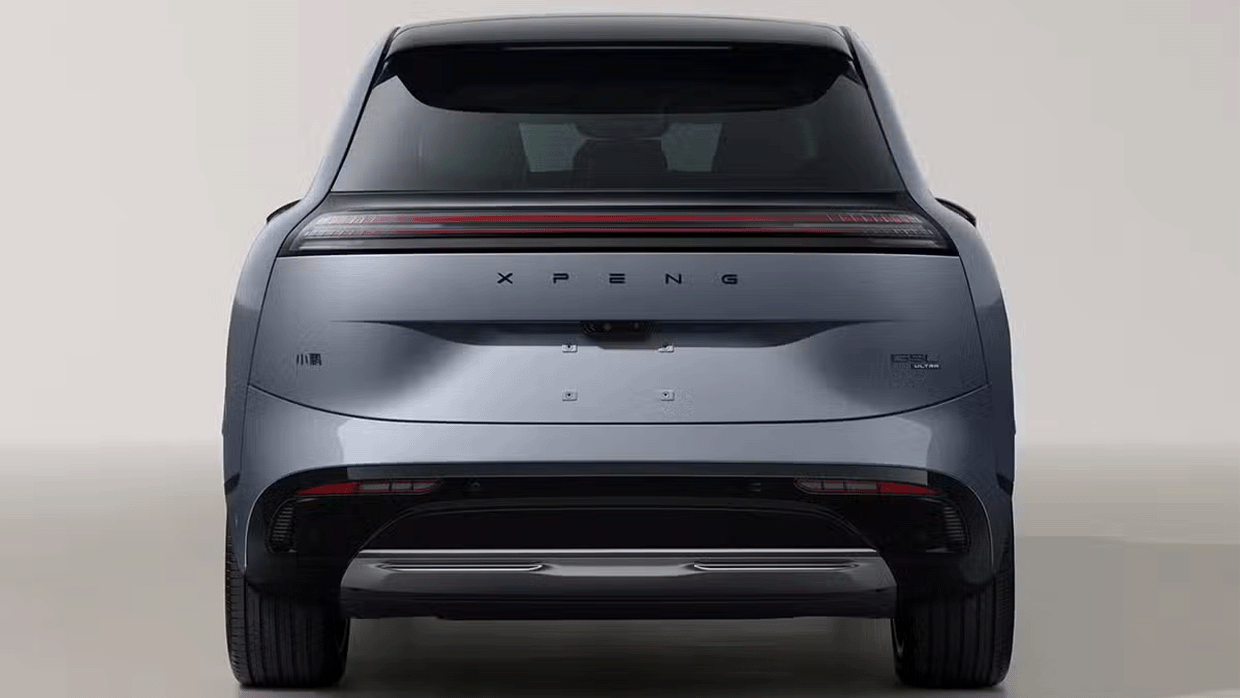
This extra-large electric SUV is very close to a Kia EV9 in size but features only two rows of seats. The G9L and EV9 share the same 3100mm wheelbase length, however Xpeng’s five-seater is 110mm longer (at 5120mm), 19mm wider (at 1999mm) and 15mm taller (at 1795mm) than Kia’s seven-seater.
The G9L is also near-identical in all measurements to Mazda’s large combustion-engined SUVs – the CX-70 and CX-90 – and is intentionally a five-seater to give the forthcoming six-seat Xpeng GX some breathing room.
As revealed in China in August, the G9L features 800-volt architecture and both single-motor RWD and dual-motor AWD powertrains, each with a 91.9kWh LFP battery (though the AWD is also available with a 110kWh battery).
The rear-drive G9L features a 270kW rear electric motor (good for 0-100km/h in a claimed 6.8sec), while the dual-motor adds a 160kW front electric motor for a combined peak power output of 430kW (and 0-100km/h in 4.45sec in big-battery form).
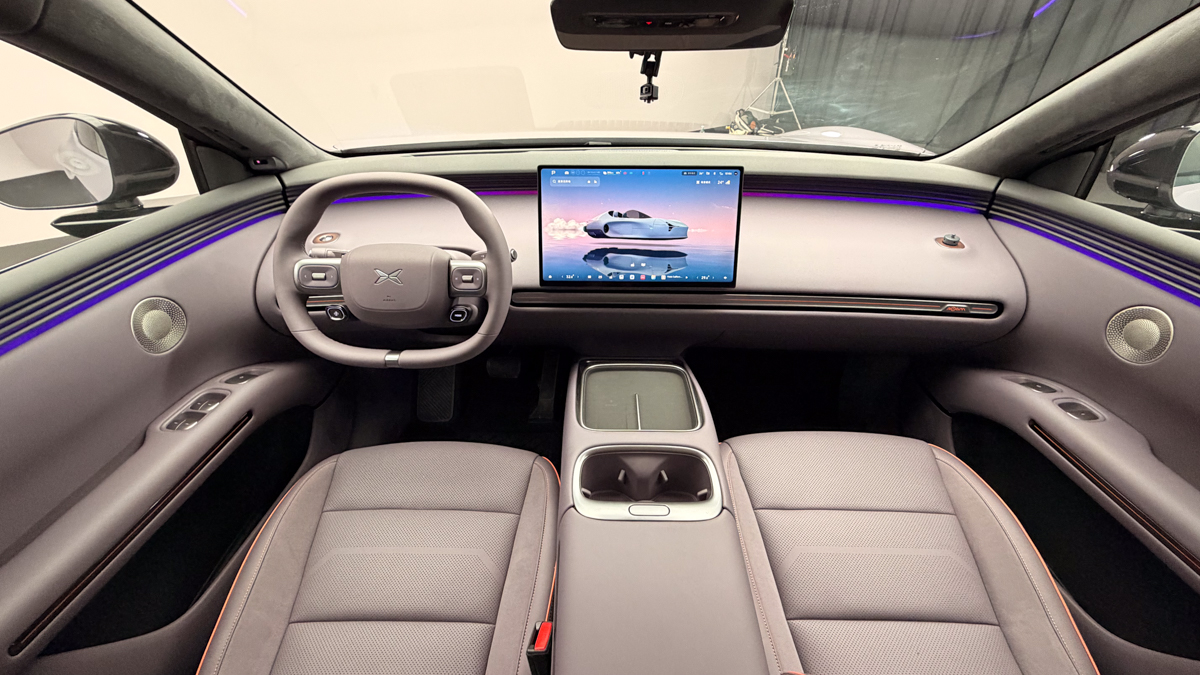
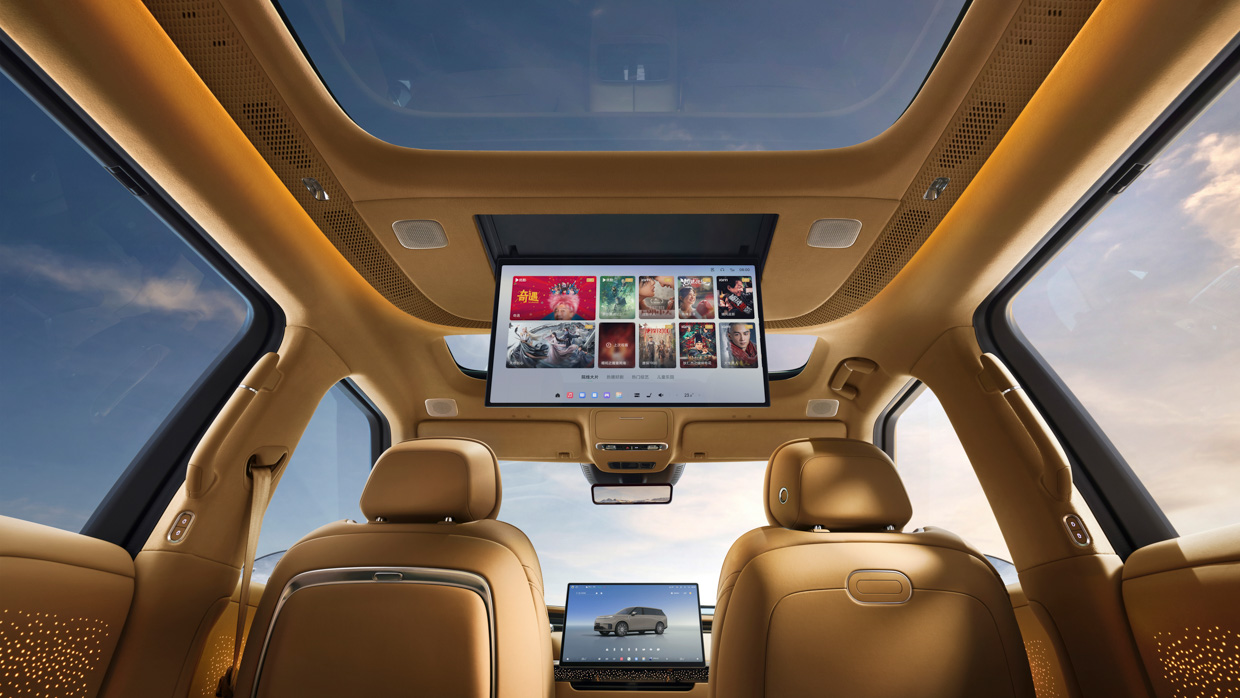
As well as Tesla-rivalling assisted driving abilities, Xpeng promises some interesting tech including a voice-controlled 12.5-litre fridge that slides out from the back of the centre console, a ceiling-mounted 21.4-inch rear-seat screen above it, a rear wireless charging pad (plus two up front), and electrically powered soft-close doors.
There’s also a 17.3-inch ‘floating’ touchscreen, 88-inch augmented-reality HUD, 24-way electric front seats with 16-point massaging, and a 33-speaker sound system.
The flagship G9L gets 22-inch wheels, star-patterned leather upholstery, an intense ‘Sahara Orange’ interior colour option (along with red, white and black), and a large 1152-litre boot (likely measured to the ceiling) as well as a 109-litre frunk. Exterior colours include green, purple, black, white and grey.
The only electric range and charging data revealed so far is that the G9L can add 450km of range in nine minutes.
Costing 259,800 yuan in China, Xpeng’s top-spec G9L will sit beneath the top-spec Xpeng GX (359,800 yuan), as well as the similarly sized Zeekr 8X plug-in hybrid SUV (376,800 yuan) and the Chinese-made Tesla Model Y L (339,000 yuan).
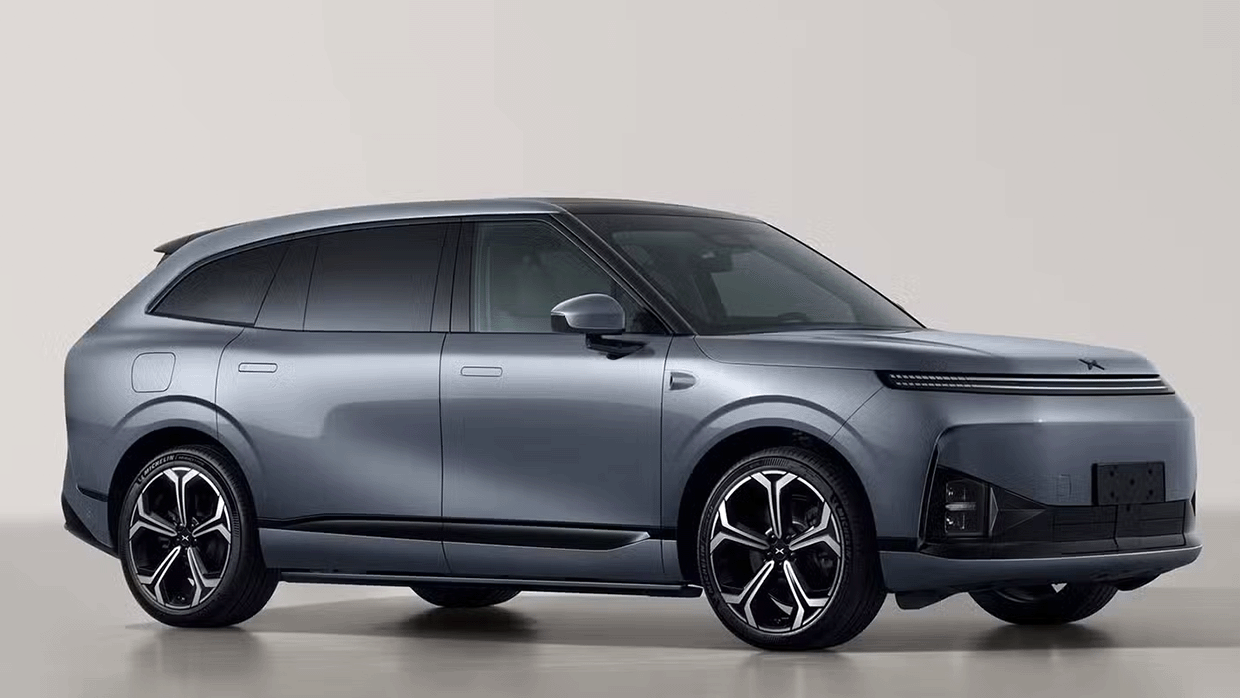
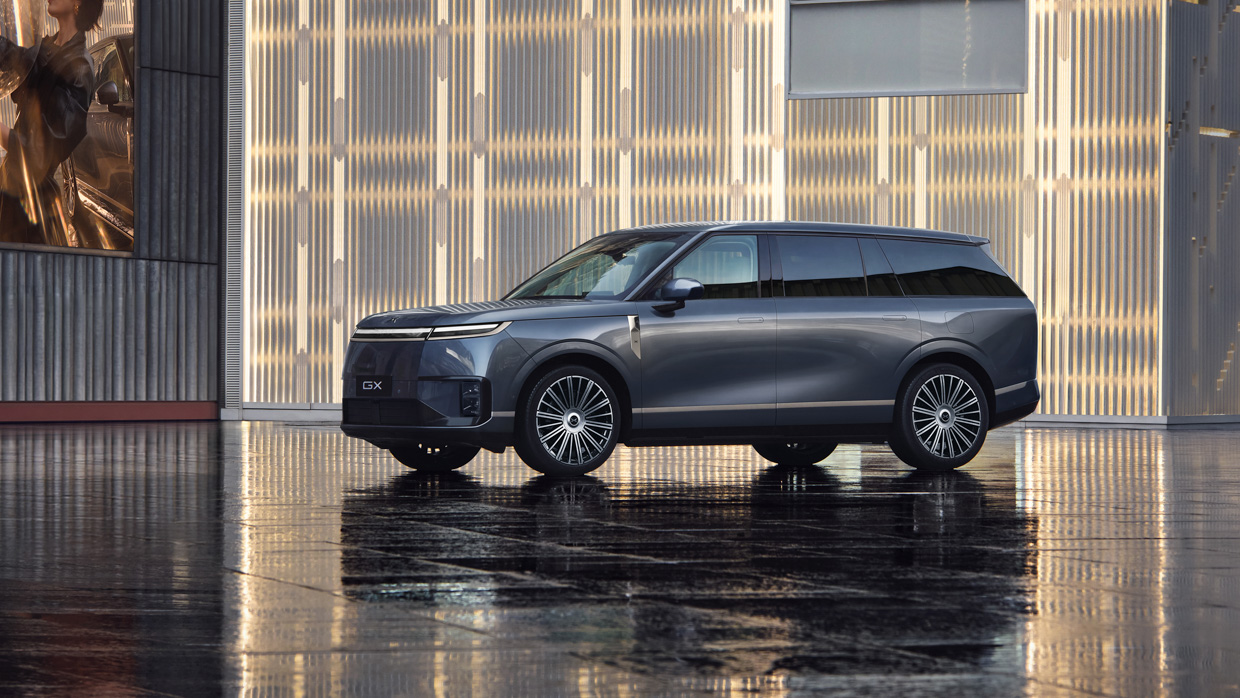
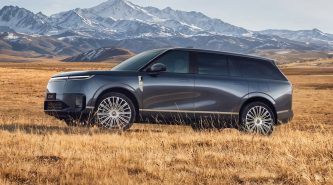
If the metastasis of American utes in Australia is any sign, bigger is sometimes better for Aussie car buyers. Xpeng is certainly hoping as much with its electric GX flagship.
Australia is second in line for receiving the extra-large GX, which faces off against the Range Rover and Lexus LX in Middle Eastern markets first, though it will receive a different nameplate here to avoid clashing with the Lexus GX.
Both stylistically and physically (and perhaps shamelessly) inspired by the flagship Range Rover, Xpeng’s first three-row SUV is seriously big – measuring 5265mm long, 1999mm wide and 1800mm tall, riding on a 3115mm wheelbase – with a drag coefficient of just 0.255.
Using 800-volt electrical architecture, the GX offers batteries of up to 110kWh in its domestic Chinese market, with the dual-motor AWD version producing 430kW/695Nm. Up to 750km of range is claimed using China’s CLTC measurement (roughly 600km WLTP), as well as ultra-fast charging speeds.
There’s also a range-extender hybrid that mates a 1.5-litre petrol engine acting as a generator with a 63.3kWh battery and two electric motors for 370kW of total system power. Its WLTP electric range is around 320km.
The GX also gets air suspension and four-wheel steering as standard – the latter reducing its turning circle to just 10.4m.
As the flagship of a company promising flying cars and robots, Xpeng claims Tesla-beating semi-autonomous driving will be available in Australia before the end of 2027.
Based on Chinese pricing that tops out at 329,800 yuan, expect Australian GX pricing to approach (or exceed) $100,000.
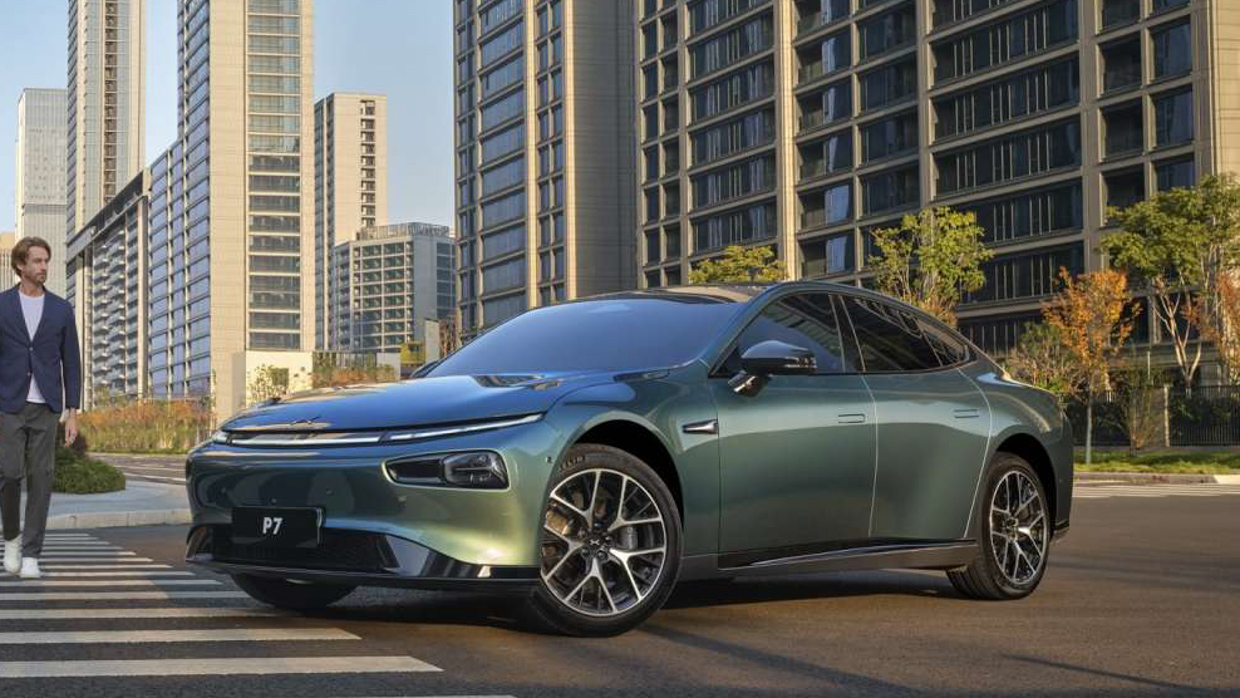
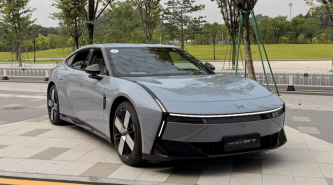
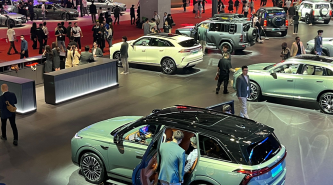
Displayed alongside the GX at Xpeng’s Australian expo in July was the P7 ‘intelligent coupé sedan’ – though the brand has stated that it doesn’t think this model will be introduced to Australia, despite its head-turning styling.
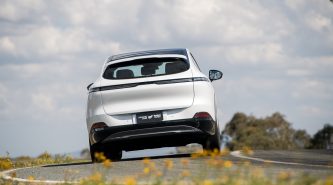
Instead, an as-yet unnamed sedan will be coming to Australia in the near-future, which may end up being the more passenger-focused (rather than style-driven) P7+ sedan, which Xpeng builds at the Magna Steyr plant in Graz, Austria for the European market, as well as in China.
At more than five metres long, riding on a three-metre wheelbase, the P7 displayed by Xpeng would rival the Hyundai Ioniq 6 and BMW i5 if it does end up coming to Australia.
The flagship P7 750 4WD Wing Ultra claims 437kW/695Nm and a 0-100km/h time of 3.7sec, as well as ultra-fast 5C supercharging (where available), meaning a 486kW DC maximum and 10-80 percent in a claimed 11.3 minutes.
Estimated WLTP range for the AWD is around 615km – the rear-drive Long Range P7 achieves around 670km WLTP.
Latest news
About Chasing cars
Chasing Cars reviews are 100% independent.
Because we are powered by Budget Direct Insurance, we don’t receive advertising or sales revenue from car manufacturers.
We’re truly independent – giving you Australia’s best car reviews.