Powered by

-
Car Reviews
Latest reviews
-
Car News
Latest news
-
Car Comparisons
Latest comparisons
- Chasing Deals
Latest reviews
Latest news
Latest comparisons
The brand’s first proper EV gets birthed from a Chinese joint-venture, bringing refined dynamics, rear-drive balance and strong value, but also some jarring flaws
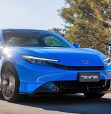
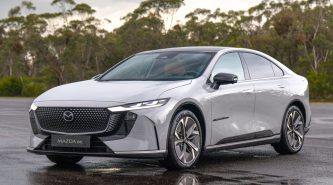
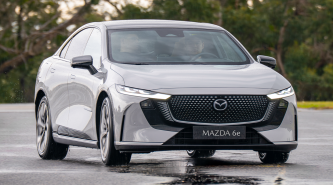
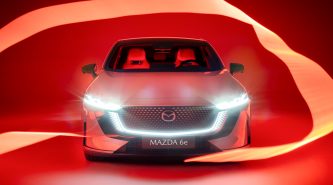
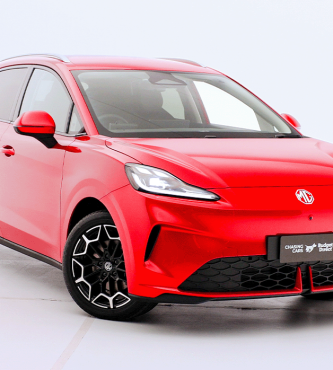
There’s plenty to like about this new-generation Mazda 6e – the lower case ‘e’ signifying its electric propulsion.
It might not be a Mazda in the truest sense – it’s a joint venture with Changan Mazda in China, and shares its architecture, side window glass and general door shape with the Chinese-market Changan Nevo A07 and Deepal SL03 sedans.
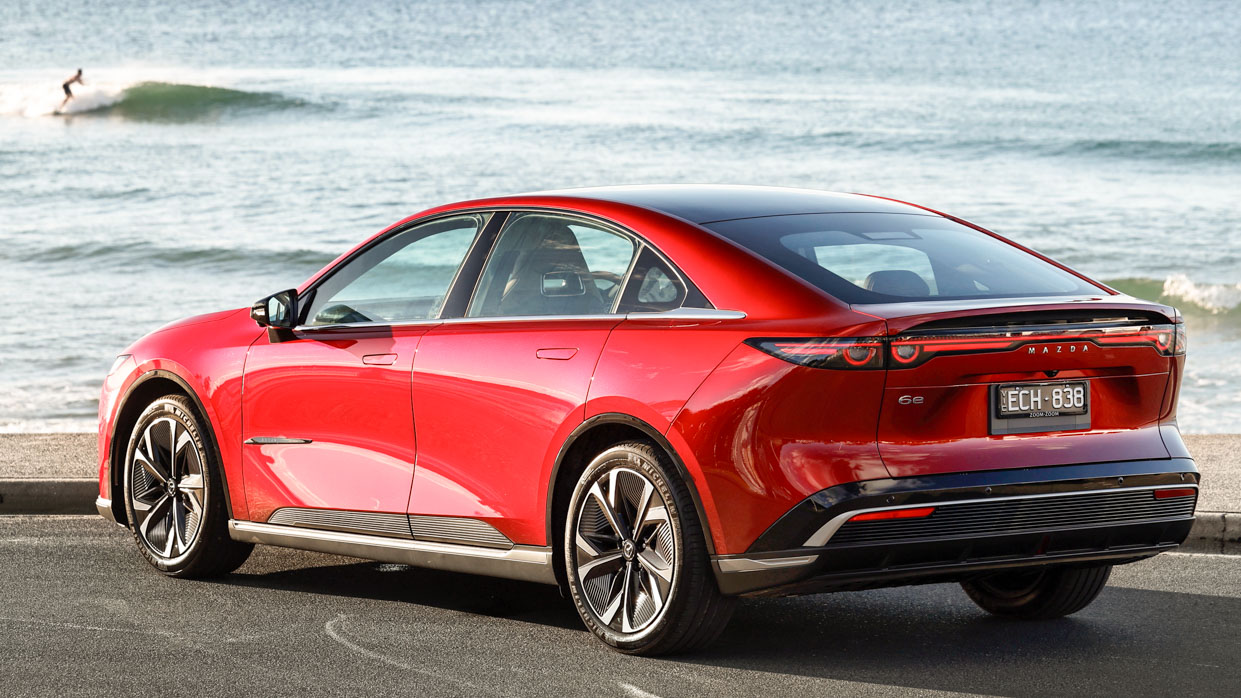
But Mazda’s first mainstream EV is uniquely styled, nicely built, drives with a pleasing smoothness and offers competitive charging and range (560km WLTP).
It’s also quite classy and luxurious for the $49,990 (before on-road costs) for the base GT, or $52,990 for the up-spec Atenza, that Mazda Australia is asking.
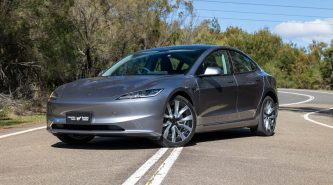
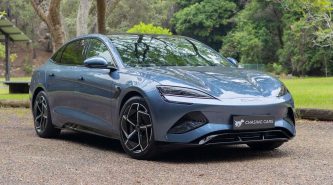
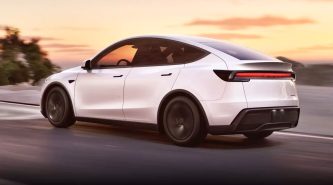
Now that BYD has discontinued its base Seal sedan, and with a base Tesla Model 3 looking and feeling comparatively austere, the Mazda 6e has a decent chance of achieving a degree of popularity simply because it’s so much car for the money.
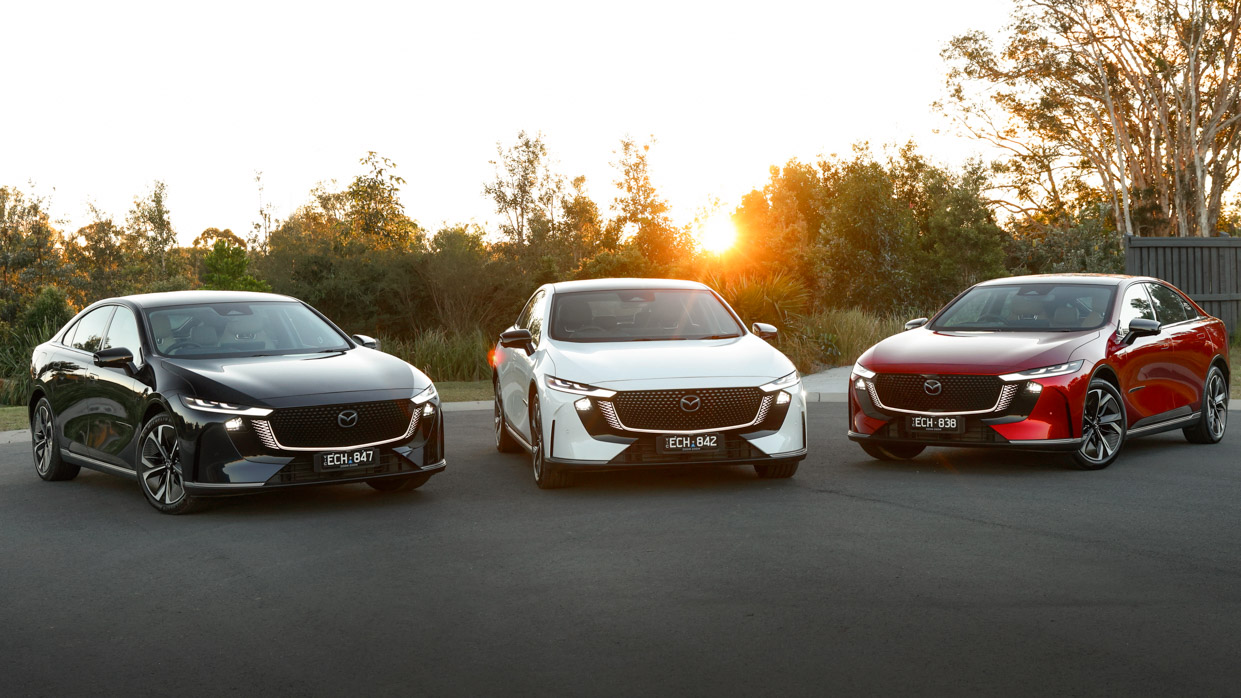
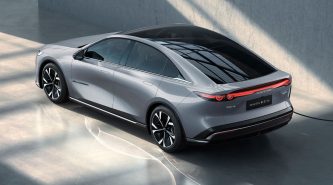
As for the 6e’s styling and packaging, the wheelbase length (2895mm), height (1490mm) and side glass were unable to be changed by Mazda, leaving the 6e’s differentiation up to uniquely styled front and rear ends, tweaked door panels with Mazda garnishing, and showy lighting details.
These include a front grille ‘beard’ that illuminates at night (and flashes briefly when charging begins) and striking dual circular rear lights intended to evoke the third-generation RX-7 and most recent Mazda 3, plus a horizontal rear light band below the 626 hatch-esque tailgate spoiler that also pulses when charging starts.
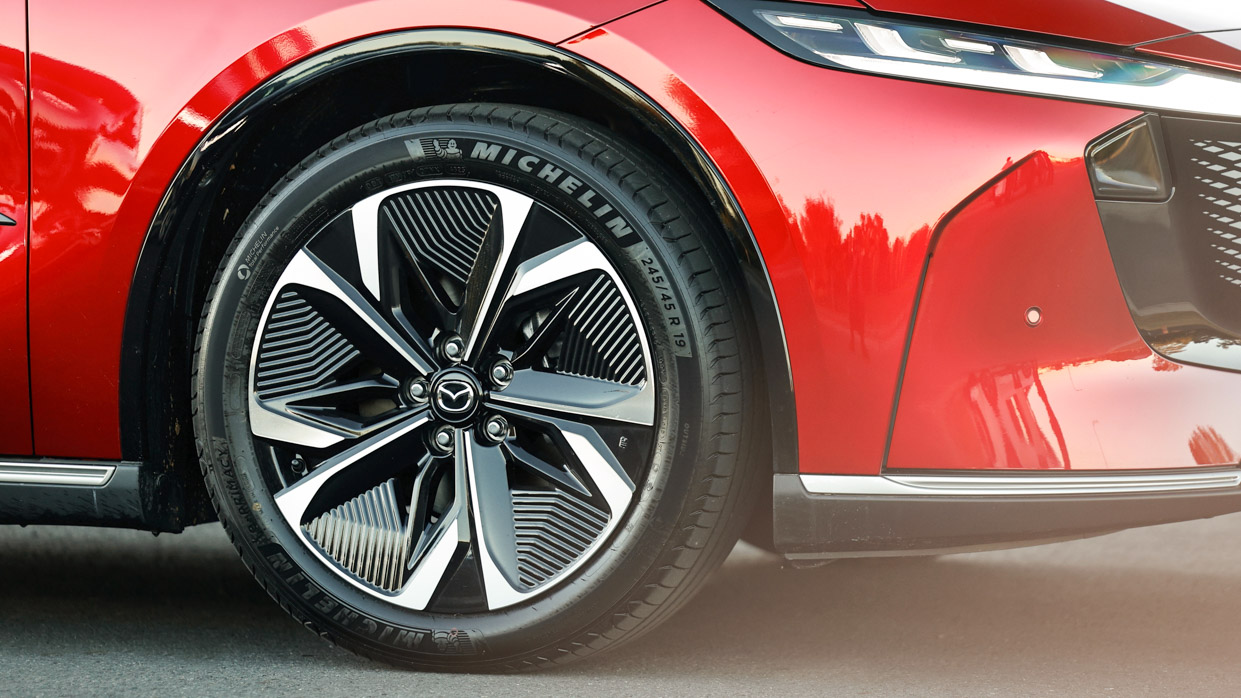
Standard wheels on both models are 19-inch alloys wearing 245/45R19 Michelin e-Primacy tyres – there is no external visual difference between GT and Atenza.
The Aussie 6e also debuts newer battery technology compared to the Euro-spec car we drove in 2025, meaning faster charging (10-80 percent in 24mins, with a DC maximum of 194kW) and greater range from its fresh 78kWh lithium-iron-phosphate battery.
And as Mazda’s first rear-drive sedan since the death of the 929, complete with a 47/53 rear-biased weight distribution, plus heavily retuned and recalibrated hardware and software by Mazda Motor Europe, it should be no surprise that, in many ways, the 6e drives impressively well.
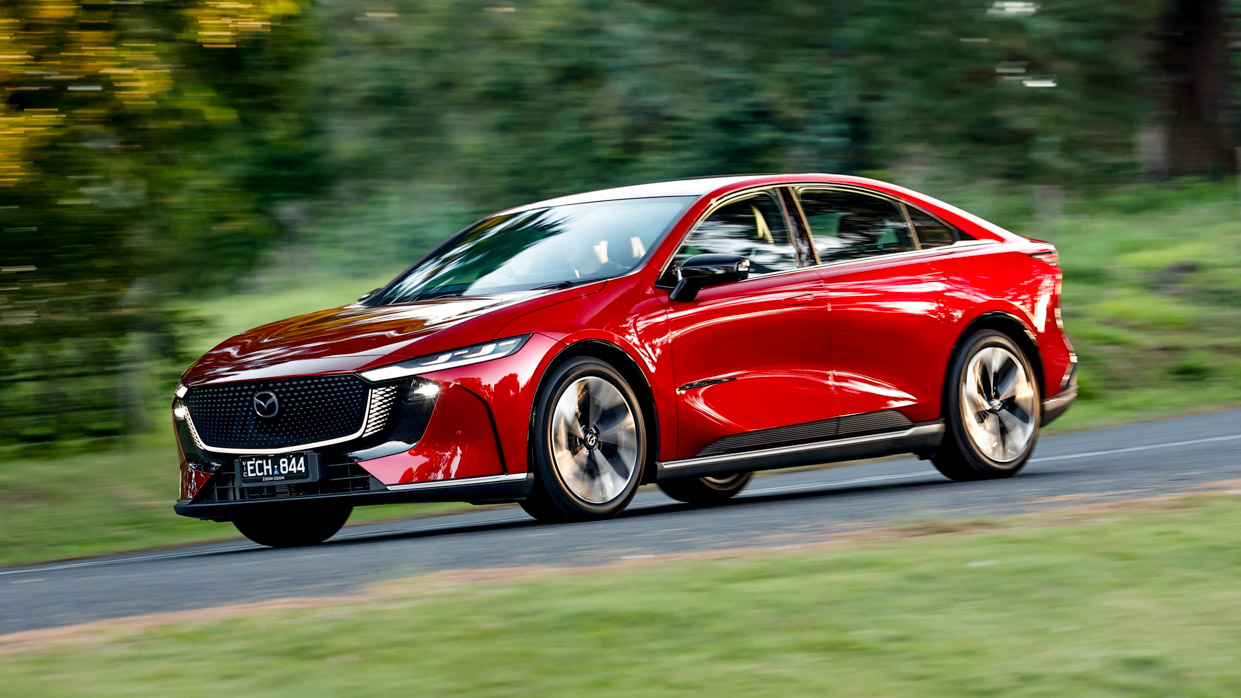
Indeed, the combination of the new battery with an exhaustive degree of attention paid to whatever Mazda was able to change does mean the 6e is quiet, stable, grips the road well, handles fluently and rides with accomplishment – especially compared to the previous-gen Mazda 6 Atenza when it launched wearing 19s.
Specifying anti-roll bars as big as possible means the 6e’s handling is sure-footed enough to cope with its fast-geared steering (2.5 turns lock-to-lock is much quicker than the Mazda norm), while a “deep rework” of the dampers and bushings, plus a completely new, much stronger rear subframe give this electric Mazda a feeling of robustness on the road.
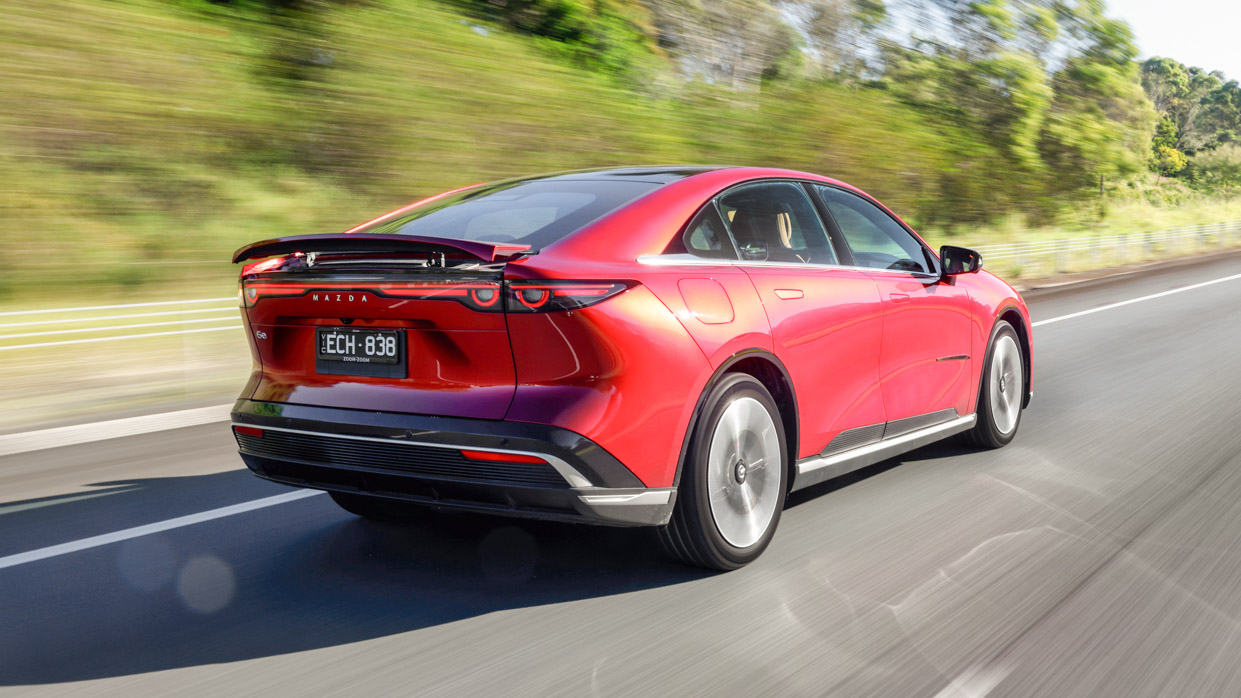
Where it doesn’t quite hit the mark is the steering – it’s keen and precise but still too light and lacking in feel around straight ahead.
Even the Sport mode fails to deliver any Mazda-style heft, while the Normal setting is fairy-floss light, leaving it best-suited to RSL carparks. On really twisty roads it gels pretty well, but we wish it had more feel and weight across Australia’s country surfaces.
The 2026 6e’s refreshed powertrain with 190kW/290Nm outputs feels stronger than last year’s model, shaving half a second from the 0-100km/h claim (now 7.3sec) while seeming to have more muscle at higher speeds.
It falls short of the BYD Seal Premium’s 5.9sec 0-100km/h acceleration, as well as the Tesla Model 3’s (6.1sec), but the difference isn’t huge and there’s a polished smoothness to the Mazda’s operation, apart from some snatchiness in its regenerative braking in more forceful settings – it’s best left in ‘Standard’ mode.
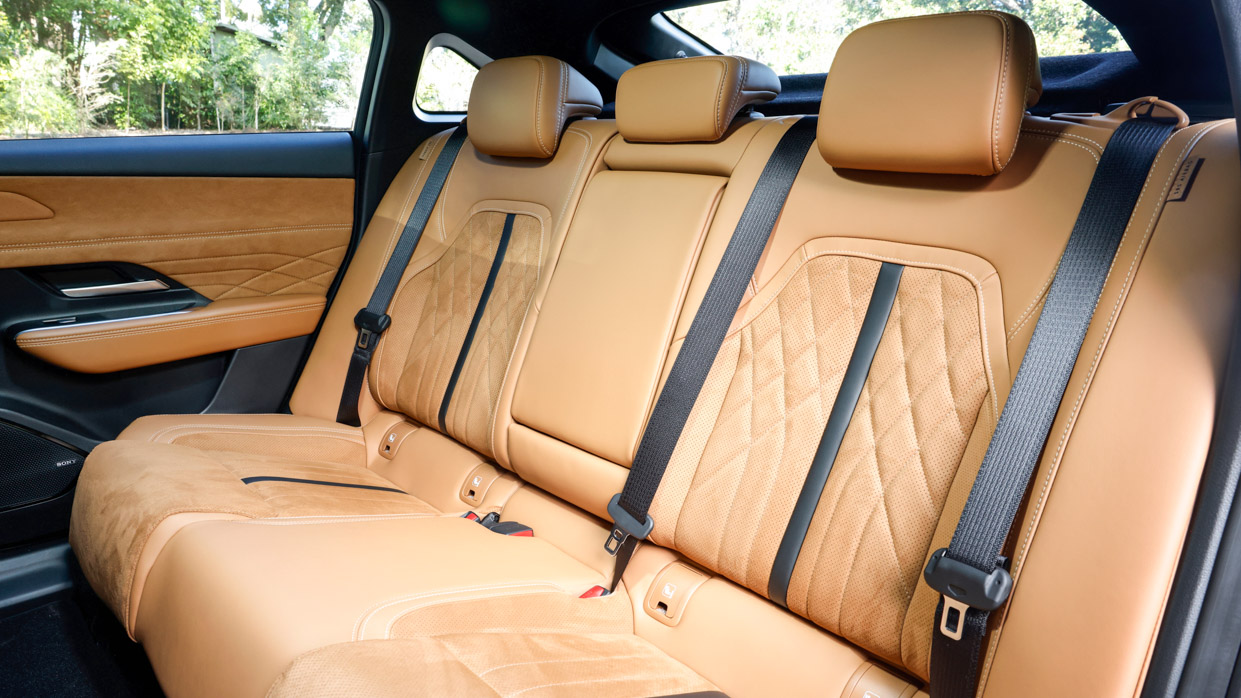
Inside, the 6e presents well – especially the tan-coloured Atenza with its real leather seat edges, quilted synthetic suede centres and tactile stitched-suede dashboard and door inserts.
The GT gets Maztex (fake-leather) black upholstery with perforated centres and a Maztex dash strip, though there’s an optional two-tone alternative with Warm Beige seat and door colouring, capped by black upper sections (like the Atenza).
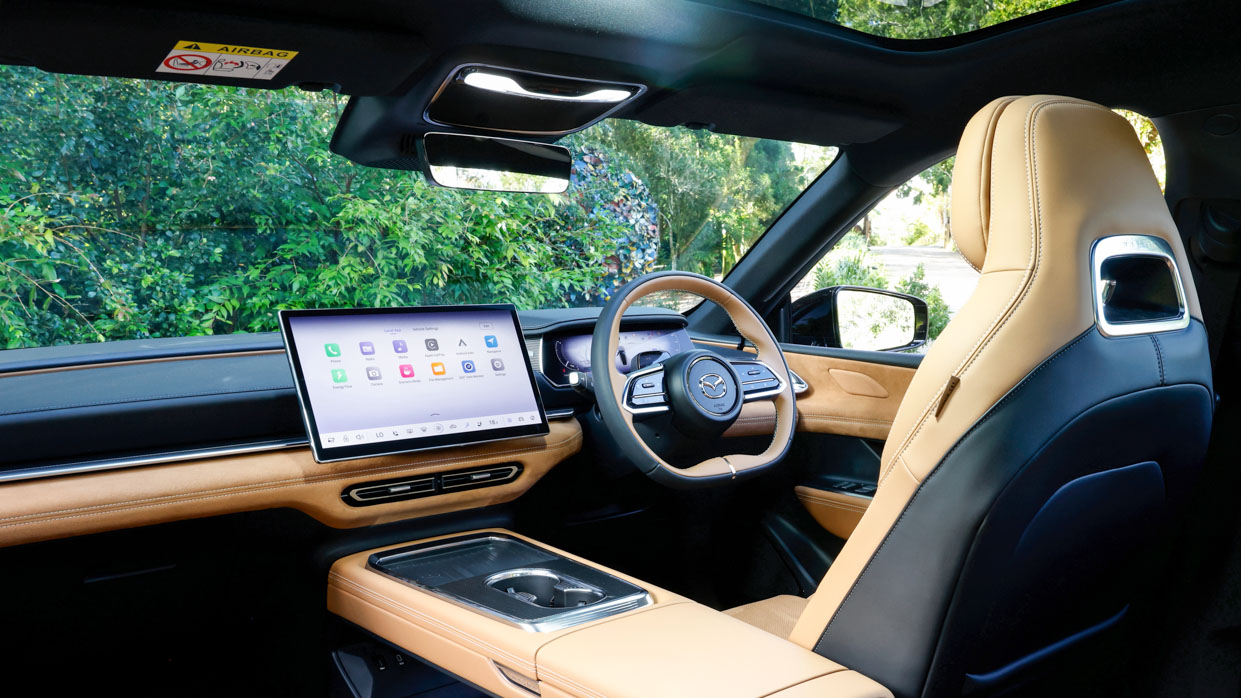
The frameless doors close with a good thunk (though the rear windows don’t fully retract) while the electric tombstone front seats feel thickly padded and cosset nicely.
The former aspect is an illusion, however, because the seat bases need to intrude as little as possible to combat a relatively high floor – resulting in a high-set driving position (too high for some people) and a very slim amount of rear toe room.
The rear seat actually has a tonne of legroom and decent vision, despite the thickness of the front backrests, however the cushion base is relatively flat and short, so the 6e doesn’t really achieve what its long wheelbase promises.
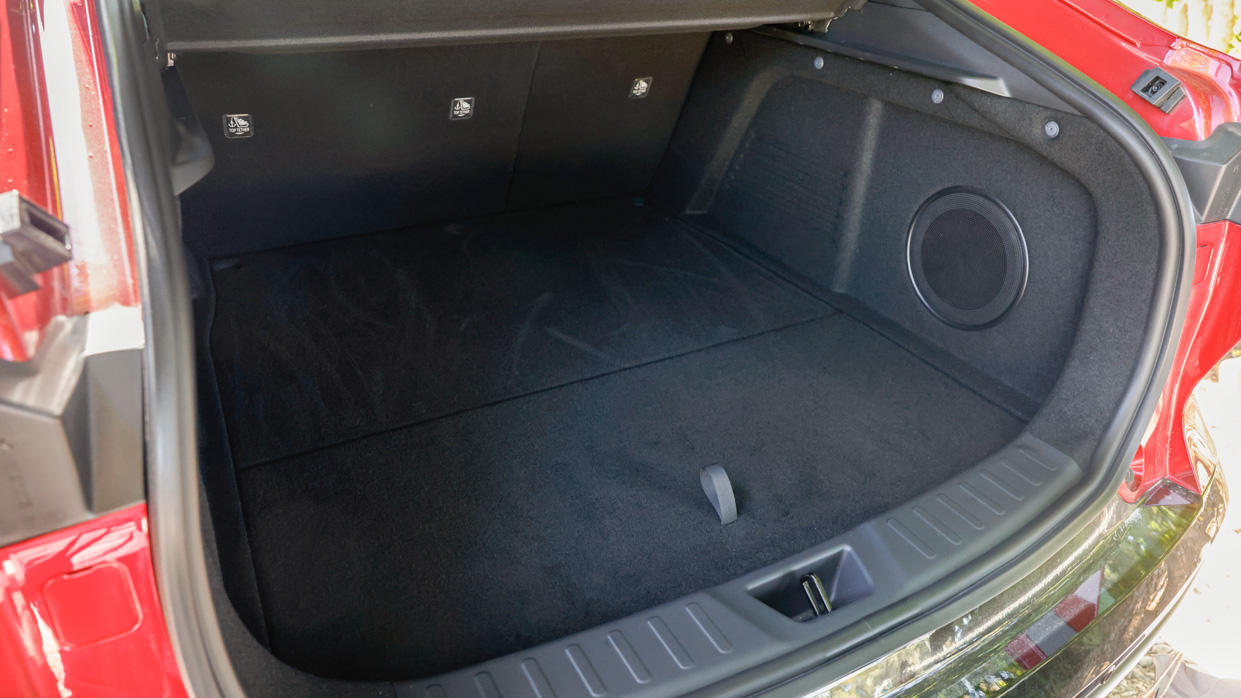
And while the versatility of its liftback tailgate will win friends, its modest 337-litre space and lack of a clever Mazda luggage cover may not.
So the 6e’s interior trim is nice and the treatment is pleasant, but the deeper you look, the less appealing this electric Mazda becomes.
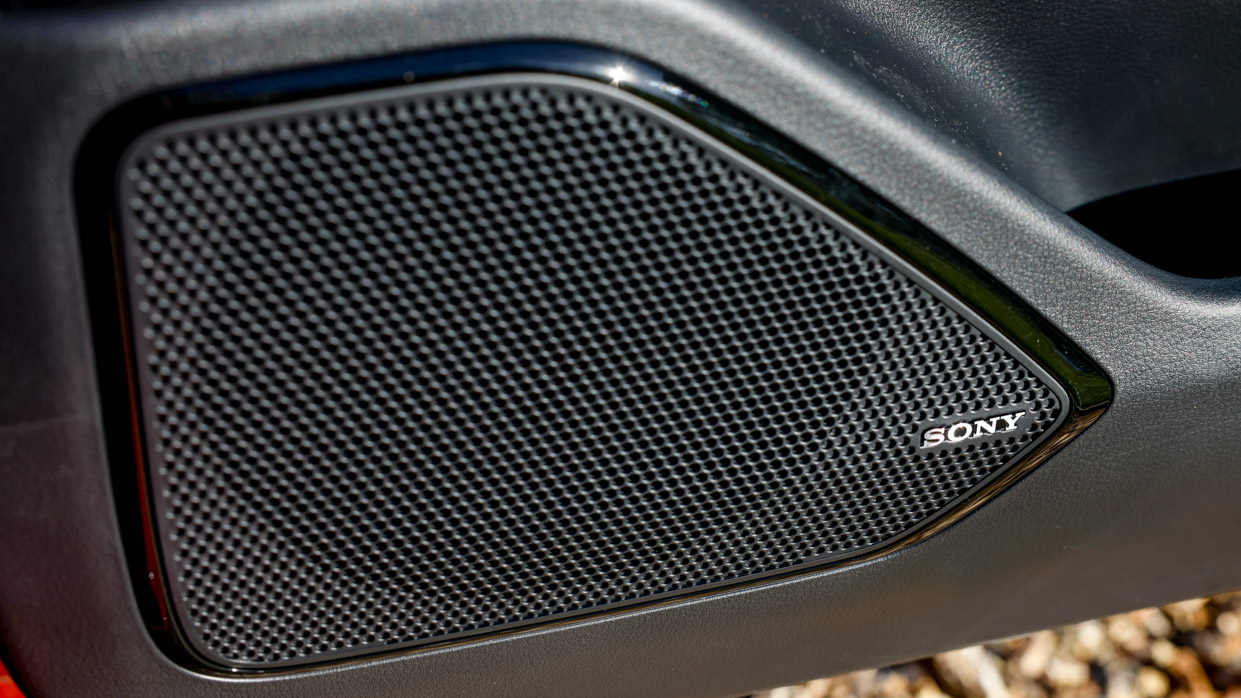
Sure, there’s proper door bottle storage, as well as front-seat ventilation, one-touch windows, dual-pane glass roof with electric blinds, and an acceptably strong (if coldly digital-sounding) 14-speaker Sony stereo in both variants. But the details betray its Chinese sourcing and cost-conscious positioning.
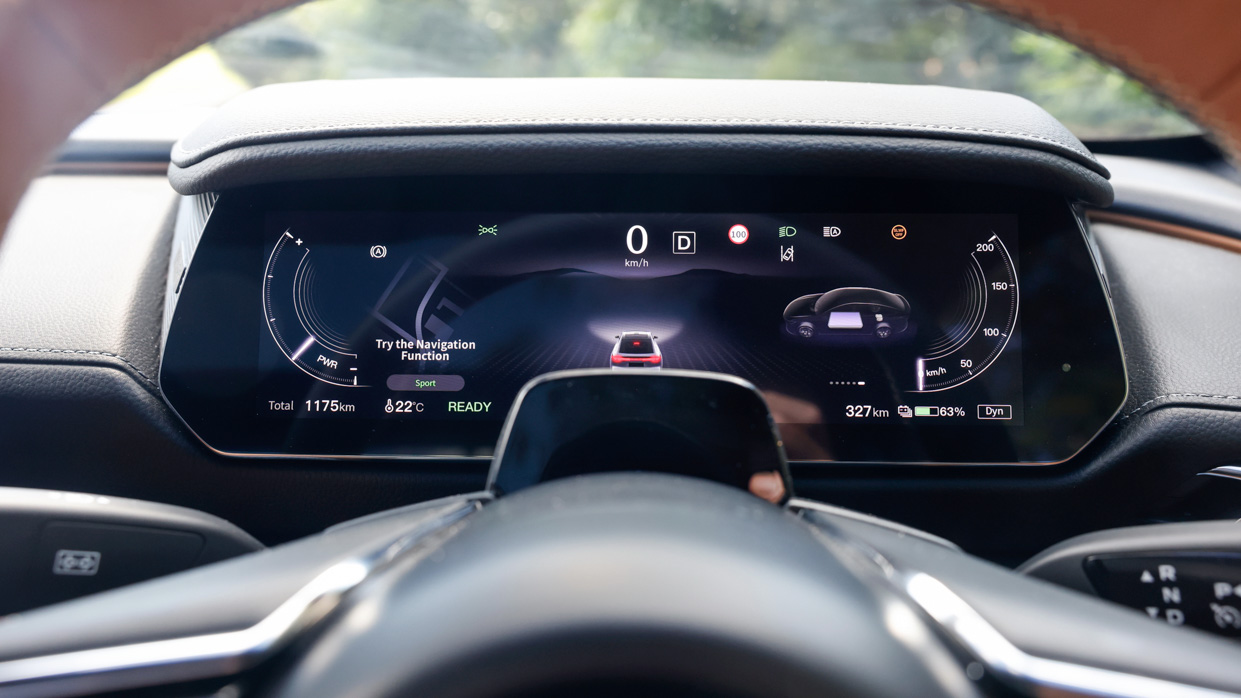
The driver’s door mirror is still set up for left-hand drive, as is the indicator stalk (in a Mazda!) because the gear selector is on the right.
The steering column doesn’t extend out far enough, the front passenger only gets rudimentary four-way adjustment (unlike all Mazda’s latest SUVs, even manual-adjust models), and the wheel switchgear is quite odd – especially the prominent ‘360’ parking camera button and the tiny drive-mode selector on the left spoke.
The drive-mode indicator is a tiny piece of font in the 10.2-inch driver’s display – green-coloured for <every> setting, though at least the ambient lighting pulses a colour-change…which is impossible to see in Australian sun.
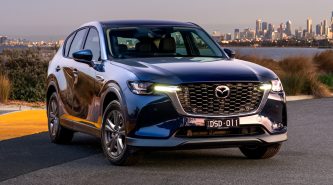
And then there’s the 6e’s HVAC system, which is built into the bottom of the 14.6-inch touchscreen and is easier to read than the odious arrangement in the new-gen CX-5, but it’s insufficiently calibrated for proper cabin comfort.
On our 13-degree launch morning, we had the option of ‘18’ (too hot) or the next temperature down, ‘LO’ (cold). Given Mazda’s benchmark reputation for brilliant cooling and heating, it’s a resounding fail.
But the touchscreen is worse – littered with convoluted groupings, overly complex layers and nonsensical UX. However, we should point out that after a focused 30-45 minutes of getting your head around what’s where, you’ll know what to disable and what to change the settings for, and might even have a chance of remembering what is packed in there.
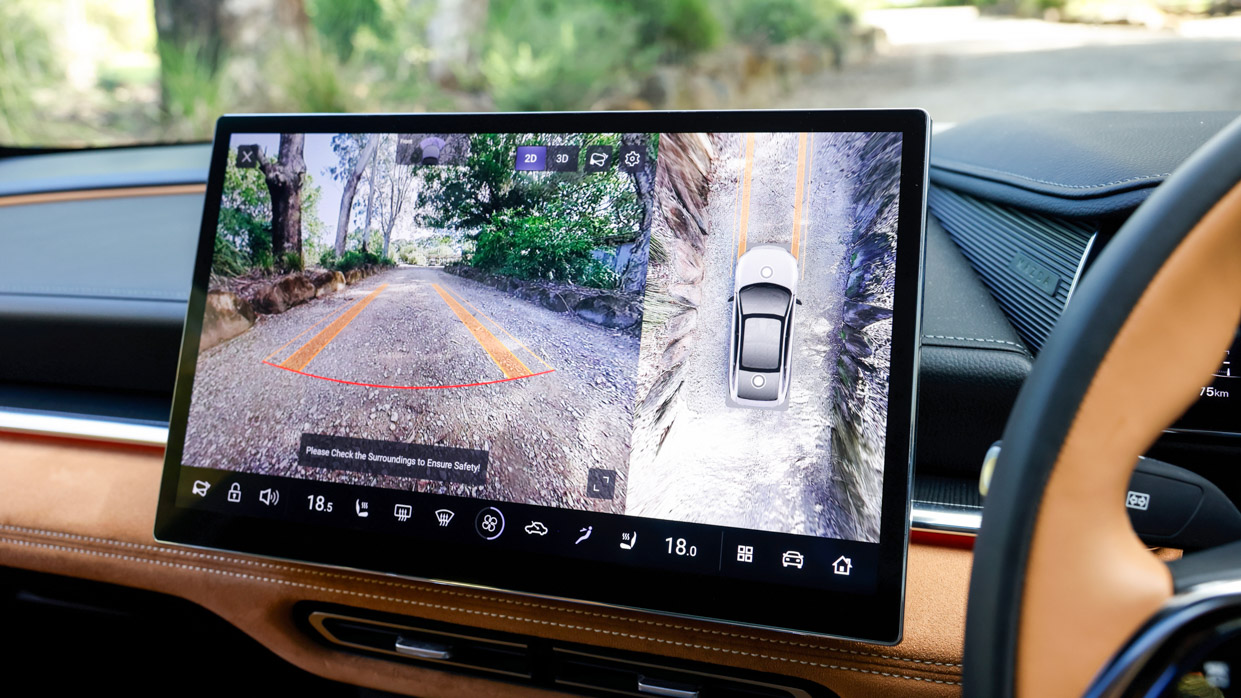
The touchscreen’s icons are larger and of better visual quality than the new CX-5’s cheap appearance, however embedding the wipers into a screen layer is even sillier than moving the electric mirrors there, and if you want your steering-wheel heated, then….press Home, then the Cabin tab, and once you’ve scrolled to the very bottom, Heated Steering Wheel. Yes, really.
If you don’t dive into the embedded Navigation set-up, go into settings and then disable the ‘Detailed’ journey guidance and untick the safety alerts at the bottom of the page, then every mild deviation in the road will be accompanied by ‘Sharp Curve Ahead’.
It is both maddening and aggressively un-Mazda, though if you know how to turn it off, it will stay off. Apparently.
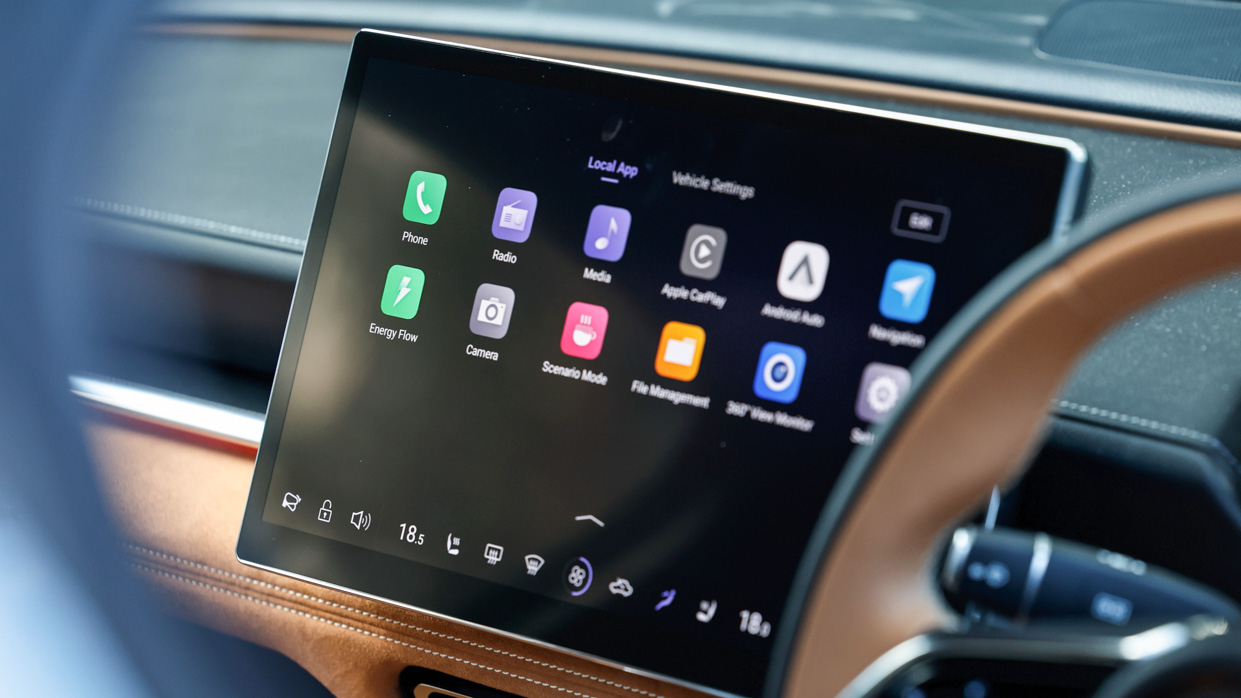
We get that Mazda probably felt like it was time to over-compensate for the rather clunky switch controller that has permeated Mazdas since the early 2010s. However, combining that with an actually usable touchscreen – one that could be operated on the move – would’ve made logical, affordable sense, while retaining the rest of Mazda’s excellent switchgear.
Instead, there’s been a shift to full-service touchscreens – in both this 6e and the all-new, third-gen CX-5, with more screens likely to come…including one covering two-thirds of the dash in the imminent CX-6e SUV, much like the panned Hyundai Elexio.
Mazda’s chief program manager, Hiroshi Ozawa, claimed it was possible to fix many of our UX (user experience) concerns in a future software update. And he said Mazda would listen to customer feedback and respond if people hated the brand’s belated switch to dominating touchscreens, which sounds positive.
Yet all that aside, there’s a good car here. It’s a polished drive with competitive charging and efficiency stats (we achieved 459km in real-world driving, despite that being in extremely hilly country and on freeways), and it seems to offer a lot for the money in terms of its visual class.
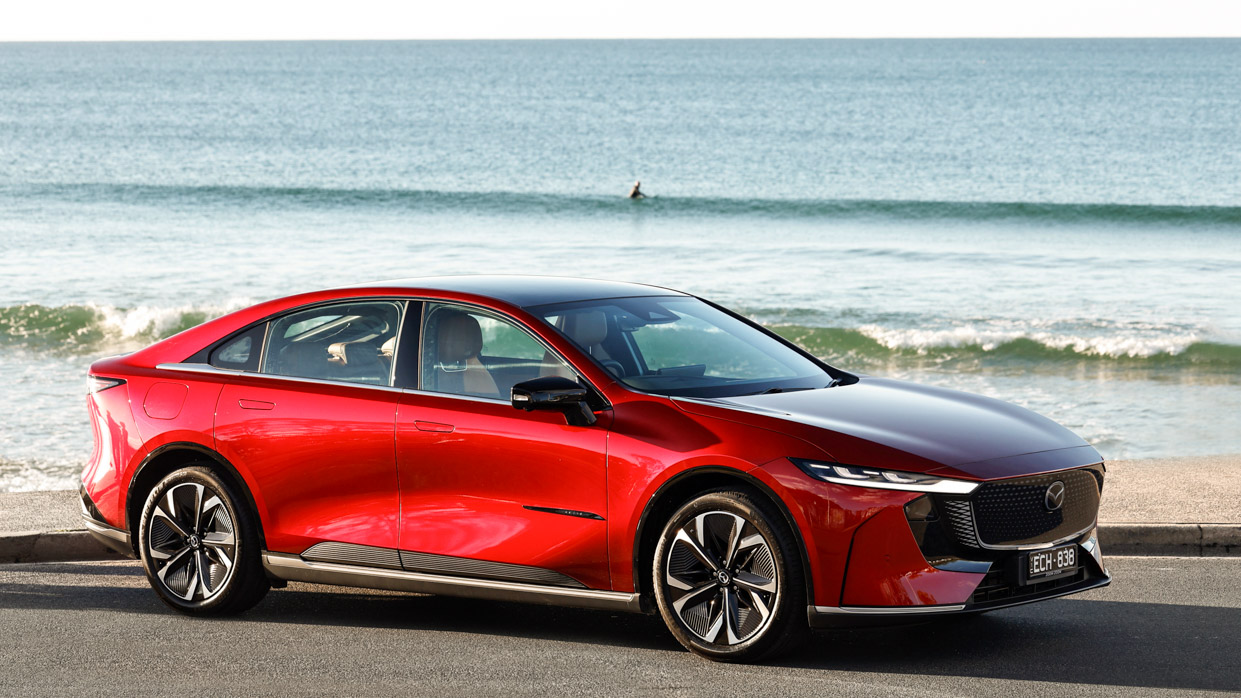
Mazda Australia has sold over 700 in pre-orders, the majority being the top-spec Atenza, and says it can comfortably satisfy demand if the 6e sedan finds a vein.
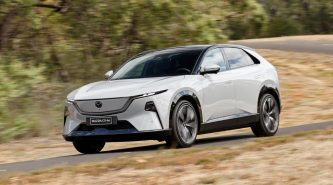
But we suspect the real scene-stealer will be the electric CX-6e which arrives in September, cloaking near-identical underpinnings with a much edgier exterior design. And a huge touchscreen.
Key specs (as tested)
About Chasing cars
Chasing Cars reviews are 100% independent.
Because we are powered by Budget Direct Insurance, we don’t receive advertising or sales revenue from car manufacturers.
We’re truly independent – giving you Australia’s best car reviews.
The estimate provided does not take into account your personal circumstances but is intended to give a general indication of the cost of insurance, in order to obtain a complete quote, please visit www.budgetdirect.com.au. Estimate includes 15%^ online discount.
^Conditions Apply
Budget Direct Insurance arranged by Auto & General Services Pty Ltd ACN 003 617 909(AGS) AFSL 241 411, for and on behalf of the insurer, Auto & General Insurance Company Limited(ABN 42 111 586 353, AFSL 285 571).Because we don’t know your financial needs, we can’t advise you if this insurance will suit you. You should consider your needs and the Product Disclosure Statement before making a decision to buy insurance. Terms and conditions apply.
Indicative quote based on assumptions including postcode , 40 year old male with no offences, licence suspensions or claims in the last 5 years, a NCD Rating 1 and no younger drivers listed. White car, driven up to 10,000kms a year, unfinanced, with no modifications, factory options and/or non-standard accessories, private use only and garaged at night.
^Online Discounts Terms & Conditions
1. Discounts apply to the premium paid for a new Budget Direct Gold Comprehensive Car Insurance, Third Party Property Only or Third Party Property, Fire & Theft Insurance policy initiated online on or after 29 March 2017. Discounts do not apply to optional Roadside Assistance.
2. Discounts do not apply to any renewal offer of insurance.
3. Discounts only apply to the insurance portion of the premium. Discounts are applied before government charges, taxes, levies and fees, including instalment processing fees (as applicable). The full extent of discounts may therefore be impacted.
4. We reserve the right to change the offer without notice.