Powered by

-
Car Reviews
Latest reviews
-
Car News
Latest news
-
Car Comparisons
Latest comparisons
- Chasing Deals
Latest reviews
Latest news
Latest comparisons
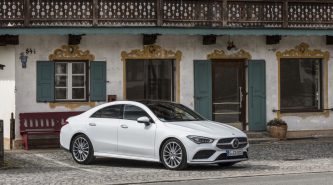
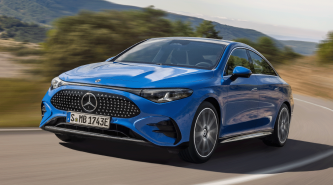
The all-electric version of the third-gen CLA realises the potential of its new multi-powertrain platform, offering impressive range, ride, refinement and glossy tech
Our recent review of the 2026 Mercedes-Benz CLA in petrol-hybrid form praised this all-new, third-generation model for its newfound handling fluidity, its dignified ride quality and its general air of refinement, though it suggested that the electric version might be the new CLA sweet spot.
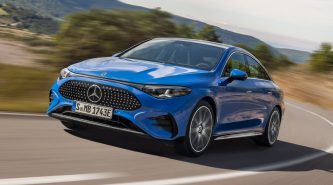
Well, we’ve now driven the all-electric, 800-volt CLA and can confidently say it’s the best (non-AMG) CLA variant we’ve ever driven – building on what the petrol-hybrid already offers, for a surprisingly modest price premium.
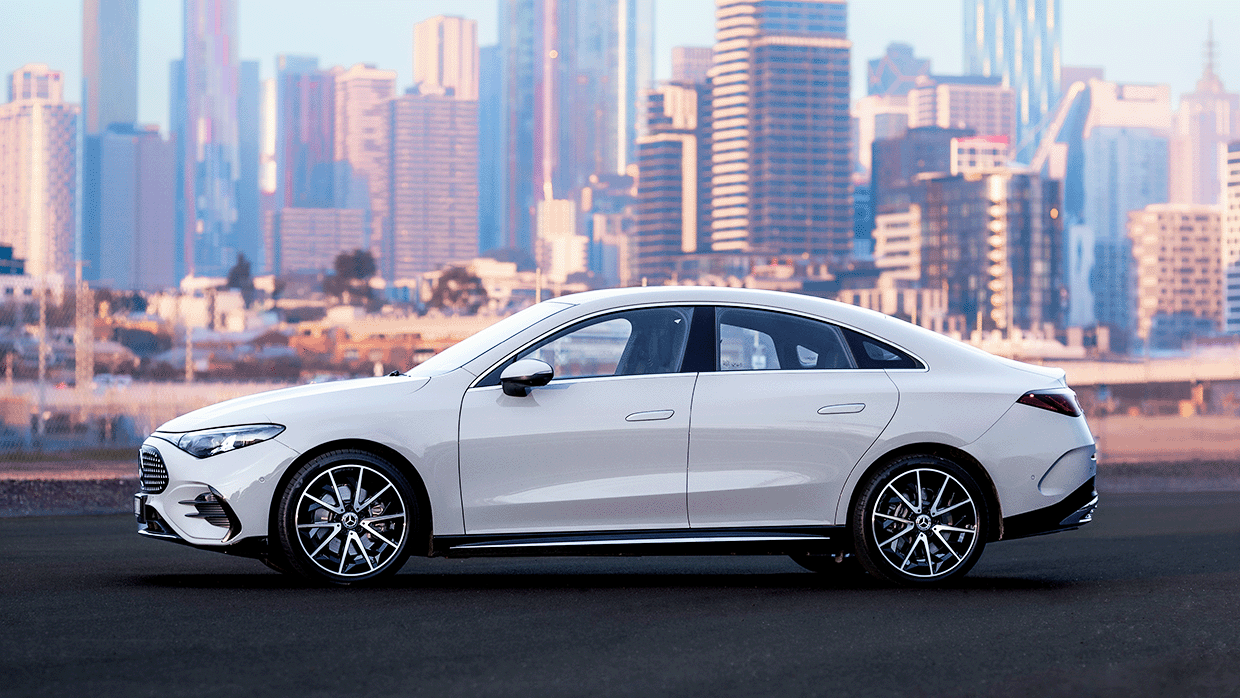
Comparing like for like, the rear-drive 165kW/335Nm CLA 200 electric starts at $72,200 before on-road costs, which is only $4100 more than the 135kW/330Nm CLA 200 hybrid, with a lesser-powered 115kW/280Nm CLA 180 hybrid sitting $1600 below that. So for breadth of appeal, the CLA range is already off to an impressive start.
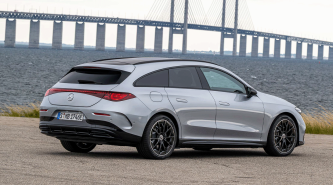
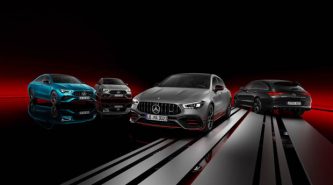
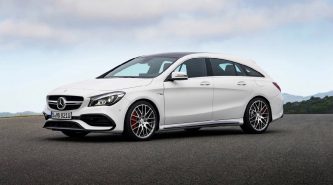
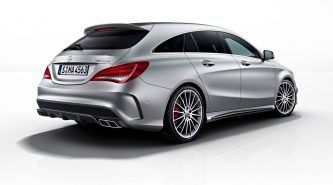
That attraction will expand further when a CLA Shooting Brake sports wagon version arrives in Australia during Q4 of 2026, featuring petrol-hybrid engines and the same two electric powertrains as the coupe-sedan.
We’ll also see a scorching CLA 45 AMG 4Matic+ version in 2027, packing three electric motors, a towering 500kW of power, a 0-100km/h claim of 2.7 seconds and an impressive WLTP range claim of 670km, with 10-80 percent charging in 22 minutes.
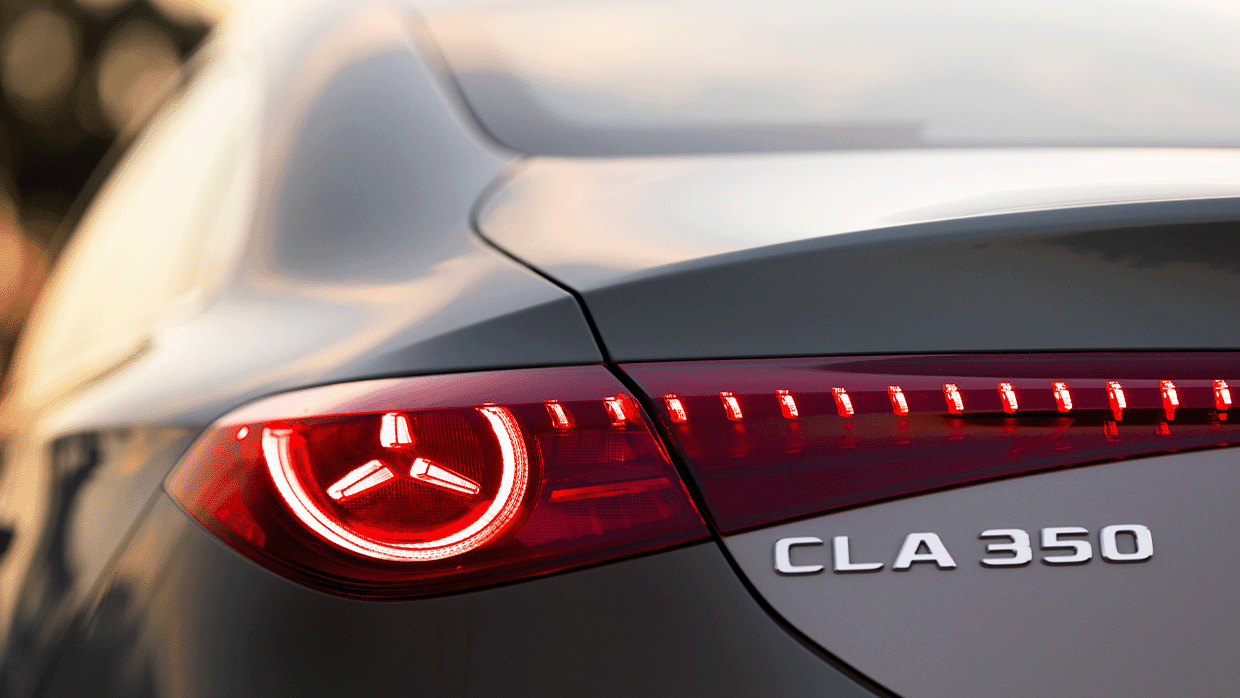
Yet confirmed is another variant of Mercedes-Benz’s electric coupe-sedan to sit between the $72K CLA 200 and the $91K CLA 350 4Matic: if sales take off, expect to see either the CLA 250 sedan (71kWh battery, 633km of range) or the CLA 250+ sedan (85kWh battery, 694km of range) some time in 2027.
Aside from alloy-wheel size (18-inch for the CLA 200, 19-inch for the CLA 350) and the fact the 350 features two electric motors instead of just one, both CLA electric variants share an extensive list of standard equipment.
Indeed, the only cost options are a $1200 Sport pack for the CLA 200, adding the 350’s handsome 19in ‘five-twin-spoke’ AMG alloys, and a Premium pack on both variants ($1800 for the 200; $2340 for the 350).
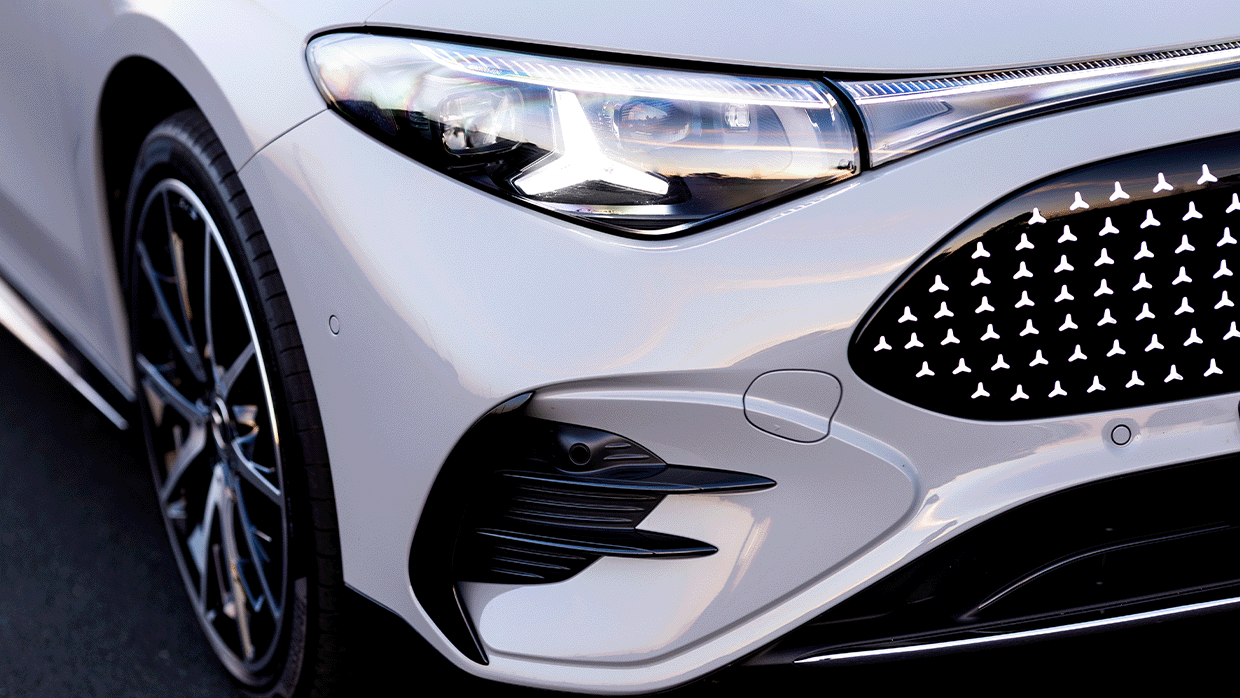
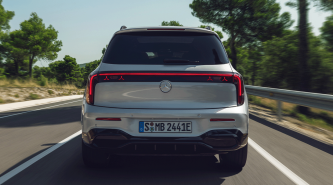
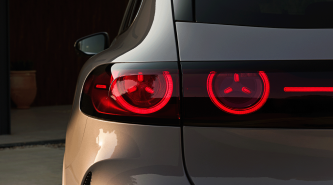
The Premium pack adds Multibeam LED headlights with adaptive high-beam assist, a full-width rear lighting strip, full-width MBUX Superscreen dashboard (instead of just a star-patterned screen ahead of the passenger), a head-up display, Keyless Go with hands-free access, illuminated side sills and a 16-speaker, 850-watt Burmester 3D surround-sound stereo.
Standard equipment on Australian CLA Electric variants includes:
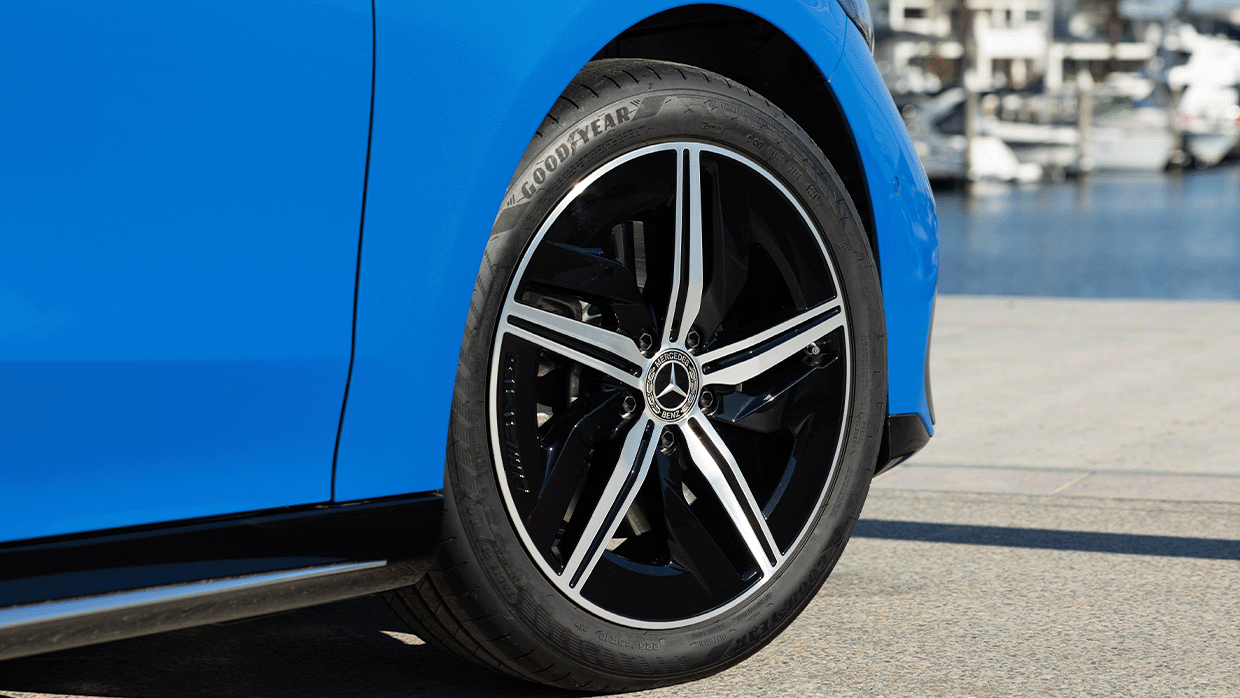
Two new colours are offered – Sheer Blue metallic and Aqua Mint non-metallic – alongside Polar White, Cosmic Black metallic, High-tech Silver metallic, Manufaktur Patagonia Red metallic ($500-650 extra) and Manufaktur Alpine Grey solid ($1300-1690 extra).
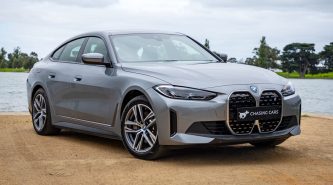
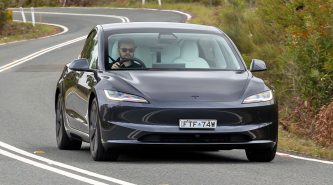
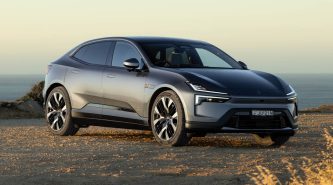
Natural rivals for the Mercedes-Benz CLA Electric include the BMW i4 eDrive 35 Gran Coupe ($88,900), Polestar 4 ($79-$107K) and Tesla Model 3 ($55-$81K), as well as the MG IM5 ($61-$81K), and the new Lexus ES electric ($77-$84K), which is quite a bit larger than the CLA but is similarly priced.
By moving to a brand-new platform, dubbed MMA (Mercedes-Benz Modular Architecture), which has been designed to accommodate both combustion-engined and all-electric powertrains, the third-generation CLA is already off to a good start.
At the front is a new three-link suspension arrangement with forged aluminium componentry to reduce weight and enhance rigidity, while the rear features fully independent multi-link suspension on all variants – meaning an end to the torsion-beam rear end of previous front-drivers.
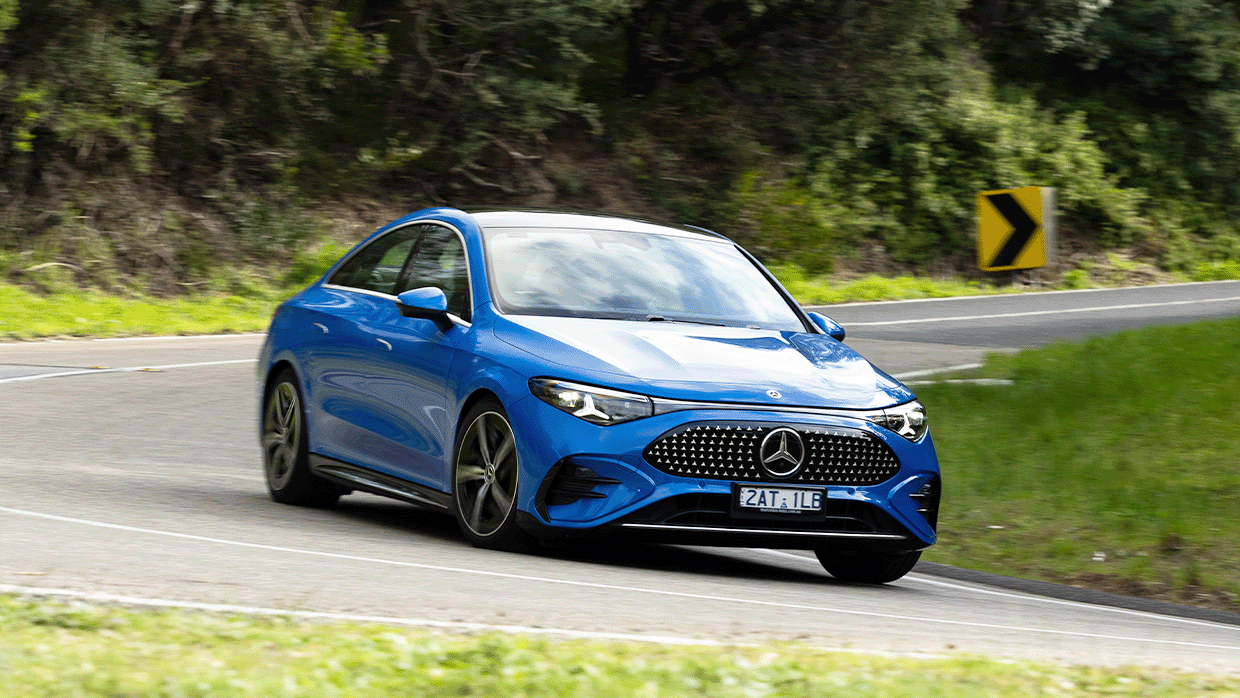
The result is a significant improvement in the CLA breed’s all-round dynamic capability.
While petrol-hybrid-engined CLAs feature either front- or all-wheel drive, the electric versions are predominantly rear-drive biased. The CLA 200 features a rear-mounted 200kW electric motor while the CLA 350 4Matic adds an 80kW motor to the front axle – achieving total system outputs of 165kW/335Nm in the rear-drive 200 and 260kW/515Nm in the all-paw 350.
It also gets a two-speed transmission – just like a Porsche Taycan EV – which you can feel upshift at around 110km/h, though Porsche itself has shown with its electric Macan that powerful EVs don’t necessarily need more than one gear.
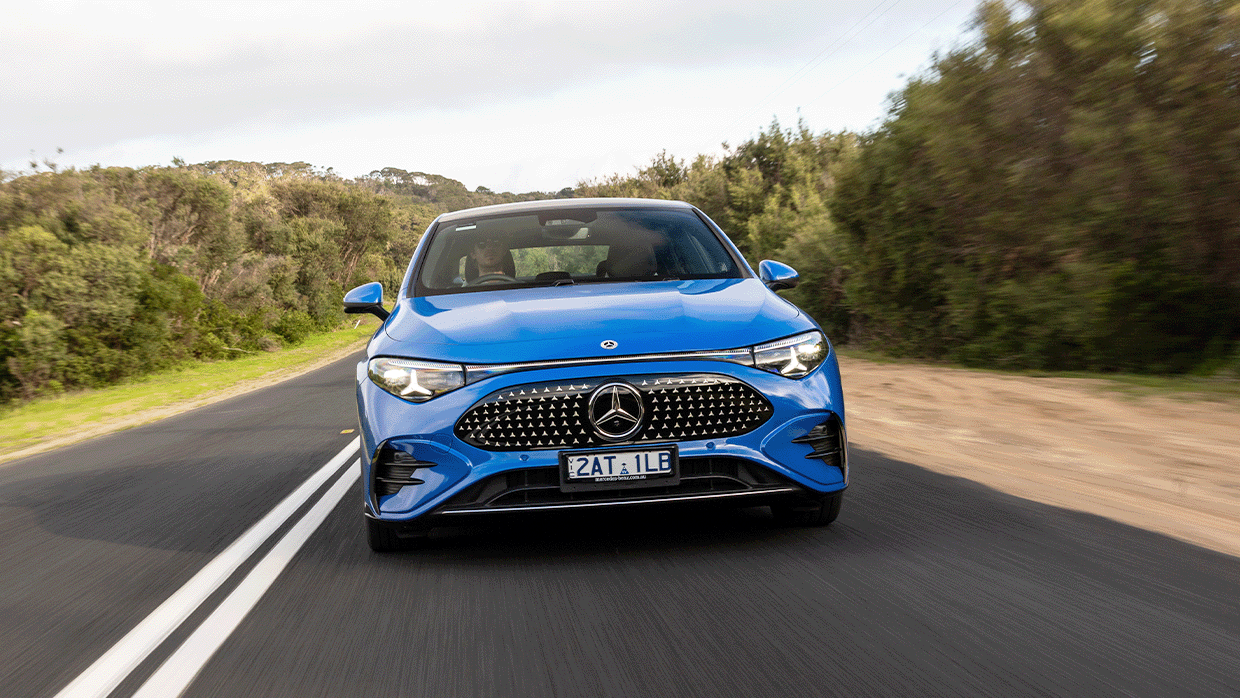
While the difference between the two in general urban driving is negligible – both demonstrating slick calibration, smooth operation and effortless acceleration – the 350 ultimately puts clear distance between itself and the 200, literally and metaphorically, by managing 0-100km/h in a claimed 4.9sec (versus a far more casual 7.5sec) while offering 193km more range.
All electric variants share cutting-edge 800-volt electrical architecture, enabling DC fast-charging maximums of 200kW for the 58kWh LFP battery in the CLA 200, and 320kW for the 85kWh NMC battery in the CLA 350 (see ‘what are the ownership costs?’), meaning each blitzes from 10-80-percent charge in 20-22mins.
But just as important for day-to-day driving is the fact that all global third-gen CLAs feature ‘Comfort’ suspension – negating the need for adaptive dampers while delivering impressive absorbency even on the CLA 350’s standard 19-inch wheels (wearing Bridgestone Turanza rubber – 225/40R19 93W front, 255/35R19 99W rear).
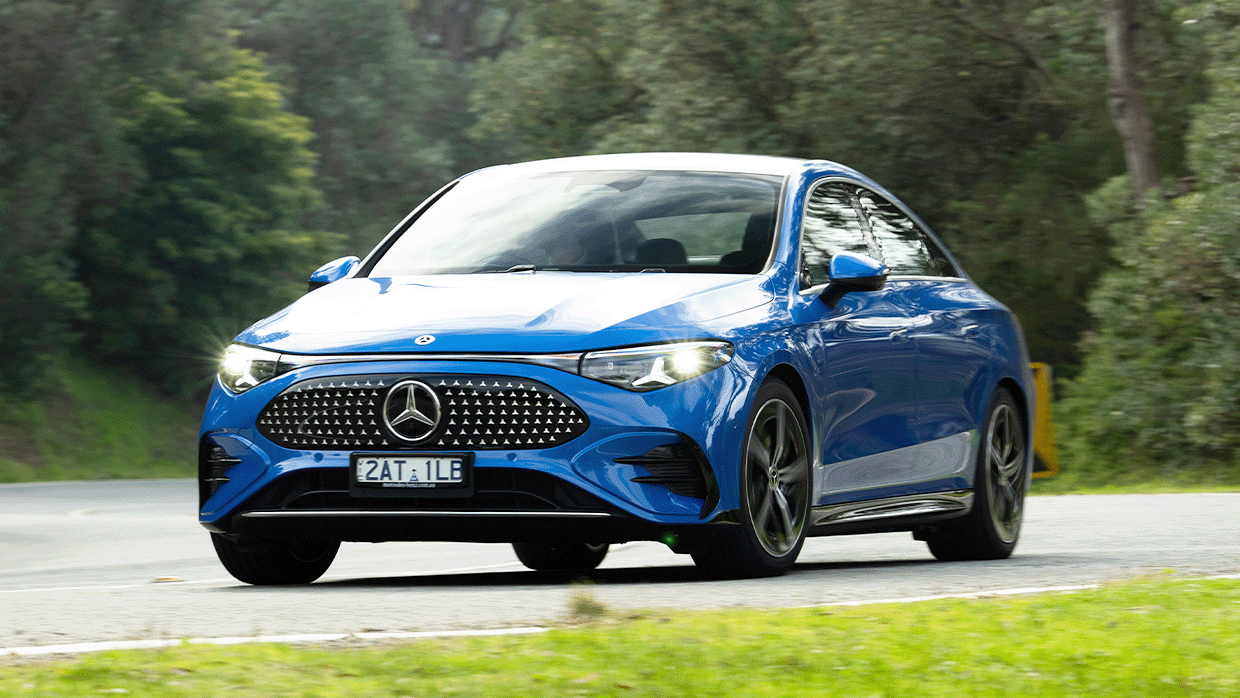
Over some challenging heaves on hilly Queensland back roads, the CLA 200 in particular displayed a level of old-school suppleness and suspension control that felt fittingly Mercedes-Benz…after more than 20 years of depressingly poor ride in all (sub-AMG) A-Class models (and related CLAs).
Combined with a tangible level of overall refinement, this newfound level of ride quality has transformed the CLA from a rather cynical (and overpriced) attempt at a premium product to a car that actually feels premium in the way it drives!
Ultimately, physics win out when accelerating hard through tighter corners, where you can feel the 350 4Matic’s 2060kg kerb weight, but overall handling is nicely poised and general road behaviour is pleasingly polished.
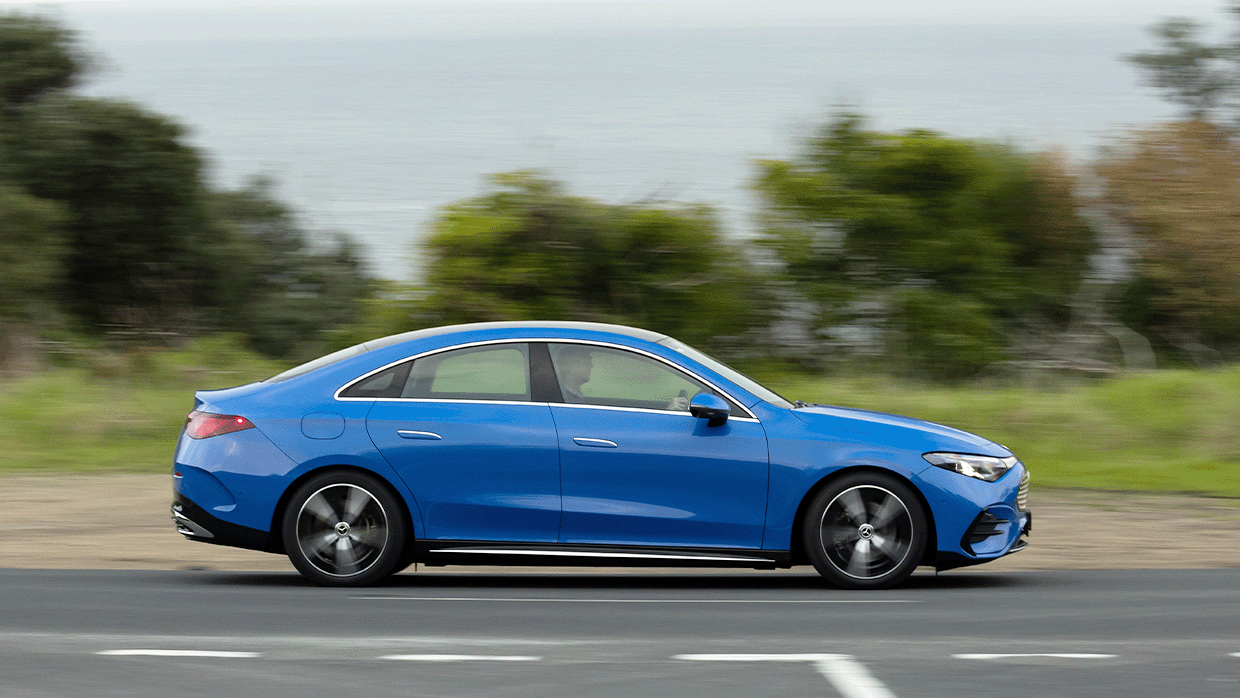
Only the CLA’s steering weight could use some finessing. While there’s directional precision, in Normal drive mode the weighting is so light that it almost feels like it’s connected to air. You do get used to it, however the Sport-mode weighting is way better suited to all cornering situations – which you can program in an Individual drive mode, should you wish.
Mercedes-Benz is also quite proud of the CLA’s regenerative braking system, which does a superb job of feeding energy back to the battery but doesn’t offer enough settings to sweetly blend with the driving experience.
There’s Normal (which has only a moderate regen’ effect), Strong (which is outstandingly effective down really steep declines, but way too powerful for general driving), Intelligent (which is an adaptive setting that does a mostly impressive job, though you do need to get used to it), and a setting that does absolutely nothing.
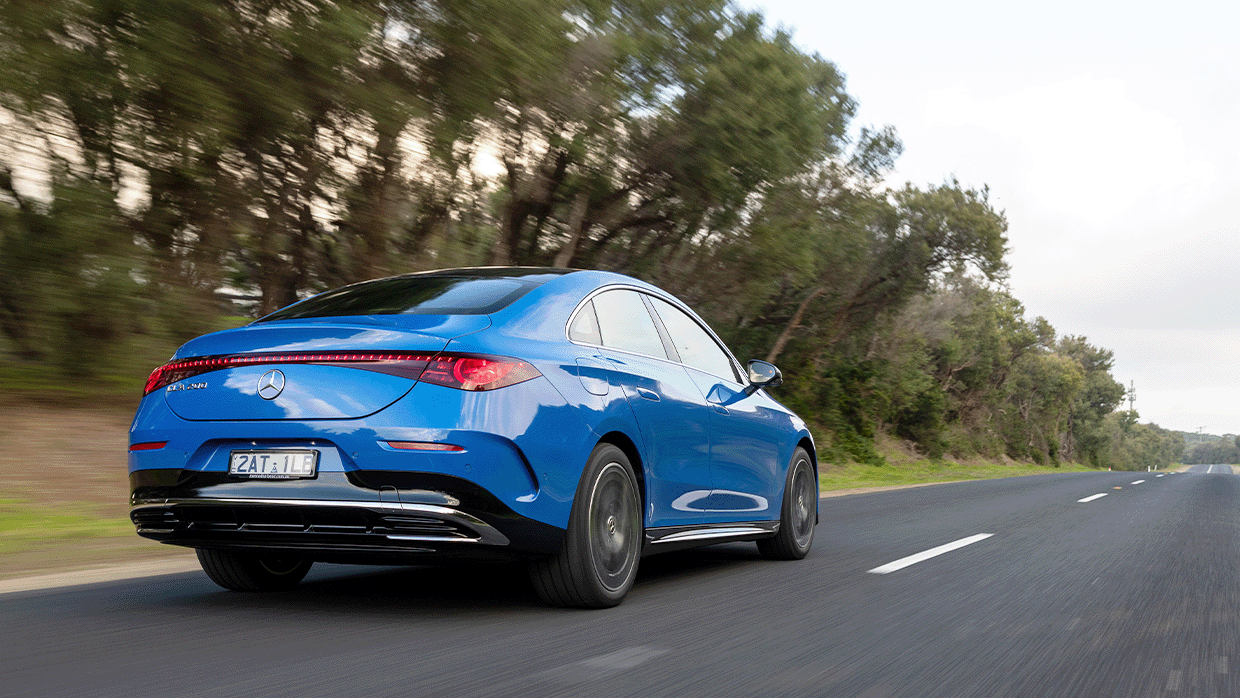
What the CLA needs, in our opinion, is a maybe a Normal+ regenerative braking setting that pulls up with a bit more assertiveness.
The electric CLA also includes two new ‘soundscapes’ – Fractal Fusion and Granular Fuzz – which provide a synthesised overlay when accelerating, with the intensity of the sound commensurate to the intensity of the acceleration.
Granular Fuzz is the preferable of the two – particularly in the CLA 350 4Matic, for some reason – though the thunderous Roaring Pulse is probably our favourite of the six available virtual driving sounds.
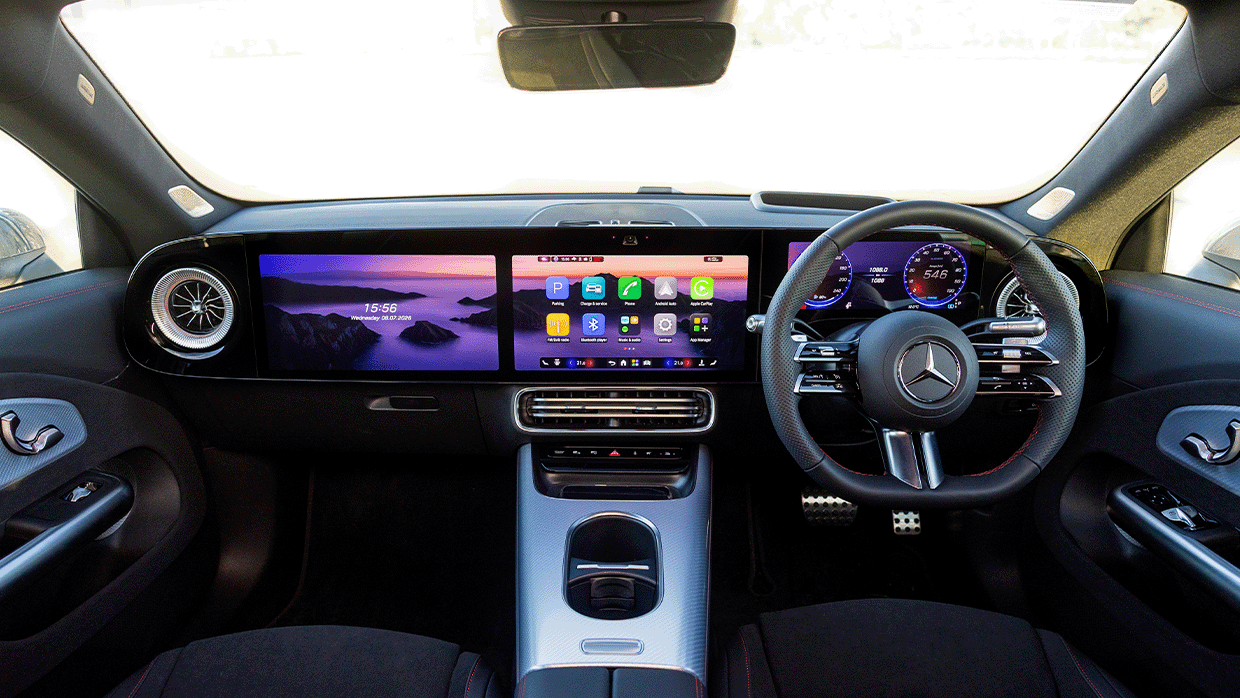
Inside is where much of the song and dance about the new-generation CLA has been focused, mainly because it debuts a latest-generation MBUX Superscreen that now spans the entire dashboard width, as well as a brand new, in-house-developed operating system (MBOS) enabling over-the-air updates for vehicle systems and driver-assistance functions.
How you feel about all this depends on your views on what a car should be – a software-based product developed into an automobile or a hardware-based product that incidentally contains software.
The new CLA appears to be the former, however its dynamic sophistication and calibration excellence shows that Mercedes-Benz has arguably attempted to appease both camps, with hardware ultimately winning.
But that doesn’t diminish the appeal of the CLA’s enormous screen expanse – even though it’s effectively three screens that have been quite obviously stitched together.
On face value, it’s a lot to take in, yet it is both simple and busy. The simple part is the architecture itself – a large symmetrical slab slapped onto a flat dashboard backing, which evokes both the Chrysler PT Cruiser (in a touch of ironic heritage, with its oval-esque shape and eyeball air vents) and Holden’s 1974 LH Torana (courtesy of the full-width slab and hung centre air vents).
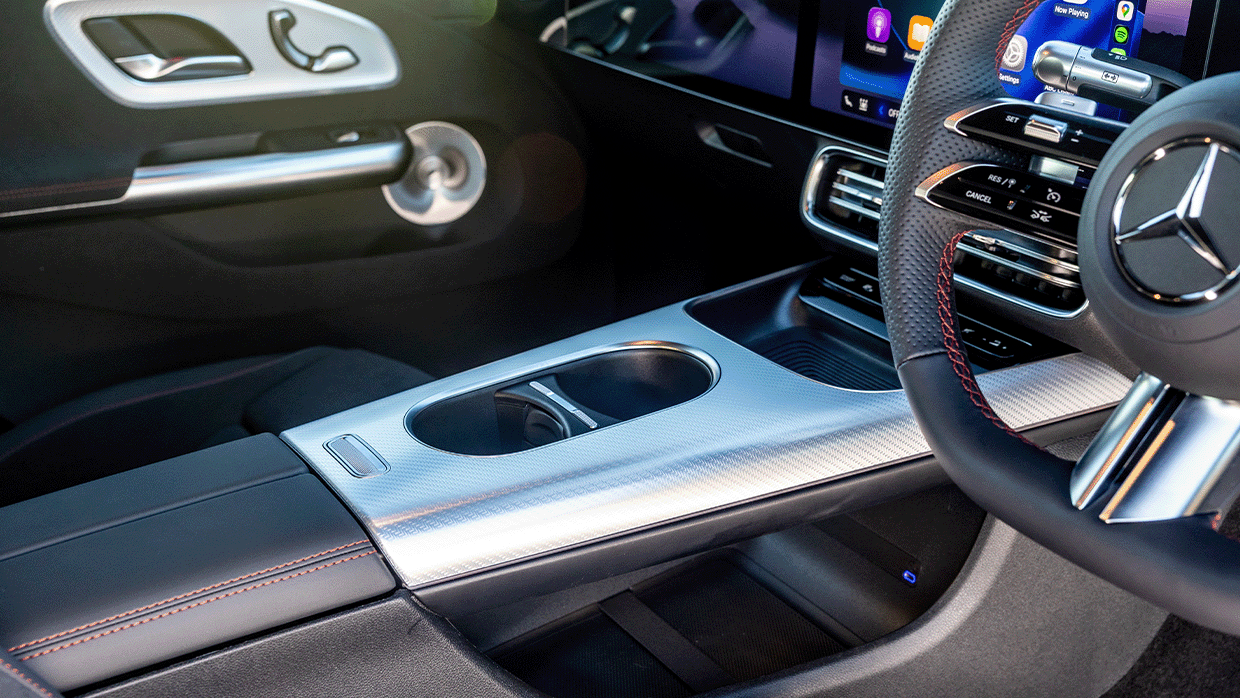
Like both those vehicles, the CLA’s flat dash will make the switch between left- and right-hand drive a cinch. But unlike their simplicity, the busyness in the CLA is all the stuff going on in those screens – ‘stuff’ that Mercedes-Benz clearly felt was needed to achieve cut-through with younger buyers while hopefully not alienating brand purists (too much!).
It’s easy to hate the idea of a full-width screen/s, however it all works intuitively well. Even the touchscreen HVAC, which remains permanently visible at the bottom of the centre section but which requires expansion to enable full control access, is among the better screen-led interfaces, though it remains inferior to the superb HVAC dials of older Benz models.
It’s said the MBUX Superscreen is powered by a gaming-grade Unity engine “for ultra-smooth graphics and animations” and there’s an AI-powered voice assistant integrating ChatGPT, Google Gemini and Bing which we didn’t try, claimed to “revolutionise the relationship between vehicle and driver by enabling natural conversation and contextual responses.”
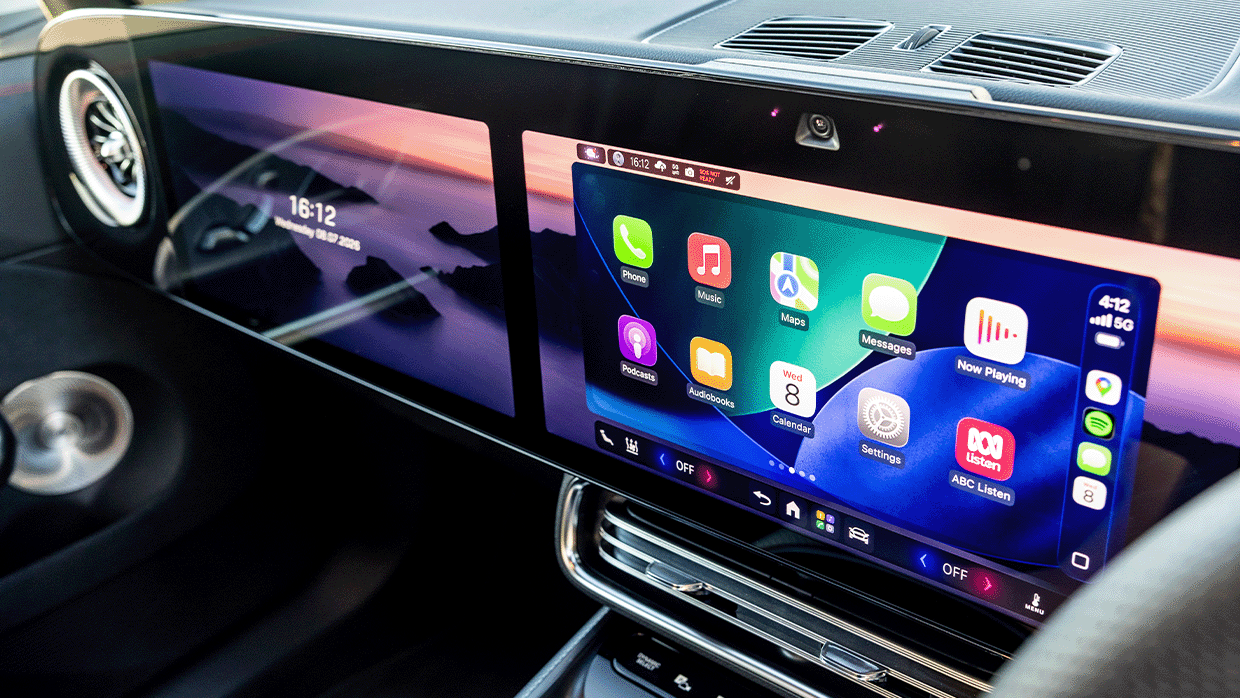
The Premium Package’s front passenger screen actually does something (rather than being bedazzled in glowing three-pointed stars), including access to streaming services (Netflix, Disney+). The pack also brings a 16-speaker, 850-watt Burmester 3D stereo that promises big business and has lovely speaker grilles, though sounds digital and lacking in warmth.
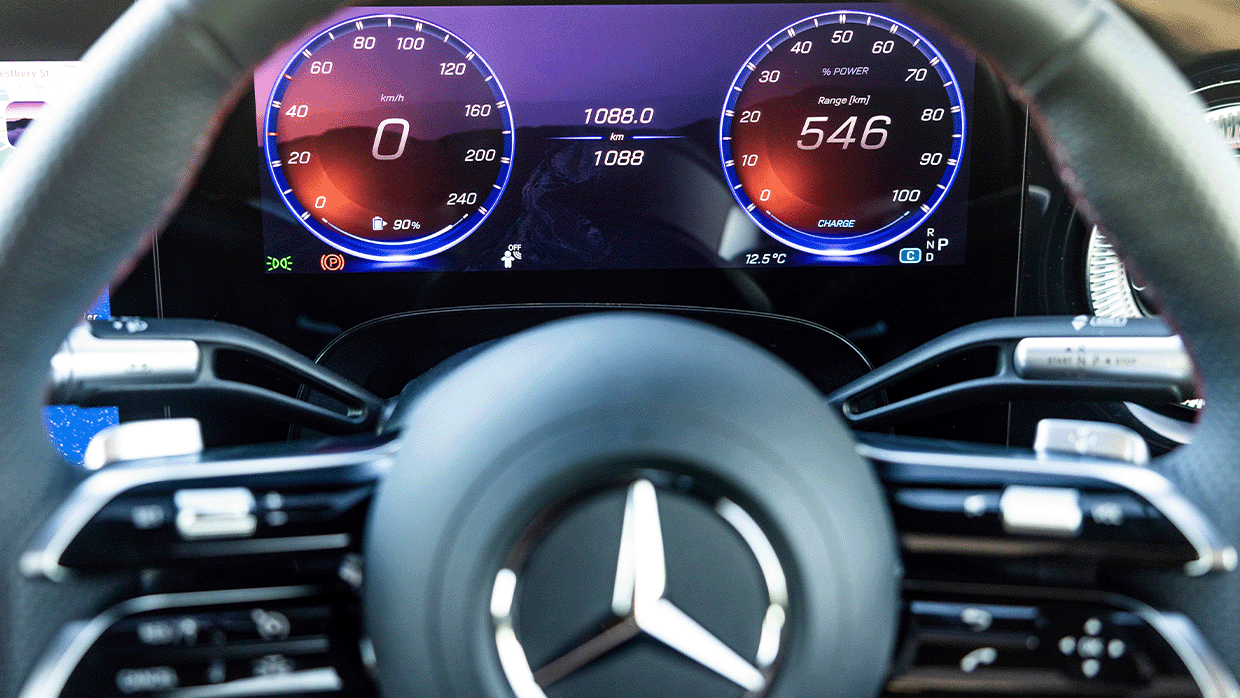
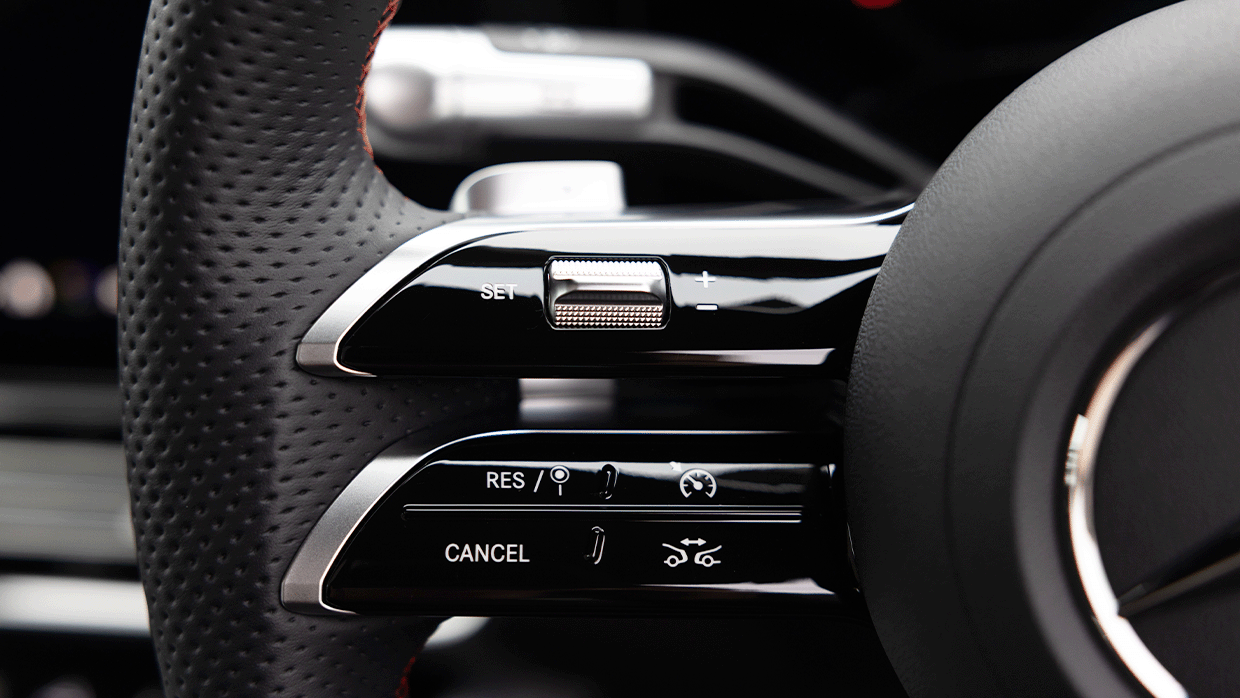
Our main gripe regarding the CLA’s control interface concerns the haptic switches on the steering-wheel spokes, which remain as flawed as ever in their intermittent response to inputs in the case of the four-way ‘OK’ section, though a barrel dial for volume and a physical toggle for cruise-control speed partly compensate.
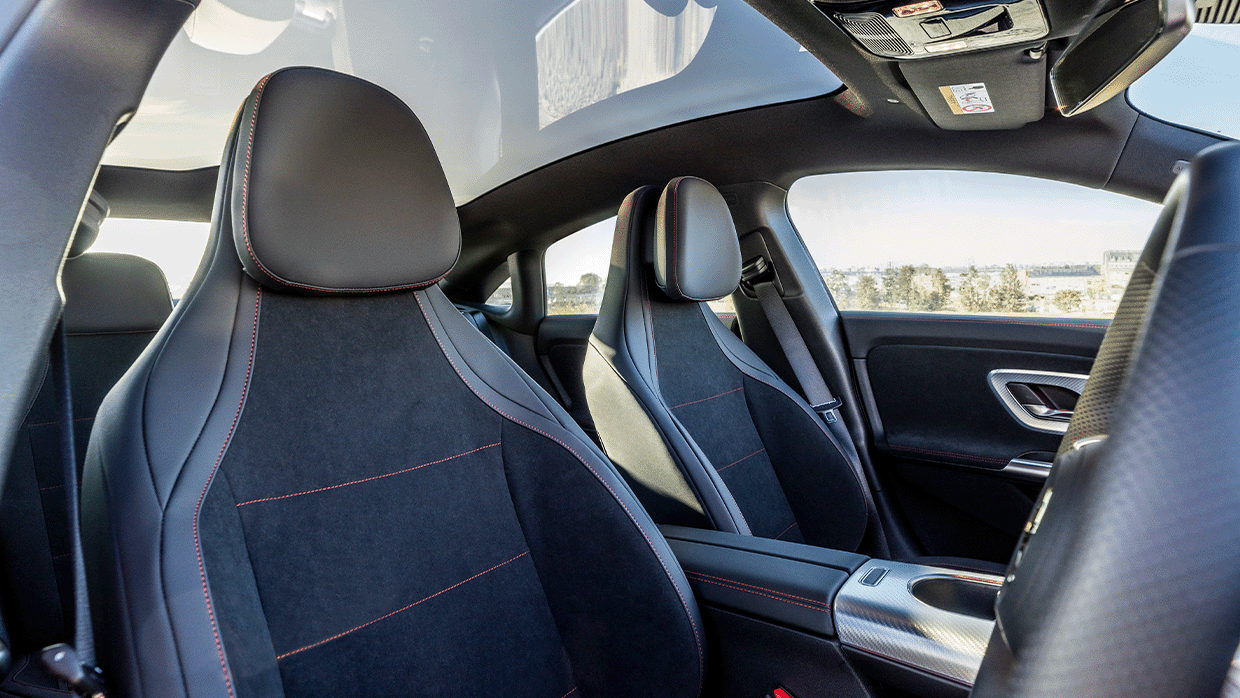
For seating, Aussie CLA’s feature standard AMG Line accoutrements, meaning electric and heated tombstone sports front seats with a manual under-thigh extender for the driver, trimmed in a combination of Artico vinyl and black microfibre centre sections with red stitching.
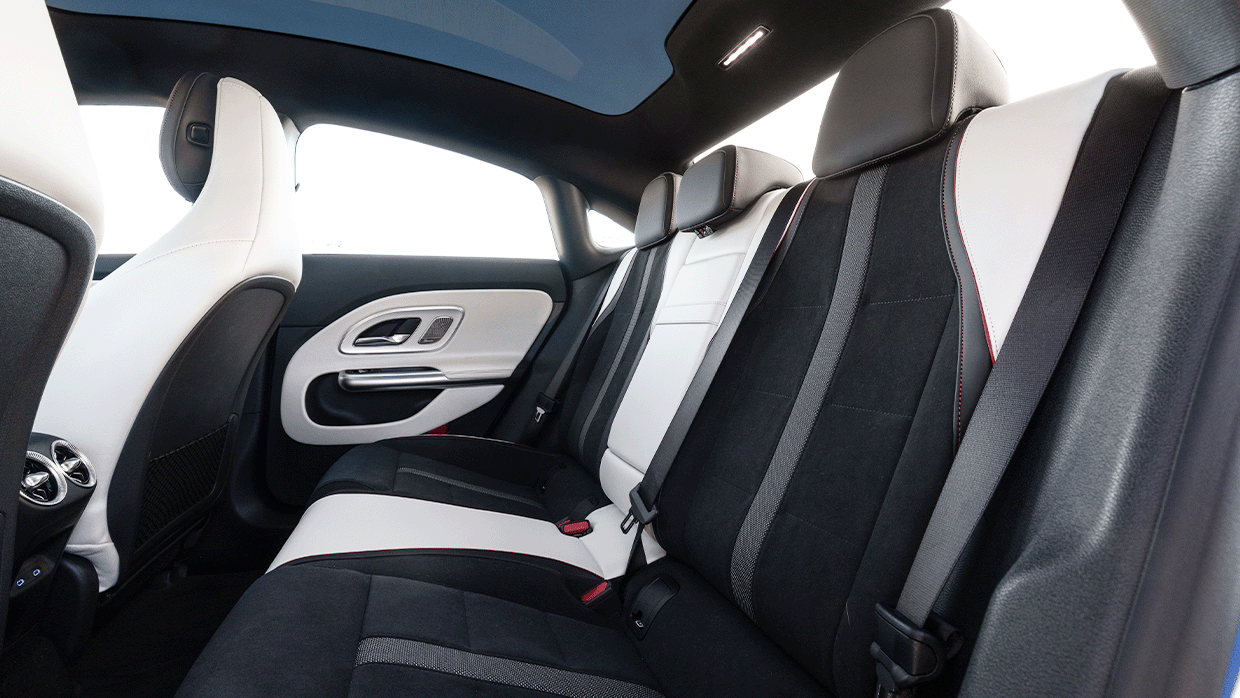
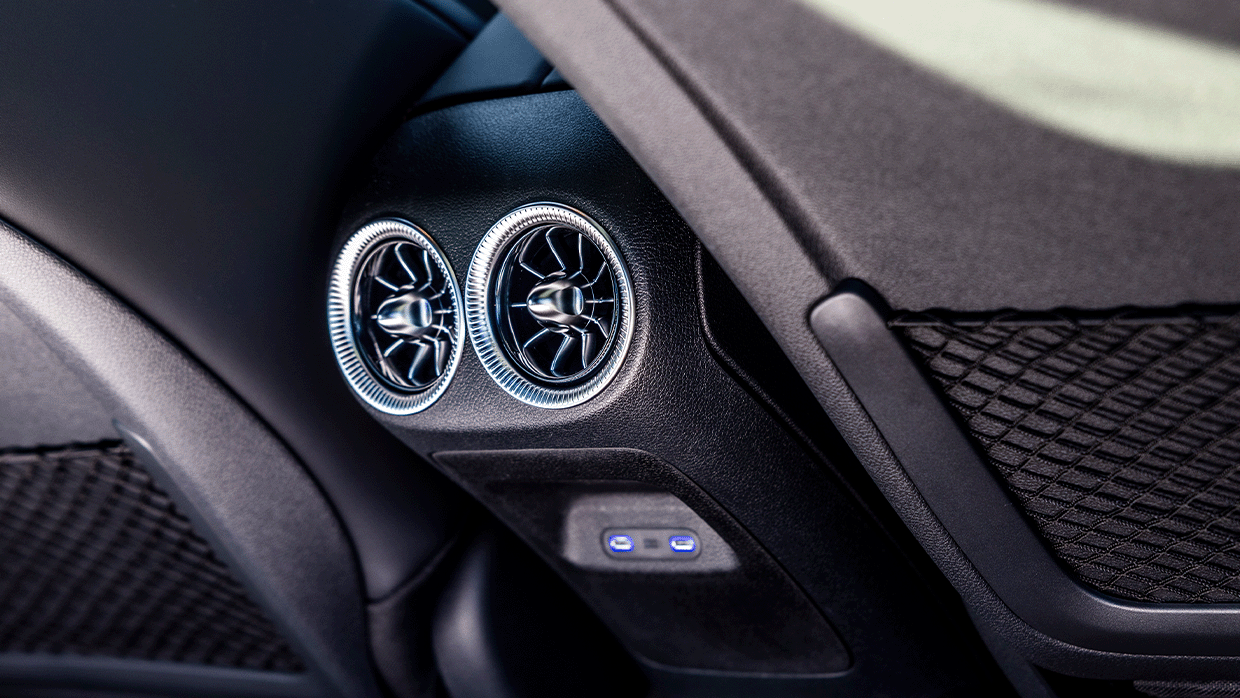
For no extra cost, you can get the Artico in white, which lifts the interior ambience because it also lightens the door-trim inserts, and acts as a foil to the black headlining surrounding the panoramic glass roof, black AMG floor mats and black perforated Nappa leather wheel rim with red stitching.
The front seats themselves are okay, with quite stuff padding and a lack of adjustment breadth and ventilation. They’re the AMG Line sports buckets, though they don’t feel expensive.
The rear bench is similarly okay, supported by a fully flat floor, though the cushion is also quite flat and lacks under-thigh support. Yet two adults could handle a few hours back there, providing you’re okay with a coupe-sedan level of rear headroom.
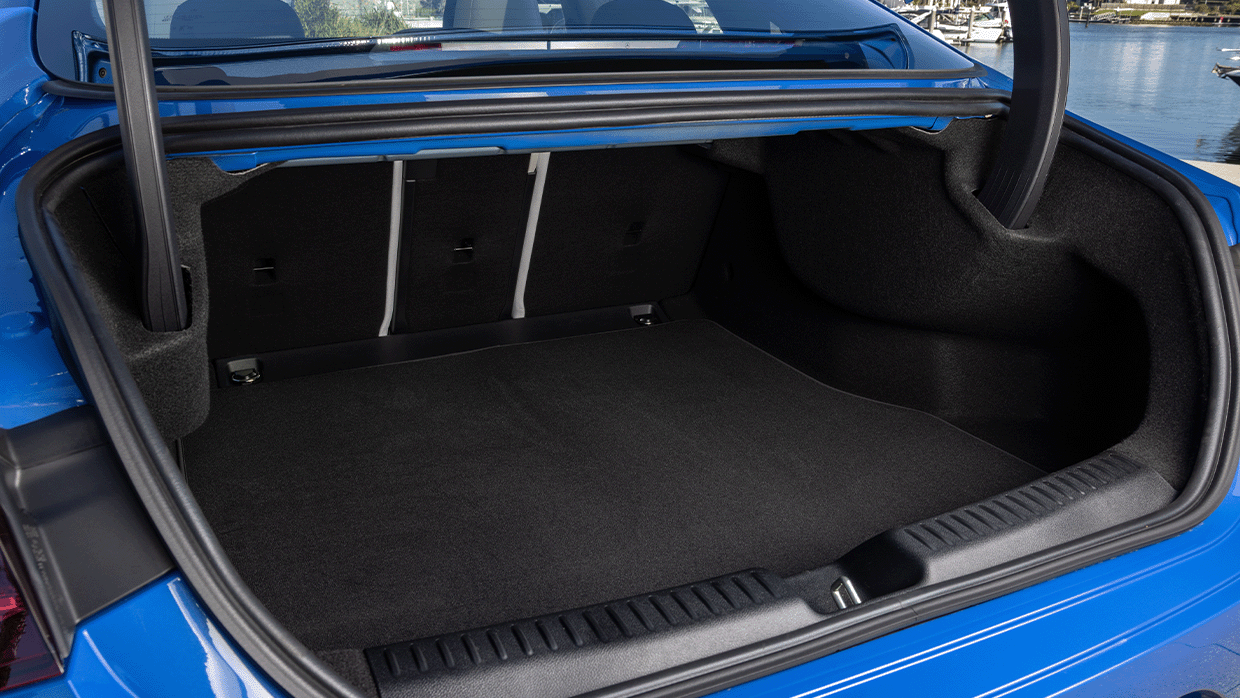
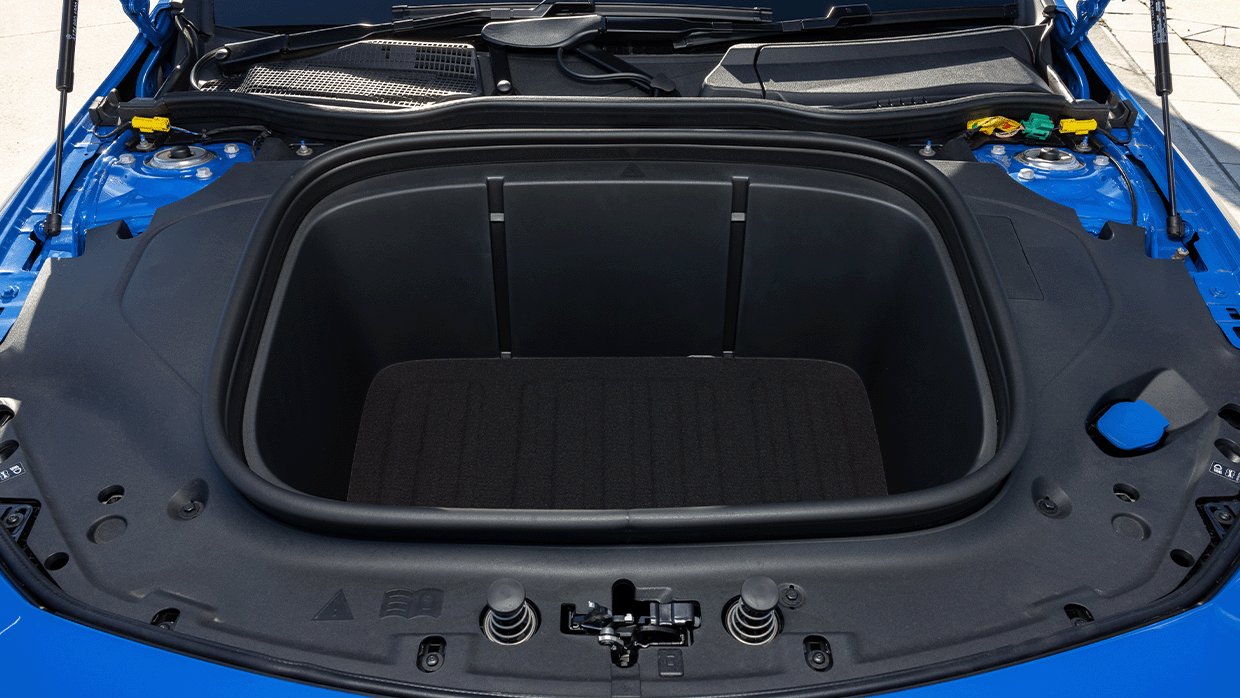
The rear-seat backrest splits 40/20/40 and folds virtually flat, extending the already decent 405-litre boot even further, and for the first time ever in an electric Mercedes-Benz, the CLA Electric has a frunk – a respectably large 101-litre cavity.
If you want even more luggage space, or perhaps a touch more rear headroom, there’s the forthcoming CLA Shooting Brake, offering 540 litres of boot volume or 1290 litres with the rear backrests folded.
The 2026 Mercedes-Benz CLA has been tested by Euro NCAP for crash-test performance and active-safety features, and has been awarded five stars.
It scored 94 percent for adult occupant protection, 89 percent for child occupant protection, 93 percent for vulnerable road user protection, and 85 percent for safety-assist technology.
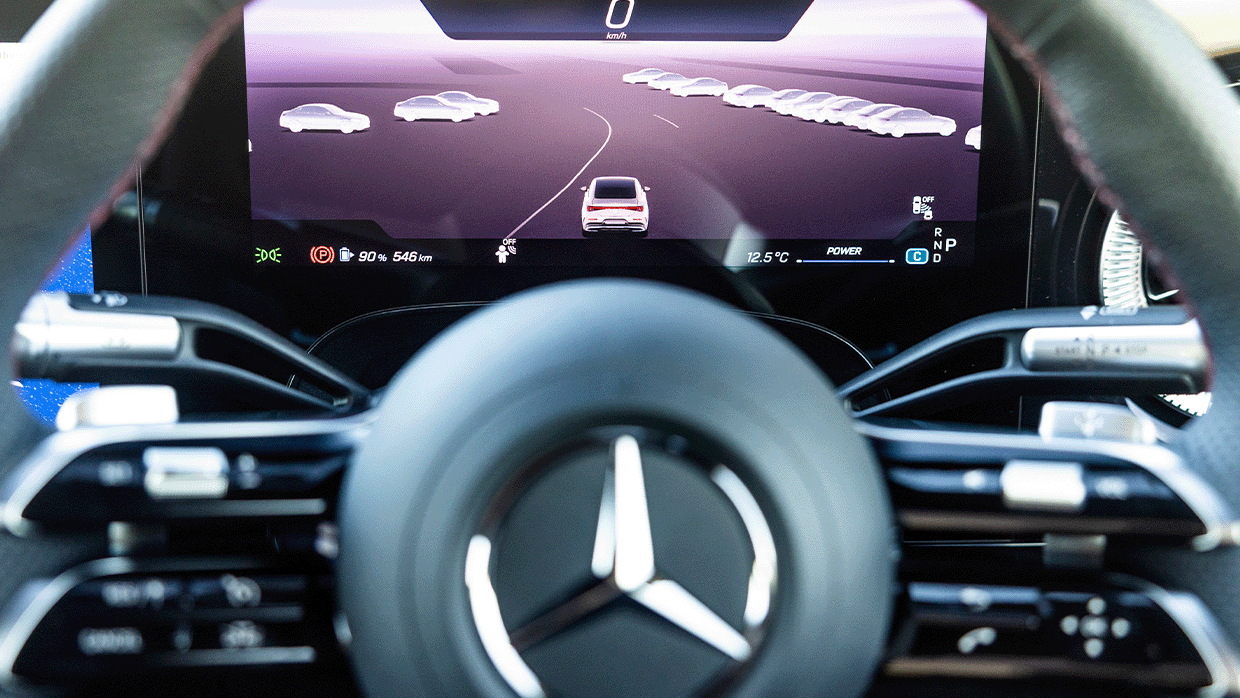
Euro NCAP noted that its autonomous emergency braking (AEB) system worked well, its lane-assist technology gently guided the car back into a lane (as opposed to ‘snatch and grab’ abruptness) and its driver attention monitoring was effective but not intrusive.
Standard safety equipment on the 2026 Mercedes-Benz CLA includes:
The official combined ADR81/02 energy efficiency figures for the electric CLAs are 14.4kWh/100km for the CLA 200 and 14.9kWh/100km for the CLA 350 4Matic. Their WLTP-measured range claims are 470km for the CLA 200 and 663km for the CLA 350 4Matic.
During our testing over challenging and mountainous terrain west of Queensland’s Sunshine Coast, the CLA 200 averaged 13.4kWh/100km while the CLA 350 4Matic averaged 14.3kWh/100km – both impressive figures, each enhanced by highly effective regenerative braking and an outstanding drag coefficient of 0.21.
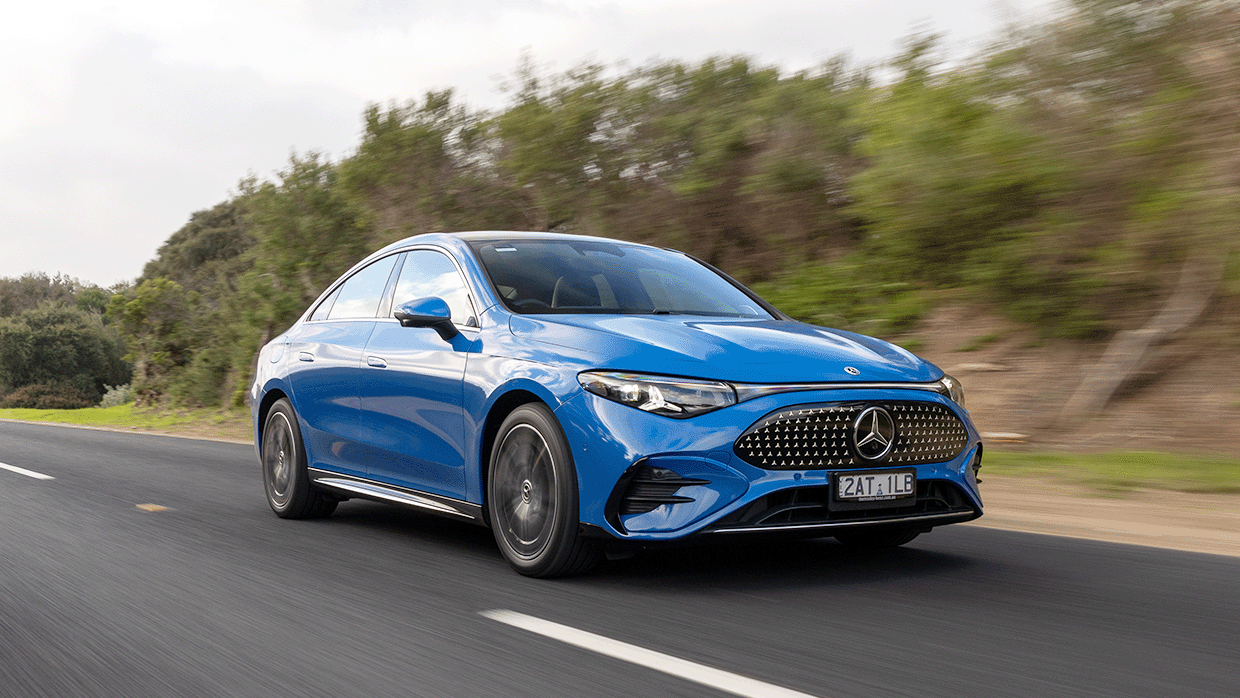
Those two figures calculate to 433km of real-world range for the CLA 200 and 594km of real-world range for the CLA 350 4Matic.
Charging times for the CLA 200 include a 10-80 percent fast charge in 20 minutes (at a 200kW DC maximum) and a 0-100 percent AC charge (at 22kW) in 3hrs 15mins. The CLA 350 4Matic is capable of a 10-80 percent fast charge in 22 minutes (at a 320kW DC maximum) and a 0-100 percent AC charge (at 22kW) in 4hrs 45mins
Recommended service intervals are every 12 months or 25,000km, with the CLA Electric’s five-year servicing plan costing $4295. Mercedes-Benz’s new-vehicle warranty in Australia is five years/unlimited kilometres, while its battery warranty is eight years/160,000km.
Given the scope and the sophistication of Mercedes-Benz’s all-new MMA platform that underpins the third-generation CLA, it’s perhaps no surprise that this important new model has just been crowned the 2026 European Car of the Year.
However, just because a car works on European roads, doesn’t mean it’s well-suited to Australian conditions … though that doesn’t affect the new CLA Electric.
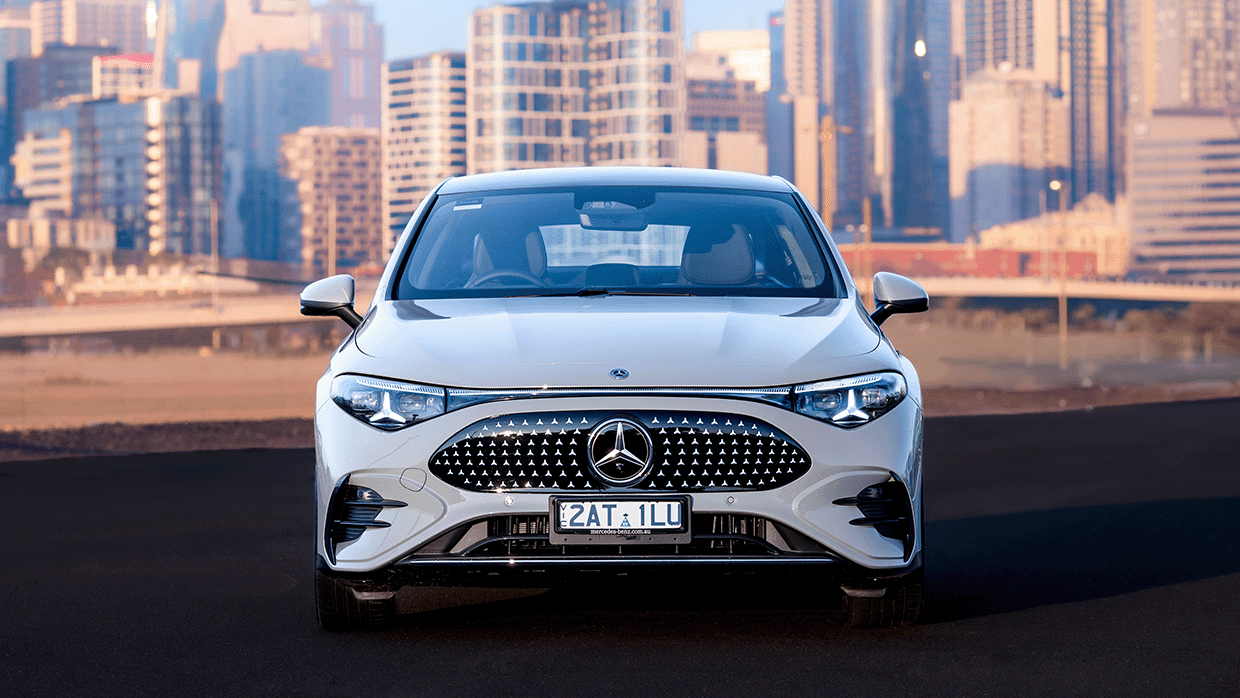
Just when this Mercedes-Benz coupe-sedan needed to assert its premium-brand status and premium driving experience, it has – for the most part. It’s an impressive effort and a good car, particularly for its ride comfort and the excellence of its electrical architecture.
There’s much to like about its competitive range, brisk charging, and the minimal price premium over its combustion-engined siblings – especially given the fact that the electric CLA is comfortably the best-driving variant in the line-up.
Not everyone will love its screen-laden interior, nor its fussy exterior detailing, but the core body shape is on the money, the solidity of its structure is tangible, and the overall goodness of its package is most refreshing – especially for a CLA.
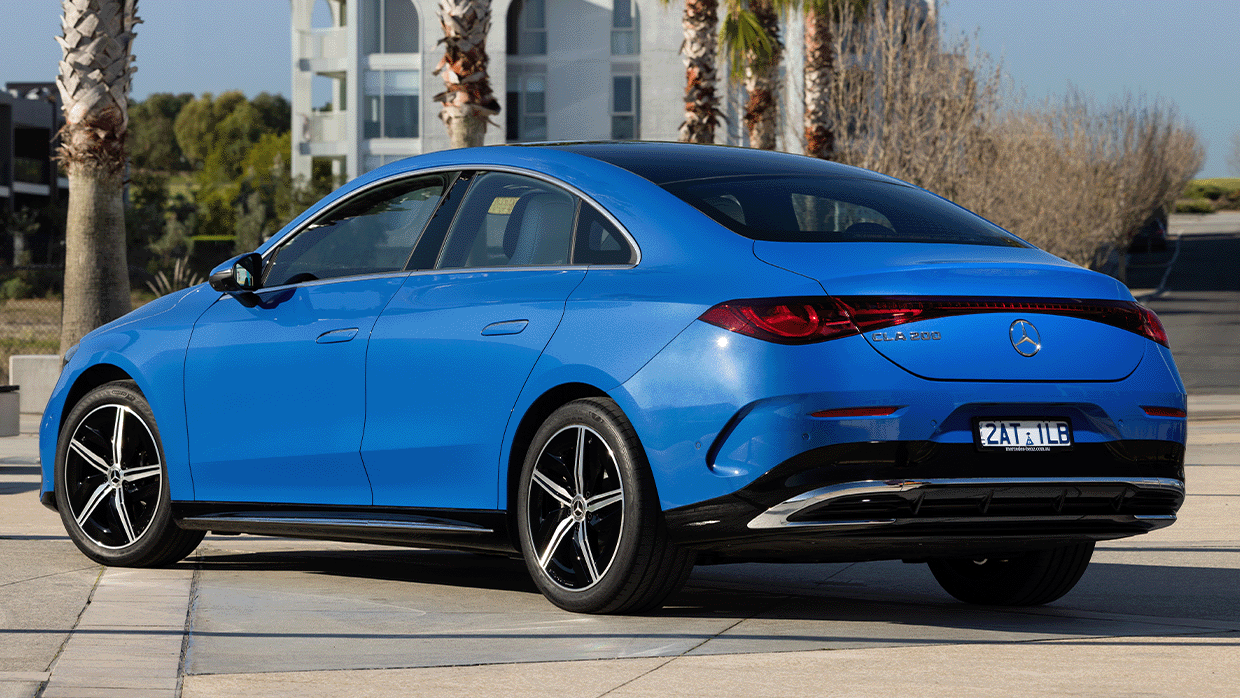
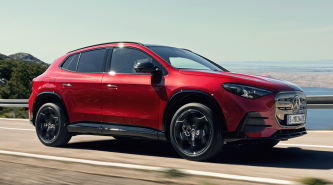
It bodes well for the forthcoming GLA and GLB, which will both shares its underpinnings, as well as Mercedes-Benz’s fifth-generation A-class small car which is expected to go on sale some time in 2028.
Key specs (as tested)
About Chasing cars
Chasing Cars reviews are 100% independent.
Because we are powered by Budget Direct Insurance, we don’t receive advertising or sales revenue from car manufacturers.
We’re truly independent – giving you Australia’s best car reviews.
The estimate provided does not take into account your personal circumstances but is intended to give a general indication of the cost of insurance, in order to obtain a complete quote, please visit www.budgetdirect.com.au. Estimate includes 15%^ online discount.
^Conditions Apply
Budget Direct Insurance arranged by Auto & General Services Pty Ltd ACN 003 617 909(AGS) AFSL 241 411, for and on behalf of the insurer, Auto & General Insurance Company Limited(ABN 42 111 586 353, AFSL 285 571).Because we don’t know your financial needs, we can’t advise you if this insurance will suit you. You should consider your needs and the Product Disclosure Statement before making a decision to buy insurance. Terms and conditions apply.
Indicative quote based on assumptions including postcode , 40 year old male with no offences, licence suspensions or claims in the last 5 years, a NCD Rating 1 and no younger drivers listed. White car, driven up to 10,000kms a year, unfinanced, with no modifications, factory options and/or non-standard accessories, private use only and garaged at night.
^Online Discounts Terms & Conditions
1. Discounts apply to the premium paid for a new Budget Direct Gold Comprehensive Car Insurance, Third Party Property Only or Third Party Property, Fire & Theft Insurance policy initiated online on or after 29 March 2017. Discounts do not apply to optional Roadside Assistance.
2. Discounts do not apply to any renewal offer of insurance.
3. Discounts only apply to the insurance portion of the premium. Discounts are applied before government charges, taxes, levies and fees, including instalment processing fees (as applicable). The full extent of discounts may therefore be impacted.
4. We reserve the right to change the offer without notice.