Powered by

-
Car Reviews
Latest reviews
- Car News
-
Car Comparisons
Latest comparisons
- Chasing Deals
Latest reviews
Latest comparisons
The charming Spanish-built five-door isn’t the fastest electric hatch, but it’s one of the first of an emerging breed to capture what made hot hatches great in the first place
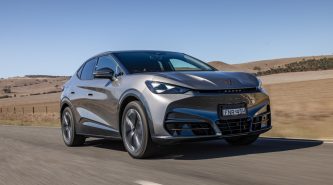
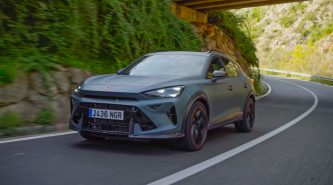
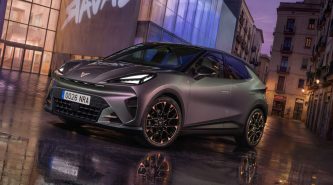
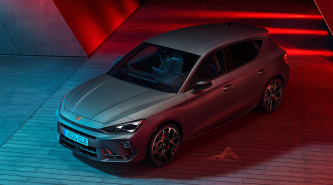
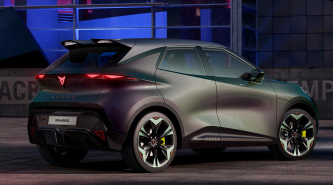
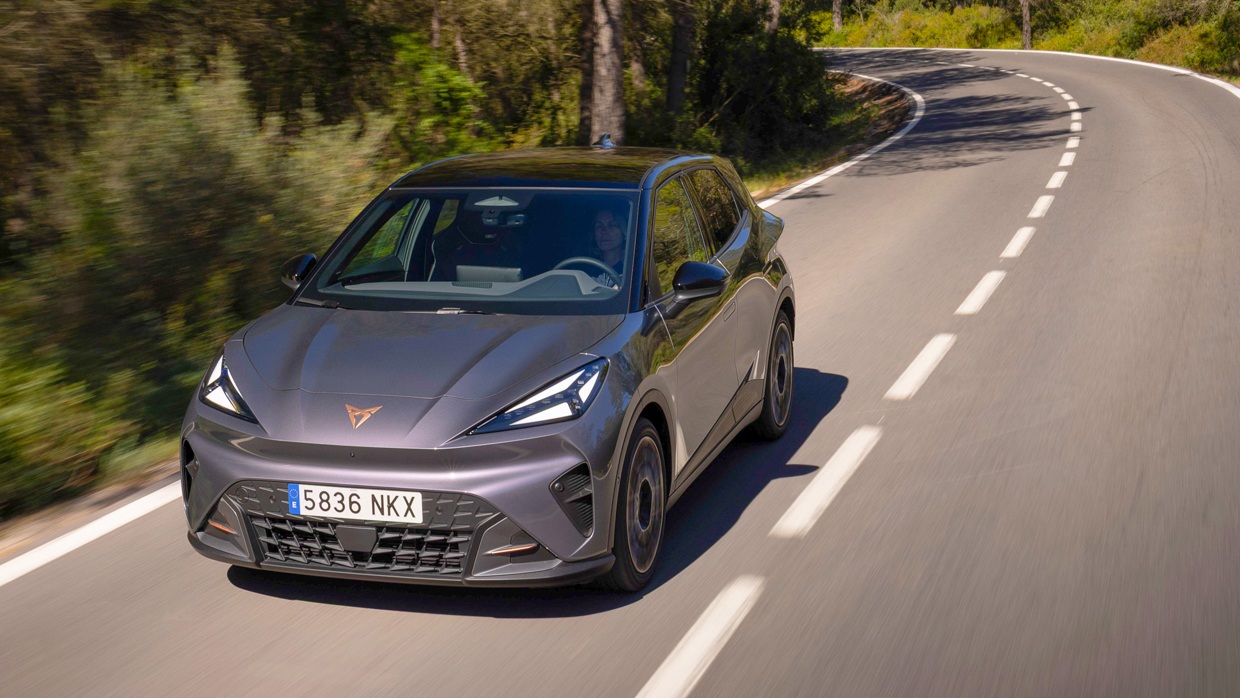
The Cupra Raval VZ is an electric hot hatch with a bigger job than its four-metre footprint suggests.
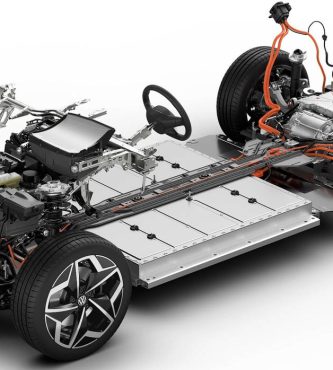
Cupra’s smallest model yet, the Raval is an EV developed and built in Barcelona atop the Volkswagen Group’s new front-wheel drive MEB Entry platform that Cupra has engineered.
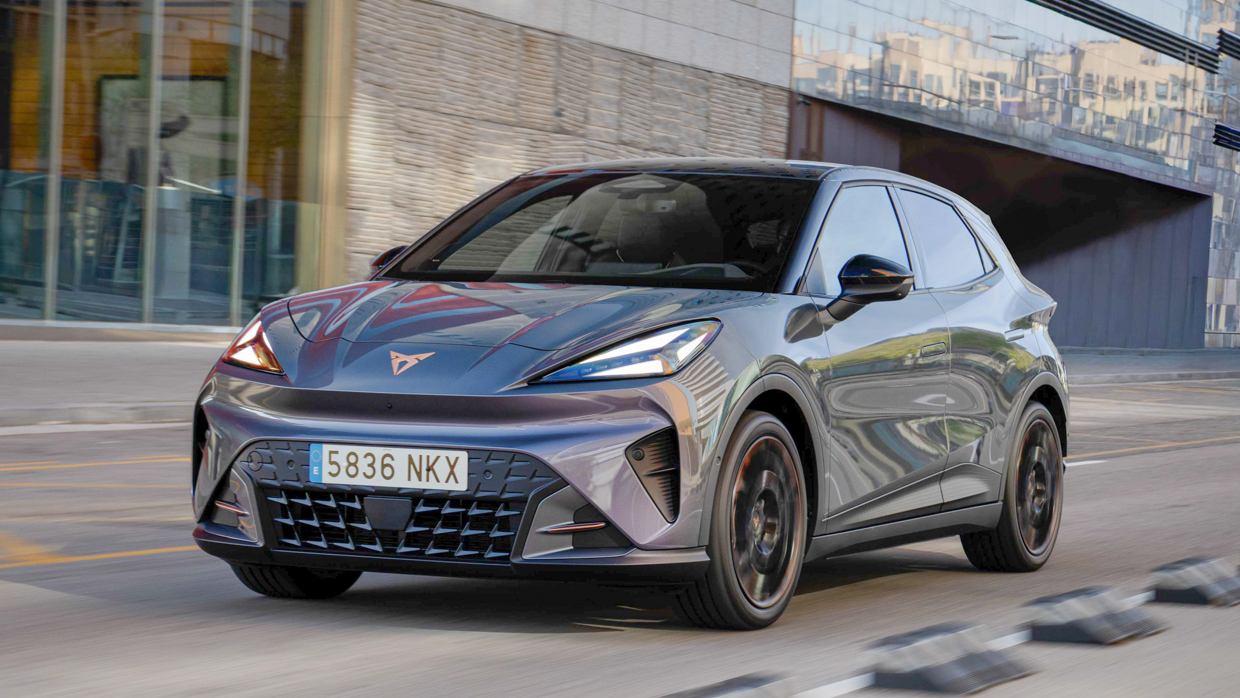
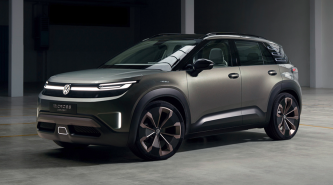
The platform has spawned the bones that will be used by Volkswagen’s ID Polo and ID Cross models, as well as the Skoda Epiq.
As the lead model of the quartet, the Raval takes a sportier path, arriving first as a high-power VZ grade with 166kW/290Nm front motor, a 52kWh usable NMC battery, adaptive dampers, and a limited-slip differential.
Australia will get the Raval, and locally, the local Cupra arm is aiming to have it in showrooms by late 2027.
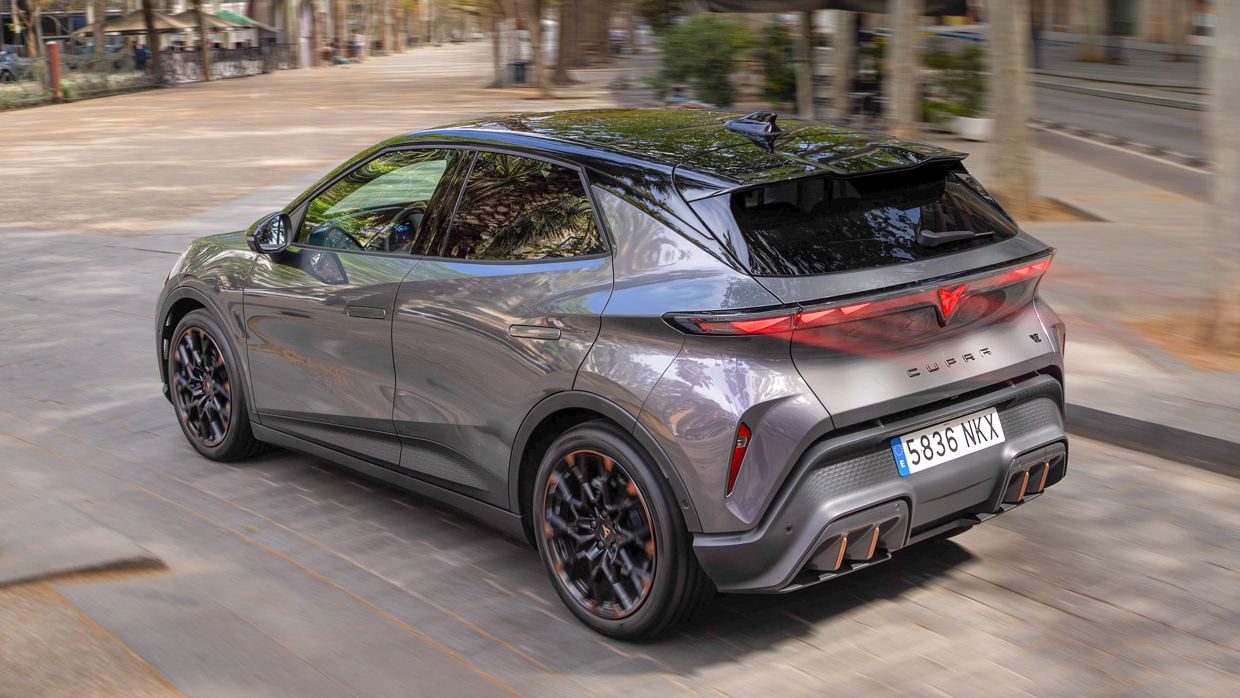
While Aussie prices and specs are not yet confirmed, the VZ model is the version that bosses say matters most for enthusiasts.
Cupra Australia is expected to take the VZ alongside the less overt 155kW Long Range version that gets passive dampers — and no LSD. Shorter-range 37kWh LFP battery models that make far less power are less likely to come to showrooms Down Under.
The Raval’s place as the entry-level Cupra will start to make sense in Australia as we enter an era in which petrol hot hatches are becoming harder and more expensive for carmakers to sell under tightening NVES emissions rules.
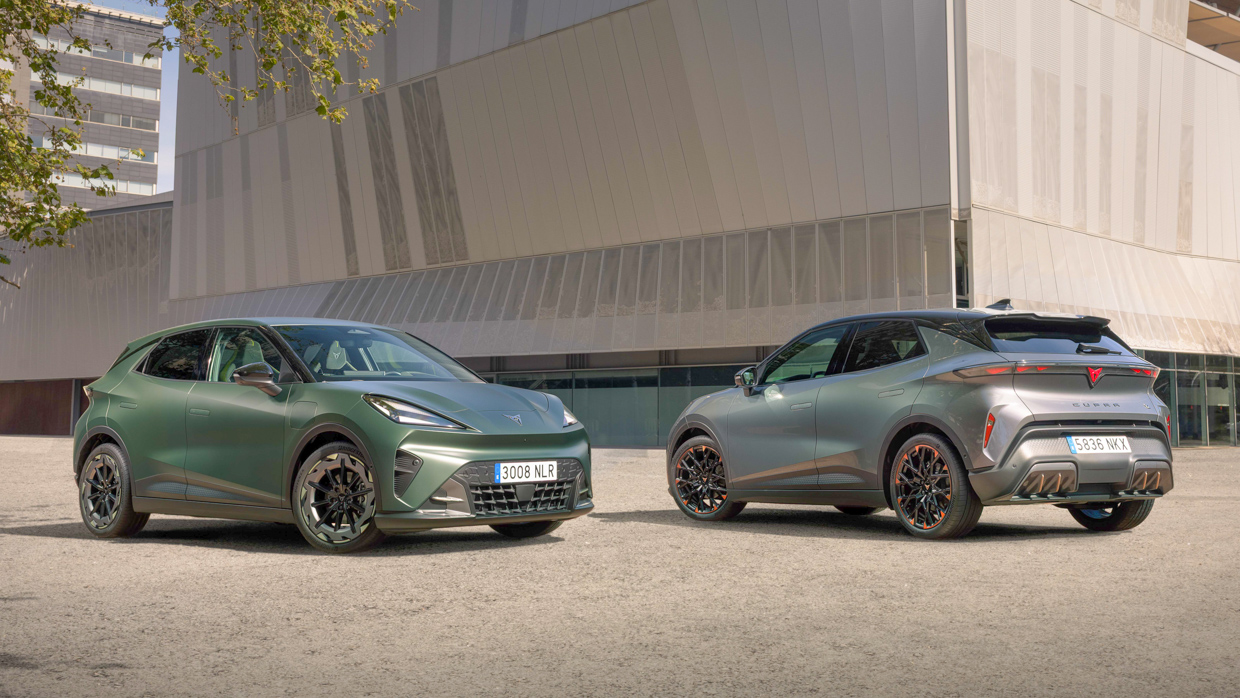
If the NVES laws stick around long-term, the future of hot hatches is likely to be electric — or at least hybrid. That means more weight and complexity: two enemies of the segment.
The Raval VZ must prove whether a compact, front-drive EV can still feel like a real hot hatch. After 350km of hard driving on the car’s international launch in Catalonia, Spain, the answer is that it can. Thankfully.
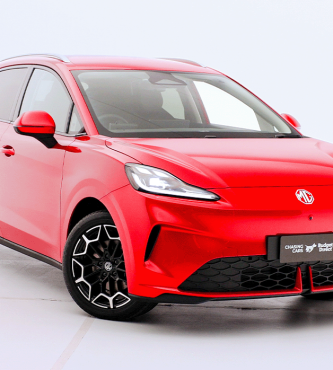
You won’t chalk the fun factor up to sheer straight-line performance. The VZ’s 6.8-second 0-100km/h time is brisk enough but not explosive; an MG4 XPower (currently $48,990 driveaway) will shade the electric Cupra in any traffic-light drag race.
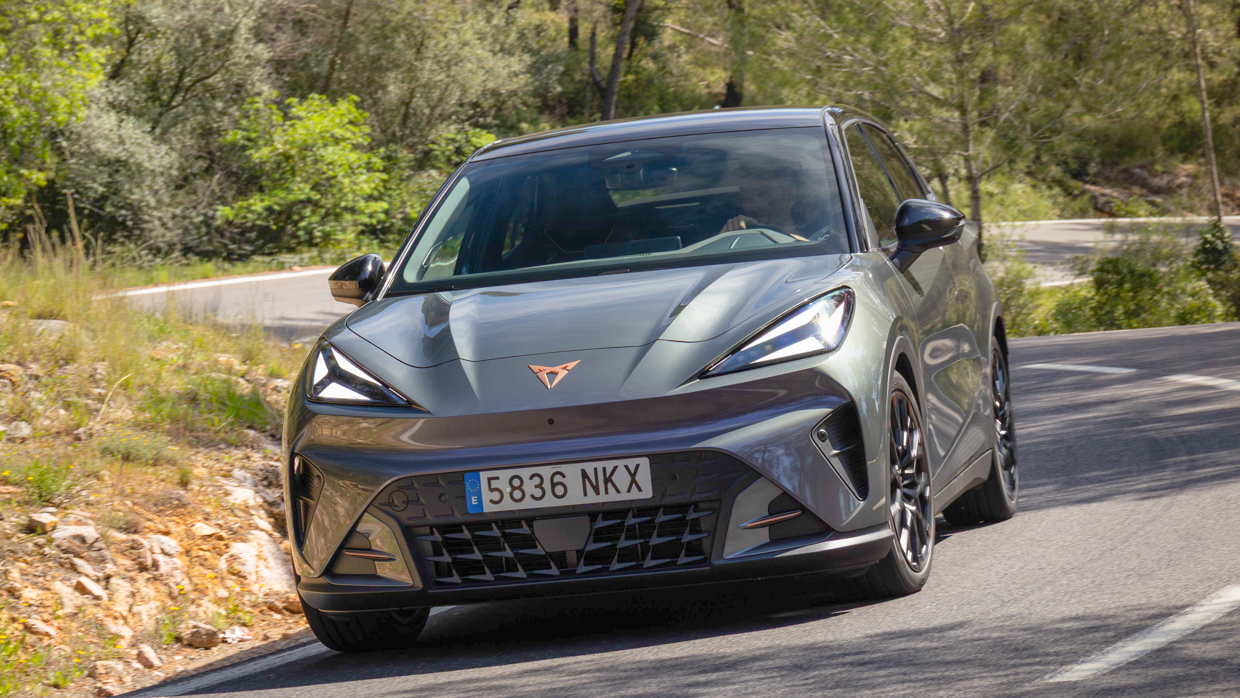
Instead, the Raval goes for the heartstrings by playing the same game as classic hot hatches like the Ford Fiesta ST, Peugeot 208 GTi, combustion Volkswagen Polo GTI and even the Hyundai i20 N. It’s about leveraging its nature as a front-wheel-drive firecracker.
The defining feature is the chassis. All versions of the Raval sit 15mm lower than the MEB Entry platform standard, with wider tracks, variable-ratio steering, and selectable ESC Sport — which the VZ amps up with an ESC Off setting, and 15-stage DCC Plus adaptive dampers.
By hot hatch standards, the Raval’s circa-1550kg kerb weight isn’t light, but by EV standards this is a veritable featherweight. That relative lightness defines the dynamics; while there is still some inertia to manage, the Raval never feels remote or heavy.
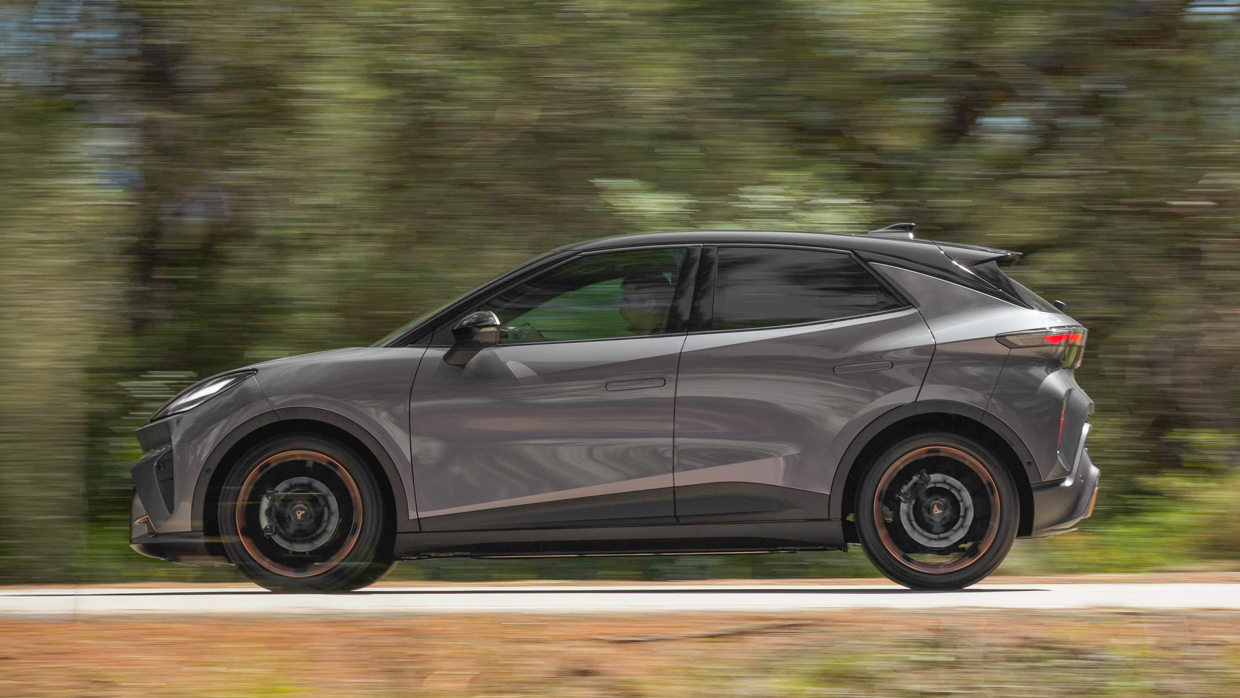
The best thing about the Raval is that it asks something of its driver, because the Cupra needs to be set up deftly before committing hard to a challenging corner.
It responds to trail braking by moving its rear end just enough to help rotate into a corner. On corner exit, it also demands commitment: you get back on the throttle, seating the rear, and let the LSD drag the Raval out by its nose.
Cupra’s suspension engineers have even aped classic examples of the genre by letting the Raval feel a bit twitchy and nervous if you fail to commit as described. Trust the chassis and the Raval feels like a proper FWD hot hatch…just with an electric motor, instead of an engine.
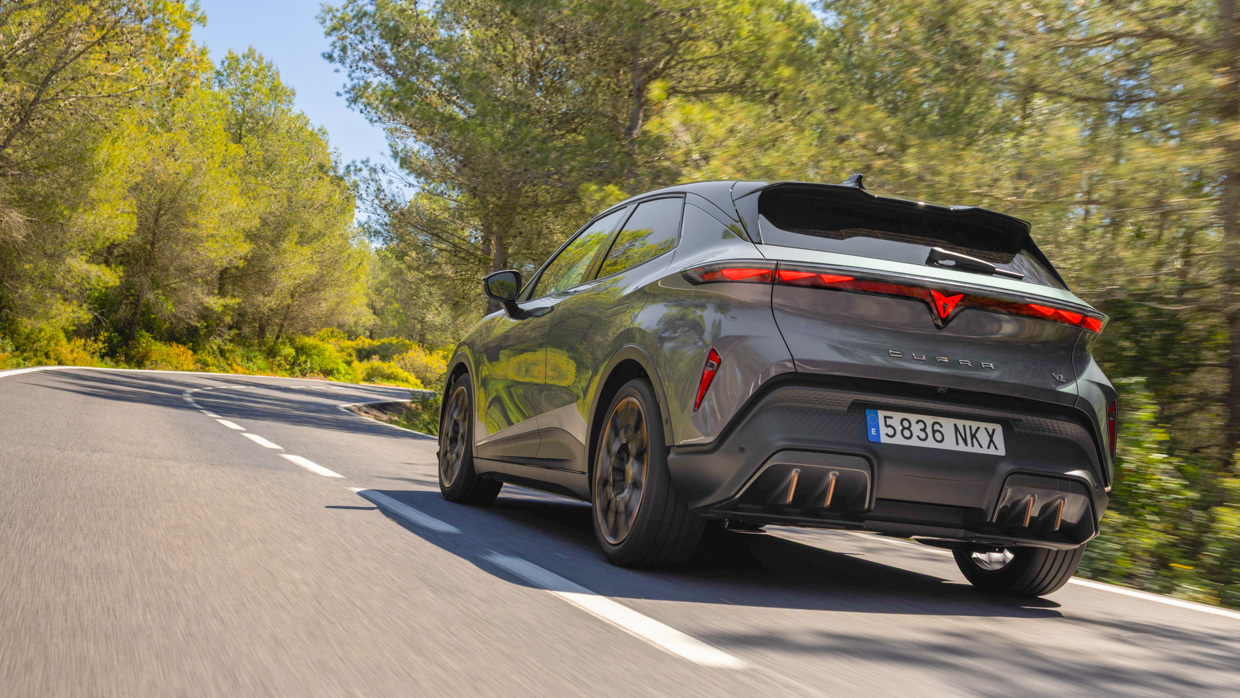
That motor — Volkswagen’s new APP290 unit — is sufficient and pleasant, letting you build speed linearly without breaking the limit too quickly. But the Raval joins a small pack of EVs where the electric bit fades into the background, a distant second to its chassis balance.
Adjustments for the future? The steering could be a touch quicker, but it is direct and, importantly, talkative, communicating road fizz and feedback.
We’d also love to see something like the artificial gearshifts and combustion-sound theatre Hyundai has packaged into its (far more expensive) Ioniq 5 N and 6 N electric models.
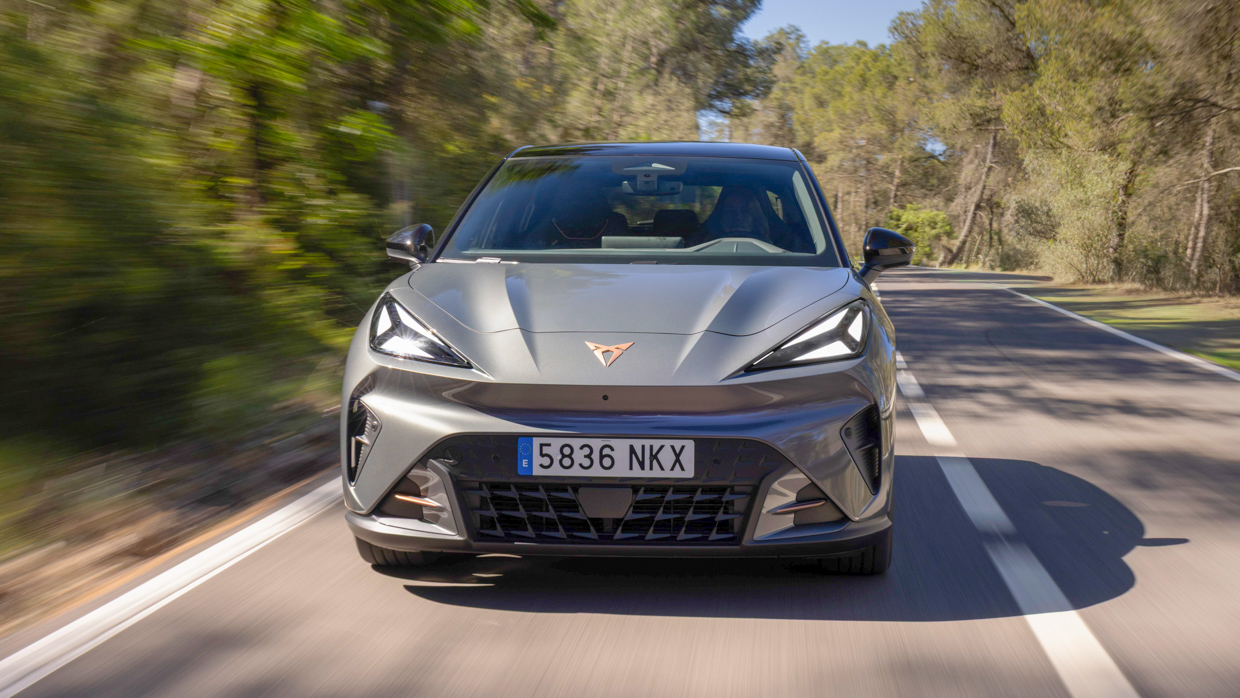
But the VZ’s adaptive dampers really impress, giving this relatively simple car bandwidth many hot hatches do not. A Fiesta ST or Mini Aceman can feel manically hard riding, but in its comfort settings, the Raval backs off and offers genuine compliance.
The brakes, which use a sophisticated one-box blending system, are also important because this car is at its best when you use the pedal to shape corner entry.
Cupra lets you adjust the Raval’s regenerative braking more than the Born ever allowed, but when you get stuck into pedal, it retains a natural feel with no real distinction between regen’ and the mechanical brakes.
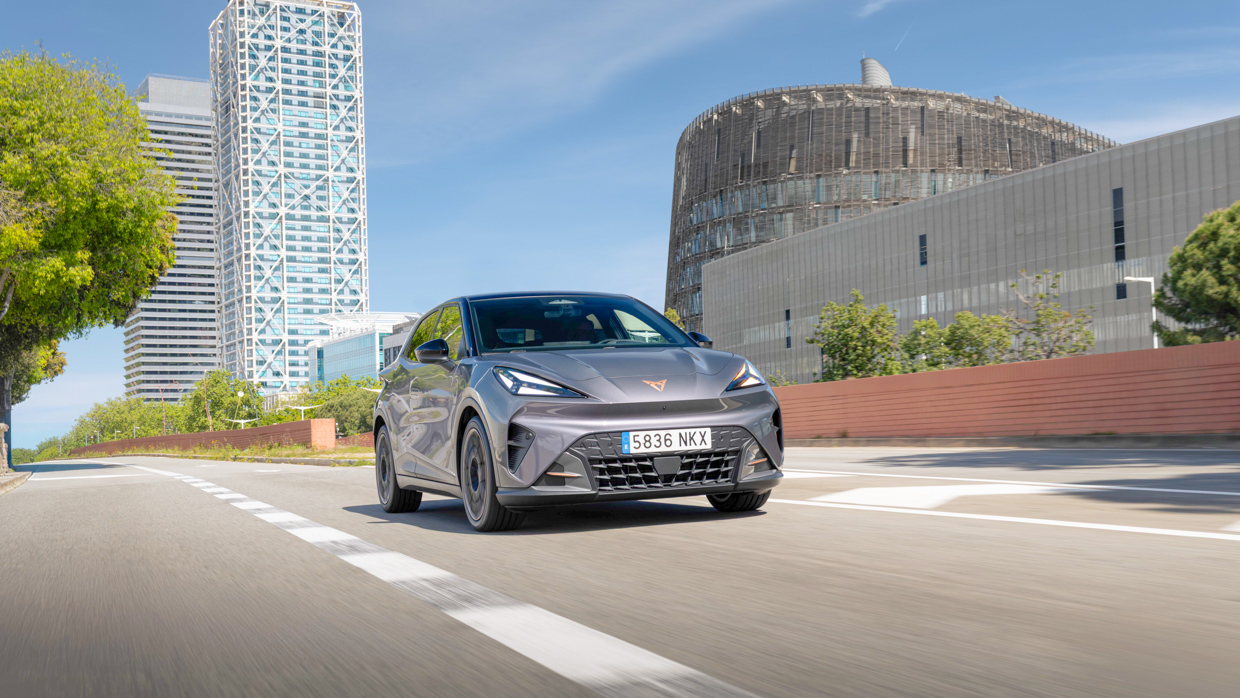
There’s no one-touch ability to disable safety systems like audible speed warning in Europe, but swipe down from the top of the touchscreen and there are quick shortcuts to turn things on and off.
The Raval’s cabin is better than you would expect from an entry model, and it’s a grade or two nicer than hot hatches like the i20 N, Fiesta ST or the outgoing petrol Polo GTI.
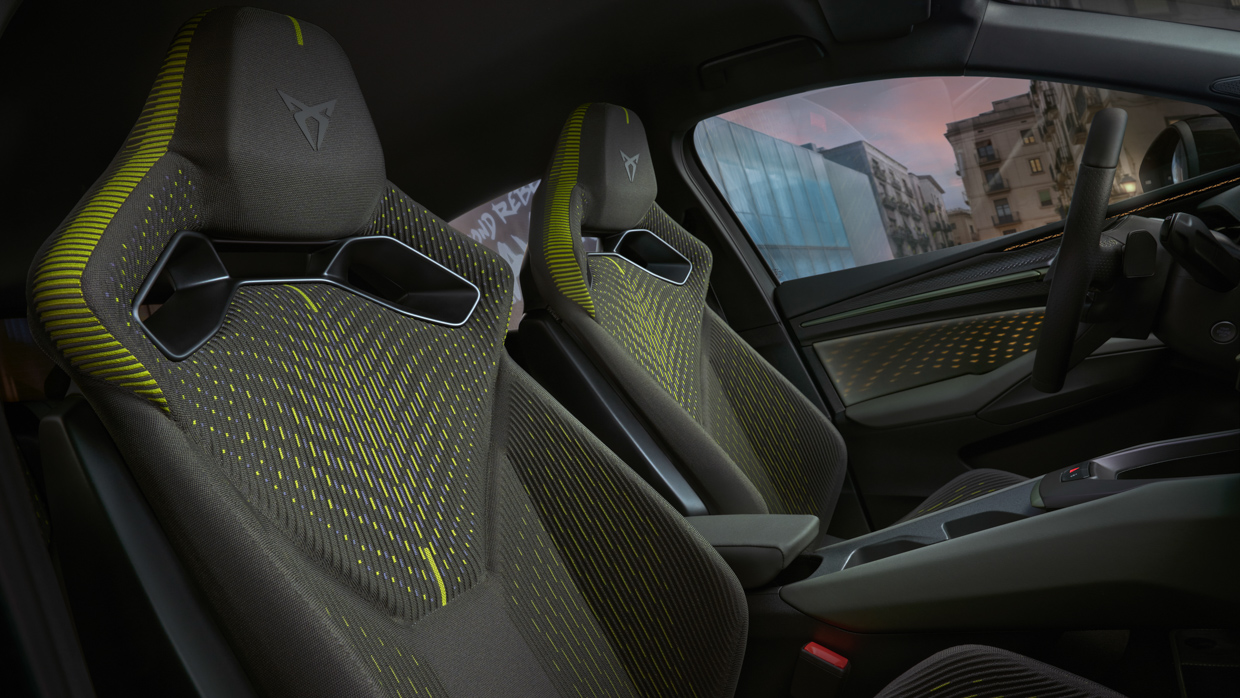
There are two main factors here: first, Cupra has spent more money than it initially planned on materials and touchpoints. The cabin has a rich feel with supportive seats, a driver-focussed layout and soft door and kneepad surfacing for bracing.
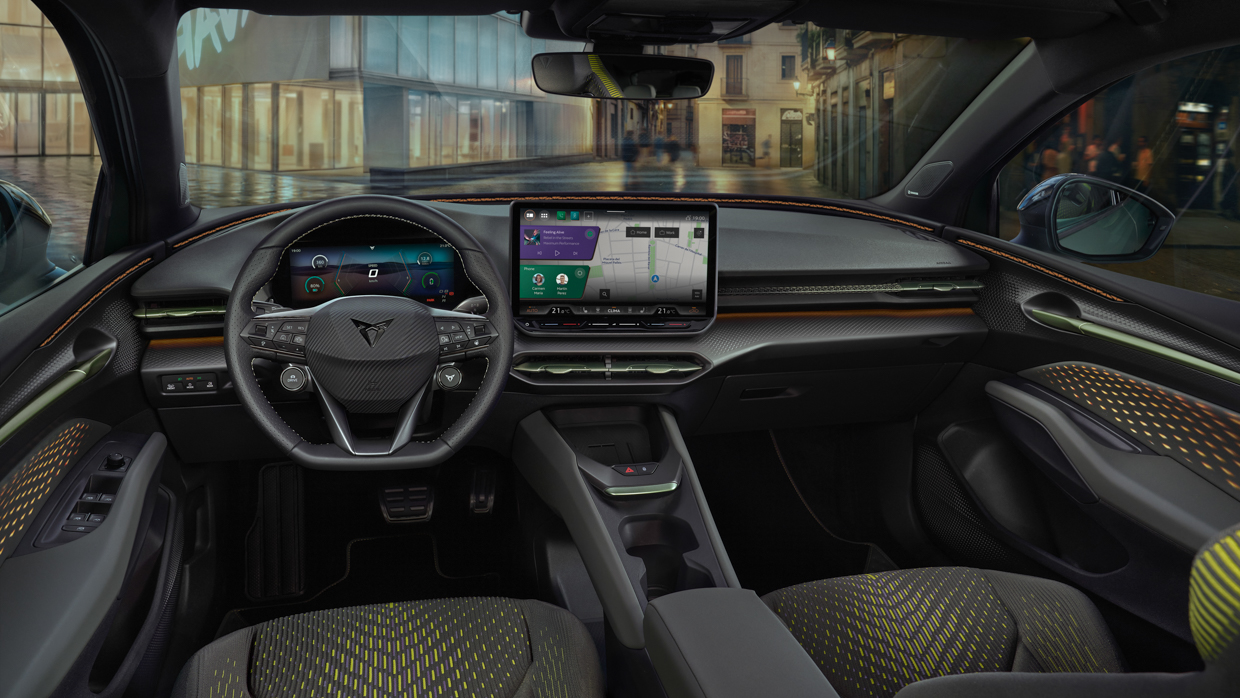
The second — and related — point is that the Raval does not receive the new interior concept Volkswagen has shown for the closely related ID Polo range. Cupra says that rather than drop huge cash to redesign the (finished) Raval cabin late in its development window to add physical climate toggles, it chose to spend that money improving quality instead.
That means the Raval keeps Volkswagen’s long-maligned touch sliders for climate adjustment. But we’re not sure we care that much: the (now illuminated) sliders are not ideal, but they aren’t a dealbreaker. You learn them within hours rather than months.
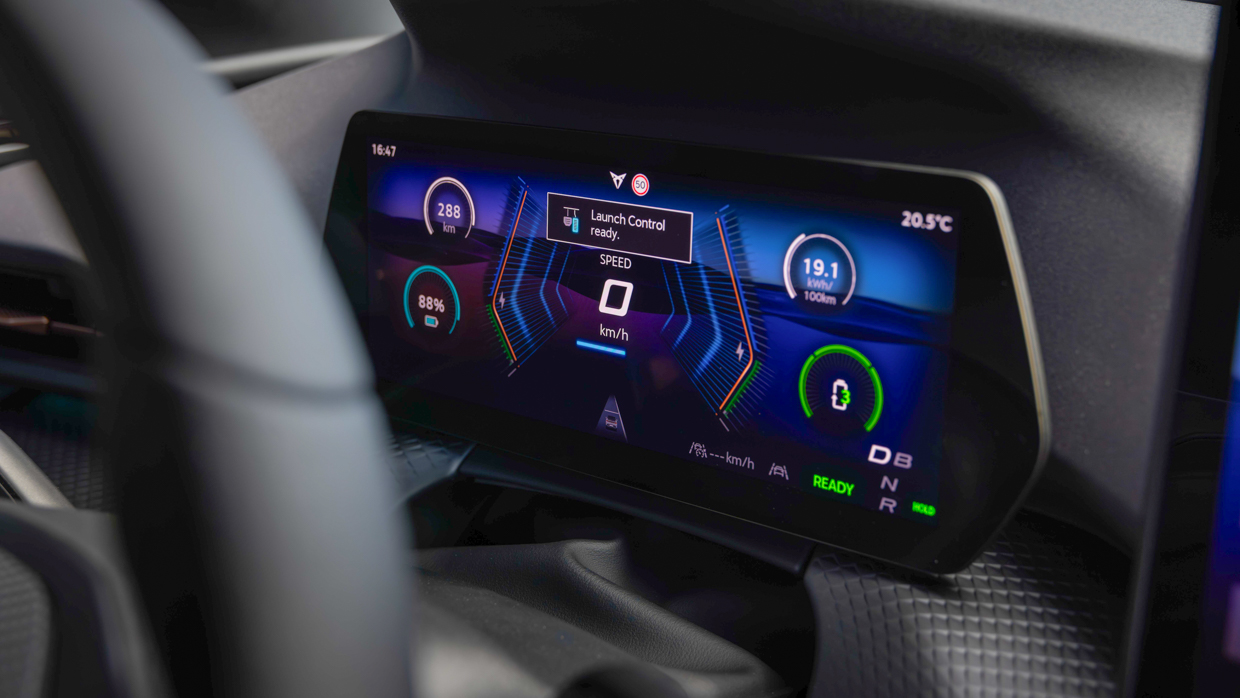
More convincing is the new infotainment system, delivered through a 12.9-inch touchscreen a 10.25-inch cockpit display that does away with the five-inch unit from the pre-facelift Born.
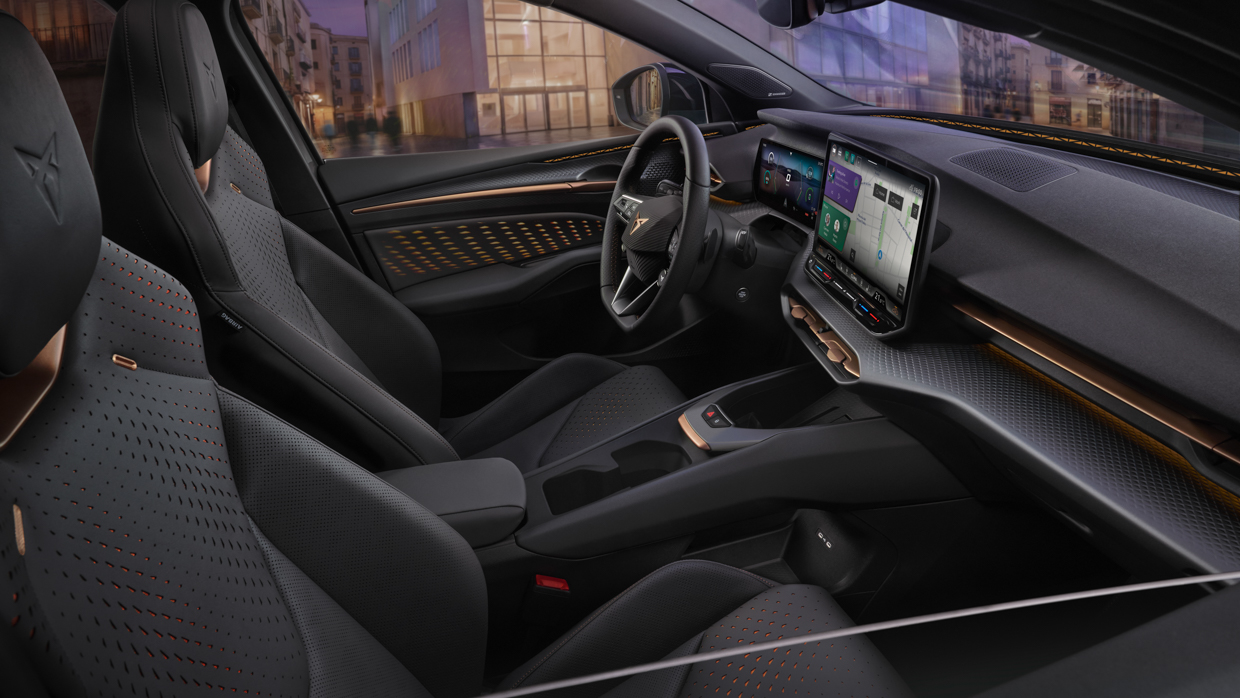
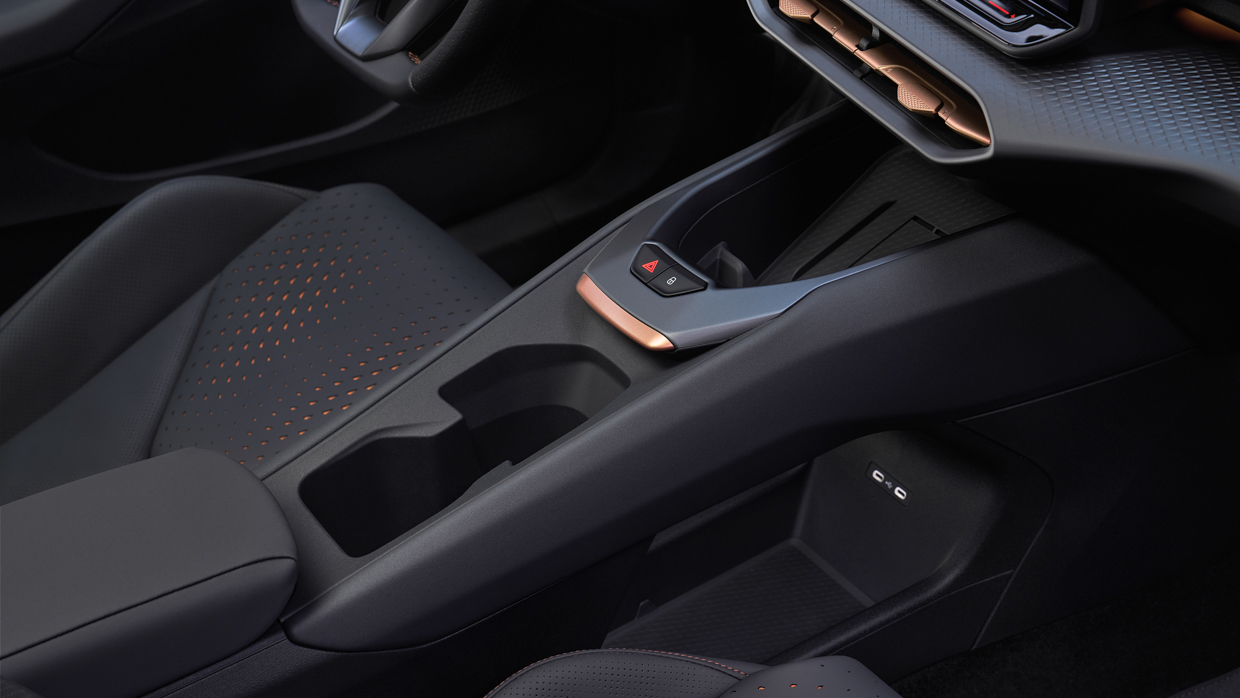
While the central display design looks familiar, the electrical architecture in the Raval is all-new, with the internals now based on Google Android Automotive, which supports modern connectivity and over-the-air updating — including in Australia.
Screen response time is much faster, and the system is snappy and crisp to use. Cupra’s menus make sense, but wireless Apple CarPlay and Android Auto is also offered.
The VZ model we tested was fitted with the Extreme Package, which replaces solid standard Dinamica bucket seats with striking 3D-knit versions complete with green trimmings. These pews look fantastic but are an expensive option in Europe.
Packaging was a pleasant surprise. The Raval measures just 4046mm in length, yet 180cm adults can sit comfortable in the rear. Legroom is fine and the seat base is properly inclined to support your thighs — a rarity in an EV — and there are rear air vents and USB-C ports.
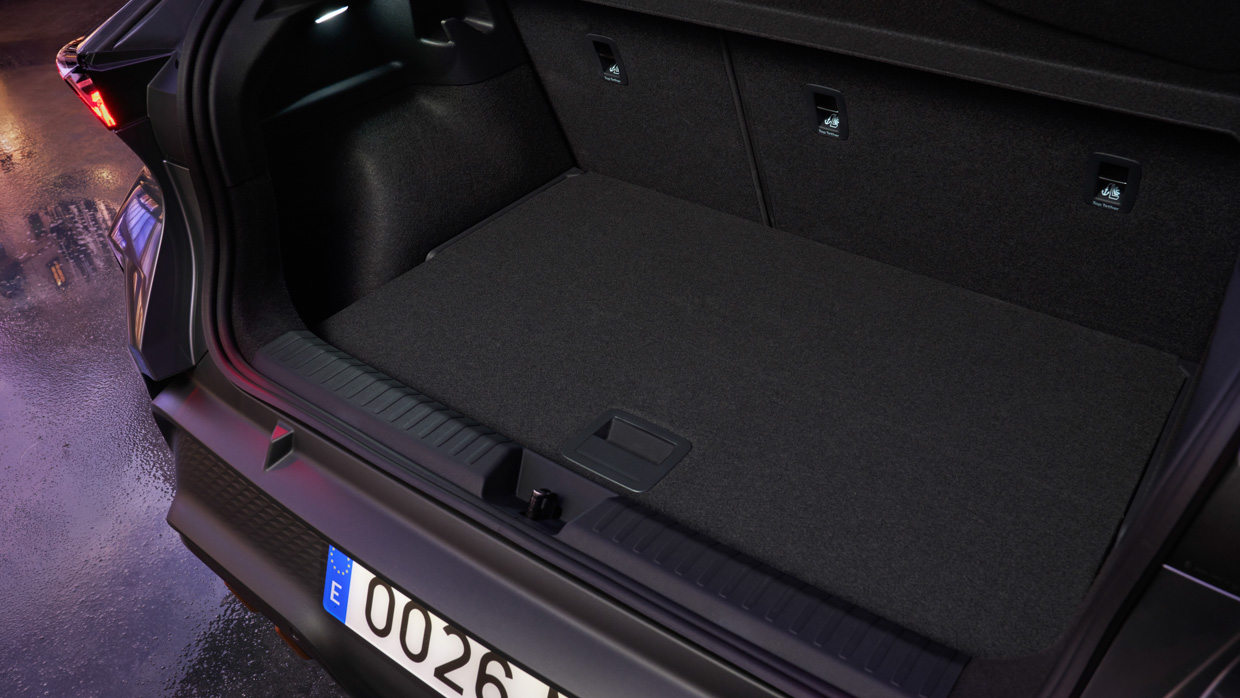
Boot space is another win. While there is no frunk owing to motor placement, the cargo area is deep and usefully shaped with 441 litres of capacity and extra room under the floor.
Long range ‘Endurance’ and VZ models use a 52kWh battery. Official range for the VZ is 379-440km depending on specification, while the Endurance claims 413-446km.
Claimed consumption for the big-battery duo therefore comes in at between 11.6-13.7kWh/100km. Those figures are realistic when driven gently or when commuting.
Drive hard, though, and the relatively compact battery becomes a limiting factor. On a spirited run through the hills, real-world range was closer to 300km based on consumption of a road test-indicated 17kWh/100km.
And that’s the classic EV hot hatch problem: they must be light — which means a smallish battery — but the best roads can often be far and away from convenient locations.
But infrastructure is getting better, and some of our favourite lunch stops in country towns in Australia now have chargers. That helps solve the problem if you can charge as you eat.
Charging performance itself is fine if not spectacular. The Raval can AC charge at 11kW (taking about 5.5 hours from 0-100 percent), while DC charging peaks at 105kW, delivering a 10-80 percent top-up in 24 minutes.
Australian servicing costs have not yet been locked in but expect the Raval to be sold with Cupra’s existing five-year/unlimited-kilometre vehicle warranty, and eight-year/160,000km battery warranty.
The Cupra Raval VZ is one of the most compelling answers yet to the question of whether an electric hot hatch can be fun.
It is not compelling because it is wildly fast. It is not. In fact, the Raval could probably use a little more power, especially given some cheaper EV’s offer farm acceleration for the money.
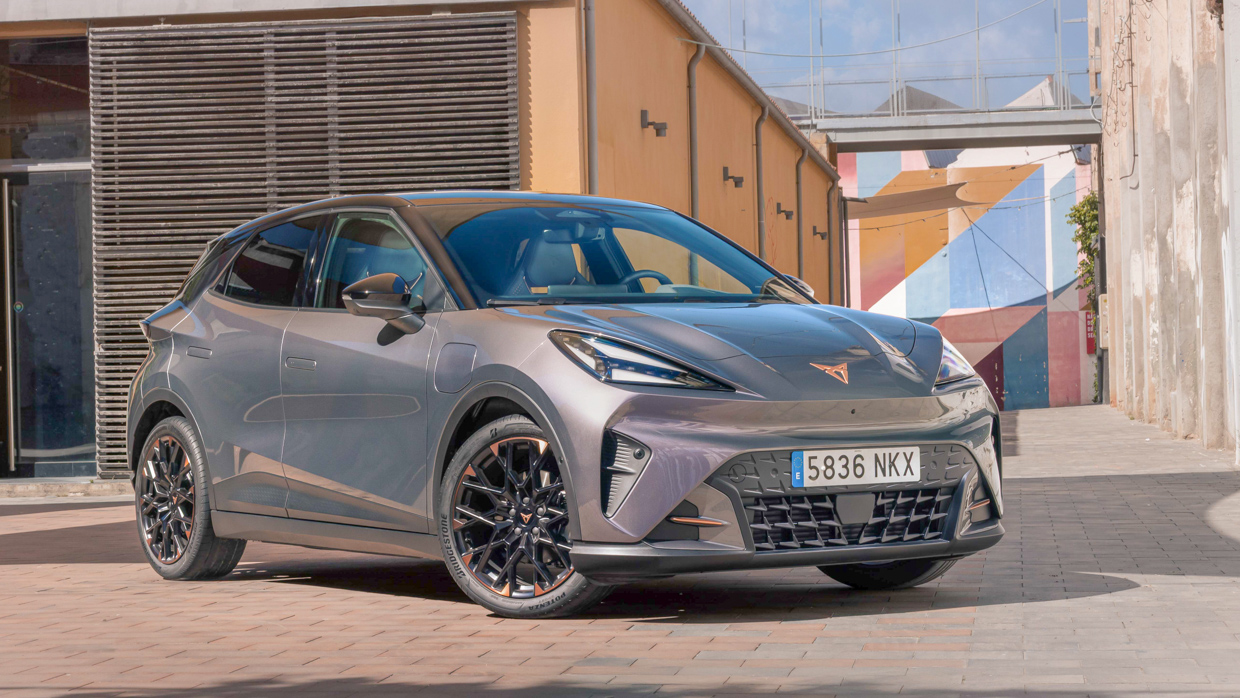
But that misses the point. The Cupra is compelling because it has a chassis with personality.
This hatch moves around, asks to be driven hard and properly, rewards commitment, and punishes lazy inputs just enough to feel memorable. The Raval is not a point-and-shoot EV, and that makes it more interesting than most alternatives.
But it also has impressive day-to-day breath. Derived can be genuinely comfortable, refinement is solid, the cabin is nicer than expected, the backseat works for adults, and the boot is big for such a small car.
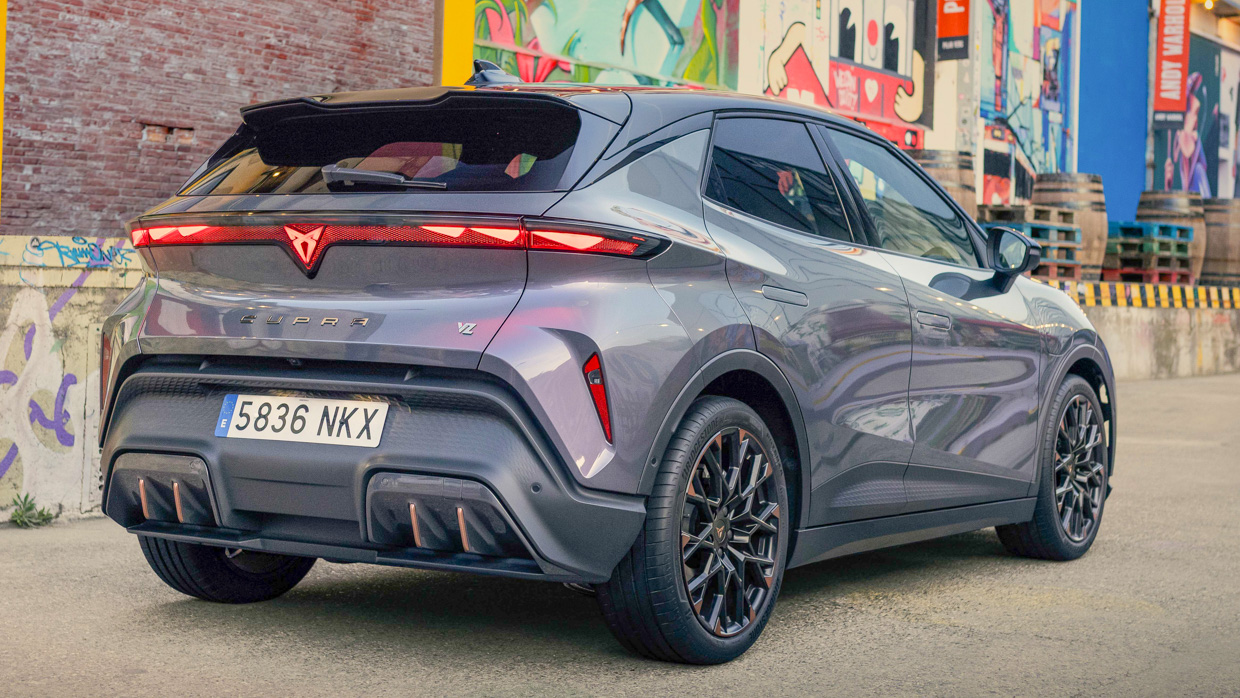
The main caveats here are range in spirited driving, middling charging speeds, and most importantly, price: Cupra Australia has a job to do to ensure the Raval VZ isn’t too expensive. If it lands too far above $50K, the value for money becomes harder to justify.
However, if Cupra can keep the charmingly imperfect Raval’s price sharp, it will be an interesting alternative to both petrol hot hatches and its more sterile small EV competition.
About Chasing cars
Chasing Cars reviews are 100% independent.
Because we are powered by Budget Direct Insurance, we don’t receive advertising or sales revenue from car manufacturers.
We’re truly independent – giving you Australia’s best car reviews.
The estimate provided does not take into account your personal circumstances but is intended to give a general indication of the cost of insurance, in order to obtain a complete quote, please visit www.budgetdirect.com.au. Estimate includes 15%^ online discount.
^Conditions Apply
Budget Direct Insurance arranged by Auto & General Services Pty Ltd ACN 003 617 909(AGS) AFSL 241 411, for and on behalf of the insurer, Auto & General Insurance Company Limited(ABN 42 111 586 353, AFSL 285 571).Because we don’t know your financial needs, we can’t advise you if this insurance will suit you. You should consider your needs and the Product Disclosure Statement before making a decision to buy insurance. Terms and conditions apply.
Indicative quote based on assumptions including postcode , 40 year old male with no offences, licence suspensions or claims in the last 5 years, a NCD Rating 1 and no younger drivers listed. White car, driven up to 10,000kms a year, unfinanced, with no modifications, factory options and/or non-standard accessories, private use only and garaged at night.
^Online Discounts Terms & Conditions
1. Discounts apply to the premium paid for a new Budget Direct Gold Comprehensive Car Insurance, Third Party Property Only or Third Party Property, Fire & Theft Insurance policy initiated online on or after 29 March 2017. Discounts do not apply to optional Roadside Assistance.
2. Discounts do not apply to any renewal offer of insurance.
3. Discounts only apply to the insurance portion of the premium. Discounts are applied before government charges, taxes, levies and fees, including instalment processing fees (as applicable). The full extent of discounts may therefore be impacted.
4. We reserve the right to change the offer without notice.