Powered by

-
Car Reviews
Latest reviews
-
Car News
Latest news
-
Car Comparisons
Latest comparisons
- Chasing Deals
Latest reviews
Latest news
Latest comparisons
Volvo puts itself in the key midsize electric luxury SUV buyers’ conversation with first electric equivalent of its best-seller
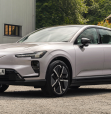
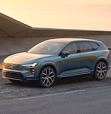
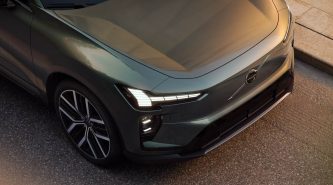
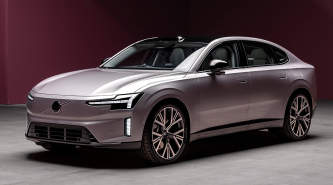
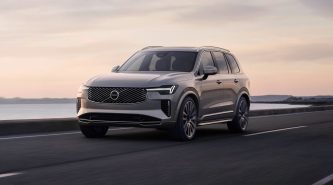
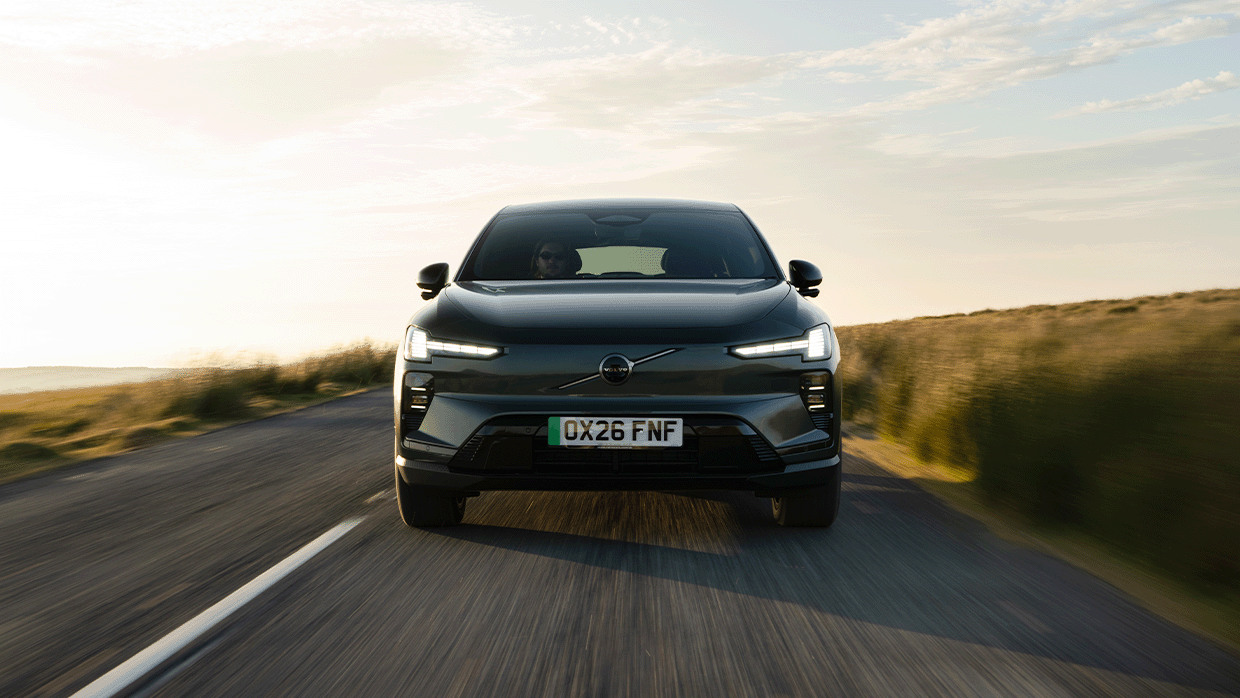
It’s not quite the space race, but there is a fascinating battle unfolding for leadership in the Euro-luxury EV space – and Volvo is playing its biggest card yet with the new EX60.
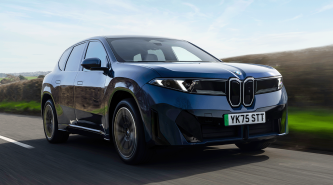
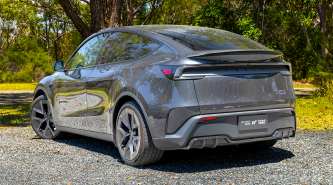
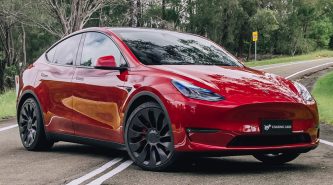
This is the electric equivalent of the Swedish brand’s biggest-selling model, the XC60 midsize SUV. And it’s a rival to notable new electric luxury SUVs such as the BMW iX3, Mercedes GLC Electric, as well as the sales chart-topping Tesla Model Y.
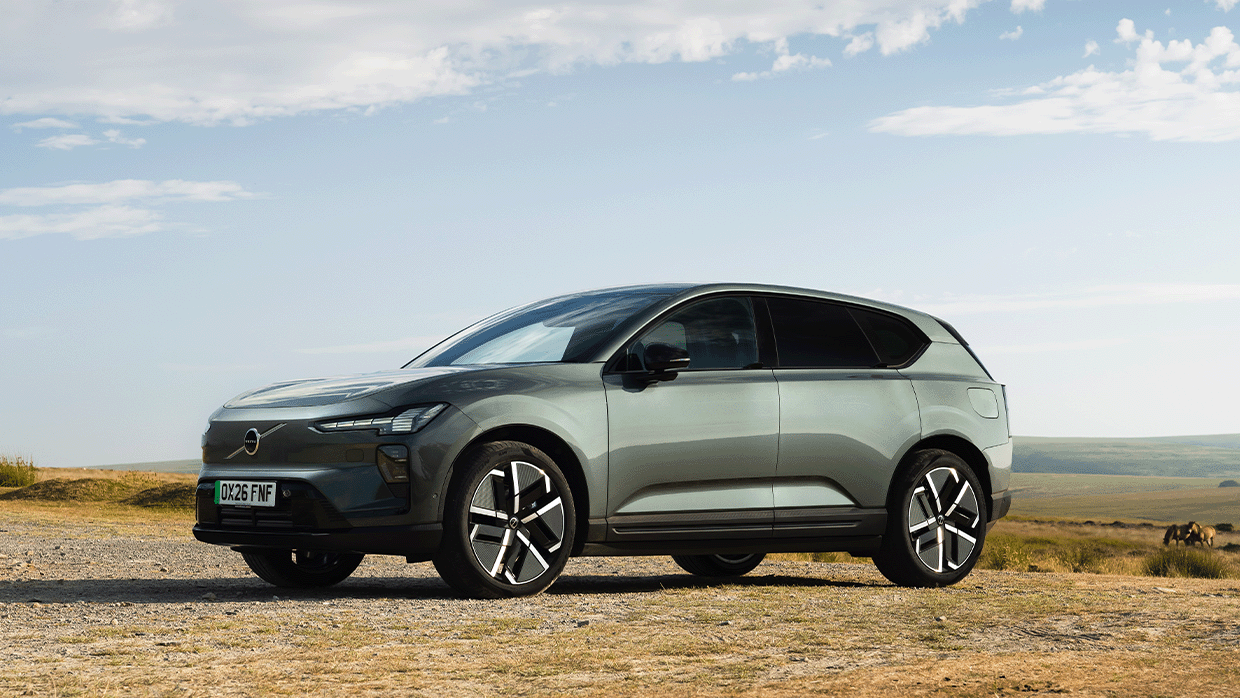
Forget any relationship with the nine-year-old current XC60 beyond a numerical figure in its nameplate; the EX60 heralds an all-new 800-volt EV platform dubbed SPA3 that will underpin other future Volvos as well as some models from Chinese parent company Geely.
The Volvo EX60 follows BMW’s iX3 by integrating battery cells into the vehicle structure rather than a separate battery pack, which helps reduce weight (and create more cabin space) in tandem with mega casting production.
And with its biggest battery, the EX60 delivers a headline WLTP figure of 810km. Or more than 500 miles, in deference to the country – England – where we’re testing this car for the first time.
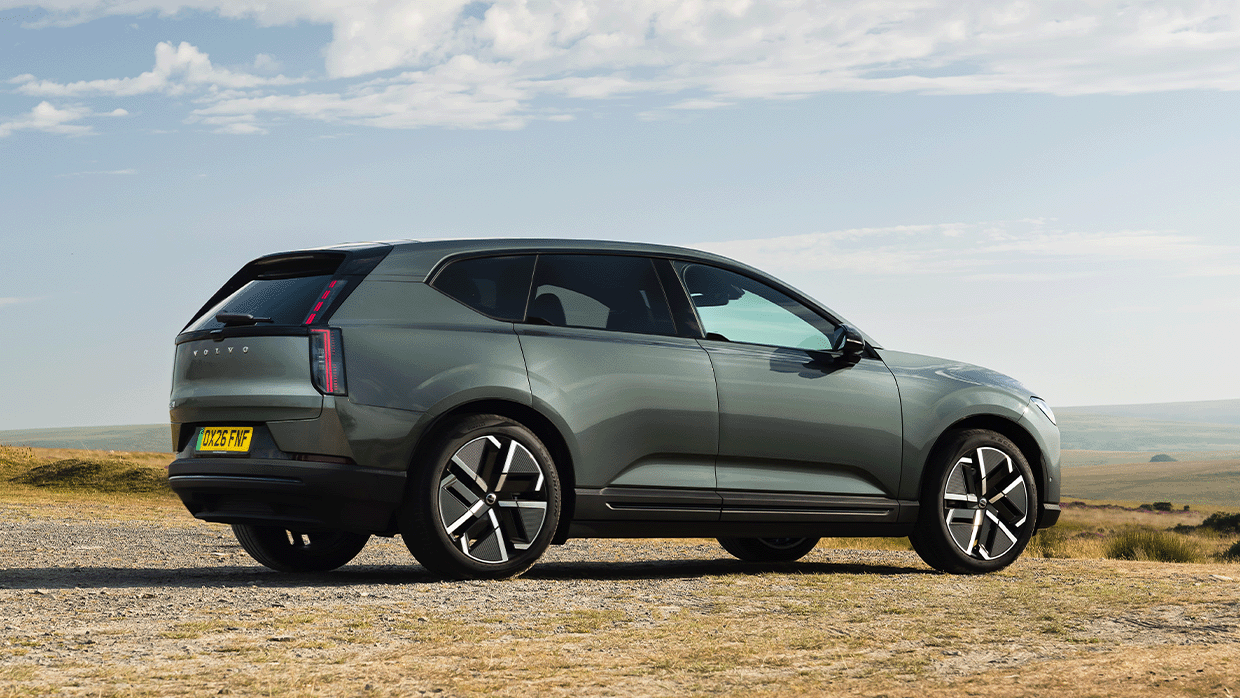
That’s five kilometres beyond the current EV range benchmark in Australia, the 805km iX3 50, though BMW’s newly unveiled and related iX4 50 will arrive in Q1 2027 with an 828km statement.
The XC60 isn’t due in Australia until early 2027, starting with the mid-range P10 we tested in the UK.
Pricing has already been confirmed, with an $86,990 starting point (before on-road costs) for the EX60 P6 Ultra that undercuts the most affordable iX3 – the $89,900 ‘40’.
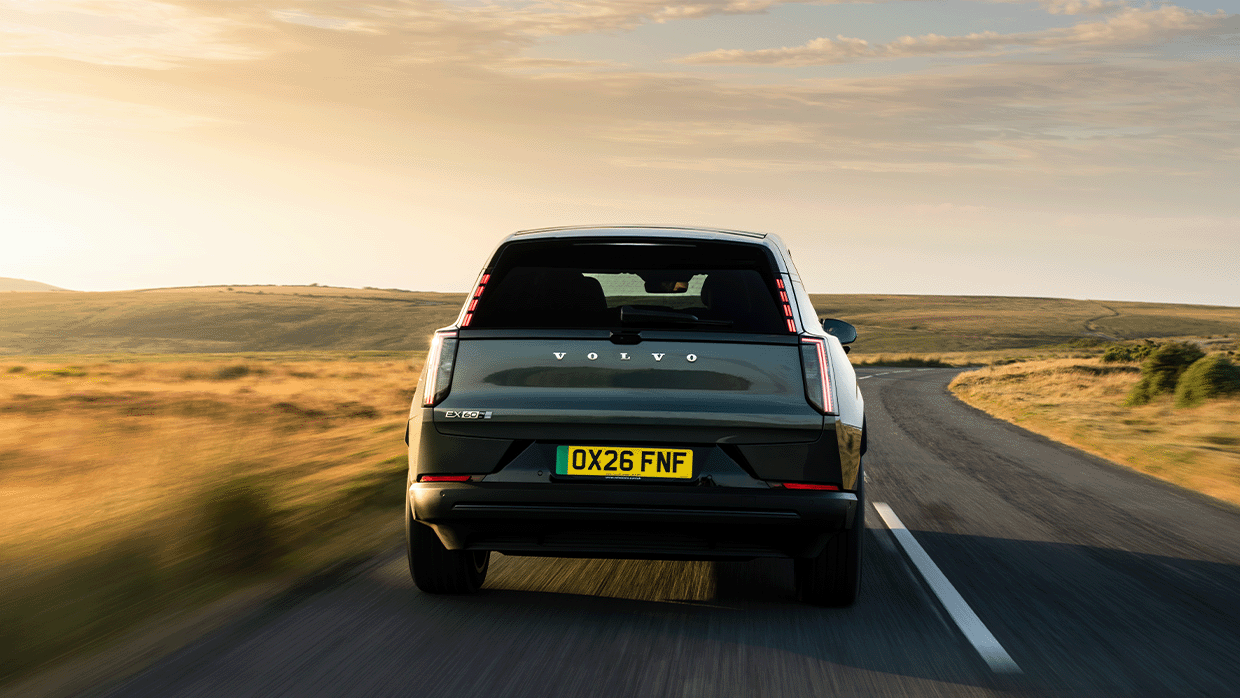
Our P10 Plus test car costs £59,860 ($113,645) in the UK but will not only carry a $101,990 RRP sticker in Australia but also come in a higher-specification Ultra grade.
It again undercuts the most comparable iX3 – the $109,900 50 xDrive – as well as the sole Mercedes-Benz GLC Electric, the $112,200 GLC400.
However, to get the headline-making 810km WLTP EX60 P12 – which just pips the 805km iX3 M50 that is the current EV-range benchmark – buyers are likely to face a price tag closer to $120,000. A release date has yet to be announced for the P12 in the UK/Europe, so also expect a significant delay to its local arrival.
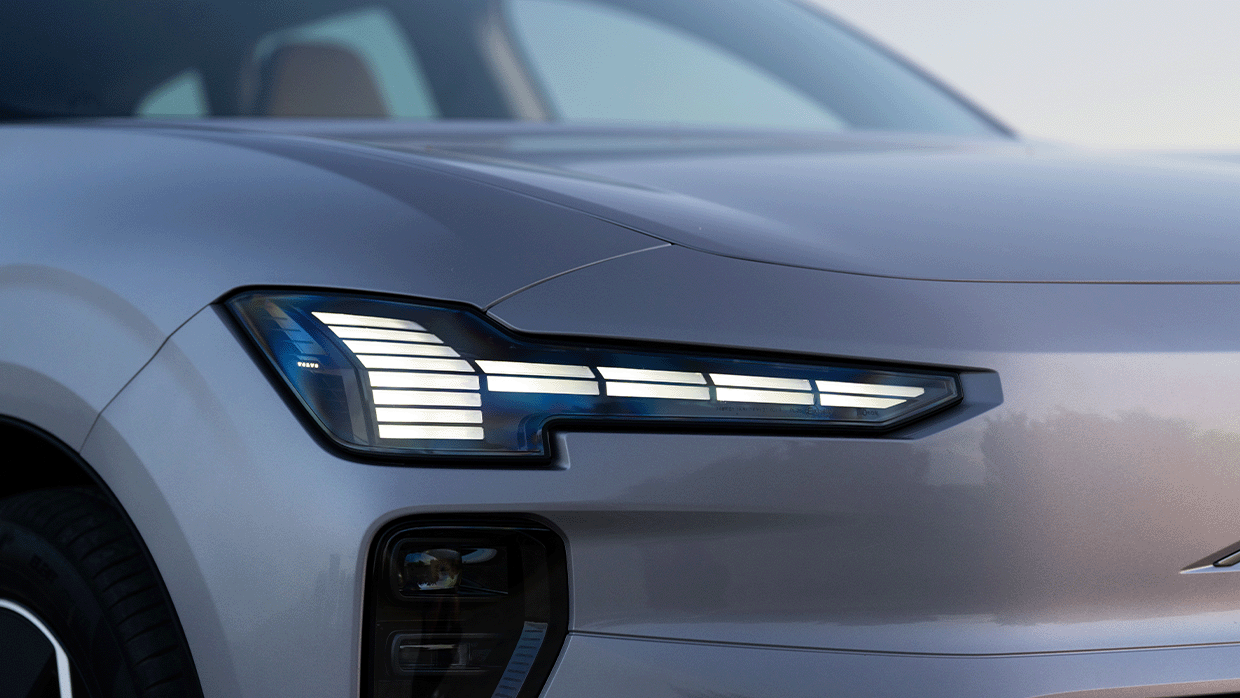
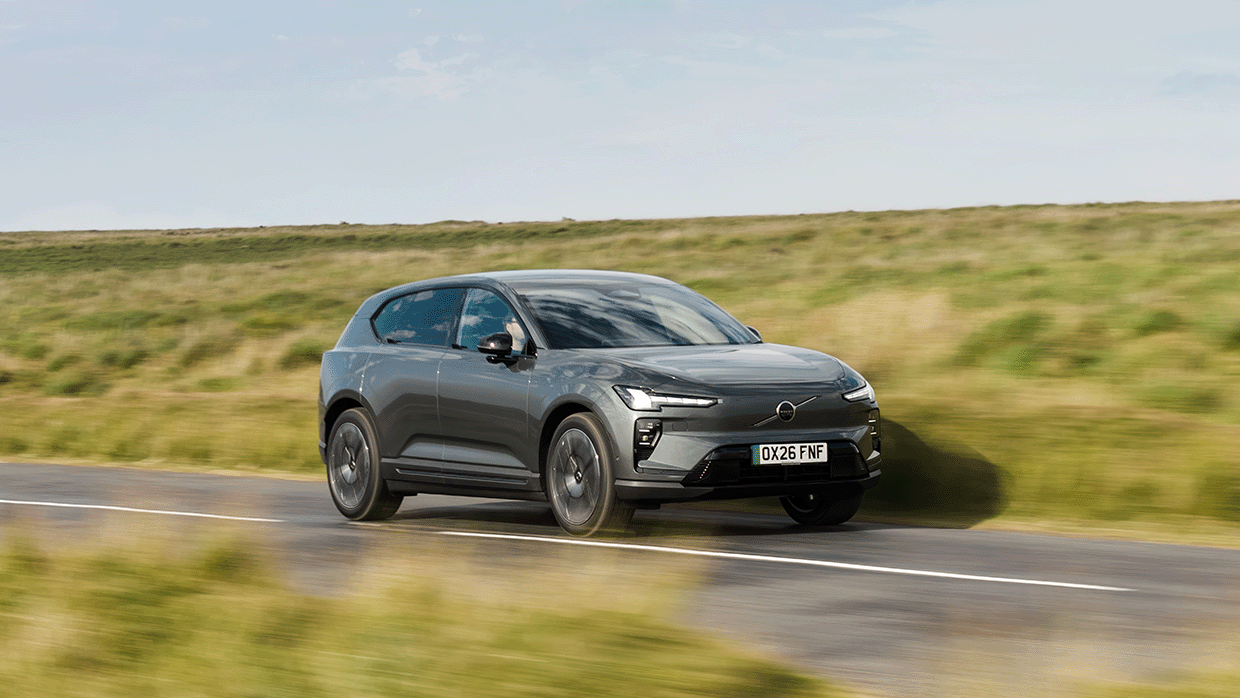
The EX60 is 4.8 metres long, stretching it about 10cm beyond the XC60 – with virtually all of that going into the near-three-metre wheelbase.
Its slippery 0.26 coefficient of drag benefits range and would be impressive if it weren’t for the rival iX3’s 0.24 figure (0.23 iX4).
Aerodynamics are aided by remarkably clean flanks, which are even devoid of doorhandles – flush or otherwise. Opening the frameless-glassed front and rear doors is simply a case of pinching shark-fin-style mini handles incorporated into the beltline.
Inside are further huge clues that the EX60 has no relationship with the XC60.
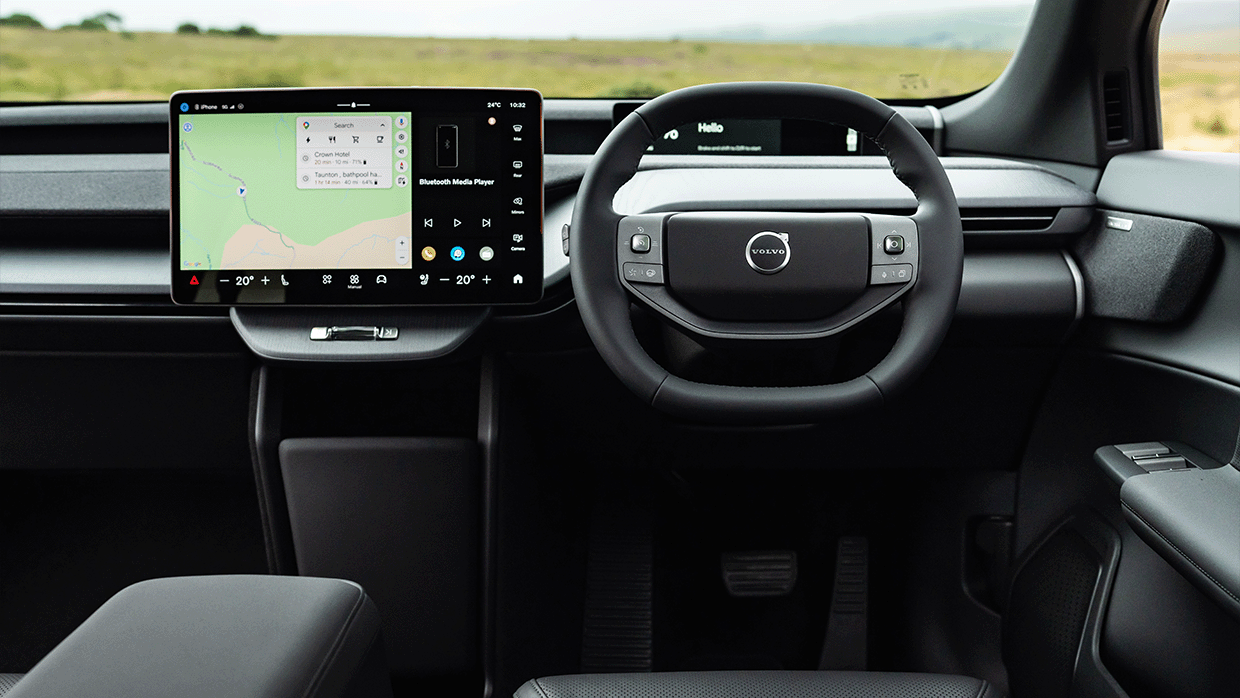
The biggest change is that Volvo has, at least for this model, dropped its long-time obsession with portrait-format centre touchscreens for a landscape version.
The 15-inch OLED curved display is the biggest yet to feature in a Volvo and comes with an operating system the Swedish brand describes as its “most responsive user experience yet…with zero lag”.
The screen’s response to presses isn’t quite lag-free but it’s sufficiently quick. The menu layouts and graphics are excellent and intuitive, far more in keeping with the slickness of infotainment systems by sister brand Polestar.
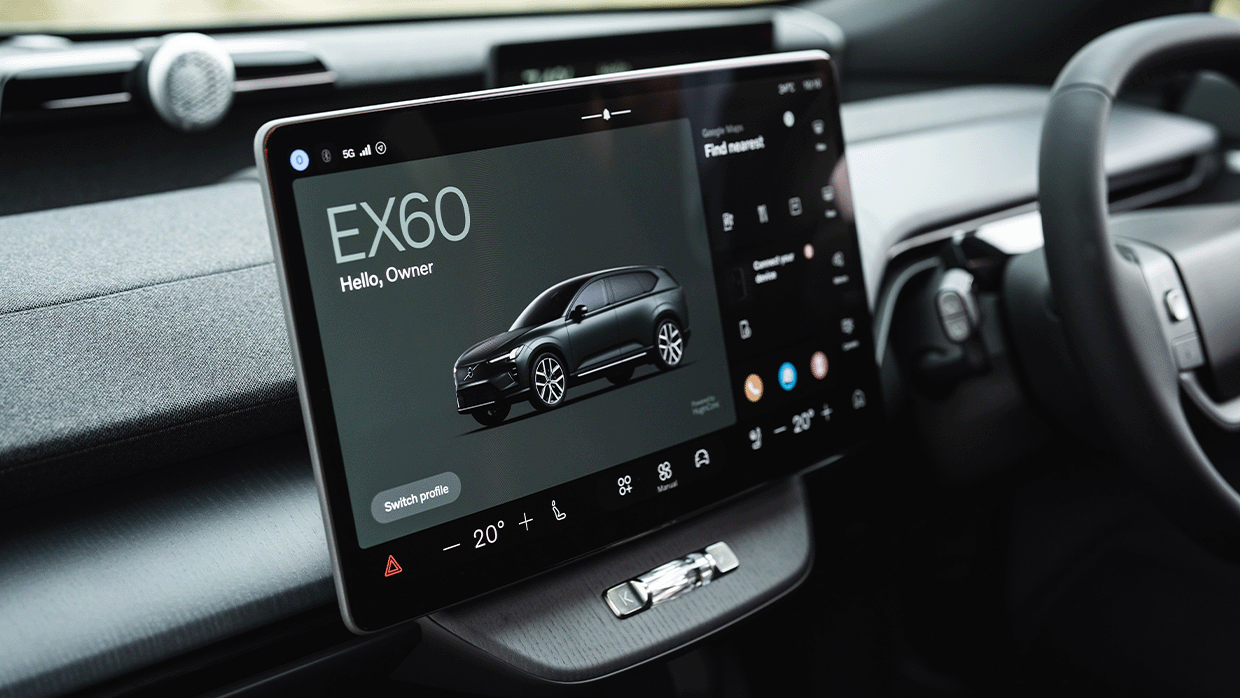
Volvo continues to embed Google features, including the latest Gemini voice assistant. The system will hopefully avoid the software glitches that have plagued other electric Volvos such as the EX40 and EX90.
There are some conveniently fixed shortcut digital buttons, though physical controls are otherwise restricted to the crystal-like volume scroller (with forward/backward song/station selector) beneath the display.
Cabin design is quintessentially Scandinavian with its light, neutral tones and harmonious combination of wood and leather – the latter artificial in our test car though real hide is available as an option.
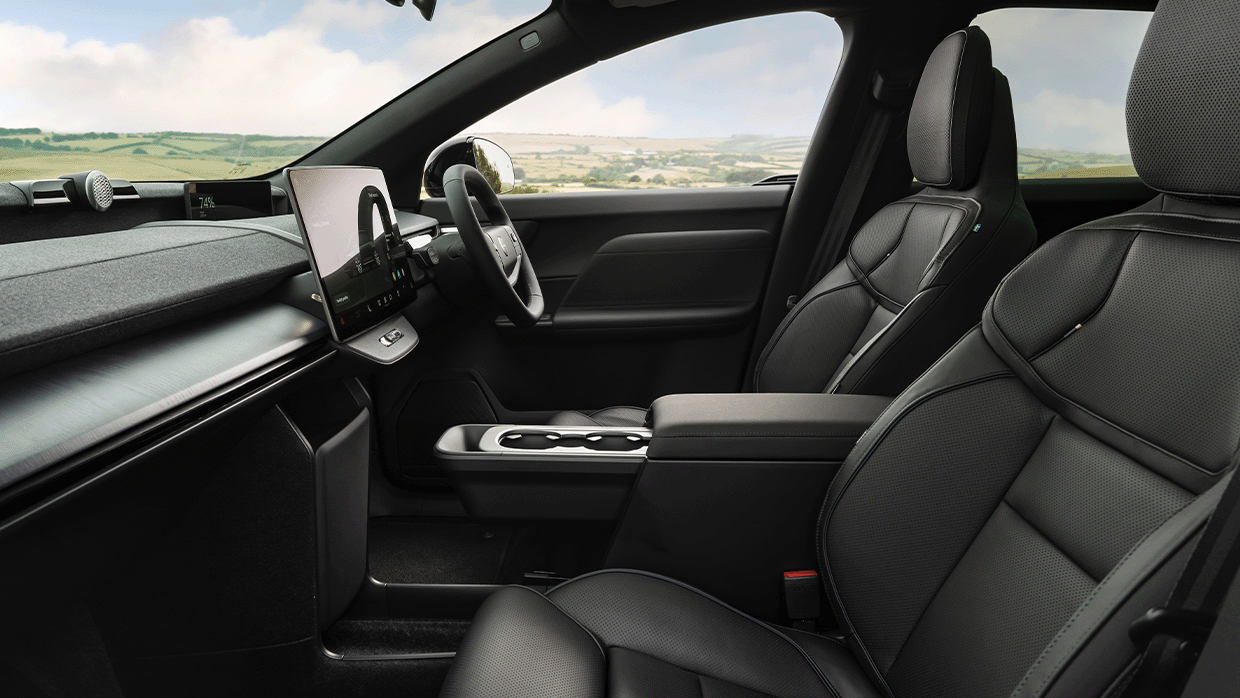
A full-length glass roof provides an abundance of natural light.
The front seats maintain the brand’s reputation for ergonomically superb comfort, with extensive electric adjustment via a single side controller. Lumbar and squab adjustment is done by pressing a central button on the controller. It misses adjustment for the side bolsters, however.
The front cabin feels spacious, especially with the armrest’s slide-out storage retracted. The storage section cleverly features a separate slider with cupholders.
There’s no conventional glovebox; instead, there’s a tip-back central storage area with elasticated straps and a polishing cloth for the touchscreen. A wide tray sits above that, with one side providing wireless charging for a smartphone.
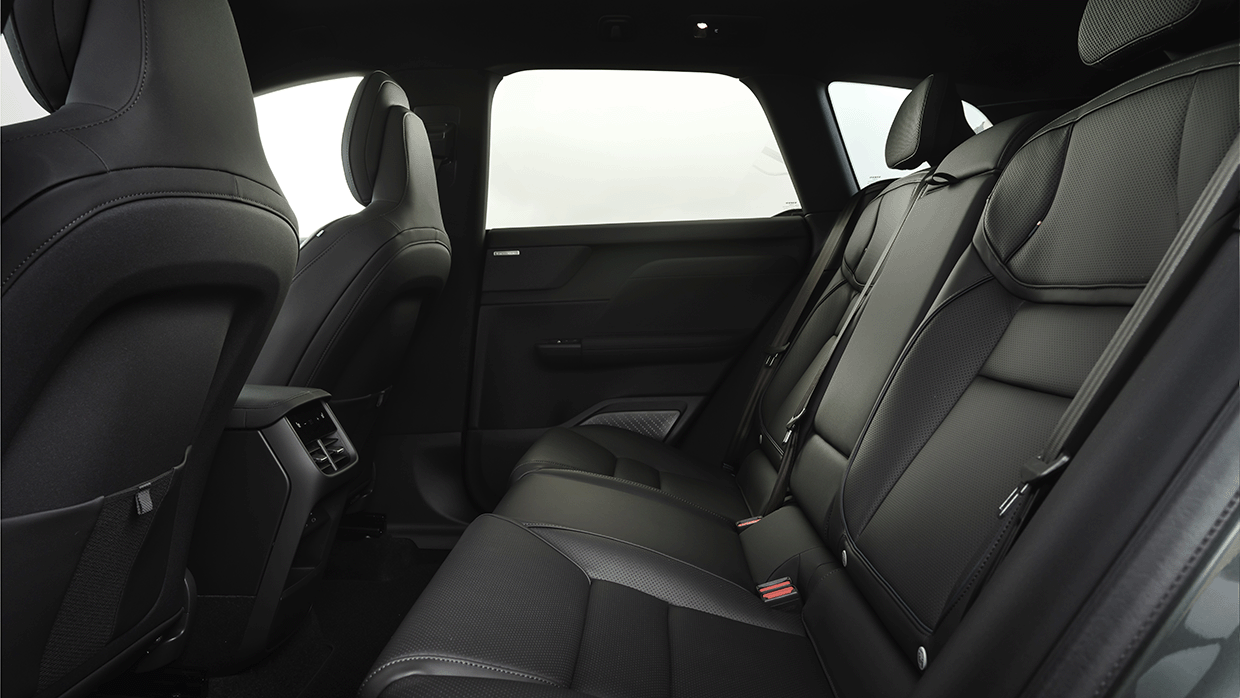
Volvo’s SPA3 platform doesn’t disappoint for delivering cabin space on its debut. The EX60 offers an abundance of knee room, vast foot space, and ample headroom under the glass roof.
Three adults can sit across in relative comfort, with the centre occupant aided by the flat floor.
The seats offer some electric rake adjustment – via buttons on the door armrest – and, crucially, avoid the compromised under-thigh support so common to high-floored EVs.
The EX60 is strictly a five-seater, with the larger EX90 playing the seven-seater electric SUV role.
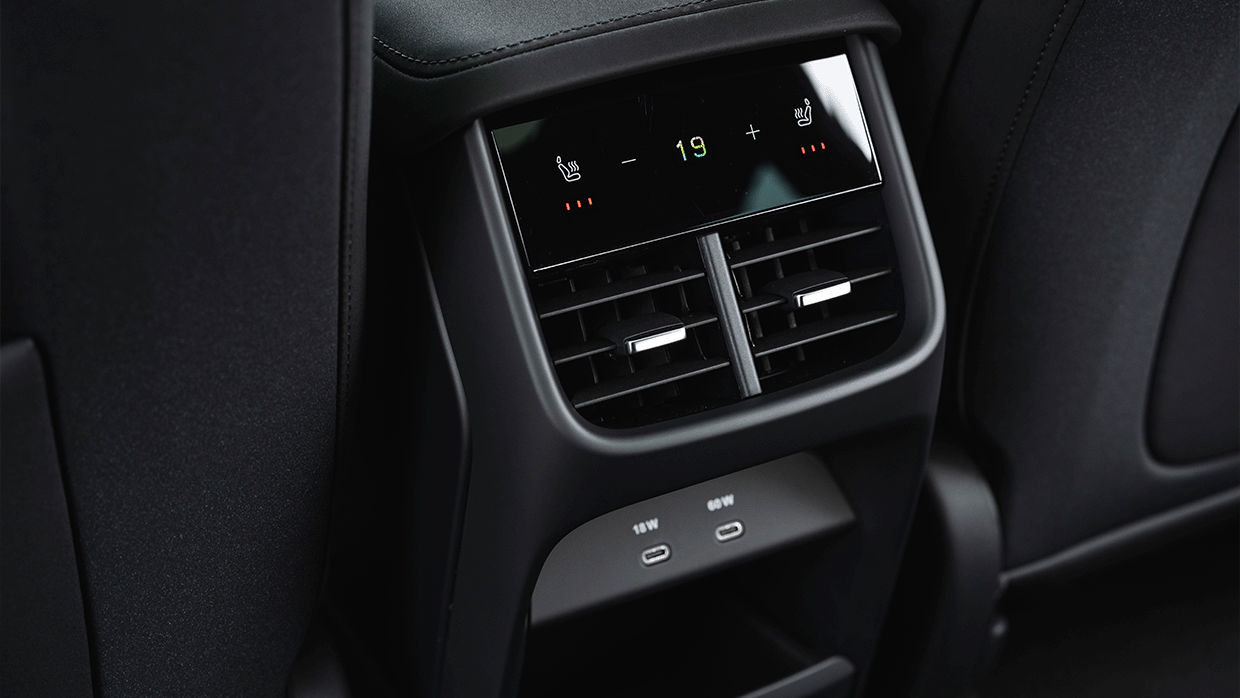
Amenities include vents, two USB-C ports, a removable storage/rubbish tray, seatback pouches with integrated netted mini pockets for smartphones, and a wide centre armrest (with hidden cupholders) that won’t have outboard passengers fighting over elbow room.
The rear doors could open a bit further, though, to make ingress/egress easier for parents using baby/child seats.
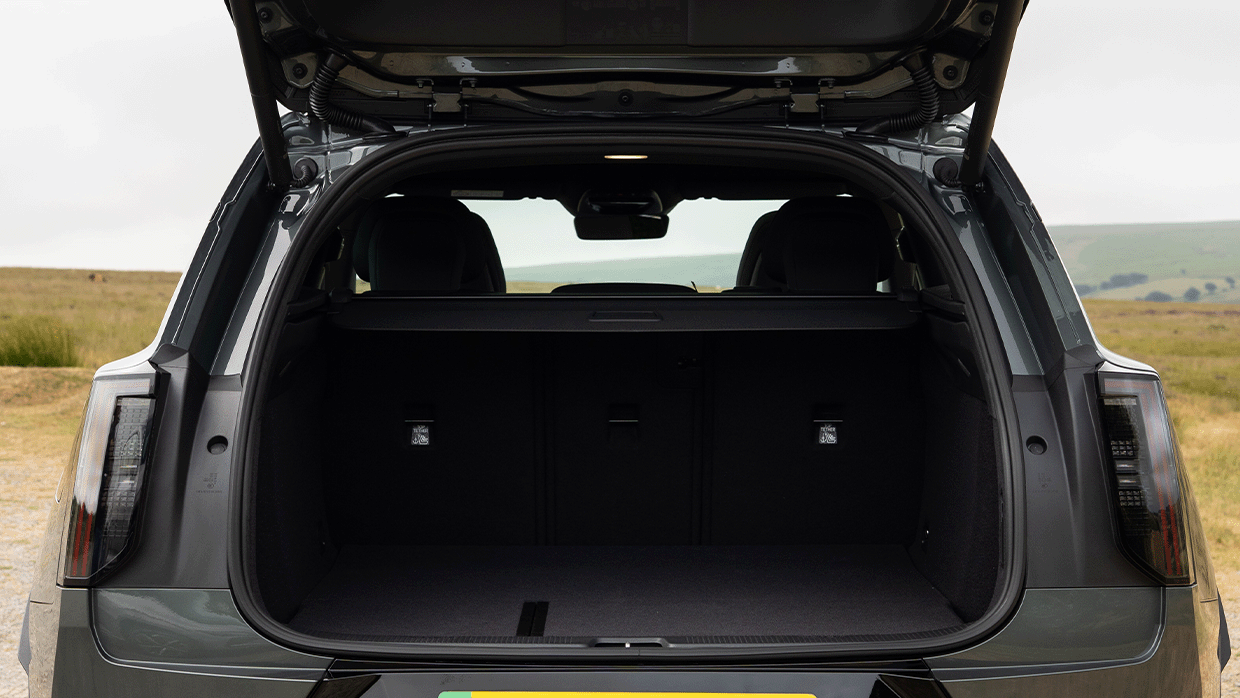
There’s competitive bootspace under the electrically operated tailgate – 523 litres compared with the 520L iX3. This includes some underfloor storage beneath two split-fold flaps.
The rear seatbacks fold flat 60/40 via electric release levers in the boot; or the configuration is 40/20/40 via regular seat-top levers.
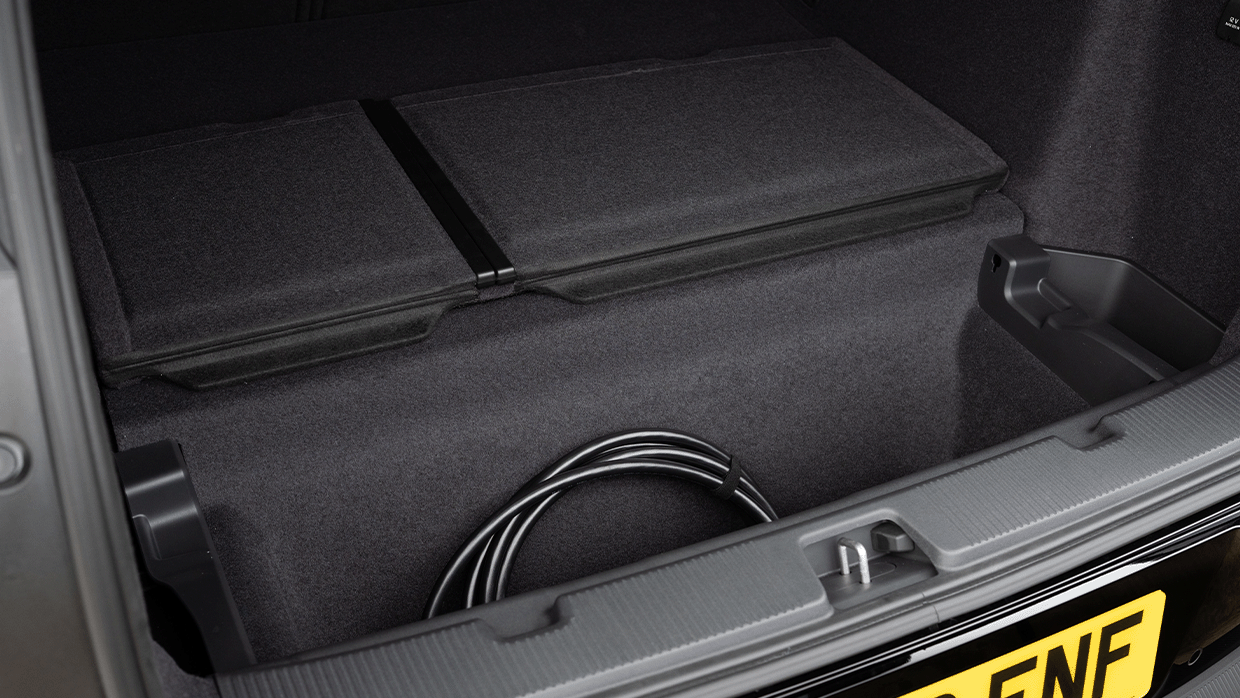
A 58-litre frunk under the bonnet is the biggest of any electric Volvo yet.
The midsize electric Volvo gives off Peugeot ‘i-Cockpit’ vibes with its small steering wheel, though the driving position is nowhere near as compromised as can be the case with some of the French brand’s cars.
The EX60 driver is guaranteed a far better view of the digital cluster ahead, which is positioned in a sightline comfortably above the top of the steering wheel.
The 11.4-inch display is limited in scope, though, with just three layout options available via a steering wheel button: surrounding-vehicles graphic, blank, or map.
A sweetly named ‘Driver Understanding’ monitor sits on top of the steering wheel. It seems to have the requisite empathy to adopt such a name as it never once interfered during our time with the EX60.
The default speed-limit warning was the only obvious beeper, though at least Volvo places a shortcut ‘On/Off’ button on the touchscreen’s primary vehicle/driving page.
This also includes adjustable regen braking via the One Pedal mode, while this is also a permanent shortcut button on the display regardless of the menu in play.
Powertrain modes have Standard as the default, flanked by Range (focused on preserving battery power, with auto measures including lowering the fan speed) and Performance (enabling full-beans acceleration).
The P10 – and forthcoming P12 – both feature adaptive suspension, giving the Volvo one potential advantage over the iX3.
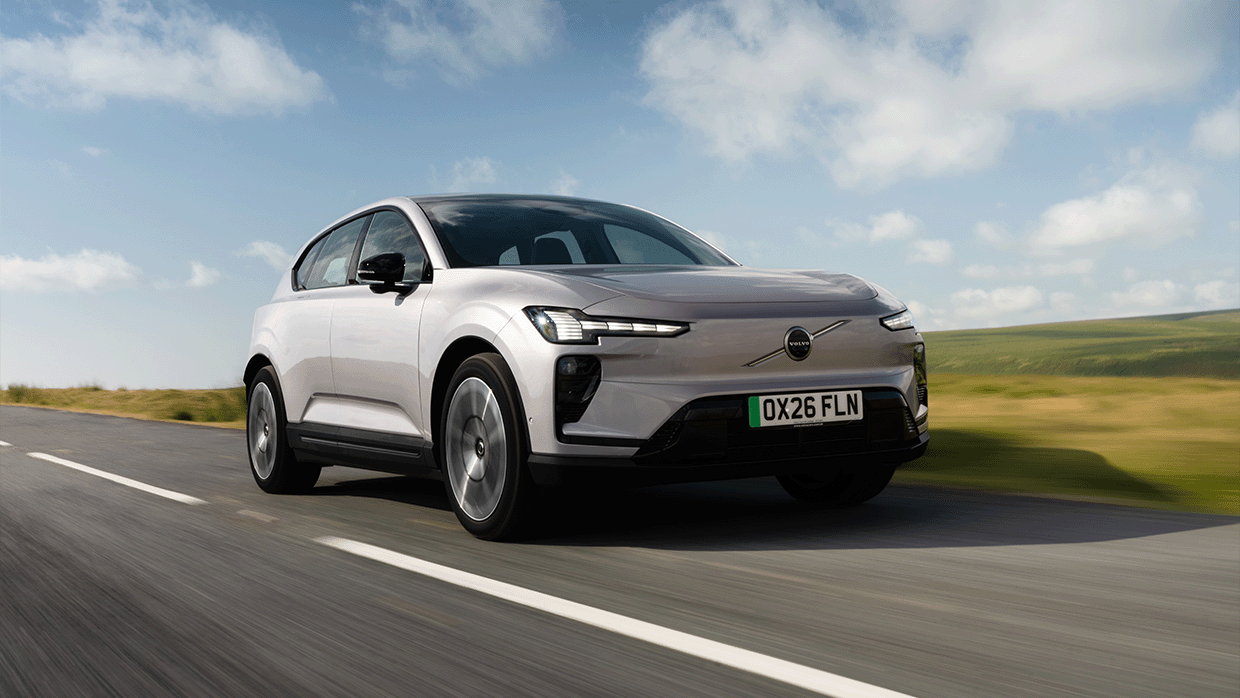
‘Firm’ is predictably stiff and the least favourable damper mode. It still doesn’t make the EX60 a dynamic match for its BMW rival, including notably more body roll.
Choose either the default ‘Standard’ or the lower ‘Soft’ and the Volvo rolls along with generally calming reassurance, the latter particularly effective for wafting along motorways.
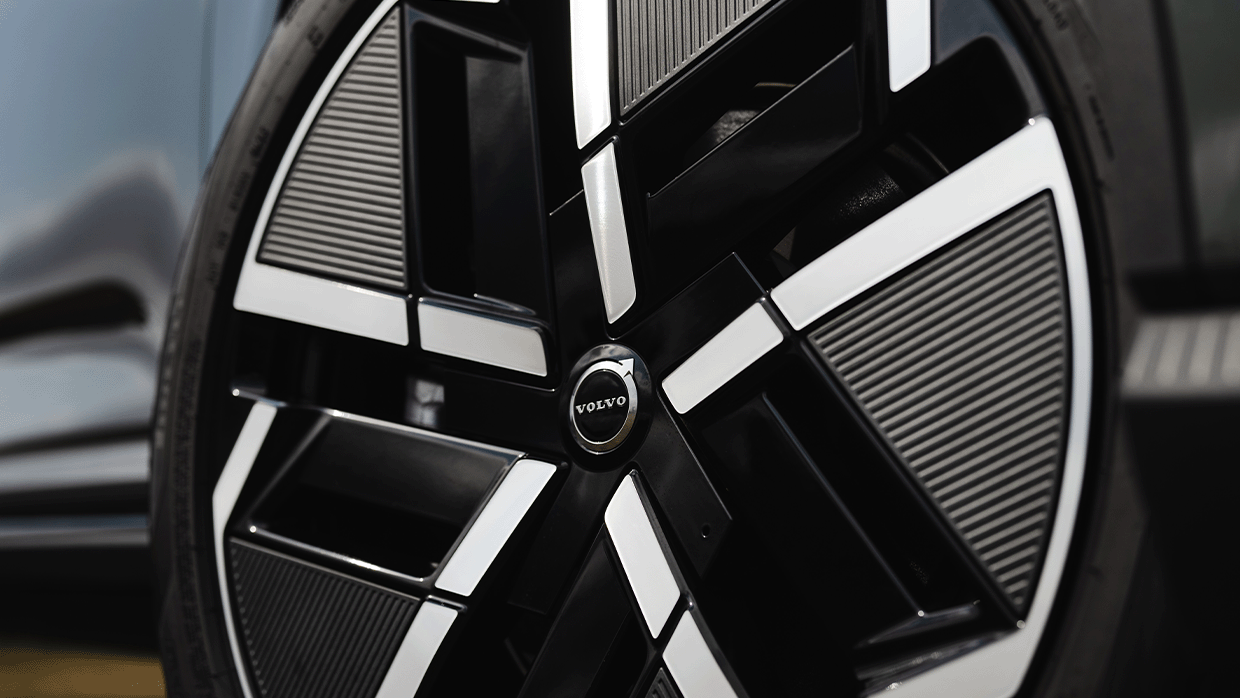
Ride quality wasn’t quite perfect; our test car’s optional 21-inch wheels meant occupants weren’t always oblivious to deeper road scars around town.
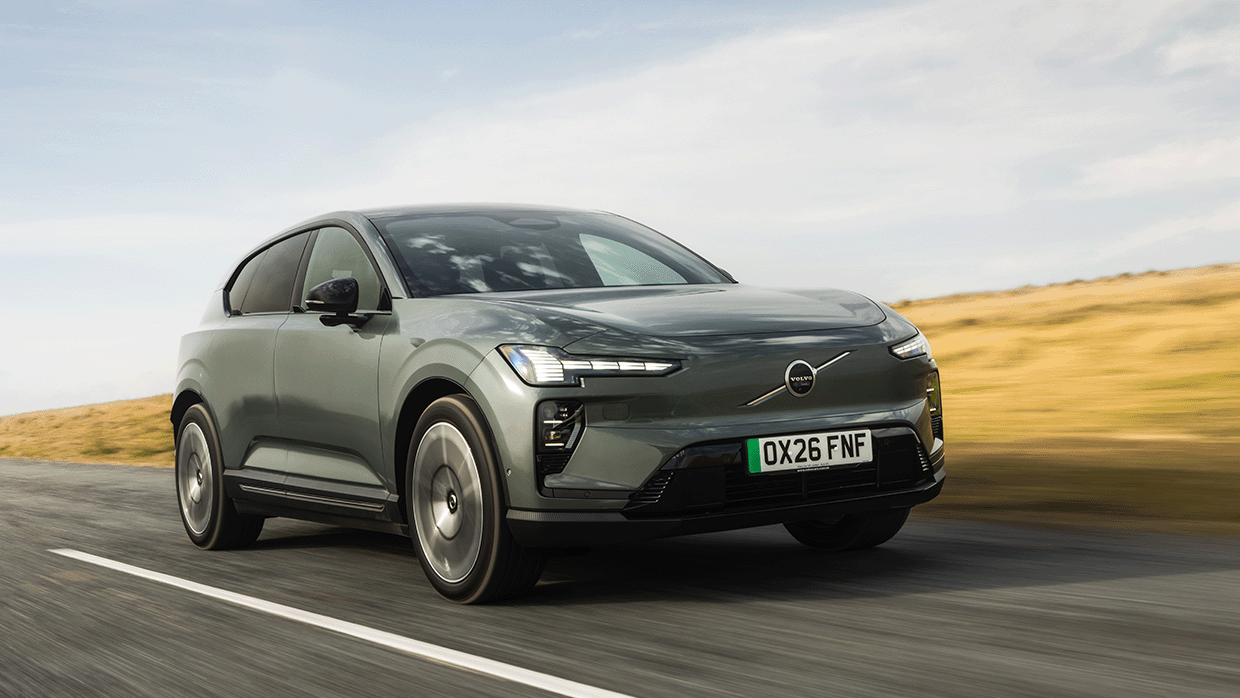
There’s a pleasantly predictable nature to the EX60’s steering, if again lacking from a keen driver’s perspective when compared with the iX3.
The flagship 500kW/790Nm P12 will zip from 0-100km/h in less than four seconds, according to Volvo, yet our 4.6sec P10 has a turn of pace that will have few drivers wanting for more despite its 125kW/80Nm deficit. Or even reaching for the Performance button.
P6 owners miss out on a front electric motor and all-wheel drive, with the rear-drive base model offering 275kW/480Nm and an acceleration time of 5.9 seconds.
The 80kWh (useable) battery P6’s WLTP is 610km versus 660km for the 91kWh P10, both well below the 112kWh P12’s 810km figure.
Volvo’s battery efficiency hasn’t been one of its strong suits since entering the EV game properly in 2020 with the XC40 Recharge.
The EX60, however, bodes well for future electric Volvos.
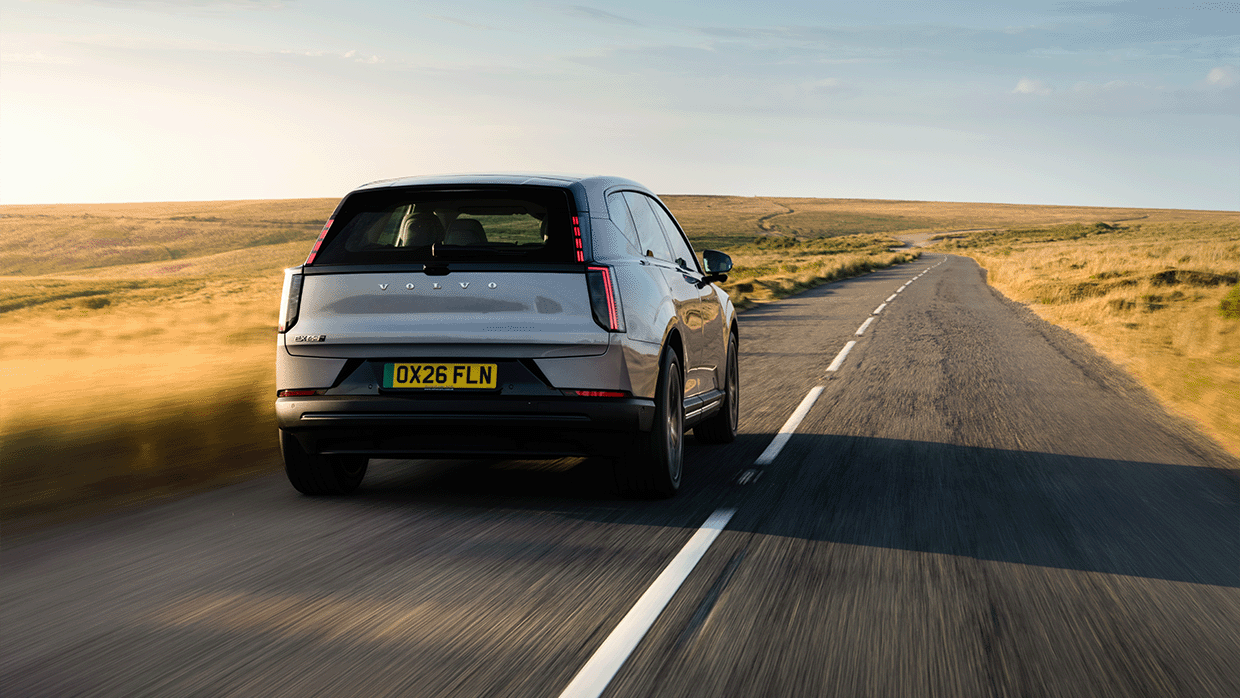
We had an indicated efficiency of 16.1kWh/100km during testing, before our overall ownership time with the vehicle landing on 19.1kWh/100km. That equates to real-world ranges of 565km and 476km, respectively.
An iX3 50 will deliver more range than the $8000-cheaper EX60 P10 purely through its bigger, 108.7kWh battery, so it will be interesting to see where Volvo positions the price of its longest-range variant, the P12.
The 800-volt platform lends itself to ultra-rapid charging – and something of a cure for range anxiety. Find a charger capable of delivering 370kW and Volvo says EX60 P12 owners can add up to 340km of range in 10 minutes, or 325km for the P10.
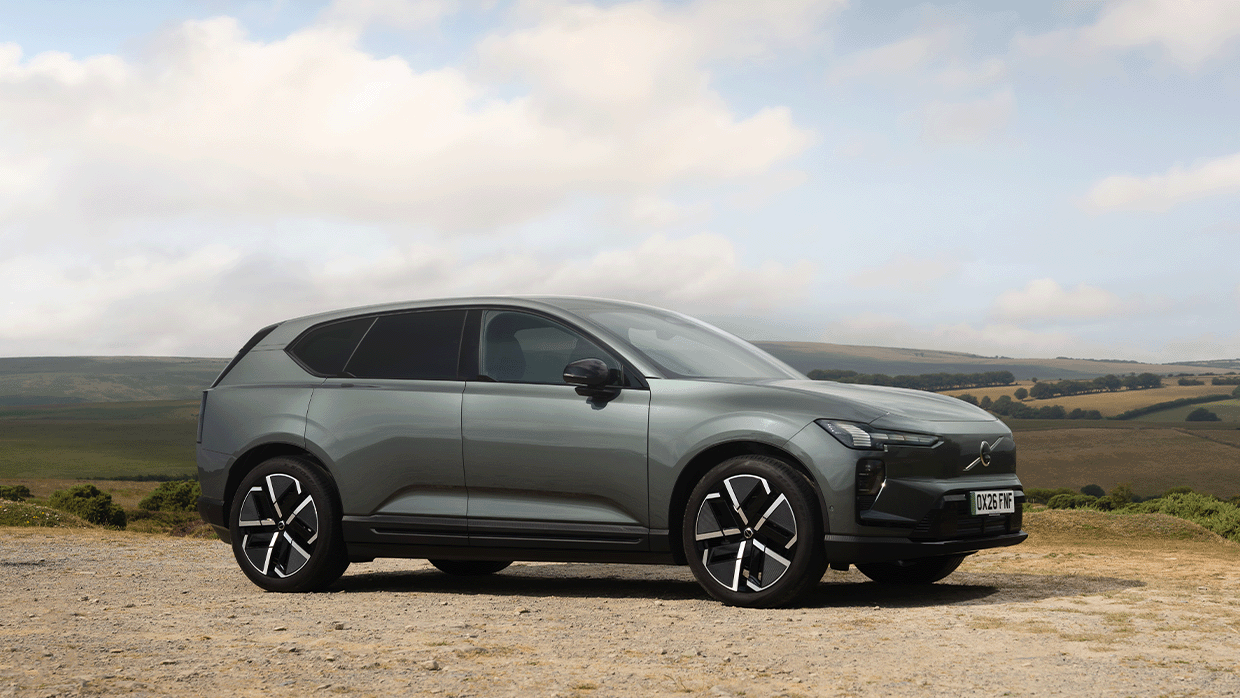
The 320kW-capable P6 adds 305km in 10 minutes.
Electric Volvos to date have very much been a balanced mix of hits and misses. The EX60, the brand’s most important EV without doubt yet, brings a bigger ratio of positives.
It’s ‘game on’ against the BMW iX3.
About Chasing cars
Chasing Cars reviews are 100% independent.
Because we are powered by Budget Direct Insurance, we don’t receive advertising or sales revenue from car manufacturers.
We’re truly independent – giving you Australia’s best car reviews.
The estimate provided does not take into account your personal circumstances but is intended to give a general indication of the cost of insurance, in order to obtain a complete quote, please visit www.budgetdirect.com.au. Estimate includes 15%^ online discount.
^Conditions Apply
Budget Direct Insurance arranged by Auto & General Services Pty Ltd ACN 003 617 909(AGS) AFSL 241 411, for and on behalf of the insurer, Auto & General Insurance Company Limited(ABN 42 111 586 353, AFSL 285 571).Because we don’t know your financial needs, we can’t advise you if this insurance will suit you. You should consider your needs and the Product Disclosure Statement before making a decision to buy insurance. Terms and conditions apply.
Indicative quote based on assumptions including postcode , 40 year old male with no offences, licence suspensions or claims in the last 5 years, a NCD Rating 1 and no younger drivers listed. White car, driven up to 10,000kms a year, unfinanced, with no modifications, factory options and/or non-standard accessories, private use only and garaged at night.
^Online Discounts Terms & Conditions
1. Discounts apply to the premium paid for a new Budget Direct Gold Comprehensive Car Insurance, Third Party Property Only or Third Party Property, Fire & Theft Insurance policy initiated online on or after 29 March 2017. Discounts do not apply to optional Roadside Assistance.
2. Discounts do not apply to any renewal offer of insurance.
3. Discounts only apply to the insurance portion of the premium. Discounts are applied before government charges, taxes, levies and fees, including instalment processing fees (as applicable). The full extent of discounts may therefore be impacted.
4. We reserve the right to change the offer without notice.