Powered by

-
Car Reviews
Latest reviews
-
Car News
Latest news
-
Car Comparisons
Latest comparisons
- Chasing Deals
Latest reviews
Latest news
Latest comparisons
Asking circa-$70,000 and boasting sports car performance, the Omoda 9 is a very different kind of Chinese SUV, but can it hold up under long-term pressure?
Since its Australian relaunch in 2023, with its humble and fumbled reentry with the Omoda 5, Chery has expanded rapidly Down Under.
The Omoda 5 was, frankly, a terrible car at launch, with poor calibration across the board, bad driving dynamics and the list goes on. However, it was feature-packed and, with a sub-$30,000 price point, Aussies responded positively.
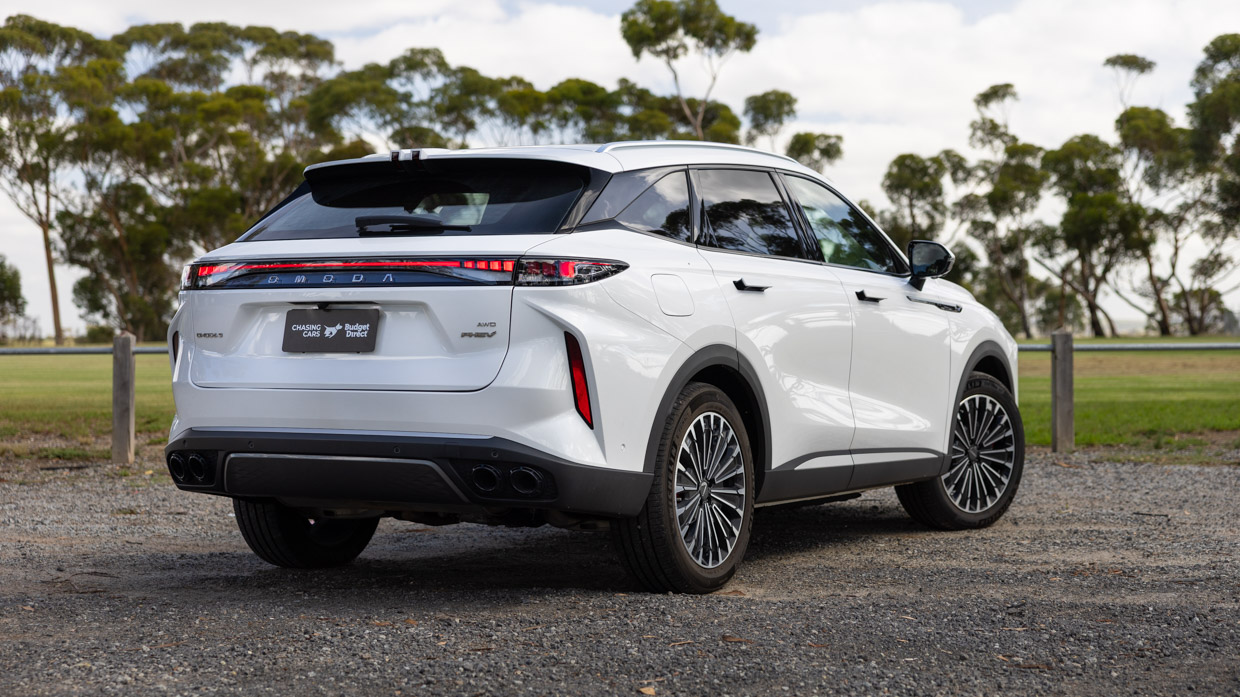
First a sub-brand of Chery, Omoda is now considered its own thing, well, almost. Omoda is part of ‘Omoda-Jaecoo’ in Australia, with the former having a luxury focus and the latter being for more outdoorsy types. Confused yet? You should be.
All that leads us to the Omoda 9, one of three large SUVs – alongside the Chery Tiggo 9 and Jaecoo J8 – from the wider Chery group to sit on an all-new and more premium ‘M3X’ platform and accompanying plug-in hybrid system.
The Omoda 9 claims the ability to travel an impressive 145km on electric power alone (WLTP), with a total driving range stretching to 1100km.
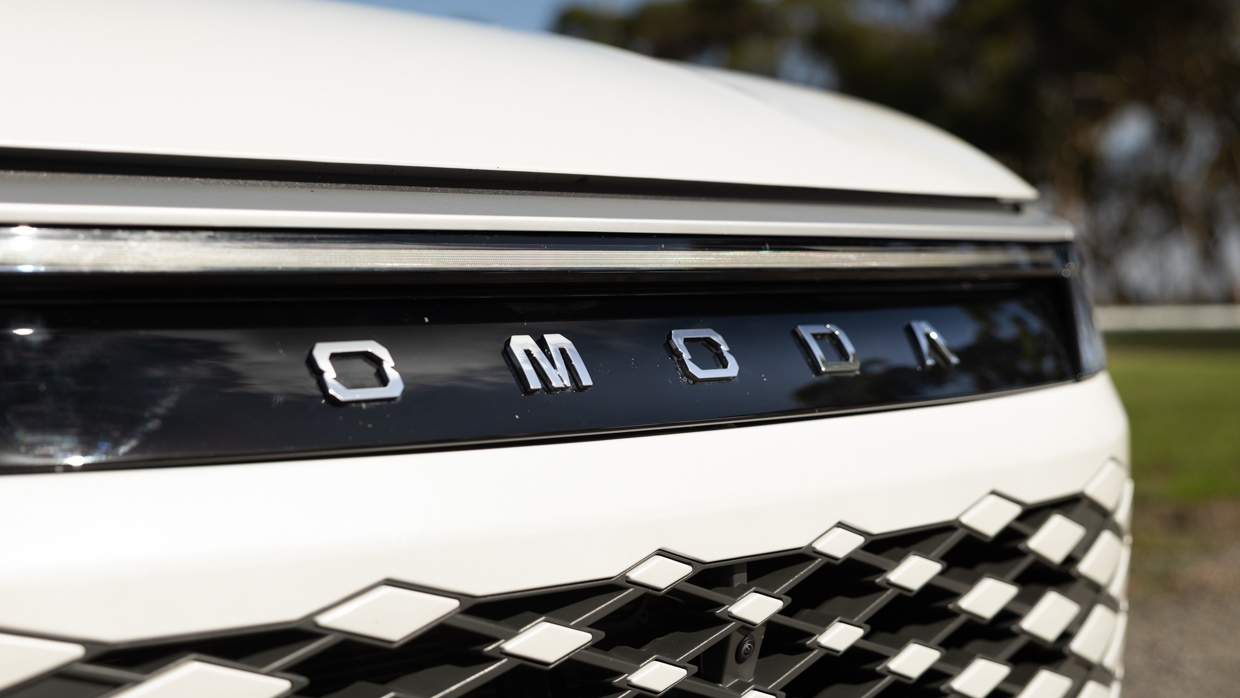
Unlike its siblings, the Omoda 9 features five seats instead of seven, with the goal of increasing interior comfort, similar to the Lexus RX, though the Volkswagen Tayron PHEV and BYD Sealion 8 are a closer comparison in terms of price and specification.
Direct rivals are hard to pin down and that’s partly because the Omoda 9 SHS (Super Hybrid System) doesn’t have a clear mission. It’s visibly reserved inside and out, with a luxury focus to its feature set, but it also packs 395kW of brutal off-the-line performance.
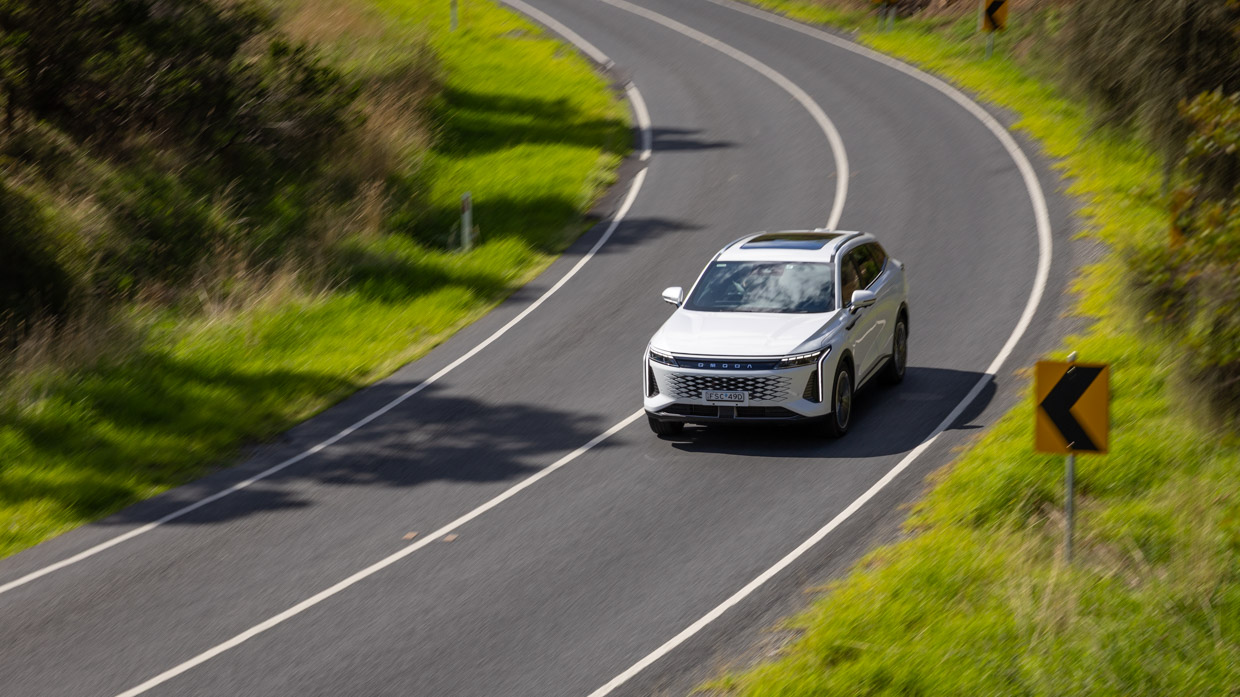
Investigating this identity crisis and assessing its broad claims of luxury and performance, as well as its family-friendly practicality, will form the backbone of our long-term assessment process over the next three months.
It’s a name that feels a bit on the nose in tall-poppy-prone Australia, but if Chery’s hybrid system can put up, I’ll shut up.
In no other area in the rapidly changing automotive space do I weep more for the average punter who is forced to figure out what a ‘hybrid’ is in 2026; for not only has the technology changed, but so have the names in which we refer to them.
Mild-hybrid, self-charging hybrid, plug-less hybrid, range-extended electric vehicles and now… a ‘super’ hybrid?
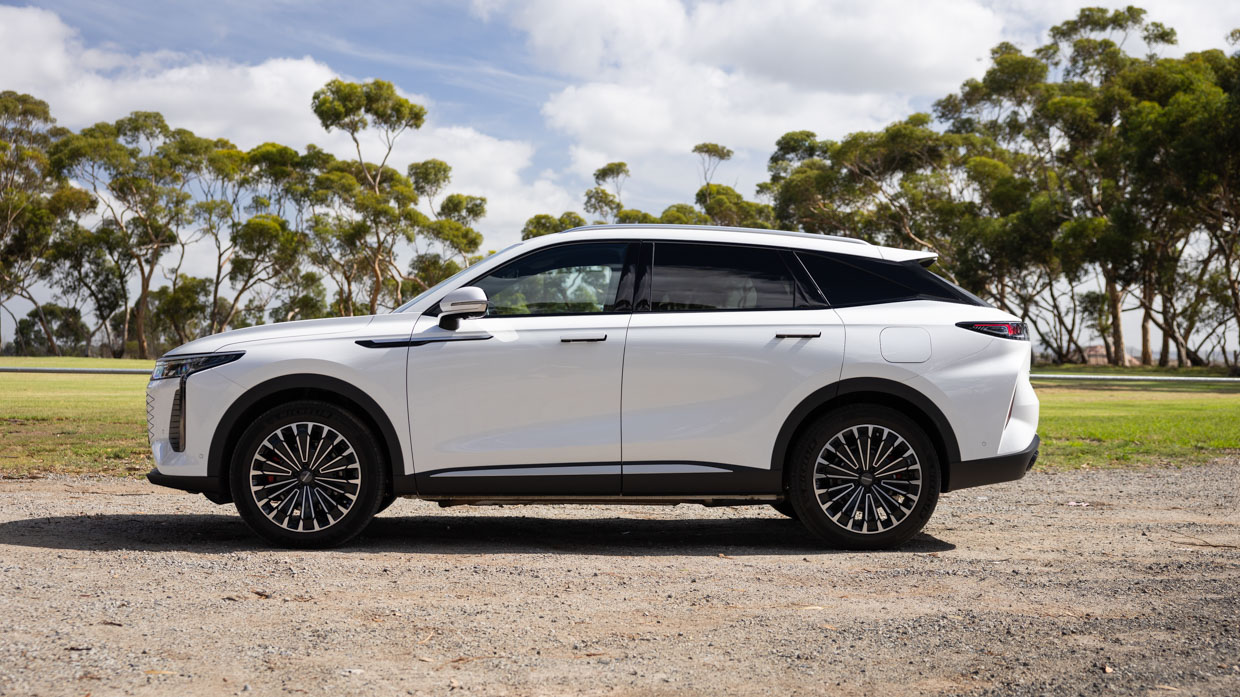
At first glance it seems gratuitously self-congratulatory…but there appears to be some merit behind the claim.
A super hybrid is simply a plug-in hybrid with more of everything, primarily more grunt and more electric range, so the vehicle is more electric than combustion-biased than your typical PHEV.
Chery’s system – Chery Super Hybrid (or CSH for short) – is available in two flavours.
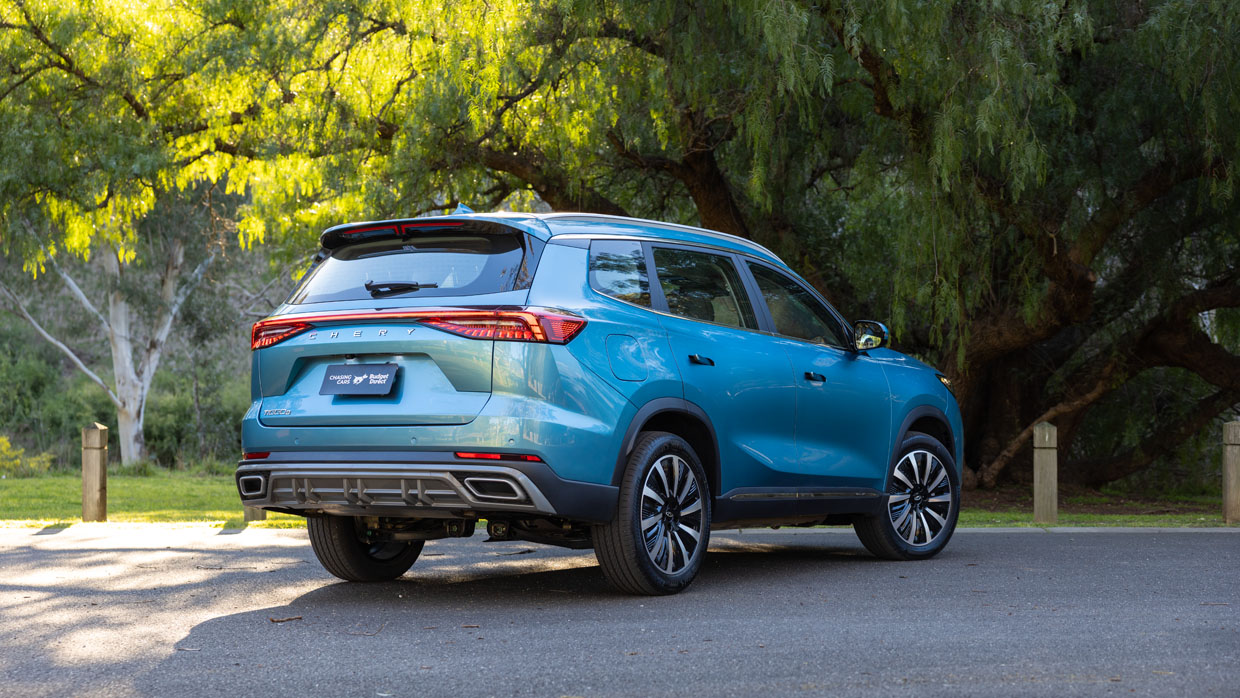
Pictured: the Tiggo 8 CSH
Offered in the Jaecoo J7, Tiggo 7 and 8 is 1.5L turbo four-cylinder mated to a one-speed dedicated hybrid transmission or 1DHT; it’s a cheap and relatively impressive system, but no ‘super hybrid’. As I discussed in our Tiggo 8 review, it’s FWD only with a circa-90km range and can barely pull an empty trailer, with a limit of 750km braked.
Found in the Tiggo 9, Omoda 9 and now the Jaecoo J8 is the same 1.5L engine but with up to two more electric motors (with one at the rear for AWD) and Chery’s three-speed ‘3DHT’ transmission that all together feels a lot more ‘super’.
Unlike its poorer sibling, the electric motor-infused gearbox can power the wheels and regenerate power once you come off the throttle; towing steps up to less embarrassing 1500kg, power outputs jump from 150kW to 395kW in the Omoda and EV range doubles thanks to some larger battery packs.

But there’s no such thing as a free lunch, with the more advanced chassis and hybrid system in the larger Tiggo 9 and Omoda 9 SUVs attracting a circa-$20K upcharge and pushing the two outside of ‘cheap SUV’ territory.
So how does it perform? Let’s break it down into three areas: performance, livability and efficiency/range.
The Omoda 9 has no business being this quick but we’re glad it is. While its manic 395kW combined power peak is hampered by its 2,203kg (tare) mass, its 4.9-second 0-100km/h sprint time is no joke when slipping into a gap in city traffic or exploding onto a highway on-ramp, leaving aggressive dual-cab ute drivers in your wake.
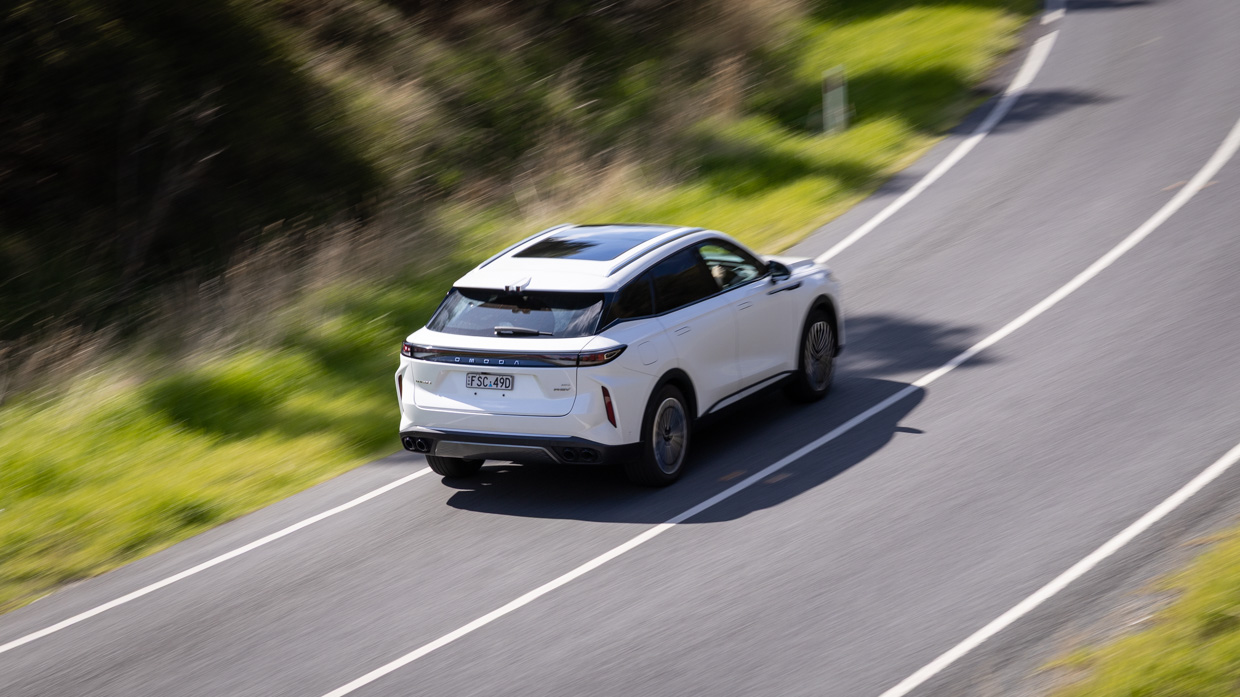
By itself, the 1.5T petrol engine produces 105kW/215Nm and can directly drive the wheels at highway speeds. Generally, though, it’ll be generating power for its trio of electric motors – a 75kW/170Nm and 90kW/220Nm set at the front, and 175kW/310Nm unit at the rear.
It seems like overkill, and it probably is, especially given that the Omoda makes no claims about being a performance SUV and perhaps that’s because it lacks the dynamic talent to elevate it beyond a typical grand tourer to something you can really enjoy driving.
But even on the highway, the Omoda 9’s drivetrain throws out some unexpected challenges. It’s plenty quick to overtake from around 80km/h but once you hit 100km/h and above, the rate of acceleration feels like it drops dramatically, even in its most potent sports mode.
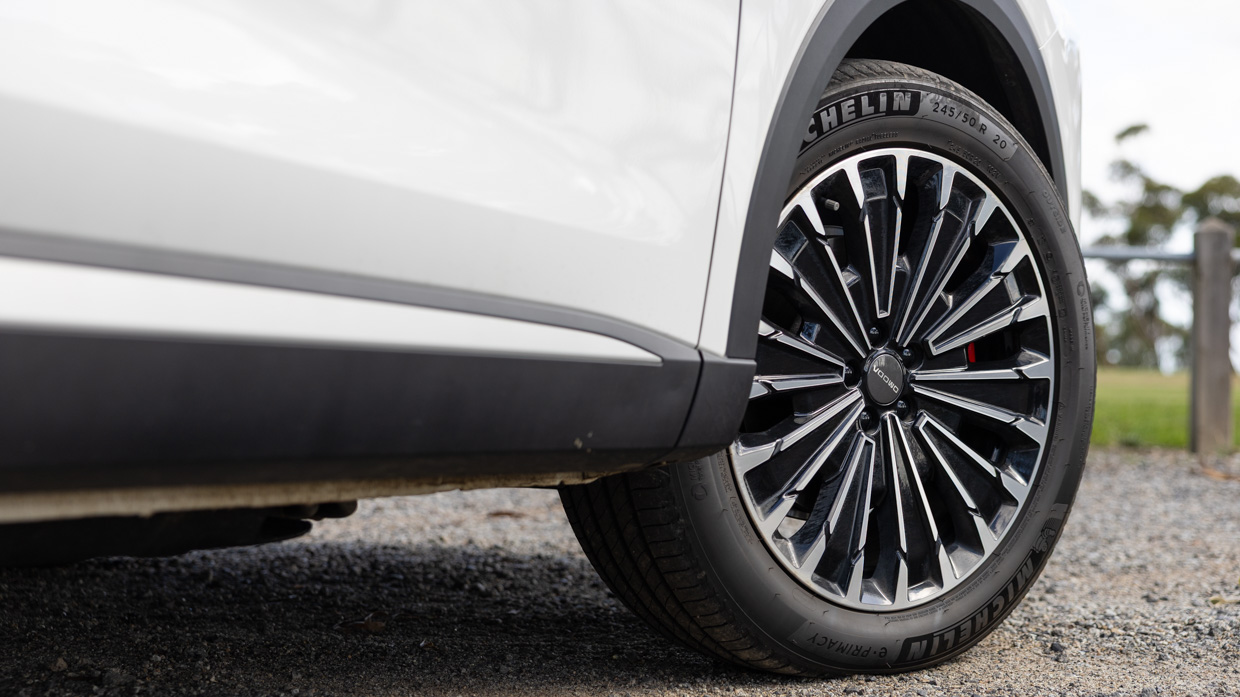
It’s a not uncommon issue with plug-in hybrids where the drivetrain and transmission are calibrated for city speeds, but with three gears, nine modes and 11 speeds to choose from this drivetrain isn’t as consistent as it should be.
This is the area where the CSH really shines. It’s easy to forget the Omoda 9 even has a petrol engine at times, with the 1.5T only firing up as the battery runs low and that takes some doing, given its 34kWh capacity – which we’ll touch on more in a second.
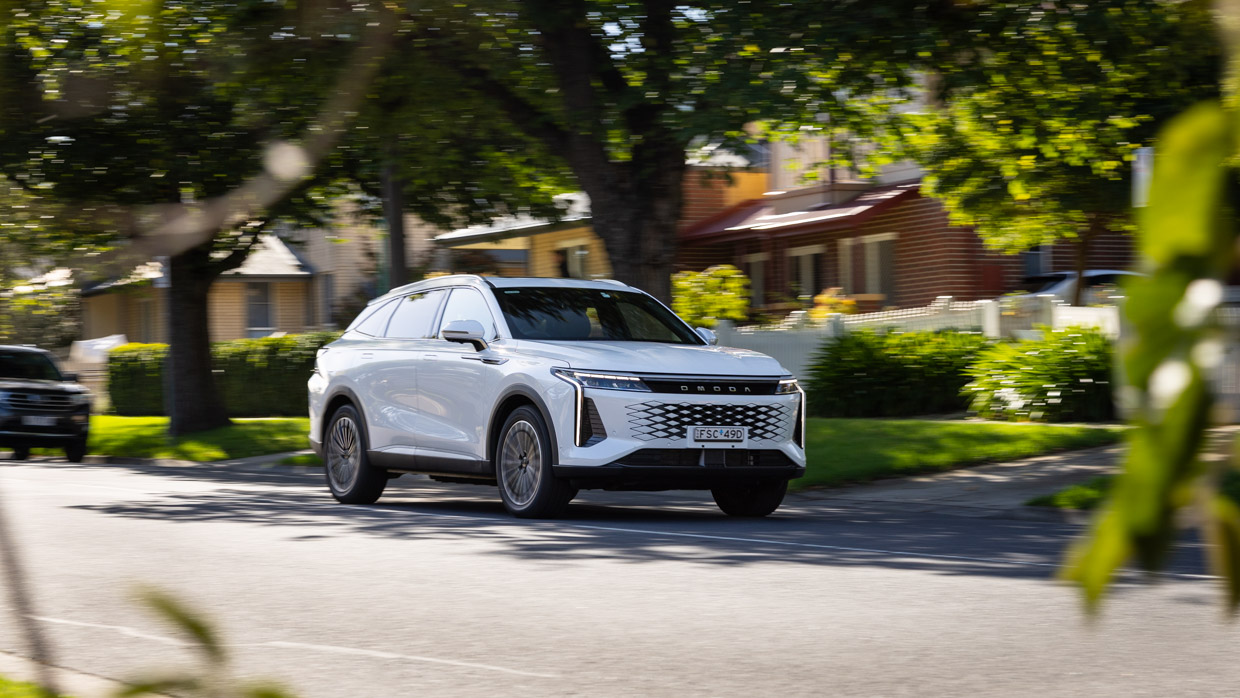
In urban areas, the CSH feels entirely at home. Beautifully silent and staunch underfoot, the Omoda 9 is a great steer once you finally get the clumsy column shifter to engage drive.
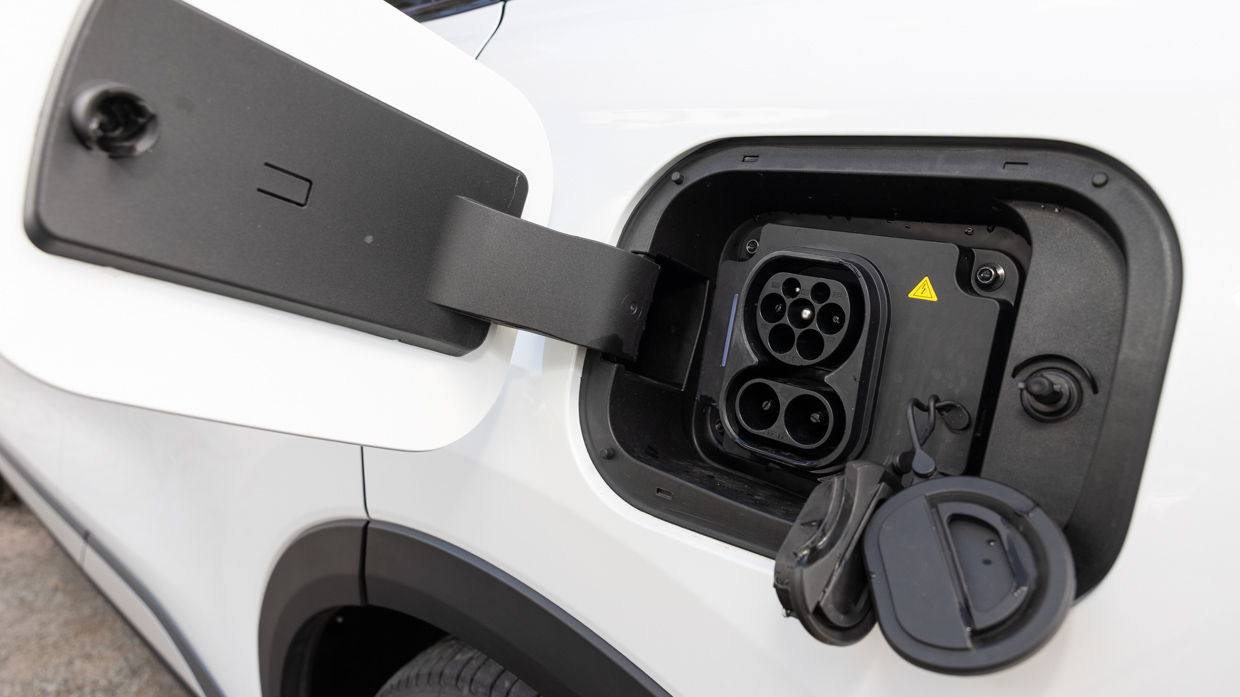
It’s aided too, by 70kW DC fast charging that can top up from 30 to 80 percent in 25 minutes. AC charging is capped at 6.6kW if you feel inclined to install a proper home charger, but we’ve found an overnight charge using a typical 10A plug is generally good enough.
We’ve separated ‘efficiency’ and ‘range’ because two can be confused, and the Omoda 9 doesn’t necessarily use the former to achieve the latter.
Omoda advertises a 169km EV range figure, but this is a fantasy number courtesy of lenient NEDC testing standards; the WLTP figure used in Europe is a bit more on the money at 145km.
In the real world, we’ve found that 111km is about the limit in combined driving conditions – even when placed in EV+ mode that allows you to run down the battery more than usual. But is achieving a bit over 100km from a massive 34kWh battery a success? I’m not so sure.

The same is true for the 1.5T petrol engine once the battery has run into a low state of charge. In urban areas we’ve seen 7.2L/100km in town and 7.9L/100km on the highway – sometimes more and sometimes less – but it’s still not a great result from a hybrid SUV.
The one claim that does stand up to testing is the 1100km range claim. When travelling from Melbourne to Adelaide with a return trip, we arrived both times with 350km left in the tank/battery and no sense of urgency to head to the petrol station.
But thanks here is due to the massive 70L fuel tank, not necessarily the hybrid system.
The Omoda 9 is a vehicle without a straightforward pitch but incredible performance claims and enticing features. Could it all be too good to be true?
The Omoda 9 is one of three premium-tinged medium-to-large SUVs offered within the broader Chery range, as the spun-off Omoda brand seeks more upmarket customers and price points.
It differentiates itself from its Chery Tiggo 9 and Jaecoo J8 siblings by offering a five-seat layout. A plug-in hybrid powertrain, branded ‘Super Hybrid System’ or SHS, is the only option available for the Omoda.
For now, the well-equipped Virtue grade is the only option available. It starts at $61,990 before on-road costs, translating to around $66,000 on the road in NSW.
At that price point, it’s certainly not a typical ‘cheap’ Chinese car anymore, but that doesn’t mean it can’t be good value.
The sole Virtue grade appears well-equipped for the money. Our test unit is dressed in the standard Silk White paint, with other shades of black and grey considered a $1500 extra.
In terms of standard equipment, it features 20-inch alloy wheels, LED headlights and tail-lights, a panoramic sunroof and roof rails as notable items.
Inside the cabin, the Omoda 9 is fitted with dual 12.3-inch screens, a 14-speaker Sony sound system, a heads-up display and a 50-watt wireless phone charger, to name a few standouts.
For convenience and luxury, Omoda has fitted leather upholstery, a power-adjustable steering column, a heated steering wheel, heating and ventilation for the front seats and outboard rear seats; as well as more standard features such as a power tailgate.
It’s a healthy list, but it’s notable that the passenger seat features very limited adjustment (just four ways), there’s no V2L socket in the boot, and some pull-up sunshades in the second row would be appreciated.
The Omoda 9 will be in the Chasing Cars garage for three months and during that time we aim to travel 10,000km, but 5000km is our absolute minimum.
Just about everything. Mostly, it will be tasked with the unglamorous task of daily commuting: dropping kids off at childcare, gridlock traffic and all the rest.
We will be conducting a few interstate road trips to see the gauge cabin comfort and real-world economy. Separate tests will be conducted for electric range and hybrid range with and without a full battery, with a breakdown of our running costs along the way.
When dealing with complicated cars, I’ve often found it’s best to not fuss over the details and just breathe in the general experience, before knuckling down on the details later to nut out the ‘what’ and ‘why’ of each element.
With long-term loans comes the benefit of time, so that’s exactly the route we’re taking. Time to hop in, put the Omoda 9 in drive via its handy column stalk and see what it’s got.
With spongy seats and a near-silent drivetrain, the Omoda 9 gives a solid first impression, and the sheer pickup underfoot as we pull onto the highway is immense.
We’ll give the drivetrain the deep dive it deserves at a later date, but the short form is that a 1.5L turbo engine plus three electric motors puts out a combined 395kW, and has a claim of 4.9 seconds for its 0-100km/h sprint.
With a full battery (34kWh) and fuel tank, the Omoda 9 should be able to travel 1100km according to the claim. We’ve managed 933km from our first effort before we needed to fill up the 70L tank with 66.2L of fuel to get it back to the brim.
That works out to roughly 7.0L/100km, so even if we ran the tank dry, it would not have hit the claim.
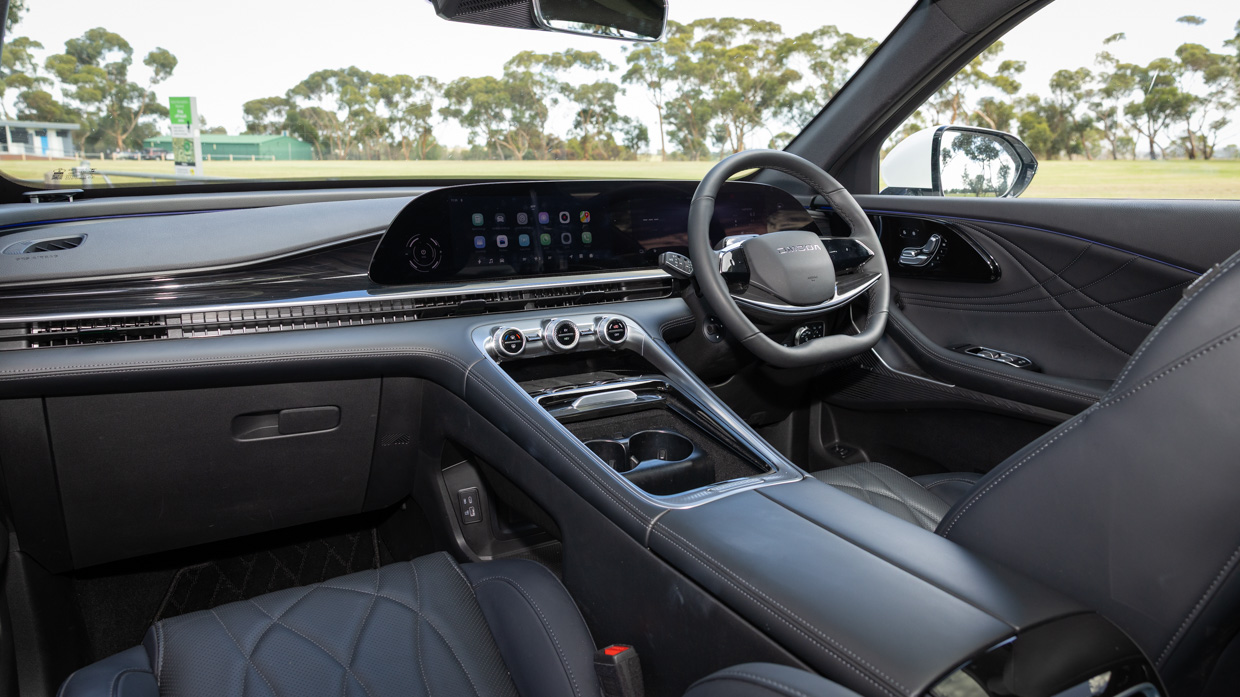
The interior is underwhelming at first glance. It’s very ‘Chery-like’, but this is a considerably more expensive vehicle than most Cherys and nothing really stands out in terms of unique design. Perhaps the build quality feels a bit more solid, but that’s about it.
Digging a little deeper, and it’s amazing to see the range of features on offer: power steering wheel column adjustment, headrest-mounted speakers, and even perfume. All very plush, but more impressive is the ample storage space in the front row, with deep storage pockets under the arm, glove box and the carved out centre tunnel.
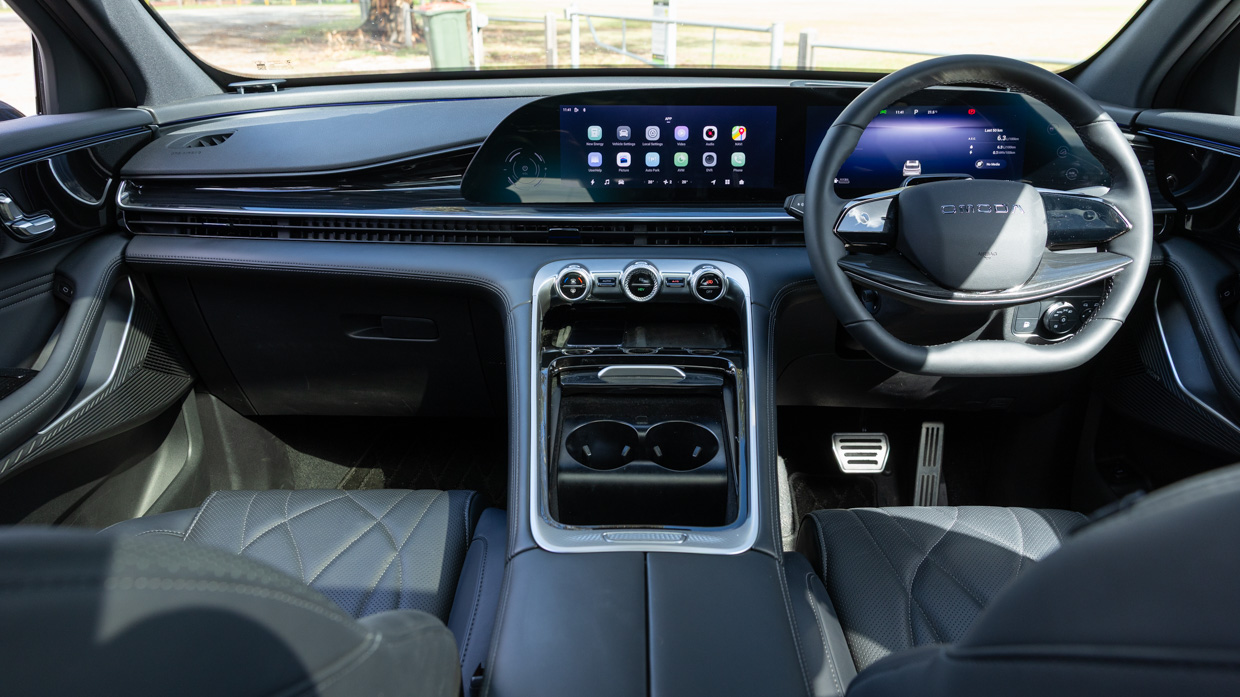
The 12.3-inch multimedia screen is a bit dim and frustrating to use, but it’s at least paired with some physical dials for most climate control functions that flare out like the back end of a jet fighter’s afterburners.
Row two is where we see the true value of the 2800mm wheelbase, a space able to swallow a set of child seats without any intrusion for the front row – it’s a good sign so far. By the time I’ve thrown a pram into the 660L boot with room to spare, the Omoda 9 was starting to grow on me.
And as news channels rolled out footage of war heating up in the Middle East and skyrocketing petrol prices following suit, perhaps this Omoda 9 – with the ability to run on both fuel and electric power – is exactly the right car to be in.
About Chasing cars
Chasing Cars reviews are 100% independent.
Because we are powered by Budget Direct Insurance, we don’t receive advertising or sales revenue from car manufacturers.
We’re truly independent – giving you Australia’s best car reviews.
The estimate provided does not take into account your personal circumstances but is intended to give a general indication of the cost of insurance, in order to obtain a complete quote, please visit www.budgetdirect.com.au. Estimate includes 15%^ online discount.
^Conditions Apply
Budget Direct Insurance arranged by Auto & General Services Pty Ltd ACN 003 617 909(AGS) AFSL 241 411, for and on behalf of the insurer, Auto & General Insurance Company Limited(ABN 42 111 586 353, AFSL 285 571).Because we don’t know your financial needs, we can’t advise you if this insurance will suit you. You should consider your needs and the Product Disclosure Statement before making a decision to buy insurance. Terms and conditions apply.
Indicative quote based on assumptions including postcode , 40 year old male with no offences, licence suspensions or claims in the last 5 years, a NCD Rating 1 and no younger drivers listed. White car, driven up to 10,000kms a year, unfinanced, with no modifications, factory options and/or non-standard accessories, private use only and garaged at night.
^Online Discounts Terms & Conditions
1. Discounts apply to the premium paid for a new Budget Direct Gold Comprehensive Car Insurance, Third Party Property Only or Third Party Property, Fire & Theft Insurance policy initiated online on or after 29 March 2017. Discounts do not apply to optional Roadside Assistance.
2. Discounts do not apply to any renewal offer of insurance.
3. Discounts only apply to the insurance portion of the premium. Discounts are applied before government charges, taxes, levies and fees, including instalment processing fees (as applicable). The full extent of discounts may therefore be impacted.
4. We reserve the right to change the offer without notice.