Powered by

-
Car Reviews
Latest reviews
- Car News
-
Car Comparisons
Latest comparisons
- Chasing Deals
Latest reviews
Latest comparisons

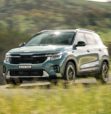
Second-generation small SUV grows in size and goes all hybrid, though the all-new model doesn’t fall far from the familiar Seltos tree
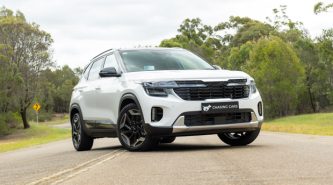
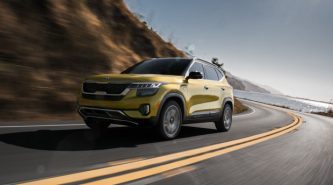
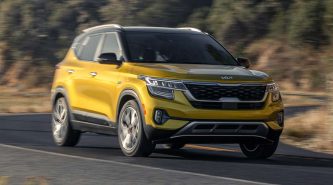
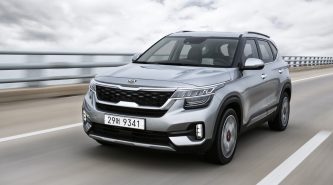
When the first-generation Seltos launched in late 2019 it neatly filled a gap in Kia’s Australian line-up. Smaller than the Sportage and above Kia’s small hatches, its boxy proportions delivered lots of space in a small, affordable SUV package.
And yet, sales never took off. There were two clear issues: for a start, it was only built in one South Korean factory, limiting production. So even if Aussies wanted more, they couldn’t have them. And there was also no hybrid powertrain choice.
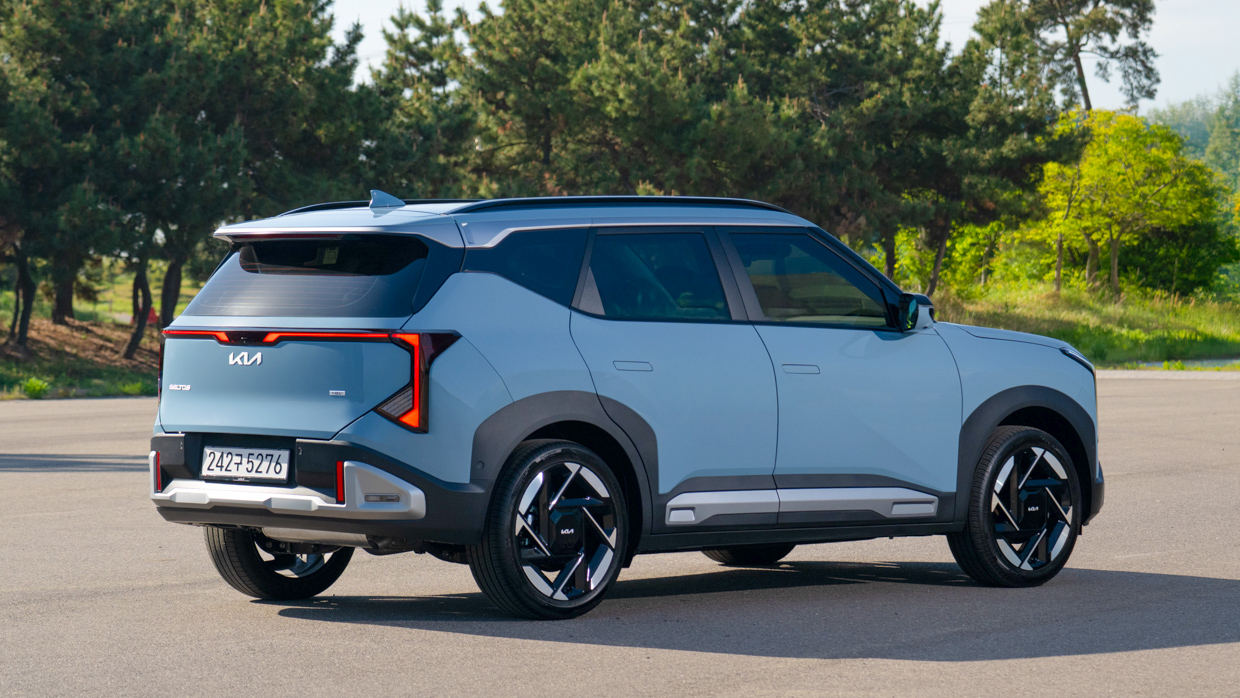
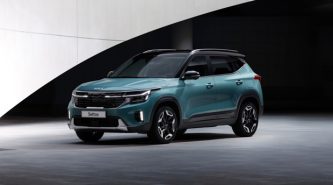
These problems are fixed in the second-gen Seltos ‘SP3’, which will arrive in Australia in October with a hybrid-only line-up (offering front- and all-wheel drive options) along with freer supply, thanks to a new facility opening its doors for production.
The Seltos will also be going to Europe for the first time, where it will continue to offer atmo petrol and turbo 1.6-litre options. Other markets also get the inclusion of vehicle-to-load (V2L) with a three-pin socket to power camp sites and appliances, though this won’t arrive in Australia due to the feature adding too much complication to the line-up.
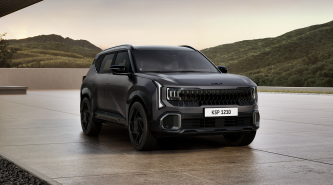
Speaking of limited choice, the Australian colour palette is likely to be tame, with Magma Red and Dark Gun Metal matte paints along with Iceberg Green and Frost Blue not coming from the Aussie-market factory.
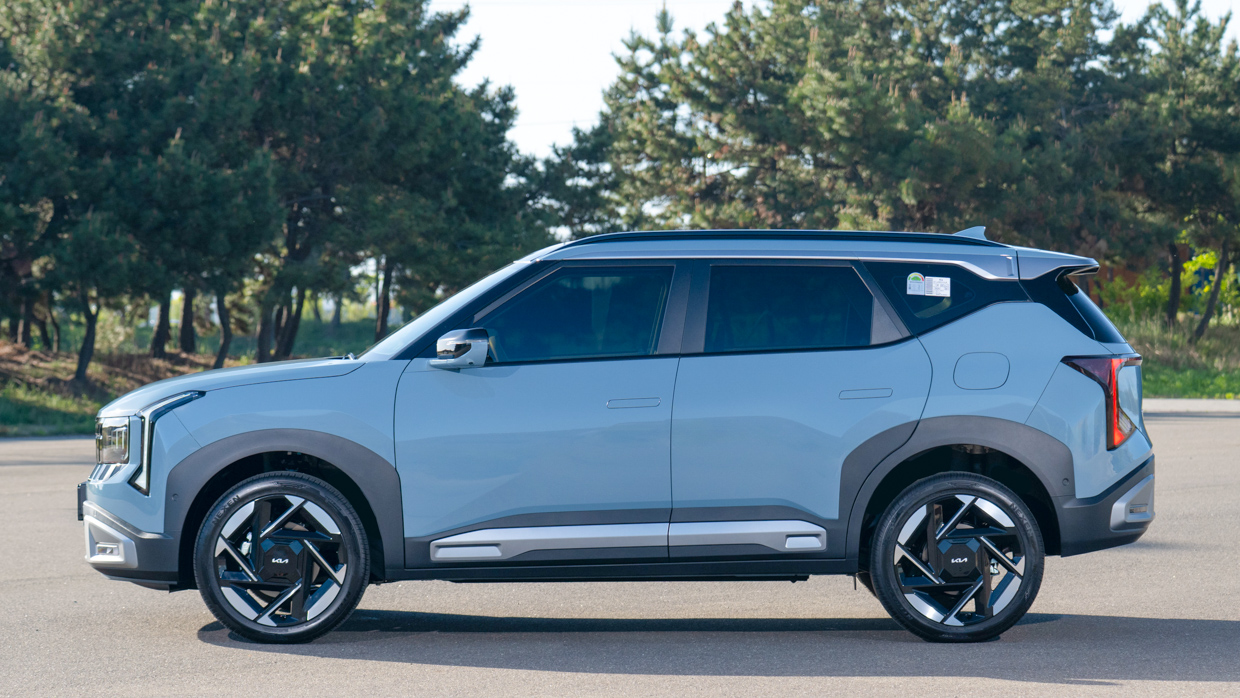
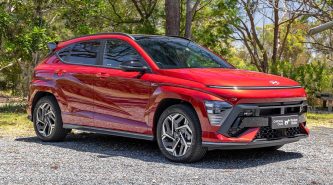
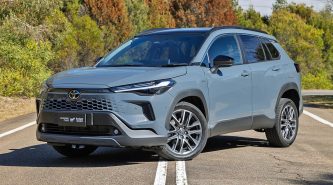
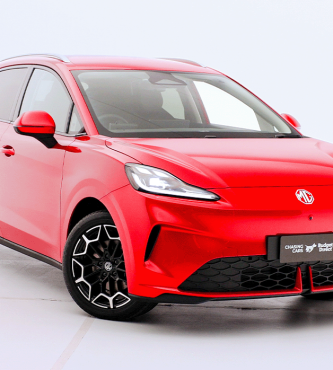
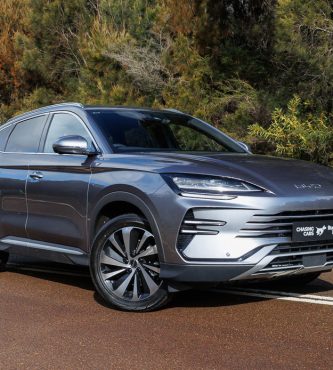
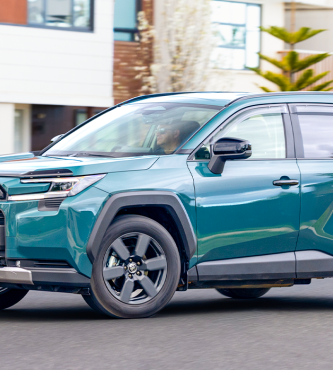
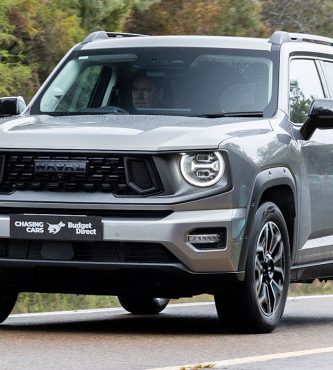
Still, and far in a way more important to sales of a car than colour, we’re promised pricing will be competitive with the Hyundai Kona and Toyota Corolla Cross hybrids. Our guess is the Seltos won’t trouble the Chery Tiggo 4 or Haval Jolion, moving up from its current circa-$32,000 base price to around $37,000 before on-road costs.
We also now know that the Seltos is likely to come in four carryover trim levels: S, Sport, Sport+ and flagship GT-Line, with a panoramic sunroof at the upper end and 360-degree camera potentially as low down as the Sport grade.
We’ll start by laying the Seltos foundation. Although nothing special, the outgoing car was well-judged, plenty comfortable yet with pleasingly fluid dynamics and, at the end of its life, a selection of powertrains that was either punchy (AWD turbo) or adequate (FWD petrol).
The new car sits on Kia’s K3 platform, similar to what underpins the K4 hatchback and Hyundai Kona. Suspension is struts at the front and multi-link independent at the back.
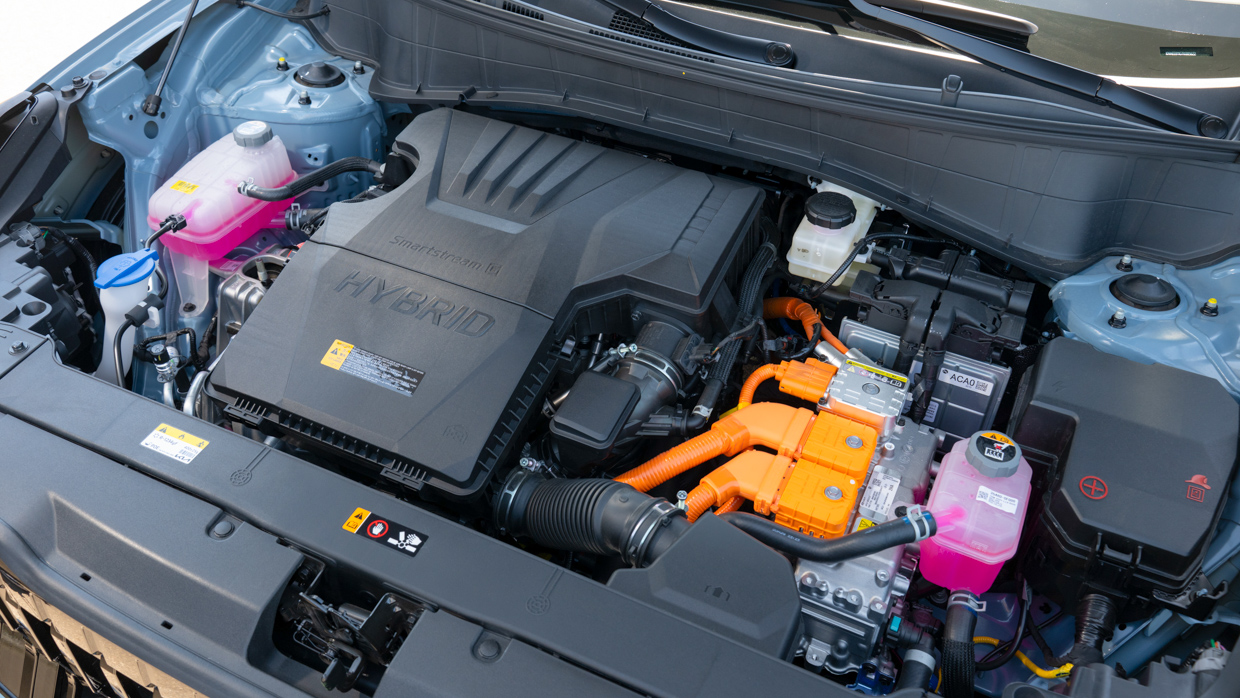
The Seltos gets a new, non-turbo 1.6-litre petrol engine allied with a single motor for front drive, or a pair of traction motors for the e-AWD version.
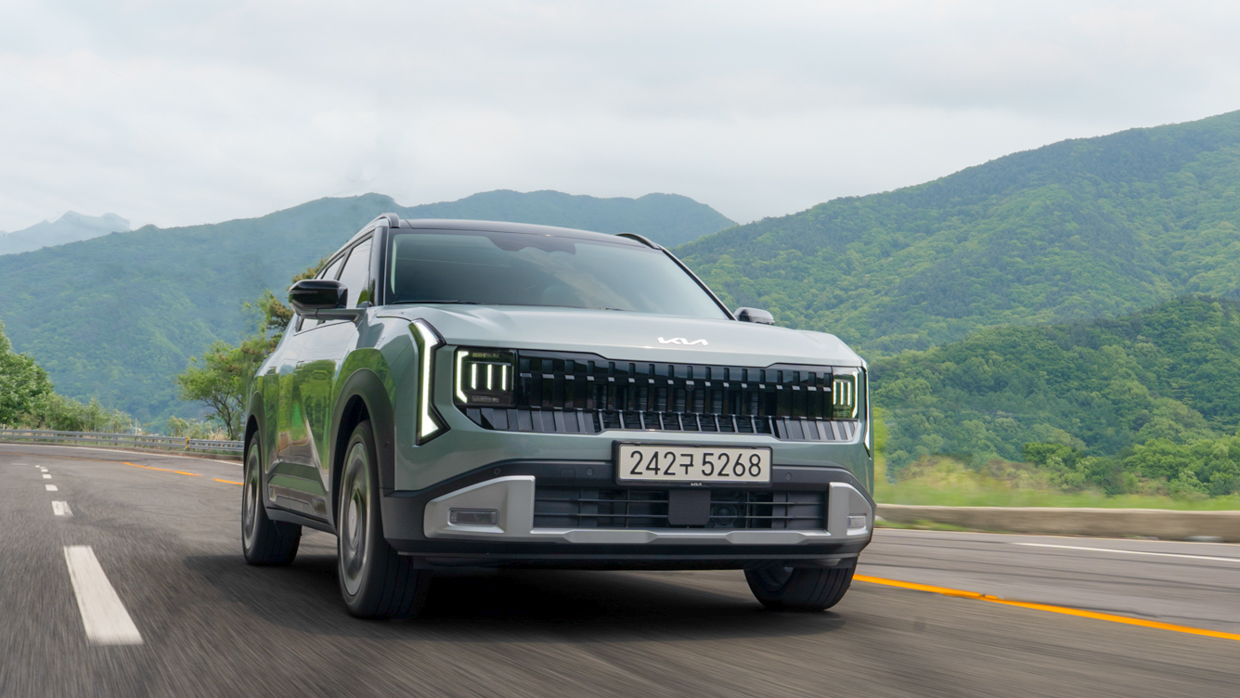
We only sampled the front-wheel-drive hybrid during our first drive of the new Seltos in South Korea, where we set off from Seoul and headed through the countryside to Gwangju.
First impressions are positive. The Seltos comes to life quietly in EV mode, then you can trundle around on battery power reliably up to about 30km/h and, if delicate, reach 50km/h before the four-cylinder subtly fires up.
Our test car only had two drive modes: Eco and Sport. In Eco, the Seltos respond gently to the accelerator for smooth progress. The brake pedal feel was firm making it easy to manoeuvre smoothly. It’s quiet, too.
Sport mode wakes the engine up and sharpens the responses, which feels good until you go further than half throttle and realise the Seltos is already giving all it’s got — especially beyond 100km/h. With provisional outputs of 113kW and 265Nm it should be a little quicker than the Kona, but not much.
We’ve had plenty of experience with Kia’s hybrid systems and they’ve always impressed. Without a Toyota-style eCVT and instead plied through a six-speed dual-clutch automatic, the sound and feeling of the drive is more natural for those coming from an ICE car.
While fuel economy ratings for hybrid models are not yet available, our lengthy overseas road test of the new Seltos hybrid revealed efficiency competitive with a Toyota Corolla Cross hybrid. Over a mix of urban, suburban and rural routes we saw 4.9L/100km on the trip computer. This climbed to 5.1L/100km with some more 110km/h motorway running.
All-wheel-drive versions use a unique configuration for Kia, ditching the tailshaft and relying on a separate e-motor to motivate the rear axle, more like a Toyota system. Power jumps to a healthier 133kW but that’s still short on the outgoing generation’s 146kW 1.6-litre turbo AWD.
As a general rule, Korean roads are smoother and speeds are slower than Australia, meaning it’s hard to get a feel for ride and handling. Plus, respective market tastes are very different.
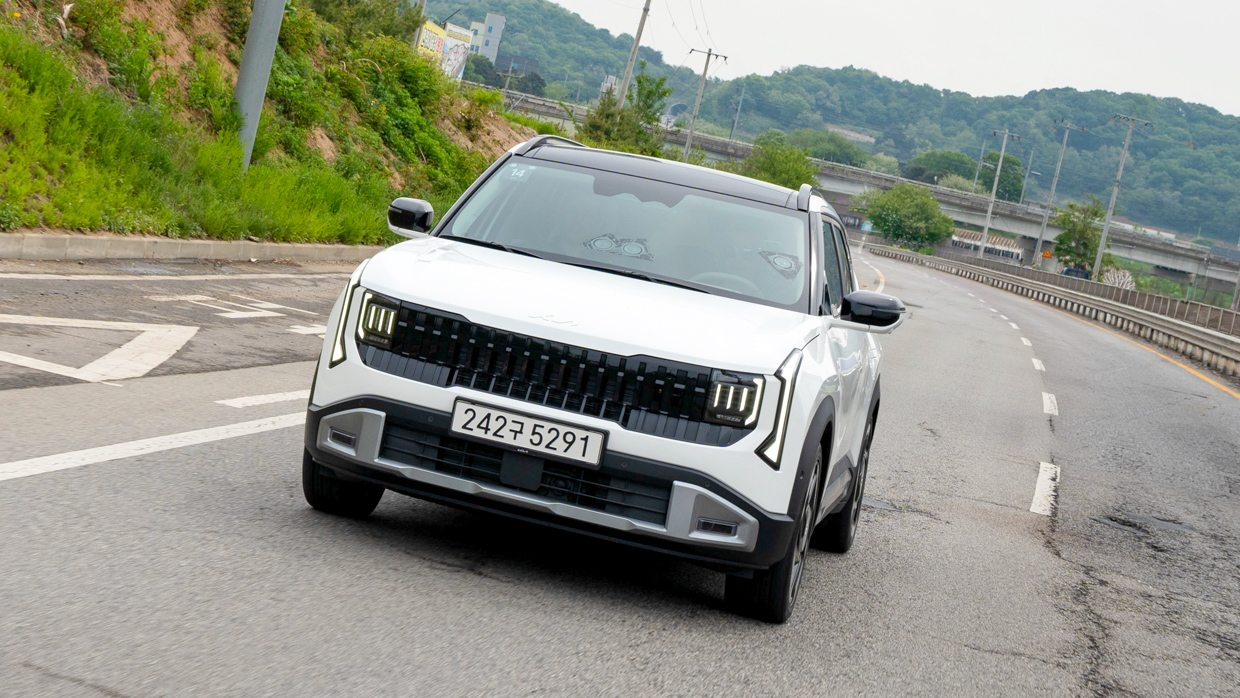
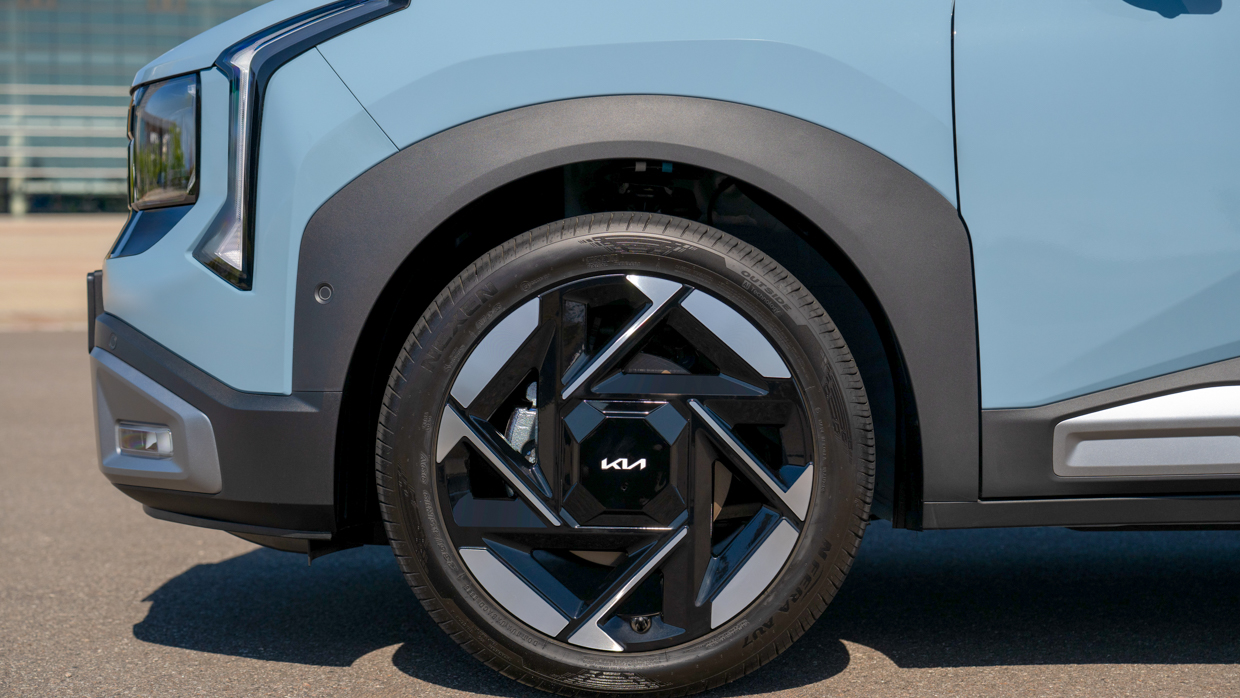
So while the Korean-market Seltos lacks body control at the rear and is generally too soft, we also noticed the 19-inch alloys on the X-Line and GT-Line trims thumped over square-edged bumps.
However, the handling shows promise, adopting a neutral stance through corners with a firm steering feel. Pushing harder the Seltos hung on and rotated nicely through the mid-corner, despite plenty of body roll.
Aussie cars will get a bespoke chassis tune, which is currently being signed off. Firmer damping, stiffer springs and a new steering tune will be applied before Seltos goes on sale locally. Let’s hope similar changes come to Kia’s current annoying and overbearing driver-assistance features that need to be disabled every time you start the car.
In fact, the first-gen Seltos facelift was the first Kia to arrive in Australia with the constantly-bonging intelligent speed limit assist and on the media launch each car carried a laminated sheet with instructions on how to silence the beeps!
The cars we drove in Korea seemed to keep all the aids how the driver liked after the key cycle, so we hold out hope there’s a permanent, customisable solution coming soon.
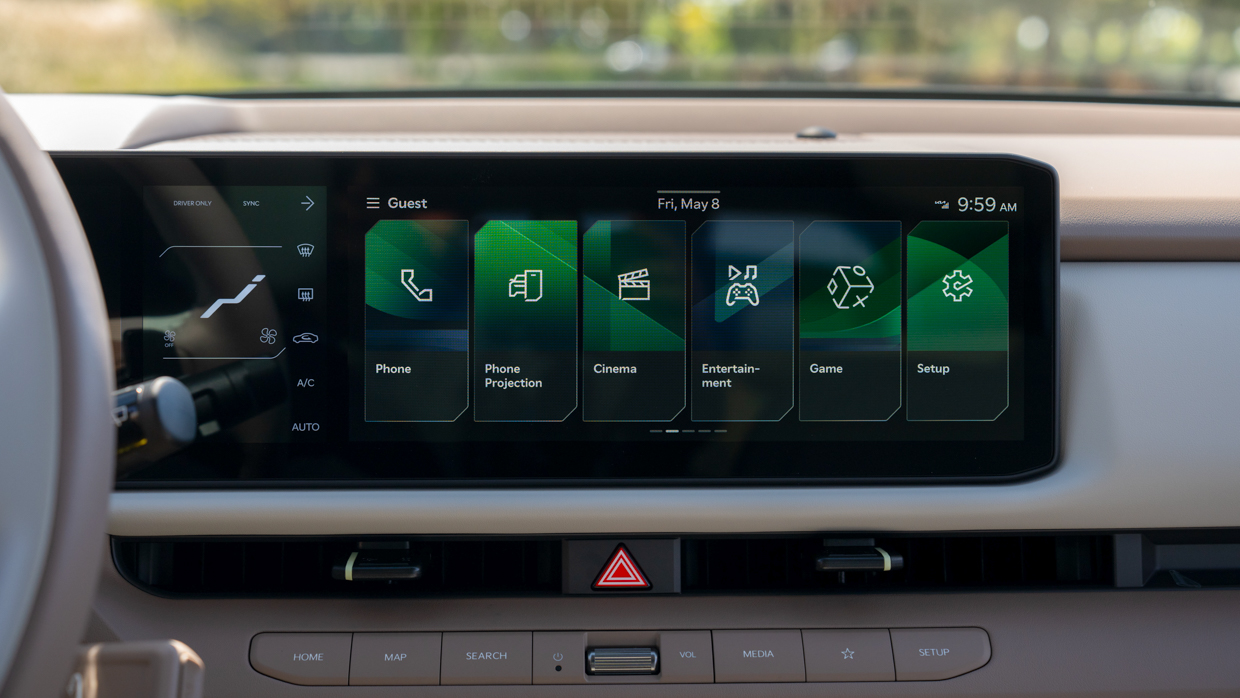
The Seltos is one of the last models in Kia’s line-up for a refresh and it feels overdue. Inside, the cabin adopts design language from its electric EV3 sibling, including the twin 12.3-inch screens, 5.0-inch HVAC control panel, physical switches for fan speed and temperature and a fetching three-spoke steering wheel.
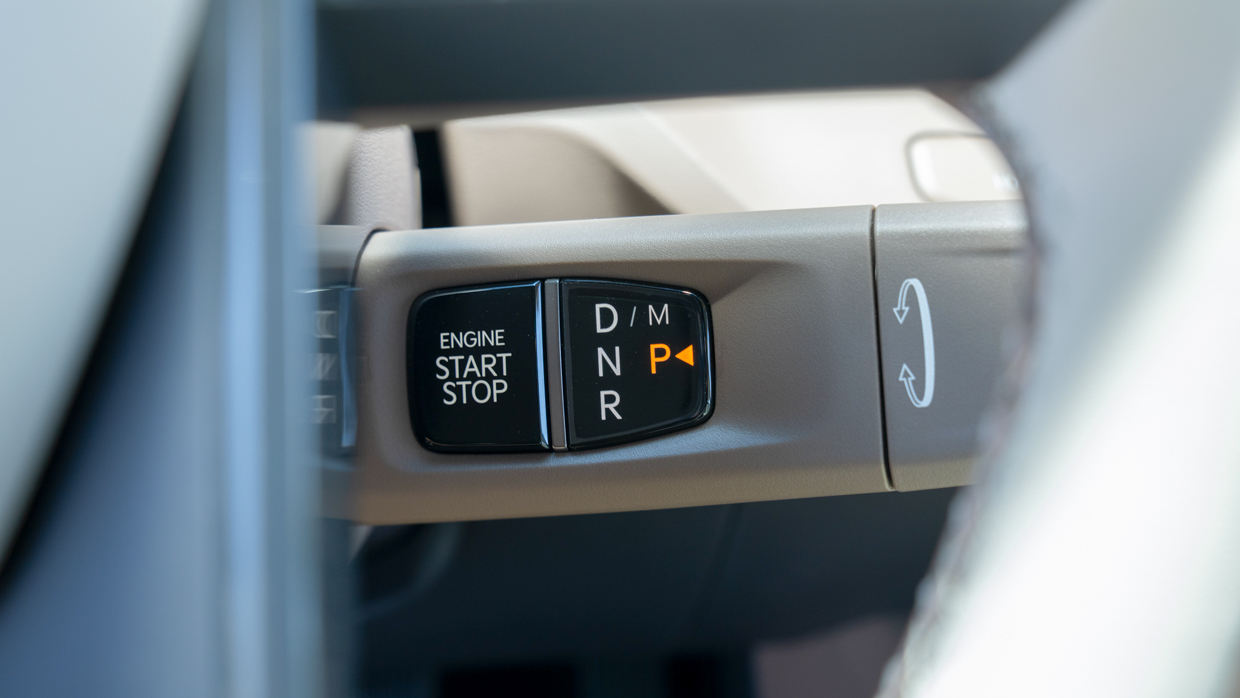
It’s easy to switch between Eco and Sport drive modes with a button on the steering wheel. There are also physical buttons to jump from map view to the multimedia system’s home screen and audio modes.
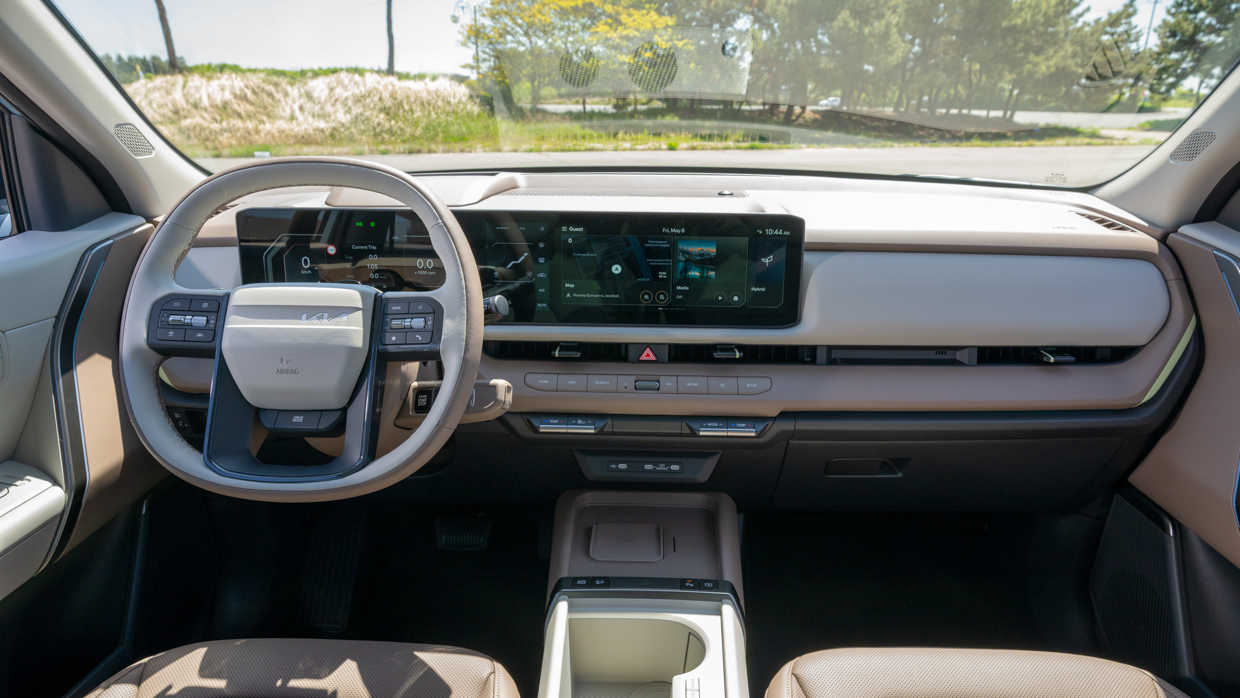
The Seltos is more connected than ever and, globally at least, supports ChatGPT voice integration, navigation with live traffic, over-the-air updates, fully digital key, Netflix and Disney video streaming along with wireless Apple CarPlay and Android Auto.
Build quality was sturdy in the left-hand-drive cars we experienced with Kia’s now-signature squishy plastics in quite an array of colours. Most of them use recycled materials in their make-up, adding to Seltos’s sustainability cred.
Storage improves with a new centre console design set a little higher with pop-out cup holders, spacious door pockets, wireless charging pad and covered storage under a squishy central armrest.
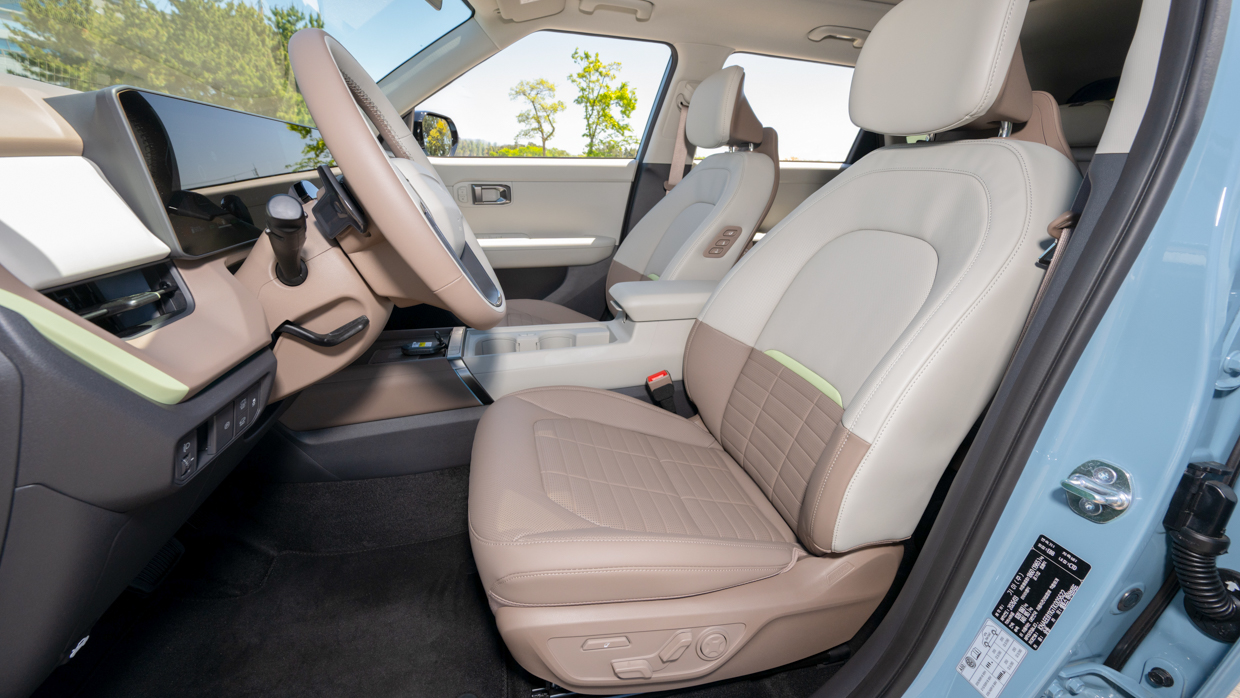
The seats are comfortable, supportive and in up-spec variants offer power adjustment, two-position memory, heating and ventilation.
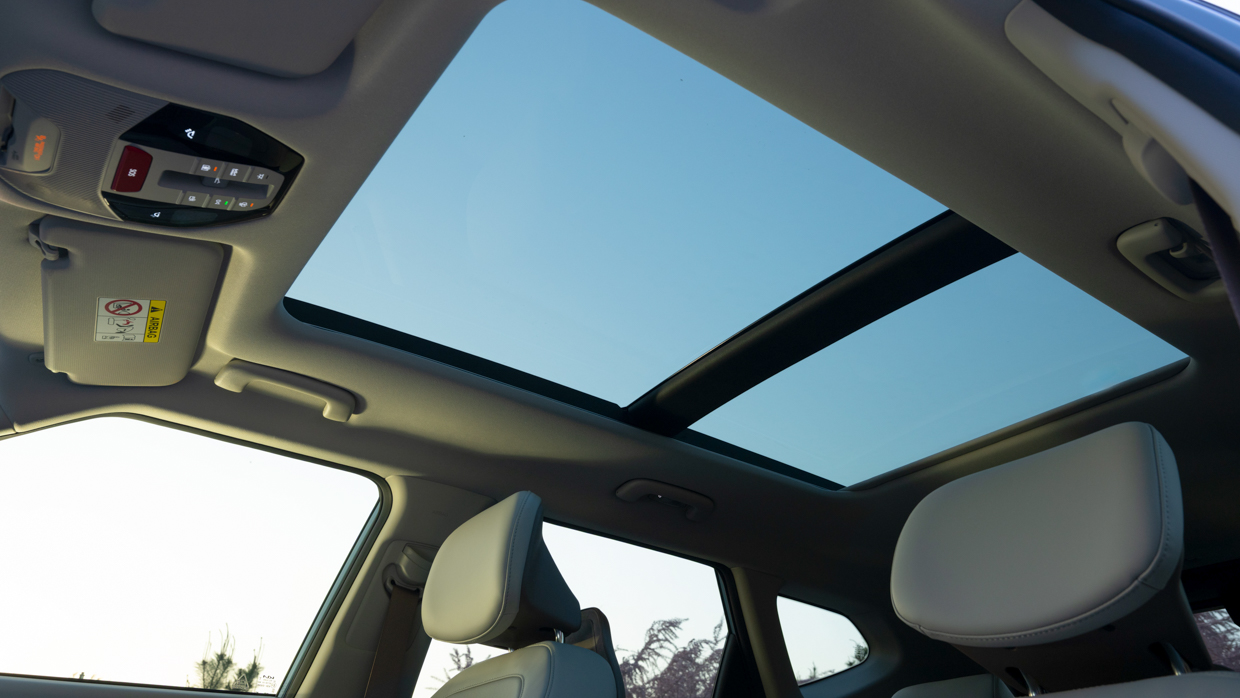
For the first time the Seltos offers a full-length sunroof in which the front panel opens for an airier cabin vibe.
Upholstery colours and trims are yet to be confirmed. Kia offers some jazzy colours globally, including a lime accented-beige and brown combo. Aussie cars are expected to lean heavily into dark grey/black combinations.
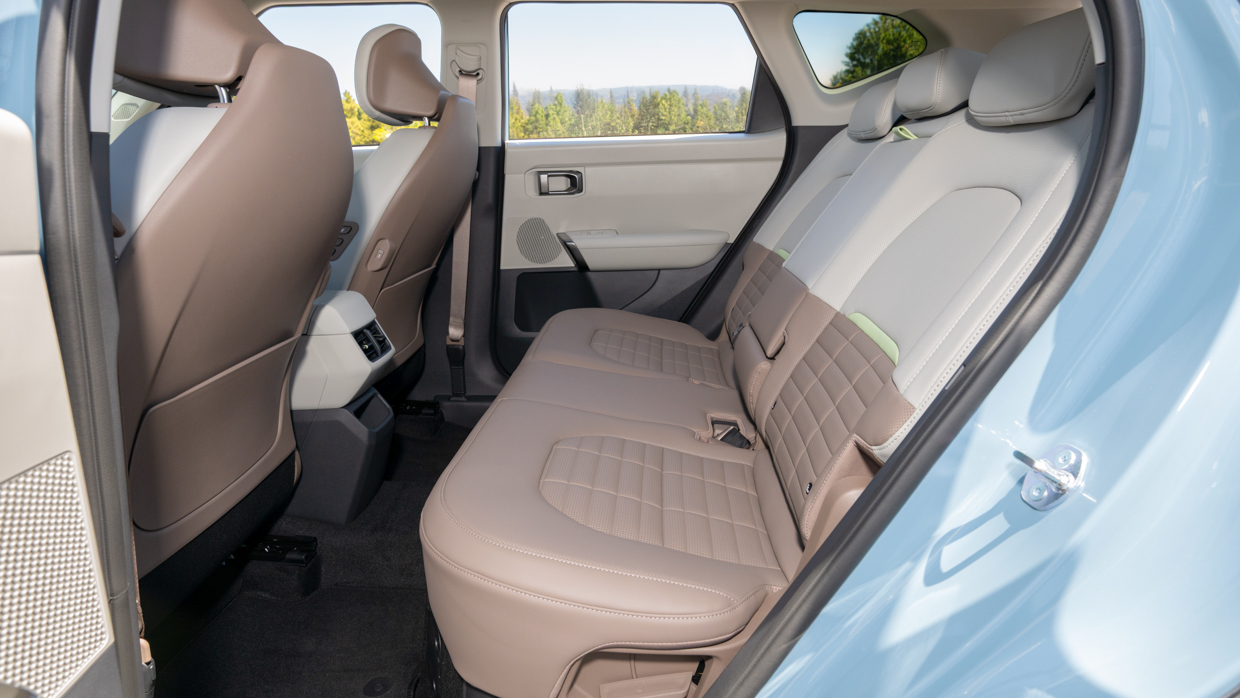
The back seat is where the Seltos really moves on. With increased legroom by 25mm and plenty of glass around, this is a truly family-friendly little SUV. It brings more interior space than the outgoing Mazda CX-5, with doors that open nice and wide.
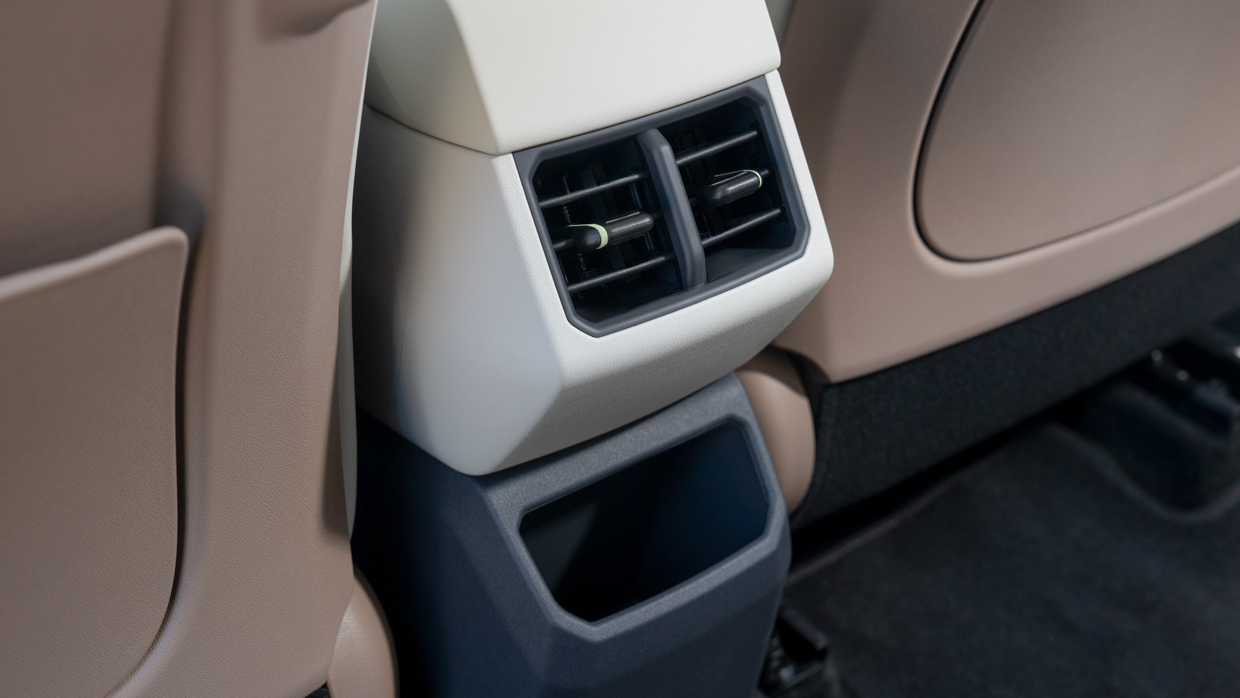
As for amenities, some trims include heated outboard seats, there’s a pull-down armrest with two cup holders, USB-C charge points and door bins.
The boot swells for new-generation Seltos to 483 litres (up from 433L), which is very competitive in the small SUV space against the Hyundai Kona (407L) and Toyota Corolla Cross (425L) — the Kia even punches at medium options including the new Mazda CX-5 (466L).
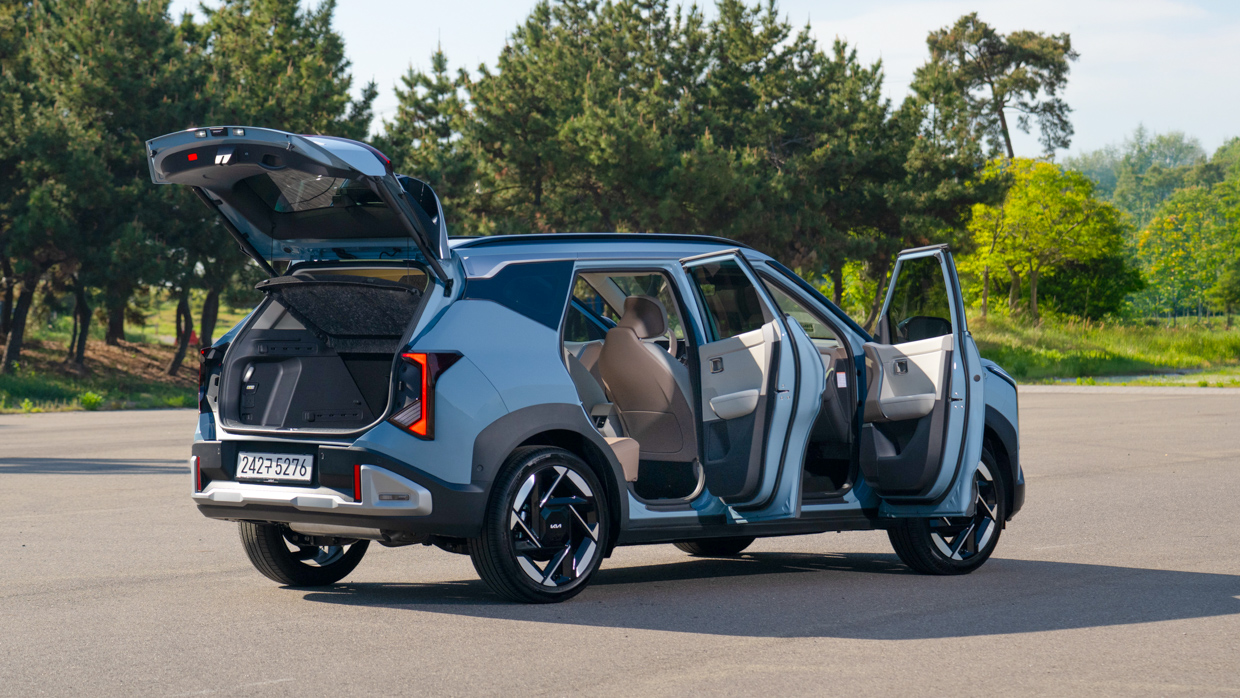
It’s more than size making the Seltos’s boot good, with movable clip-in shopping back hooks, sturdy cargo cover and 60:40 split fold.
Front-wheel-drive Seltos variants will carry a space-saver spare tyre in Australia while AWD grades get a tyre mobility kit.
We appreciate the improved interior presentation and greater space of the new Seltos, which is definitely an improvement over its predecessor. There are questions left to answer, though, including the all-important pricing but also how Aussie-tuned cars will drive.
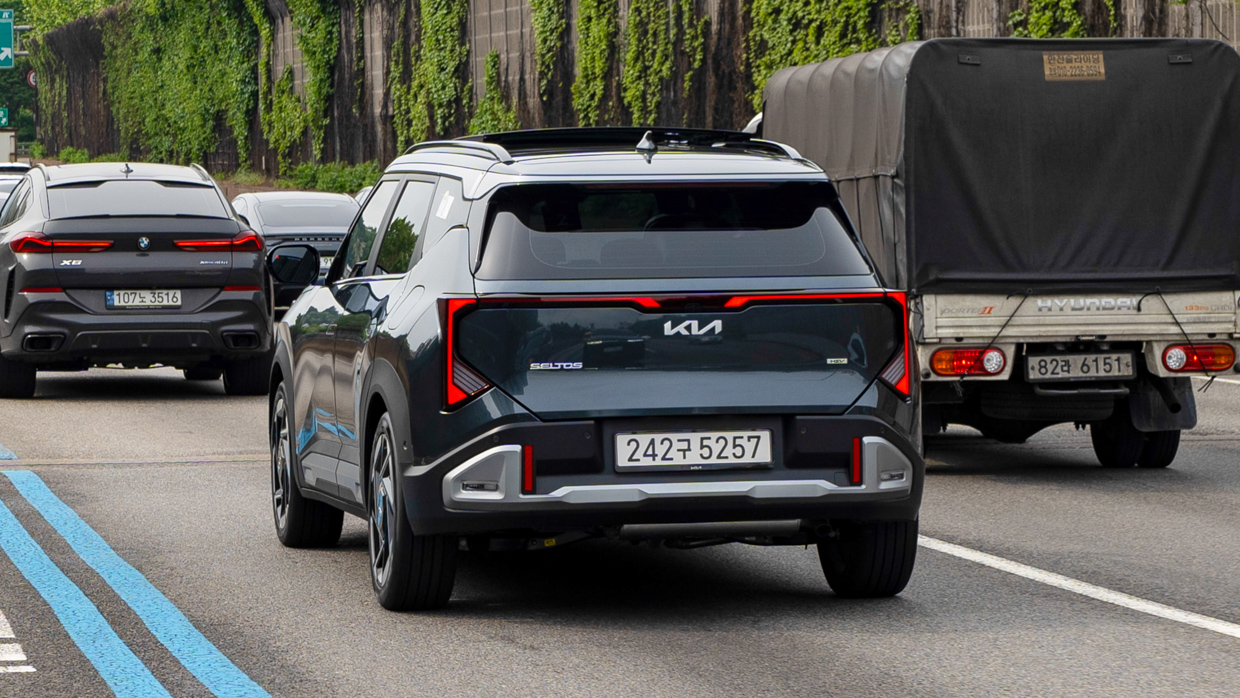
The other thing Seltos may struggle with is cut through. It isn’t marketed as an off-road capable car like a Subaru Crosstrek and doesn’t pack V2L or any real party tricks to separate it within a crowded segment.
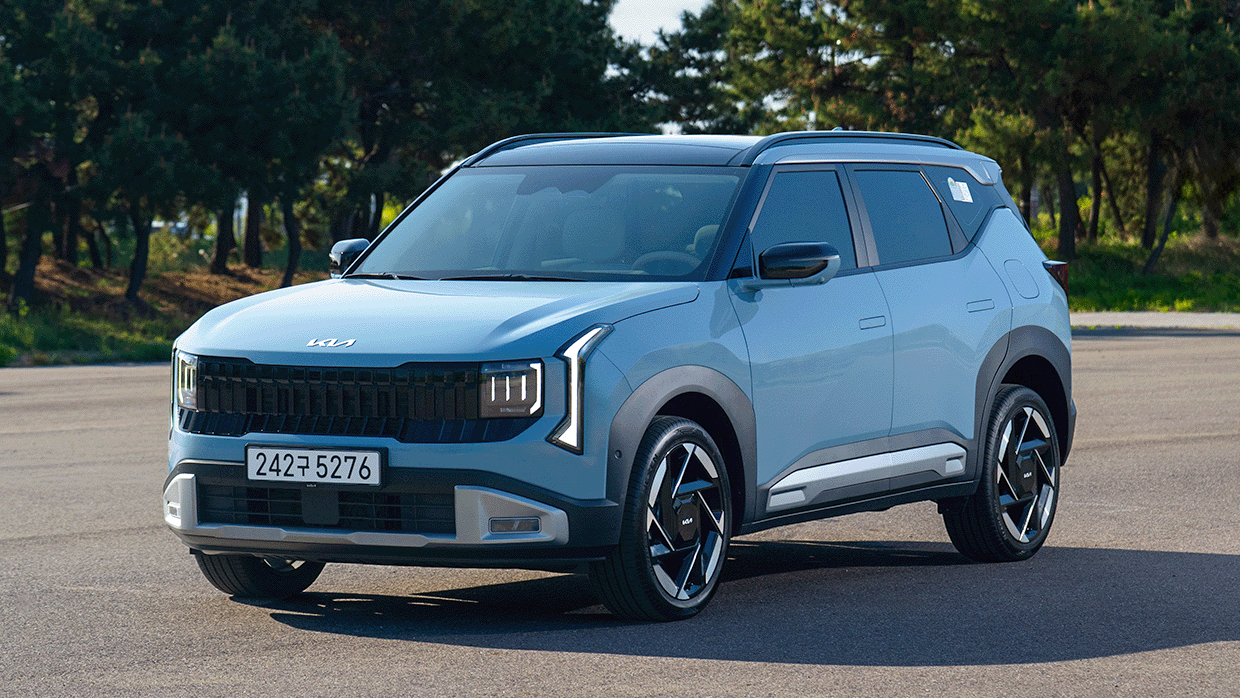
With more production and a hybrid system finally onboard, it’s certain more people across the world will get to experience the Seltos. And that’s a good thing, because this is a cleverly-packaged, smooth-to-drive little SUV.
About Chasing cars
Chasing Cars reviews are 100% independent.
Because we are powered by Budget Direct Insurance, we don’t receive advertising or sales revenue from car manufacturers.
We’re truly independent – giving you Australia’s best car reviews.
The estimate provided does not take into account your personal circumstances but is intended to give a general indication of the cost of insurance, in order to obtain a complete quote, please visit www.budgetdirect.com.au. Estimate includes 15%^ online discount.
^Conditions Apply
Budget Direct Insurance arranged by Auto & General Services Pty Ltd ACN 003 617 909(AGS) AFSL 241 411, for and on behalf of the insurer, Auto & General Insurance Company Limited(ABN 42 111 586 353, AFSL 285 571).Because we don’t know your financial needs, we can’t advise you if this insurance will suit you. You should consider your needs and the Product Disclosure Statement before making a decision to buy insurance. Terms and conditions apply.
Indicative quote based on assumptions including postcode , 40 year old male with no offences, licence suspensions or claims in the last 5 years, a NCD Rating 1 and no younger drivers listed. White car, driven up to 10,000kms a year, unfinanced, with no modifications, factory options and/or non-standard accessories, private use only and garaged at night.
^Online Discounts Terms & Conditions
1. Discounts apply to the premium paid for a new Budget Direct Gold Comprehensive Car Insurance, Third Party Property Only or Third Party Property, Fire & Theft Insurance policy initiated online on or after 29 March 2017. Discounts do not apply to optional Roadside Assistance.
2. Discounts do not apply to any renewal offer of insurance.
3. Discounts only apply to the insurance portion of the premium. Discounts are applied before government charges, taxes, levies and fees, including instalment processing fees (as applicable). The full extent of discounts may therefore be impacted.
4. We reserve the right to change the offer without notice.