Powered by
-
Car Reviews
Latest reviews
-
Car News
Latest news
-
Car Comparisons
Latest comparisons
- Chasing Deals
Latest reviews
Latest news
Latest comparisons
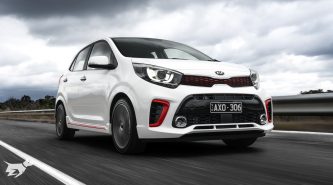
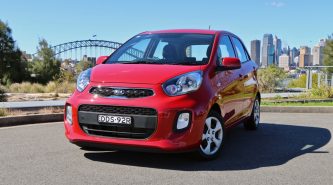
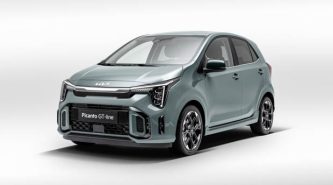
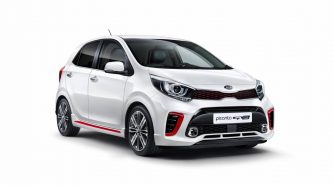
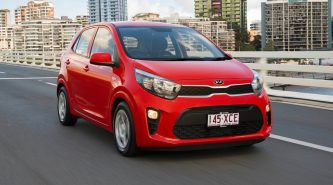
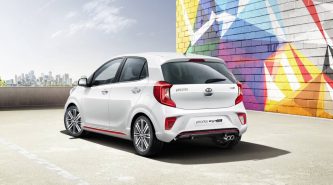
Updates to Picanto hinted to by Kia Exec, while an electric option is also being studied to sit below the EV3
Don’t worry, Australia’s cheapest car isn’t going anywhere… Yet.
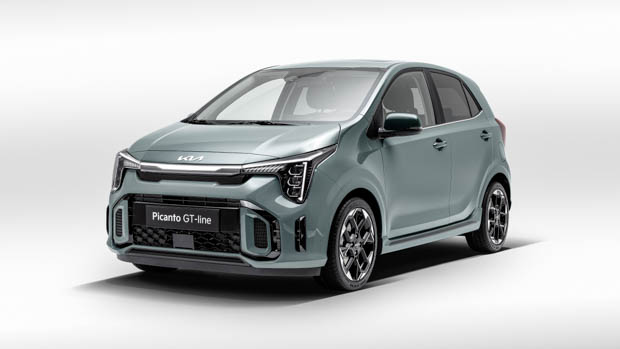
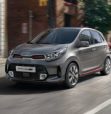
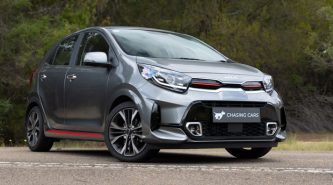
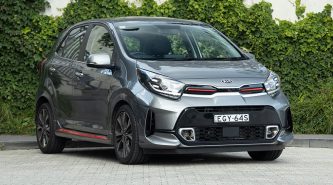
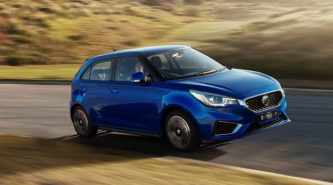
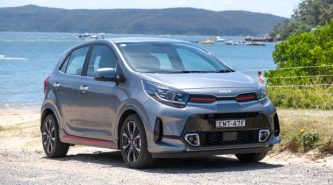
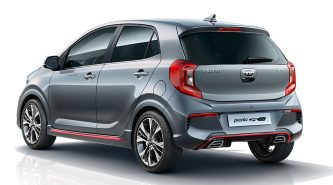
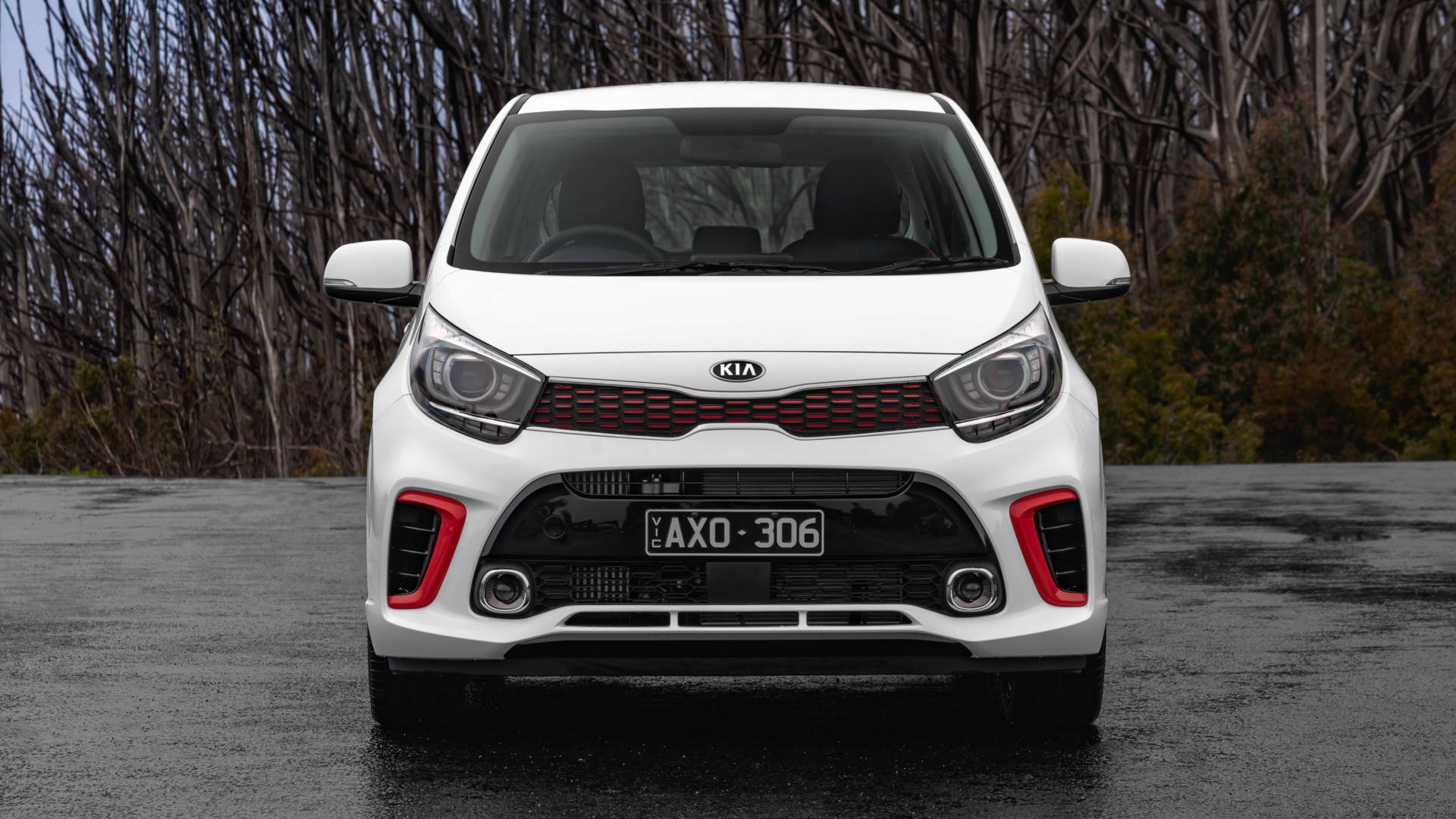
Now nine years and two facelifts old, the $19,190 Picanto Sport (before on-road costs) sits as Kia’s entrypoint for buyers, though it is becoming less competitive against new electric, hybrid and combustion rivals like the BYD Atto 1, MG3 and Suzuki Swift.
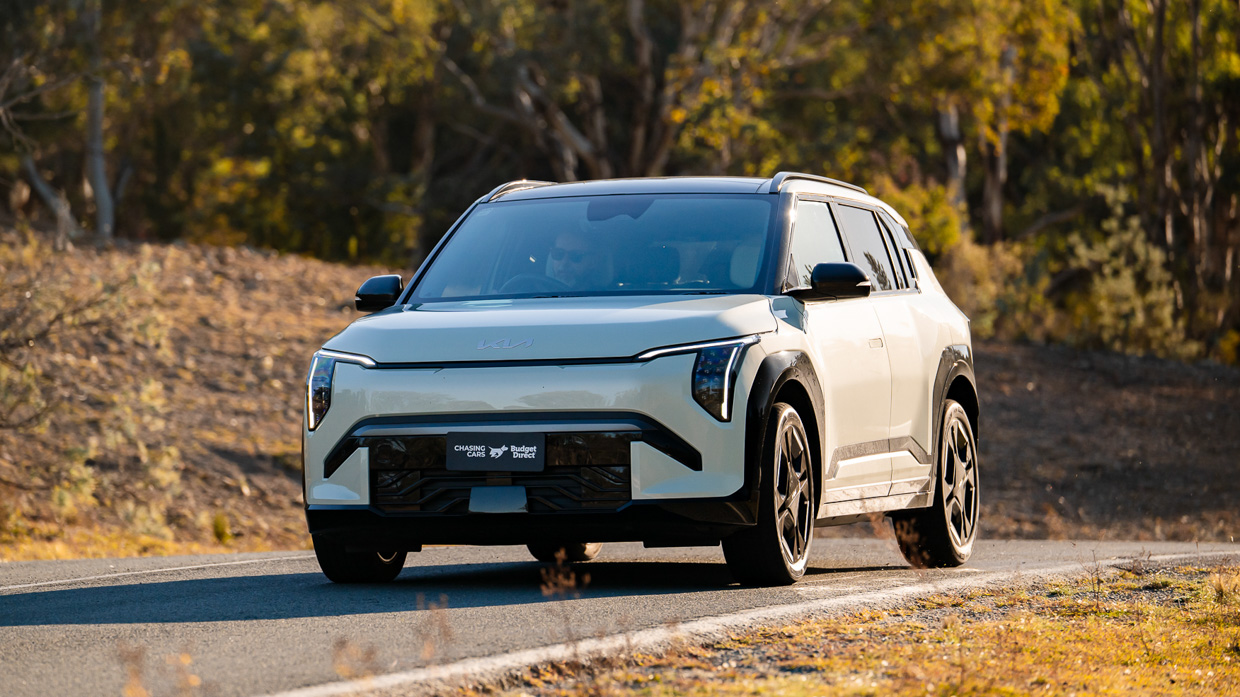
One option Kia is keen to explore is a cut-price electric vehicle to position below the EV3. This vehicle could fill a multi-faceted role which rivals a slew of competitive Chinese electric vehicles while also serving as a well-priced successor to the aging Picanto.
Speaking with Chasing Cars, General Manager Product Planning and Training, Roland Rivero, said while Picanto is an important model, its age is starting to show. “[the Picanto] remains an integral product for us… as an entry into the brand.”
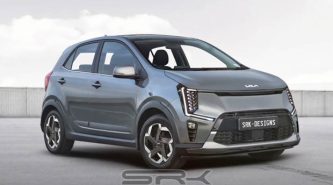
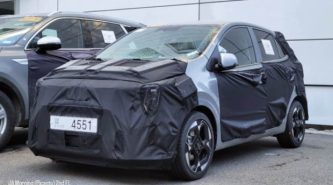
“It has had a facelift already – a PE [product enhancement] – and there might be another one coming down the track”, he said.
What that PE would include isn’t yet clear, though a revised ANCAP rating and enhanced powertrain – through means of an updated transmission or hybridisation – seem likely.
The Picanto has been unrated by independent safety body ANCAP since 2024 (it previously held a four-star rating), and, despite its small stature, skirts the boundary of compliance with Australia’s Type 1 NVES emissions regulations, producing between 117g/km and 140g/km of CO2 to 2026’s 117g/km target.
Next year, that target will tighten to a limit of 92g/km.
Though details surrounding yet another facelift for the Picanto aren’t yet available, Kia told us that another car may be in the pipeline when questioned about tweaks to Picanto’s powertrain.
“[Electrification] maybe isn’t coming to the Picanto nameplate per se, but we are looking at other opportunities for an EV to sit below the EV3,” said Rivero.
That would mean an EV product smaller than 4300mm long with pricing below $46,990 drive-away, though implication suggests a product similar in size and price to the Picanto.
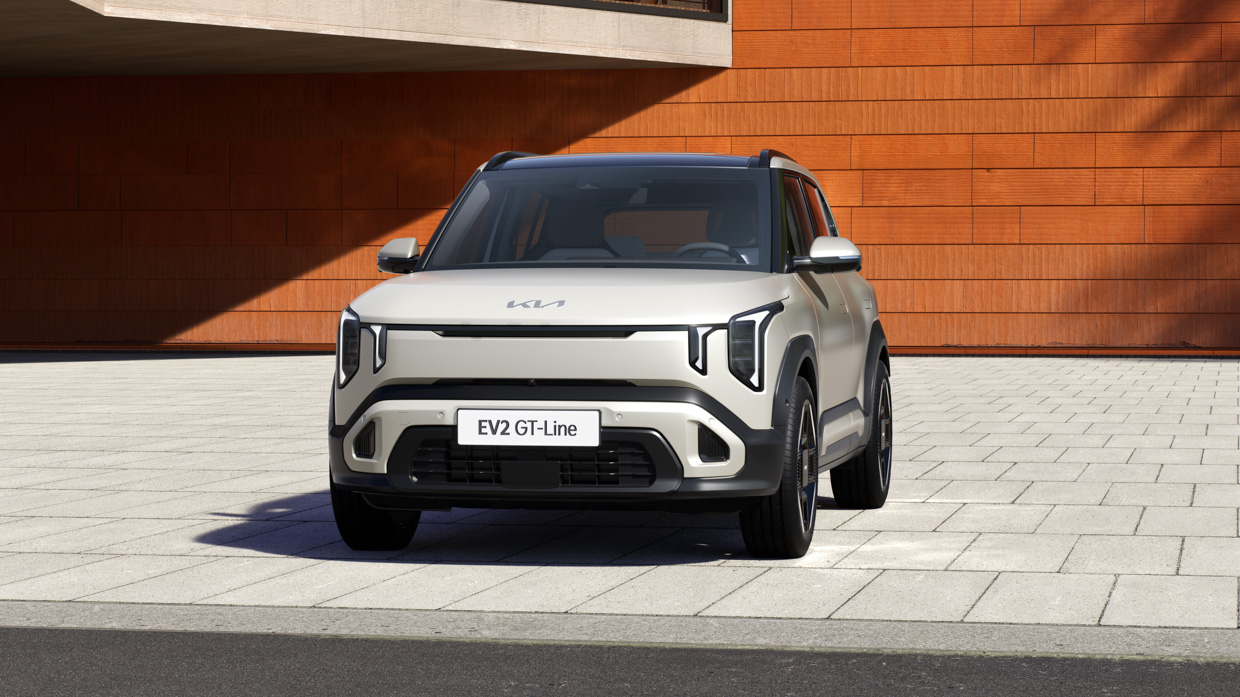
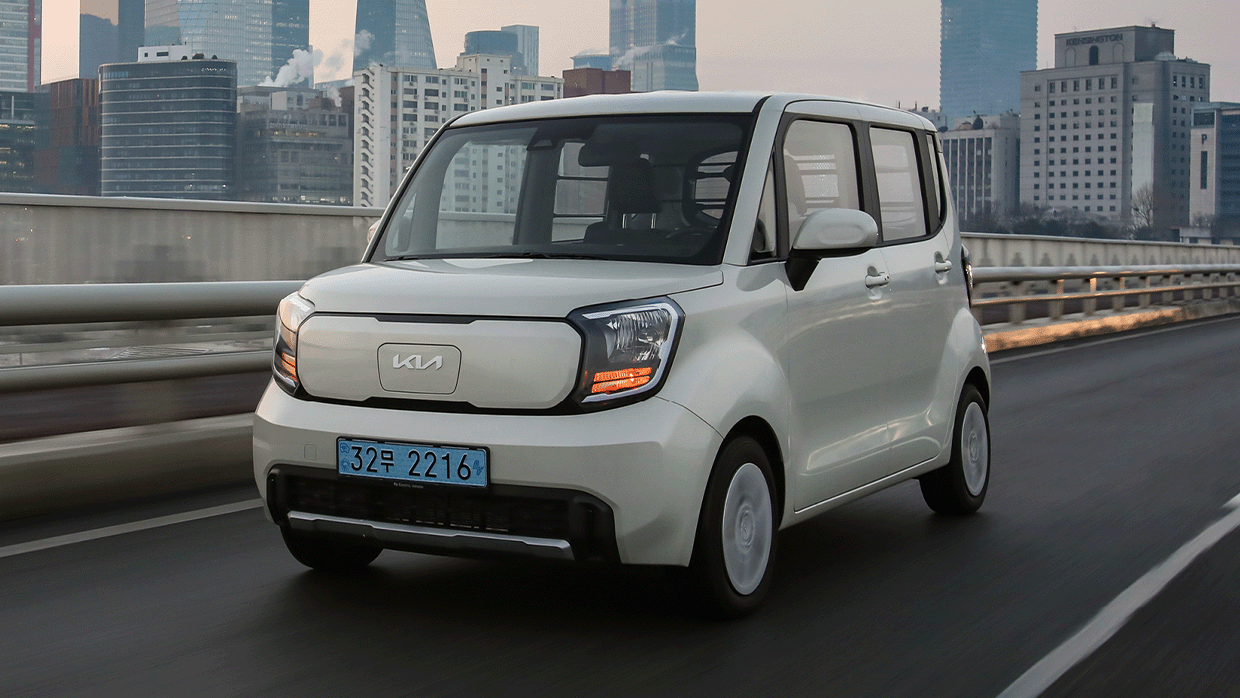
Looking at Kia’s global product offerings, two EVs immediately fill these requirements: Europe’s bespoke, Slovakia-assembled EV2 small SUV, and South Korea’s cute, cut price Ray EV.
The EV2 is Kia’s latest 400-Volt eGMP product to debut globally. Using either a 42.2kWh or 61kWh battery, the EV2’s range ratings are 317 or 453km, respectively, with 30-minute 10-80 percent charging.
As it stands, the EV2’s largest hurdles are its price, from GBP£27,990 (around $AUD 53,000) and manufacturing, which presently remains exclusively in Slovakia.
It has widely been reported that an “EV1” could sit below the EV2, though no concrete information is available regarding that nameplate.
The Ray, meanwhile, seems more appropriate. It’s built on a modular platform which supports petrol and electric powertrains, with the latter producing 64kW/147Nm. Paired with a 35kWh battery, it claims a modest 205km driving range and DC recharge time of 40 minutes.
Its size is more fitting, too, measuring 3595mm long, 1595mm wide, and 1710mm tall – an identical length to the current Picanto. Manufactured in South Korea, the Ray EV starts from $KRW27,750,000 (about $AUD 25,000).
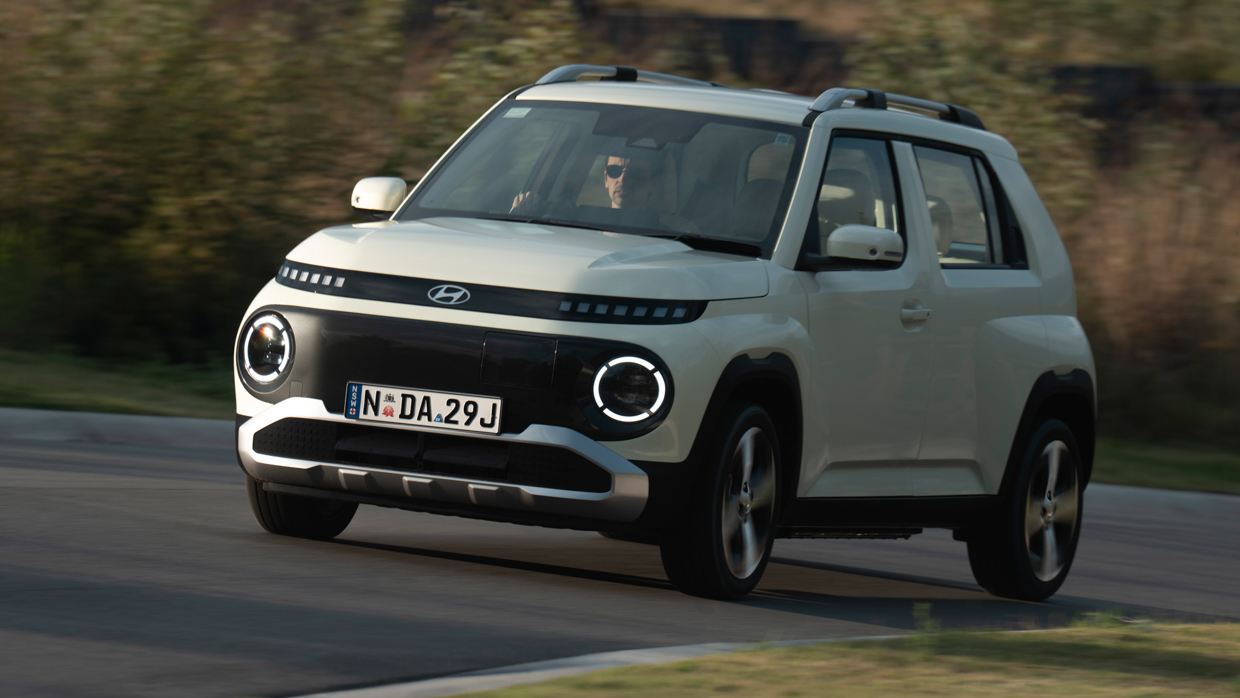
This would not be unprecedented sister-company Hyundai has introduced its city-size Inster EV to the Australian market.
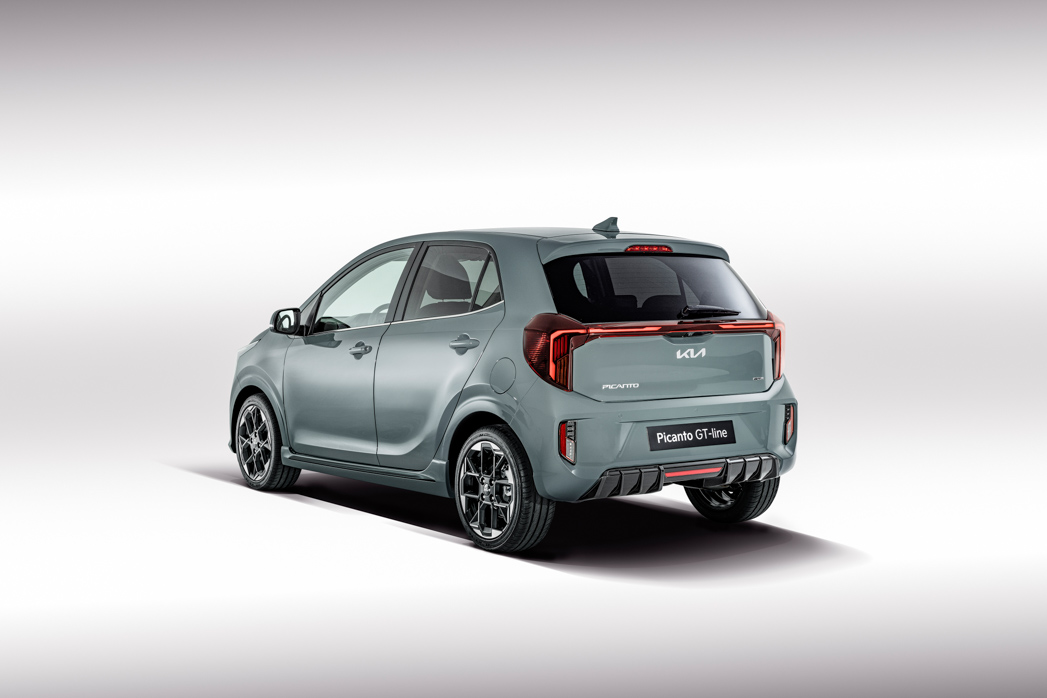
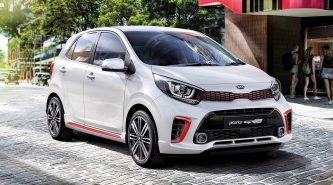
Kia has confirmed its dirt-cheap Picanto will prevail for 2027, featuring a consolidated model range which now consists of three familiar variants – the $19,190 before on-road costs Sport Manual, costlier $20,790 Sport Auto, and range-topping $ 22,590 GT-Line Auto.
What’s missing from an all-too-familiar model range is the $20,990 GT Manual, which, like Kia’s potent three-litre turbo engine, has been sidelined indefinitely. As before, all Picanto variants offer just one powertrain – a 1.2-litre NA four cylinder producing 62kW and 122Nm.
Latest news
About Chasing cars
Chasing Cars reviews are 100% independent.
Because we are powered by Budget Direct Insurance, we don’t receive advertising or sales revenue from car manufacturers.
We’re truly independent – giving you Australia’s best car reviews.