Powered by

-
Car Reviews
Latest reviews
-
Car News
Latest news
-
Car Comparisons
Latest comparisons
- Chasing Deals
Latest reviews
Latest news
Latest comparisons
The switch to a more advanced 800-volt platform has supercharged Polestar’s flagship SUV, while more standard features enhance its value proposition
Even before we split it into passenger car and SUV body styles, the Polestar 3 put up enough talent to convincingly take out Chasing Cars’ 2025 Luxury Car Of The Year award.
It was with that important providence that we approached the MY27 update for the Polestar 3, a moment when it jumps from a 400-volt platform to a more upmarket 800v system.
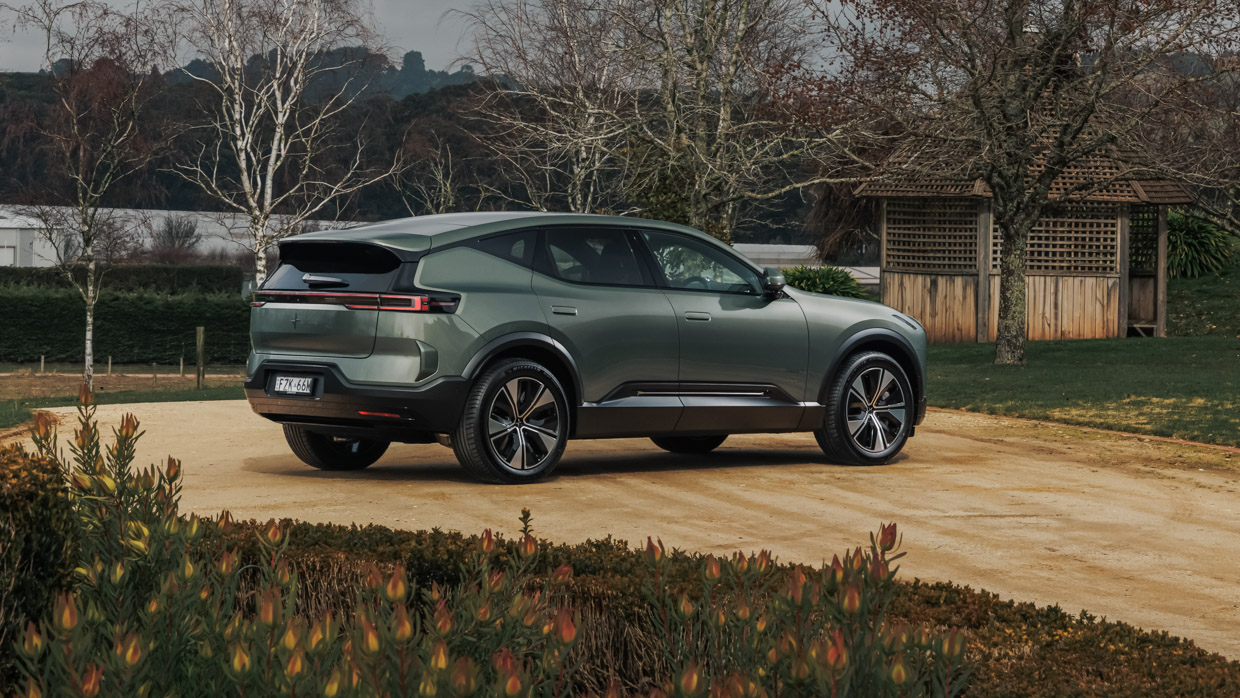
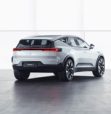
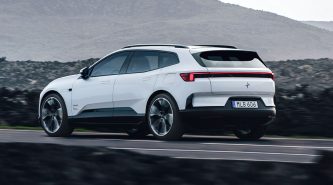
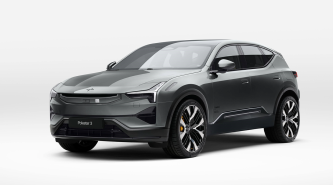
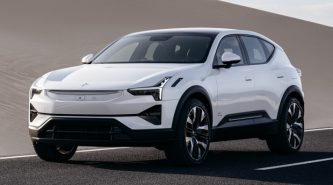
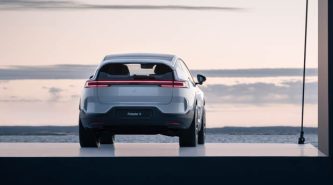
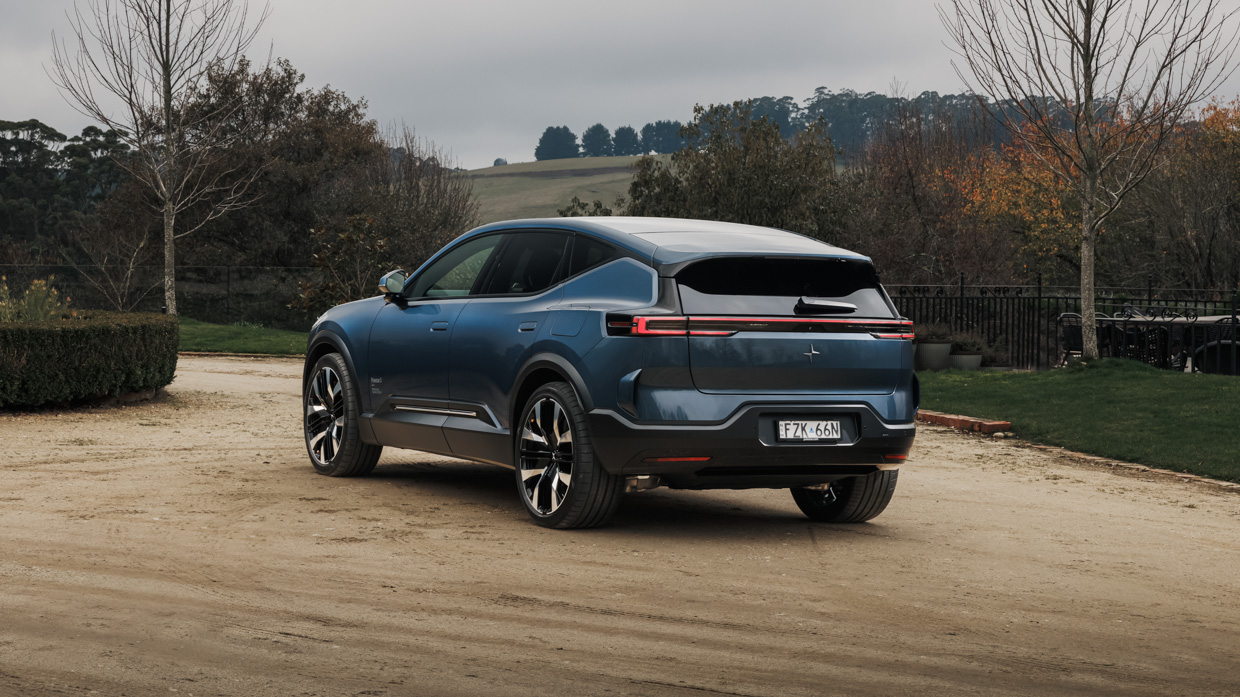
Pictured: the Polestar 3 Rear Motor
As a result, it’s quicker at just about everything. Peak DC charging speeds jump from 250kW to 350kW, promising a speedy 10-80 percent DC charging time of up to 22 minutes.
Value has been looked at too, with the restructured lineup kicking off with the Polestar 3 Rear Motor ($116,700 before on-road costs), followed by the Dual Motor ($131,100) and top-spec Performance ($146,700) with discounts of $1720, $5120 and $1220 respectively.
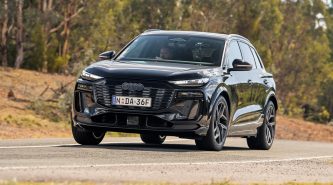
Until the new BMW iX5 arrives, the iX xDrive45 ($142,900 before on-roads) is the Polestar 3’s key competitor. Other options include the Audi Q6 E-Tron (from $99,818) and the 3’s sibling vehicle in the Volvo EX90 (from $106,990).
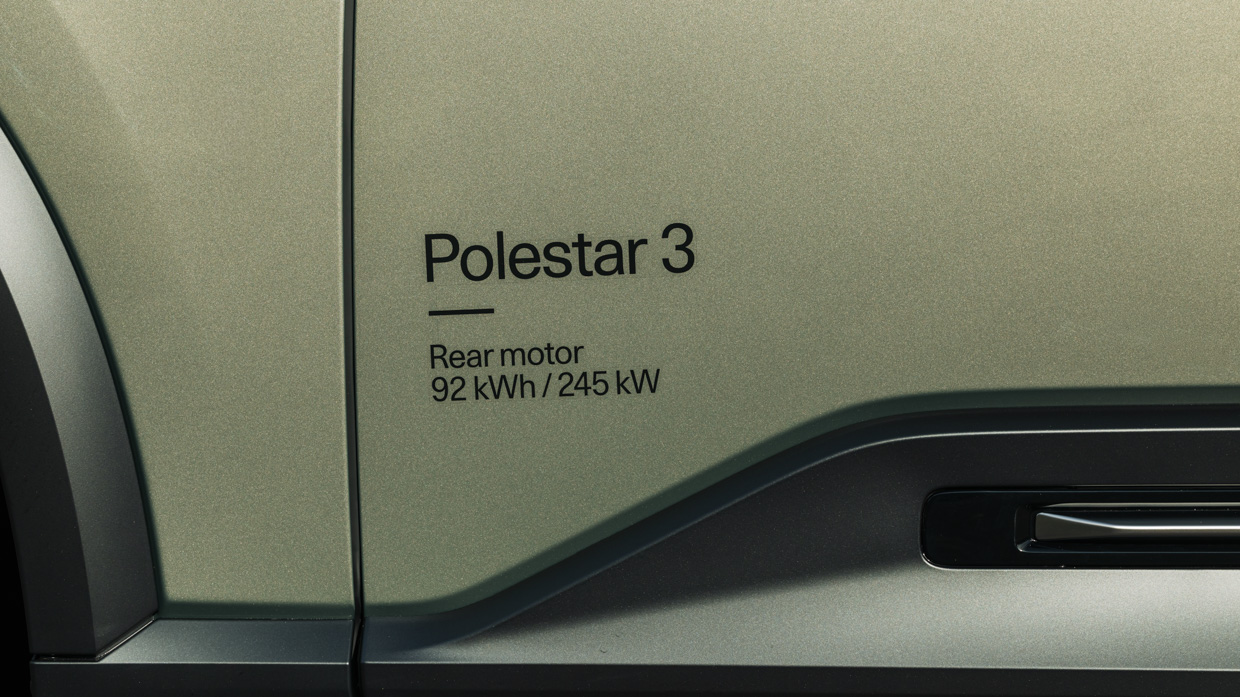
Bucking recent trends, the Polestar 3 now fits smaller (though more efficient) batteries than before, with the Rear Motor losing its crown as the EV-range king as a result. Though it’s shed over 100km of total range it still retains a very respectable 604km WLTP claim from the new, and more efficient, 92kWh battery.
The 106kWh battery fitted to the Dual Motor and Performance offers 635km and 593km respectively, with the latter far less of a compromise over the former than it once was.
As standard, the Polestar 3 is fitted with 20-inch wheels though 21s are available as an option and massive 22s are fitted by default to the Performance.
Polestar’s MicroTech synthetic leather upholstery is one of seven options available, including the brand’s ethically sourced Nappa leather.
A 14.5-inch portrait screen sits centre stage with a slim 9.0-inch unit in front of the driver. All Polestar 3s feature heated and powered front seats by default, with a massage function and ventilation reserved for those you opt for Nappa.
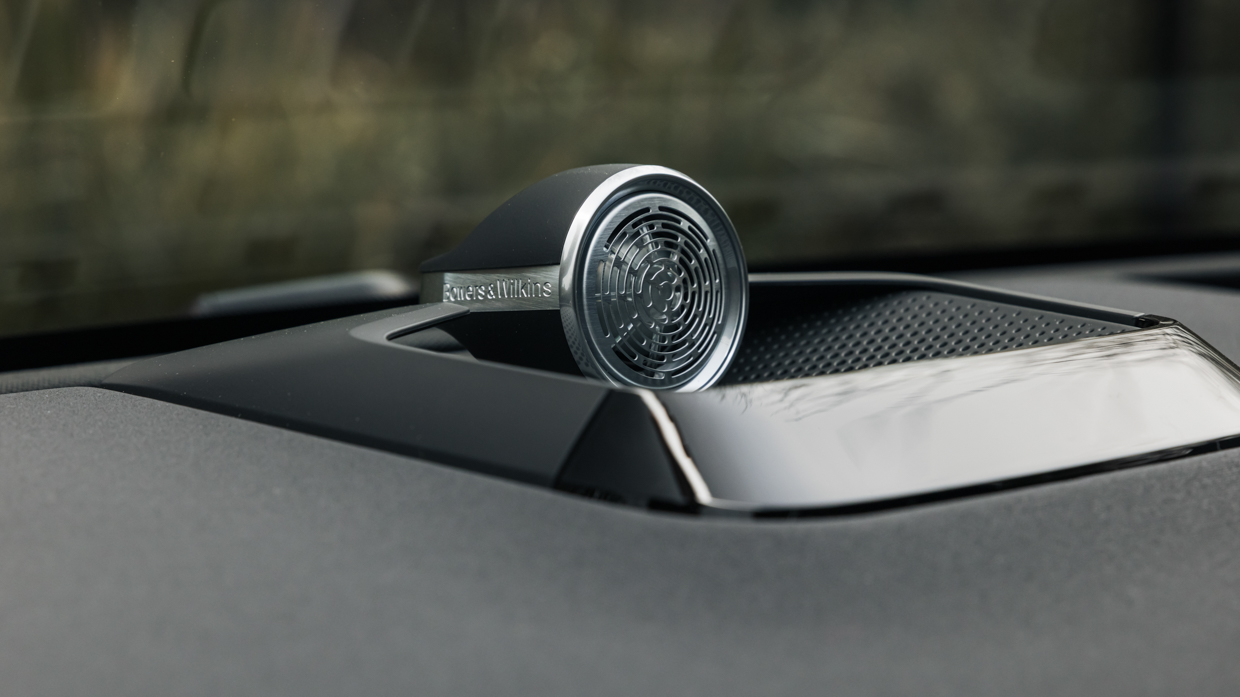
Previously a $9000 add-on, the Plus pack has now been made standard, meaning buyers net features like a heads-up display, 25-speaker Bowers & Wilkins sound system, power-steering column adjustment and active road noise cancellation at no extra charge.
The $1200 Climate pack seems particularly appealing this winter, throwing in a heated steering wheel, heated rear seats and heated front wiper blades to help defrost your windscreen.
There’s a certain quality that shines through with more sophisticated platforms such as the SPA2 underpinning the Polestar 3, and that inherent quality typically only improves as engineers tinker with it, year on year.
The Polestar 3 is no exception, with a beautiful sense of fluidity and poise, from the engagement of the throttle to its keen handling, it feels worth its hefty price tag.
That said, it still matters which Polestar 3 you opt for.
At launch, we sampled the base Rear Motor and top-spec Performance and the differences between the two are notable – but not for the reasons you might expect.
Despite a decrease in battery size, the Polestar 3 Rear Motor is still a porker at circa-2.4 tonnes and it feels every kilogram of that heft over pitted Aussie b-roads. The ride feels busy and occasionally crashy over larger bumps.
Previously, the base model was available to option up with air-suspension but after reworking the steel-sprung, frequency-select damper setup, Polestar says it’s no longer necessary. However, we disagree.
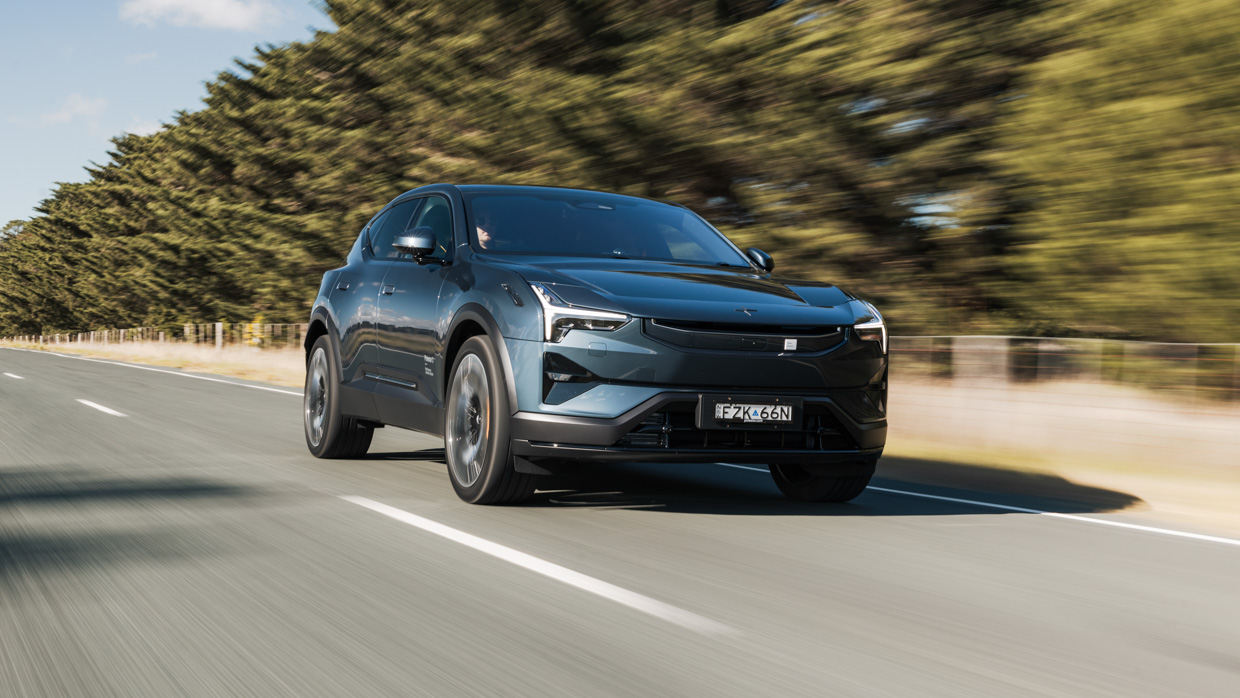
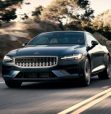
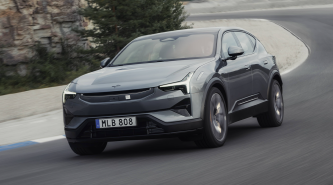
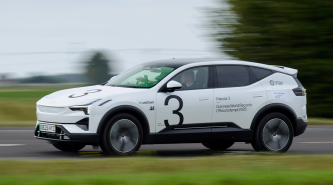
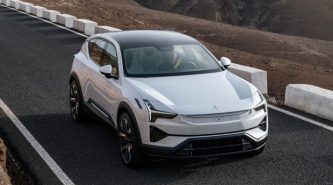
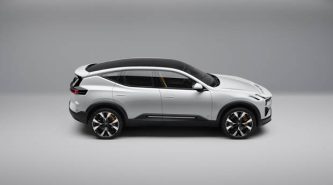
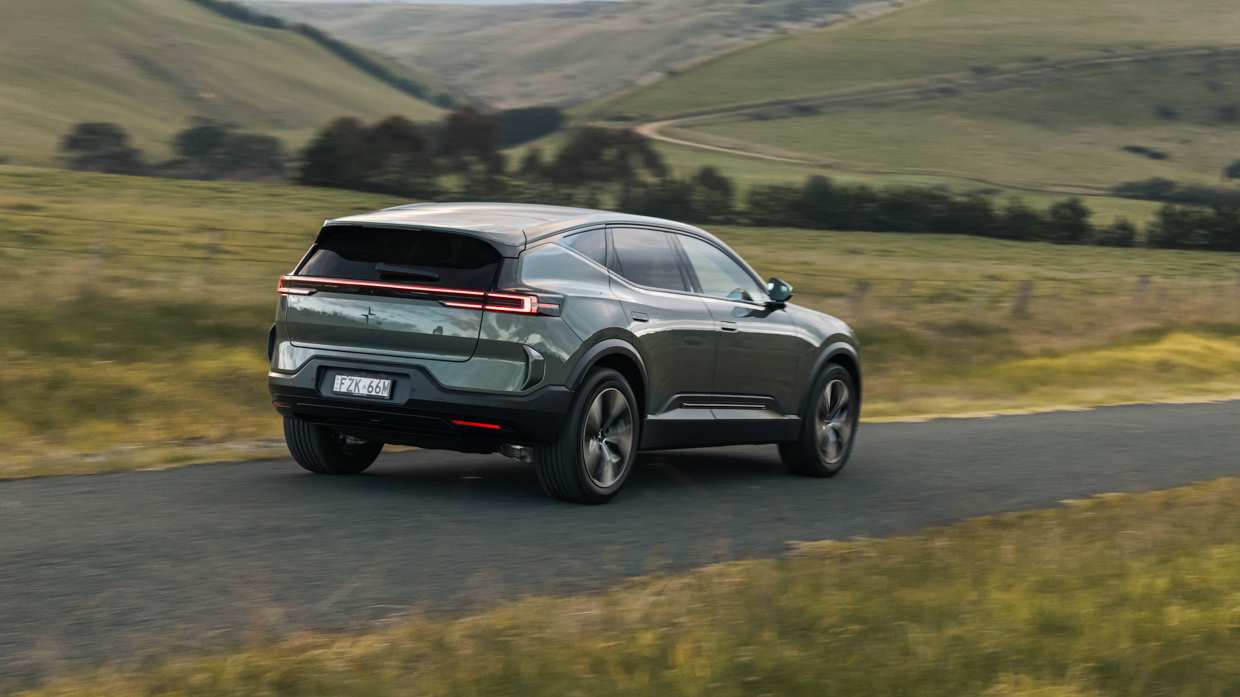
Pictured: the Polestar 3 Performance
The good news is the impressive, and recently reworked, handling doesn’t feel overly compromised in base form, and the new Volvo-sourced rear motor (245kW/480Nm) adds further athleticism on the move.
While a 6.5-second 0-100km/h sprint time isn’t slow, the RWD is no monster from a standing start, that role is better served by the Performance. Slashing that time from 4.7 seconds in the Dual Motor (400kW/740Nm) to 3.9 seconds in the Performance (500kW/870Nm) makes the latter the kind of quick that physically hurts after repeated attempts.
In addition to boosting the total outputs, the beefier rear motor in the Performance has further skewed the dynamics towards the back and the result is a large SUV that can be driven at the sort of pace and with the sort of recklessness that warrants a racetrack no Polestar 3 will ever see.
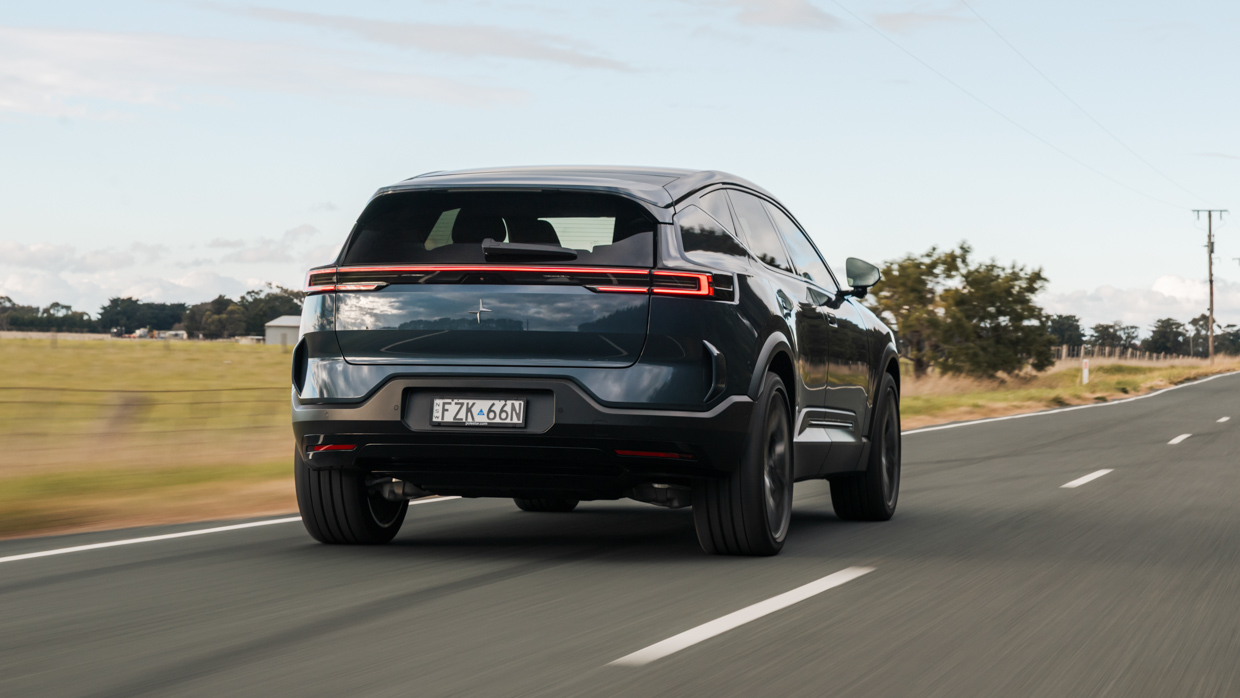
Despite weighing in at a massive 2.6-tonnes and wearing massive 22-inch wheels, the standard active air-suspension on the Performance (and optional on the Dual Motor) makes it both capable on a b-road and comfortable on bumpy city streets.
We only wish we could say the same for the Rear Motor.
At least on a smooth piece of highway, the base Polestar 3 is now equally serene as its more expensive grades thanks to the addition of active noise cancellation that makes the cabin remarkably quiet.
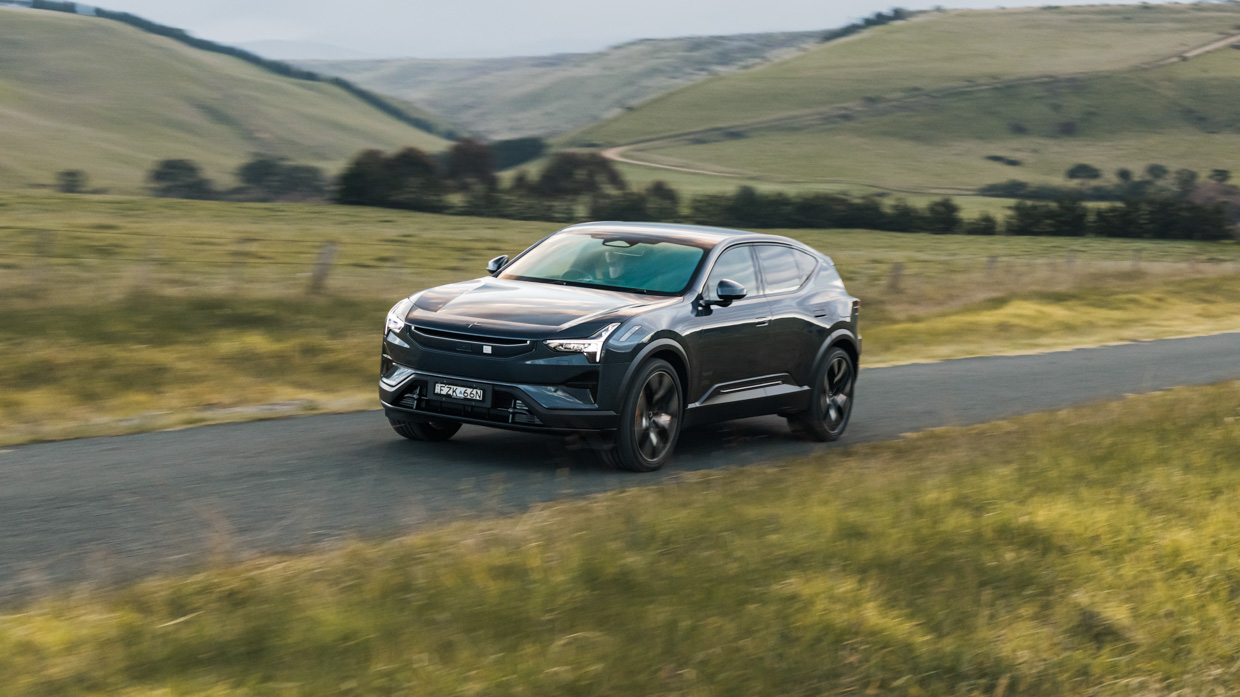
Polestar also deserves credit for the calibration of its adaptive cruise control and broader safety assistance technology, which understands its role as an aid – not the boss – when you’re at the wheel. As a result, we experience no false-positive alarms during our initial drive.
While we doubt many buyers purchase a Polestar 3 for towing duties, it’s worth noting that the RWD’s 1500kg and DM/Performance’s 2200kg braked capacity is incredibly weak for a large SUV, when most of its combustion counterparts tout a limit of 3500kg.
As rival luxury car manufacturers begin to migrate their design philosophy back to tactility, the Polestar 3’s minimalist approach almost looks a bit dated, with no major changes made during this recent update.
What it retains over its competition is build quality, with a tremendous sense of solidity that we hope is maintained as Australia’s Polestar 3’s manufacturing switches from China to the United States in the coming months.
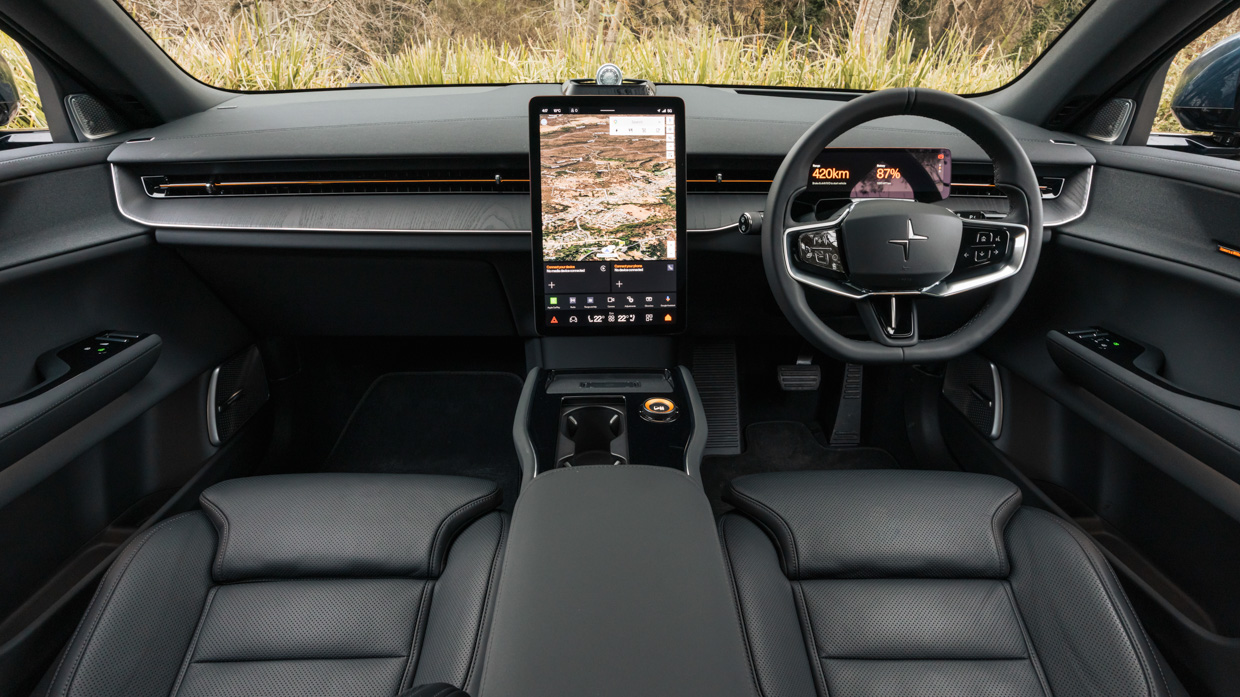
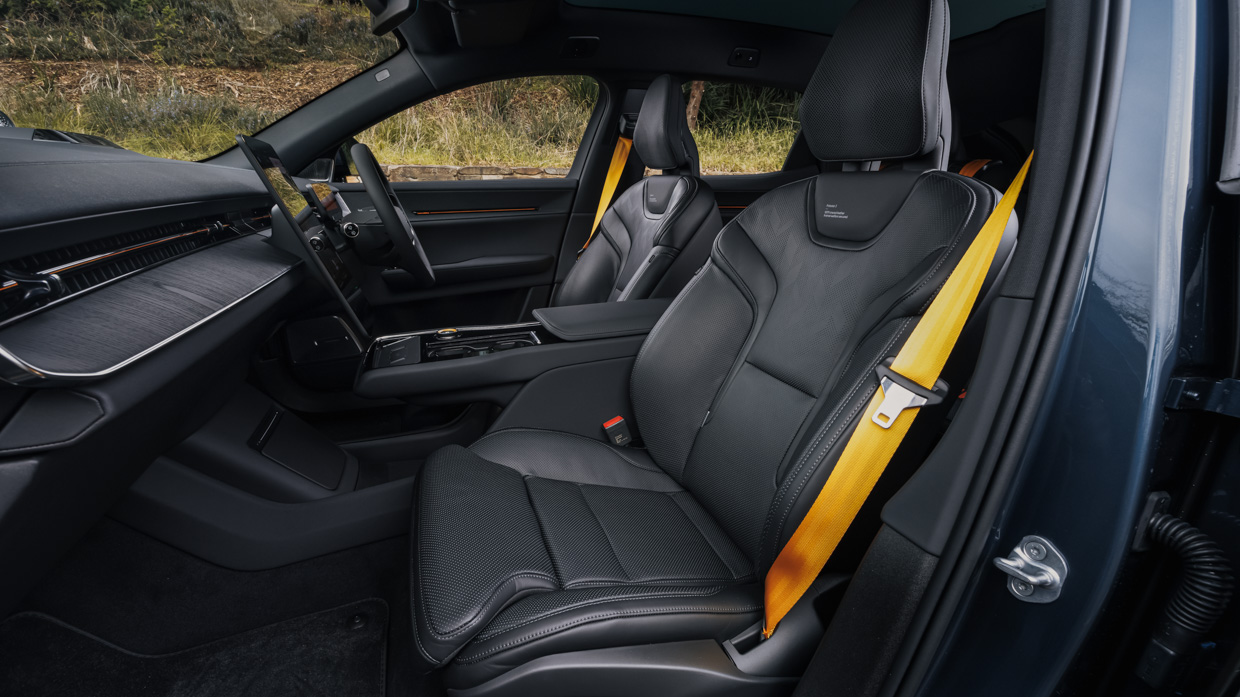
There are some suspect material choices in the cabin, however, with far too much gloss black plastic and some of the default inlay looks and feels very cheap. Thankfully, these pieces are the exception to the rule, but they’re noticeable enough.
The steering wheel feels pleasing in the hand, and the seating position is spot on with decent visibility out the front – though the rear is a very different story thanks to that sloped roofline.
The seats themselves also strike the right balance of supportive yet comfortable, but Polestar’s vendetta against buttons (which is set to be relaxed in future models) has seen the controls become unnecessarily fussy – with one button often serving many roles for no clear reason.
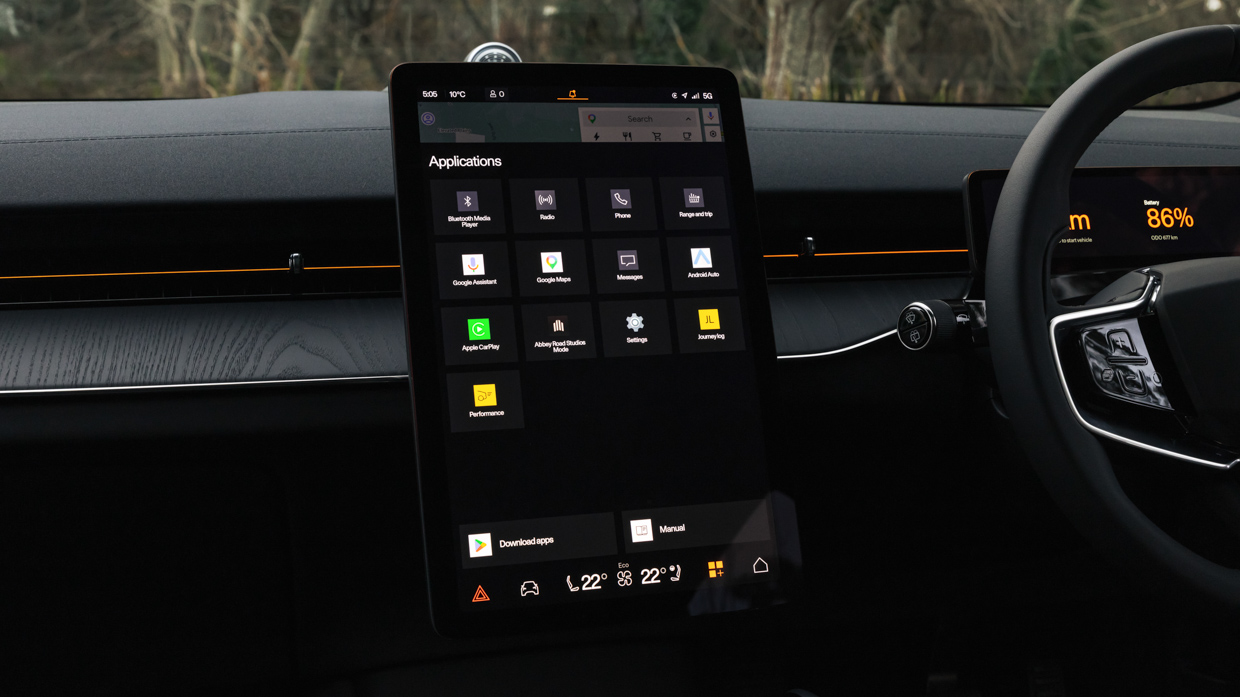
The 14.5-inch multimedia screen sports possibly the most pleasing typeface in motoring and the image quality is still solid, even if using it comes with a steep learning curve. Once up to speed, usability does improve, but it still requires far too much concentration to complete simple tasks.
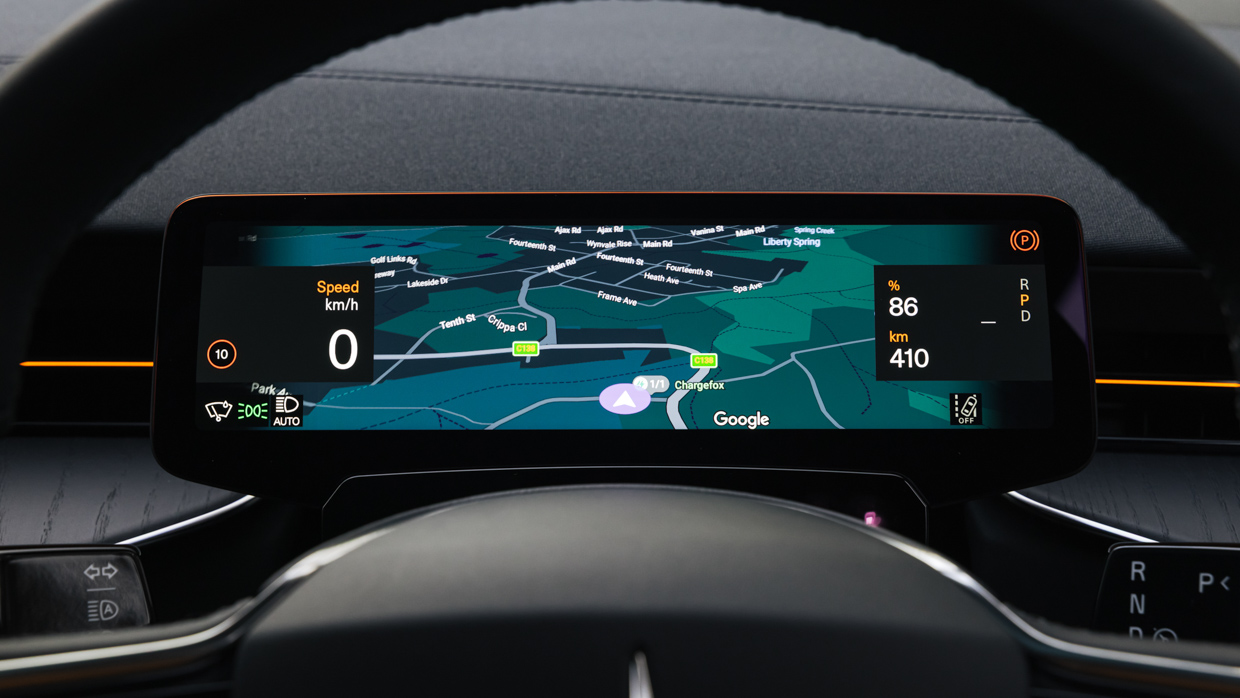
The separate 9.0-inch digital driver display is delightfully reversed compared to rivals when you just need simple numbers such as speed, but we do see the argument for a larger unit when using Google Maps within this comparatively tiny screen, as details simply become harder to identify
Fitting the 25-speaker Bowers & Wilkins sound system as standard to the updated Polestar 3 gives this SUV something undeniably special and premium about its cabin, with a true 3D effect that can be customised extensively via the ‘Abbey Road Studios mode’, which is genuinely enjoyable to play around with.
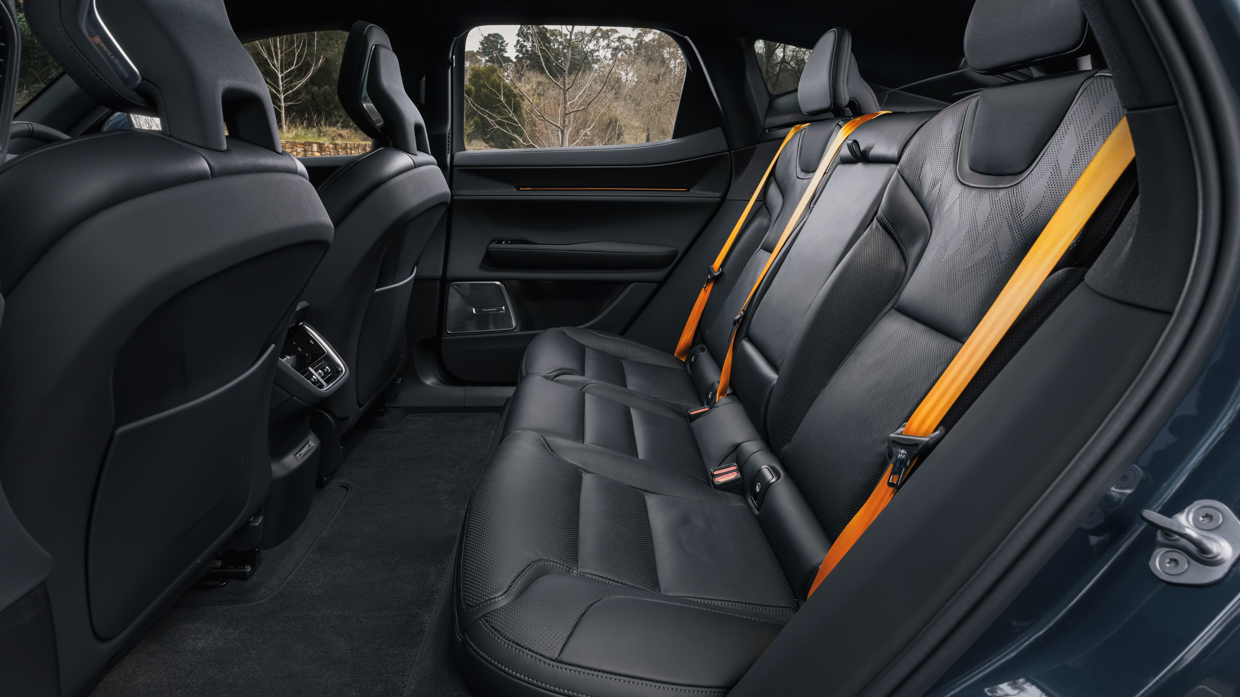
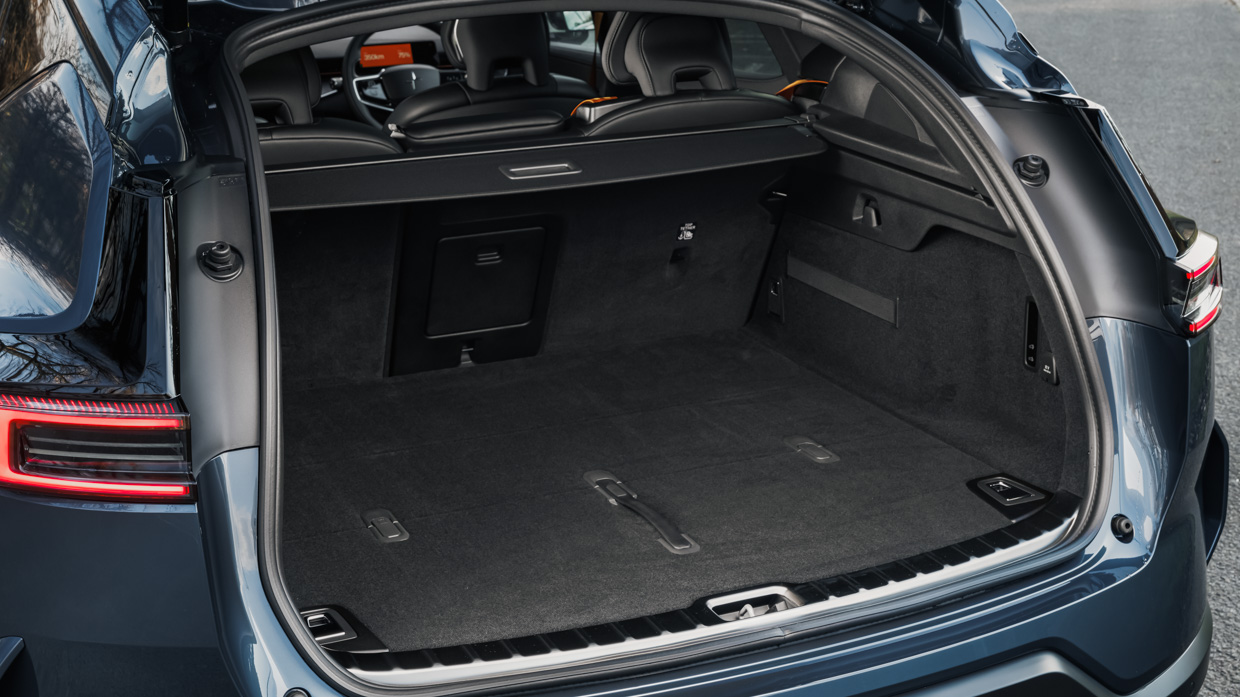
Row two is very spacious, even sitting behind my own driving position at 182cm tall, though the sloped roofline makes the 517-litre boot feel less impressive for a vehicle this size, especially when 90L of that capacity is under the floor, with no spare tyre to complement the Polestar 3’s grand touring abilities.
There is at least a 43L frunk to store your cables and other gubbins, however.
The Polestar 3 is covered by a five-year, unlimited-kilometre warranty with separate eight-year, 160,000km coverage for the battery.
Servicing intervals are every 24 months or 30,000km, which is rather excellent for the class, and will cost buyers $2,295 over the first six years.
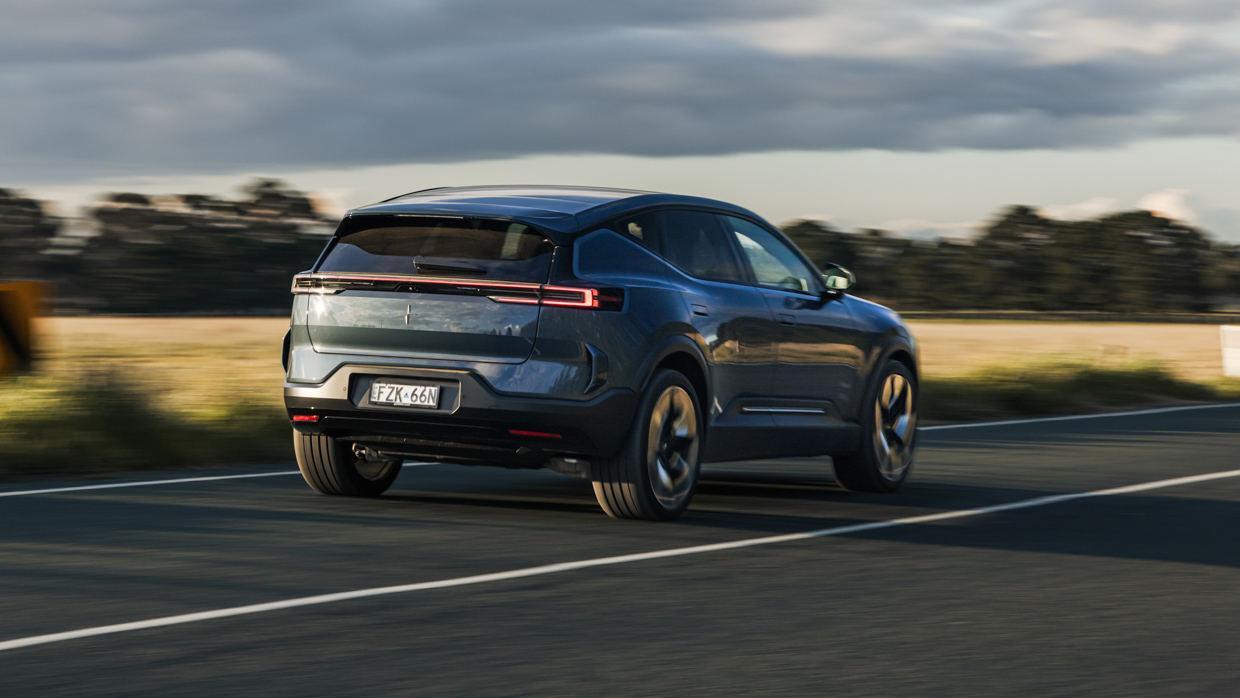
After a good dose of hard driving and highway travelling, we saw an average of 21.9kWh/100km in the Rear Motor, suggesting a range of 401km, which is a bit off the pace from the 604 km claim but more city driving would likely bring these figures closer together.
Driven harder again, we clocked 24kWh/100km in the Performance, which suggests a range of 425km – so not quite the 593km claim we hoped for, but further testing is warranted here.
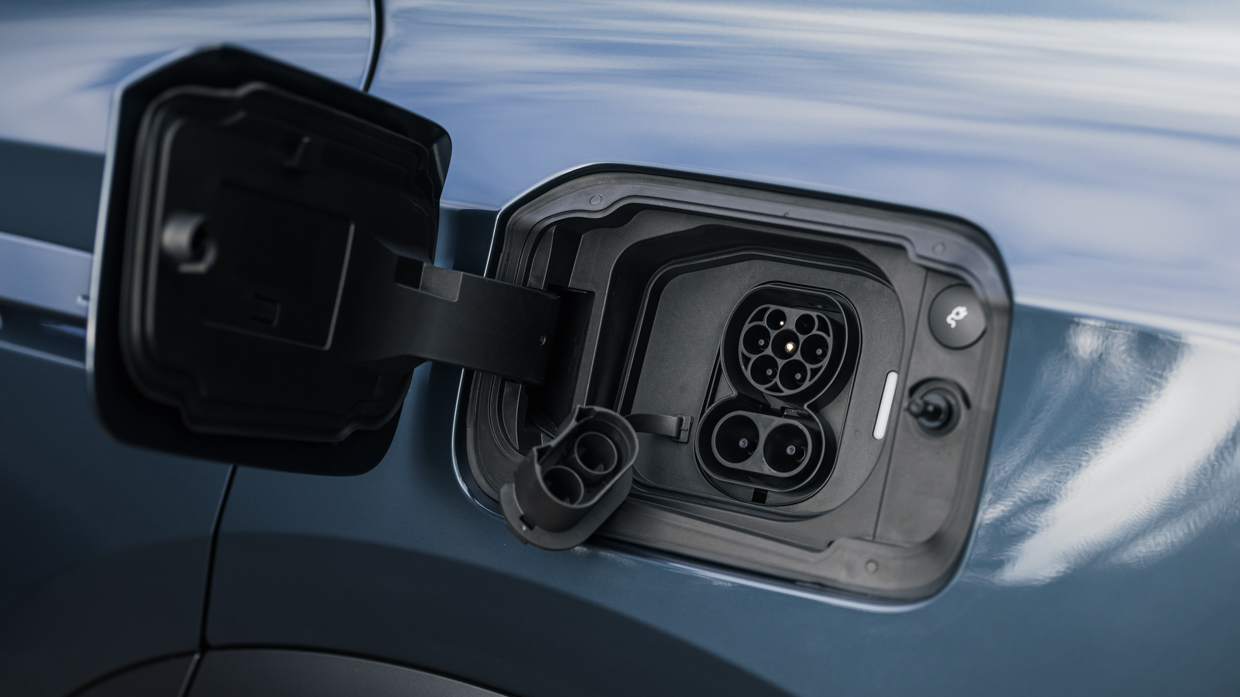
At least by switching to an 800V architecture, DC charging speeds have spiked from a maximum of 250kW to 350kW, which sees a 10-80 percent top-up time completed in as little as 22 minutes.
AC charging speeds are less impressive with a cap of 11kW, which will take around 10 hours to juice up from flat-to-full.
Budget Direct told us the median annual premium purchased for the first time between 1/6/25 and 1/6/26 to comprehensively insure a new Polestar 3 was $1831. Individual circumstances and policy terms may vary. Includes 15% online discount on the first year’s premium
Of course, everybody’s situation is different, and the premium will vary according to make and model, and other things insurers take into account, such as your postcode, driving history, who drives the car, where you garage the car and more.
Please quote for yourself. Subject to meeting underwriting criteria. Insurance issued by Auto & General Insurance Company Limited. See PDS & TMD at budgetdirect.com.au.
Wearing its sustainability heart on its sleeve and a bloody-minded commitment to doing things differently, it’s hard not to respect the Polestar brand for sticking to its values.
But values don’t sell cars by themselves, and the latest update to the still slow-selling Polestar 3 reflects this.
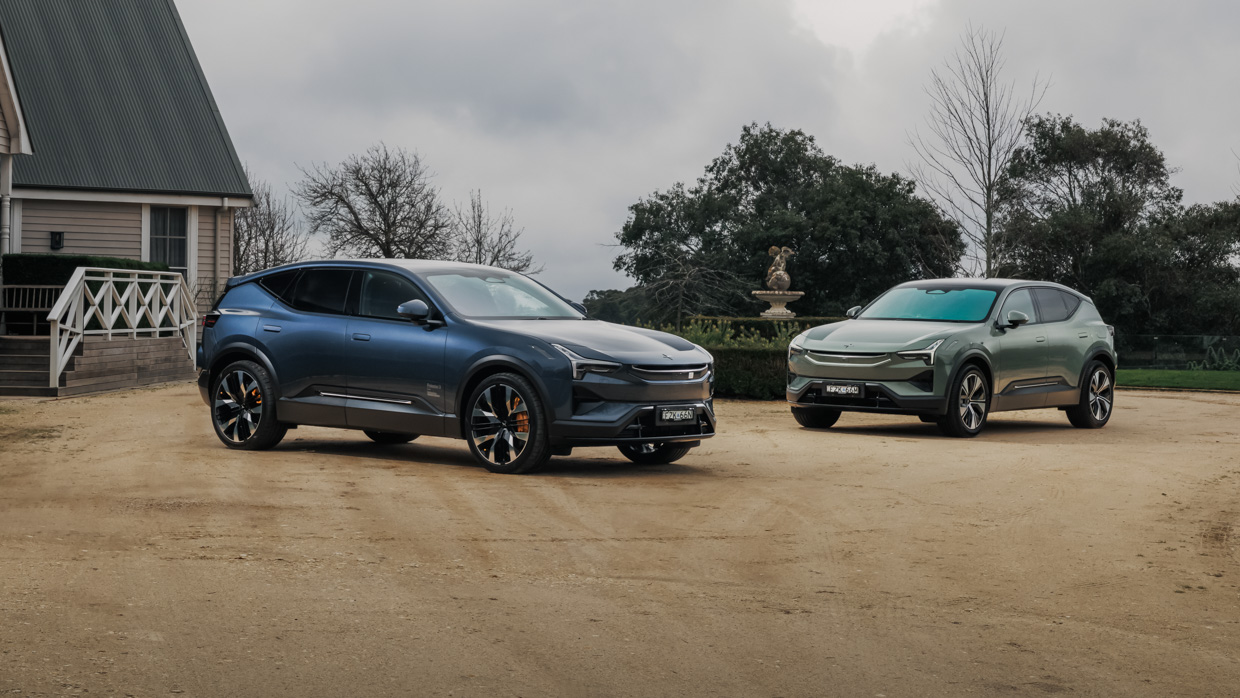
By standardising some incredibly expensive option packs and enhancing the everyday usability of the Polestar 3 via faster charging times, this electric SUV is now a better proposition than it was previously.
It’s a shame that the base Rear Motor continues to come with compromises to its suspension, despite the work the brand has done. Powering a big SUV like this simply takes a big heavy battery, and big batteries are the enemy of ride comfort unless compensated for elsewhere.
Even after charging an additional $30K, the Performance meets its brief far more convincingly, able to serve as a comfortable daily driver and an absolute weapon on the right piece of road.
We’re yet to drive the mid-spec Dual Motor, but it strikes us as a likely sweet spot in the updated range once the optional ($3200) active air suspension is tacked on.
The bonkers 500kW outputs of the Performance are enticing, but in a family vehicle like this the additional driving range and circa-$15K still left in your pocket is arguably more so.
Key specs (as tested)
About Chasing cars
Chasing Cars reviews are 100% independent.
Because we are powered by Budget Direct Insurance, we don’t receive advertising or sales revenue from car manufacturers.
We’re truly independent – giving you Australia’s best car reviews.
The estimate provided does not take into account your personal circumstances but is intended to give a general indication of the cost of insurance, in order to obtain a complete quote, please visit www.budgetdirect.com.au. Estimate includes 15%^ online discount.
^Conditions Apply
Budget Direct Insurance arranged by Auto & General Services Pty Ltd ACN 003 617 909(AGS) AFSL 241 411, for and on behalf of the insurer, Auto & General Insurance Company Limited(ABN 42 111 586 353, AFSL 285 571).Because we don’t know your financial needs, we can’t advise you if this insurance will suit you. You should consider your needs and the Product Disclosure Statement before making a decision to buy insurance. Terms and conditions apply.
Indicative quote based on assumptions including postcode , 40 year old male with no offences, licence suspensions or claims in the last 5 years, a NCD Rating 1 and no younger drivers listed. White car, driven up to 10,000kms a year, unfinanced, with no modifications, factory options and/or non-standard accessories, private use only and garaged at night.
^Online Discounts Terms & Conditions
1. Discounts apply to the premium paid for a new Budget Direct Gold Comprehensive Car Insurance, Third Party Property Only or Third Party Property, Fire & Theft Insurance policy initiated online on or after 29 March 2017. Discounts do not apply to optional Roadside Assistance.
2. Discounts do not apply to any renewal offer of insurance.
3. Discounts only apply to the insurance portion of the premium. Discounts are applied before government charges, taxes, levies and fees, including instalment processing fees (as applicable). The full extent of discounts may therefore be impacted.
4. We reserve the right to change the offer without notice.