Powered by

-
Car Reviews
Latest reviews
-
Car News
Latest news
-
Car Comparisons
Latest comparisons
- Chasing Deals
Latest reviews
Latest news
Latest comparisons
Supremely quiet, comfortable and capable off-road: a first test of the Range Rover Electric shows this British luxury behemoth appears to check the right boxes
Four distinct vehicles wear the Range Rover badge these days, but just one is known by some enthusiasts as the ‘full fat’ version. Forget the ‘diet’ Evoque, Velar and even the now well-established Sport: it’s the full-size flagship model that sits at the very heart of the brand.
“For 56 years we have been building authenticity of a magic carpet on wheels – the Range Rover Electric is a natural and perfect powertrain to enhance that,” the brand’s global managing director Martin Limpert tells us ahead of driving the EV for the first time.
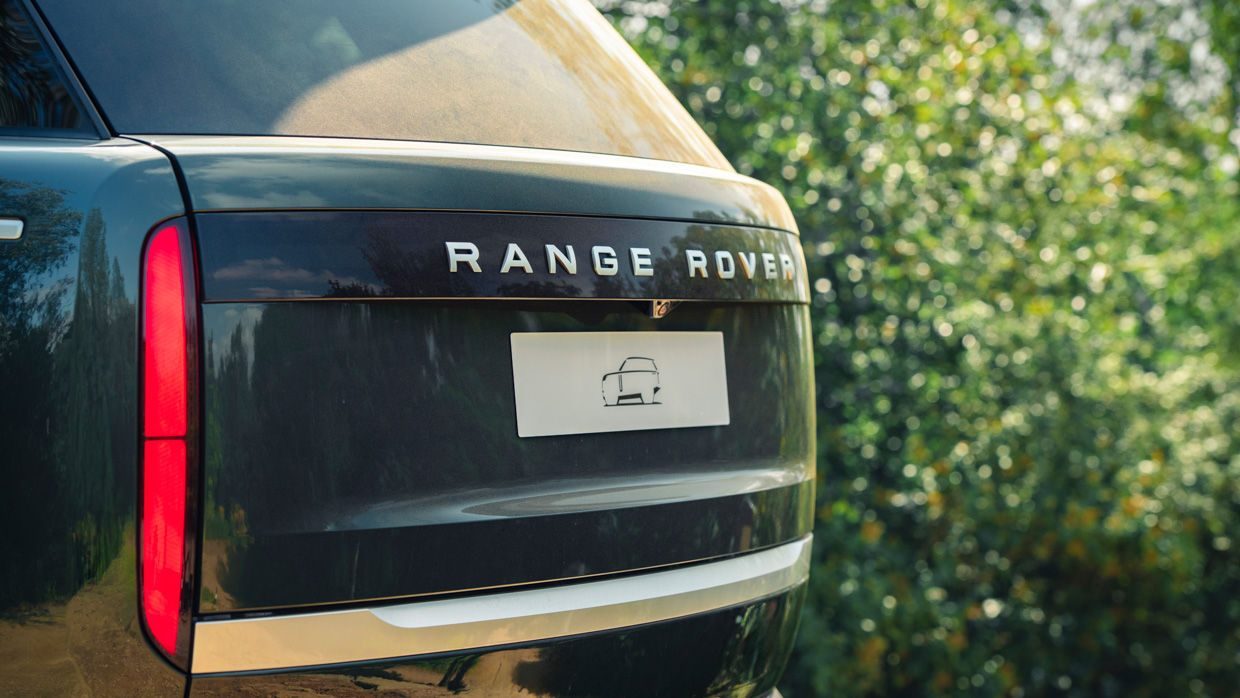
Jaguar Land Rover, one of the remaining industrial behemoths of the British Midlands, has been developing an electric Range Rover line for 1.5 million physical kilometres and 10 of those 56 years. It’s been a slow-burn development that engineers told us has required careful iteration to get the combination and capability just right.
On the surface, it would appear that EV power would make for the perfect roadgoing Range Rover: there’s a Sport version coming later that should bias more involving handling, but the full-fat model – as the ultimate chauffeur-driven SUV of royals, and royal-wannabees – would surely be suited to the refinement electric motors can bring.
Range Rover figures agree that silent progress is a key customer expectation for the Electric. But this being Land Rover, a considerable chunk of the über-long gestation was burned up by ensuring the EV goes just as far off-road as its combustion siblings…without throttling power, as some electrified 4WDs might.
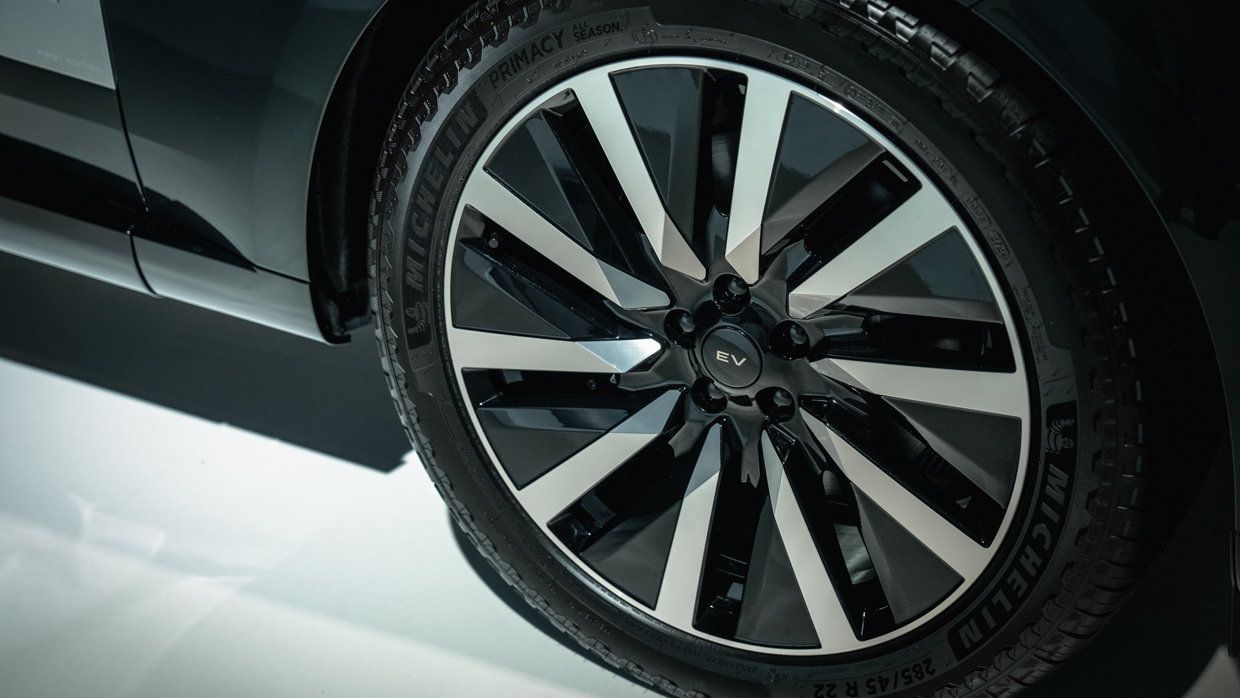
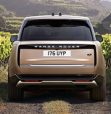
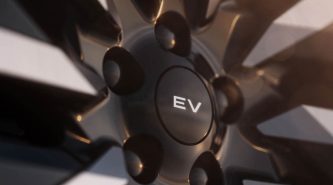
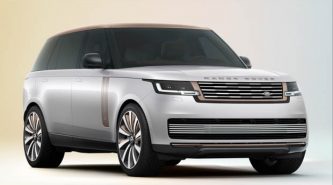
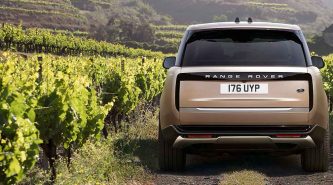
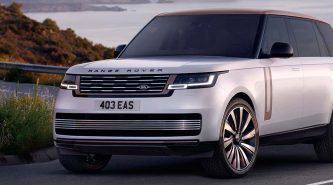
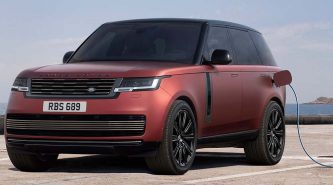
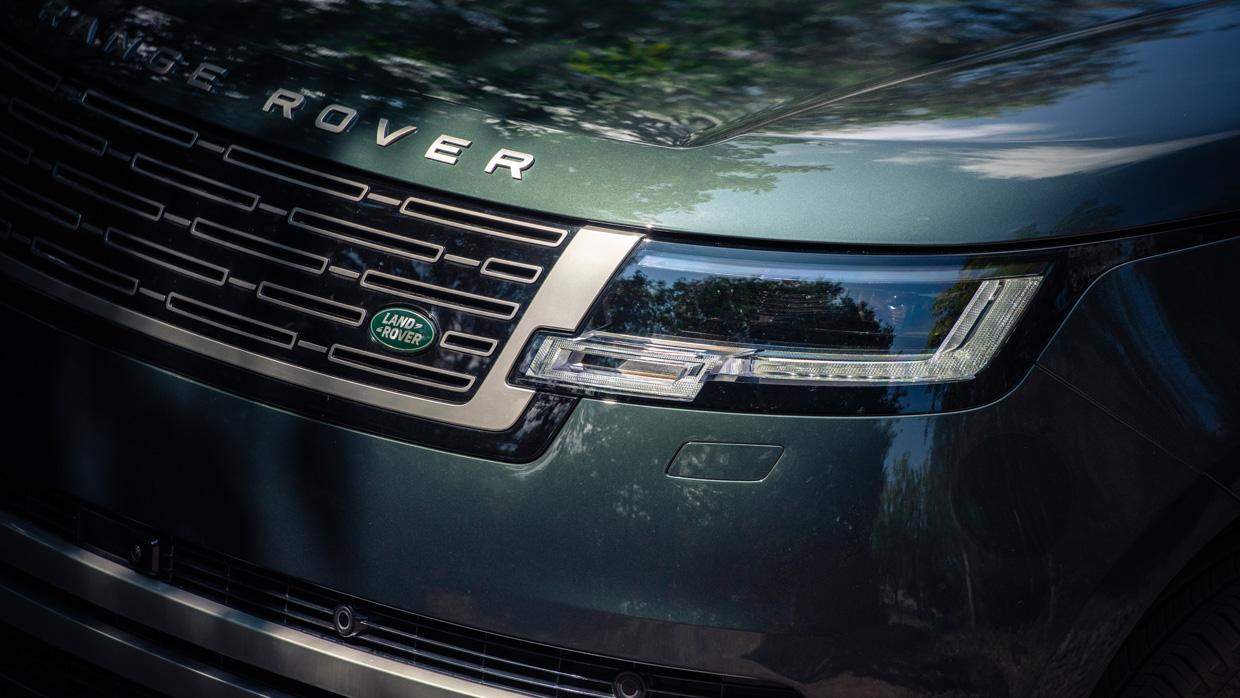
Our first drive of the Range Rover Electric, which perhaps reassuringly appears much like the combustion car sans subtle alterations to the aprons, grille and alloy centre caps (which read ‘EV’), took place on the simulated British roads and forest off-road sections of JLR’s home proving ground in Gaydon.
Extensive testing on public roads and trails is yet to come ahead of production commencing later this year, with Land Rover telling Chasing Cars that has amassed 80,000 expressions of interest – 30 percent of them from existing Range Rover owners waiting for an appropriate electric version.
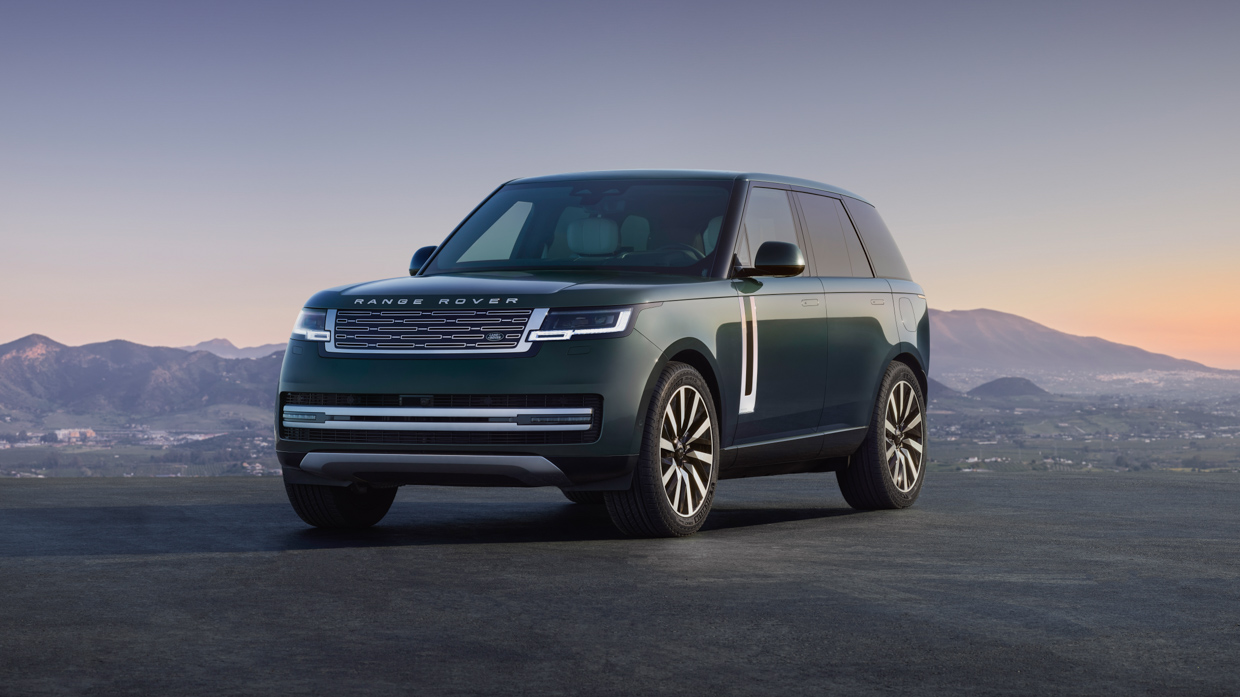
Meanwhile, Land Rover Australia says it already has firm pre-orders for the full-size Range Rover Electric in both the debut 5052mm-long Standard Wheelbase format and an eventual longer version.
Initially, three SWB variants will come to Australia: the $317,718 HSE, $357,718 Autobiography, and $417,418 SV (all before on-road costs), with customer deliveries expected to commence in the later part of the first quarter of 2027.
It drives very well, and it feels almost entirely how you’d expect it to.
Expectations are set when approaching and stepping (up) into the Range Rover Electric. There is little to give away its electric disposition outside or in. The first real cues come from the lack of growl when starting up and the near silence when setting off.
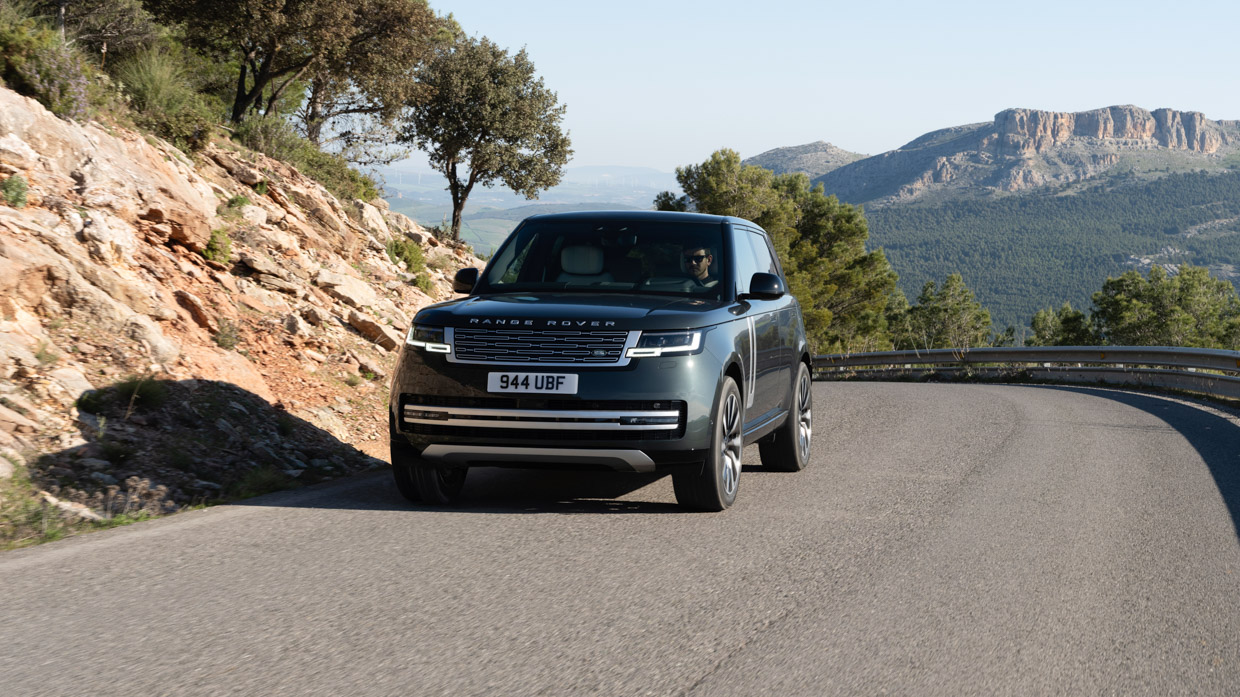
Global product manager Rachel Hogg has worked on the Electric for five years and told Chasing Cars: “our north star was to build a Range Rover first, and an EV second.”
“It was quite a simple question. How can we make this even better? Can we make it more powerful, more smooth, more refined and more luxurious?”
That is a demanding brief for a vehicle that was already built atop a range of quiet, torquey and near vibration-free six-cylinder and V8 engines with available hybrid tech – yet the Electric version, with one motor per axle, eclipses any ICE configuration for silkiness.
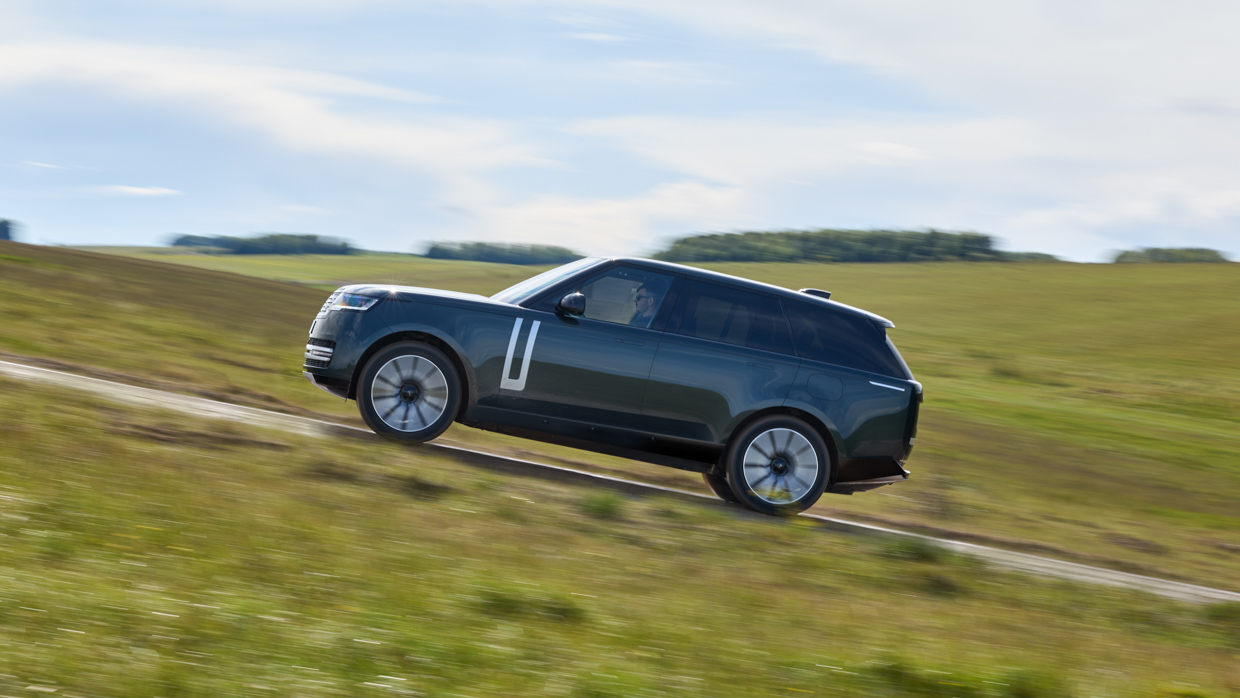
We believe the engineers that tell us that hugely time-consuming work has gone into tuning the response of the twin permanent magnet synchronous motors (PSMs), which can adapt within 50 milliseconds to driver inputs or a change in drive mode.
Outputs at full-chat are 405kW of power and 850Nm of torque, promising a 4.5 second 0-100km/h sprint time (and a mere 2.7 second 80-120km/h overtake).
It’s quick enough, rather than alarmingly fast, and we like the subtle integration of a one-pedal mode in the direction-selector’s ‘S’ mark: once ‘Sport’, now ‘Single-Pedal’.
Part of the reason the Range Rover Electric is arriving later than predicted is because of a costly mid-term decision to ditch a planned asynchronous front motor for a full-strength, 260kW PSM to match the bespoke design at the rear.
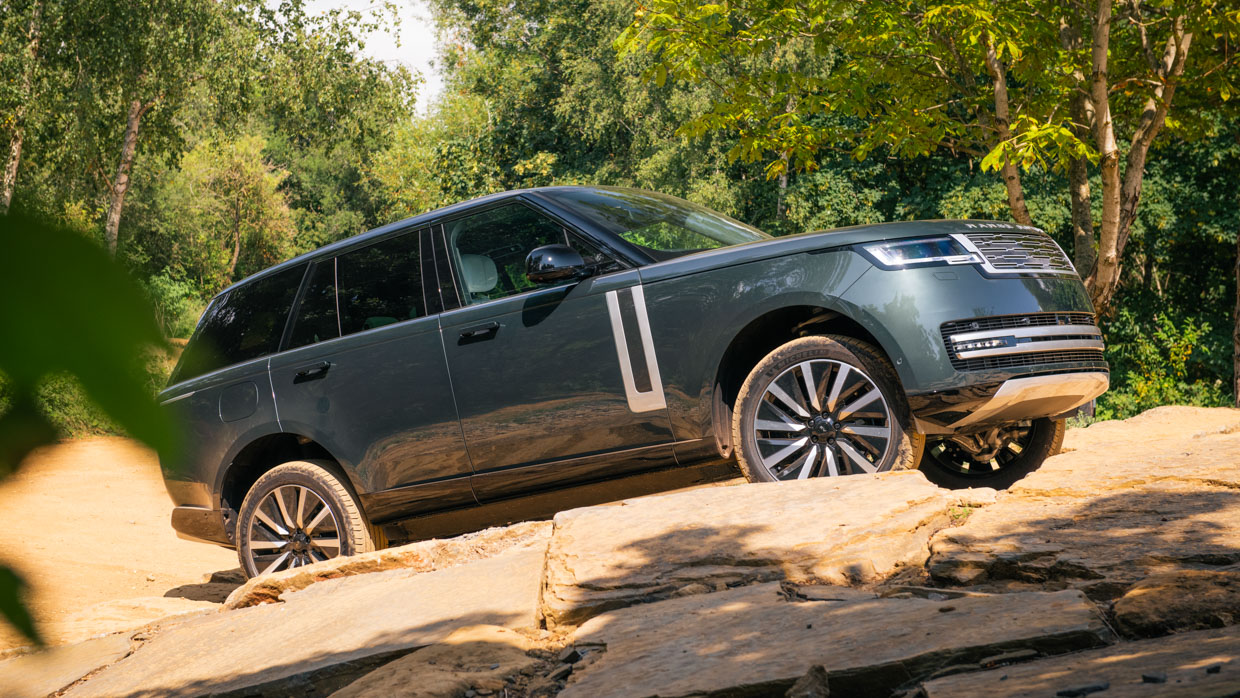
That decision has delivered foursquare power, which helps to control the pitchiness that rapid EVs can cause on road, but also provides stronger and more robust torque to provide off-roading capability that Land Rover’s all-terrain boffins, who have spent decades with the firm, believe is authentic.
A deviation from the Gaydon proving ground’s test track into a hilly forest provided an opportunity to briefly sample the Range Rover Electric’s capability on steep hills and descents and highly angled banks – though not its 900mm battery-protected wading depth in the height of summer.
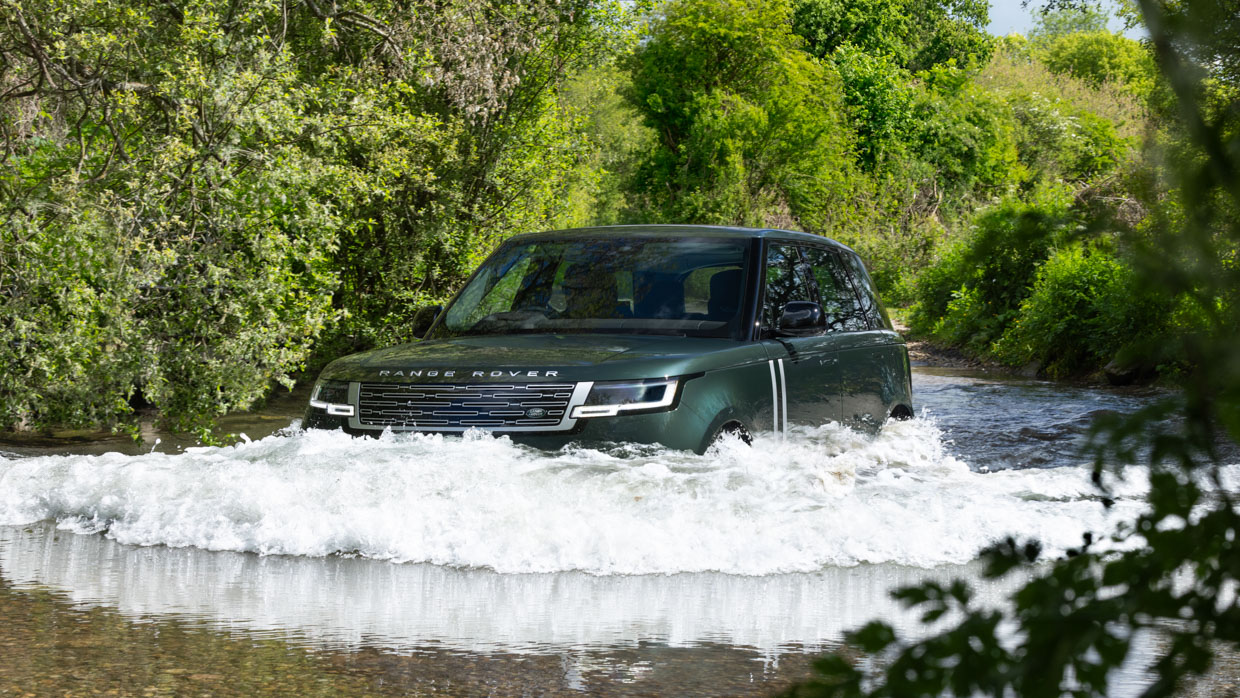
Obvious off-road is just how much control exists underfoot over the power delivery and regeneration. Gorgeously millimetric throttle pedal tuning is particularly sensitive in the off-road modes, allowing you to precisely achieve the desired pace without even resorting to automated All-Terrain Progress Control.
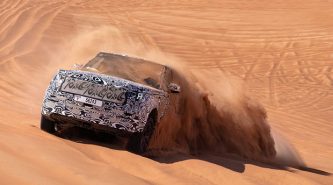
“On sand, it’s definitely better than [ICE],” says Jason Walters, senior technical specialist for all-terrain capability. “The V8 has loads of power, but [can be] a bit quick at the top of a dune. You back off too much and get back on the throttle; it’s a battle to balance. In the BEV, get off the throttle, give it a little tip in, and it’s so seamless.”
Back on the blacktop, it’s not the adequate pace that thrills, but the Range Rover Electric’s sense of dignified progress. In particular, the full-fat model’s bespoke twin-chamber air suspension/continuously adaptive damper dune distinctly targets soft-riding comfort over sport.
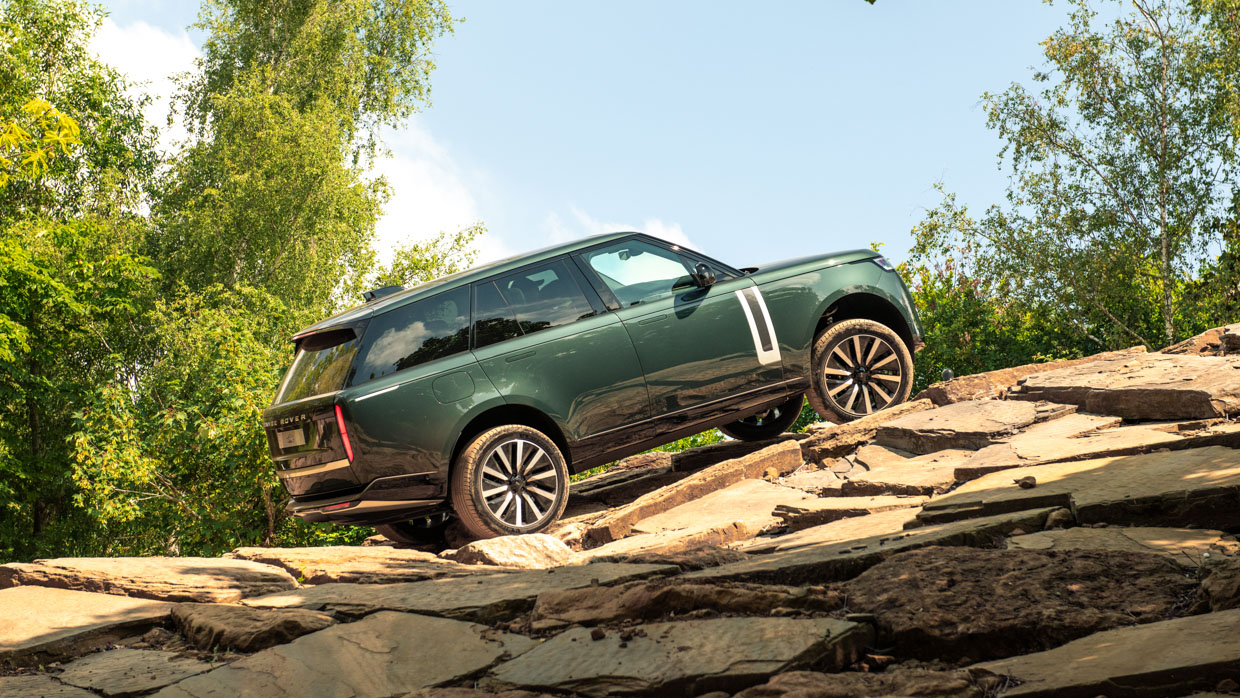
And that’s perfectly appropriate. The ride quality on standard 22-inch wheels (23s aren’t even available, but you can specify 21s) is exceptionally cosseting and seemingly more even than bigger-wheeled combustion models that served as transit vehicles earlier in the day.
While the Electric shares its Modular Longitudinal Architecture with its ICE cousins, there have been so many adjustments to the chassis – not to mention the 88mm-lower centre of gravity and 61 percent increase in torsional stiffness – that it’s no surprise the ride is fundamentally different here, and better.
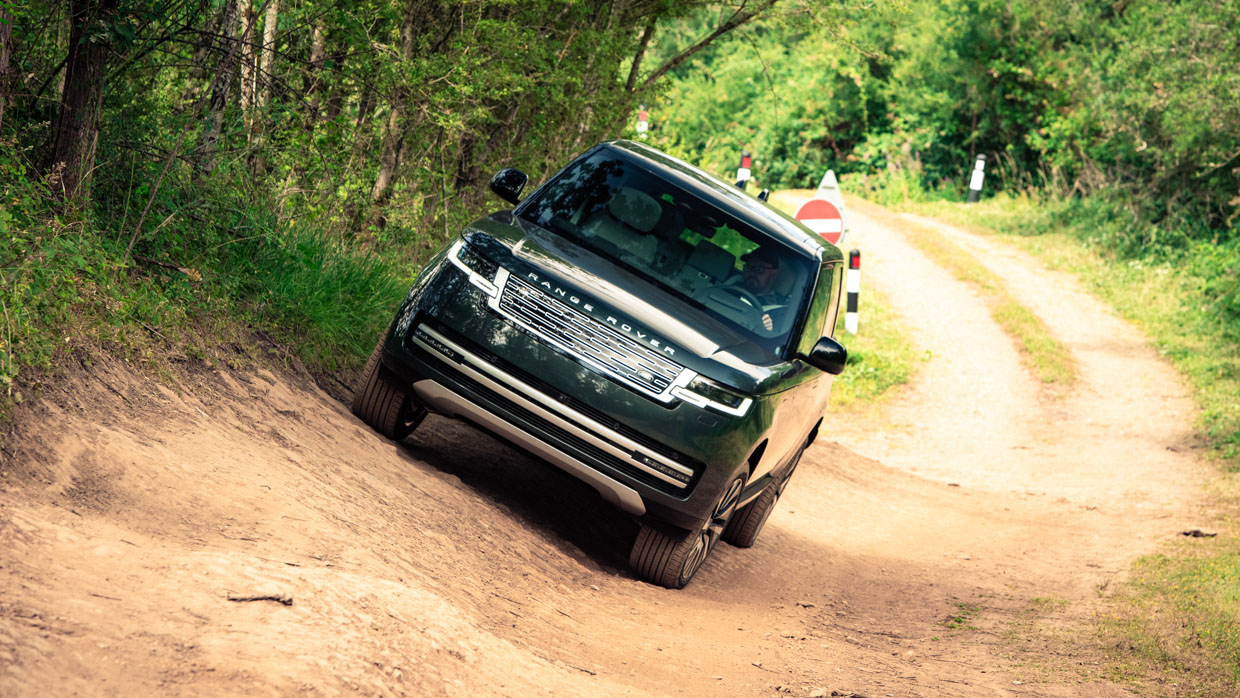
Not everybody will love the full-size Range Rover Electric’s relaxed body control in the corners, where pronounced lean is on show. Hold on tight! Frankly, we do like it: we’re in electric land-yacht territory here, and the incoming Sport model will be the one to flatten out the dynamics.
Interestingly, the Electric weighs just 80kg more than a plug-in hybrid Range Rover. A kerb weight of 2810kg is significant, but the EV didn’t feel too heavy or wayward in our first test.
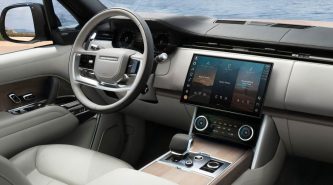
Excepting graphics shown on-screen that relate to the EV powertrain and modes, the Range Rover Electric’s cabin is a mirror image of a combustion version: same layout, same materials, same sense of high English luxury—though it isn’t perfect in here.
Land Rover has worked to get the balance of buttons and knobs right over the lifespan of the L460-generation Range Rover. It’s almost there, but not quite.
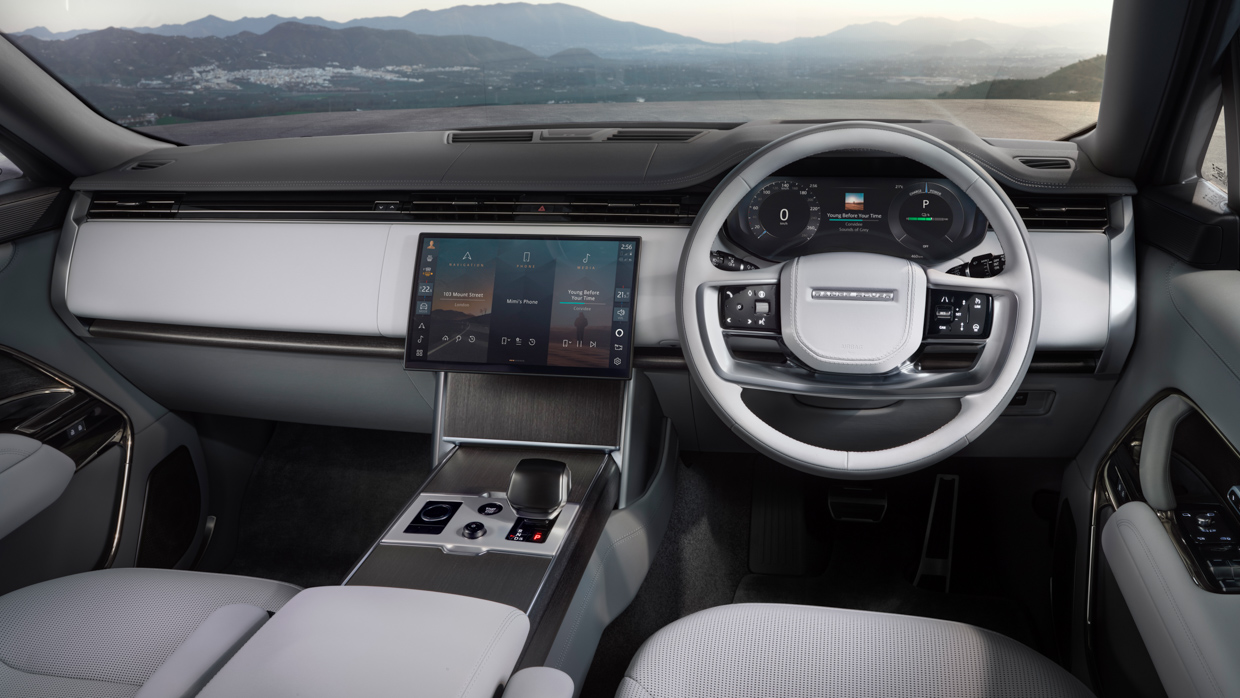
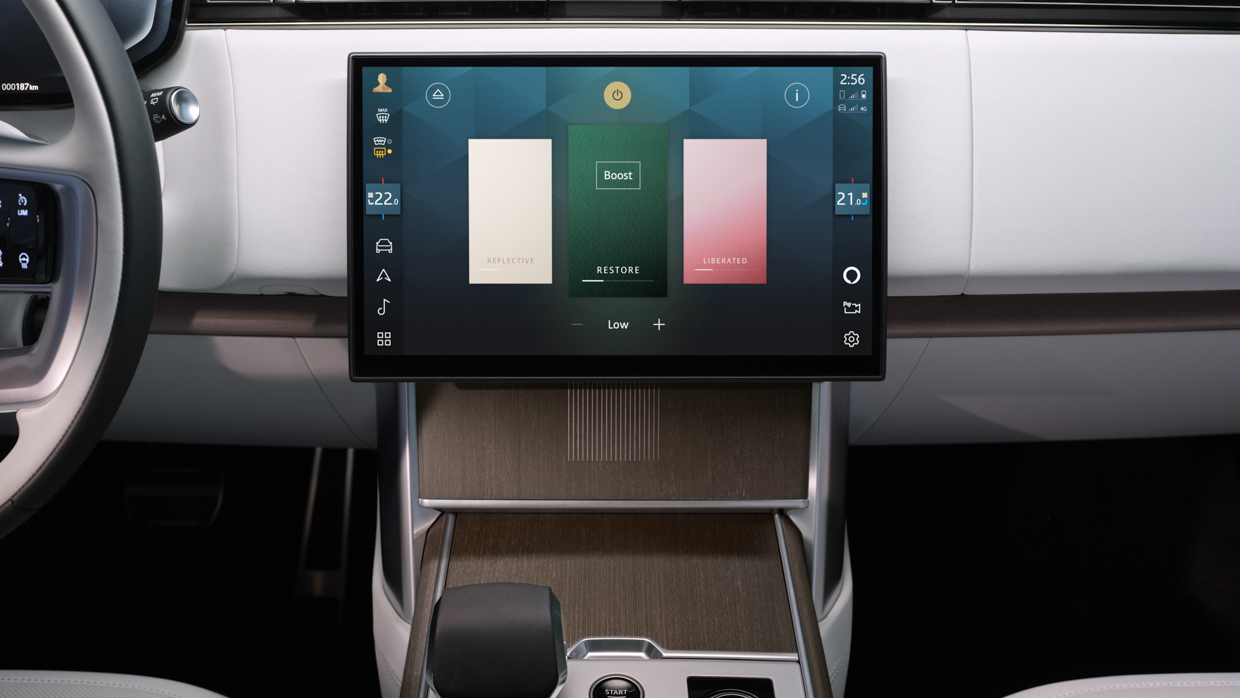
An initial release with physical climate, volume and Terrain Response off-roading knobs was swept away in 2024 by a buttonless interior that received protests. A reversal for 2027 reinstates volume and 4WD dials but climate remains an on-screen proposition.
It’s hardly the end of the world, but Range Rover has already acknowledged that luxury customers are experiencing screen fatigue, and future models will actually see a slight downsizing of display real-estate, if not a full-blown return to button-and-knobbery.
The main 13-inch Pivi Pro touchscreen and digital instrument cluster with cowl work quite well in any case and are supplemented by wireless Apple CarPlay and Android Auto.
Beyond this element—and the fact the Standard Wheelbase is simply not as roomy in the back as you’d expect, given the Range Rover’s sheer size – there is very little to complain about, with the Electric staying very true to the vibe you’d want in a British luxury car.
Leather, cold metal and warm timber all remain firmly on the menu – this is a car that offers, joyfully, a wooden steering wheel – but a nod to progression can be found in the availability of Ultrafabrics and Kvadrat non-leather seat upholstery that looks and feels like the real thing…while being kinder to the real thing.
The front seats are adjustable in 24 directions while offering heating, cooling, and simulated hot stone massage. In the rear, a standard bench can optionally be replaced by the First Edition’s Executive Class Comfort Plus setup.
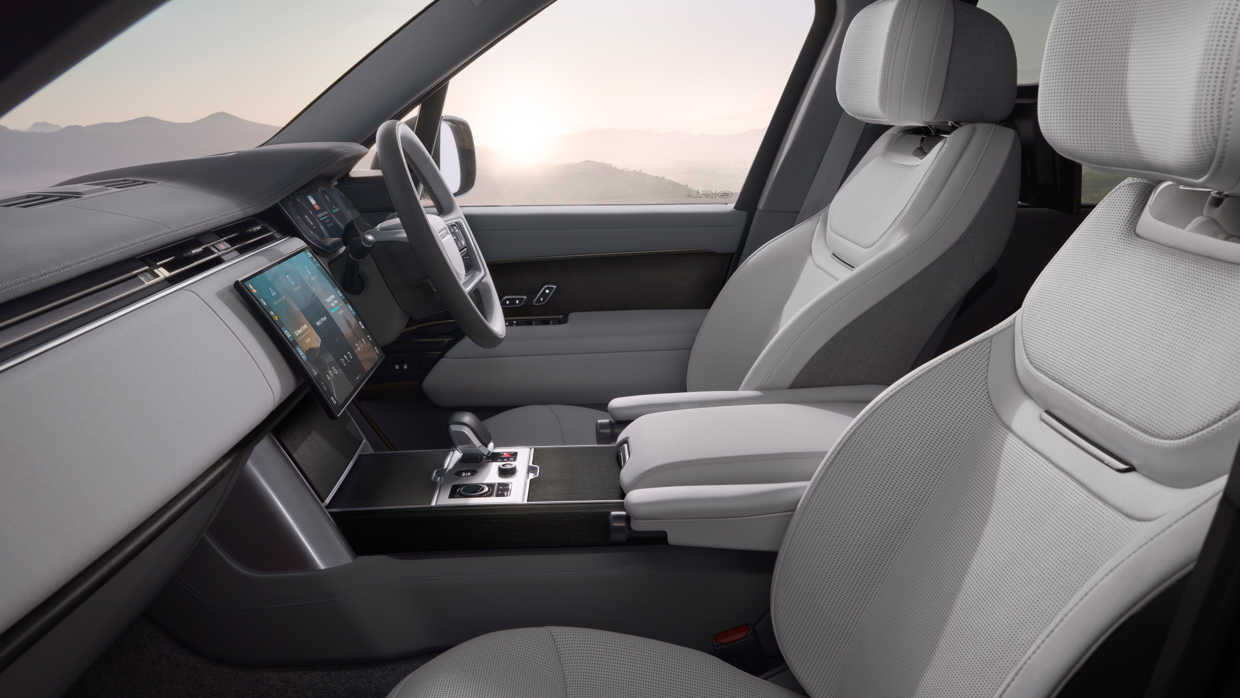
Crystal-clear audio comes in the form of the Meridian Signature stereo, though an update to Warwick Acoustics’ electrostatic stereo debuted on the combustion Range Rover SV Ultra seems like a no-brainer for Land Rover to add here in future.
Four-zone climate control is standard and can be pre-activated via Range Rover’s new integrated app that manages comfort functions, but also the sale, service and charging membership process.
It’s a good thing the boot (with split tailgate) is large, promising more than 900 litres of space in five-seat mode, because there is no frunk. Executives say the bonnet is simply too high, which would have made a frunk cumbersome to interact with for all but the tallest owners.
Land Rover says it wanted to ensure the Range Rover Electric could deliver at least 500km of real-world range. In a big, heavy, high-fronted car like this, that was always going to require a big, heavy battery.
Still, the double-stacked 118.5kWh (usable) nickel manganese cobalt pack in play is perhaps not as huge as some might have imagined. There is still a degree of efficiency here.
The battery is broken down into 344 cells across 10 stacks – five bottom, five top – with propulsion execs telling us safety came before serviceability in the design process.
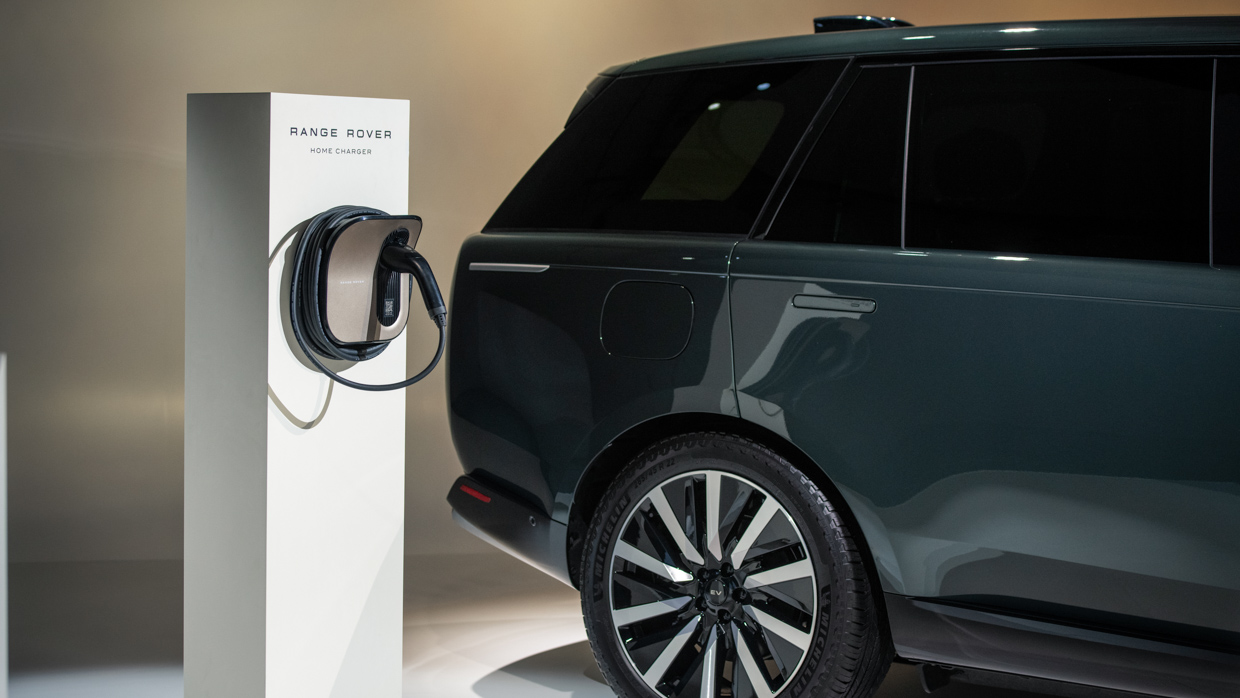
Rated for 578-600km range (WLTP), the Electric officially consumes between 19.7-20.5kWh/100km on the go: it’s hardly frugal but those numbers aren’t outrageous. Range Rover has been smart by calibrating expectations at the 500km level so that drivers who don’t have the same light foot as WLTP-ologists can extract decent range.
The brand says it anonymised 360 million combustion Range Rover journeys and determined that 97 percent of them would have been viable in the Electric model without charging.
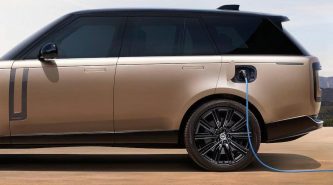
But when charging is required, it can be completed at up to 22kW (AC) or up to 350kW (DC), with a 10-80 percent replenishment at the latter splashing 83kWh of energy (about 400km-worth) back into the vehicle in 22 minutes.
While the Range Rover Electric has an 800-volt architecture, it can still charge at up to 250kW on 400-volt chargers thanks to a pack-splitting feature.
Details on service and warranty will emerge closer to the vehicle’s Australian launch.
It’s clear that the decade-long development process for the Range Rover Electric went to good use.
First and foremost, this luxury SUV drives like a Range Rover should. It looks like one, too…because it is one. Precisely as most customers would expect, this product is very simply a Range Rover with full electrification.
In terms of basic luxury car KPIs, the Range Rover Electric appears to achieve highly. It’s hushed, swift, calm, compliant, and packed to the gills with traditional premium-tier kit.
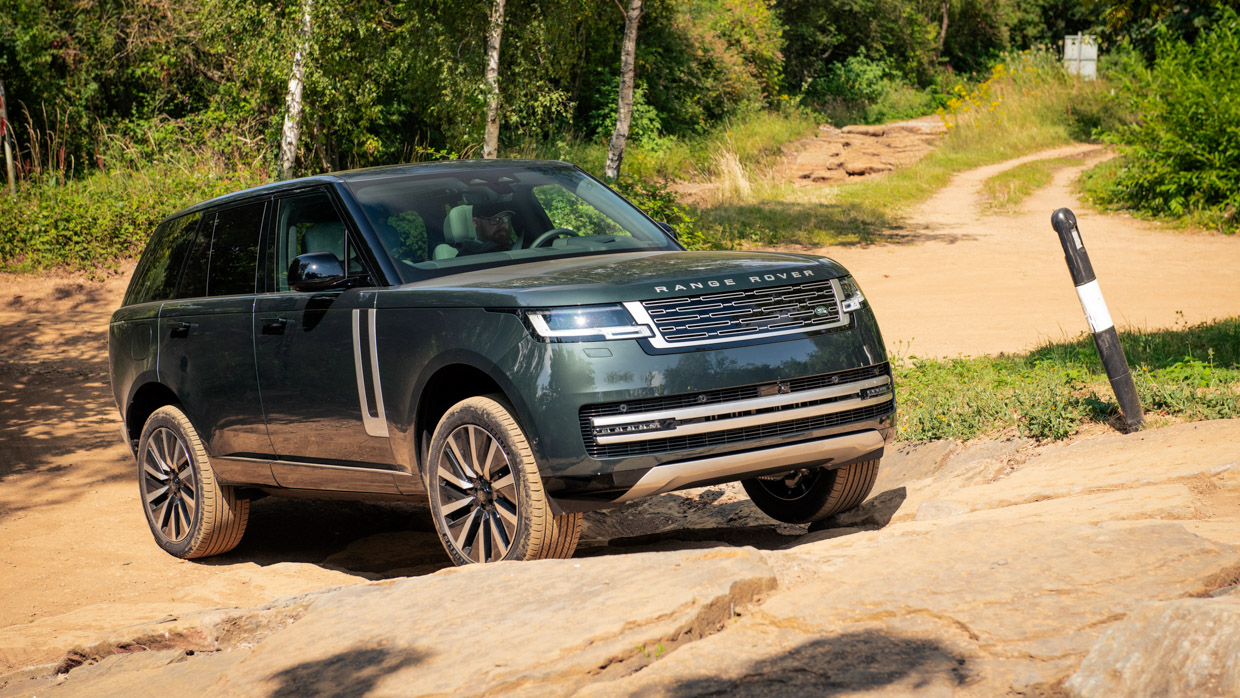
Plus, it looks like it will be incredibly serious off-road.
But if there’s a downside to that long development period, it’s perhaps in how the specs of the Range Rover Electric look like they would have been groundbreaking in 2022 or 2023 but are almost par-for-the-course in 2026.
Range Rover says that 500km real-world range is sufficient for its clients and stands behind its respectable charging performance. But emerging Chinese premium rivals punching out towards 1000km range and 1000kW charging represent food for thought.
About Chasing cars
Chasing Cars reviews are 100% independent.
Because we are powered by Budget Direct Insurance, we don’t receive advertising or sales revenue from car manufacturers.
We’re truly independent – giving you Australia’s best car reviews.
The estimate provided does not take into account your personal circumstances but is intended to give a general indication of the cost of insurance, in order to obtain a complete quote, please visit www.budgetdirect.com.au. Estimate includes 15%^ online discount.
^Conditions Apply
Budget Direct Insurance arranged by Auto & General Services Pty Ltd ACN 003 617 909(AGS) AFSL 241 411, for and on behalf of the insurer, Auto & General Insurance Company Limited(ABN 42 111 586 353, AFSL 285 571).Because we don’t know your financial needs, we can’t advise you if this insurance will suit you. You should consider your needs and the Product Disclosure Statement before making a decision to buy insurance. Terms and conditions apply.
Indicative quote based on assumptions including postcode , 40 year old male with no offences, licence suspensions or claims in the last 5 years, a NCD Rating 1 and no younger drivers listed. White car, driven up to 10,000kms a year, unfinanced, with no modifications, factory options and/or non-standard accessories, private use only and garaged at night.
^Online Discounts Terms & Conditions
1. Discounts apply to the premium paid for a new Budget Direct Gold Comprehensive Car Insurance, Third Party Property Only or Third Party Property, Fire & Theft Insurance policy initiated online on or after 29 March 2017. Discounts do not apply to optional Roadside Assistance.
2. Discounts do not apply to any renewal offer of insurance.
3. Discounts only apply to the insurance portion of the premium. Discounts are applied before government charges, taxes, levies and fees, including instalment processing fees (as applicable). The full extent of discounts may therefore be impacted.
4. We reserve the right to change the offer without notice.