Powered by

-
Car Reviews
Latest reviews
-
Car News
Latest news
-
Car Comparisons
Latest comparisons
- Chasing Deals
Latest reviews
Latest news
Latest comparisons
Mitsubishi Australia’s first electric vehicle since the forgotten i-MiEV is a Pininfarina-styled, Taiwanese-built, ASX-branded small SUV that looks good and promises fun-to-drive dynamics
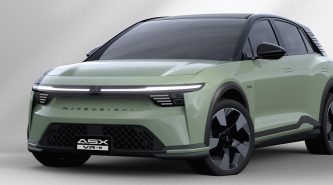
After selling just 250 examples of its pioneering (but expensive) i-MiEV micro electric car back in 2010-13 – beating the Nissan Leaf EV to market – Mitsubishi Australia is poised to introduce a new mainstream electric vehicle to its line-up in the form of the ASX VR-e small SUV.
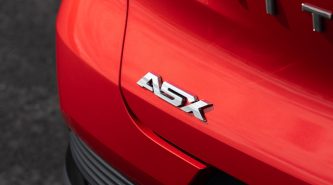
Don’t be fooled by the ‘ASX’ branding, however – this vehicle owes nothing to the ancient Japanese-built original that lasted for 16 years, nor the rebadged Renault Captur that replaced it in 2025.
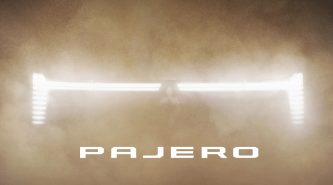
Instead, the ASX VR-e follows in the footsteps of the Pajero Sport, Pajero iO and Pajero Mini by partially adopting the nameplate of a well-known Mitsubishi to create a niche offshoot – in this case the electric ‘VR-e’ whose branding is inspired by the iconic VR-4 variant of the Mitsubishi Galant.
All that naming heritage aside, it’s ironic that the ASX VR-e isn’t really a Mitsubishi at all, apart from its overall tuning.
What you see here is essentially a badge-engineered Foxtron Bria, a Taiwanese EV launched in December 2025 that owes its existence to a joint-venture between two Taiwanese companies – electronics monolith Foxconn and car manufacturer Yulon. And a model-sharing arrangement with Mitsubishi.
Initially intended solely for Australia and New Zealand (and therefore engineered for right-hand drive), the ASX VR-e will reach Aussie dealerships in December, brandishing a variant line-up that includes the single-motor, rear-drive LS, Aspire and Exceed, and a dual-motor AWD GSR flagship.
Mitsubishi gave Australian motoring media an opportunity to sit in, touch and smell the new ASX VR-e Aspire and GSR in the flesh before launch, while providing further details about the specific AU/NZ tuning to its electric power steering and suspension set-ups, and crucial ongoing calibration of its active-safety electronics.
So we won’t know for another month or so whether the changes to the dampers, rear bump-stop size, potentially the springs, and the EPAS and ADAS calibrations achieve Mitsubishi’s aims of driving confidence, ride comfort and ease of operation.
But the ASX VR-e does have a broad footprint, a long 2800mm wheelbase, multi-link independent rear suspension a predominantly rear-drive bias working in its favour.
Mitsubishi Australia’s Product Strategy Manager for ASX VR-e, Tim Clarke, said the tuning was completed at Lang Lang (GM-Holden’s former proving ground) and that after benchmarking the ASX VR-e against its main (unnamed) rivals, he feels that Mitsubishi’s imminent EV has the driving chops to compete among the best driver’s cars in its class.
At the top of that rung is the dual-motor GSR AWD, which not only doubles the power and torque outputs of its rear-drive siblings (to 342kW and 700Nm) but also has a 30/70 front-to-rear drive split in dynamic cornering when in Sport mode (though 50/50 during foot-flat acceleration).
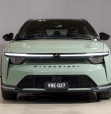
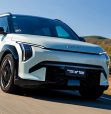
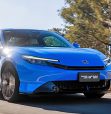
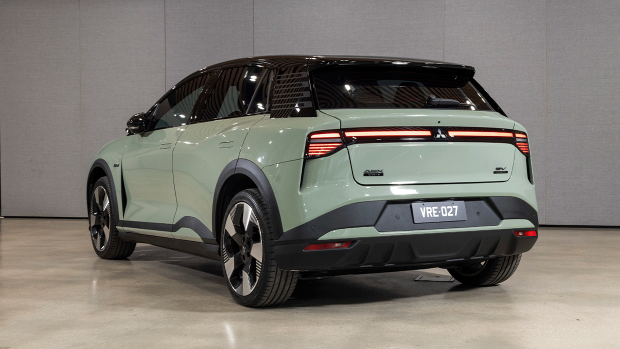
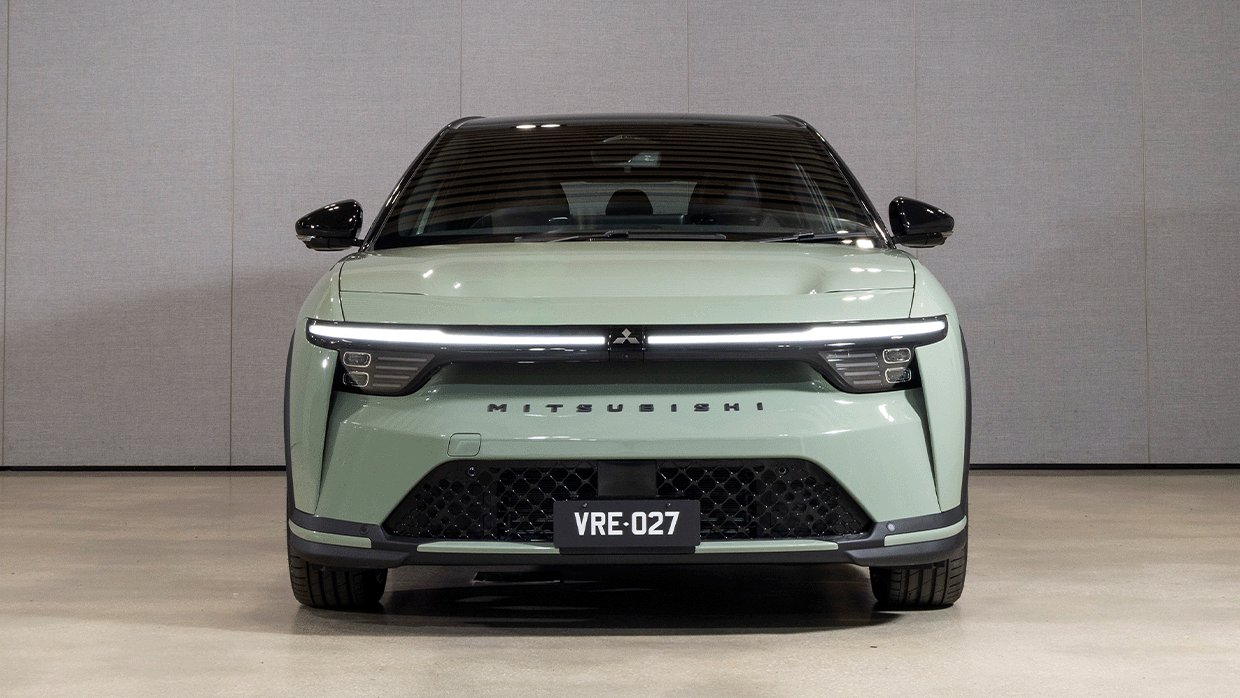
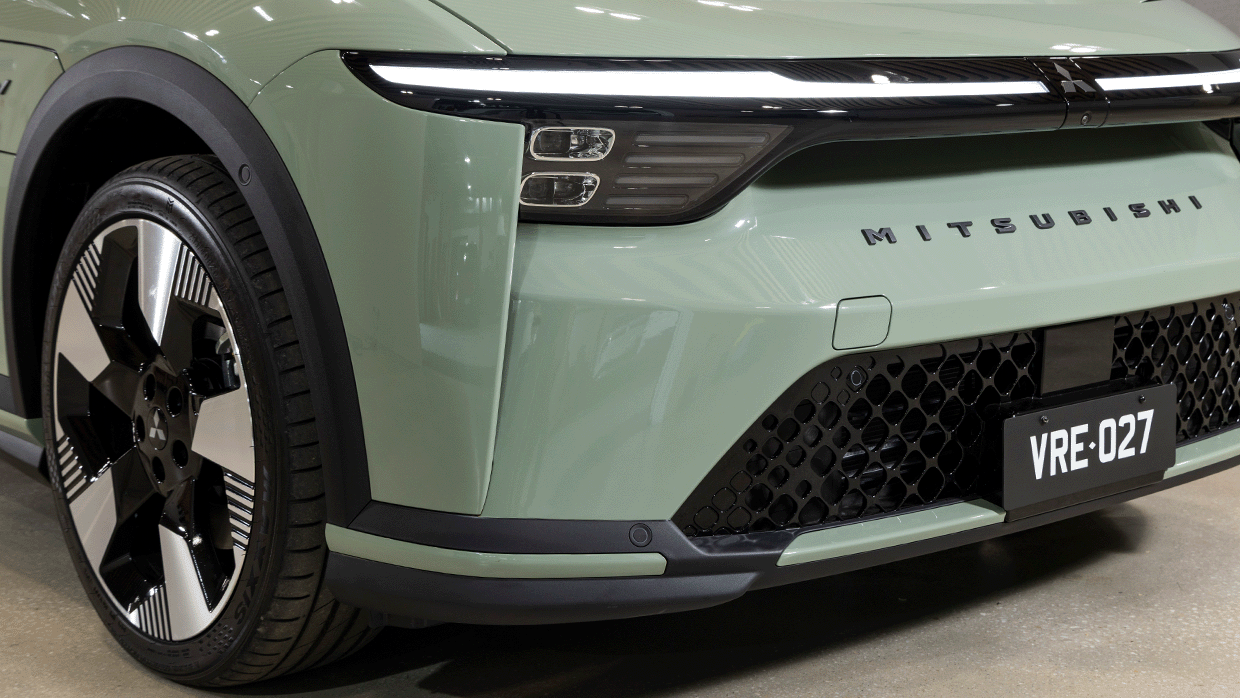
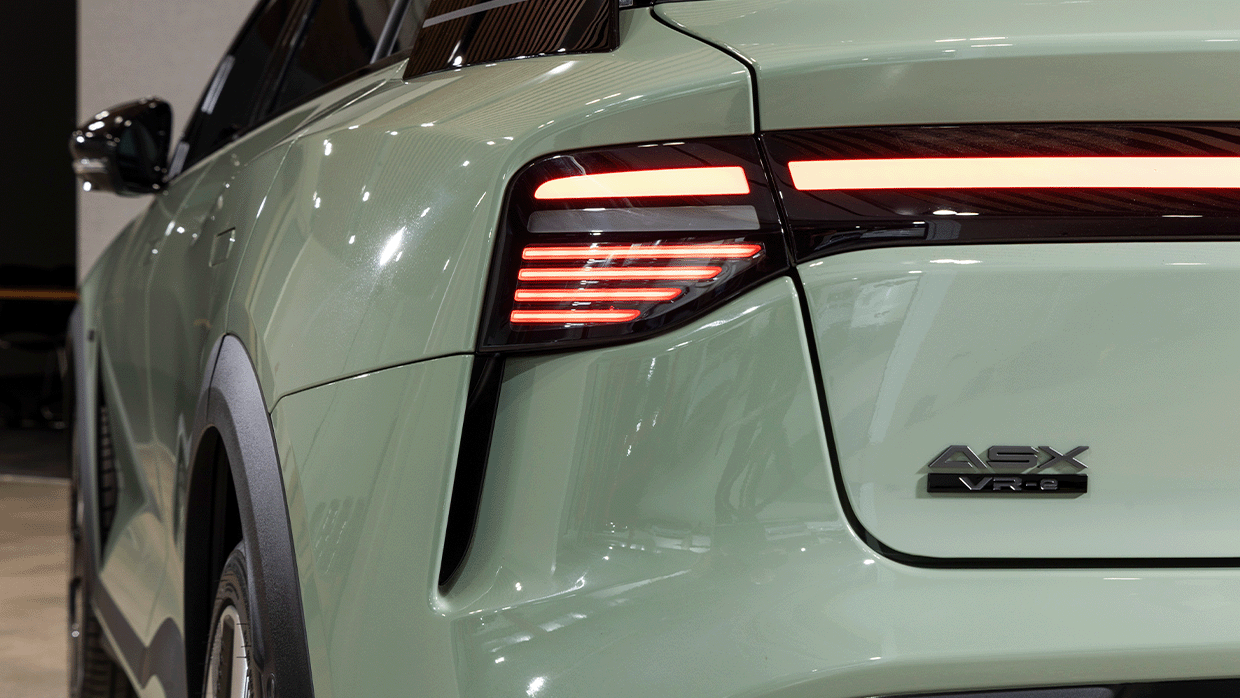
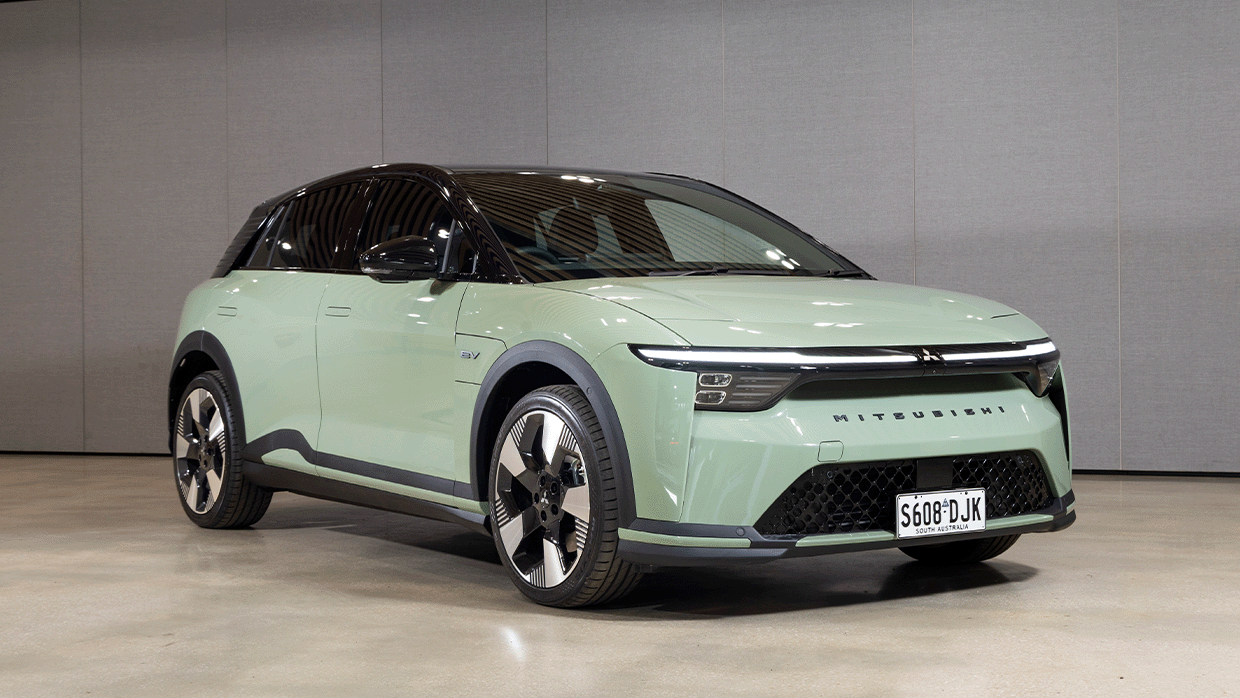
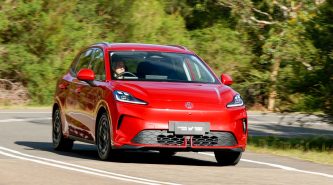
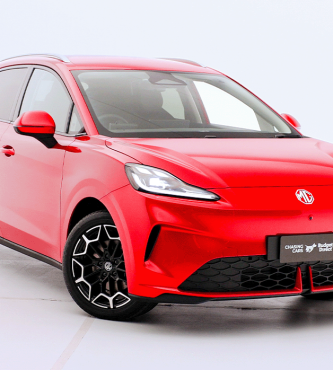
As for the look and the interior, the ASX VR-e’s wrapping does a good job of selling the prize. Styled in conjunction with Pininfarina in Italy, it’s very close to the Foxtron Bria donor vehicle in overall shape and detailing but gets unique Mitsubishi badging and alloy-wheel designs (grey 18s on LS and Aspire; machined-face 20s on Exceed and GSR).
ASX VR-e’s aero front with open ‘S-Duct’ behind its slitty horizontal light band, crisp side sculpting, pronounced rear hips and chunkily broad rear stance convey an athleticism that Mitsubishi’s local tuning hopefully fulfills. Its striking presence has nothing in common with the original ASX, and neither does its interior design and packaging. Its plastics, however…
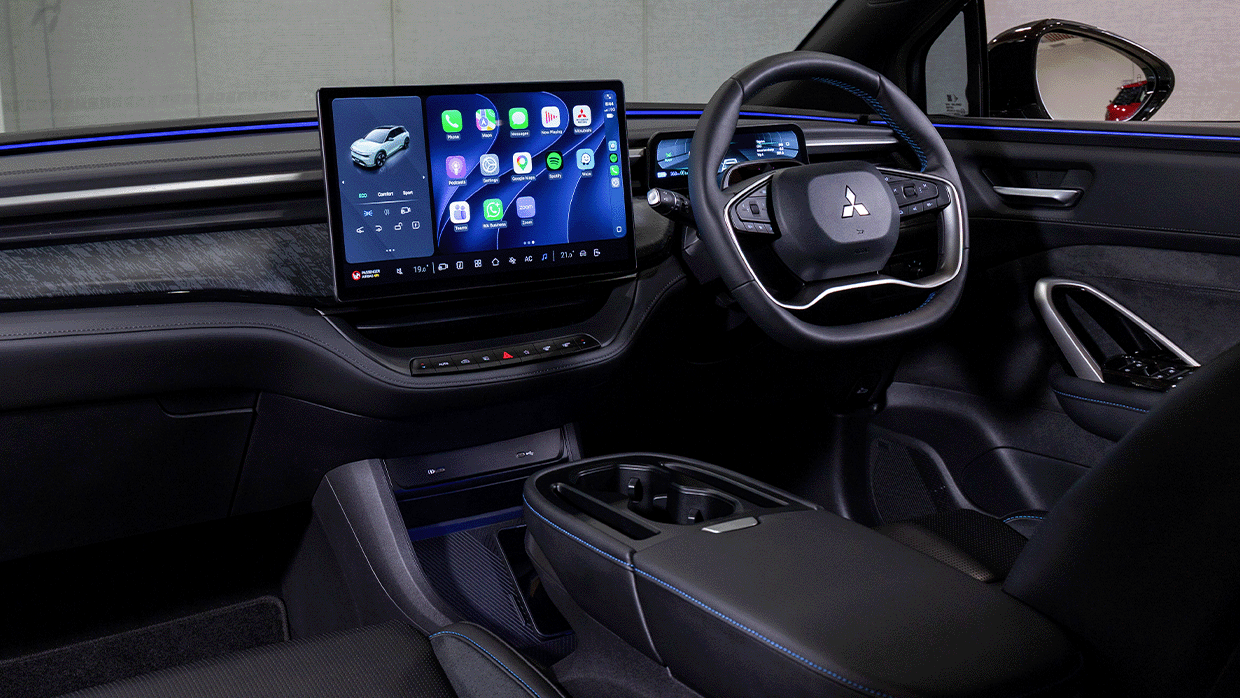
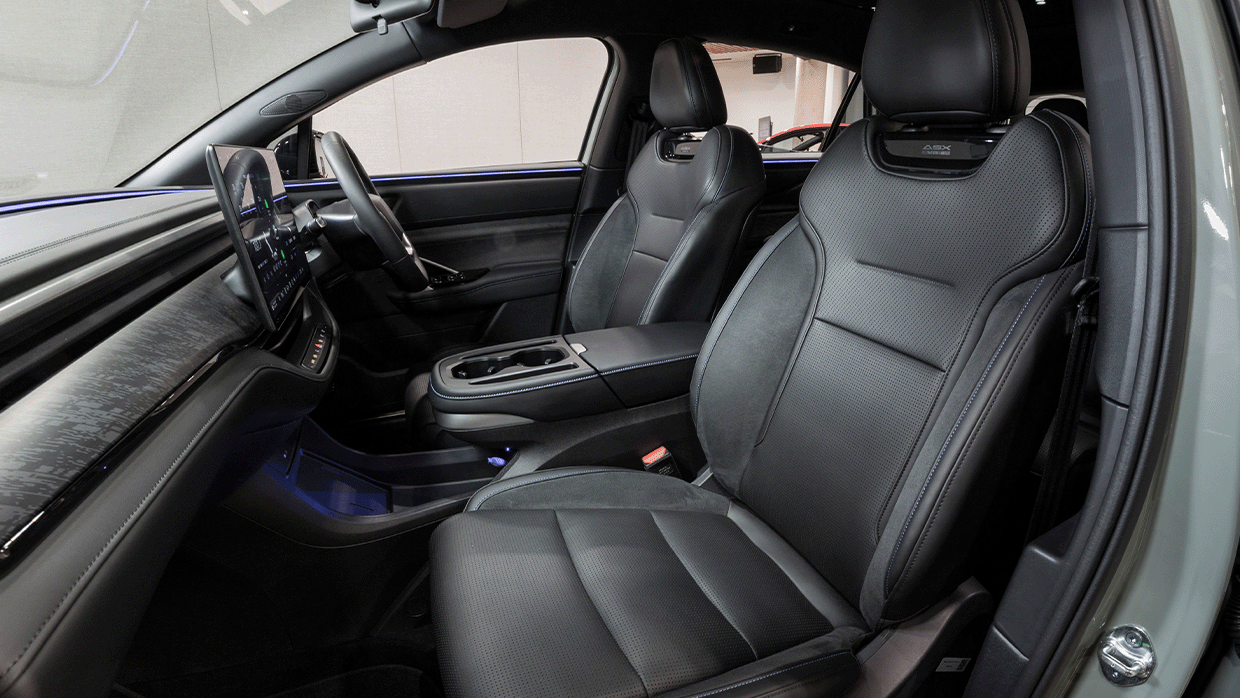
Mitsubishi isn’t pushing the ASX VR-e as a premium product, which is definitely a good thing once you experience its interior plastics. They feel robust and seem well put-together but there’s little in the way of tactility, and even the GSR’s microsuede seat bolsters with blue stitching and microsuede door inserts aren’t enough to add any real warmth.
Our preview cars also had quite a pong about them – like cheap scuba gear – though Mitsubishi blamed the shipping containers they arrived in. Apparently (and hopefully) the full-production cars don’t have the same odour, though it’s this olfactory sense that betrays whether a car is cheap or not.
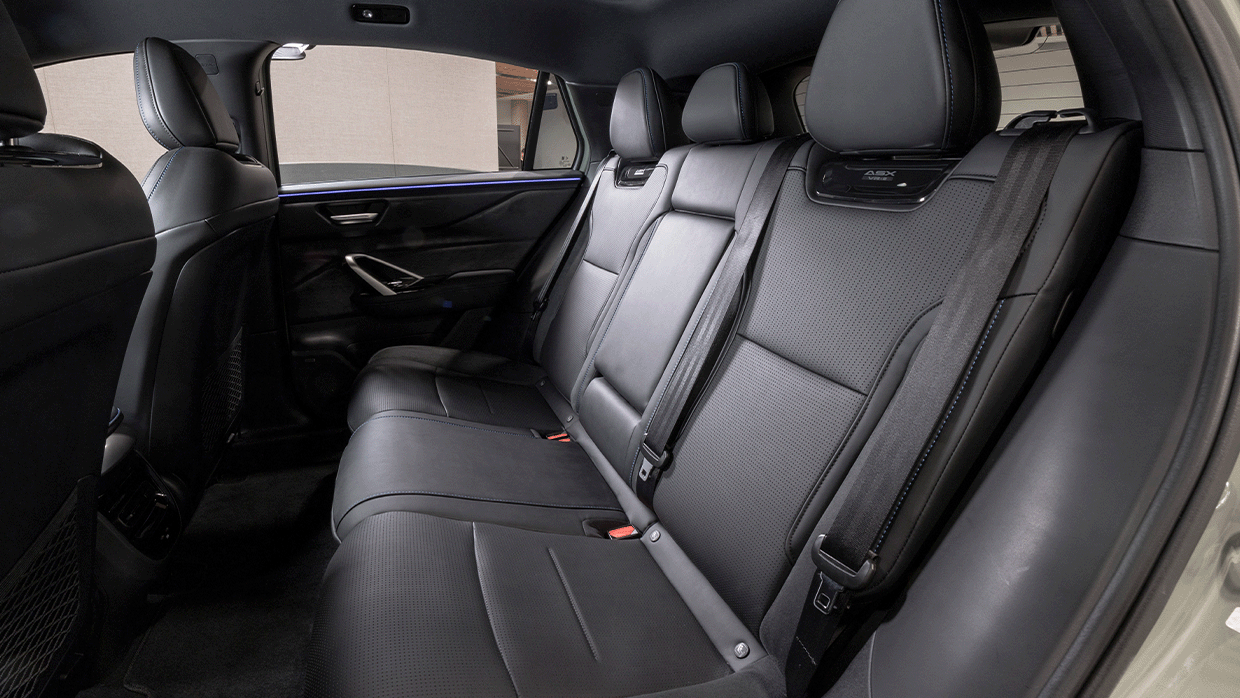
The all-black interiors of our preview Aspire and GSR were also disappointing (the Foxtron Bria offers a light-coloured seat/door-trim alternative, plus red seatbelts), as well as the reliance on vinyl seat upholstery, though Mitsubishi Australia commendably specified cloth seats for the base LS. So the ASX VR-e doesn’t look expensive, but it is well-packaged and very roomy.
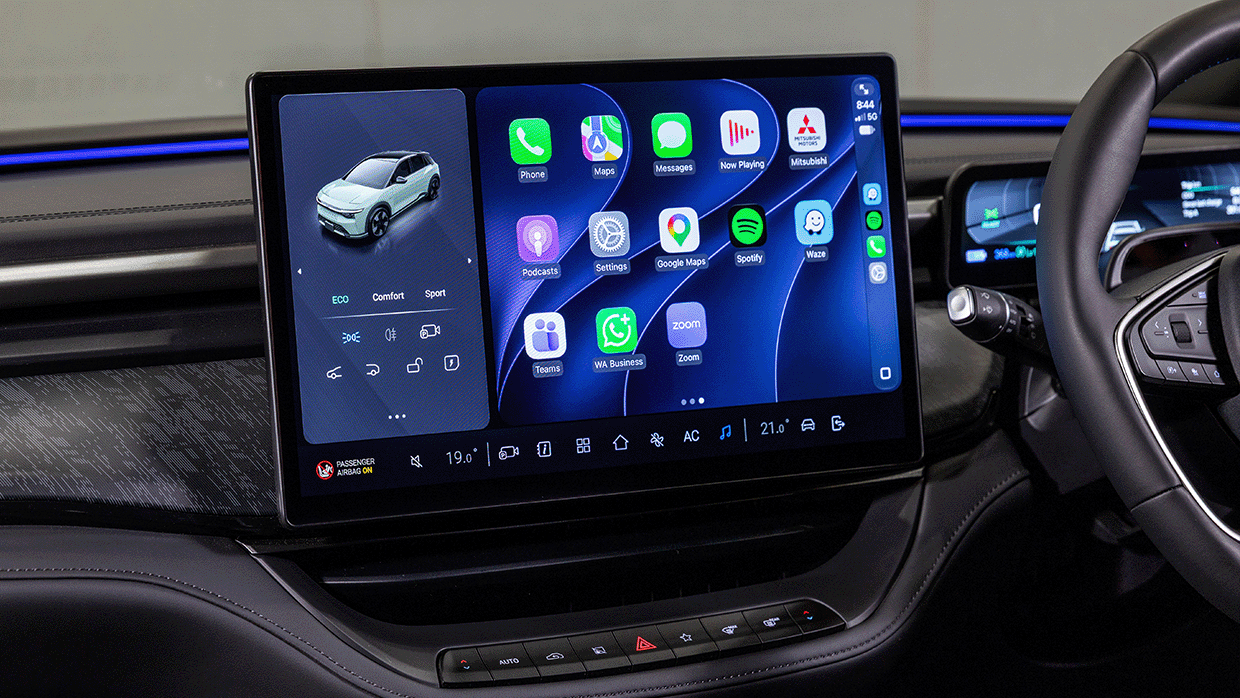
The materials might be Aldi but the thinking behind their operation is genuinely good. The plasticky door grabs are usefully sized and positioned, all four doors comfortably take big water bottles, and there’s a row of physical buttons beneath the 15.6-inch touchscreen that cover everything from dual temperature control to even air recirculation. Hallelujah!
The touchscreen is intelligently arranged with big icons and easy-to-read graphics, and the steering-wheel has physical switches too – even for the five modes of regenerative braking, including a one-pedal mode.
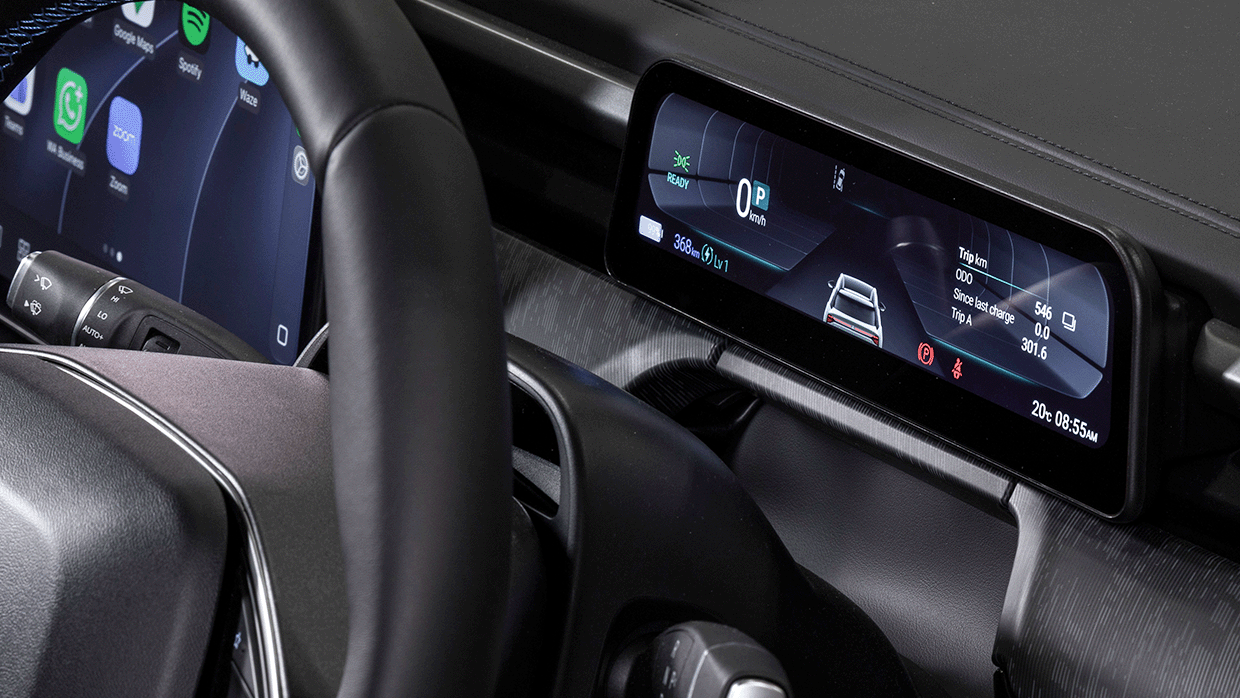
All this equipment (and indeed most of the main standard gear) is available on the base rear-drive LS, which with its cloth seating, wireless smartphone mirroring, 9.2-inch driver’s display and LED exterior lighting gives you a decent serving of ASX VR-e for what converts to AU$46,970 (from its already-announced NZ pricing).
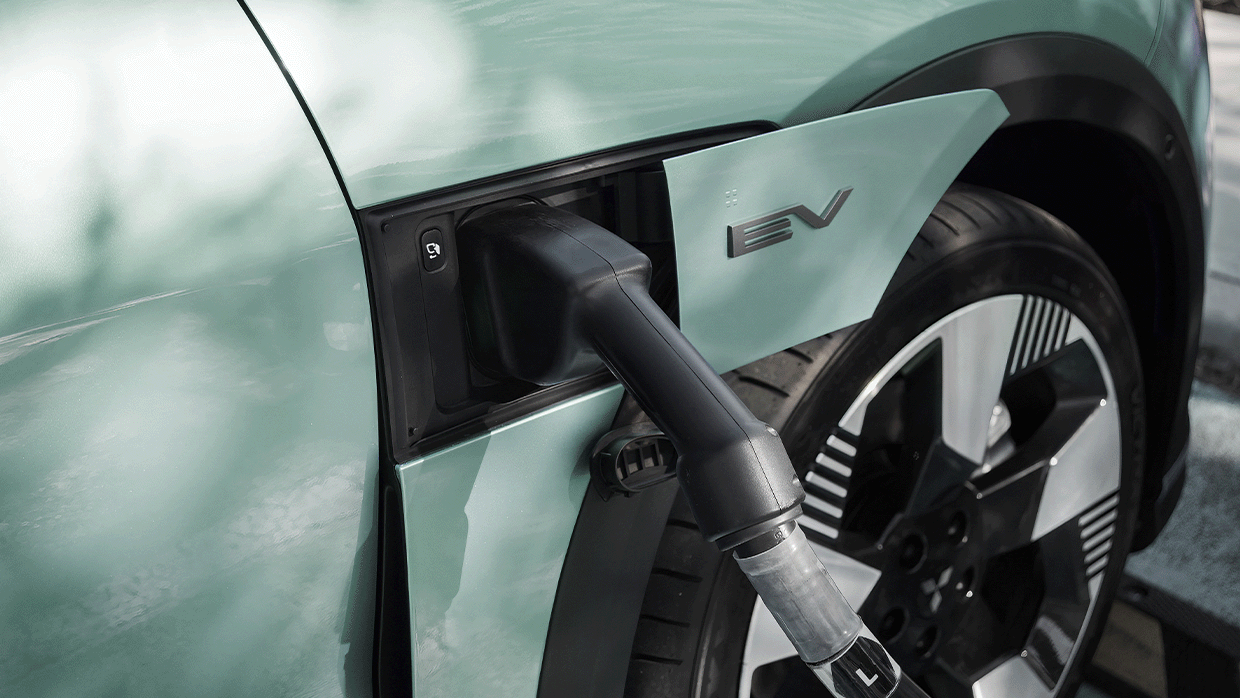
The LS also features a 57.7kWh LFP battery, 171kW/350Nm outputs, 6.8sec-to-100km/h performance, 403km of claimed WLTP range, and a 134kW DC charging maximum for 10-80-percent battery charge in 30 minutes.
Apart from different door handles and the D-pillar finish, the Aspire looks the same externally but brings eight-way electric adjustment for the driver’s seat – one that positions the driver quite high behind a telescoping wheel with more reach than many rivals.
Seat support is reasonable and while the Aspire brings perforated vinyl, it also gets cooling and heating up front, plus ambient lighting, surround-view and auto-parking for AU$51,830 (converted).
Exceed brings 20s, panoramic glass roof, hands-free electric tailgate and a 12-speaker SEAS sound system (for $AU55,070 converted from NZ), while GSR gets the aforementioned seat-trim embellishment, plus dual-motor AWD, 3.9sec-to-100km/h acceleration and a gloss-black roof (for AU$59,120 converted), though only 328km of WLTP range (compared to 398km for Aspire and 380km for Exceed).
The front passenger seat only gets four-way adjustment but isn’t mounted stupidly high like most others without any height option. And rear headroom beneath the panoramic roof on our GSR walkaround vehicle seemed just enough for a 6ft (183cm) adult, though there’s no sunblind.
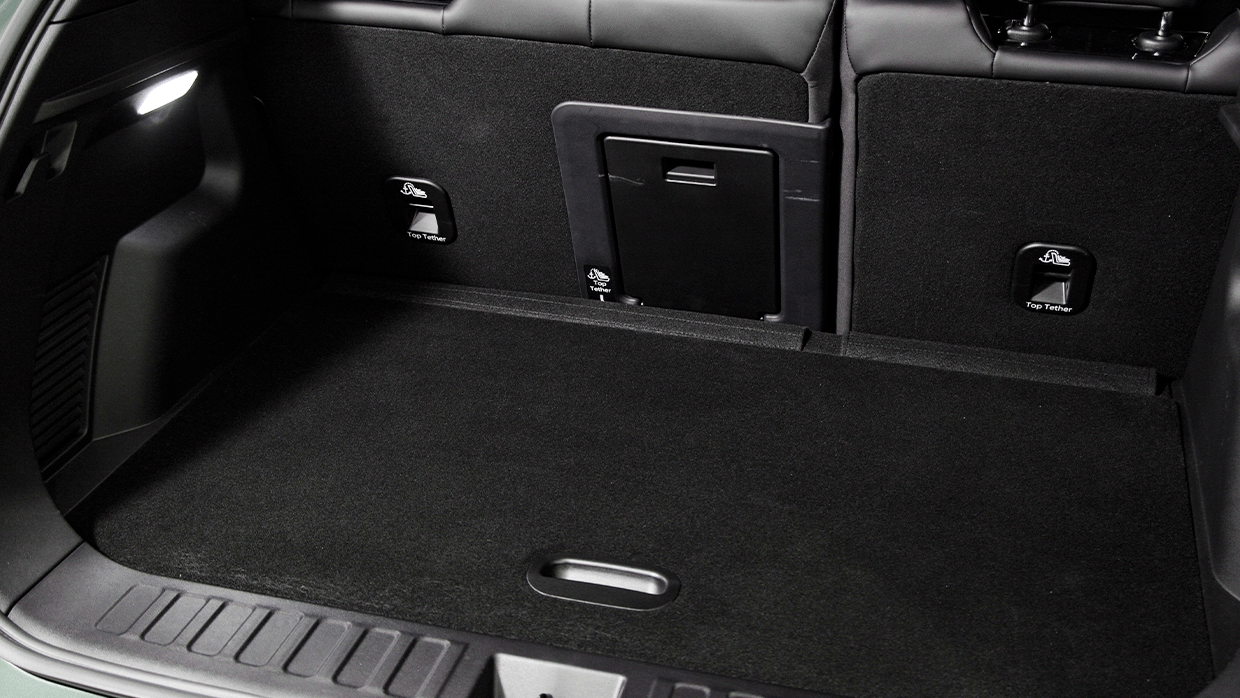
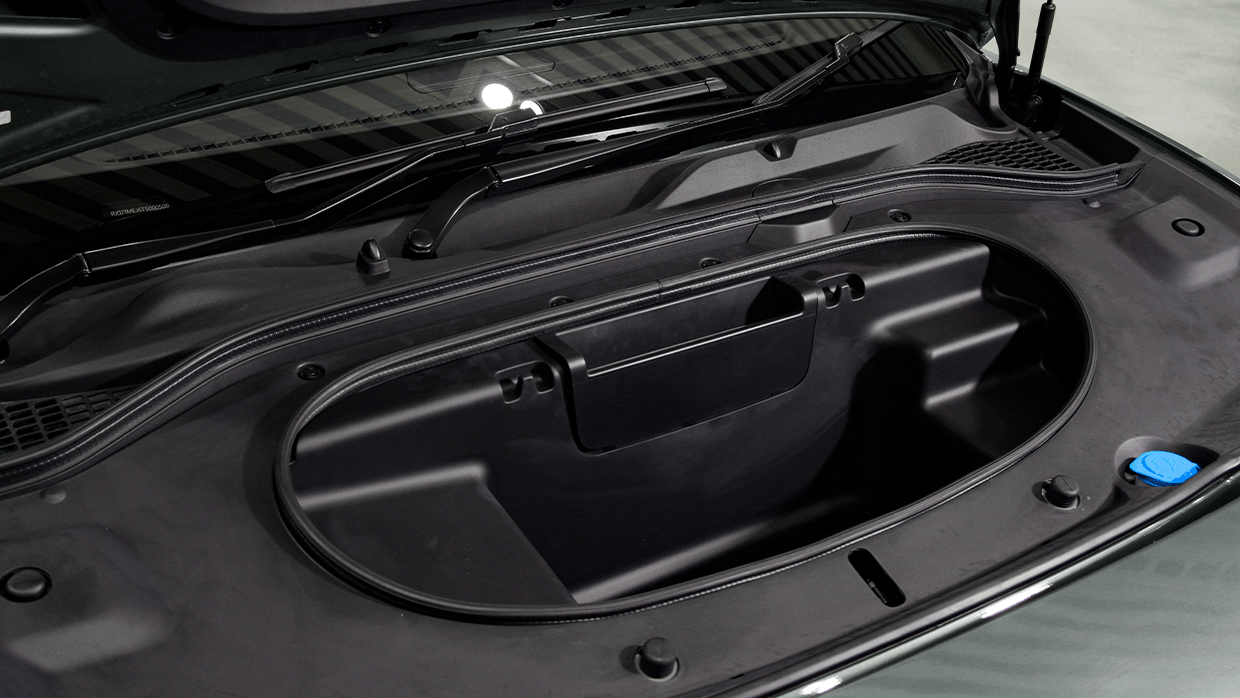
The rear seat offers decent support, generous legroom and reasonable foot room beneath the front buckets, and there’s also a fully flat floor and impressive all-round vision – much like front occupants enjoy through the gently curved windscreen and wide expanse of glass. Only boot space appears compromised (320 litres, with some extra give below the floor), though there is also a 52-litre cavity up front.
As for the GSR’s unique treatment, it’s pretty minimal and includes a weirdly unsporting patterned plastic dash insert that looks like a 1980s Formica benchtop. The gravitas of the GSR badge isn’t what it once was so let’s hope the ASX VR-e GSR’s potential driving character can help rebuild that reputation.
If Aussie pricing is close to (or less than) what the conversion from NZ dollars promises, and same with the driving dynamics from its Lang Lang tuning, then the ASX VR-e has a decent chance of making a decent showing – especially the LS.
But questions do remain – is the electric range good enough? Will the production cars smell more premium? And will the hardware and software of this tech-focused vehicle respond well to Mitsubishi’s suspension, steering and active-safety tuning?
Come the end of November, we’ll know for sure.
Latest news
About Chasing cars
Chasing Cars reviews are 100% independent.
Because we are powered by Budget Direct Insurance, we don’t receive advertising or sales revenue from car manufacturers.
We’re truly independent – giving you Australia’s best car reviews.