Powered by

-
Car Reviews
Latest reviews
-
Car News
Latest news
-
Car Comparisons
Latest comparisons
- Chasing Deals
Latest reviews
Latest news
Latest comparisons

Mitsubishi to end 14-year absence from Australian EV market by year’s end, with Foxconn’s help
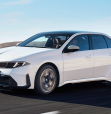
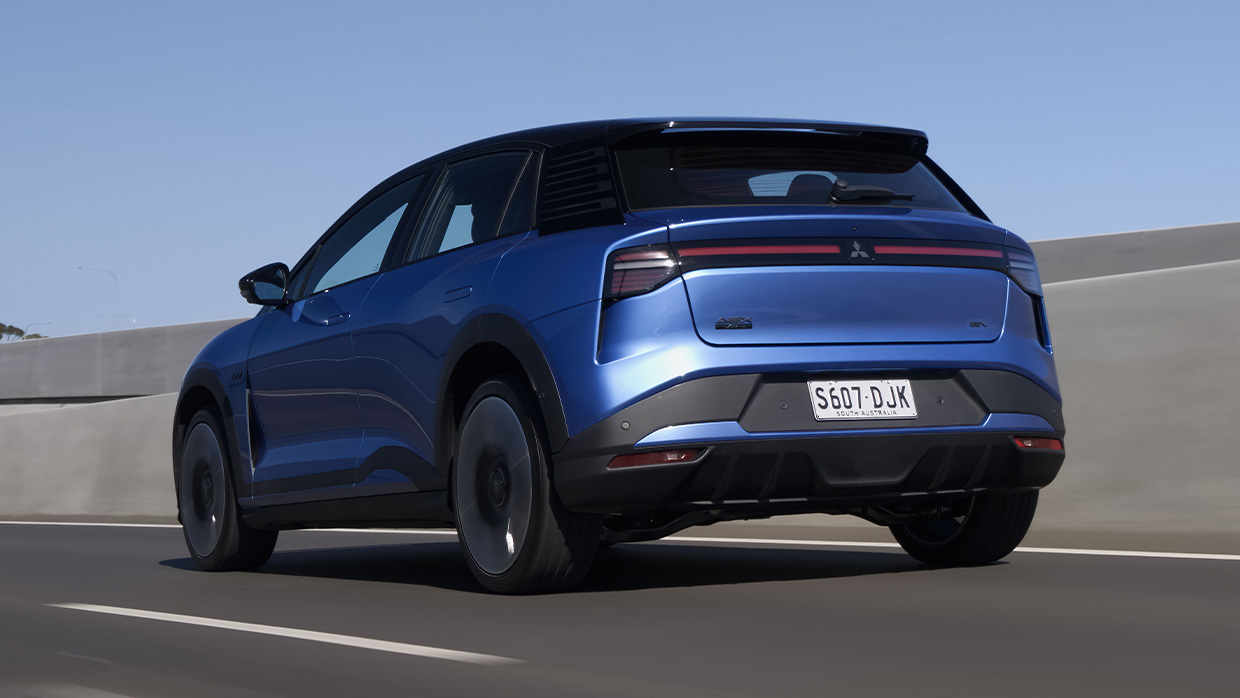
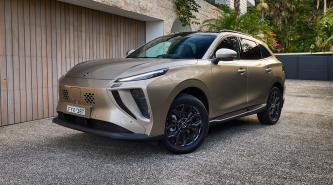
After Mitsubishi announced in August that the ASX VR-e electric hatch was Australia-bound by year’s end, the Japanese automaker has published details – except two of the most important.
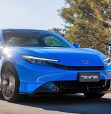
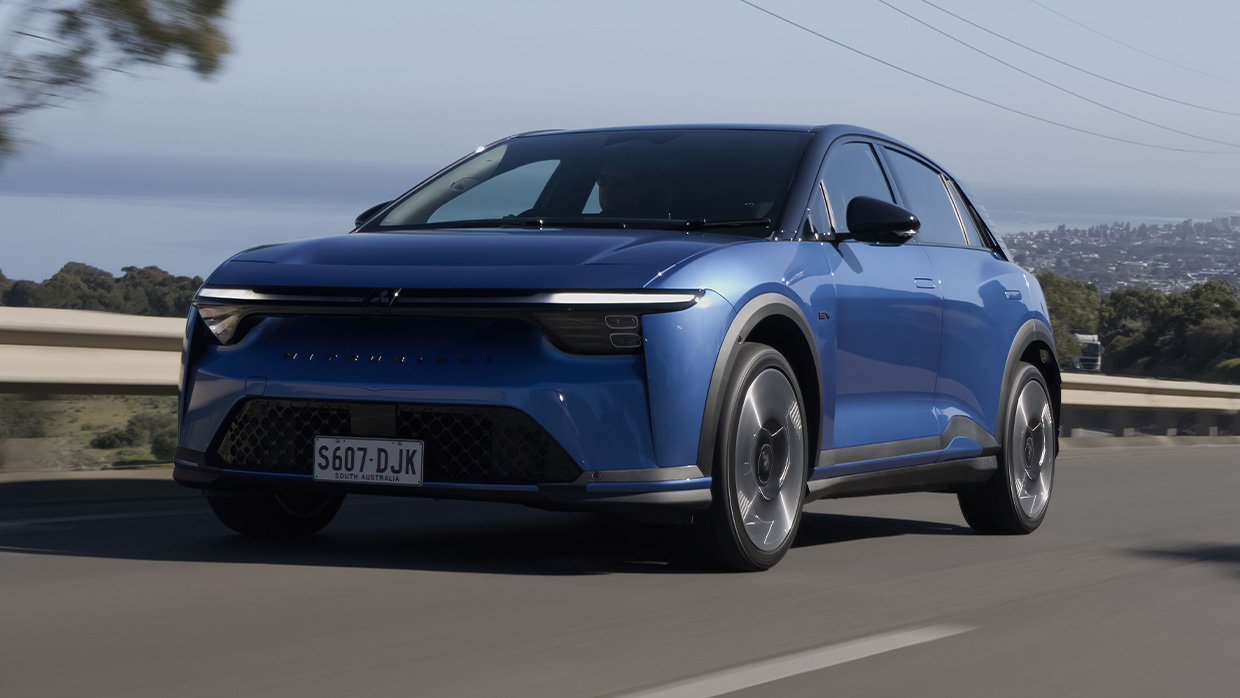
Measuring 4315mm long, 1535mm high and 1885mm wide, the ASX VR-e is sized similarly to the petrol ASX, which is 77mm shorter, 88mm narrower and 40mm taller. The VR-e’s proportions are the work of Italian design firm Pininfarina, who cleverly included a duct under the front lights to direct air over the bonnet and roof, reducing drag.
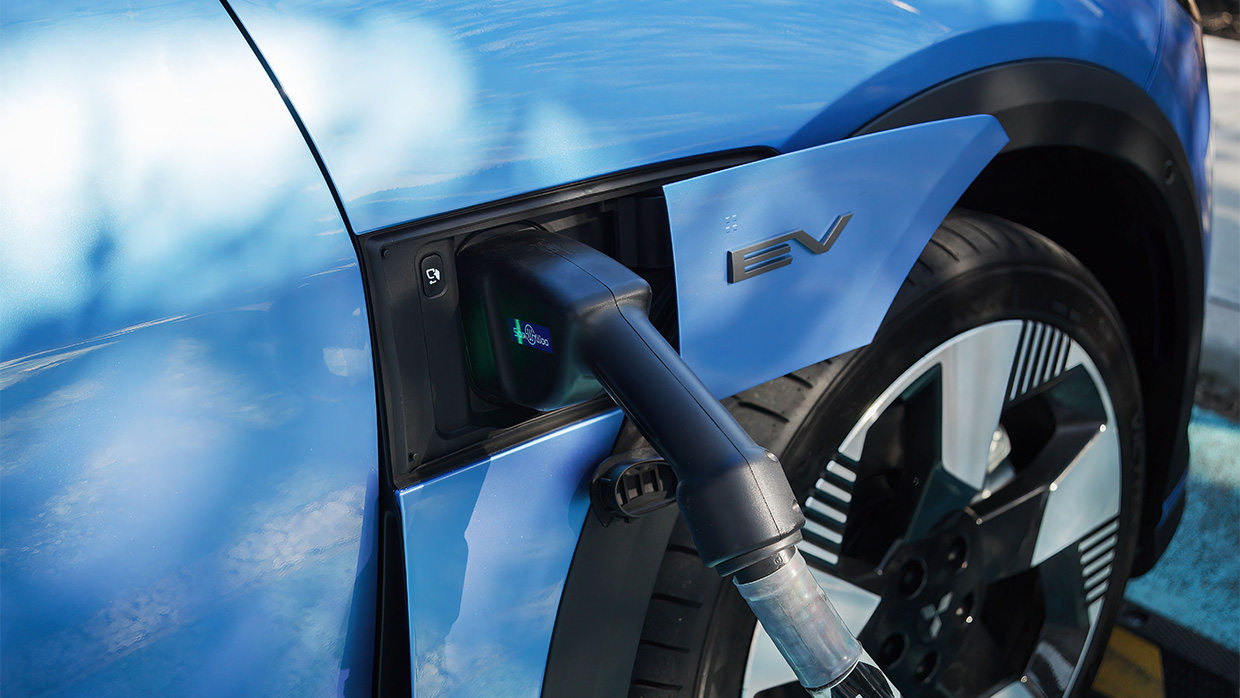
All Australian ASX VR-es have a 57.7kWh lithium-iron-phosphate battery, with a warranty of eight years or 160,000km. It accepts DC charging at speeds of up to 134kW, and AC charging at up to 6.6kW.
The battery feeds one of two powertrain options available. In the LS, Aspire and Exceed models, a single rear-wheel drive motor produces 171kW and 350Nm, yielding a zero to 100km/h time of 6.8 seconds.
Speed demons can opt for the ASX VR-e GSR, which gains a second, front-mounted electric motor for all-wheel drive. Combined maximum output rises to 342kW and 700Nm, and in Sport mode, the GSR’s power split can change to 30/70 front/rear from the default 50/50. It’s one of three modes in all ASX VR-es; the others are Eco and Comfort.
The GSR dethrones various Lancer Evolutions as the quickest Mitsubishi ever sold in Australia, with a zero to 100km/h time of 3.9 seconds.
The first of two notably absent details is the ASX VR-e’s range. The Taiwanese-market claims of 516km (LS, Aspire, Exceed) and 466km (GSR) were measured with the optimistic NEDC testing cycle, not the more realistic WLTP cycle.
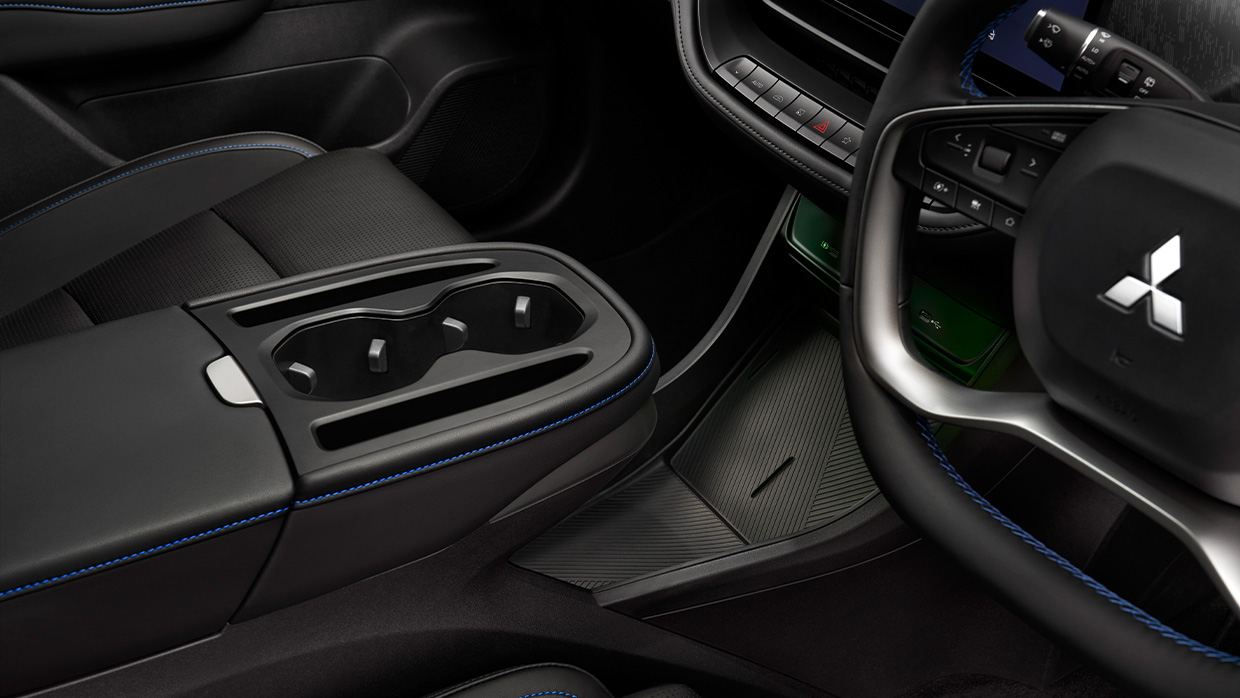
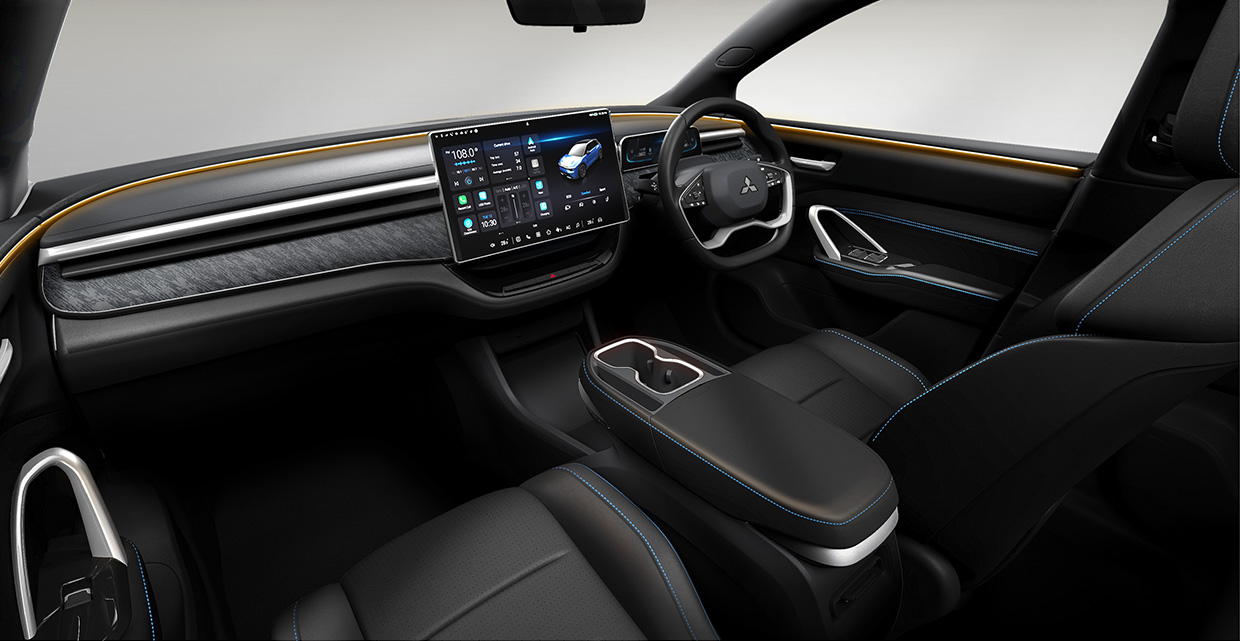
Interior tech is as generous as usual for an EV, with a 15.6-inch central display and 9.2-inch driver’s display. Mitsubishi has commendably resisted the urge to go minimalist – buttons remain for the air conditioning and demisters.
All models get rear parking sensors, a rear-view camera, two-zone aircon, vehicle-to-load charging, lane-following adaptive cruise control, and a tyre pressure monitor.
Aspire models and above have fake leather upholstery, heated, ventilated and power-adjustable front seats, 64-colour ambient lighting, a variable-height boot floor, parking sensors front and rear, and 360-degree cameras.
The Exceed adds 20-inch two-tone wheels, an electric tailgate, a glass roof and a 12-speaker sound system. Finally the GSR adds, as well as its extra power, a black roof and microsuede upholstery.
The second detail Mitsubishi Australia omitted is price. The petrol ASX starts at $37,740 before on-roads. If Mitsubishi charges a bit more for the electric ASX, it would be level with the Hyundai Kona (from $46,000 before on-roads for electric variants).
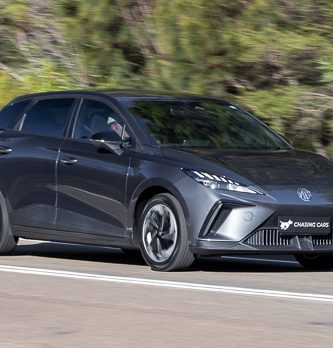
If so, the MG4, in both its original ($39,990 driveaway) and Urban forms ($31,990 driveaway), would have the edge over it.
Piggybacking off the ASX crossover’s name recognition, the ASX VR-e has nothing to do with it mechanically. It’s a rebadged Foxtron Bria.
Foxtron is the car-making offshoot of Taiwanese contract manufacturing juggernaut Foxconn. The name may be new but the company is very much not – Foxconn builds the majority of Apple’s products.
Foxconn/Foxtron and Mitsubishi have collaborated specifically with Australia and New Zealand in mind. We’re the Bria’s very first export markets.
Coincidentally, the normal ASX isn’t really a Mitsubishi either. It’s a rebadged Renault Captur.
Latest news
About Chasing cars
Chasing Cars reviews are 100% independent.
Because we are powered by Budget Direct Insurance, we don’t receive advertising or sales revenue from car manufacturers.
We’re truly independent – giving you Australia’s best car reviews.