Powered by

-
Car Reviews
Latest reviews
-
Car News
Latest news
-
Car Comparisons
Latest comparisons
- Chasing Deals
Latest reviews
Latest news
Latest comparisons

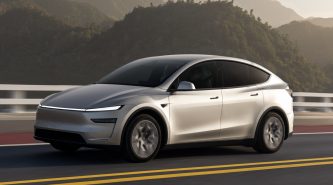
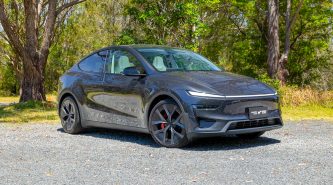
Tesla’s new Model Y has taken some scalps but is it good enough to see off fast-charging Zeekr 7X and updated rivals?
The medium SUV is Australia’s most popular vehicle segment and, with 20 viable electric options priced between $40,000-$80,000, this category is a veritable minefield.
In this five-car comparison test we look at whether you should consider the incumbent best-selling Tesla Model Y or a potentially better or smarter option sourced elsewhere.
It is a global battle, fought by companies headquartered in the USA, China, Korea and Europe. To see which electric SUV comes out on top, it’s a week-long testing fiesta judging these competitors on packaging, dynamics, safety, comfort, efficiency and value-for-money.
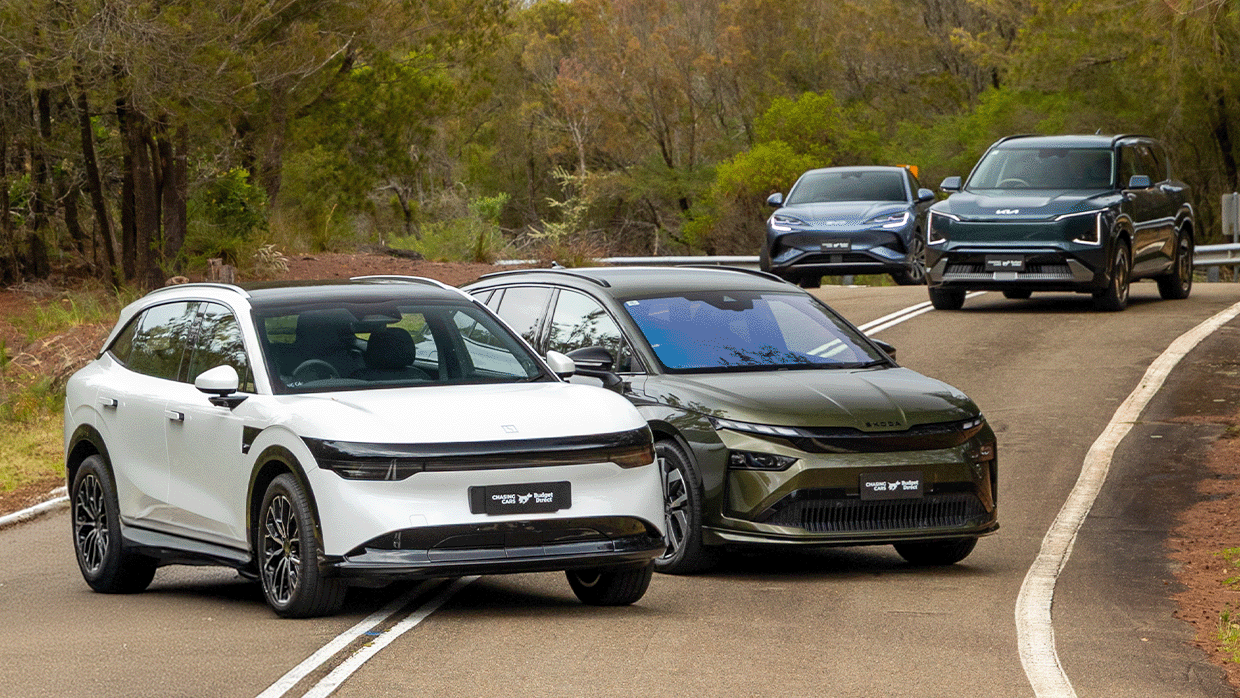
In order of sales popularity, we’ve invited the Tesla Model Y RWD (from $58,900), BYD Sealion 7 Premium (from $54,990), Zeekr 7X RWD (from $57,900), Kia EV5 Earth AWD (from $64,770) and the Skoda Enyaq 85 Sportline (from $59,990, all prices before on-road costs).
We selected these variants to slip under a $70,000 driveaway cap (all as-tested pricing outlined below). This is a sweet spot for electric family cars, taking advantage of bank balance-friendly FBT exemptions without potentially compromising driving range, cabin space and dynamic sophistication.
There are plenty of other cars that could have been included but, based on previous testing and price points, were looked past for this particular comparison.
The Leapmotor C10 and Geely EX5 are the first notable exceptions as they were a lot cheaper and have shorter driving ranges than our five. Vehicles such as the Volkswagen ID.4 and Xpeng G6 were ruled out based on prior testing and comparisons — though both are covered in-depth elsewhere on the site.
Let’s find out which of our assembled five SUVs takes home top honours.
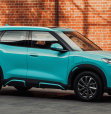
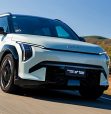
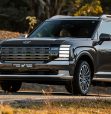
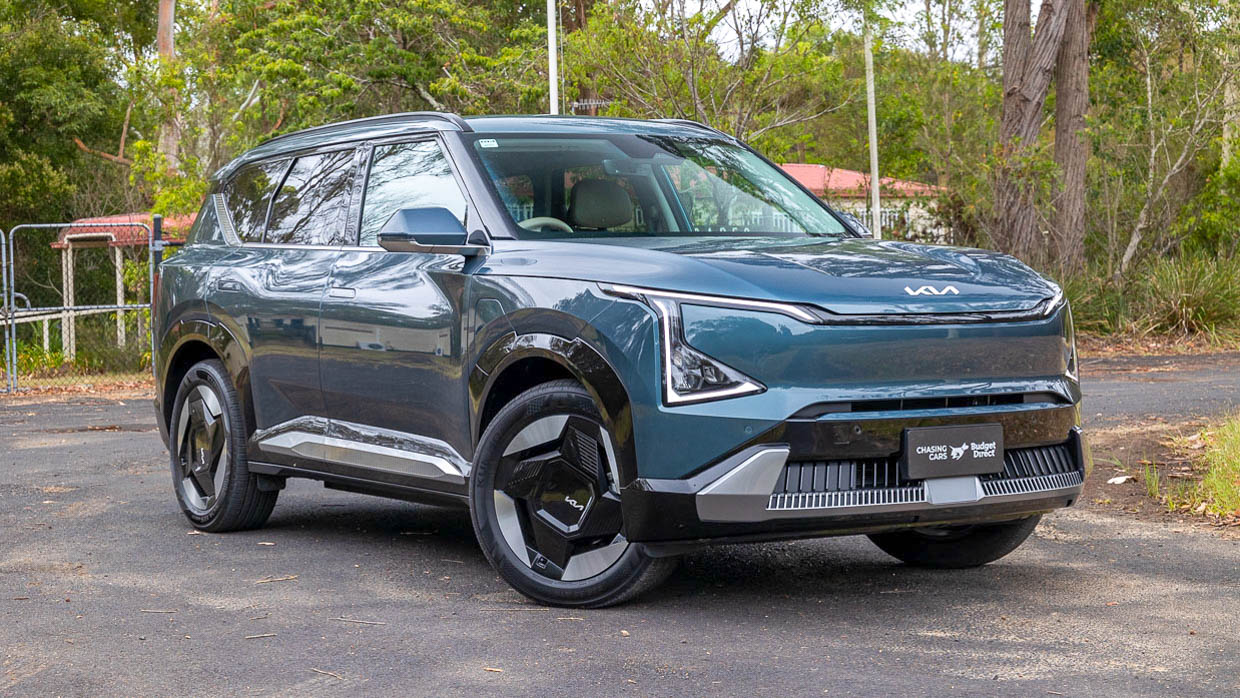
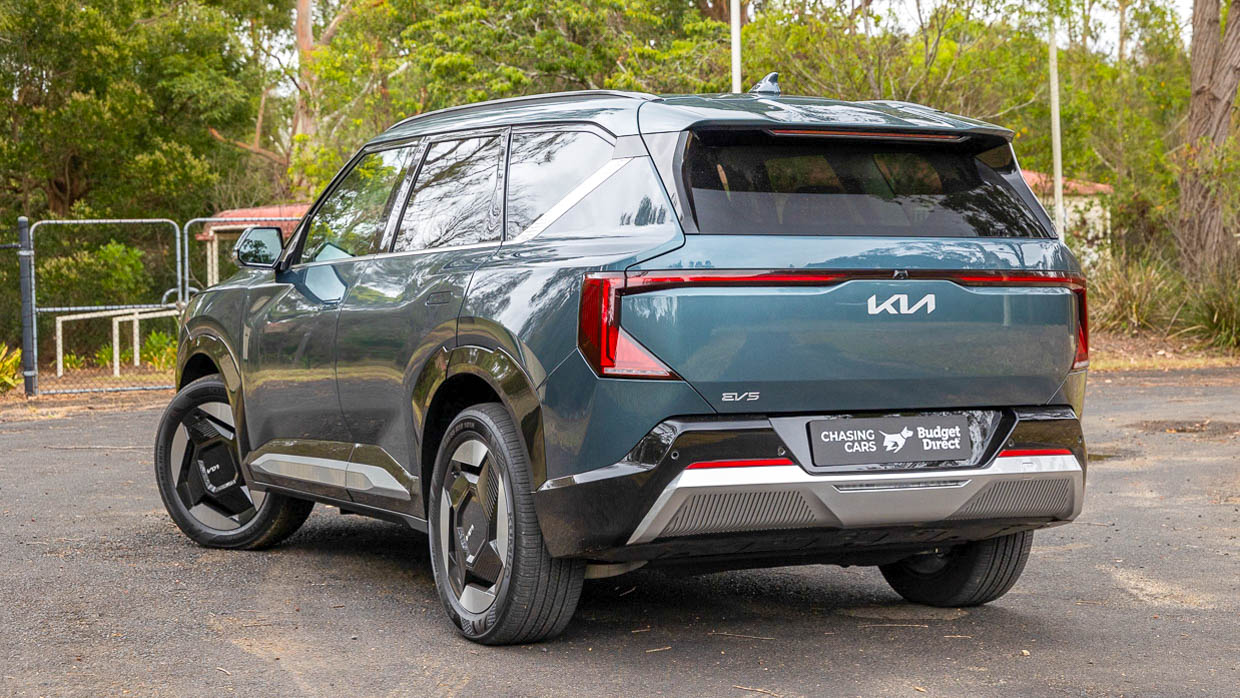
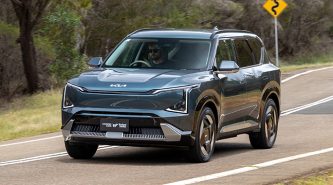
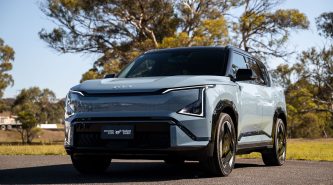
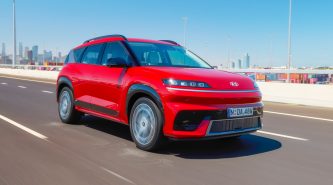
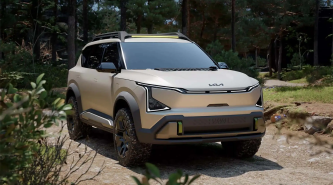
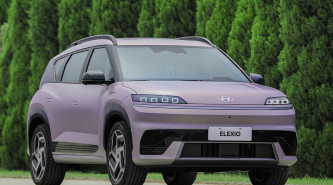
The EV5 is doing well for Kia. It is sharply priced at the lower end, with offers from below $50K driveaway for the base model Air.
We chose the mid-spec, all-wheel-drive Earth, which features 500km WLTP driving range, synthetic leather upholstery, 19-inch alloy wheels, 12-way power adjustable seats with heating and some other goodies for $69,590 driveaway as tested. It just sneaks under our $70,000 driveaway cut-off and is the only AWD EV here.
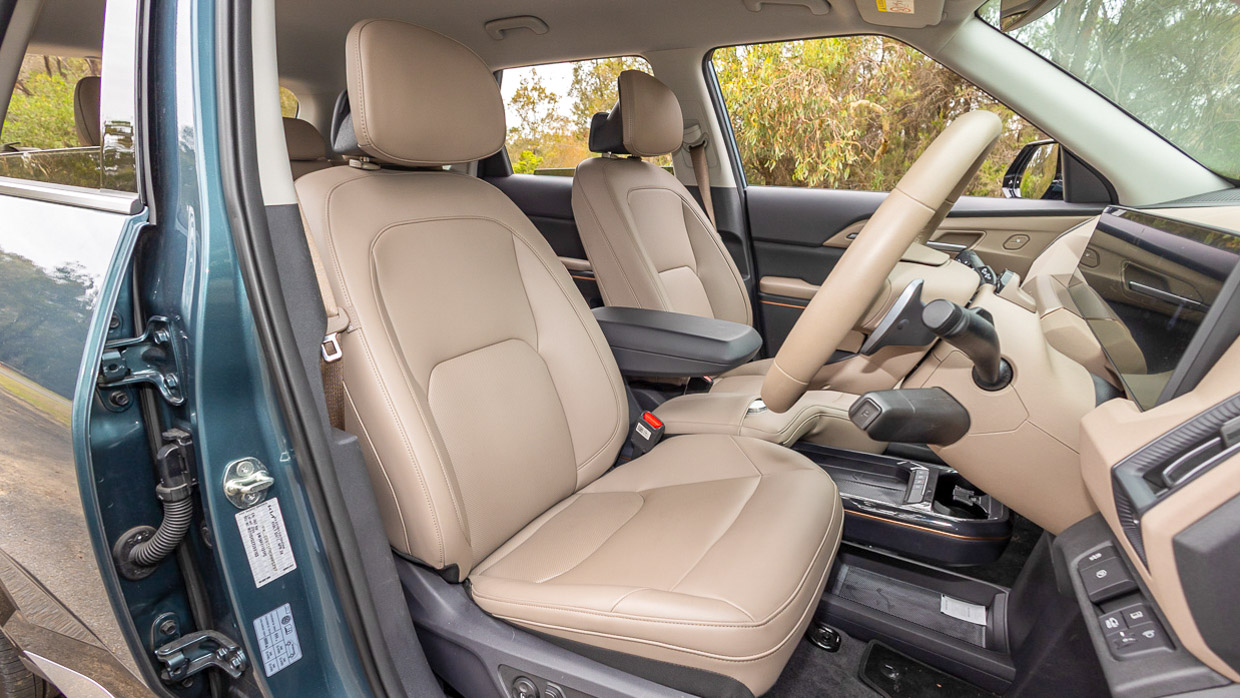
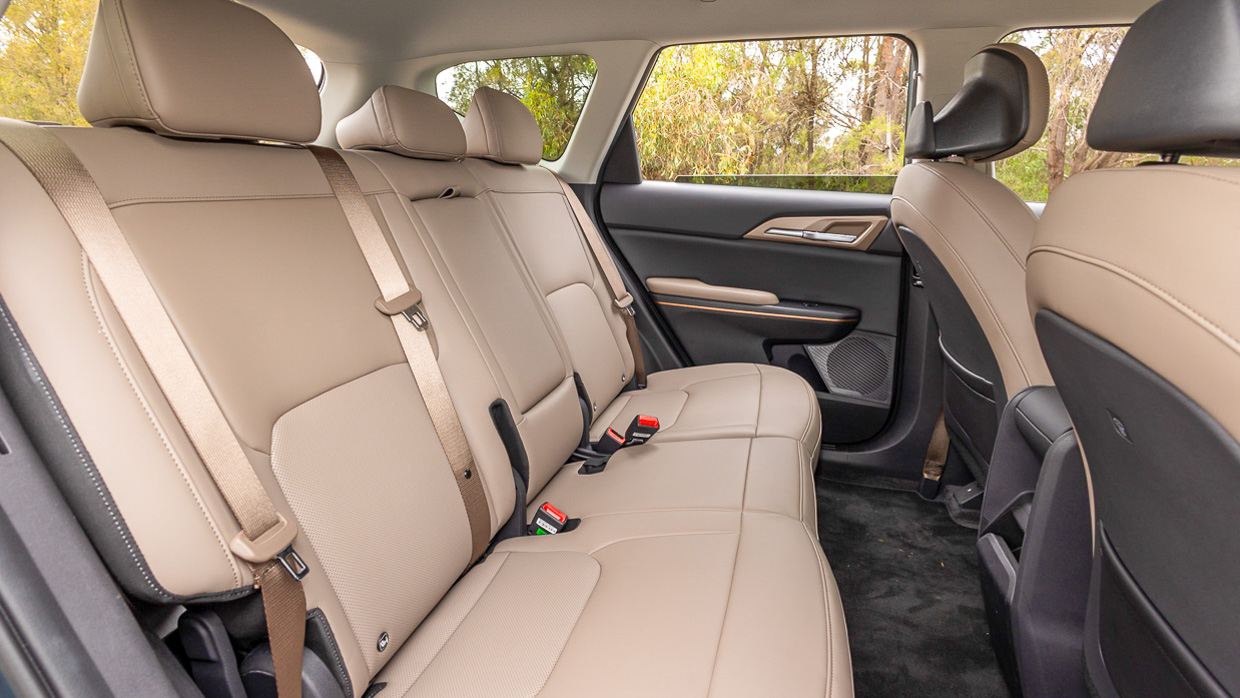
Starting with the positives, the boxy EV5 has a huge amount of cabin space, with lots of headroom in all positions and ample legroom in the back. The second row bench moves, too, providing flexibility to prioritise passenger comfort or boot space.
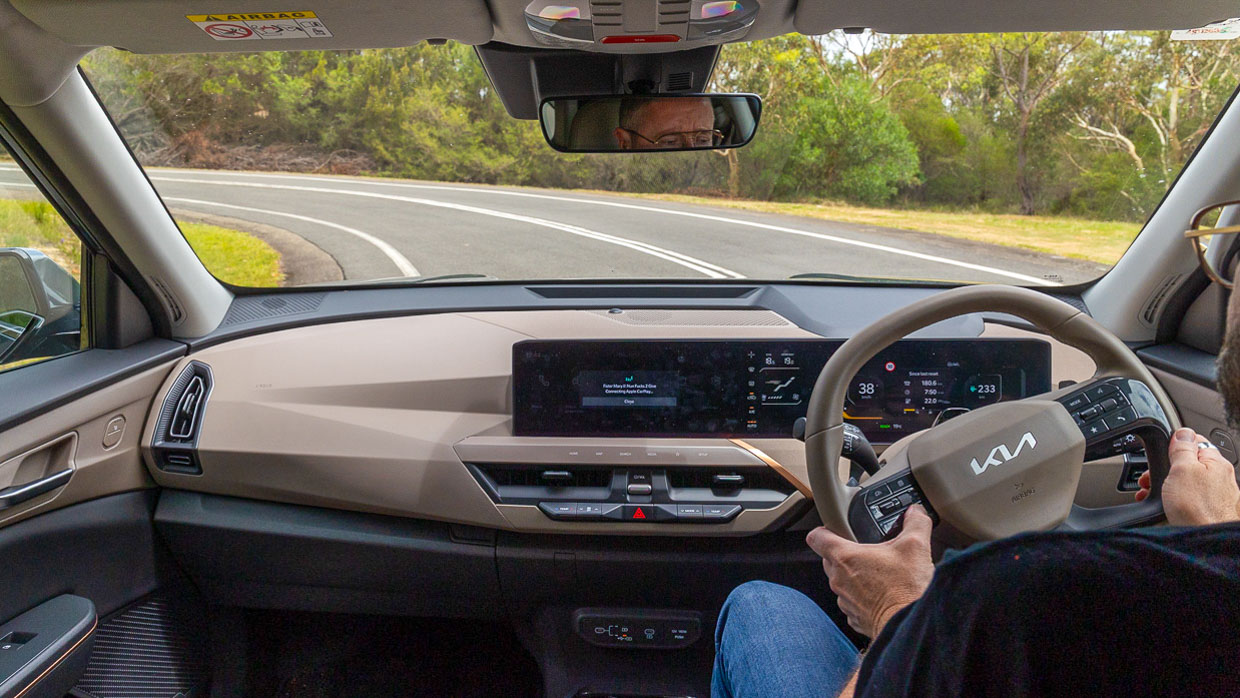
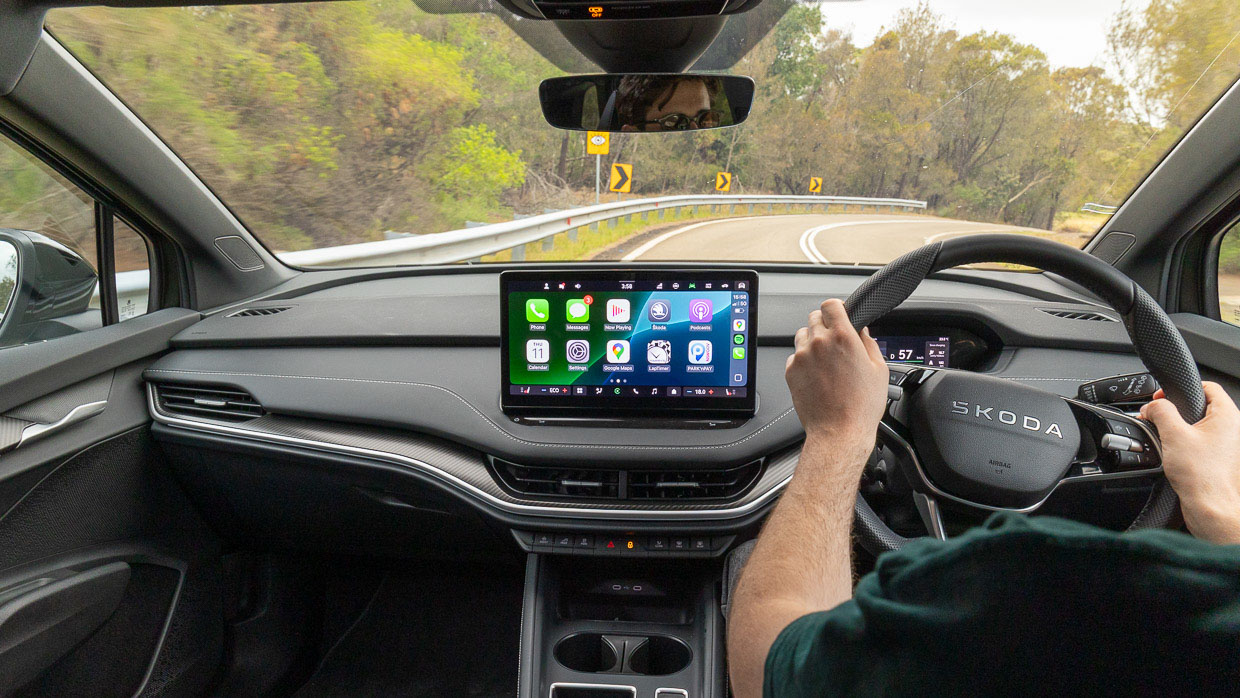
Materials are generally good with the optional beige upholstery showcased here. Technology walks the line between too much (BYD) and too little (Skoda), with the EV5’s reliable wireless connectivity and bright screens real highlights.
For ease of driver set-up, Kia’s system reigns supreme with broad, yet simple to understand, customisation. One-pedal driving can be activated using the steering wheel paddles and there are other levels to suit your style.
Unfortunately, the rest of the EV5 driving experience is not up to scratch. The ride is at once lumpy, too soft and yet the Kia clumsily crashes through pot-holes.
Even though it’s AWD, the front wheels regularly spin up on corner exit as well. It’s partially down to poor tyre choice but also the fact that the Chinese-built EV5 uses a different, dated rear suspension set-up.
Bundle that up with it being the dearest on test, displaying creaks on the move, slow charging times and equal-worst real-world efficiency, and you understand how Kia’s mid-sizer falls short of rivals.
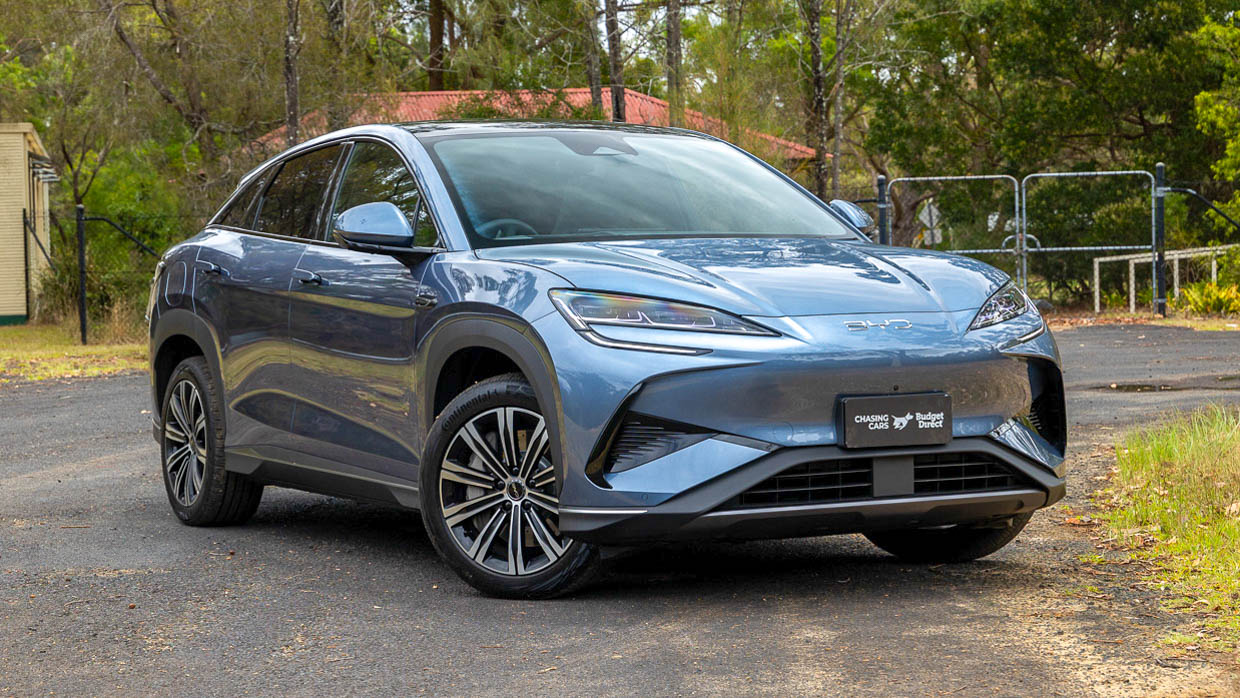
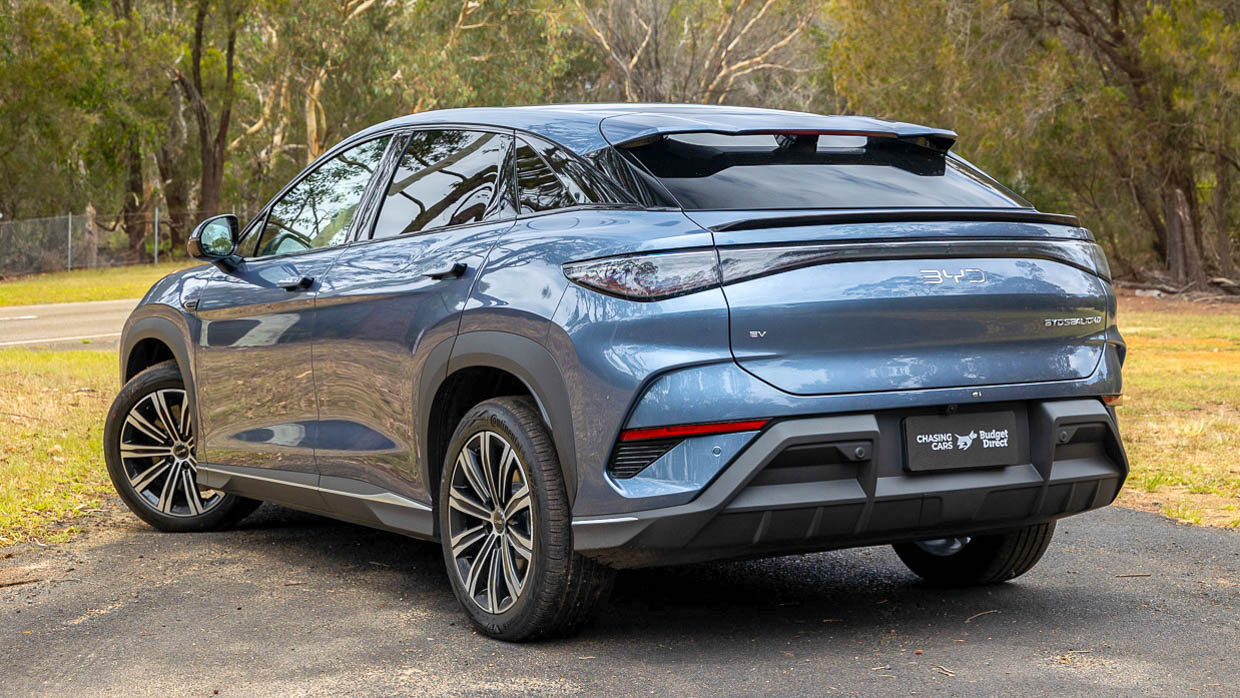
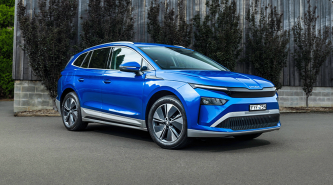
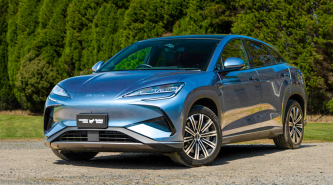
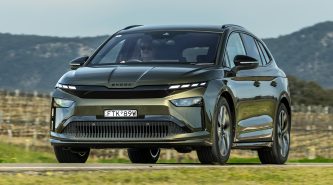
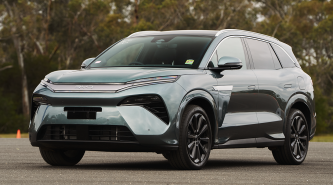
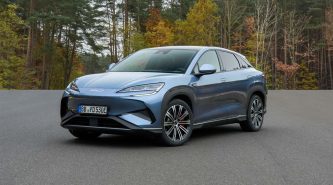
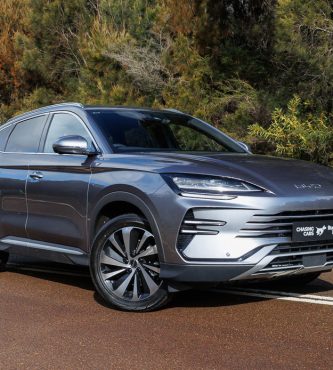
Those chasing maximum metal for their money might love the BYD Sealion 7 as it’s the longest SUV on test and packs the second-largest battery pack. Like the EV5 it also uses LFP chemistry though its 10-80 percent DC fast-charge time (BYD’s 32min plays Kia’s 38min) is better and its $54,900 before on-road costs price is a lot easier to swallow.
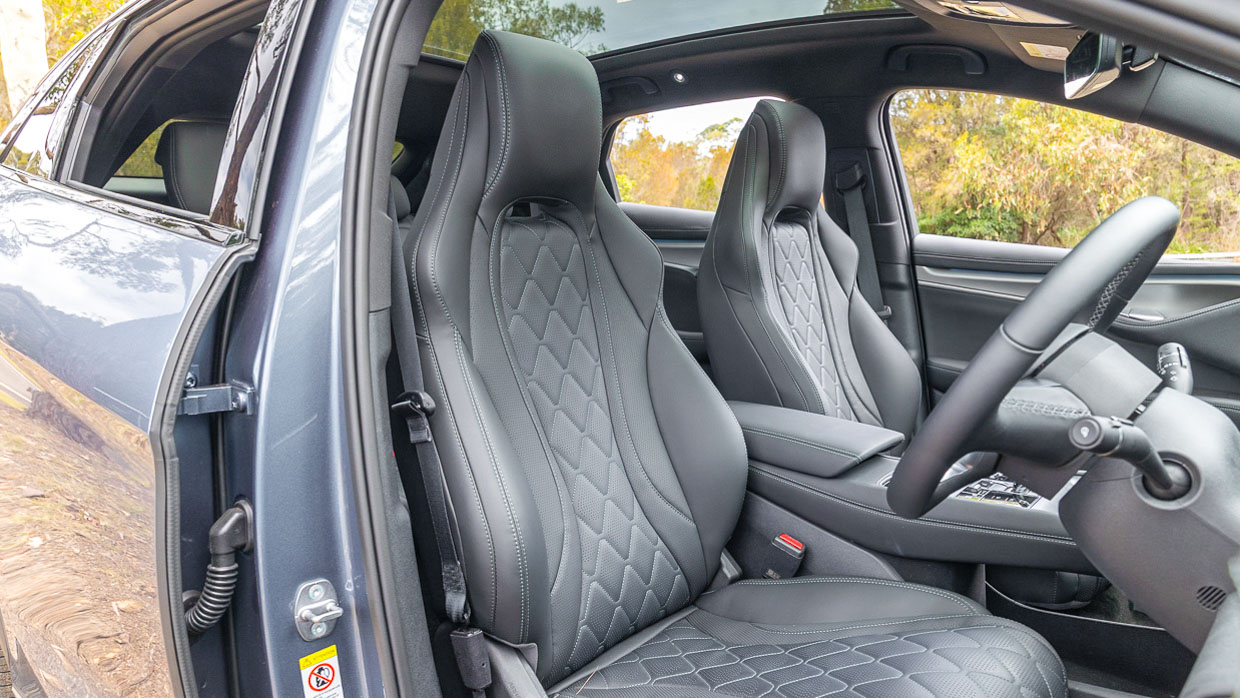
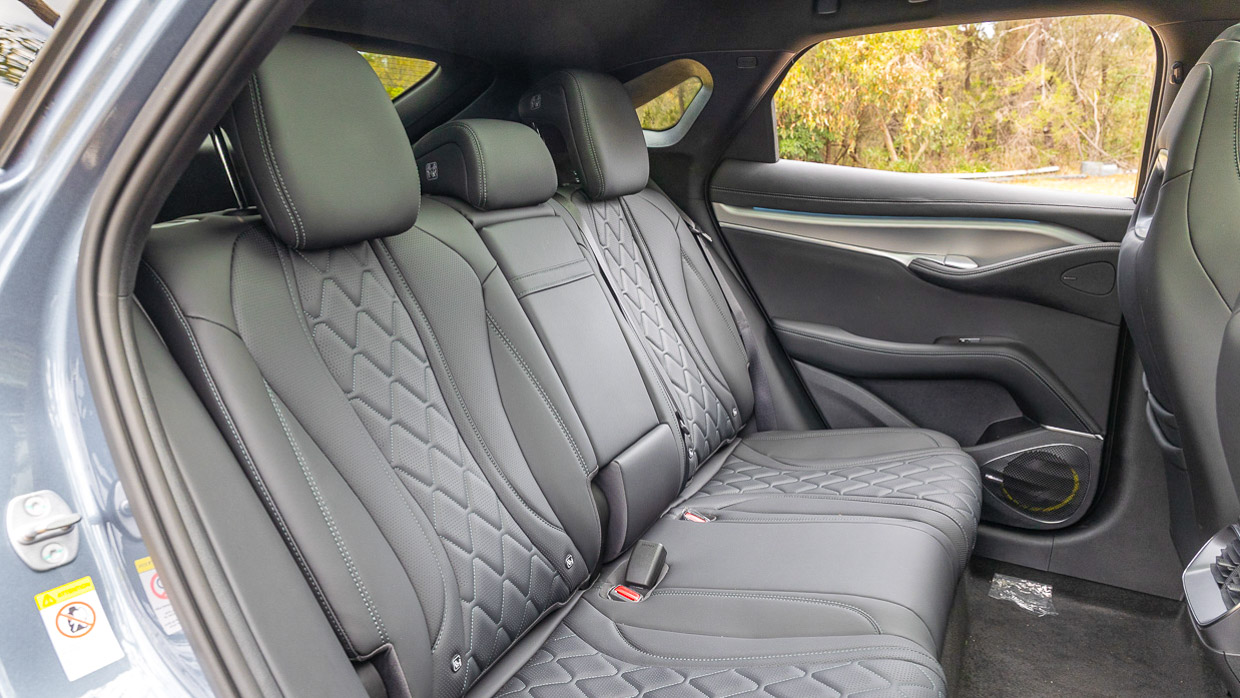
Inside it feels genuinely lush, with genuine quilted leather upholstering the heated and power-adjust seats, a solid 12-speaker Dynaudio sound system and lots of squishy materials inside.
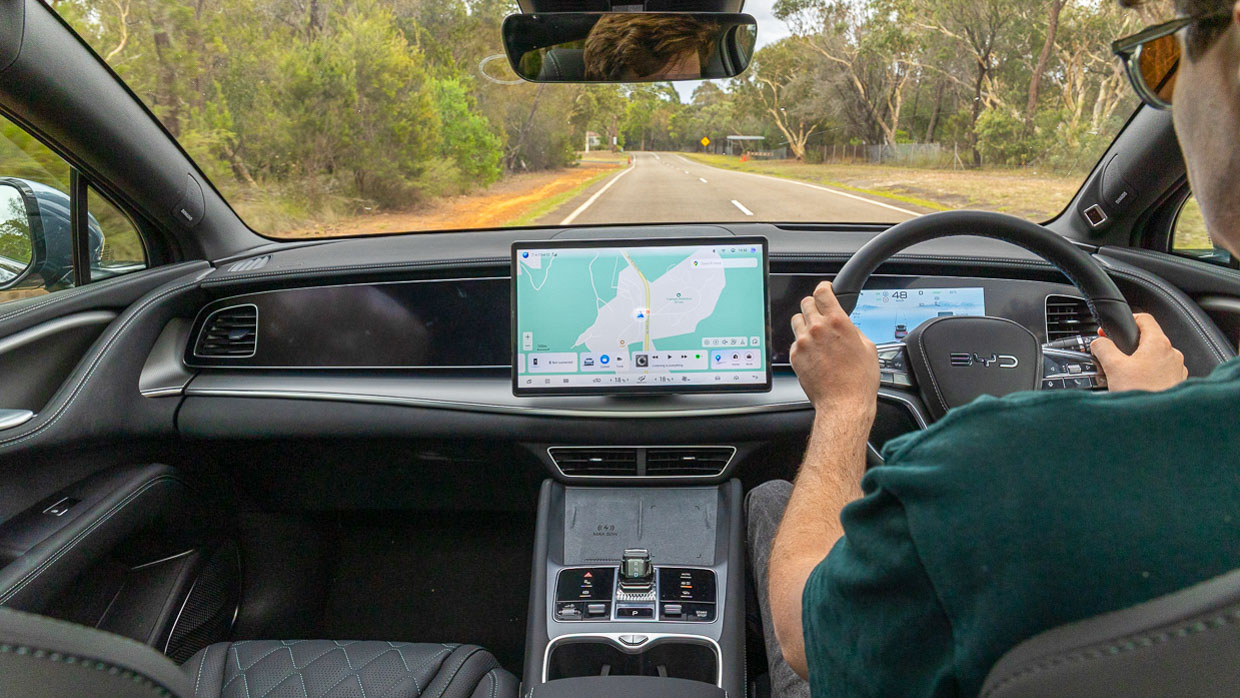
Elements are simple to interact with as well, a conventionally-placed gear selector, easy-to-use door handles and lots of cabin storage. The rotating touchscreen runs convoluted software, however, with mysterious menu layouts that don’t quite make sense.
It isn’t very efficient on the road, either, managing an indicative real-world range of just 421km despite its generous battery size. The active safety systems remain a bugbear, especially as disabling lane-keep assist is such a chore.
Driving the Sealion 7, though, it’s mostly good save for some small-bump chatter and a tendency to roll oversteer when pushing on.
Step back from the limits of grip and the rear-wheel-drive Sealion 7 lopes along quietly with generous front suspension travel. It channels a hint of early 2000s Holden Commodore/Ford Falcon in the driving experience, and some will appreciate that.
Naturally, though, its visual aids are far better with bright and clear 360-degree surround cameras making up for a lack of visibility from the driver’s seat. Not perfect, but a strong choice given the competitive pricing.
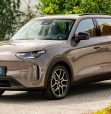
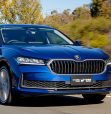
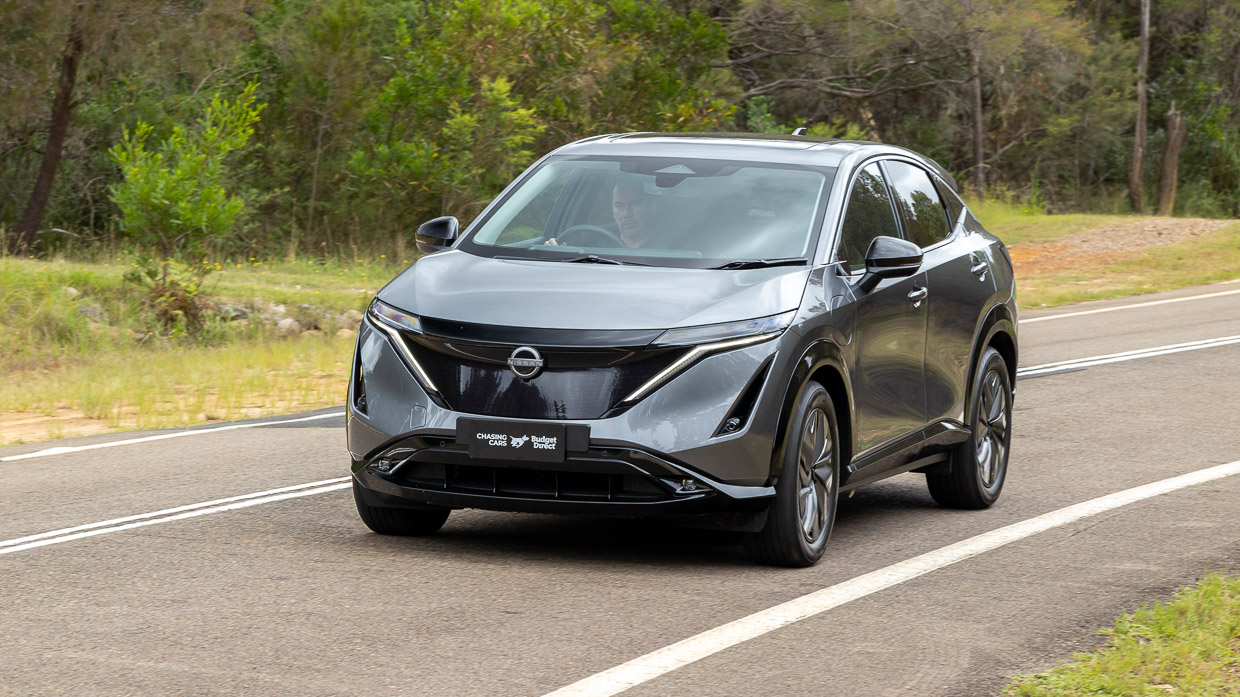
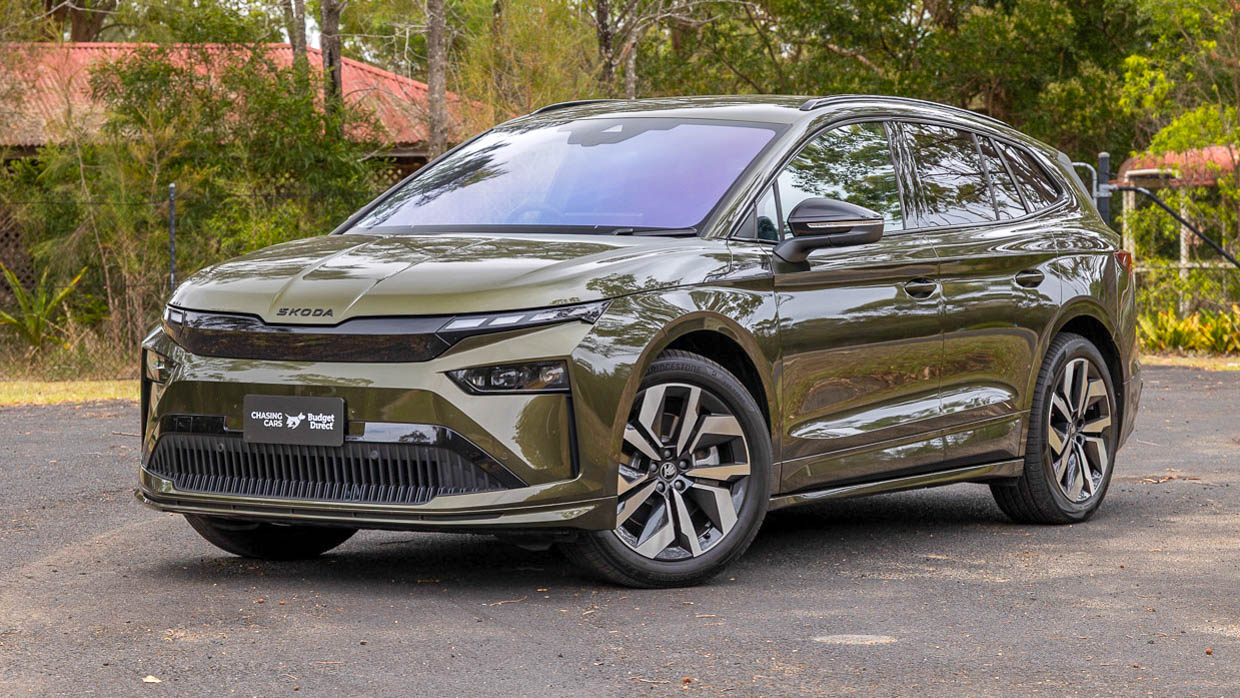
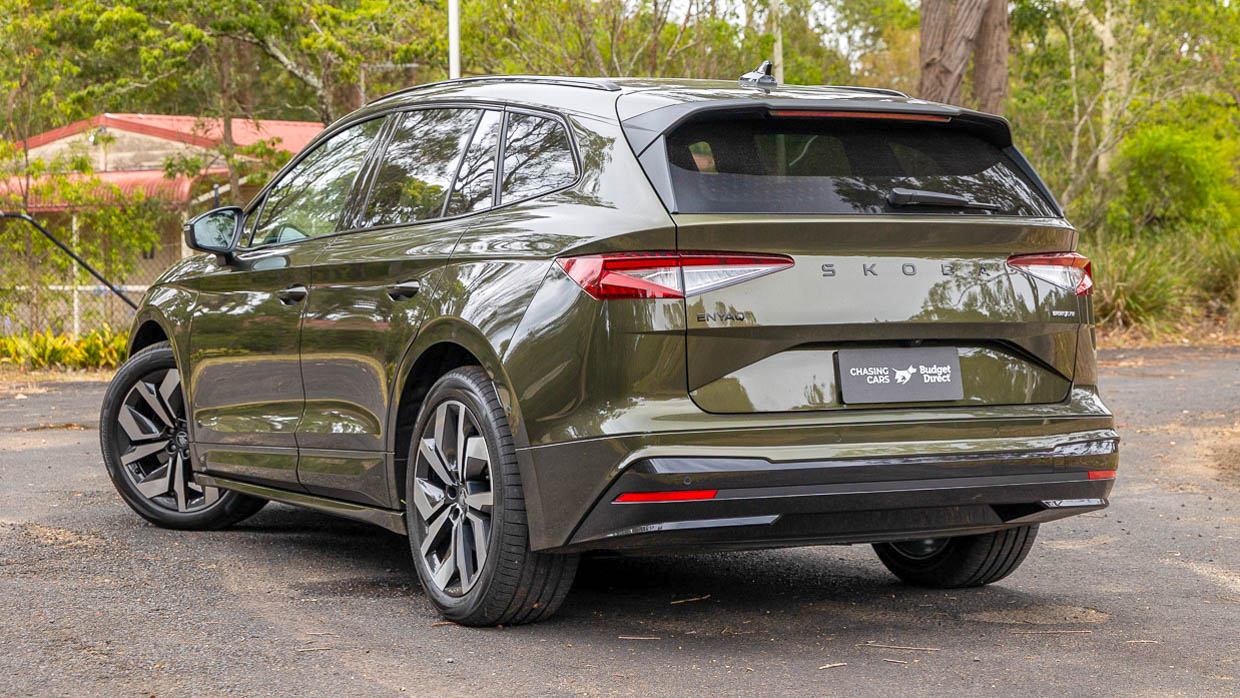
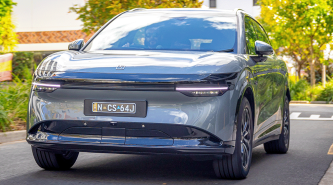
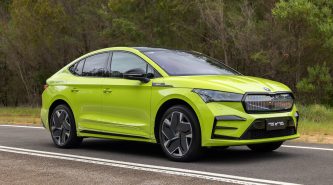
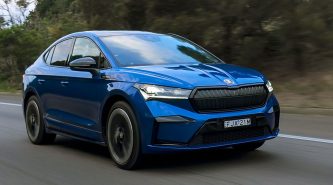
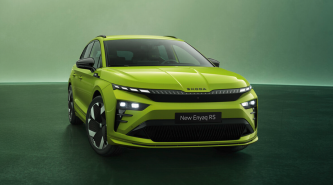
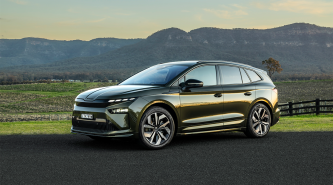
Coming to the pointy end of the field, the new-look and sharply priced Enyaq shows why the Czech EV is hugely popular in its continental European homeland.
There’s something so comforting about the Skoda, from the fixed door handles to the car-like driving position, elegant steering wheel and straightforward starting procedure. You just get in and go.
It is the torquiest car on test with its new 210kW/545Nm rear-mounted motor and that translates to impressive snap off the line, though pace tails off approaching 100km/h with its 6.7sec sprint equal slowest with the BYD.
The well-oiled solid engineering doesn’t end here, the Enyaq has easily the most natural steering, ride and handling balance of these five cars. The safety systems are unobtrusive and genuinely useful. Put simply, it’s like an electric Skoda Octavia: brilliantly unsuspecting.
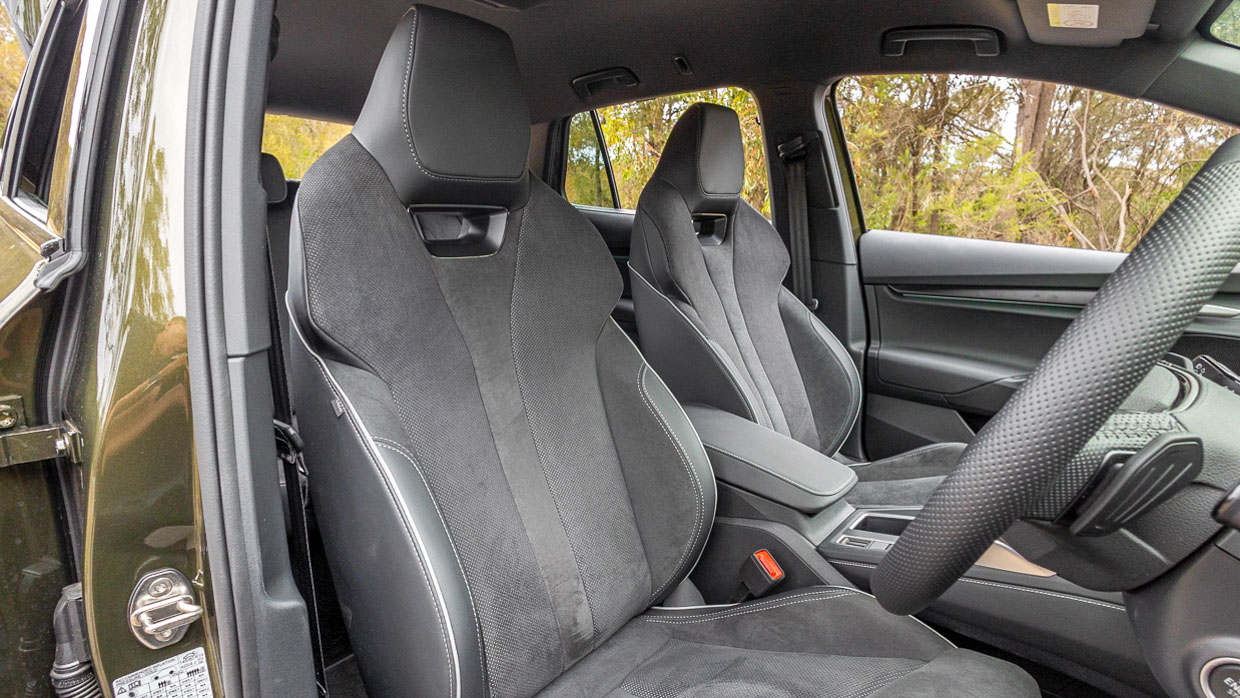
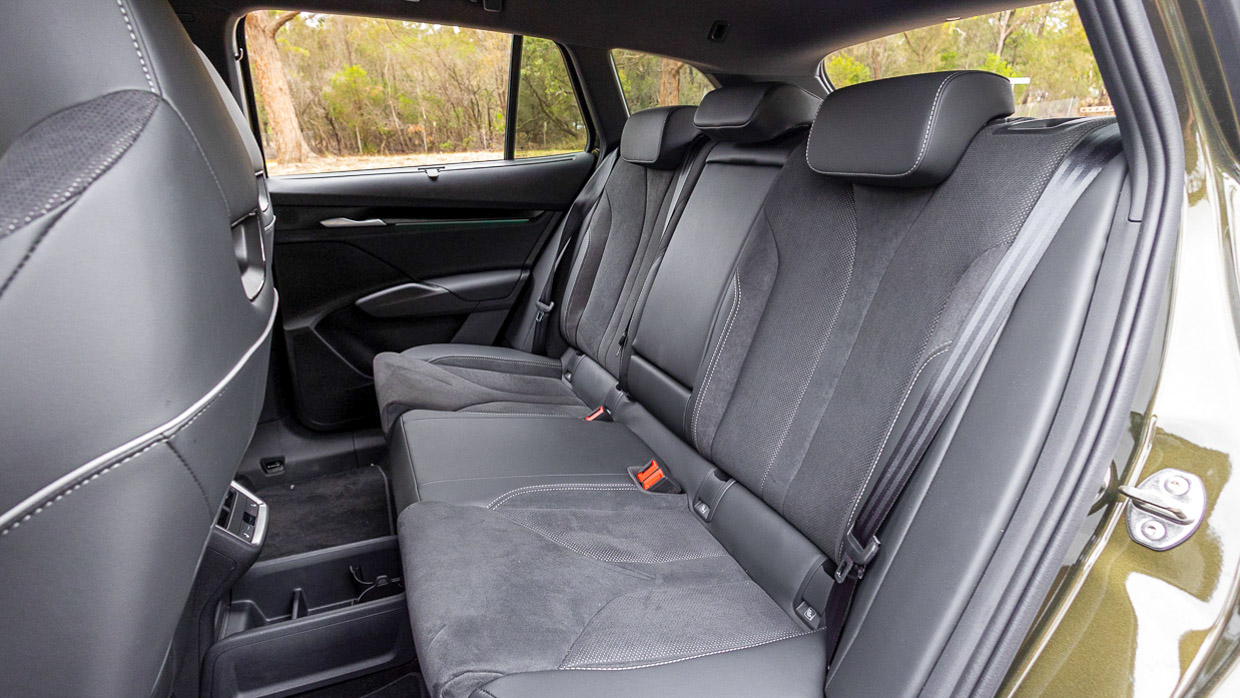
Those after bells and whistles may find the Skoda Enyaq lacking, however. It has manual seat adjustment with three-stage heating (no ventilation) and lots of surprisingly scratchy cabin materials that Chinese-made rivals cover in squidgy vinyl.
It wouldn’t be an issue if the door pulls had a veneer of softness, but the Skoda’s regularly-touched points are often nothing but hard plastic.
Still, pricing is sharp at $63,990 (that’s a national driveaway figure) with a straightforward seven-year/unlimited-kilometre warranty (just like the Kia) and affordable eight-year servicing plan. Oh, and it has a big boot, too.
Charging speeds are adequate for right now, dipping below 30 minutes for a 10-80 percent DC fast-charge. Most impressively, the Enyaq’s tested range was a whisker short of 500km making it the closest to claim and longest distance electric SUV on test.
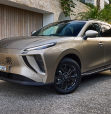
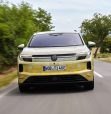
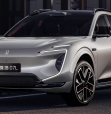
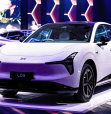
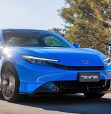
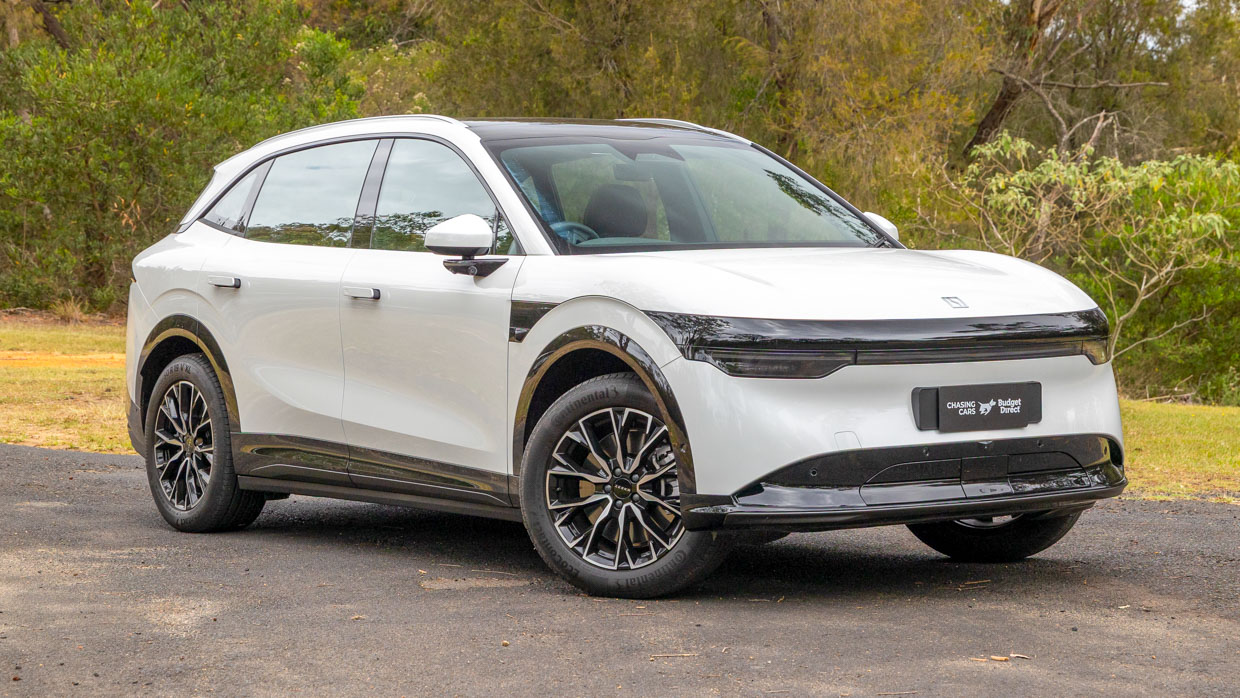
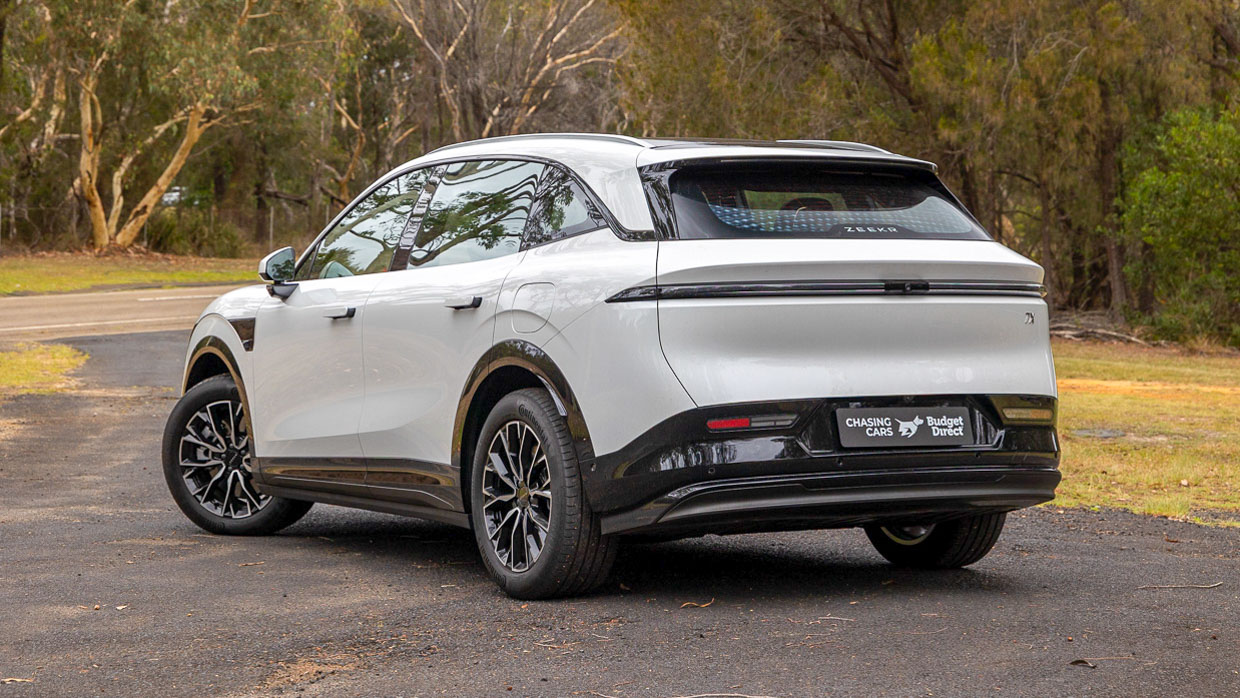
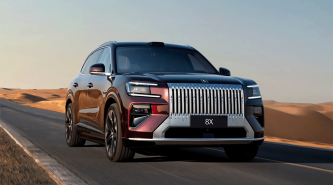
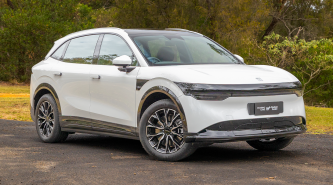
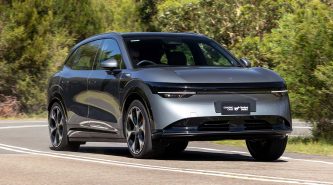
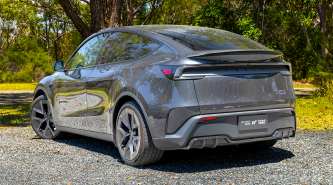
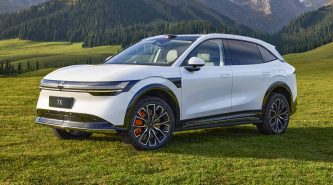
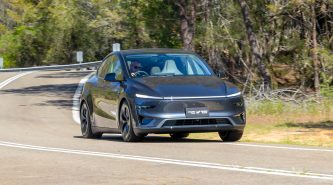
Here to shake up the segment, the Zeekr 7X previously beat the Tesla Model Y in a twin-test in flagship Performance trim. So why hasn’t it run away with victory today?
In truth, it’s because the base model doesn’t show the best the 7X has to give. Its tested driving range of 428km isn’t impressive, it’s slower than the Model Y, misses out on seat ventilation and this example had glitches: loud and underpowered air conditioning and lack of window tinting resulting in a hot cabin.
Our car also struggled to activate lane-trace assist consistently. We hope to be back in a full production Zeekr 7X with these blips ironed out soon as the rest of the package is superb — especially if you spend a little more on the 615km WLTP Long Range which is just $63,900, before on-road costs.
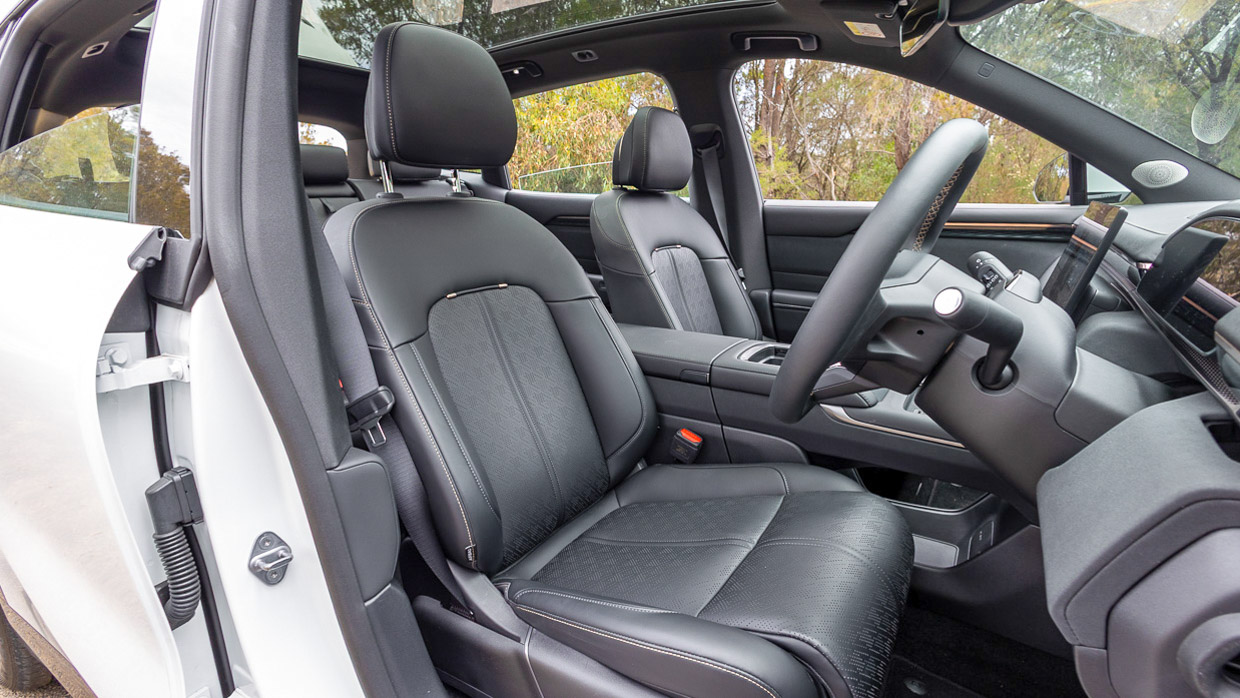
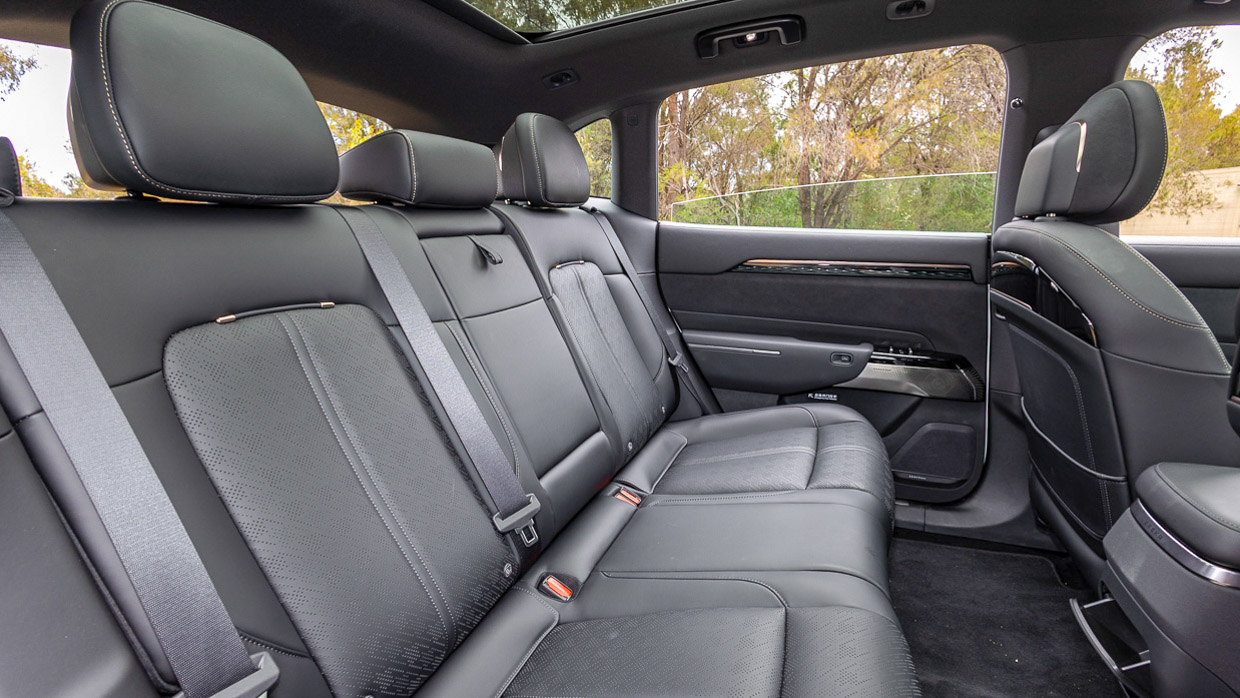
What’s to like? Well, unlike the sombre Enyaq and the minimalist Tesla, the 7X’s lightly decorated and fully-featured cabin strikes a lovely balance. The seats are big, squishy, armchair-like items and the second row is genuinely luxurious. It also has the second-best residual value after the Kia EV5.
The ride quality is preferable to the Tesla Model Y, moving through its travel more smoothly while sitting flatter over bumps. In corners, there’s a natural body roll to the Zeekr, matched nicely with less hyperactive steering, that makes this rear-drive family SUV a treat to drive.
The other game-changing aspect of the 7X is its charging speed — this is the only vehicle here with 800-volt electrical architecture, normally reserved for higher-grade Korean vehicles such as the Hyundai Ioniq 5, though the Xpeng G6 offers similar replenishment pace.
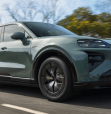
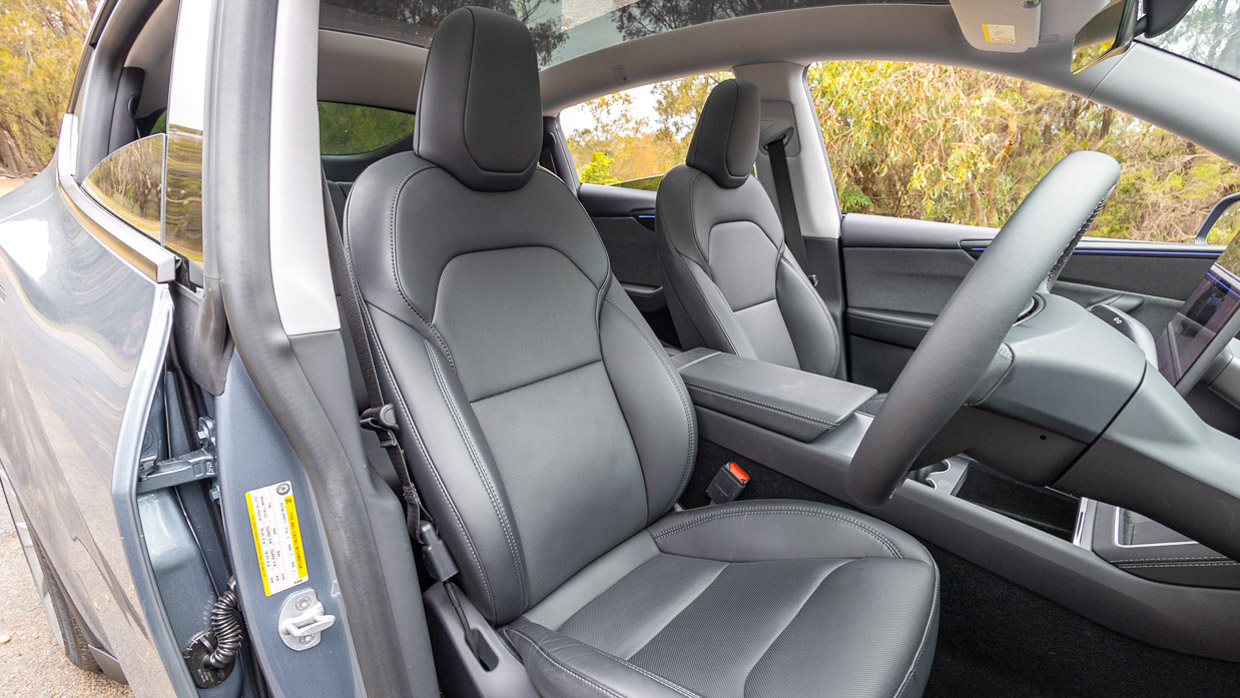
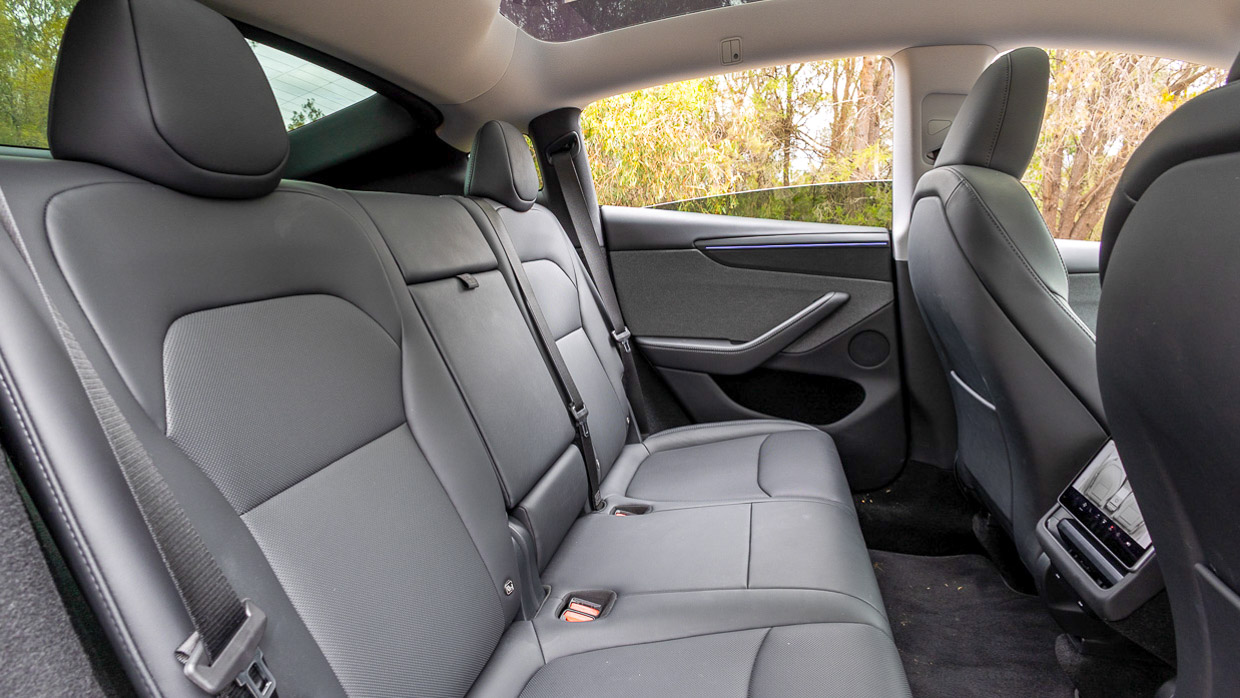
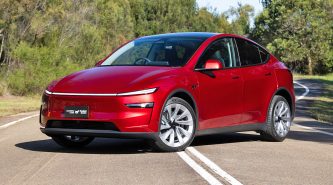
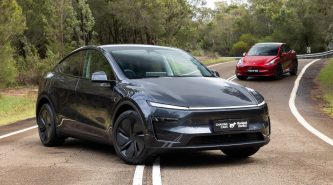
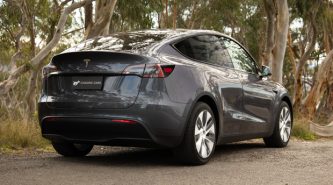
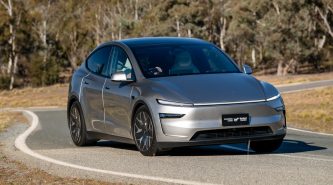
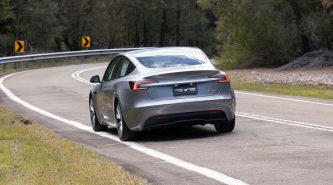
It was almost inevitable that the Tesla Model Y would come out on top, and it was a constant topic of conversation because, let’s face it, Tesla is a controversial brand. For some, that ‘T’ on the front is enough to turn away. Lucky for them, there are now many, very close, options.
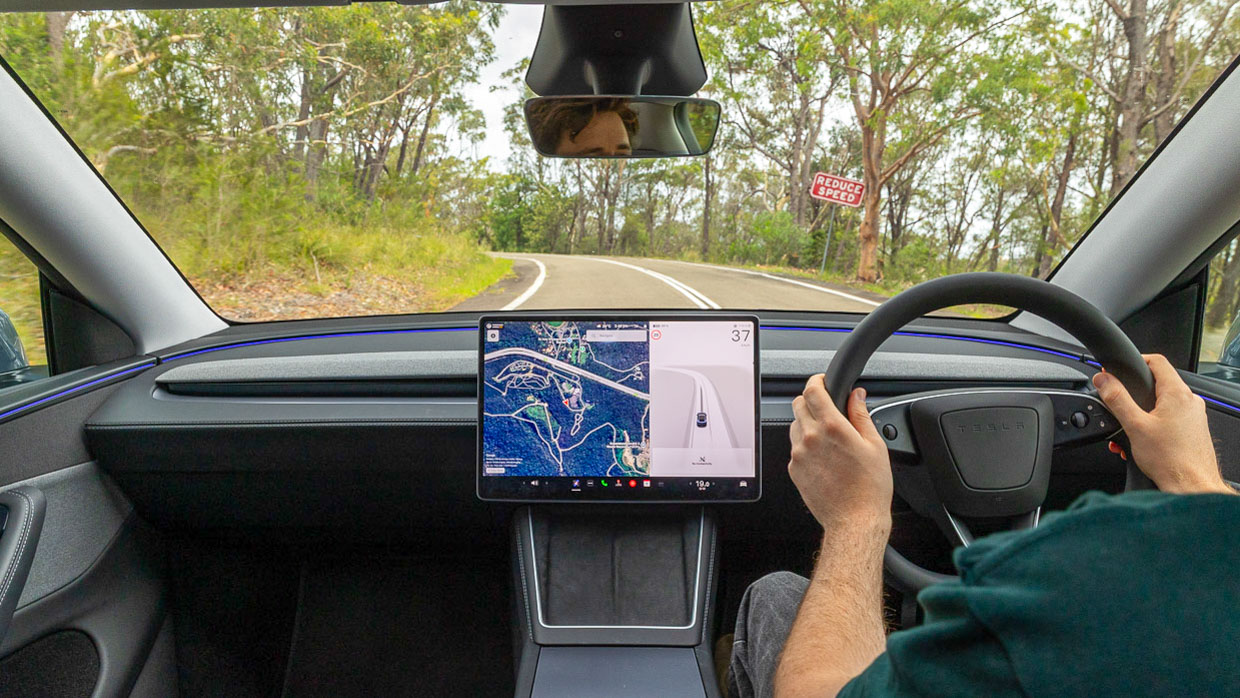
For its cabin packaging, a sense of space, seamless technology and market-leading assisted driving tech (albeit subscription-only now), the Model Y finishes up in first place.
Yet it is the whole package that’s most challenging to rivals, with Tesla starting its vehicle development on a blank sheet of paper the company’s been able to make the lightest EV on test, shrinking its battery in a virtuous cycle that makes the medium SUV lighter again for the distance it can travel.
There’s also unfettered access to all Tesla Supercharger locations across Australia, and at locations open to other manufacturers owners can expect lower tariffs.
The American brand also recently improved its warranty in Australia up to five years and unlimited kilometres, matching what has become the industry standard locally.
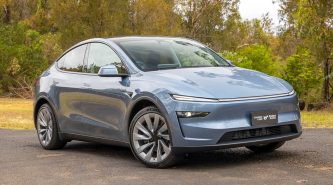
What of the downsides? The glass roof makes the cabin hot, and even ventilated seats cannot compensate for it effectively enough. Also, that there are an awful lot of Model Ys on the road these days, many of them are white with standard wheels. This proliferation might diminish the SUV’s appeal in some buyer’s eyes.
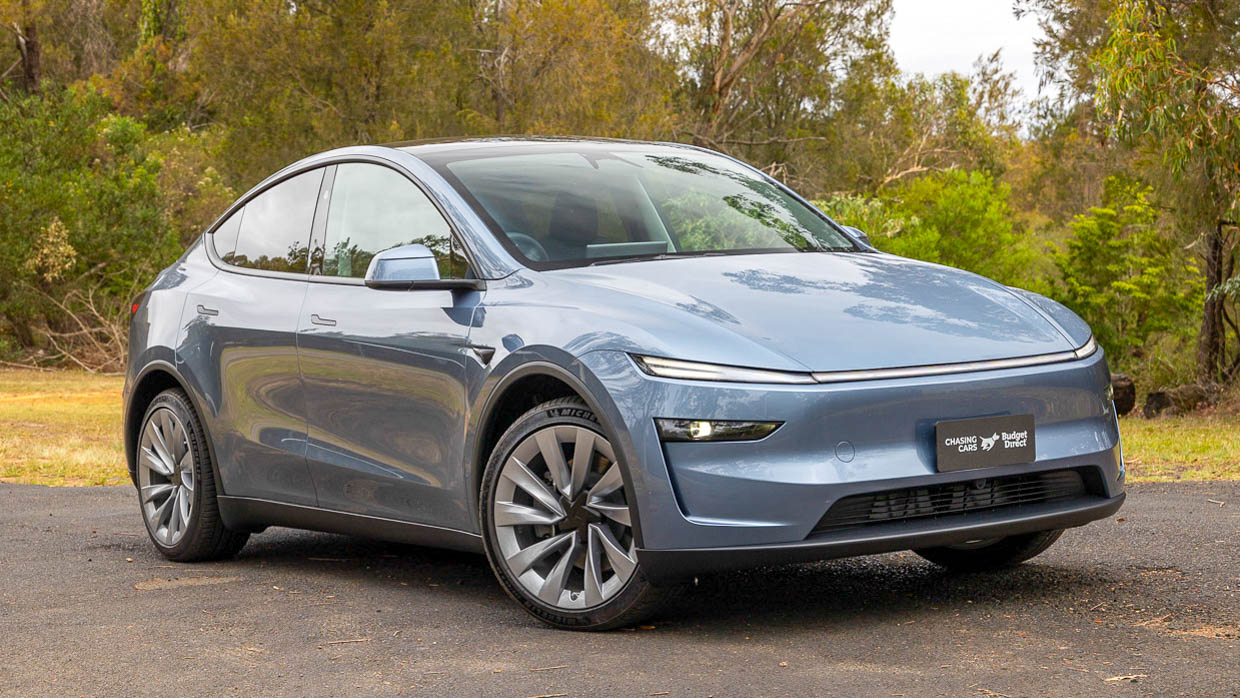
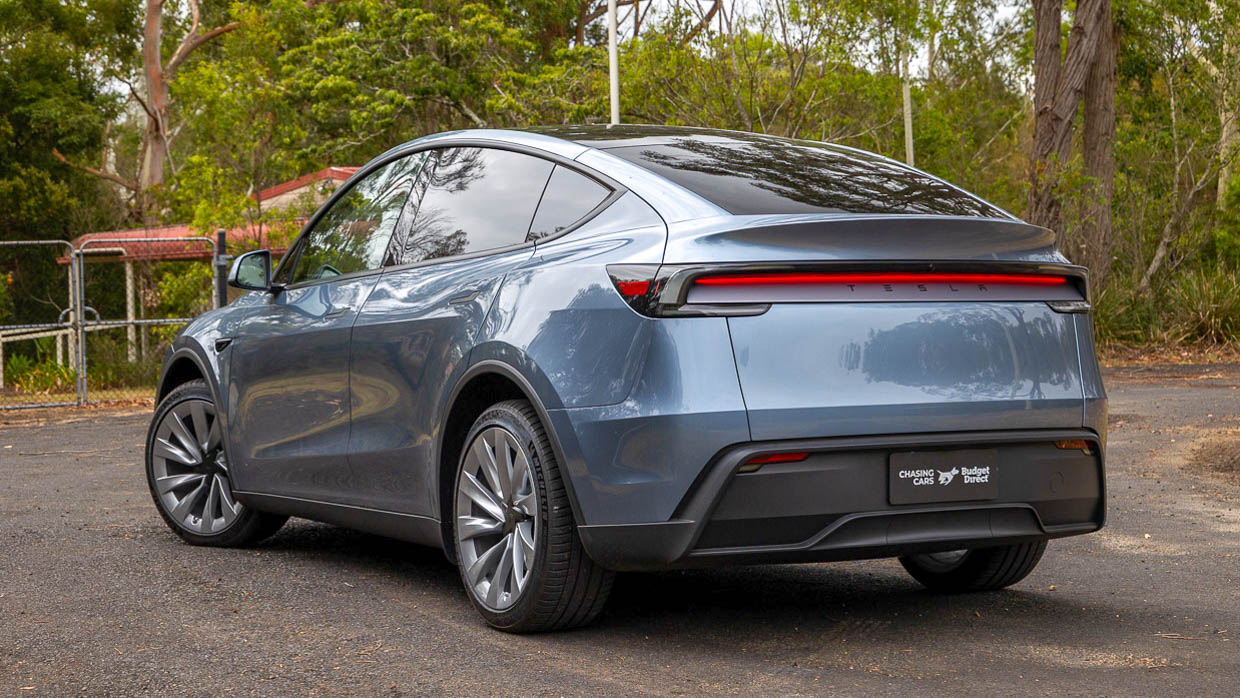
Choose to stand out and the options (pictured Glacier blue is $1500 and Ultra Red is $2600; 20-inch Helix 2.0 wheels cost $2400) add up quickly.
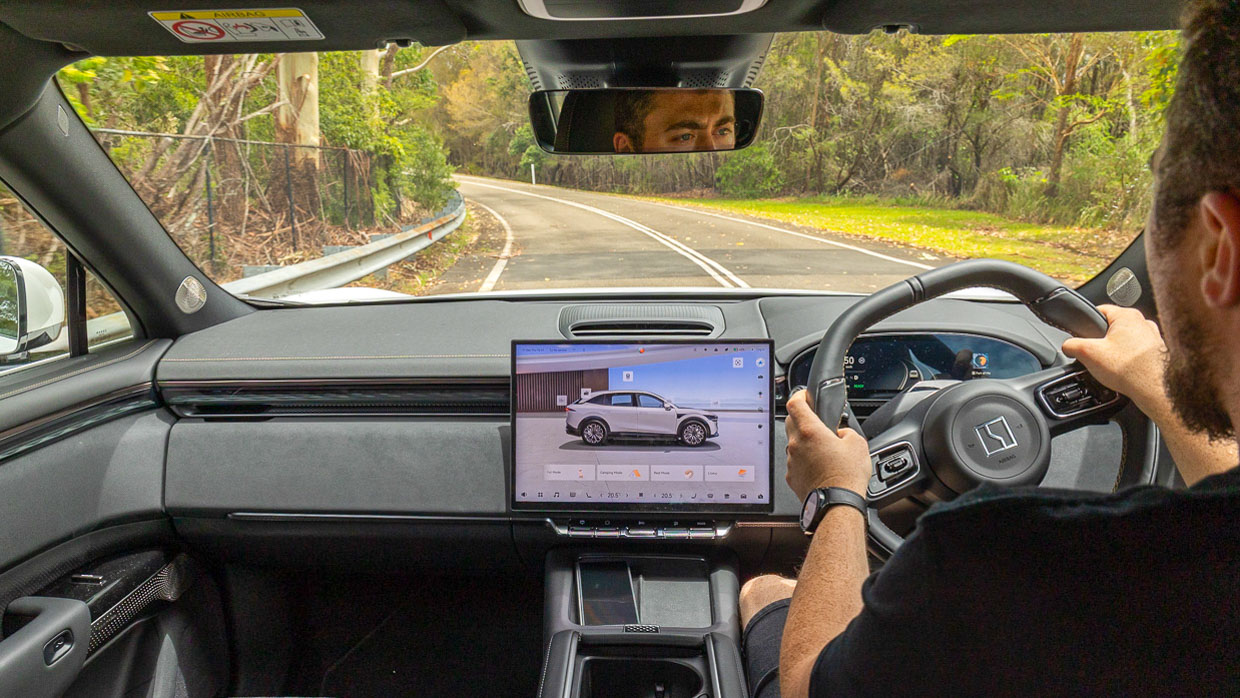
There’s also the total reliance on technology, with almost no buttons. The menu structure is the most logical and touchscreen most responsive of any brand on sale but we appreciate some still don’t get on with it. There’s no Apple CarPlay or Android Auto either.
Still, the fact of the matter is that Tesla’s base Model Y is still the easiest electric car to recommend for family buyers. Its much improved ride, slower steering, better build quality, ever-improving technology and competitive price seal the deal in this comparison test.
Latest comparisons
About Chasing cars
Chasing Cars reviews are 100% independent.
Because we are powered by Budget Direct Insurance, we don’t receive advertising or sales revenue from car manufacturers.
We’re truly independent – giving you Australia’s best car reviews.