Powered by
-
Car Reviews
Latest reviews
-
Car News
Latest news
-
Car Comparisons
Latest comparisons
- Chasing Deals
Latest reviews
Latest news
Latest comparisons
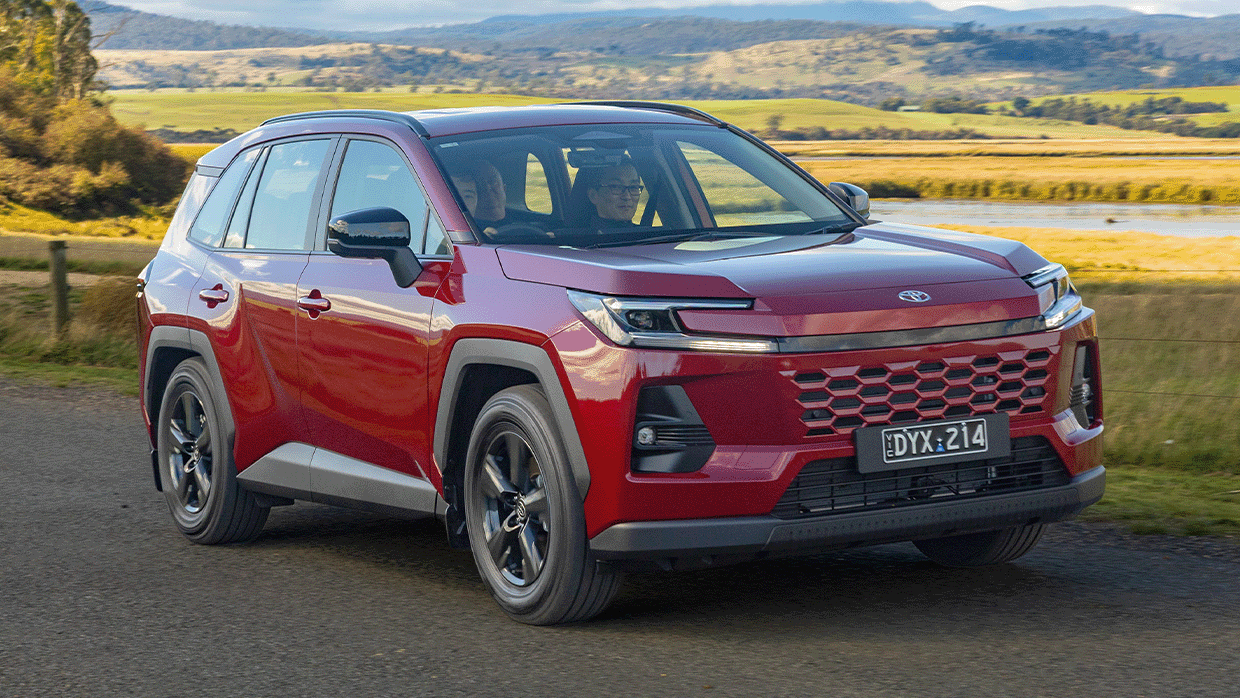
Electrified vehicles are the biggest movers in the latest showroom results, as new-generation RAV4 makes immediate impact
The global oil crisis continues to push Australian new-car buyers towards electric and hybrid vehicles.
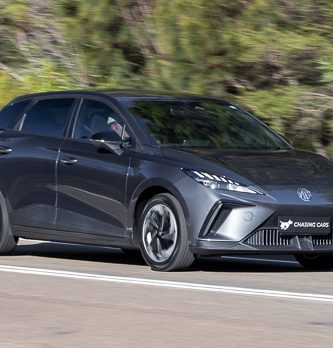
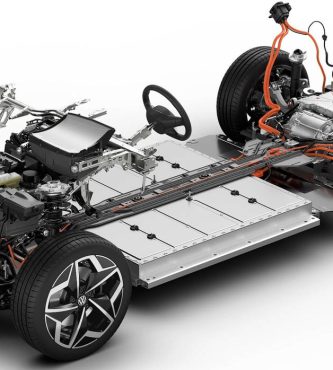
Latest showroom figures from both the Federal Chamber of Automotive Industries (FCAI) and Electric Vehicle Council (EVC) reveal huge growth for EVs and plug-in hybrids while sales of traditional petrol and diesel vehicles have fallen markedly.
Plug-in hybrid (PHEV) sales had the biggest year on year growth, up 270 per cent to 9628 registrations, followed by EVs (up 157 percent to 15,459 registrations) and regular (plugless) hybrids (up 27 per cent to 18,162 registrations).
Petrol and diesel car sales, excluding heavy vehicles, dropped 30 and 22 percent respectively compared with April 2025. This equated to 25,399 petrol vehicles and 22,414 diesel vehicles registered last month.
Fully electric vehicles now account for about one in every eight new car sales year to date – or 49,843 of the nation’s 384,638 new car sales total.
Plugless hybrids account for about one in every six new vehicle sales, with a total year-to-date market tally of 65,114 units.
Petrol-only power remains Australia’s most popular fuel-type year to date, with 126,546 petrol cars shifting up to the end of April, or about one in every three new car sales. Diesel remains in second place, with 102,180 sales accounting for about one in every four new vehicle sales.
The nation’s total new car sales rose to 384,638 units year to date, representing a downturn of 0.7 percent year on year. Closing in on the month of April, 2026, vehicle sales totalled 94,049 units, up three percent over April ‘25. Figures shown represent data from both the FCAI and EVC.
Toyota comfortably remains as Australia’s favourite brand, encapsulating 16 percent of the total new vehicle market for 2026. Year on year, however, Toyota’s grip on the new car market has loosened – last year, its market share sat at 20 percent YTD.
Mazda snags second place in popularity with a 7.3 percent market share (down one-percent YOY), barely ahead of Kia’s 7.2 percent share (up 0.4 percent).
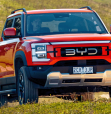
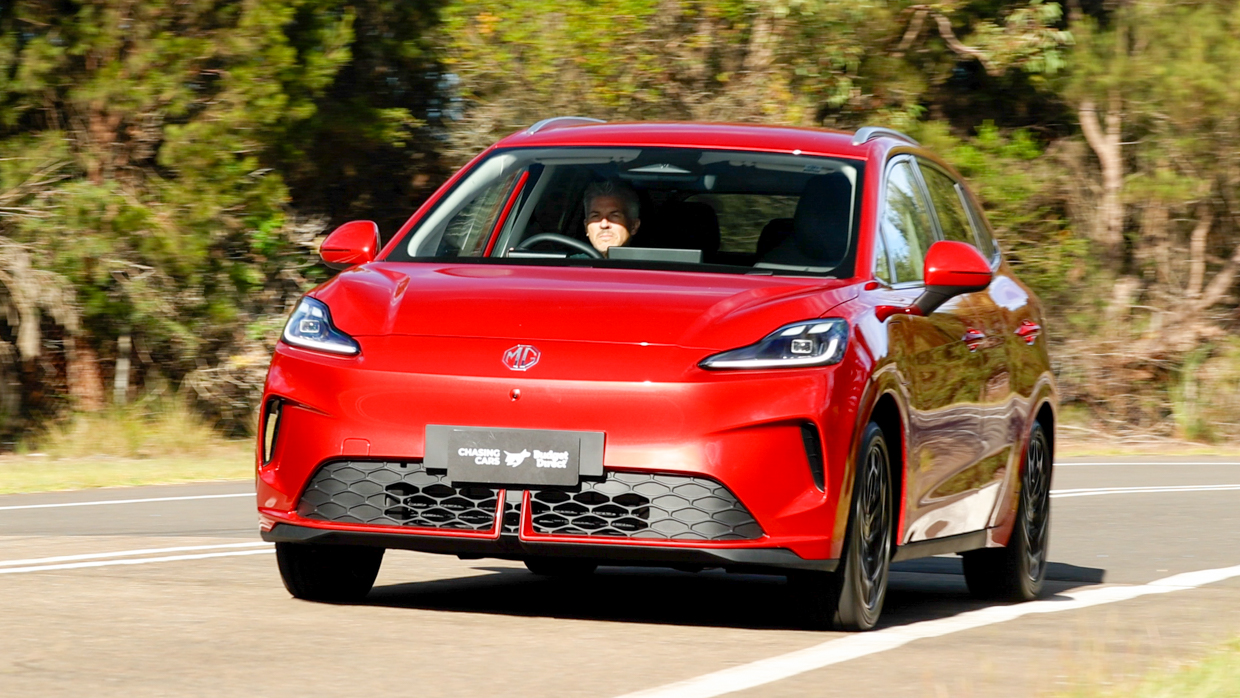
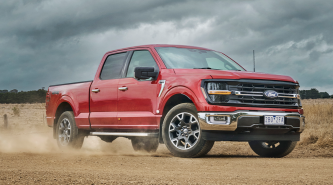
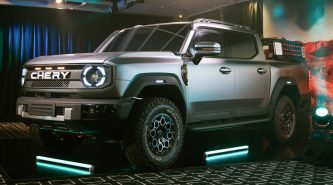
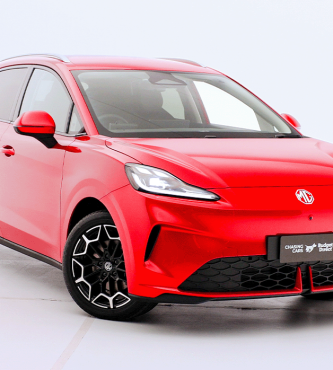
Ford drops to the nation’s fourth most popular brand with a 6.9 percent stake (down 0.6 percent), ahead of BYD (6.7 percent, Hyundai (6.7 percent), GWM (5.2 percent), Mitsubishi (4.6 percent), Chery (4.3 percent) and MG (3.8 percent).
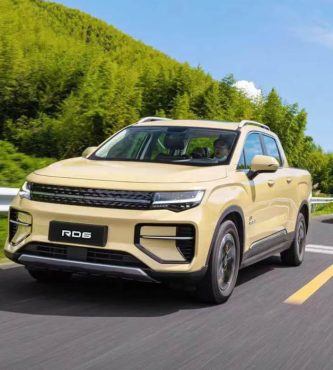
Excluding MG, which retains a 3.8 percent market share year on year, Chinese brands are receiving rampant growth in Australia. BYD has seen huge growth of 3.6 percent market share year on year, while Chery’s share has grown 2.1 percent and GWM’s 1.1 percent.
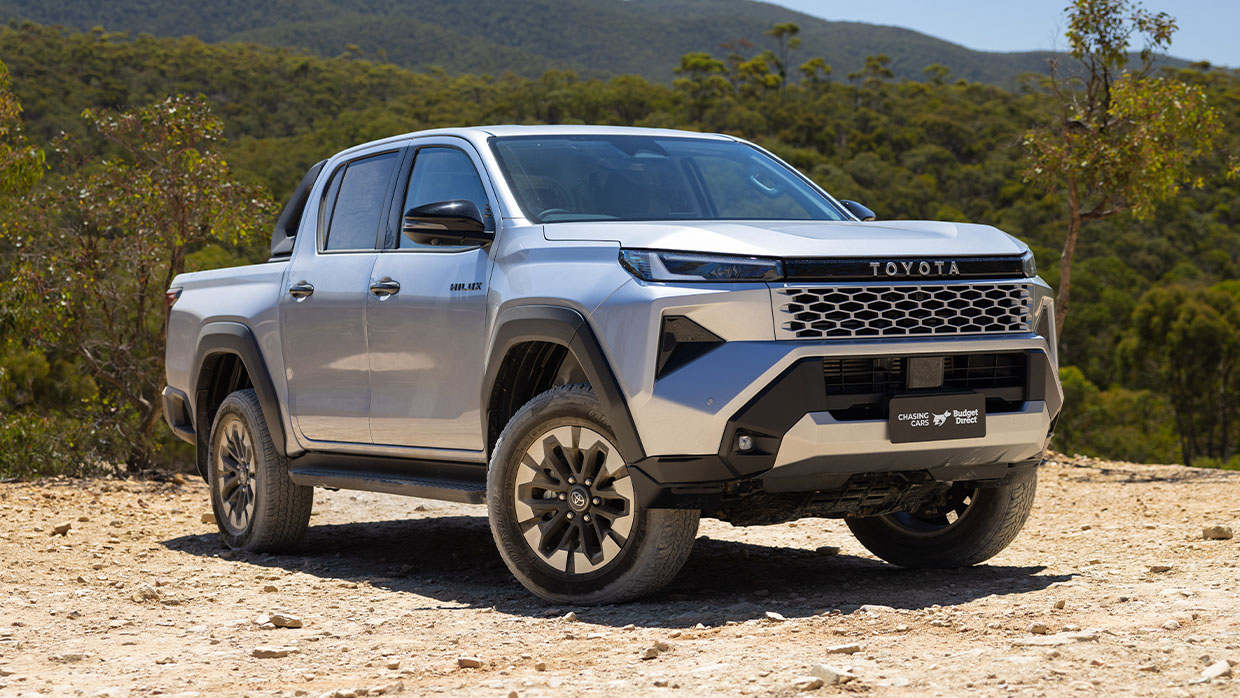
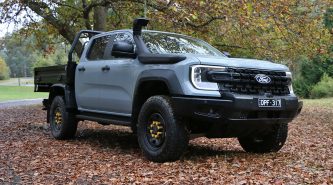
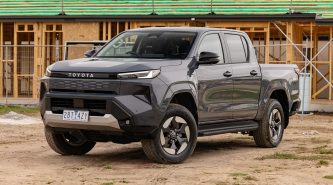
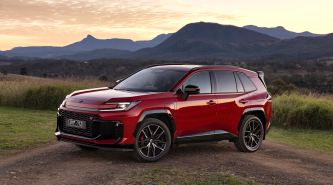
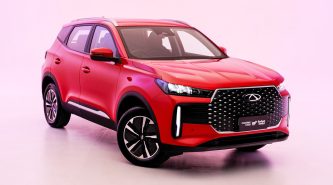
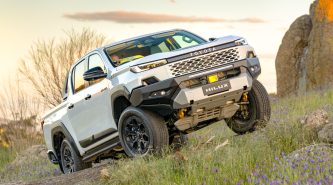
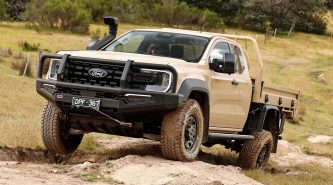
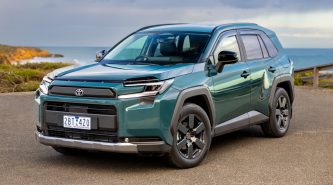
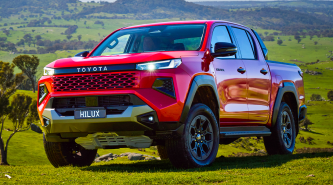
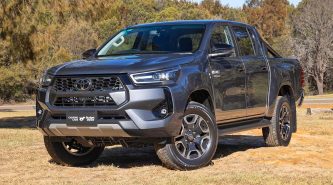
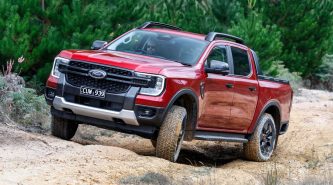
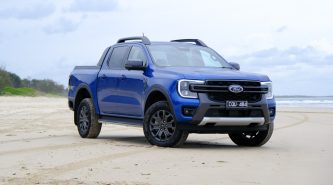
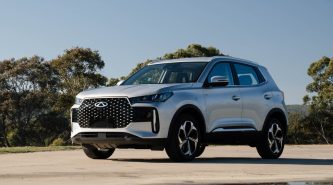
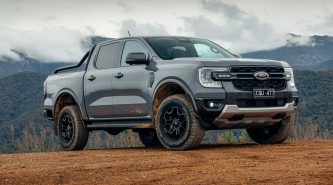
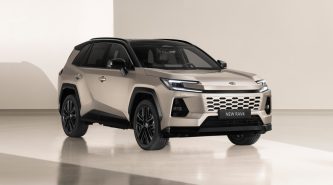
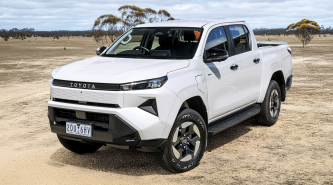
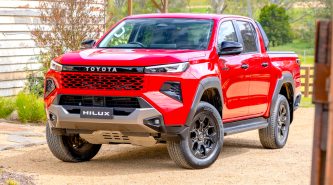
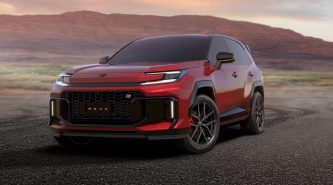
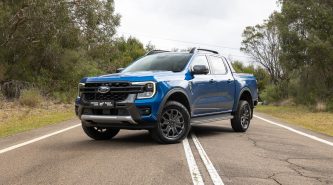
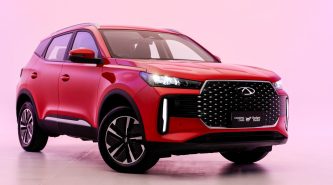
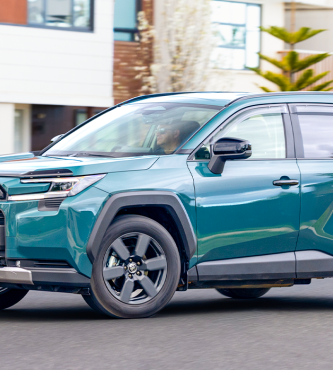
Australia’s best-selling car for April, 2026 was the Toyota RAV4, which recently entered its sixth generation. Some 3729 RAV4’s found new homes in April, ahead of the Ford Ranger (3661 units), Toyota Hilux (2835 units), Chery Tiggo 4 (2379 units) and Hyundai Kona (2158 units).
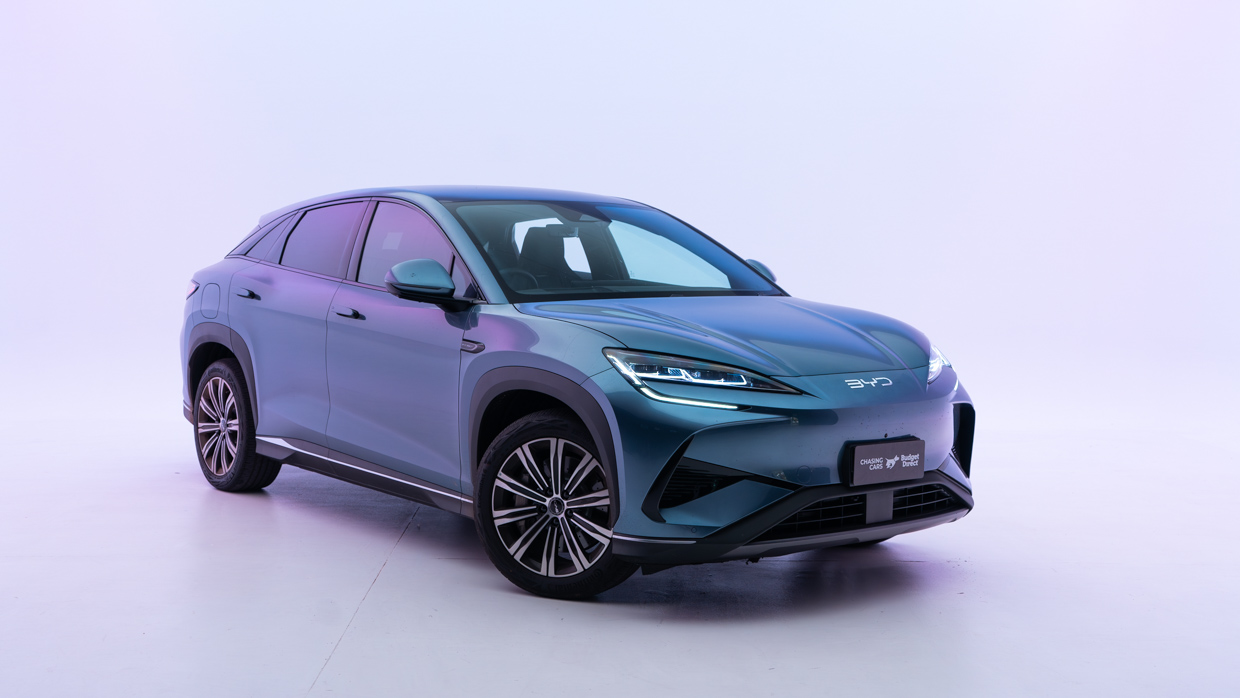
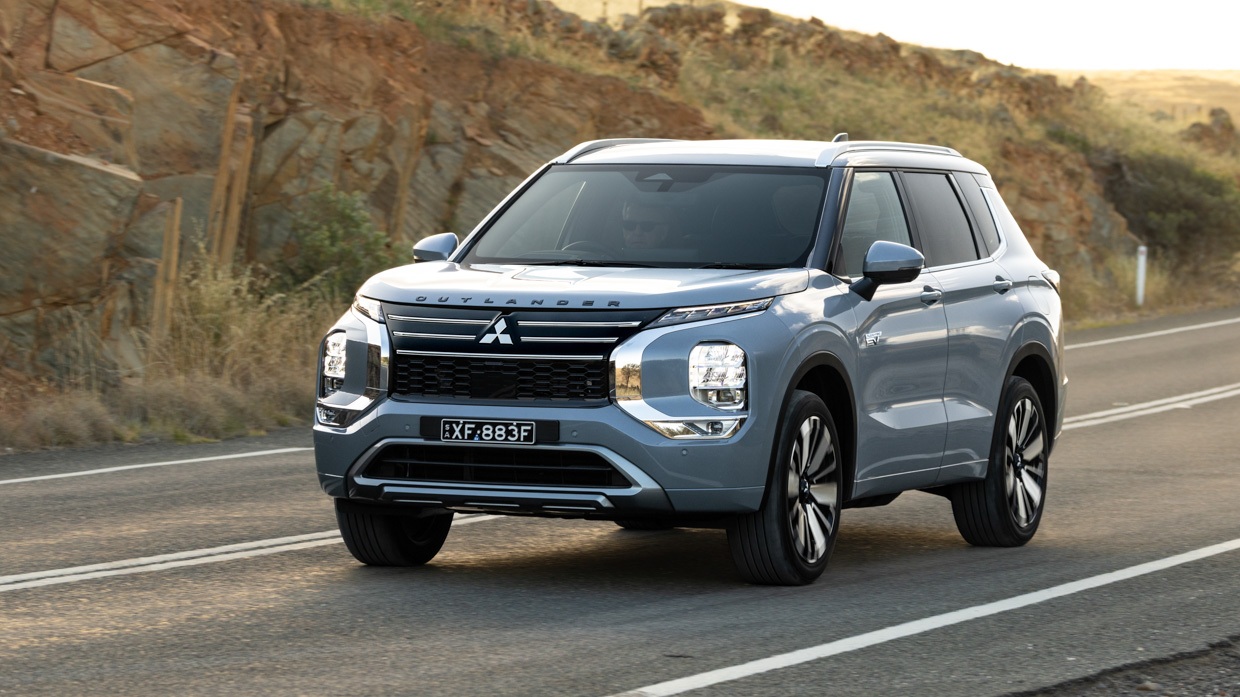
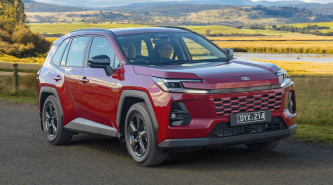
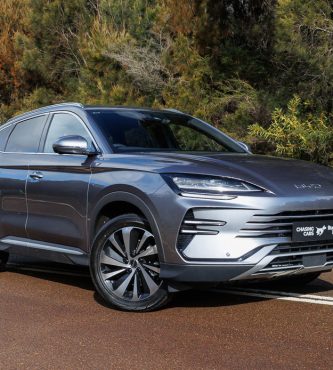
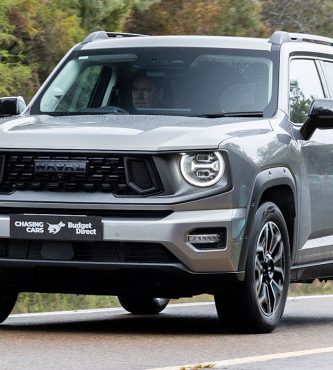
Further into the top ten is the Toyota Prado (1870 units), BYD Sealion 7 (1780 units), GWM Haval Jolion (1754 units), Ford Everest (1585 units) and Mitsubishi Outlander (1540 units).
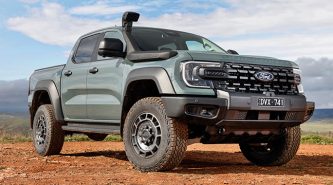
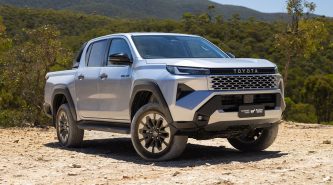
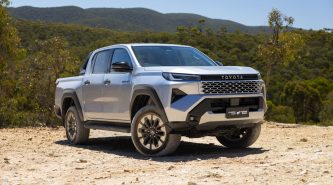
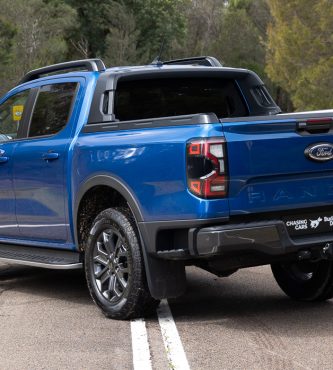
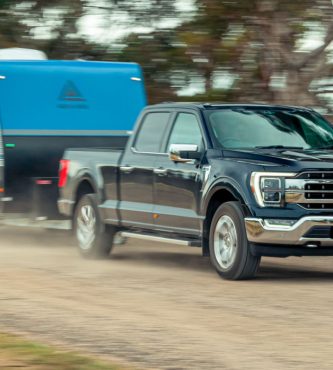
Expanding to total vehicle sales year to date, the Ford Ranger remains Australia’s most popular car with 15,023 units. An unsurprising second place is held by the Toyota Hilux (13,427 units), followed by shock-third-place Chery Tiggo 4 (9186 units), fourth-place Hyundai Kona (8336) and fifth-place Isuzu D-Max (8282 units).
The Mitsubishi Outlander snags sixth place, so far shifting 7903 units, unexpectedly ahead of fellow mid-sized Japanese rivals Toyota RAV4 (7571 units) and Mazda CX-5 (7477 units). China’s GWM Haval Jolion sits in ninth place with 7360 sales, and behind it, the Ford Everest, tenth with 7081 sales.
Latest news
About Chasing cars
Chasing Cars reviews are 100% independent.
Because we are powered by Budget Direct Insurance, we don’t receive advertising or sales revenue from car manufacturers.
We’re truly independent – giving you Australia’s best car reviews.