Powered by

-
Car Reviews
Latest reviews
-
Car News
Latest news
-
Car Comparisons
Latest comparisons
- Chasing Deals
Latest reviews
Latest news
Latest comparisons
Long-awaited full-size SUV will shortly enter production ahead of a likely Australian launch next year, with Audi set to lock horns with the BMW X7 and Benz GLS
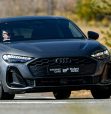
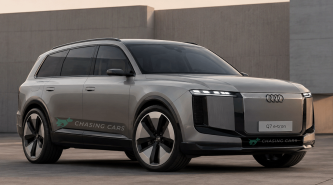
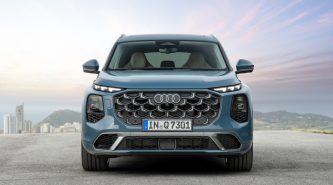
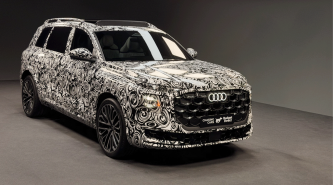
Just two months after teasing its new top-end Q9 SUV in prototype guise, Audi today pulled the wraps off the production version of the three-row crossover while also revealing a V8-powered SQ9 version that looks likely to come to Australia.
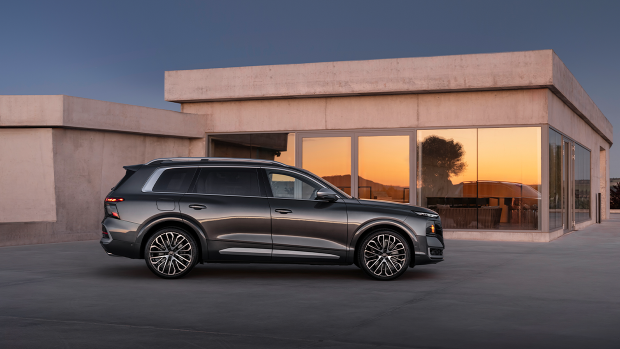
Measuring 5310mm long — being 253mm longer than the third-generation Q7 — the new Q9 becomes Audi’s first genuinely full-size SUV and will serve as a direct rival to the BMW X7 and Mercedes-Benz GLS.
The Q9 also slots into the Audi range as a spiritual successor to the now-discontinued A8 limousine as the flagship model of the four-ringed brand in an acknowledgement that luxury SUV demand has clearly overtaken interest in traditional luxury sedans.
While Audi Australia has yet to formally announce that the Q9 is headed to our shores, Chasing Cars understands the Q9 is indeed destined for local showrooms sometime in 2027.
Initially, local supply is expected to centre on Audi’s 220kW/630Nm turbocharged 3.0-litre V6 diesel, followed by a plug-in hybrid version using a turbocharged 3.0-litre petrol V6.
Sources familiar with the product have indicated that Audi is pushing strongly to secure a business case to sell the pinnacle SQ9 grade in Australia, expected to produce around 440kW and 800Nm from its twin-turbocharged 4.0-litre V8.
Such serious performance would place the SQ9 squarely against the BMW X7 M60i and Mercedes-AMG GLS63.
The Q9 launches without a battery-electric derivative. Instead, Audi has prioritised large-capacity combustion engines (including a PHEV) backed by standard quattro all-wheel drive, eight-speed automatic transmissions and adaptive air suspension.
Audi has spent the past several years attracting criticism for perceived reductions in interior quality across parts of its range. Having spent time examining the Q9 ahead of driving it later this year, it appears Ingolstadt has taken that criticism seriously.
Like the closely related new Q7, the Q9 will become one of the last Audi models to launch with the brand’s present interior architecture, but the execution of the cabin has been substantially elevated beyond mid-tier models like the Q5 and A5.
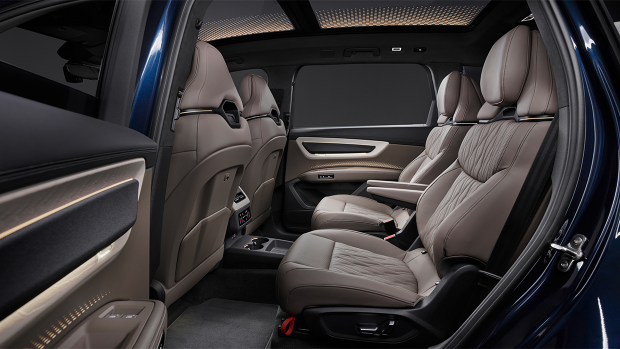
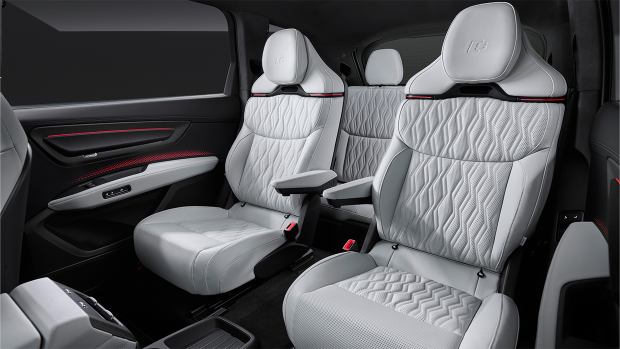
Genuine, stitched leather now extends across the dashboard, doors and steering wheel airbag hub, while open-pore timber, optional stone trim and noticeably improved switchgear combine to deliver a much richer ambience than recent Audi products.
Physical steering wheel buttons are used, alongside proper scroll wheels, while practical touches remain, including MagSafe-compatible wireless phone charging and conventional window switches.
The Q9 will be offered with either seven seats or a six-seat configuration featuring luxurious captain’s chairs in the second row. While the six-seat layout is expected to appeal primarily to American and Chinese buyers, Australians are likely to favour the more practical seven-seat arrangement.
Either way, the third row offers meaningfully more space than the Q7, while the substantially larger body also delivers a noticeably more generous luggage compartment.
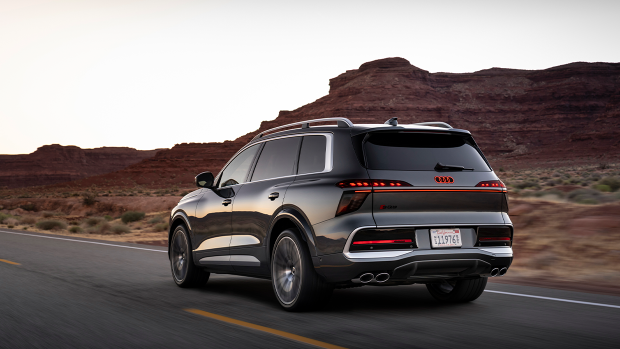
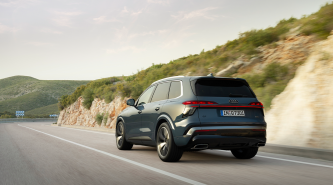
From the outside, Audi has wisely resisted the temptation to disguise the Q9’s size.
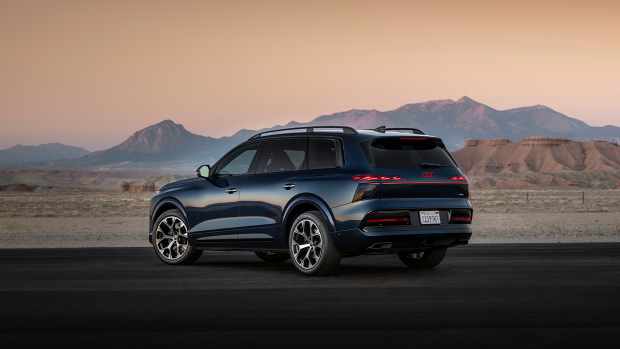
The bluff nose, broad shoulders and upright proportions give the SUV genuine presence, while the remarkably clean rear design relocates the number plate into the bumper, allowing an unusually uncluttered tailgate. New curved OLED rear lights represent another Audi first.
The production Q9 also introduces automatic power-operated doors, the brand’s largest panoramic sunroof, curved digital OLED taillights and a new generation of driver assistance systems.
Latest news
About Chasing cars
Chasing Cars reviews are 100% independent.
Because we are powered by Budget Direct Insurance, we don’t receive advertising or sales revenue from car manufacturers.
We’re truly independent – giving you Australia’s best car reviews.