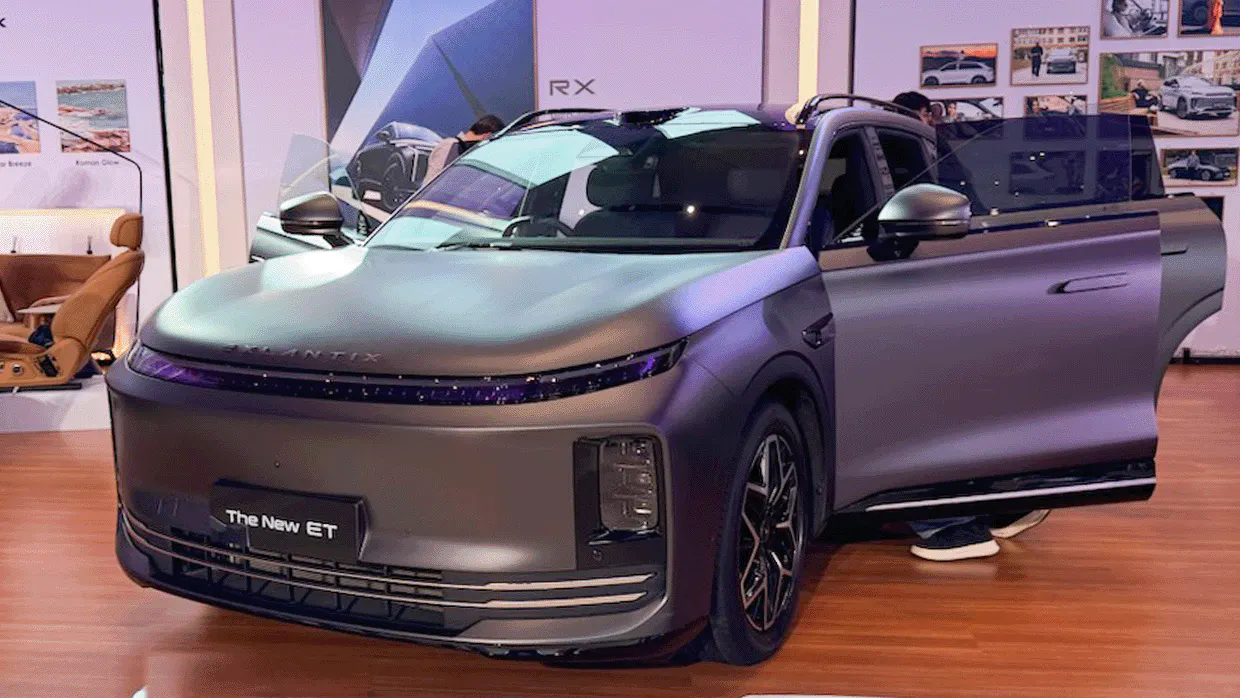


Chinese authorities are throttling its nation’s carmakers’ breakneck development speeds.
With Chinese cars typically developed in two years, not the three to five typical elsewhere, regulators are cracking down. Concerns have mounted that carmakers don’t address faults before launch, making customers guinea pigs.
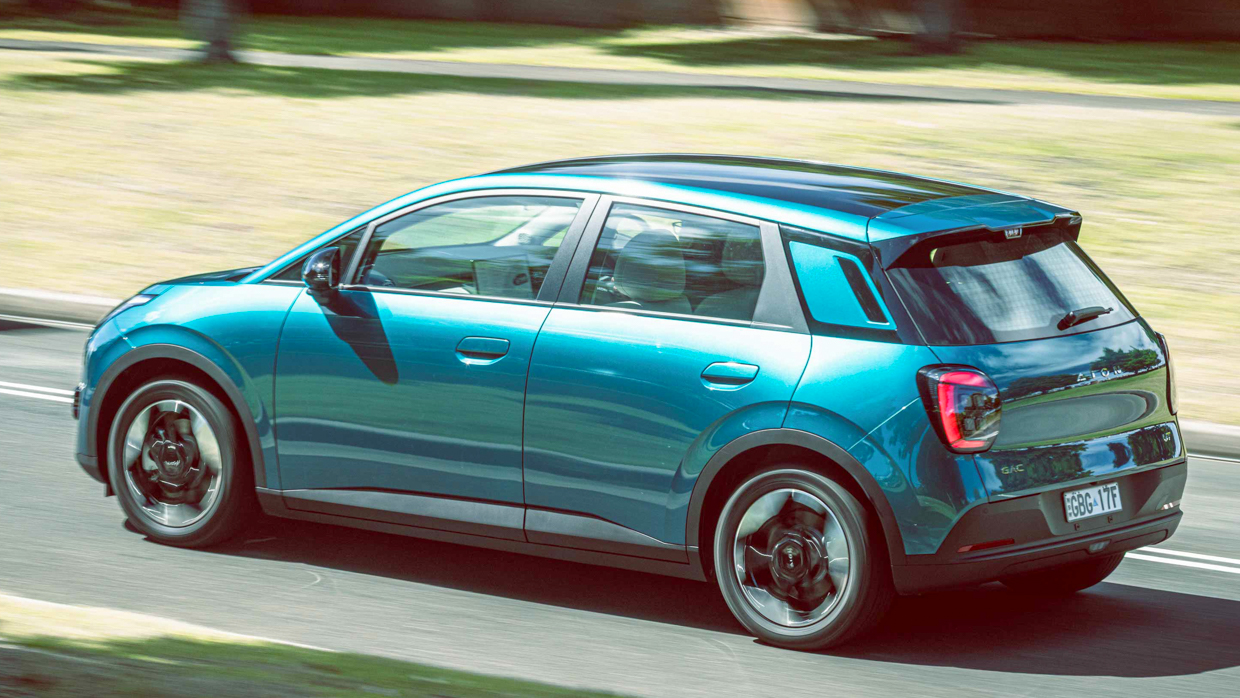
The GAC Aion UT
Bloomberg reports that mandatory road testing at the prototype stage will double to 30,000km, so cars are exposed to all seasons before sales start.
China’s Ministry of Industry & Information Technology – familiar to some readers, as the source of patent images that often expose a car before unveiling – has begun monitoring online complaints closely.
One Chinese car executive, speaking to the Los Angeles Times, revealed the ministry has begun proactively intervening.

The Chery C5
According to the report, in one case, a string of online complaints about a model prompted the ministry to question the maker. It emerged it was only in the early stages of a fix, and a month from a recall.
Surprise inspections of carmaker’s facilities have begun, to examine quality control. GAC, which sells the Aion UT, Aion V and Emzoom in Australia, recently earned a surprise inspection just days after reports of battery failures before 20,000km emerged.
AI could worsen the problem
Bloomberg also reports AI integration could cut Chinese development times further, to 18 months.
Though software development could be done exponentially faster with AI, one motivation of the crackdown is to stop this mindset spreading to hardware, such as safety systems and crash structures.
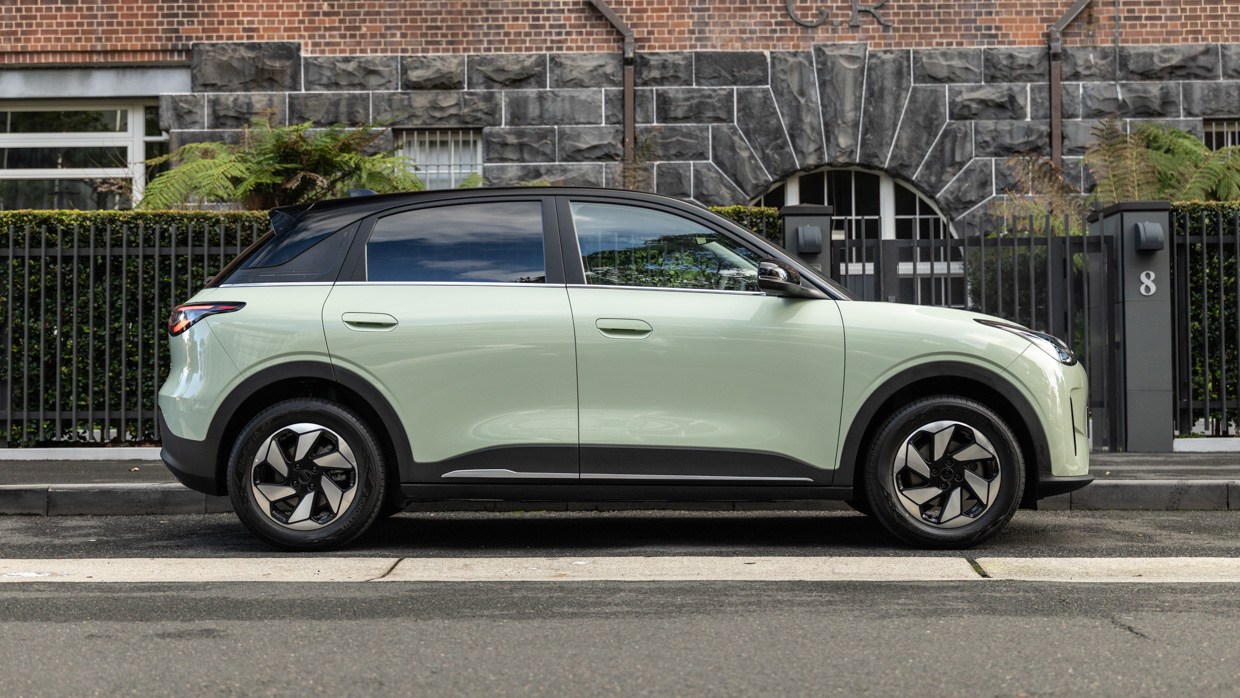
The Geely EX2
Reaction to these developments has been mixed. A Chery executive, speaking to Bloomberg, was unfazed, stating that “there are simply some development timelines we cannot afford to shortcut.”
A representative from Geely was more concerned, saying that Chinese buyers’ demands for regular upgrades could make slowing the pace of development unrealistic.
Chinese regulators have become interventionist this year, spearheading a ban on electric door handles on fire safety grounds. From 1 July 2027, a minimum level of physical controls will also be mandated, ensuring basics such as the windscreen wipers, gears and safety system controls aren’t subsumed by touchscreens.