Powered by

-
Car Reviews
Latest reviews
-
Car News
Latest news
-
Car Comparisons
Latest comparisons
- Chasing Deals
Latest reviews
Latest news
Latest comparisons
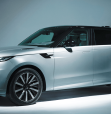
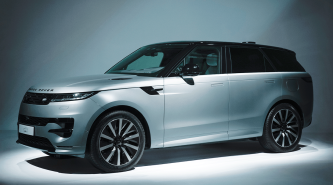
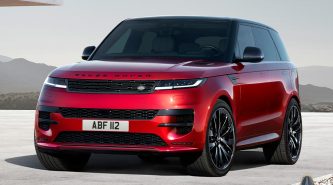
Compared to the stately, soft-riding Range Rover Electric, the slipperier Sport EV variant gains some trick handling tech you can’t have on the full-fat model
Earlier this year, after sampling a Range Rover with fully electric propulsion for the first time, we found ourselves coming to a definite conclusion: totally silent, torquey EV motors suit the full-size Range Rover product very well indeed.
You know, the full-fat model: the big, tall Range Rover that heads of state, royals and ambassadors get about in. For that audience, electric power only adds to the elegance, dignity and serenity.
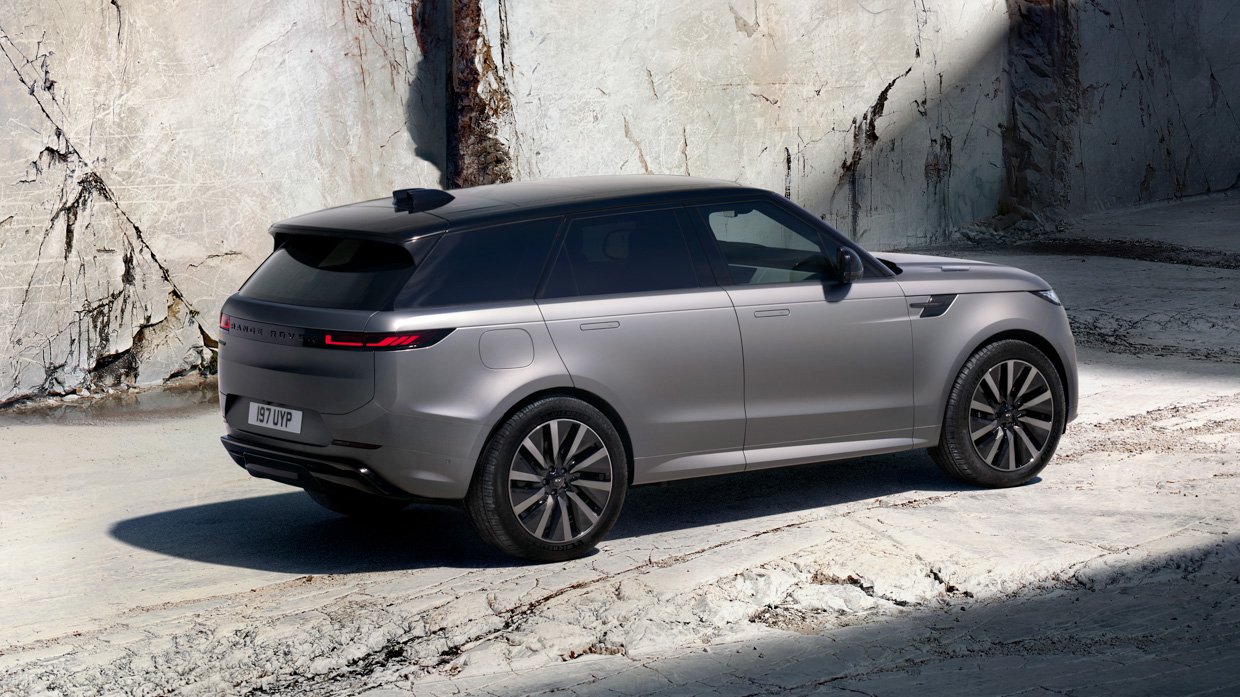
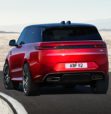
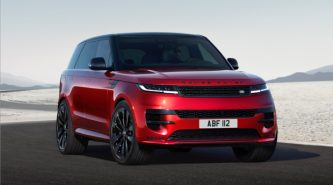
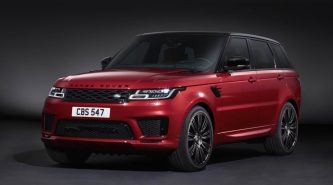
But what about the slinkier Sport? First launched in 2005, the Range Rover Sport has long played the athletic, more youthful foil to its stately and dignified brother—trading on the same core badge and off-roading capability but with more interest in, well, corners.
Land Rover is now ready to shoehorn the electric powertrain from the full-size car into the Sport. The two share a platform, and much of their hardware, so it makes total sense to do so, particularly given the EV option isn’t coming at the expense of six- or eight-cylinder power.
The Sport Electric lands in Australia in March 2027 in two high-spec 405kW grades with about 600km rated range: Dynamic HSE is the entry point for now, at $226,518 plus on-road costs, with a $249K Autobiography spec asking $23,000 more.
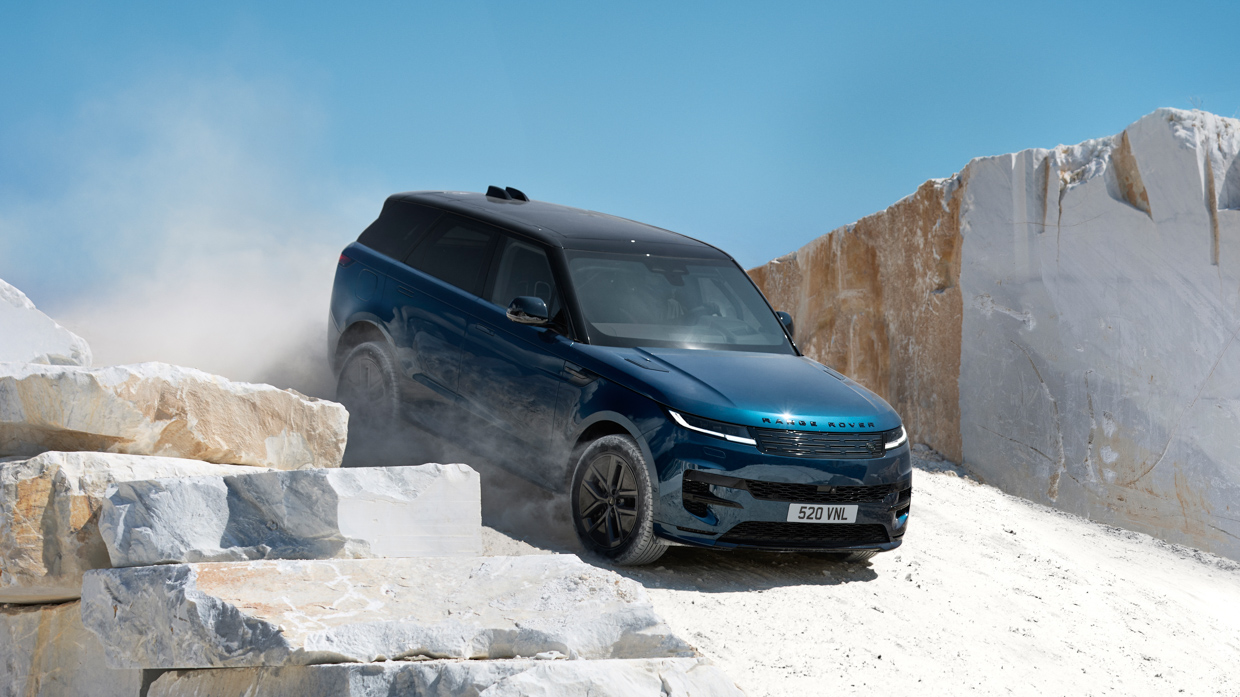
Our first drive of the Range Rover Sport Electric, as it’s known, took place at Jaguar Land Rover’s proving ground at Gaydon in the British Midlands.
That’s also where we drove the full-size car. But while that experience took in wooded forest as well as paved roads, tellingly Land Rover’s boffins had us concentrate our time in the Sport entirely on fast, flowing country road simulations. Paved stuff.
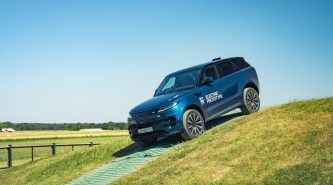
Smart call: the Sport Electric retains nearly all of big brother’s off-roading ability (down to 900mm wading depth) but is otherwise bolstered by trick chassis tech of its own, including a sophisticated anti-roll system to keep this 2770kg ship considerably more upright.
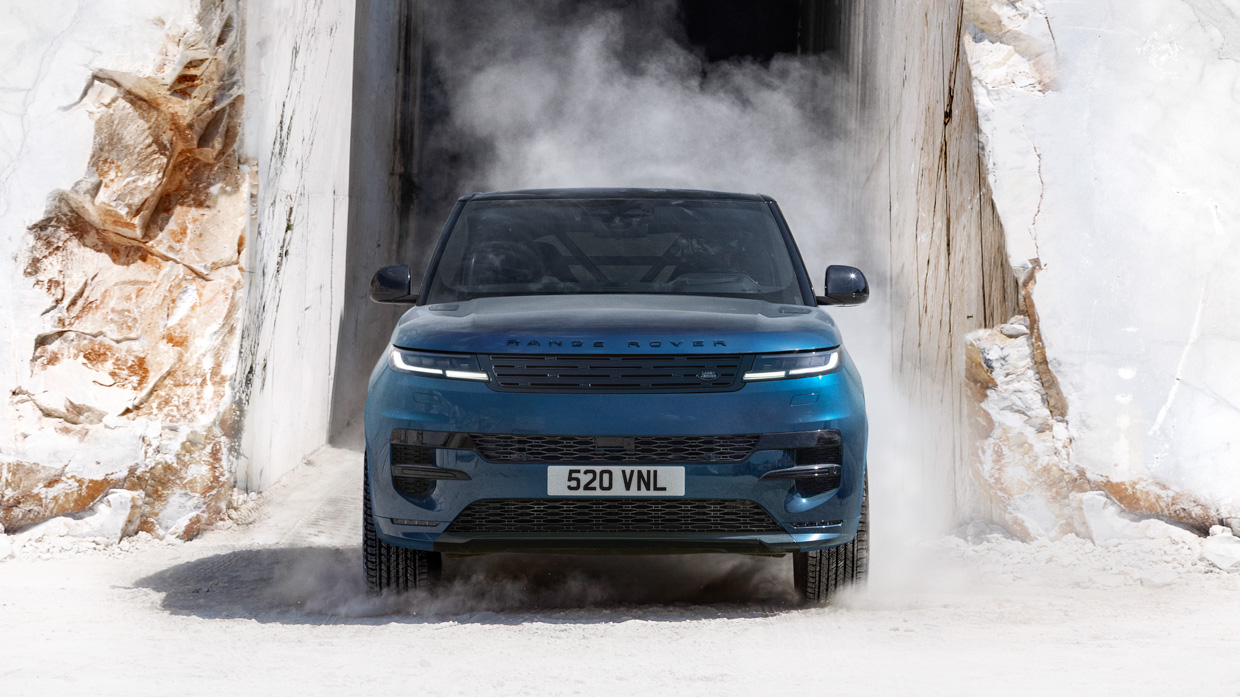
Despite that, we still went into the exercise with some cynicism. Unlike full-fat Range Rover customers—who probably just want some peace and quiet—Sport buyers tend to like the fact they’re sitting behind a big combustion donk.
Can EV possibly win those types over? We’ve started to find out.
Our first thought was: where is all the noise? One of the lovely things about the similarly priced petrol V8 Range Rover Sport is that its 4.4-litre engine, sourced from BMW, makes a lovely sound as you rev it out.
And the answer is a sound, of sorts, is in here—a custom soundtrack synthesised in-house. You can activate it manually or pair it to the dynamic drive mode and, when switched on, there’s an appealing audible cue of speed building.
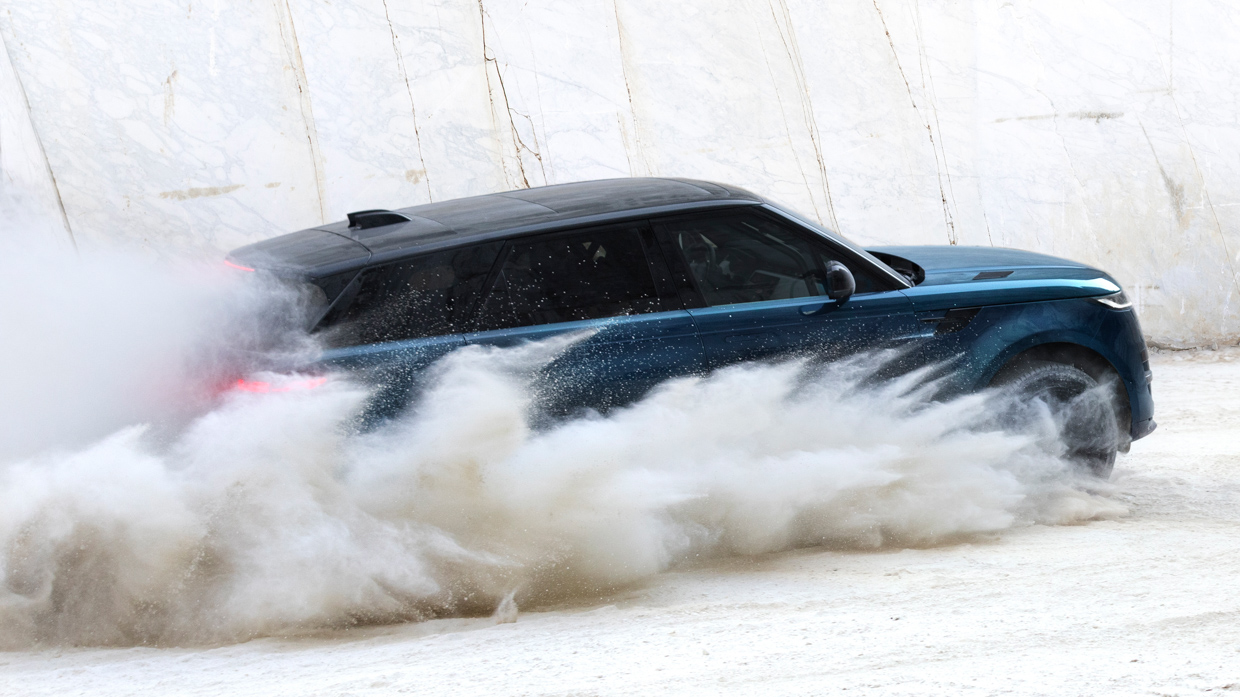
But it’s no V8 thunder, and we wonder whether Land Rover might have been well-served by following the lead of Hyundai—and now Porsche—at simulating combustion noise at the touch of a button instead. We’ll see.
Range Rover engineers say they benchmarked the V8, and the experience is indeed V8-like in how the Sport Electric makes progress.
Its outputs—405kW of power, 850Nm of torque, fed by a 260kW permanent-magnet motor at each axle—look and feel like eight-cylinder numbers.
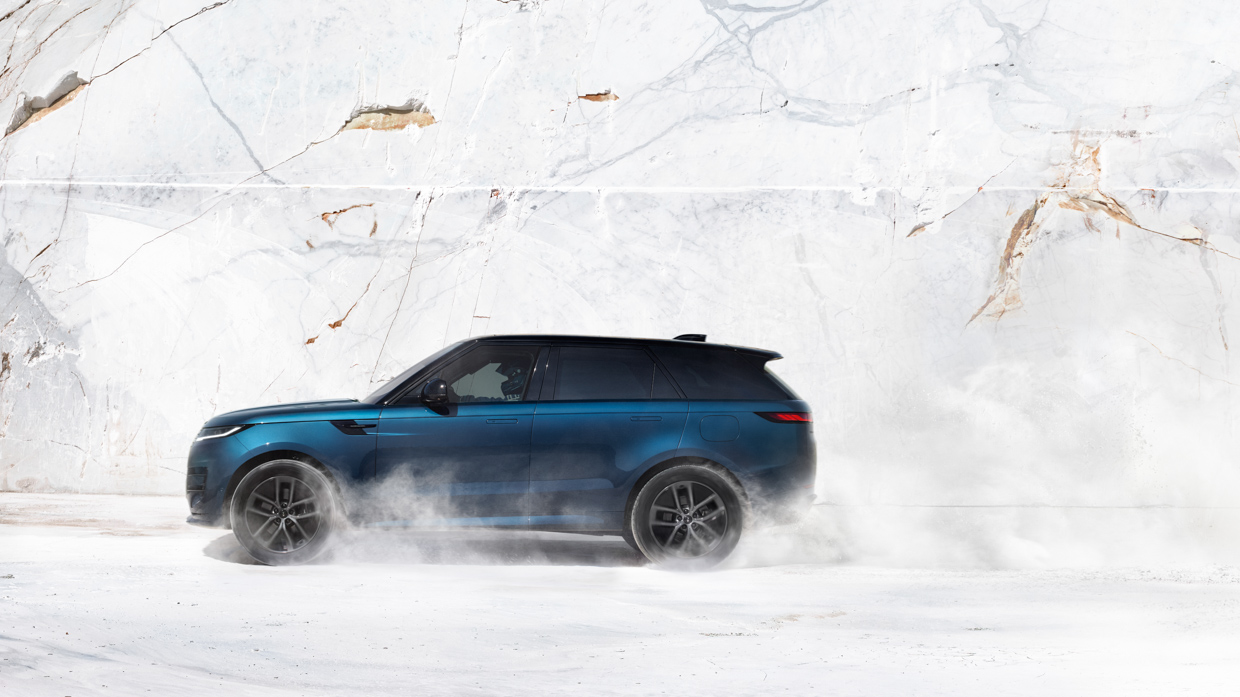
There’s that feeling of absolute sufficiency when accelerating, and despite a 190kg weight penalty over the V8, power-to-weight is similar, and the 0-100km/h time is the same: 4.5 seconds.
Rolling torque comes on about 50 percent more rapidly in the Sport Electric with additional cooling hardware fitted to cope with the additional demand in the dynamic drive modes.
Anybody already familiar with the EV world will know that a four-and-a-half second run isn’t astonishing stuff anymore, but in a near-three-tonne boxy 4WD, it’s more than swift enough.
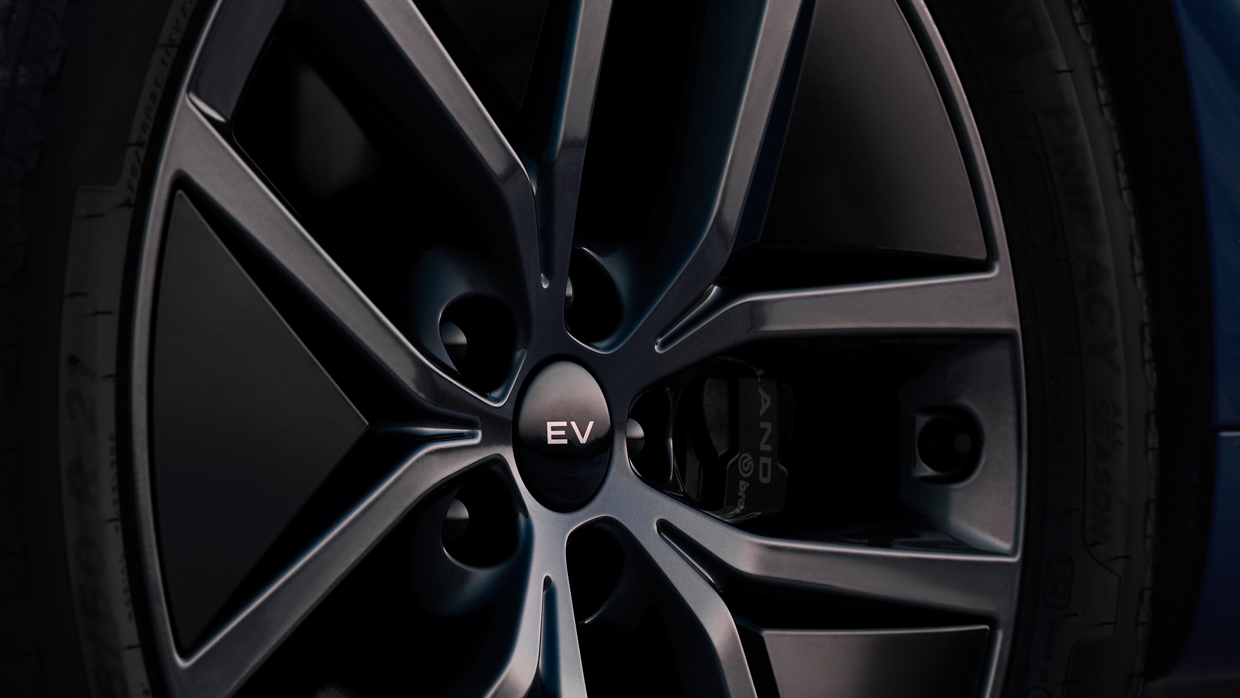
That said, the Range Rover Sport Electric isn’t about to challenge the likes of Porsche’s Cayenne Turbo Electric, which can muster 850kW/1500Nm—twice the Rangie’s outputs—in short bursts and feels an order of magnitude quicker.
We’d expect to see both more and less powerful versions of the Range Rover Sport Electric appearing in future.
Of real significance, though, was the twin-axle Electronic Active Roll Control (eARC) fitted to the Sport Electric—a unique bit of hardware that the full-fat Range Rover EV doesn’t score.
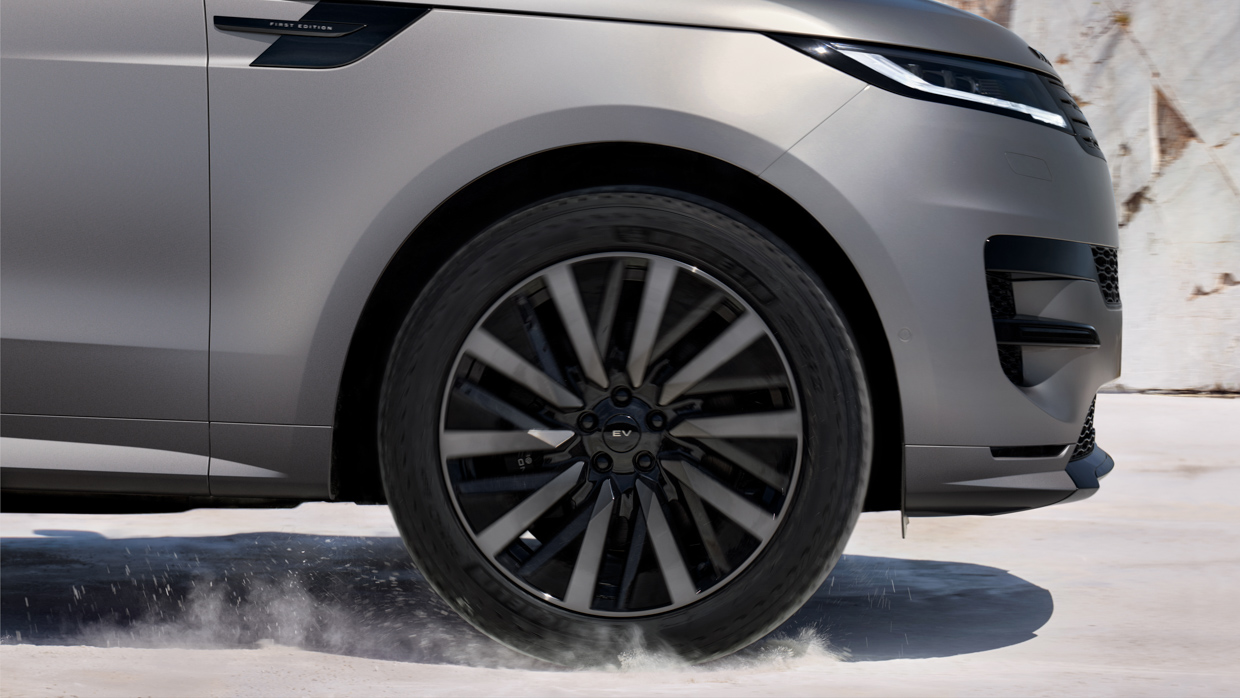
Capable of applying up to 1400Nm of force longitudinally across both the front and rear of the Sport, eARC was uncannily capable of keeping the body flat while pushing on—hard—in the sweeping bends and tighter corners of the Gaydon Proving Ground.
High levels of tyre grip and intuitive—if not especially feelsome—steering make the Range Rover Sport a cohesive thing to pilot, and there’s no question that it has higher dynamic limits than its bigger brother.
It’s also a more capable handler than any combustion version, with a 61 percent torsional stiffness boost over the plug-in hybrid with which the Electric shares the MLA Flex platform.
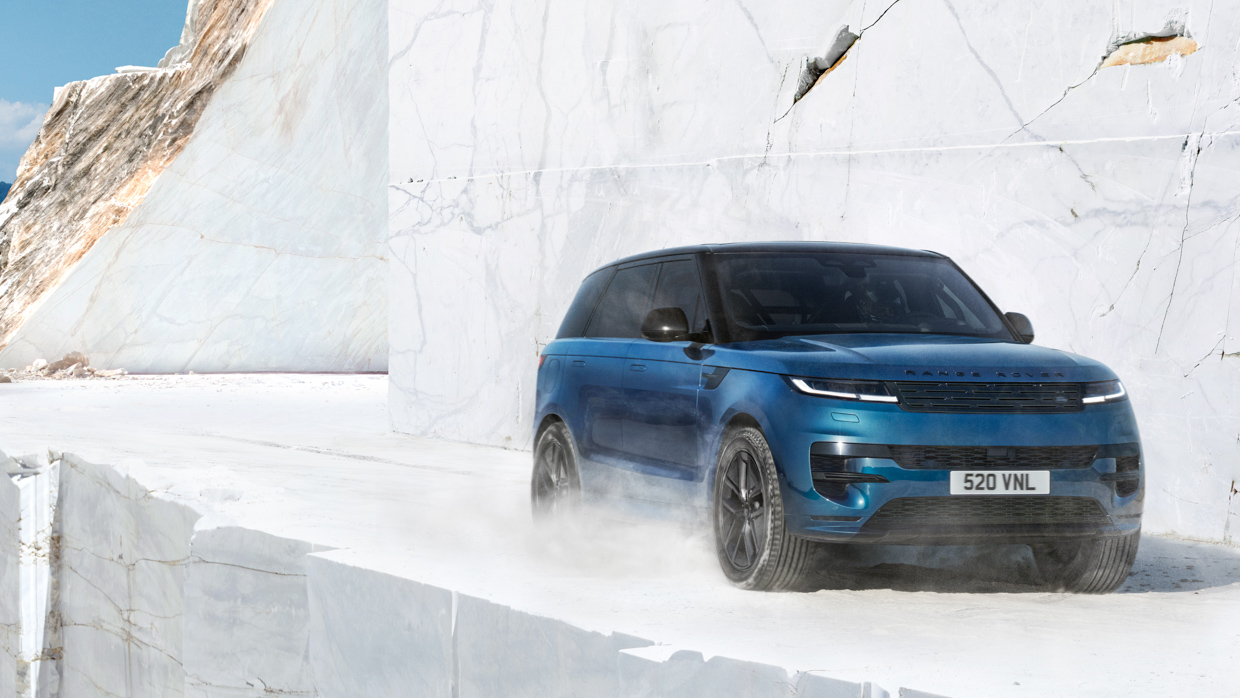
Rear-wheel steering increases lower-speed manoeuvrability and reduces the turning circle to within 11 metres.
A Sport-specific tune of the dual-chamber air suspension and Bilstein twin-valve adaptive dampers deliver a firm-ish ride which is more cosseting on 21-inch wheels, and slightly sharper on 22s. No matter the wheel size, Australian buyers will get a full-size alloy spare.
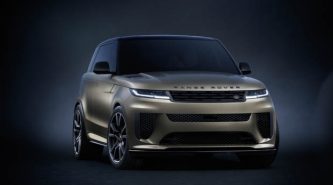
Much like the outside, there is very little to differentiate the cabin of the Range Rover Sport Electric from its combustion and hybrid siblings—though there are some changes introduced on the EV that will roll out to the other versions in 2027.
That includes the return of a volume knob and a rotary control for the Terrain Response 2 drive modes. Those settings had previously been located within the 13-inch Pivi Pro touchscreen.
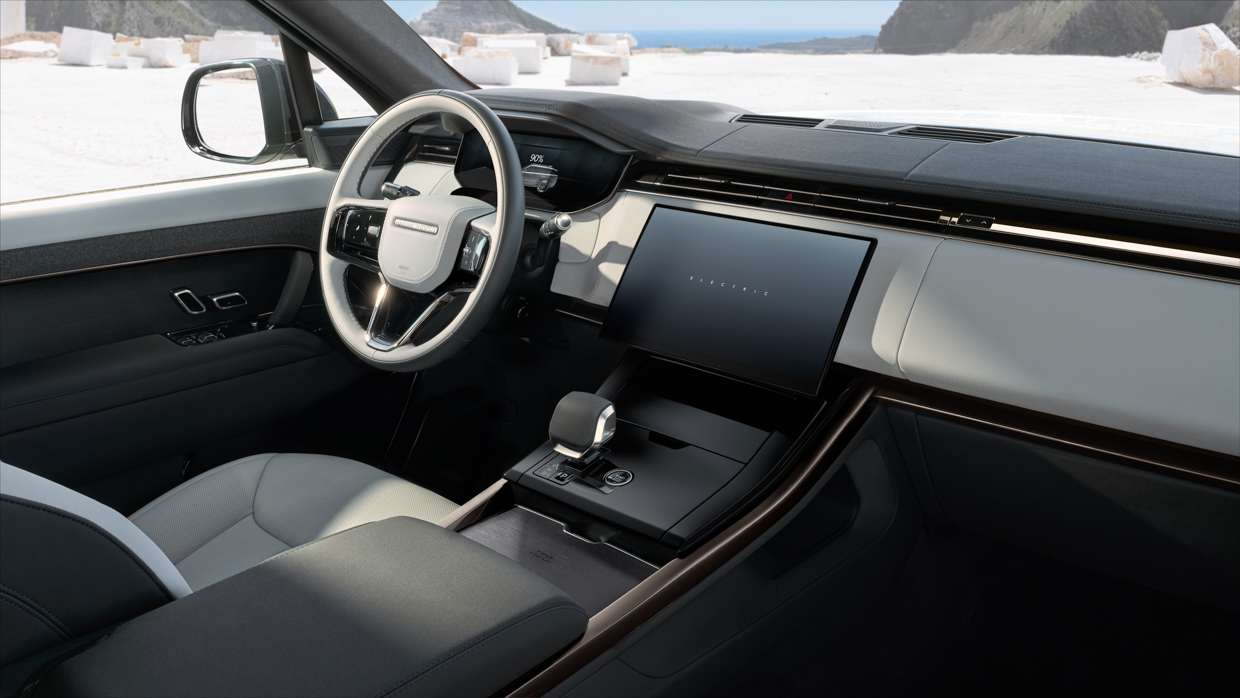
Not everybody will be into the stark minimalism of the Range Rover Sport’s cabin, though there is a sense of richness, expense and ‘quiet luxury’ that is a refreshing contrast to the content-loaded interiors of some lesser peers.
Despite that, we fear Range Rover is missing the boat on the return to tactility in the premium segment. Despite the old-world associations of this brand, you won’t find anything like knurled climate control dials here anymore.
Nor will you feel giant screens for the sake of it, though. There is no redundant passenger display and the combination of sensibly sized central screen and digital instrument cluster work very well.
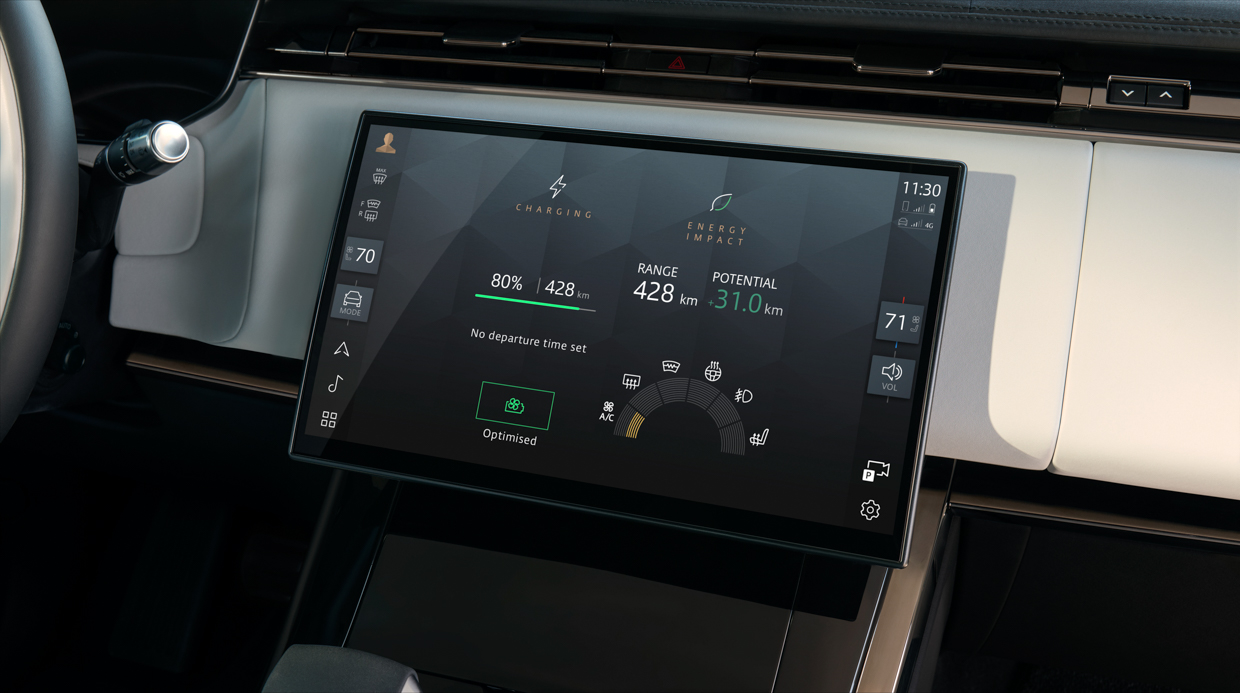
Wireless Apple CarPlay/Android Auto are fitted and Land Rover’s own software is easy enough to navigate and fairly customisable.
Because the brand has opted to sell the Electric only in relatively high-specification Dynamic HSE and Autobiography trims at first, the interior appointments are suitably luxe.
Premium non-leathers can be selected along with semi-aniline hides, paired with real metals or wood trims for secondary elements.
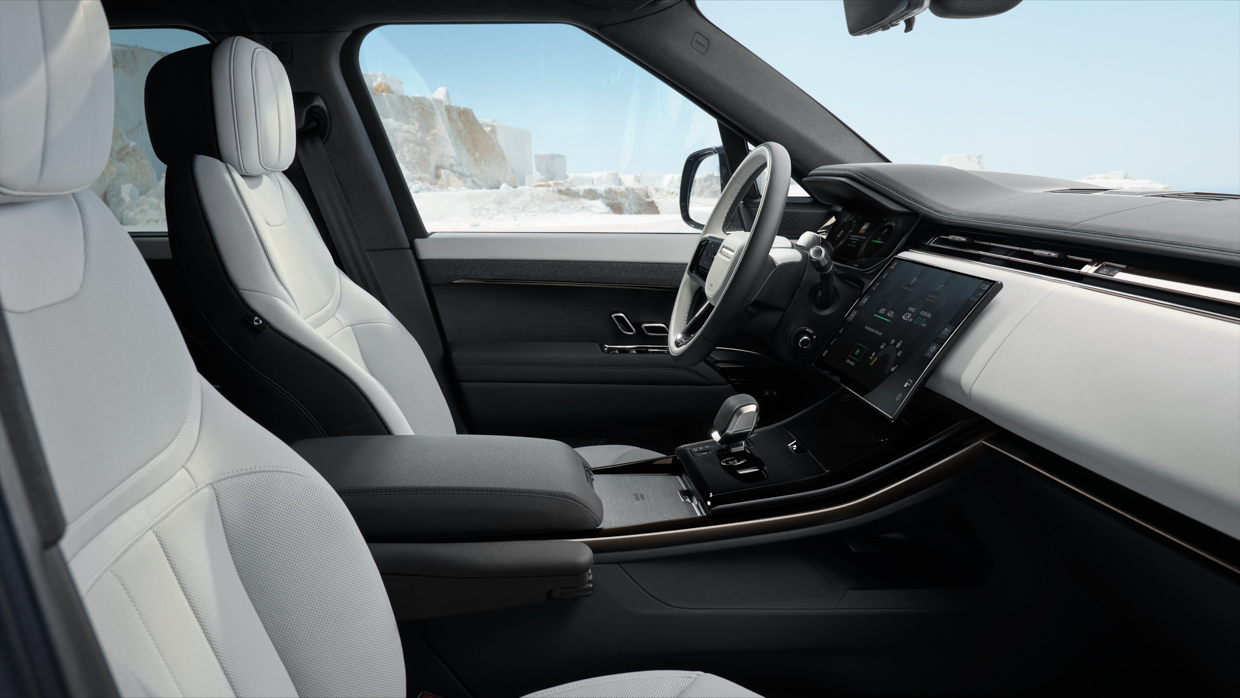
The front chairs—and they are closer to chairs than seats—are sensationally comfortable with extensive electric adjustment (some ways via buttons, some via screen) and heating and cooling as standard.
Rear seat space isn’t the last word in stretch-out comfort, though, but most families will fit here.
There’s no frunk, but boot space behind a power tailgate exceeds 600 litres.
Land Rover says 118.5kWh of the battery’s circa-128kWh total size are usable, with range jointly quoted as 609km (WLTP) and 535km (real-world).
That equates to acceptable consumption of between 19.4-22.1kWh/100km, and the Range Rover Sport Electric’s 800-volt cabling means it can accept 350kW DC charging delivering a 10-80 percent replenishment in 22 minutes.
The brand has also spent money to ensure that commonplace 400-volt chargers can deliver up to 250kW to this SUV, which is an area some 800-volt rivals skimp.
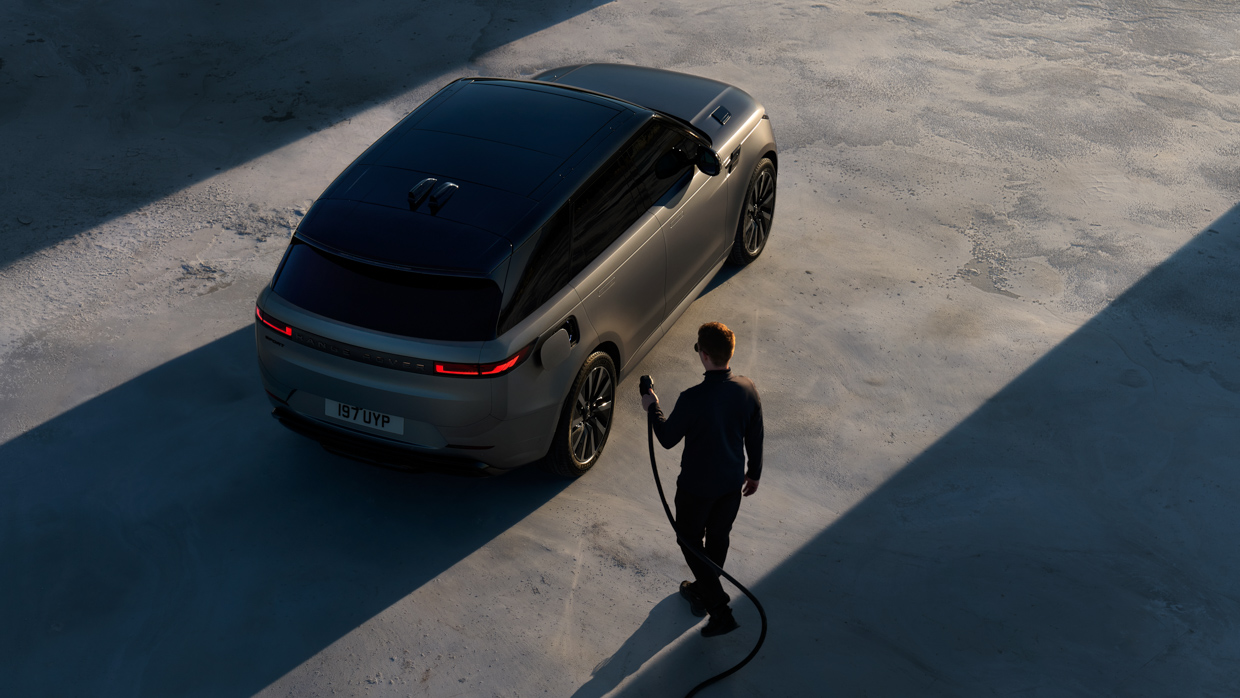
AC charging hits speeds of up to 22kW for three-phase installations, completely recharging the electric Range Rover in about seven hours.
The brand says it will help coordinate home or office wallbox installations for buyers that don’t already have such facilities on hand.
Servicing and warranty arrangements will be announced closer to the Australian launch.
Range Rover is following the likes of BMW in adding electric powertrains to key models as an alternative to—rather than a replacement for—much-loved combustion engines.
Coming from a market that has traditionally enjoyed unfettered access to big six- and eight-cylinder motors in SUVs like the Range Rover Sport, the purpose of the EV might initially seem unclear.
Over time, though, the utility of the Sport Electric will become pretty obvious.
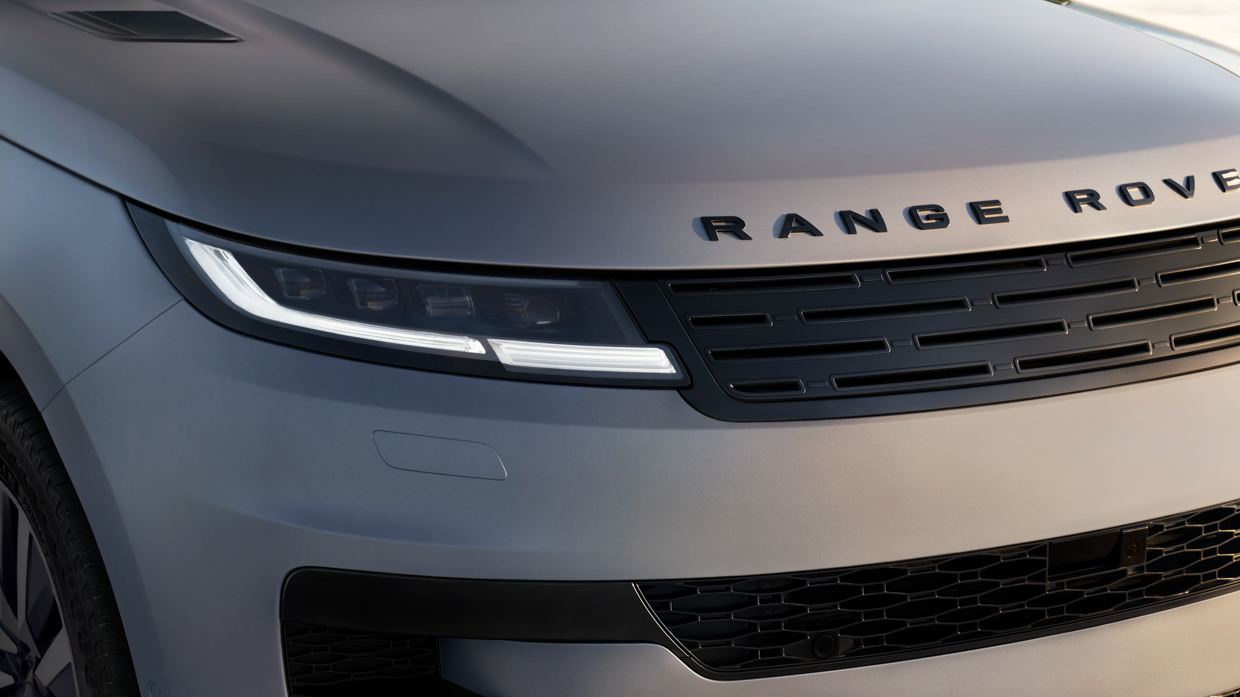
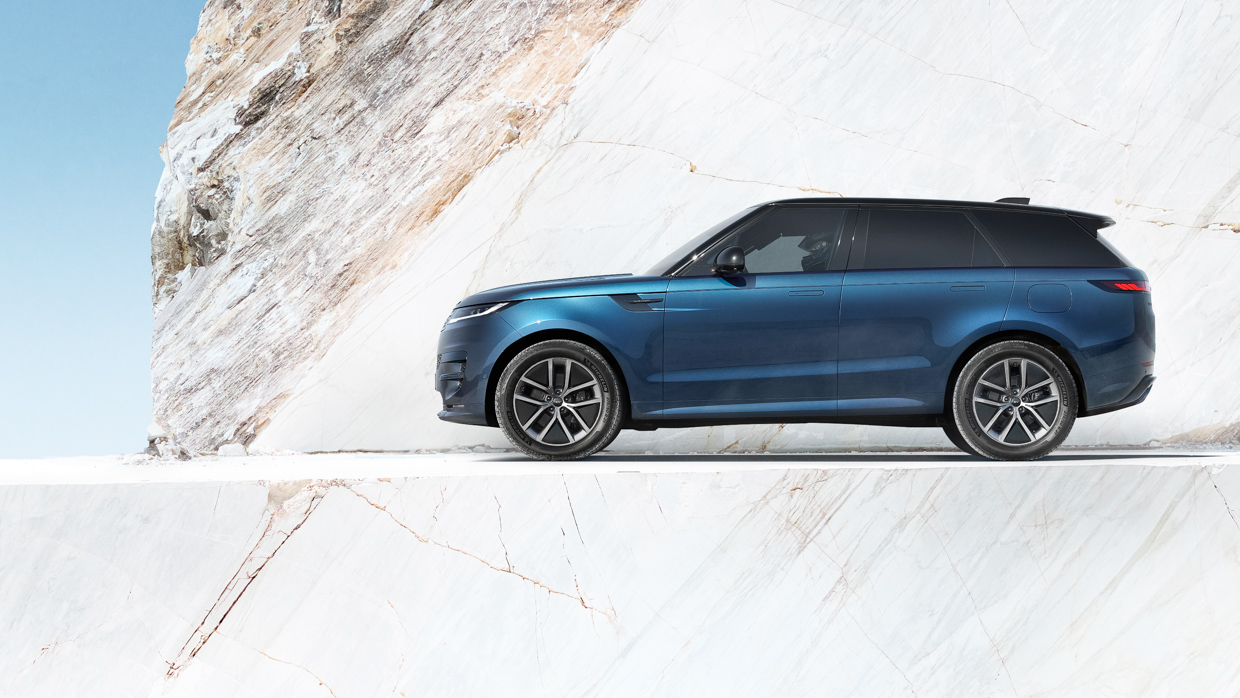
First, not everybody that wants the look—or the capability—of a Range Rover Sport cares about combustion power. If they’ve already had an EV, you can now have an EV that presents identically to any other Range Rover.
Secondly, Australia is following Europe in implementing tough emissions penalties for carmakers that fail to sell enough electric and plug-in hybrid vehicles.
While many Range Rover customers could afford to cop the price increases those penalties are likely to make necessary, the Electric models are likely to become more affordable than their combustion siblings over time if the rules don’t change.
So it’s a good thing the Range Rover Sport Electric appears, on first impression, to be well-sorted. It’s quick, refined, quiet and luxurious, and noticeably more keen on corners than its full-sized sibling.
But it’ll take a full shakedown on Aussie roads to determine where the Sport Electric sits among the emerging segment of full-size premium electric SUVs.
About Chasing cars
Chasing Cars reviews are 100% independent.
Because we are powered by Budget Direct Insurance, we don’t receive advertising or sales revenue from car manufacturers.
We’re truly independent – giving you Australia’s best car reviews.
The estimate provided does not take into account your personal circumstances but is intended to give a general indication of the cost of insurance, in order to obtain a complete quote, please visit www.budgetdirect.com.au. Estimate includes 15%^ online discount.
^Conditions Apply
Budget Direct Insurance arranged by Auto & General Services Pty Ltd ACN 003 617 909(AGS) AFSL 241 411, for and on behalf of the insurer, Auto & General Insurance Company Limited(ABN 42 111 586 353, AFSL 285 571).Because we don’t know your financial needs, we can’t advise you if this insurance will suit you. You should consider your needs and the Product Disclosure Statement before making a decision to buy insurance. Terms and conditions apply.
Indicative quote based on assumptions including postcode , 40 year old male with no offences, licence suspensions or claims in the last 5 years, a NCD Rating 1 and no younger drivers listed. White car, driven up to 10,000kms a year, unfinanced, with no modifications, factory options and/or non-standard accessories, private use only and garaged at night.
^Online Discounts Terms & Conditions
1. Discounts apply to the premium paid for a new Budget Direct Gold Comprehensive Car Insurance, Third Party Property Only or Third Party Property, Fire & Theft Insurance policy initiated online on or after 29 March 2017. Discounts do not apply to optional Roadside Assistance.
2. Discounts do not apply to any renewal offer of insurance.
3. Discounts only apply to the insurance portion of the premium. Discounts are applied before government charges, taxes, levies and fees, including instalment processing fees (as applicable). The full extent of discounts may therefore be impacted.
4. We reserve the right to change the offer without notice.