Powered by

-
Car Reviews
Latest reviews
-
Car News
Latest news
-
Car Comparisons
Latest comparisons
- Chasing Deals
Latest reviews
Latest news
Latest comparisons
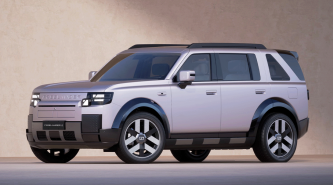
Anti-roll tech makes the Sport Electric a keener handler than its statelier big brother, though there is a small additional cost to choose EV over the continuing V8 model
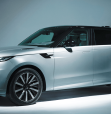
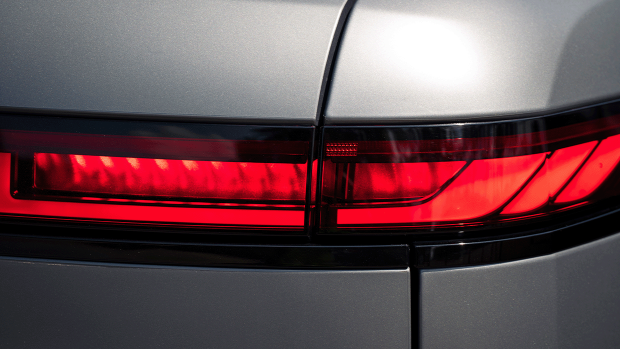
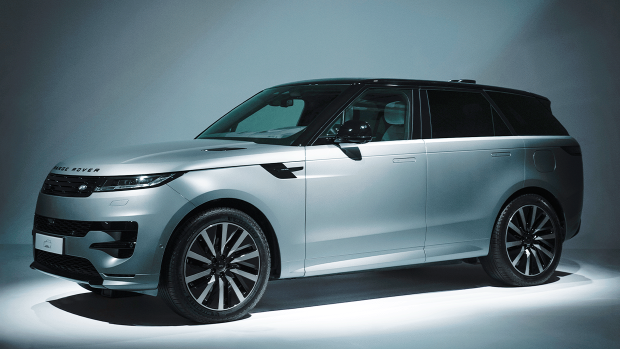
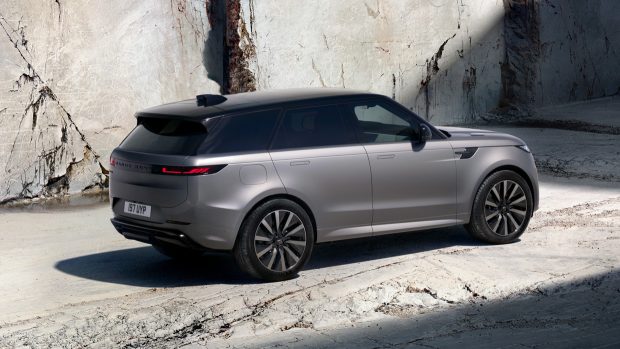
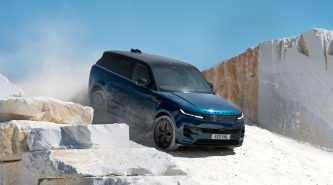
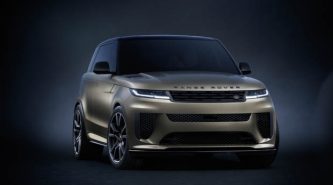
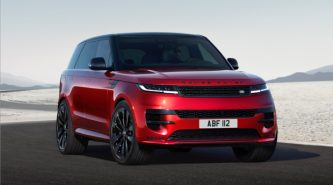
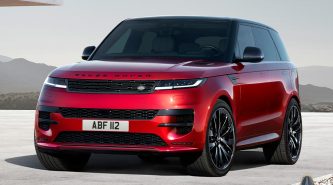
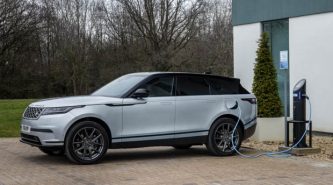
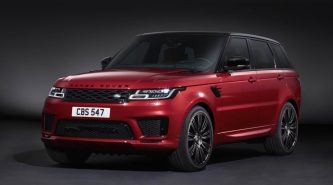
Range Rover has this morning revealed the smaller of its two new EV models, taking the 118.5kWh battery pack and 405kW dual-motor powertrain developed for the full-fat model and dropping it into the slicker, more athletic Sport.
The result is the rather literally-named Range Rover Sport Electric, which will roll into Australian showrooms from March 2027 in two grades: Dynamic HSE, from $226,518 before on-road costs, and Autobiography, from $249,518 plus on-roads.
Those prices are between $5000-$7600 more than the 4.4-litre twin-turbo petrol V8 that is a close match for the EV in terms of performance.
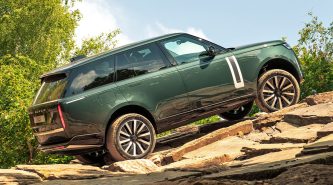
Despite sharing its MLA platform and much of its hardware with the full-size Range Rover Electric, the Sport slots into the lineup at about $90,000 less than its larger and more traditional sibling.
Perhaps the most interesting point of comparison is that the Sport actually gains—rather than loses—hardware.
But first, what’s shared? It begins with 260kW permanent-magnet motors on each axle producing, when working together, peak outputs of 405kW/850Nm. The Sport completes the 0-100km/h sprint in a claimed 4.5 seconds and tops out at 200km/h.
Those figures exactly match the Range Rover Electric, but Sport-specific software allows the Sport to ramp its torque 50 percent faster for quicker responses.
Compared to the exsiting P460e plug-in hybrid version of the Sport, Land Rover says the full EV is 61 percent stiffer and enjoys a 73mm-lower centre of gravity.
While the Sport and full-size ‘Rover both have dual-chamber air suspension, differences begin to emerge in the slinkier Sport’s fitment of Dynamic Response Pro tech with electronic active anti-roll control capable of applying 1400Nm of anti-roll torque at each axle.
The damping, too, is specifically tuned for the Sport for a firmer and more controlled ride.
Engineering boss Matt Becker said the combination makes the Sport – which weighs in at 2770kg – feel “smaller, more planted, and more responsive than you would imagine.”
Interestingly, that weight figure is just 29kg heavier than the six-cylinder petrol plug-in hybrid model, though it is nearly 200kg weightier than the non-hybrid P530 V8.
“We feel the result is very much a different character between the two,” added Rachel Hogg, global product manager for the Range Rover Electric family.
The Sport’s rear wheels can turn by as much as 7.3 degrees, shrinking the large SUV’s turning circle to less than 11 metres.
In Europe, the Range Rover Sport Electric is rated for up to 609km WLTP range – though the British brand is standing behind its own claim of 535km in the real world.
That equates to consumption of between 19.4-22.1kWh/100km, which isn’t too bad in this segment.
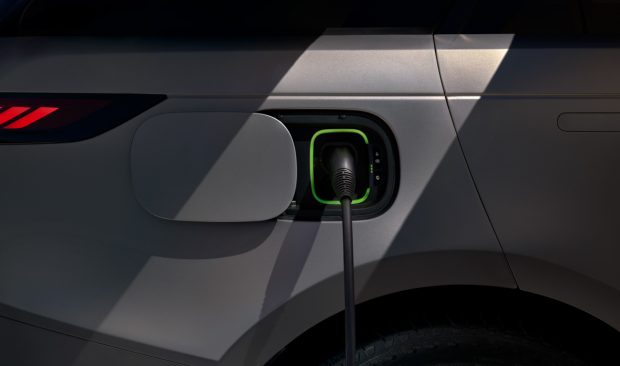
An 800-volt battery pack can operate with both 400V and 800V DC recharging infrastructure at peak speeds of 250kW and 350kW respectively. When using the latter, a 10-80 percent replenishment takes 22 minutes.
A new ThermAssist heat management system monitors hundreds of parameters and is claimed to contribute as much as 40km of the Sport Electric’s range.
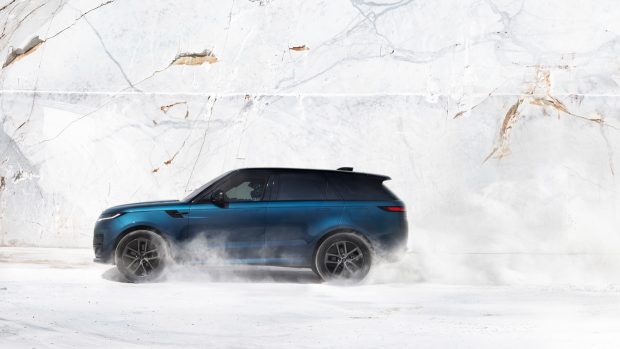
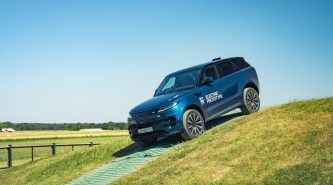
The greater focus on tarmac ride and handling for the Sport has not come at a significant cost to its off-road capability.
While a final ground clearance figure hasn’t been given yet, the Sport Electric retains the model’s 900mm wading capability along with Land Rover’s sophisticated Terrain Response 2 system. The air suspension can temporarily add substantial lift to get out of trouble.
One-pedal driving brings finer-grained throttle control to the EV model when compared to its combustion siblings, while towing capacity is 2500kg.
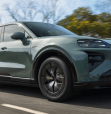
The Range Rover will contest a similar space in Australia to the Porsche Cayenne Electric, which costs $193,100 in 490kW ‘S’ form before options. Another rival will be the Polestar 3.
We await grade-by-grade specifications for the Sport Electric, but we’re expecting the grade walk to closely match its contemporaries in the existing lineup.
Today’s petrol, diesel and plug-in hybrid Range Rover Sport options aren’t going away.
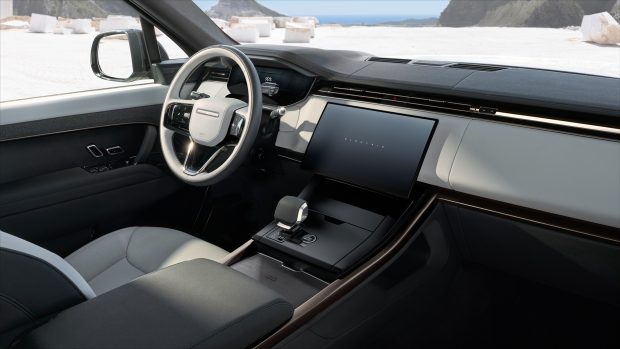
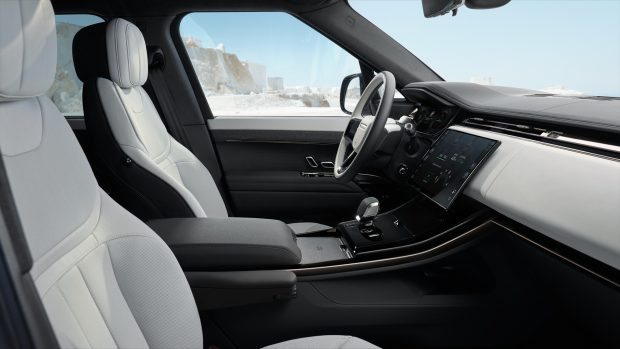
Based on the Dynamic HSE trim grade with the existing powertrains, the ‘entry-level’ Sport Electric could be expected to pick up semi-aniline leather seating, 20-way heated and ventilated front seats (plus heated rear seats), soft-close doors, 13-inch touchscreen with wireless CarPlay/Android Auto, digital radio, ambient lighting and wireless charging.
Justifying the $23,000 step up into the Sport Electric Autobiography are likely to be luxuries like higher-end headlight technology, massaging chairs with winged headrests, premium carpets, a glass roof with power sunblind, quad-zone climate, cooled rear seats and illuminated metal treadplates
All prices listed are before on-road costs.
Latest news
About Chasing cars
Chasing Cars reviews are 100% independent.
Because we are powered by Budget Direct Insurance, we don’t receive advertising or sales revenue from car manufacturers.
We’re truly independent – giving you Australia’s best car reviews.