Powered by

-
Car Reviews
Latest reviews
-
Car News
Latest news
-
Car Comparisons
Latest comparisons
- Chasing Deals
Latest reviews
Latest news
Latest comparisons
Isuzu Australia pledges to tough it out in the face of stiff NVES and diesel pricing headwinds
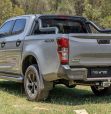
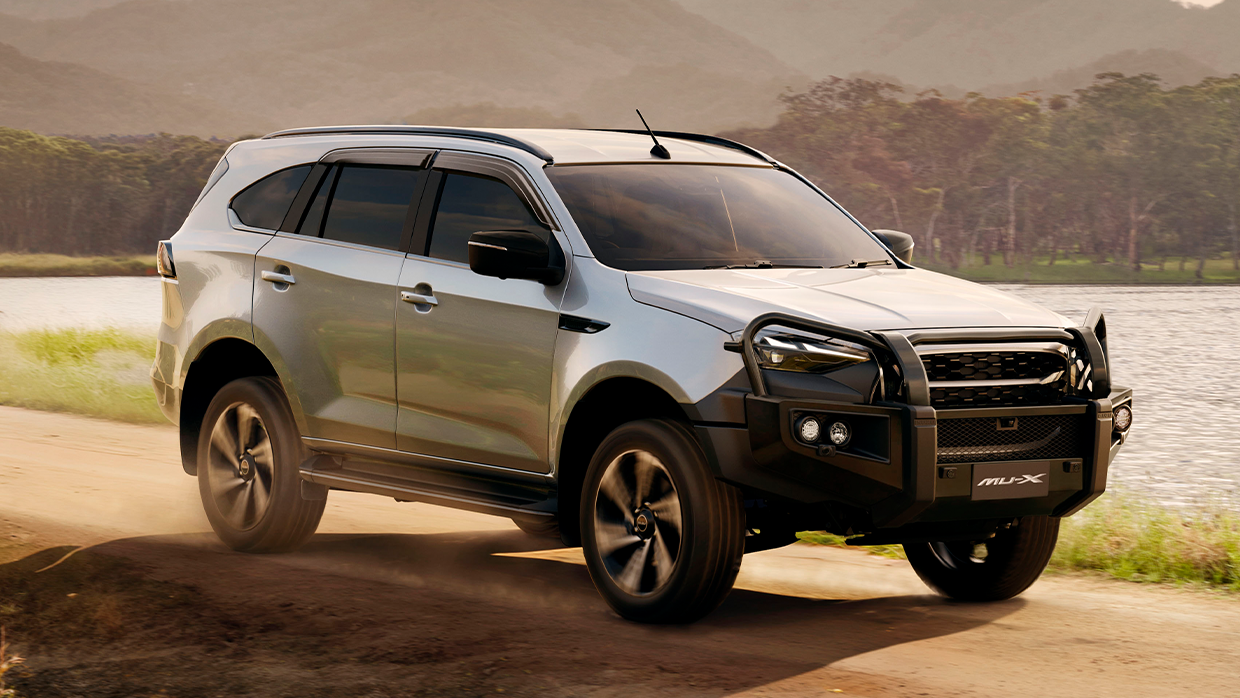
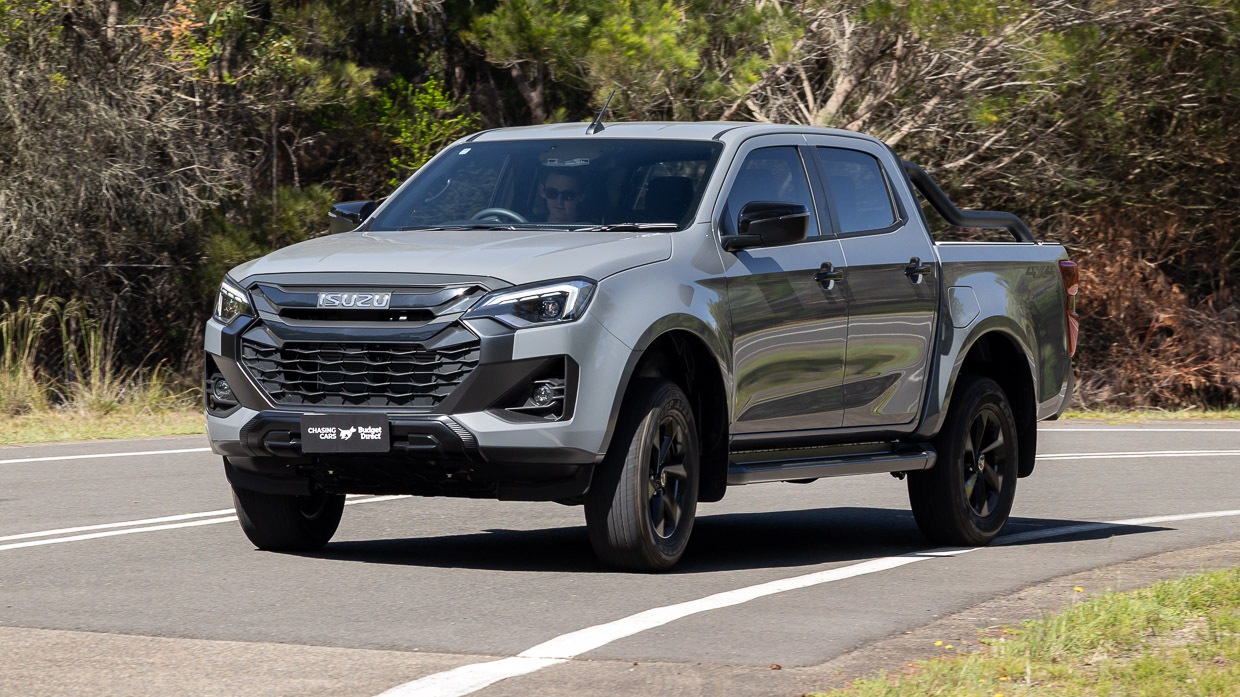
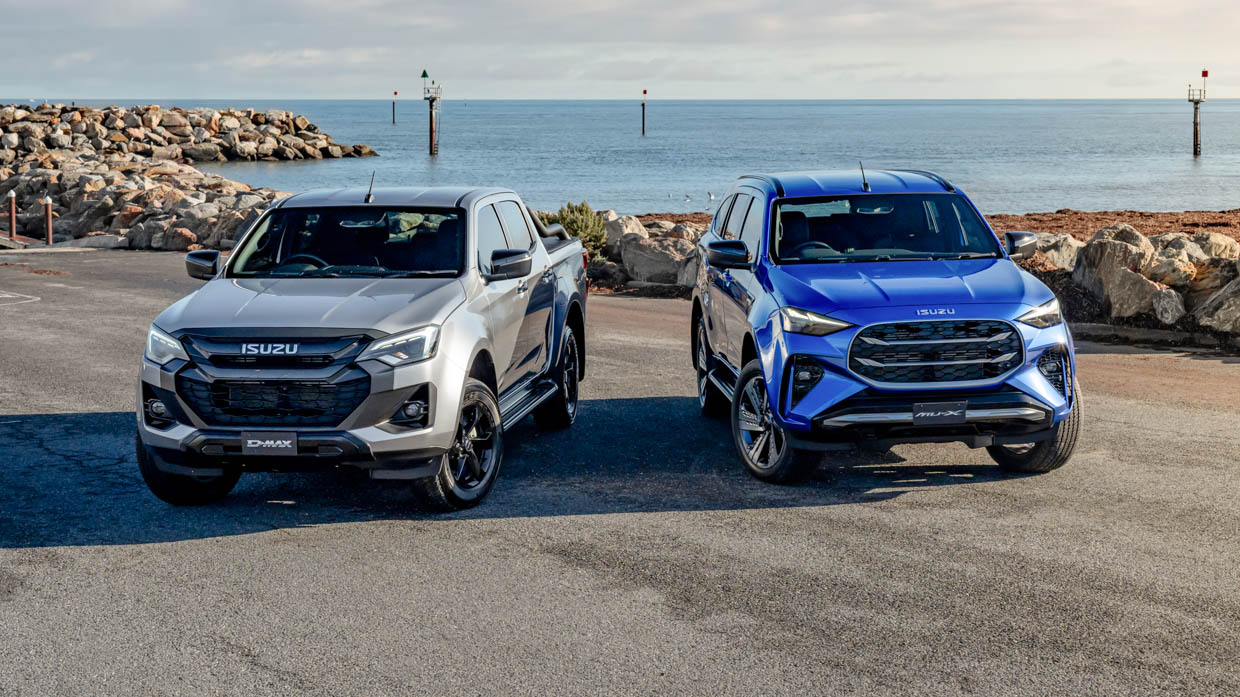
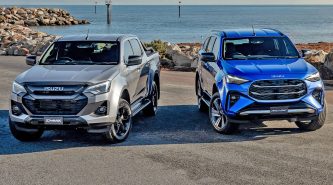
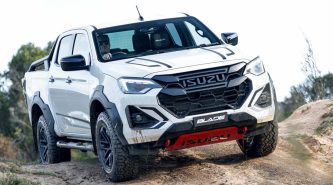
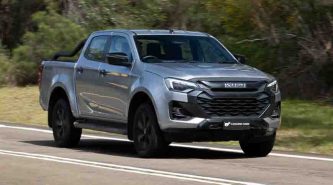
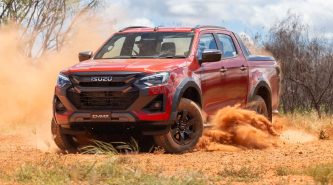
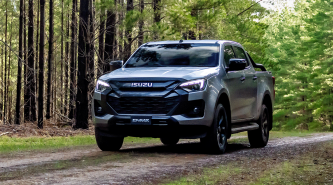
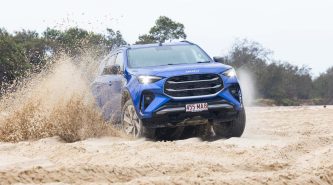
Isuzu Ute Australia (IUA) has pledged to maintain its place in the local new car market for the foreseeable future despite increasing headwinds from ever-tightening New Vehicle Emission Scheme (NVES) regulations and soaring diesel prices.
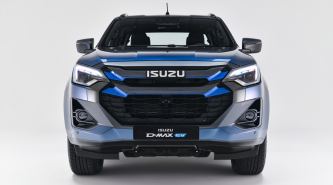
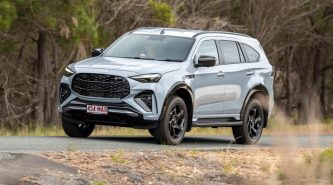
Contrary to the rumour mill, it’s officially confirmed that IUA’s two-model, all-diesel D-Max ute and MU-X SUV line-up – making the importer especially compromised by NVES regulation – will not be joined by the (electric) D-Max BEV model available in other markets in its current form to offset penalties.
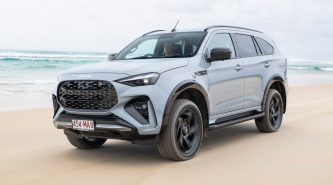
Instead, IUA intends to ‘tough it out’ with the current generation D-Max and MU-X, until 2028 when it’s widely expected that both technically related models’ new generation replacements arrive, with the official promise of “future electrification opportunities” with “lower emissions technologies”.
In an exclusive interview with Chasing Cars, IUA executive general manager Rod Caldwell explained that, while the brand faces increasing pressure due to local (NVES) and globally (diesel pricing), the brand maintains solid market share of the diesel ute and 4×4 market, Australia remains a strong diesel market, and its customers – both commercial and private – are committed to oiler power.
“With diesel continuing to account for 84 percent of light commercial vehicle sales year-to-date, our focus remains on delivering practical solutions that align with current customer demand,” he said.
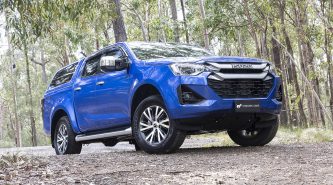
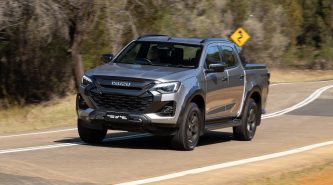
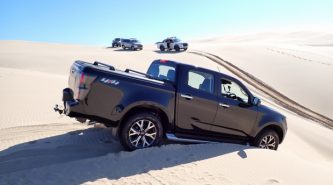
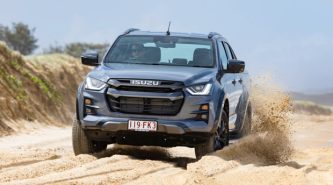
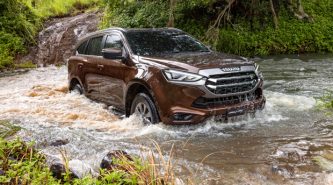
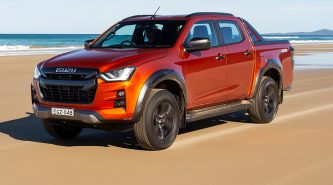
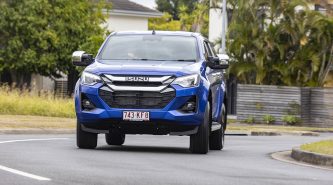
Despite its 2020 origins, the D-Max remains a popular choice, habitually occupying the top ten selling vehicles outright (according to industry database VFacts) as the third-most popular ute behind Ford Ranger and Toyota Hilux, and more often than not ahead of other diesel, hybrid or electric ute rivals.
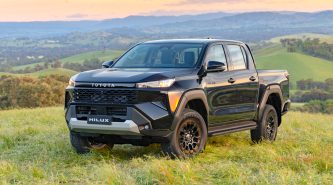
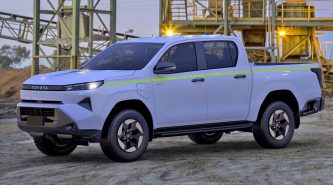
Indeed, Caldwell explains that the main reason for IUA passing on D-Max BEV is the poor sales performance of electric versions of other legacy ute nameplates, specifically Hilux.
“[We] need to prioritise products that align with our current customer needs,” he said. “Our customers don’t want [a BEV] right now – it’s not the right time. And the reason we know that is because [a rival importer] brought one out that sells just 30 units per month.”
Shorter-term strategies, such as “more efficient 2.2-litre [diesel] engine” in the lead up to next-gen 2028 models “forms part of our broader journey to reduce emissions and meet the requirements of the New Vehicle Efficiency Standard (NVES).
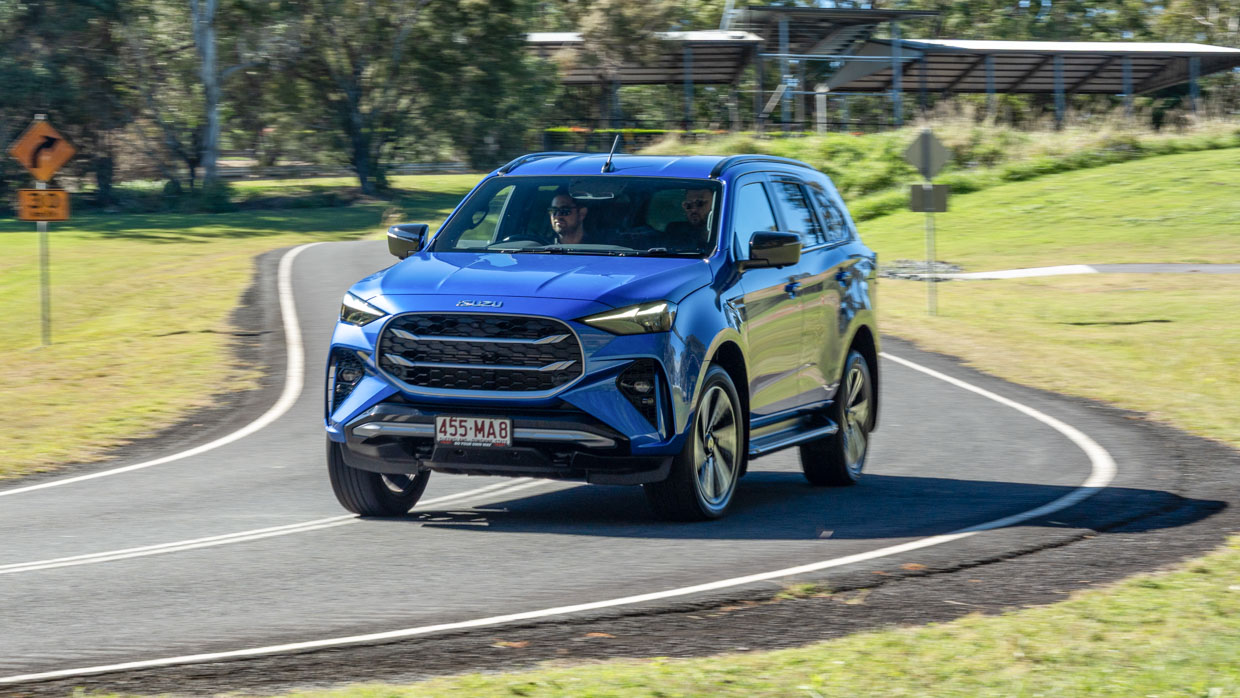
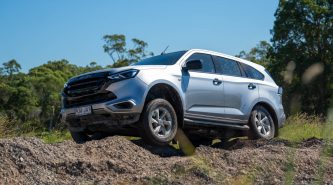
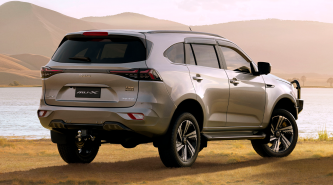
“At the same time, we continue to strengthen our core product offering by expanding the MU-X range to better meet evolving customer needs,” he explained, adding that the wagon model, specifically, will spawn at least one new variant “with next year’s model [update]”, but stopped short of confirming further details.
It’s currently unknown how long IUA will have to weather challenges of circa-three-dollar (or higher) diesel prices and tightening NVES thresholds. Nothing is a given with future NVES – this week the Federal Coalition promised to scrap the scheme if it comes to power in the 2028 election.
“If we need to trade [NVES CO2} credits, or to buy credits, we will,” Caldwell says.
“But the biggest impact right now is [customer) inquiry levels. The foot traffic into the dealerships has changed, and that’s because diesel is three dollars per litre.
“[However] our market share hasn’t changed – we’re actually stronger with some models than we were [in the past].
“We got this plan to get through [current headwinds] and we know we’ve got to be patient.”
While stopping short of confirming exact timing, Caldwell says an “eight-year lifecycle” should see new-gen D-Max and MU-X surface in 2028.
“While the D-MAX BEV is not the right fit for Australian customers in its current form, Isuzu remains committed to exploring future electrification opportunities through initiatives such as the Earth Lab.”
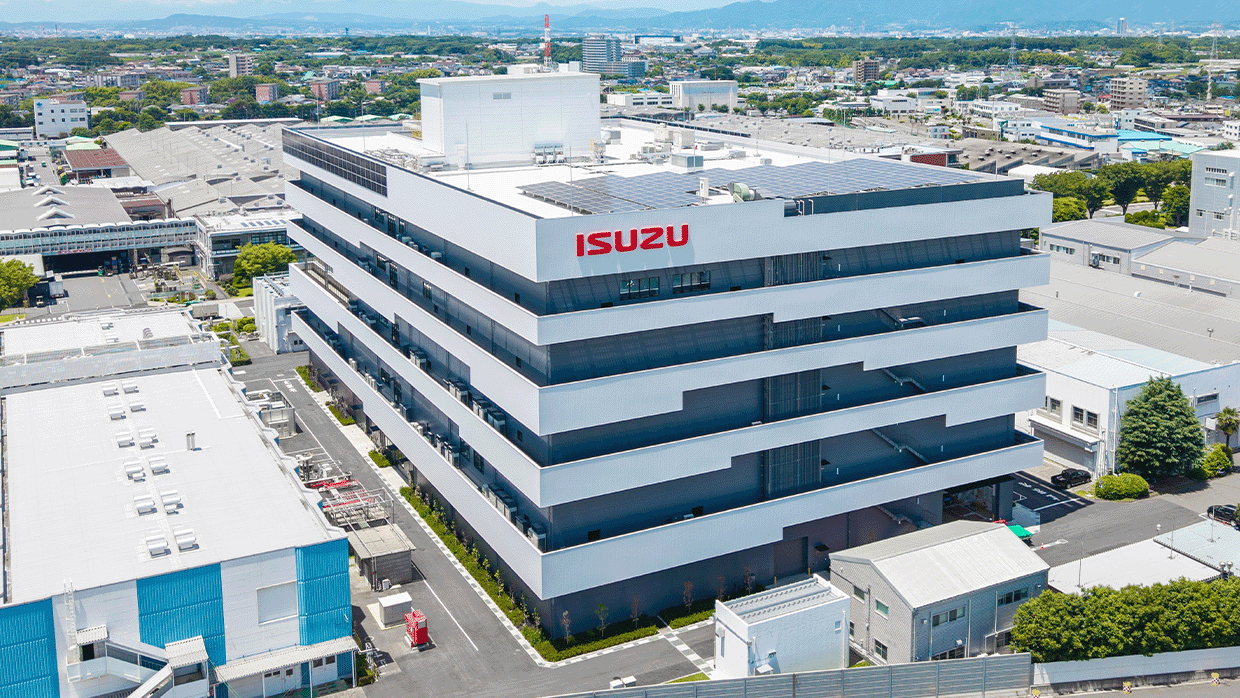
Commencing operation in July this year, Earth Lab – a 40 billion yen investment – is a new electric/electrified development facility located within Isuzu’s Fujisawa Plant in Japan. It’s essentially a testing and validation facility for more “carbon-neutral” options for the Isuzu Group’s so-called “multi-pathway” approach to powertrains beyond 2030.
Given the long lifecycles of the D-Max/MU-X breeds, it’s quite likely that the emerging, electrified powertrains – be it BEV, fuel cell, petrol-electric or possibly even diesel-electric options – will see volume release at the debut of the next generation’s launch.
Whatever emissions and diesel-pricing challenges await in IUA’s mid-term future, there’s little doubt that any ‘new energy’ D-Max and MU-X options will be offered alongside traditional and somewhat familiar diesel choices in the years ahead.
Latest news
About Chasing cars
Chasing Cars reviews are 100% independent.
Because we are powered by Budget Direct Insurance, we don’t receive advertising or sales revenue from car manufacturers.
We’re truly independent – giving you Australia’s best car reviews.