Powered by

-
Car Reviews
Latest reviews
-
Car News
Latest news
-
Car Comparisons
Latest comparisons
- Chasing Deals
Latest reviews
Latest news
Latest comparisons
326kW replacement for the outgoing M340i is the petrol-powered headline until the M3 arrives, while the electric i3 also gained a new variant in today’s update
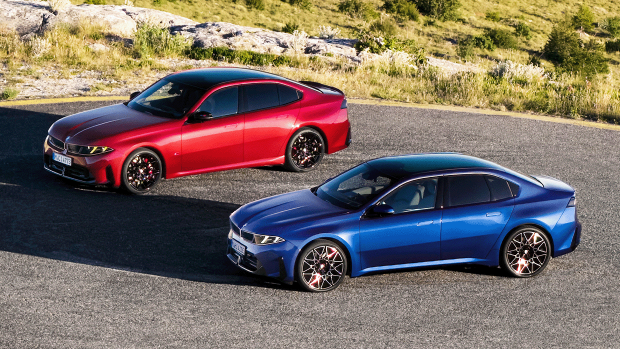
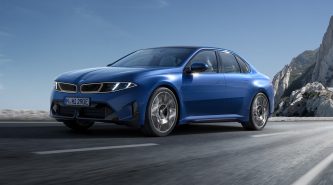
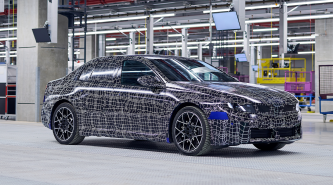
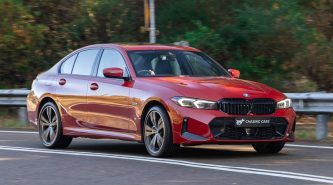
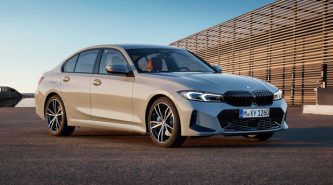
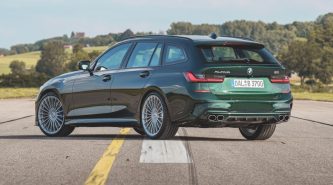
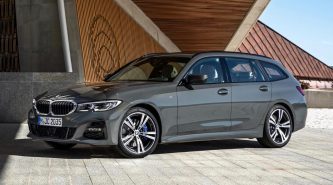
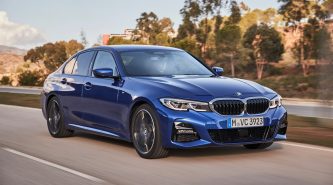
BMW has this morning revealed another big chunk of its eighth-generation 3 Series lineup in the form of two petrol-powered models that are likely for Australia.
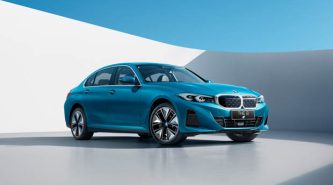
The Bavarian brand is about to push its most famous badge into electric territory with the i3 that was revealed in March, but today’s combustion-model reveal is a doubling-down of BMW’s ‘Power of Choice’ philosophy.
Australian pricing and specifications are expected to be released soon, with the four-cylinder rear-wheel drive 320 and six-cylinder xDrive M350 expected to form the core combustion range locally.
Simultaneously, BMW has also revealed a sibling for the electric i3 50 xDrive it revealed earlier in the year in the form of the i3 40 xDrive, which uses a smaller battery and has a little less power.
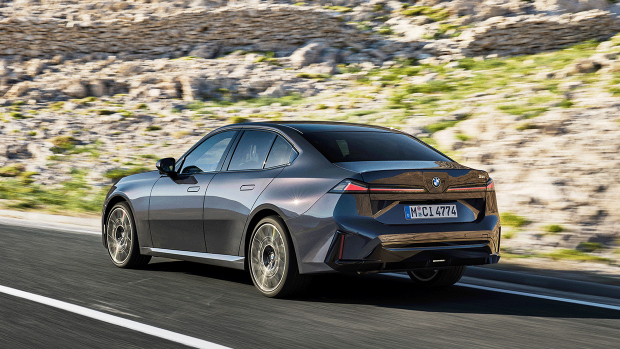
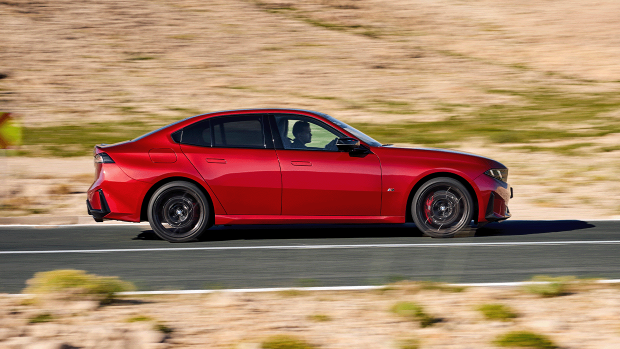
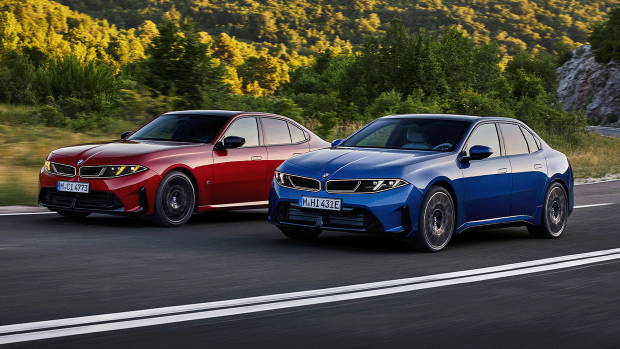
Underneath near-identical skin that evokes BMW styling cues of the 1990s, the brand has essentially created two very different 3 Series models wearing the same badge.
While BMW is no stranger to offering petrol and electric versions of one vehicle, the midsize 3 Series and X3 model lines now use different architectures depending on their fuel source.
Compared to the outgoing ‘G20’ 3 Series and ‘G46’ i4, which had slightly different body styles but both made use of BMW’s venerable ‘Cluster Architecture’ (CLAR) platform, the new i3 and combustion 3 Series have different underpinnings.
Senior sources at BMW confirm that maximising the efficiency and packaging benefits of the EV versions required a new platform, while considerable value could still be wrought from CLAR for the petrol-powered versions.
It’s a trend that is spreading to rivals Audi and Mercedes-Benz, which will follow BMW into offering combustion versions of their A4/A5 and C-Class models on existing platforms while electric versions with the same badge use newer oily bits.
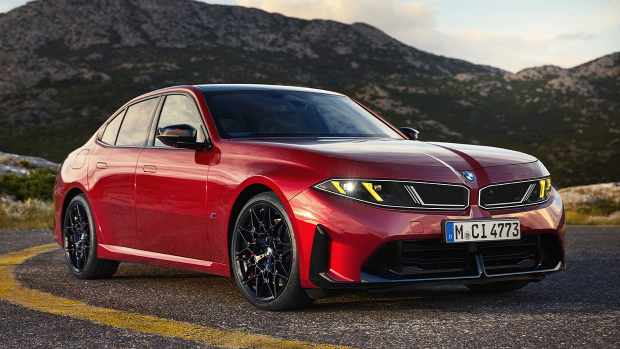
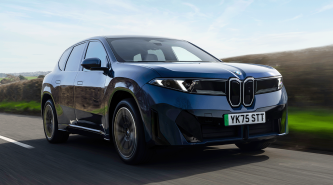
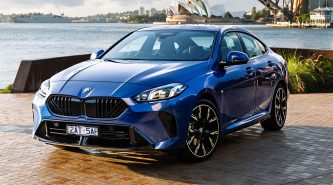
In the case of the new 3 Series, the exterior styling is near-identical but there are minor proportional differences: the 4765mm long, 1850mm wide and 145mm tall combustion version is slightly longer, lower, and narrower than the electric i3.
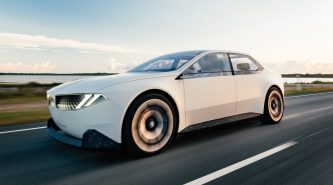
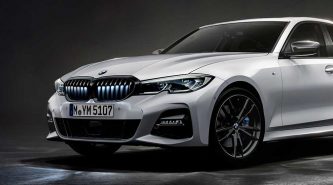
Like the i3, the ‘G50’ models adopt a cleaner and more reductive visual treatment outside. The exterior leans hard into the brand’s Neue Klasse tropes with a subtler kidney grille, flush door handles and slimmer lighting.
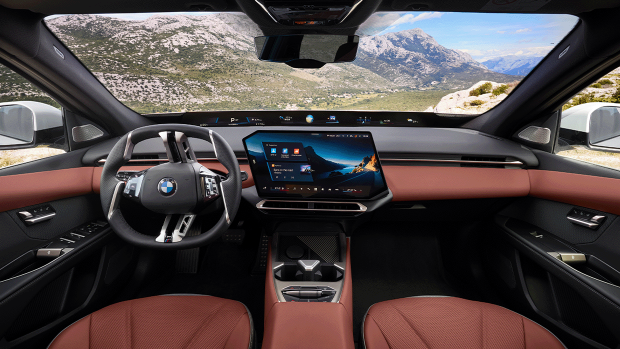
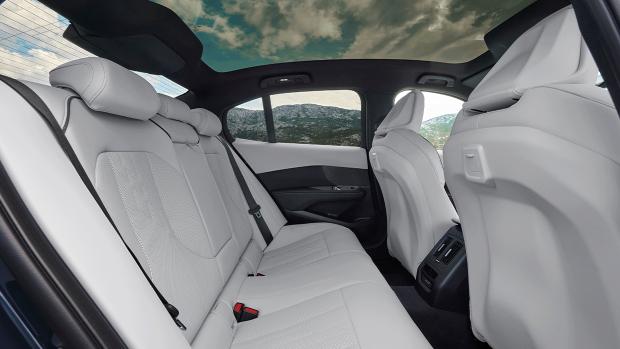
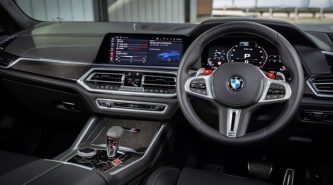
Inside, the outgoing dual-screen panel is replaced by a radical new Panoramic iDrive layout with a shallow pillar-to-pillar display running the width of the dash, paired with a 17.9-inch central touchscreen running BMW Operating System X, along with wireless Apple CarPlay/Android Auto.
For buyers who aren’t yet keen to plug in, BMW has kept solid combustion choices alive.
The rear-drive 320 uses an updated version of the brand’s ‘B48’ 2.0-litre turbocharged petrol four-cylinder with 48-volt mild hybrid assistance. It produces 155kW/330Nm, with an eight-speed ZF torque converter automatic. The 0-100km/h sprint comes up in 7.4 seconds.
For now, at least, there’s no replacement for the well-liked 190kW/400Nm 330i that was such a sweet spot in the outgoing ‘G20’ model.
But at the other end is the amped-up M350 xDrive, which picks up an upgraded ‘B58’ 3.0-litre turbo inline six, now producing 326kW/580Nm in concert with the mild hybrid system’s electric motor—for a 4.1 second 0-100km/h time.
The M350 has adaptive suspension as standard, but in an M3-like touch, choosing a ‘Drift Moment’ setting via the infotainment temporarily locks the car in rear-drive mode.
While both use a small degree of electric assistance, neither the 320 nor the M350i are plug-in hybrid vehicles. Overseas, a PHEV 3 Series will follow next year, though it may not reach Australia.
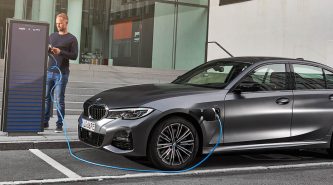
The other significant new arrival of the day is the i3 40 xDrive. While a true rear-drive entry point to the electric 3 Series line is expected soon, the 40 joins the already-revealed 50 xDrive as another dual-motor AWD model.
In the 40, outputs peak at 275kW/520Nm with a 0-100km/h time of 5.4 seconds. A smaller battery (82kWh vs 105kWh) is still good for 710km range (versus 912km), while charging peaks at 300kW DC speeds, allowing 337km to be added in 10 minutes.
Splurging for the i3 50 xDrive sees outputs reach 345kW/645Nm, while that top-end EV can charge faster (400kW).
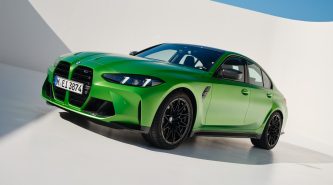
BMW’s dual-track powertrain strategy for the new 3 Series is widely tipped to extend to the incoming M3, which is set to be offered in both electric and six-cylinder, non-plug petrol guises.
Latest news
About Chasing cars
Chasing Cars reviews are 100% independent.
Because we are powered by Budget Direct Insurance, we don’t receive advertising or sales revenue from car manufacturers.
We’re truly independent – giving you Australia’s best car reviews.