Powered by

-
Car Reviews
Latest reviews
- Car News
-
Car Comparisons
Latest comparisons
- Chasing Deals
Latest reviews
Latest comparisons
Sleek wagon with roof rails likely to stock twin-motor rear-wheel drive (yes!) or triple-motor AWD configurations with huge power and pricing just above Zeekr equivalent
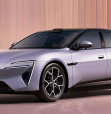
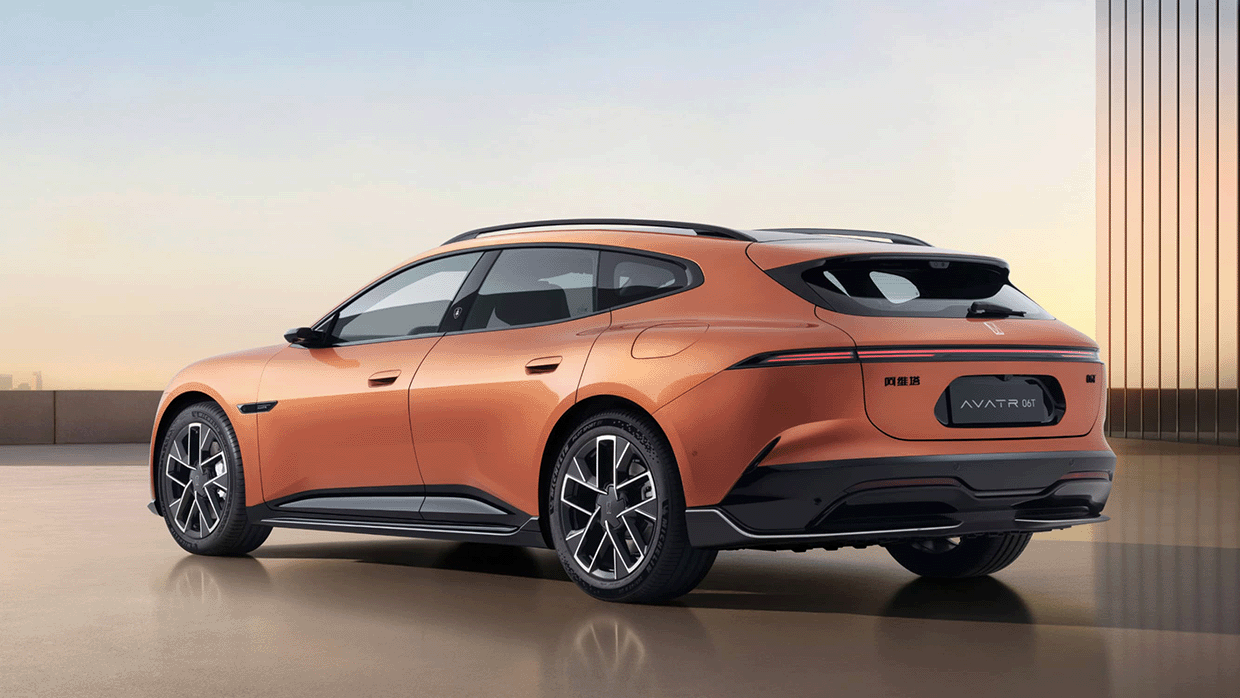
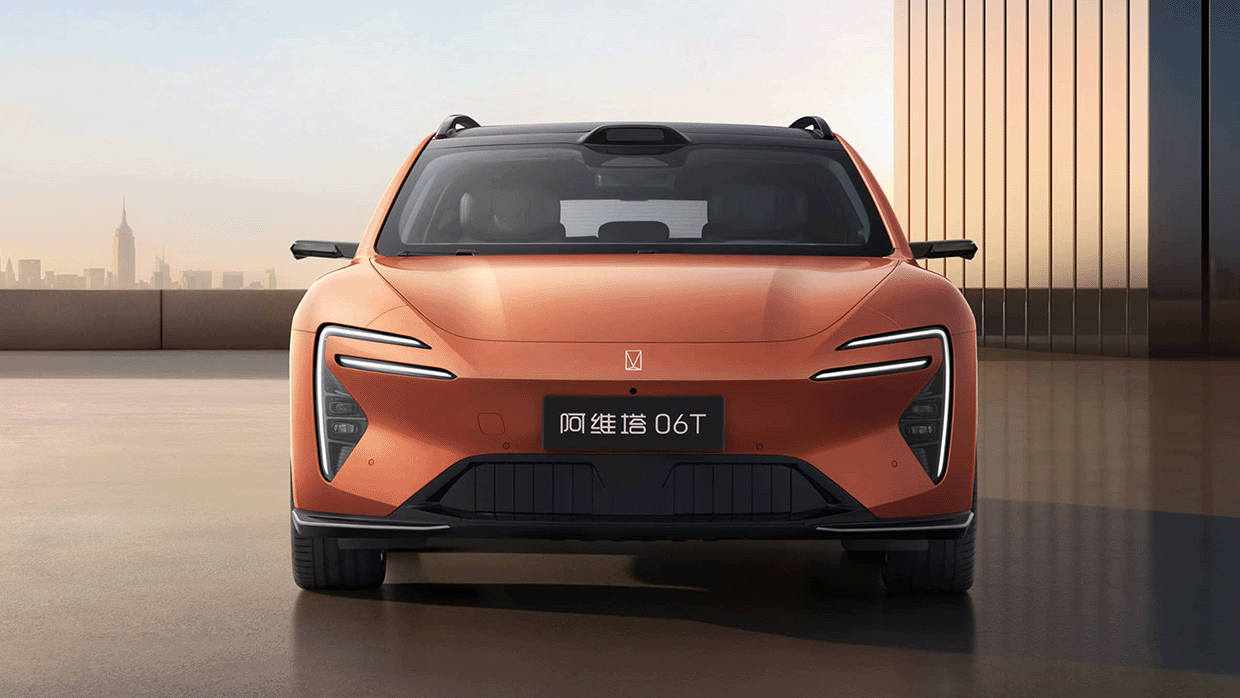
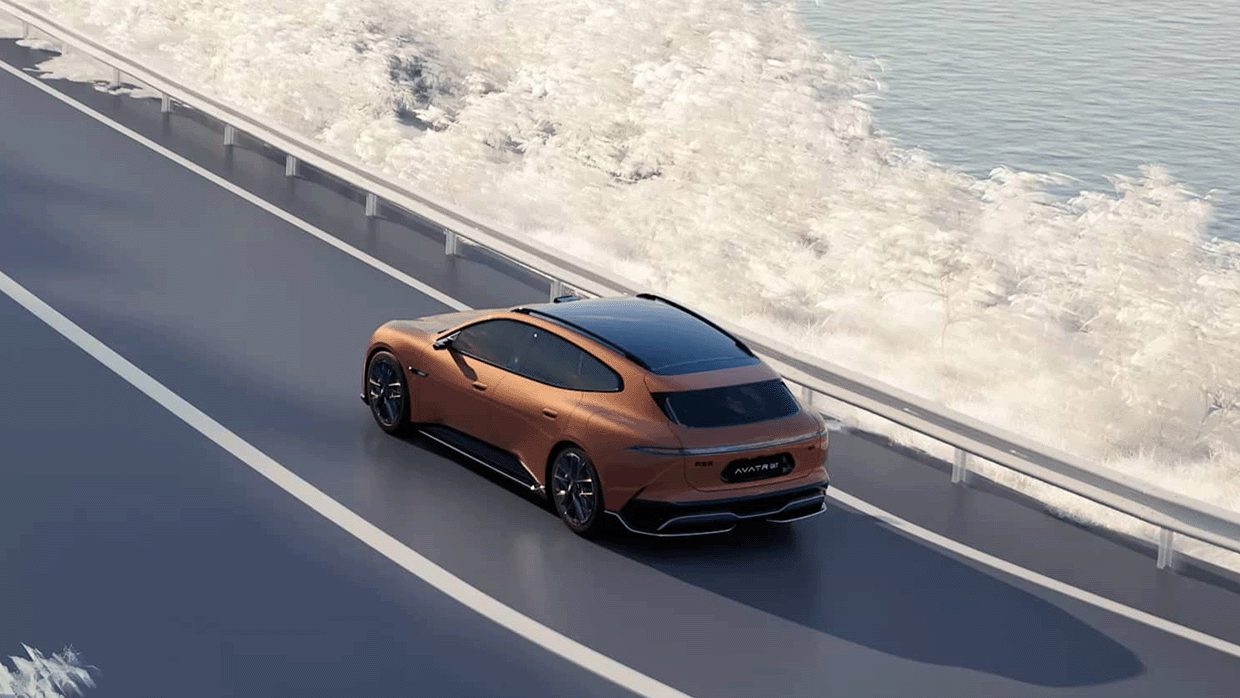
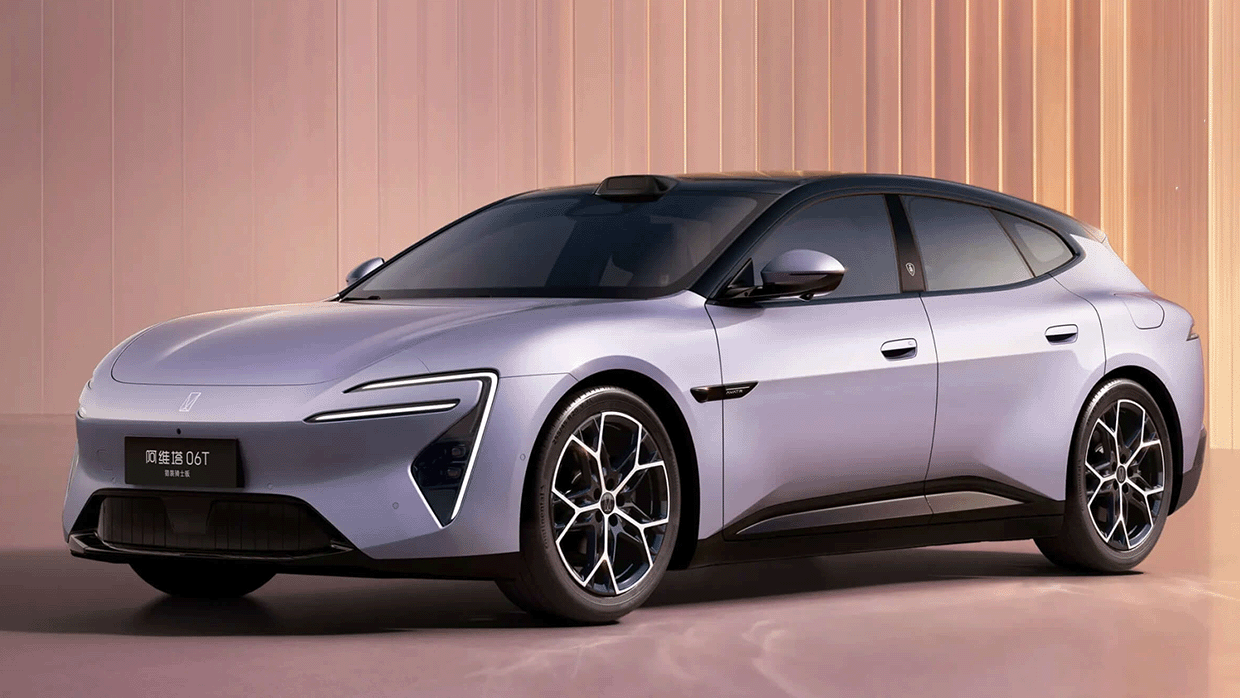
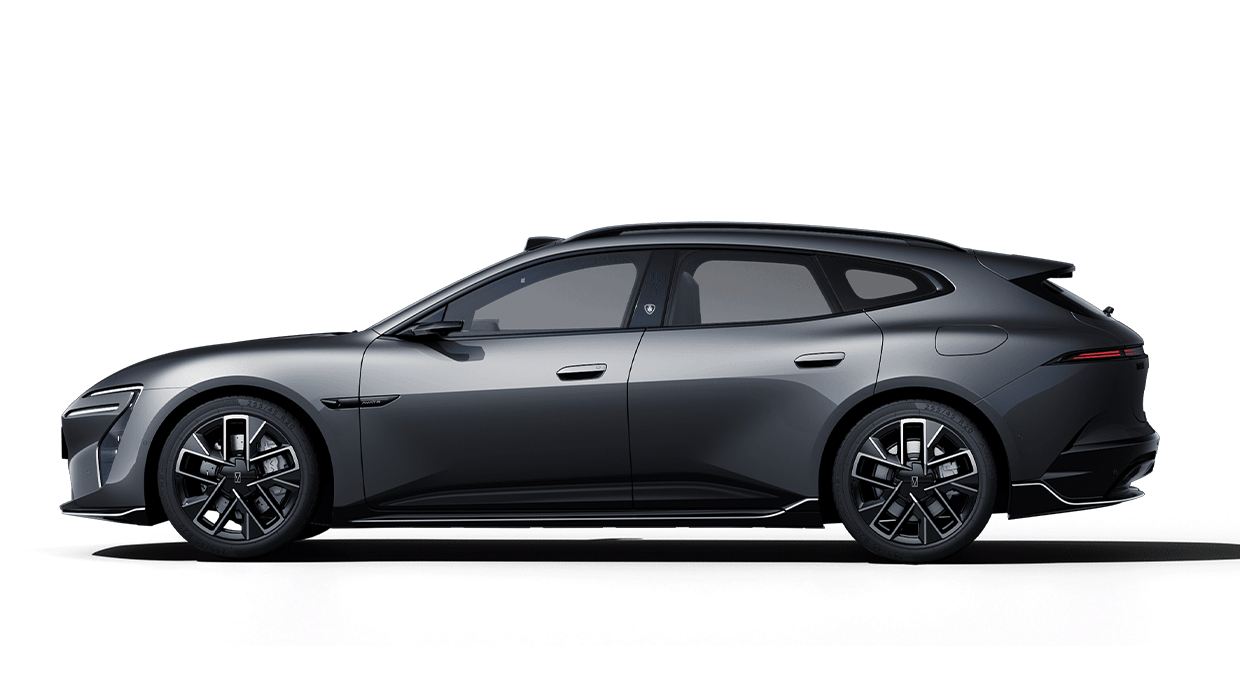
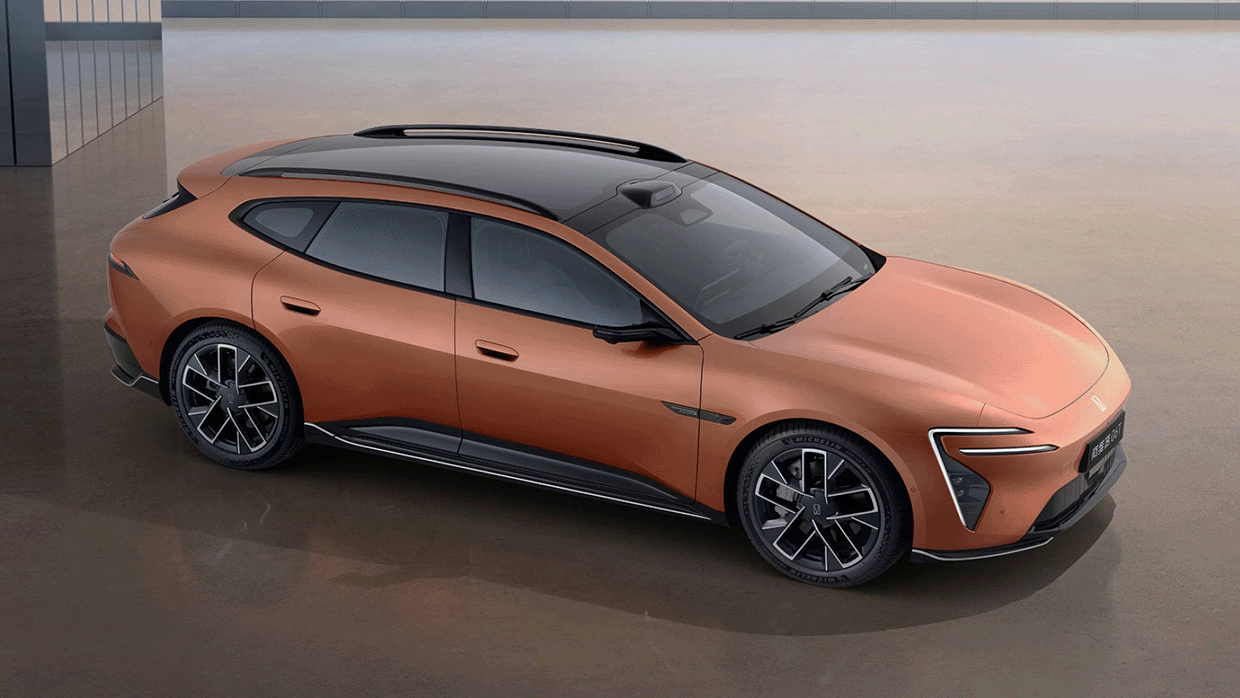
Australians will be able to buy the AVATR 06T electric sports wagon from the second half of 2027 with Changan’s upmarket brand confirming the model as the second entry in its local line-up.
The five-door 06T will follow the 07L electric SUV, which is due in the first six months of 2027, giving AVATR two challengers to established European luxury brands. The brand’s design has been directed from Germany by former BMW stylist Nader Faghihzadeh.
Speaking to Chasing Cars ahead of the Paris motor show, Changan Australia head of brand and marketing Andrew Haurissa said the target was clear: “[We’re] looking at the Germans.”
The most immediate obstacle is likely to be the Zeekr 7GT, which begins Australian deliveries in early 2027, with pricing expected to sit between $55,000-75,000.
While BMW’s forthcoming electric i3 Touring could come Down Under, the premium wagon market is currently focussed on higher-end options.
The BMW i5 M60 Touring costs $219,900, while Audi has ruled out its A6 e-tron Avant locally, leaving room for more attainable performance wagons.
China also gets the closely related 4855mm-long AVATR 06 four-door sedan. It is not part of the confirmed Australian rollout for now, leaving the longer roofed 06T to represent this family.
Intriguingly, Chinese-market 06T buyers do not get a conventional single-motor rear-driver. Instead, separate motors drive the left and right rear wheels, providing individual torque control.
The entry battery-electric model produces 450kW/750Nm; higher-spec rear-drivers raise power to 502kW. For the flagship Performance, a third motor adds 210kW to the front axle, creating a 712kW/996Nm all-wheel-drive system.
AVATR claims 0–100km/h in 2.78 seconds for that AWD version, versus 3.74–3.85 seconds for the electric rear-drivers. Australian rear-wheel-drive and AWD versions are expected but precise grades have not been signed off.
Chinese EVs carry 75.46kWh or 89.33kWh lithium-iron-phosphate batteries and claim 652 to 741km of range under China’s optimistic CLTC test, or 680km for the AWD Performance.
Their 800-volt systems are claimed to recharge from 30 to 80 percent in under 10 minutes at a suitable DC charger.
The engineering is more than straight-line speed. Double-wishbone front and multi-link rear suspension are used throughout, while upper grades add air springs and electronically controlled dampers.
AVATR says its road-scanning ‘magic carpet’ function anticipates bumps, and the air suspension can lift the body by up to 60mm.
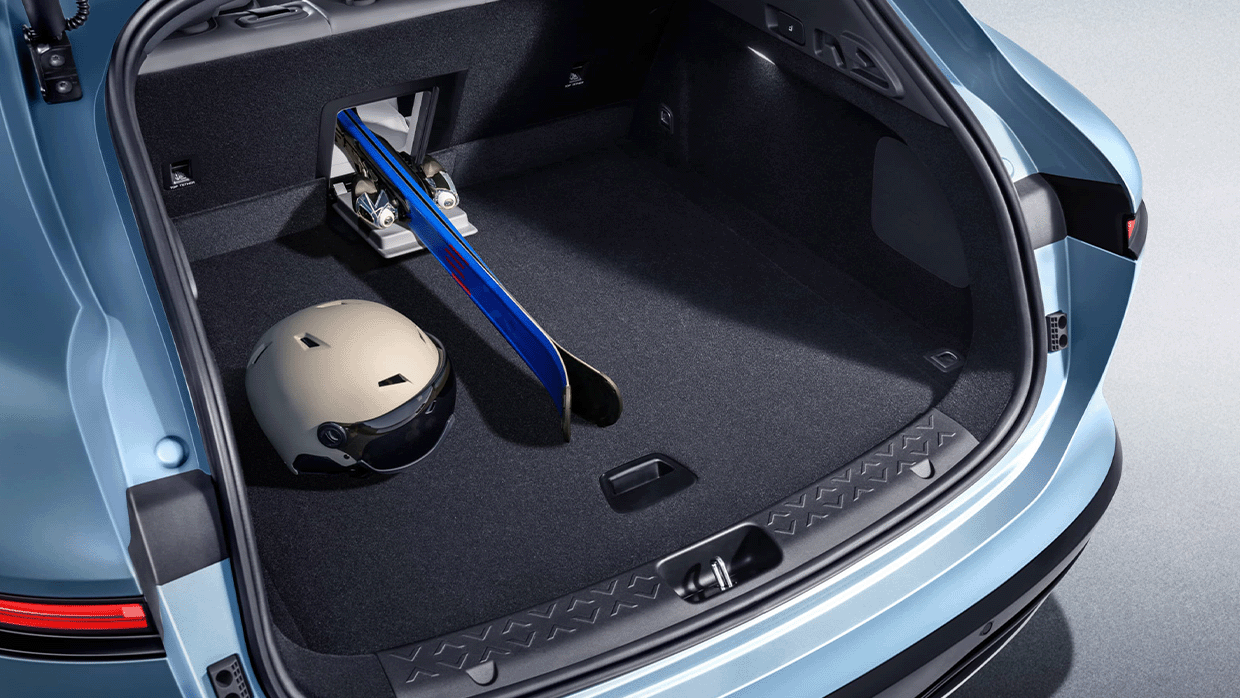
Chinese models ride on 20-inch wheels with 255/45 tyres, and weigh from 2200kg to 2385kg depending on specification. Ventilated disc brakes are fitted at each corner, while a 517-litre boot helps justify the longer roof.
At 4940mm long, 1960mm wide and with a 2940mm wheelbase, the 06T is longer than the Zeekr.
Styling features split-level LED headlights with distinctive F-shaped daytime running lights, full-width rear lamps, frameless doors and available camera-based side mirrors.
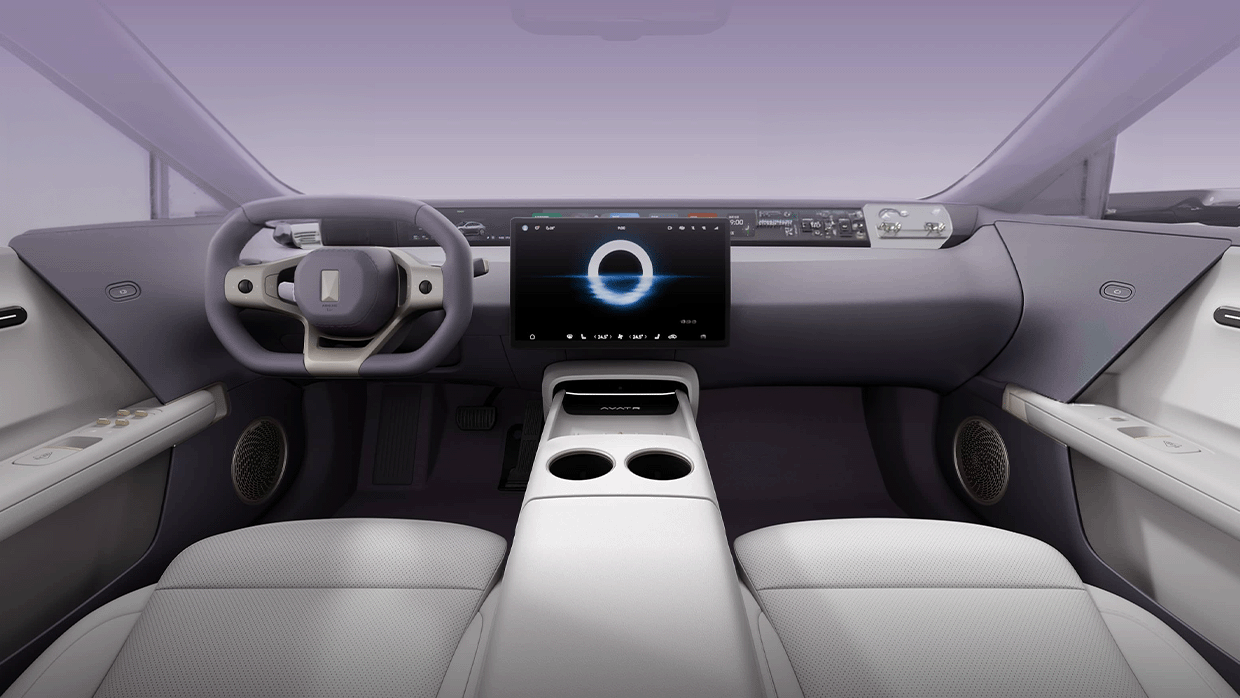
Other Chinese-market luxuries include electrically operated front doors, massaging front seats, a 25-speaker Meridian sound system and a dramatic 35.4-inch dashboard display.
Huawei supplies HarmonySpace infotainment and driver assistance hardware, including an 896-line lidar sensor, although Australian software and feature availability require confirmation.
AVATR intends to sit above Zeekr on positioning. Chinese prices span 219,900–279,900 yuan, but are no direct guide to Australia.
An entry price in the high-$60,000s or low-$70,000s looks plausible, with AWD considerably dearer; no local pricing has been approved.
There is extra reason to consider the entry sticker: under the federal government’s proposed changes, from April 2027 only qualifying EVs valued at $75,000 or less retain the full fringe benefits tax exemption.
Haurissa acknowledged the attraction of meeting that mark, while resisting the idea of stripping equipment simply to do so: “we are not big on omitting any of our key inclusions because then it will not be a good representation of the brand.”
AVATR is planning approximately 10 Australian retail outlets and is targeting four or five models by the end of 2028.
The Chinese-market range-extender alternative combines a 46.65kWh battery with a 1.5-litre petrol generator, claiming 330km of electric driving and 1250km combined (CLTC). Its Australian prospects remain unclear, alongside final grades and Huawei functionality.
Latest news
About Chasing cars
Chasing Cars reviews are 100% independent.
Because we are powered by Budget Direct Insurance, we don’t receive advertising or sales revenue from car manufacturers.
We’re truly independent – giving you Australia’s best car reviews.