Powered by

-
Car Reviews
Latest reviews
-
Car News
Latest news
-
Car Comparisons
Latest comparisons
- Chasing Deals
Latest reviews
Latest news
Latest comparisons
The first Australian model from Chinese brand Dongfeng brings EV and range-extender hybrid power from $37K driveaway, but only one version passes the test
On entering Australia, unfamiliar Chinese brands often try to associate themselves with premiumness. This week’s arrival, the Forthing marque — imported by third-party distributor Ateco — is different. It’s seeking to claim the affordable middle ground, which these days is kind of refreshing.
But cheap-and-cheerful only works when the compromises required to get to an appealing price don’t undermine the basics of motoring. That’s the test facing Forthing’s first Aussie model.
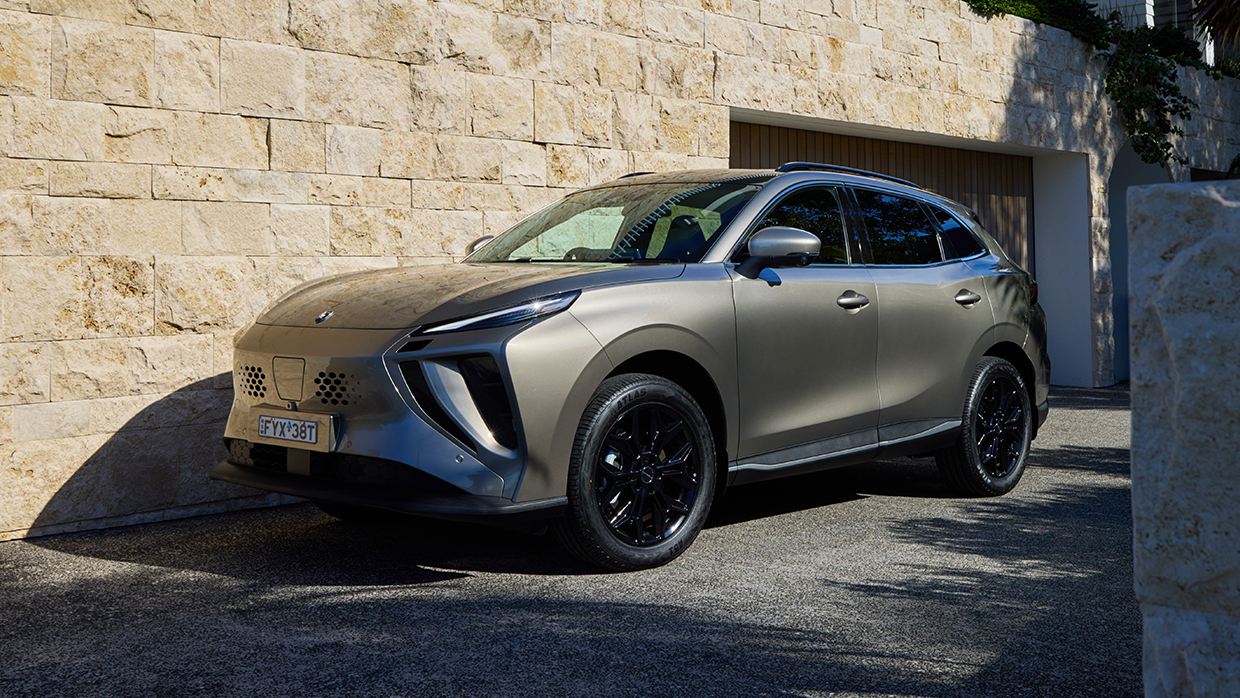
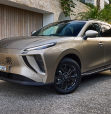
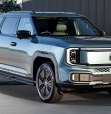
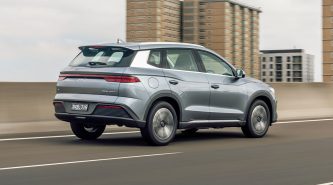
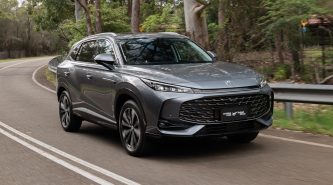
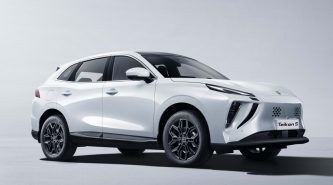
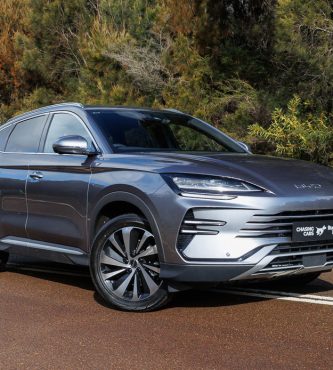
Part of the state-owned Dongfeng Motor Group, Forthing’s debut model here is a 4600mm-long, classically proportioned five-seat midsize SUV built in Liuzhou, China, with buyers offered a choice of pure-electric (BEV) or range-extender (REEV) hybrid power.
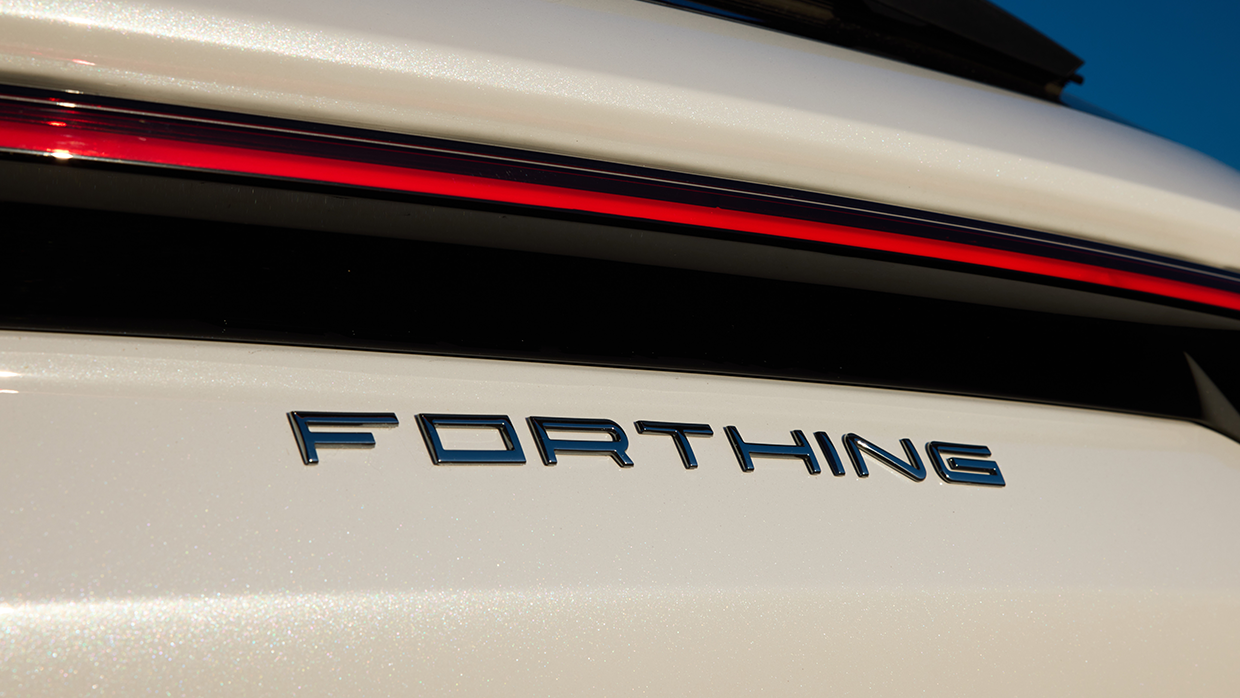
What to call the car is messy: the vehicle was supposed to arrive as the Forthing Taikon 5, but the brand has temporarily scrapped the badges while Porsche pursues a trademark dispute in New Zealand due to a claimed similarity to the German brand’s ‘Taycan’ name.
Even so, this car is still known as the Taikon 5 for official purposes like registration in Australia.
More important is what it costs. The range kicks off with a rear-wheel drive REEV at $36,990 driveaway in entry ‘Luxury’ trim, rising to $40,490 for a higher-tier ‘Exclusive’, while the front-driven BEV versions cost $38,990 and $42,490 respectively.
The hybrid’s positioning is genuinely sharp: a BYD Sealion 5 Essential is cheaper on paper, at $33,990, but that is before on-road costs, while the Geely Starray EM-i commences at $37,490. Considering the REEV’s 170km (WLTP) electric-only range, the Forthing’s $37K on-road tag is aggressive.
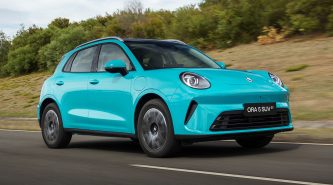
The Electric is less boastworthy, pricewise: GWM’s Ora 5 starts at $33,990 driveaway with rivals from Leapmotor and Chery also operating in a similar space to the Taikon 5 BEV.
Specification helps the argument, though: even the base ‘Luxury’ brings a 14.6-inch touchscreen, wireless Apple CarPlay and Android Auto, electric front seats (with ventilation and massage for the driver), while ‘Exclusive’ adds an opening sunroof, power tailgate, privacy glass, wireless charging, and a 360-degree parking camera.
So, the Forthing — particularly the hybrid — unquestionably offers plenty of metal, and kit, for the cash, but is it a fit for Australian roads?
The REEV is the surprise star of the Taikon 5 lineup.
Its 1.5-litre four-cylinder petrol engine produces 75kW/130Nm, but the ICE powerplant never drives the wheels. Instead, it runs when needed to generate electricity for a 31.9kWh LFP battery, while a 120kW/240Nm electric motor drives the rear axle.
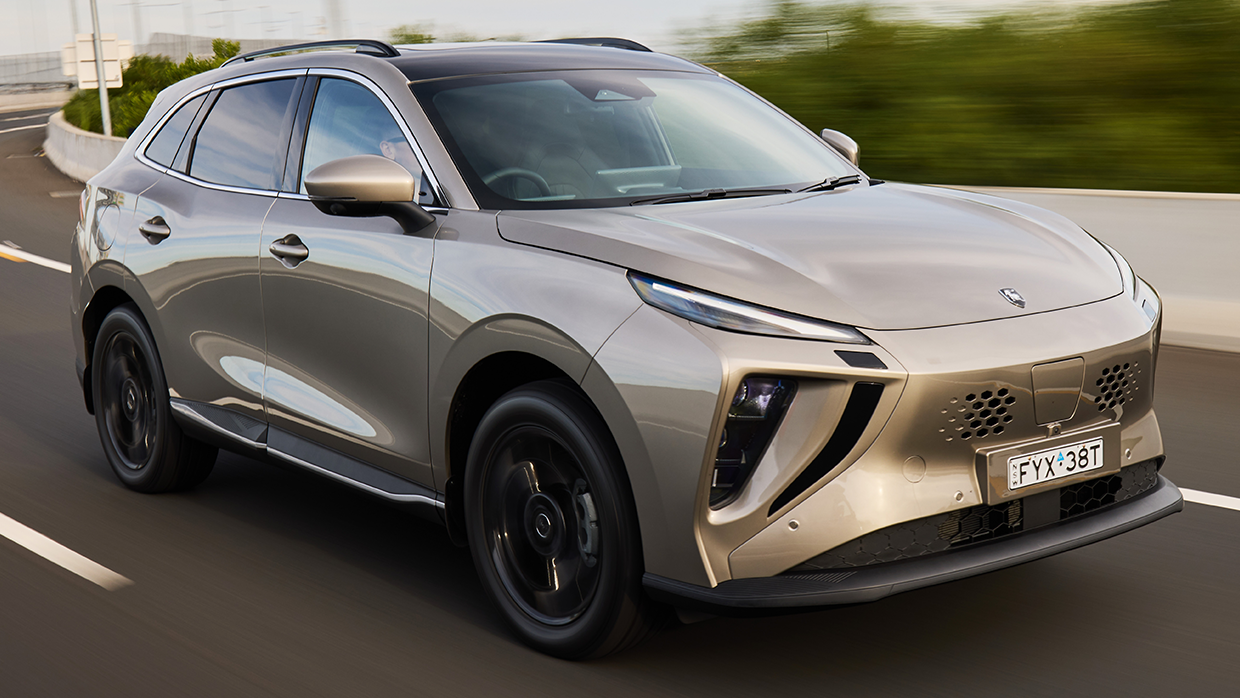
Unusually, the BEV has a totally different powertrain layout. It scraps the combustion engine and instead places its single 150kW/340Nm electric motor on the front axle, fed by a larger 64.4kWh pack, also LFP chemistry.
Neither the BEV nor the REEV are quick cars, though the former is slightly sprightlier. The hybrid is adequate, rather than energetic, while the more powerful EV has another 100kg to carry around. In practice, their performance feels similar in the real world.
It’s in the corners, and over bumps, where the REEV and BEV part company.
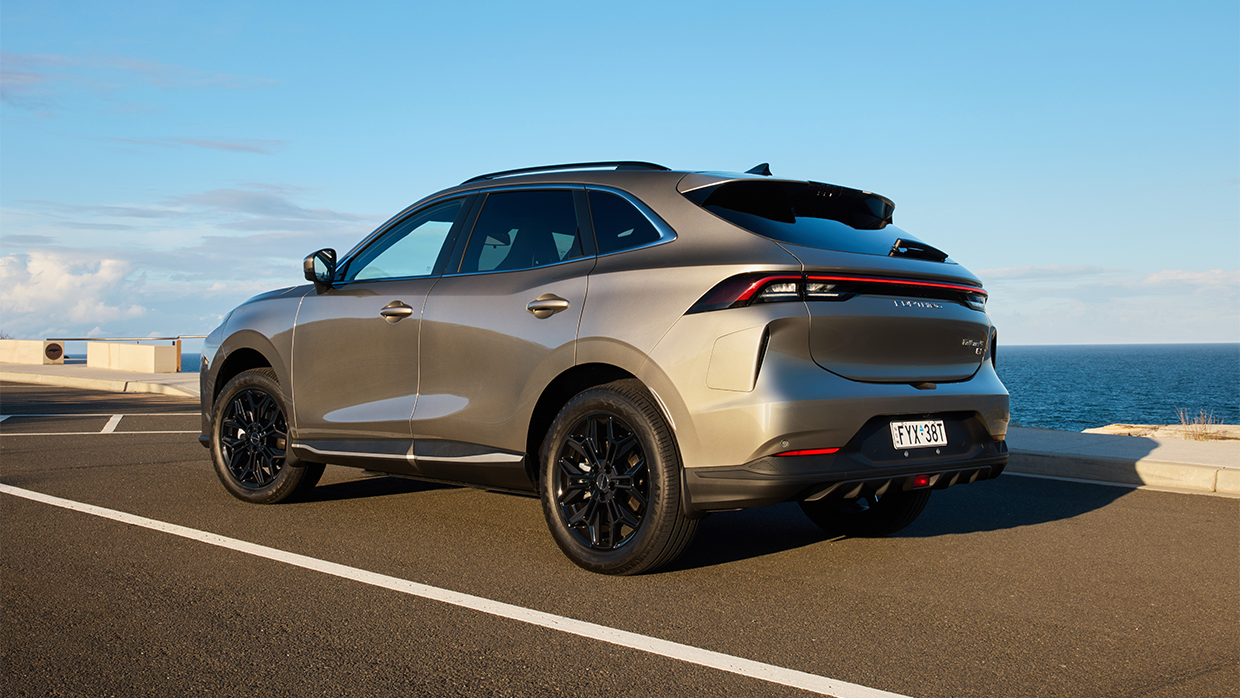
The hybrid uses a superior independent rear suspension setup, while the BEV gets by with a cheaper torsion beam at the back. That might seem like an obscure difference, but it transforms the capability of the Taikon 5.
Noticeably more balanced and settled is the rear-driven, multi-link REEV, which turns in more naturally and traverses bumps with considerably less crashiness off the rear axle.
Still, the REEV is only ‘relatively’ capable: both versions of the Forthing are fundamentally over-soft and underdamped for Australian conditions. Undulating country roads see the body of both versions pogoing repeatedly after a bump.
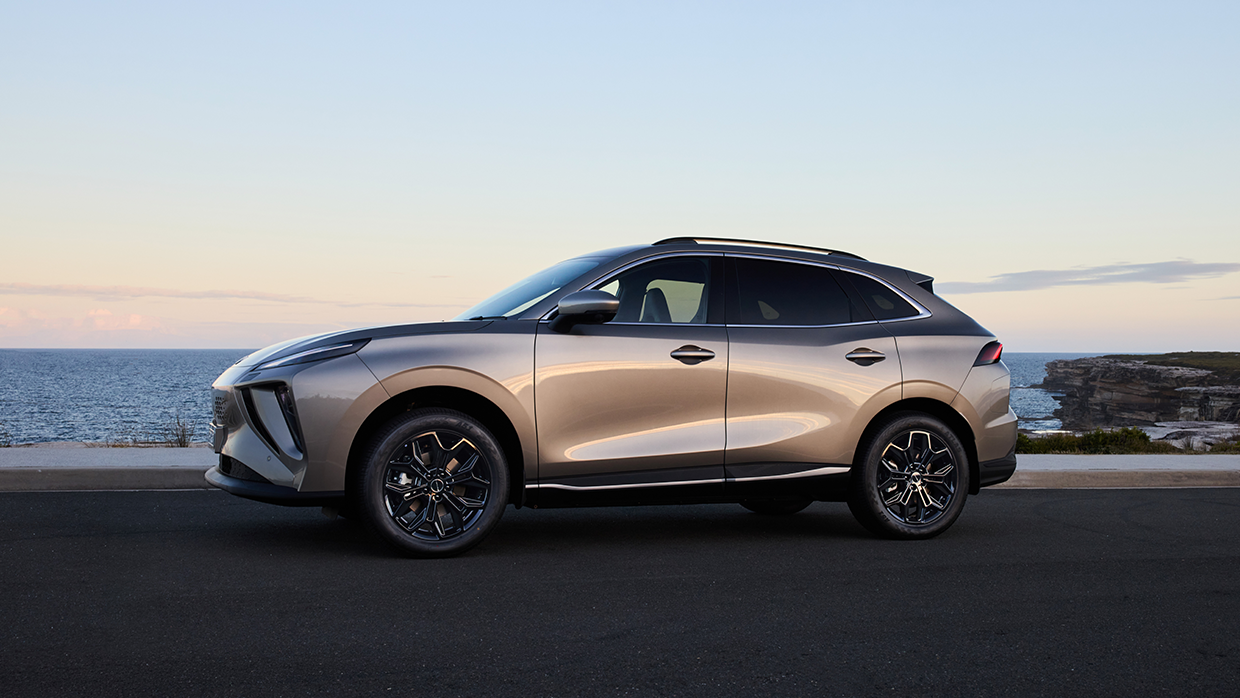
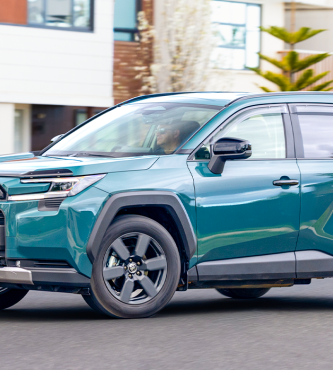
More expensive rivals like the Toyota RAV4, Hyundai Tucson or Kia Sportage all feel safer and more settled when the road gets challenging.
Forthing says no Australian chassis recalibration work has been carried out and frankly, that’s obvious.
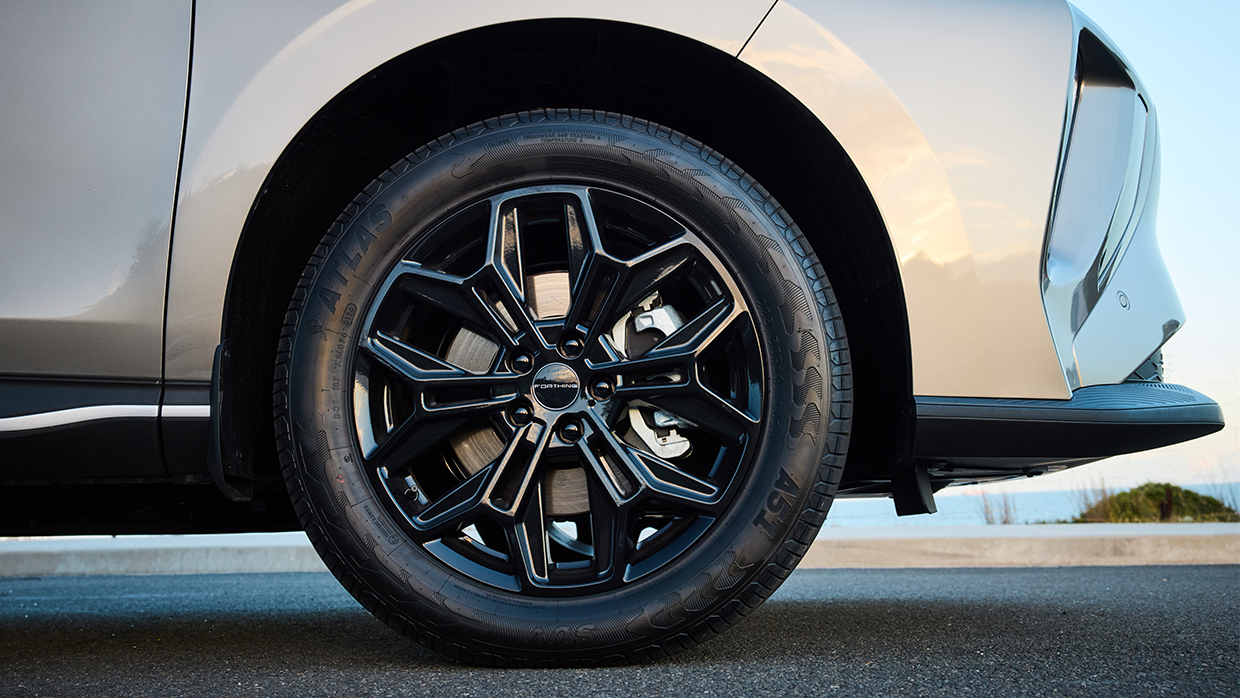
Steering is similarly unsophisticated, with a noticeable dead zone around centre, and little useful feedback from the road surface. Grip from the ‘Prinx’ tyres fitted to the launch cars was modest and there was some steering rack-rattle detectable over mid-corner bumps.
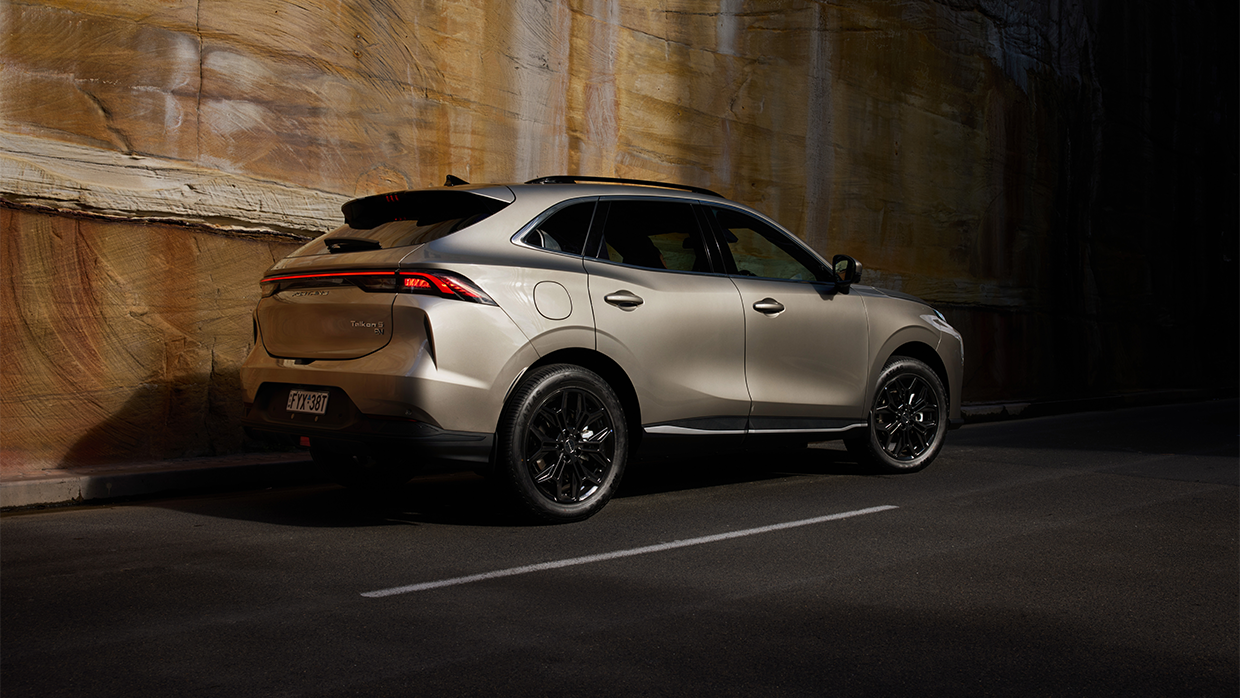
Still, there’s no doubt the REEV is the more composed of the pair.
Refinement proved to be another unexpected victory for the hybrid. The BEV’s front-mounted electric motor emitted an unusually loud whine under acceleraiton and regeneration, where the REEV’s rear motor was considerably less intrusive.
The Taikon 5’s basic lane-keeping system wandered a little between the lines, but other systems were reasonably well-tuned; it should be noted only the ‘Exclusive’ trim gets a high-definition reversing camera. The ‘Luxury’ makes do with a low-res unit.
The interior of the Forthing is adequate but nothing more; that makes sense when price is kept front of mind.
Design-wise, the cabin of the Taikon 5 is presentable and the fundamentals all work well enough: twin screens are well located and bright, there are conventional indicator stalks, physical steering wheel shortcuts, and even proper climate control buttons. Nice!
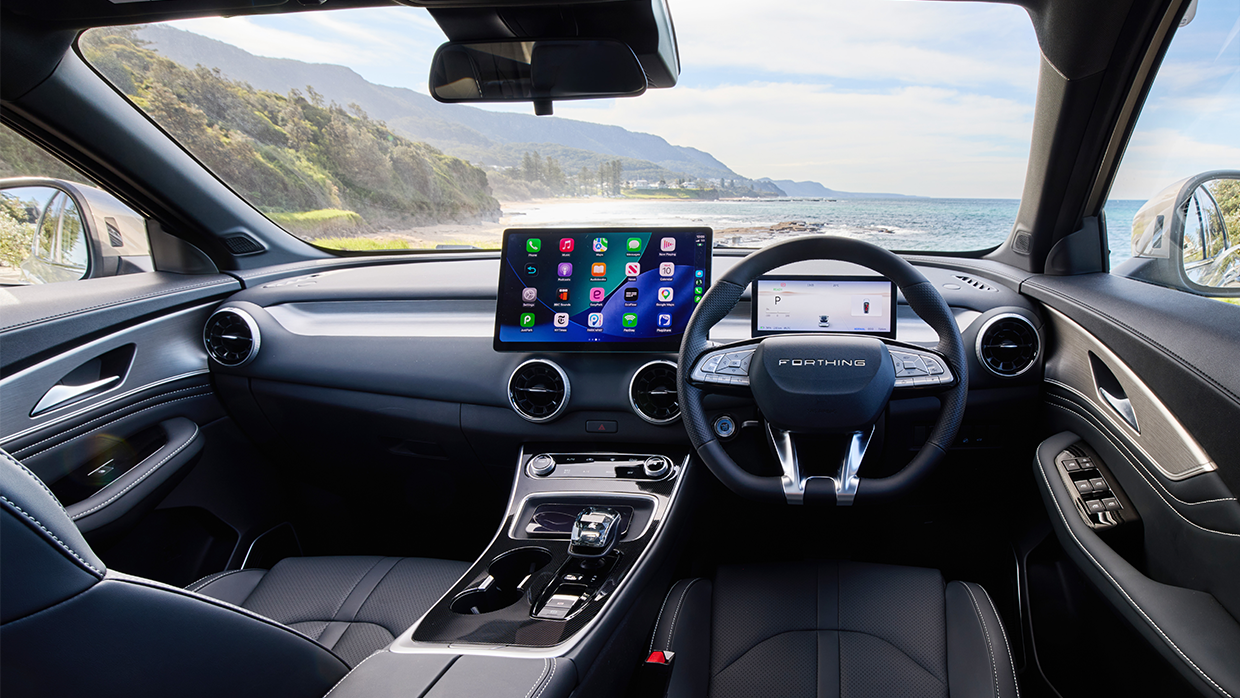
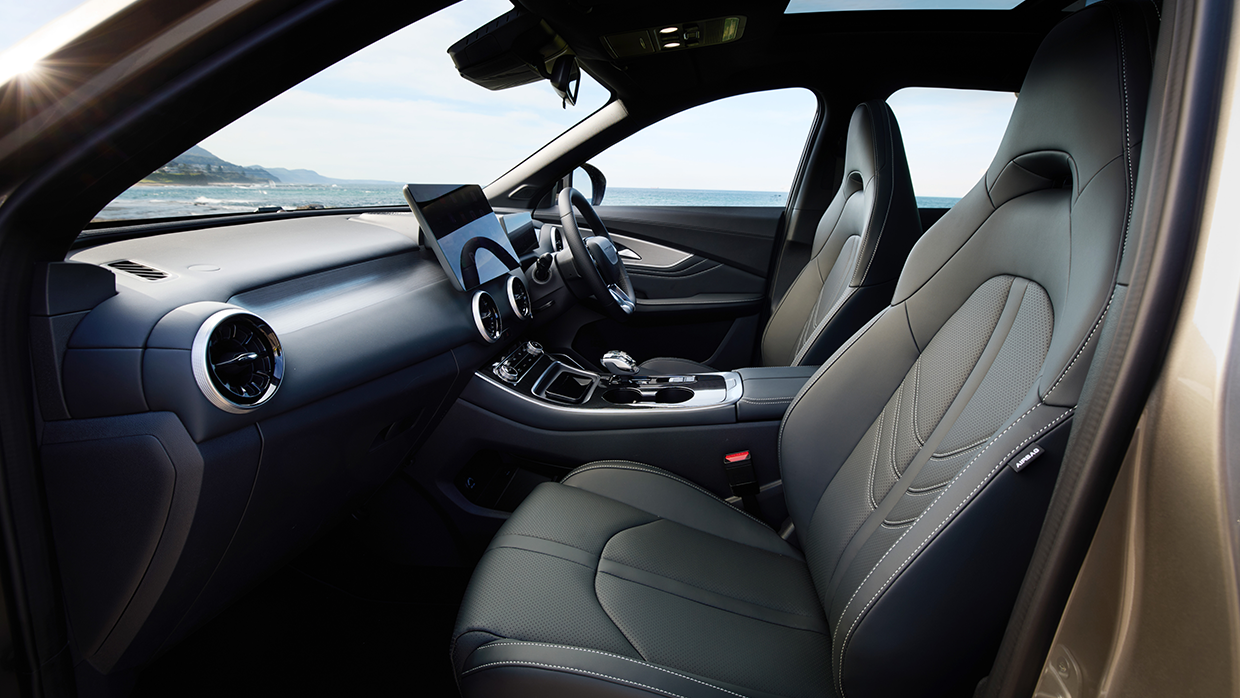
Plus, the 14.6-inch central touchscreen is reasonably snappy and presents wireless smartphone mirroring with ease — that’s good, because Forthing’s own interface is basic and there is no built-in navigation (and no connected features at all).
Storage is, however, good, with well-located cupholders, a large centre-console bin, and huge door pockets capable of handling one-litre bottles.
Upholstery is faux-leather, and the front seats are six-way power-adjustable even in ‘Luxury’ trim, with driver-side ventilation and massage functions fitted as standard.
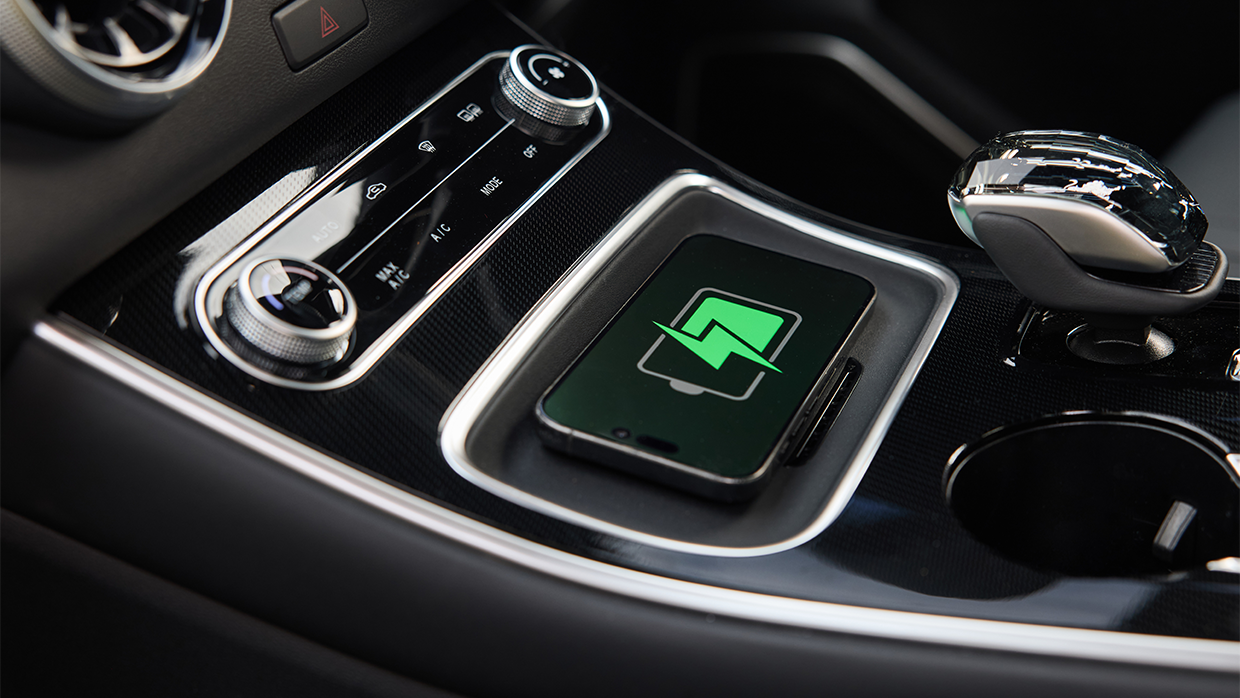
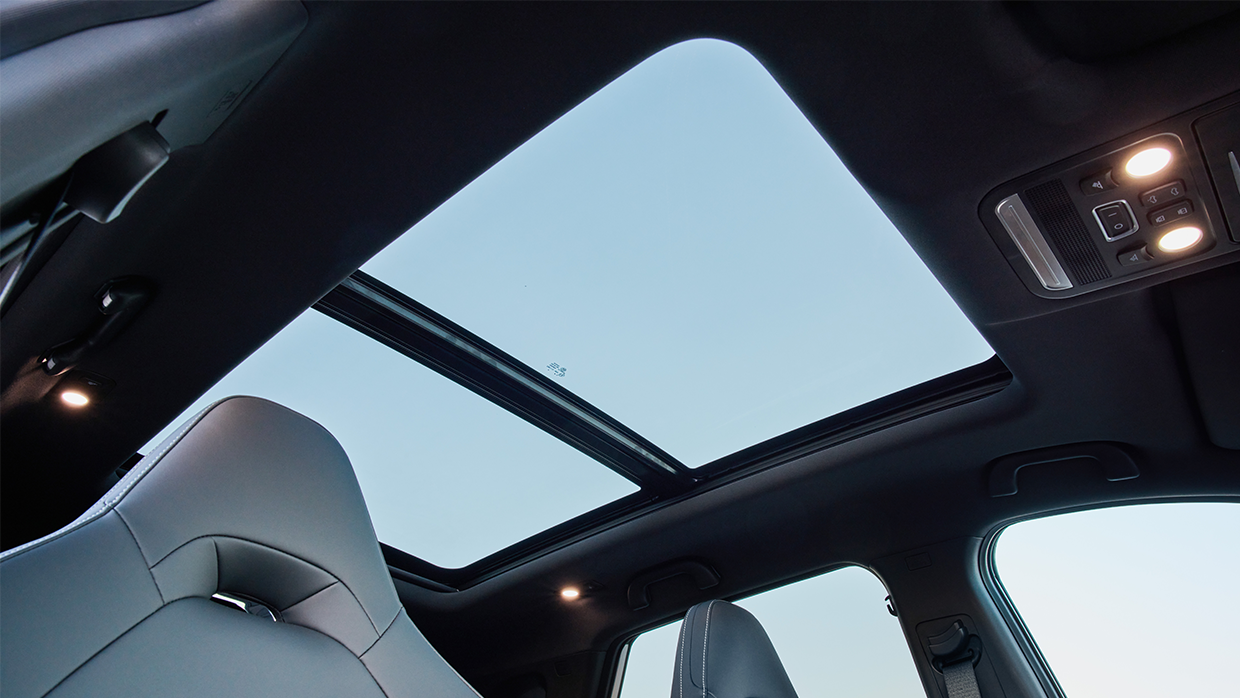
Exclusive adds wireless charging, a glass panoramic roof (that opens) and a few other convenience items, but overall, the base specification will suit most people.
Unfortunately, at least two test cars we drove suffered from poor interior build quality with serious creaking from the centre console over bumps.
Rear accommodation is a strong suit. Legroom and headroom are generous and the near-flat floor means that using the centre pew is realistic. Rear air vents, USB power, and a folding centre armrest are included.
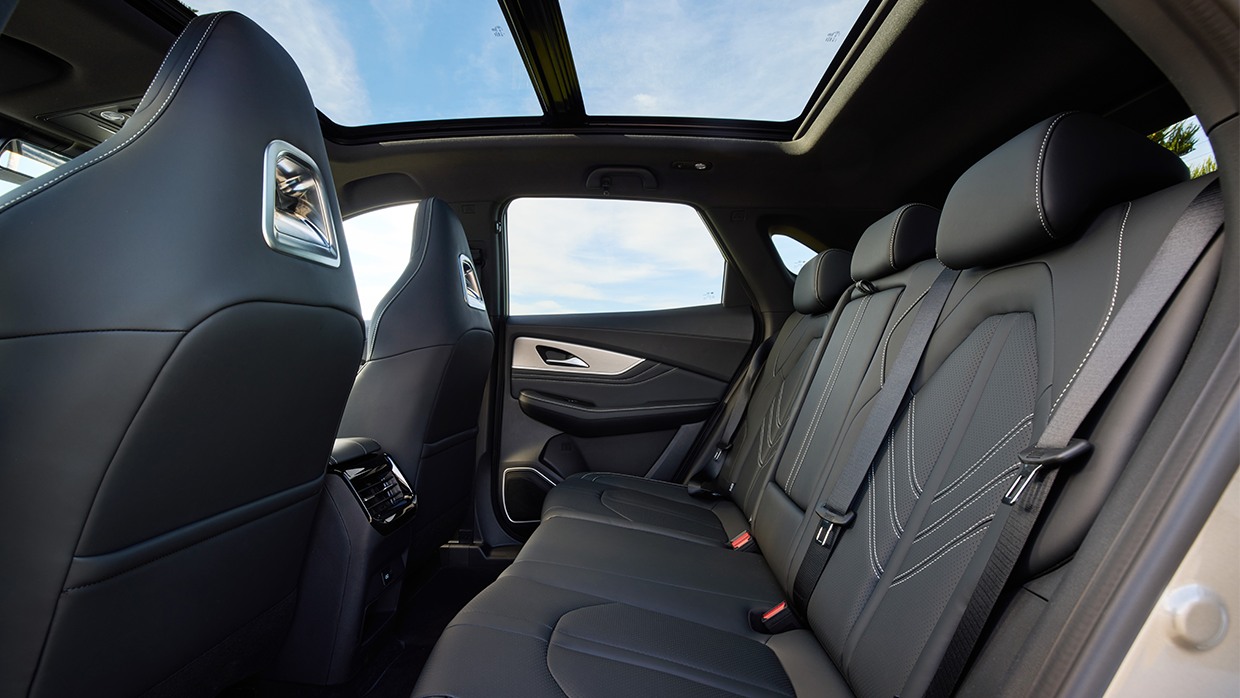
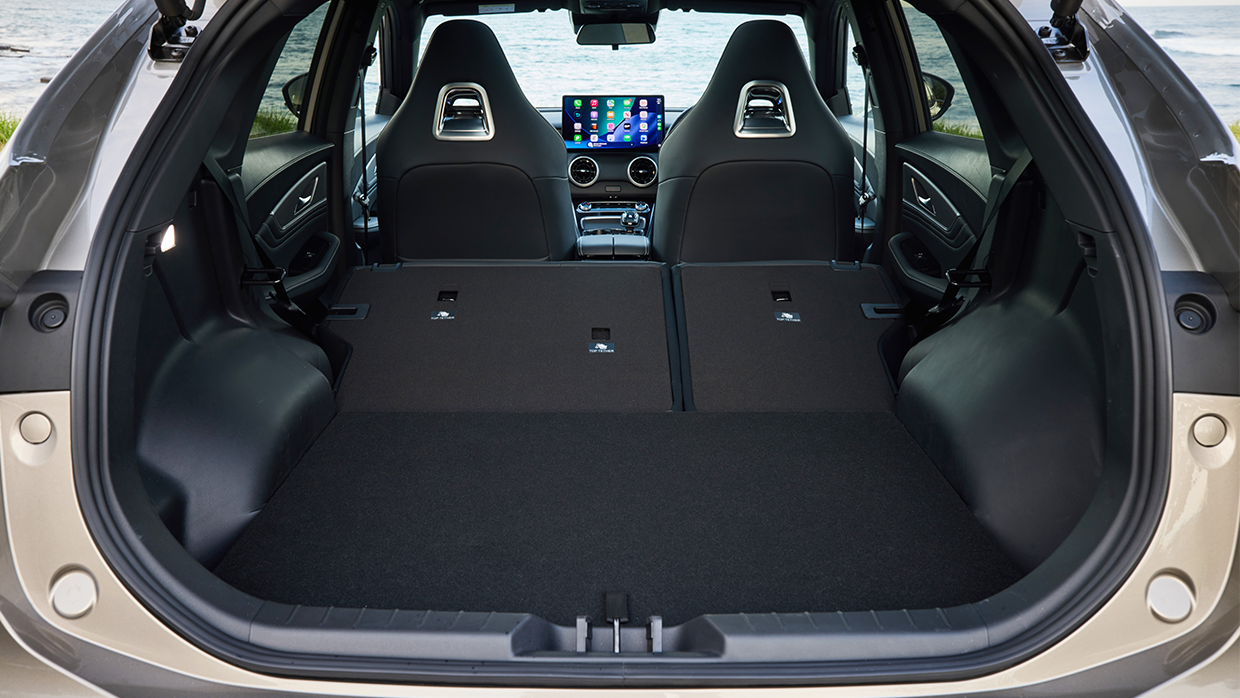
Excluding under-floor storage, boot capacity measures 480 litres with the 60:40 folding rear seats upright (and 1480L with them folded).
A nice inclusion for the BEV in top-end ‘Exclusive’ guise only is a space-saver spare beneath the boot floor. This feature is oddly not included in the BEV ‘Luxury’; the hybrids can’t have the spare because the location of their rear motor precludes it.
Both Forthings can cover reasonable distances on electric power.
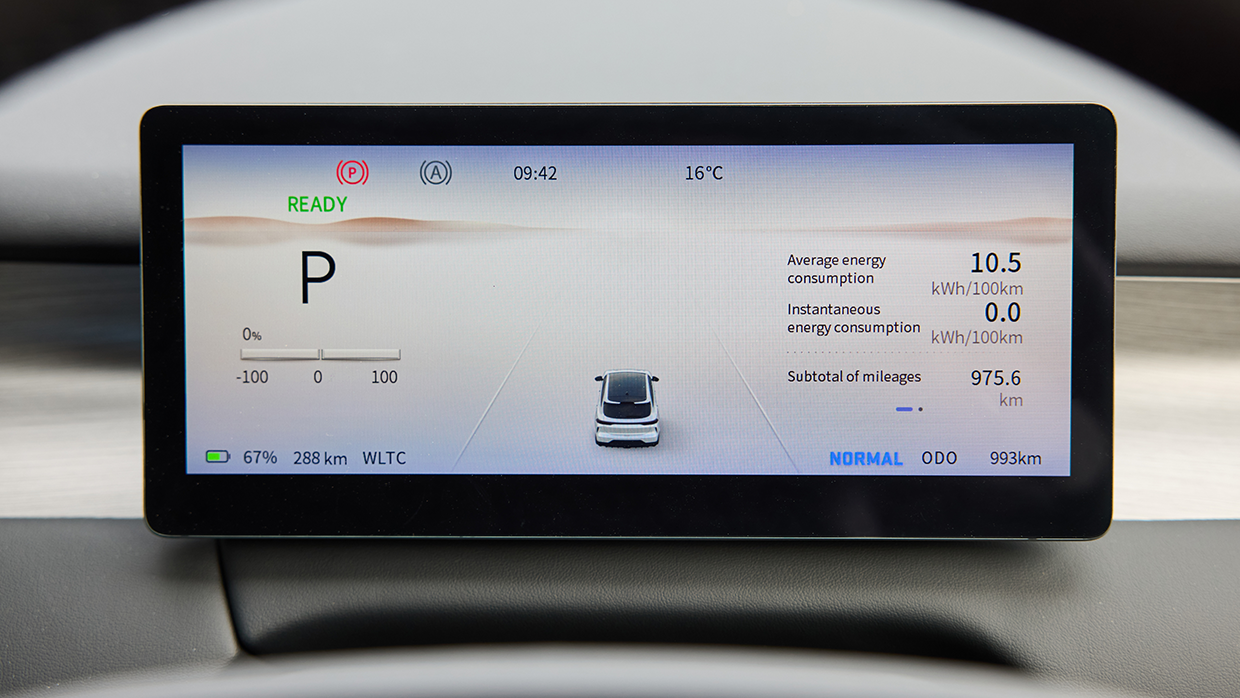
The BEV’s 64.4kWh (net) LFP battery is rated for 427km range (WLTP). On our mixed urban and country test loop, we recorded consumption of 16.9kWh/100km, which implies around 381km of range from a full battery in similar conditions — a shortfall of around 10 percent.
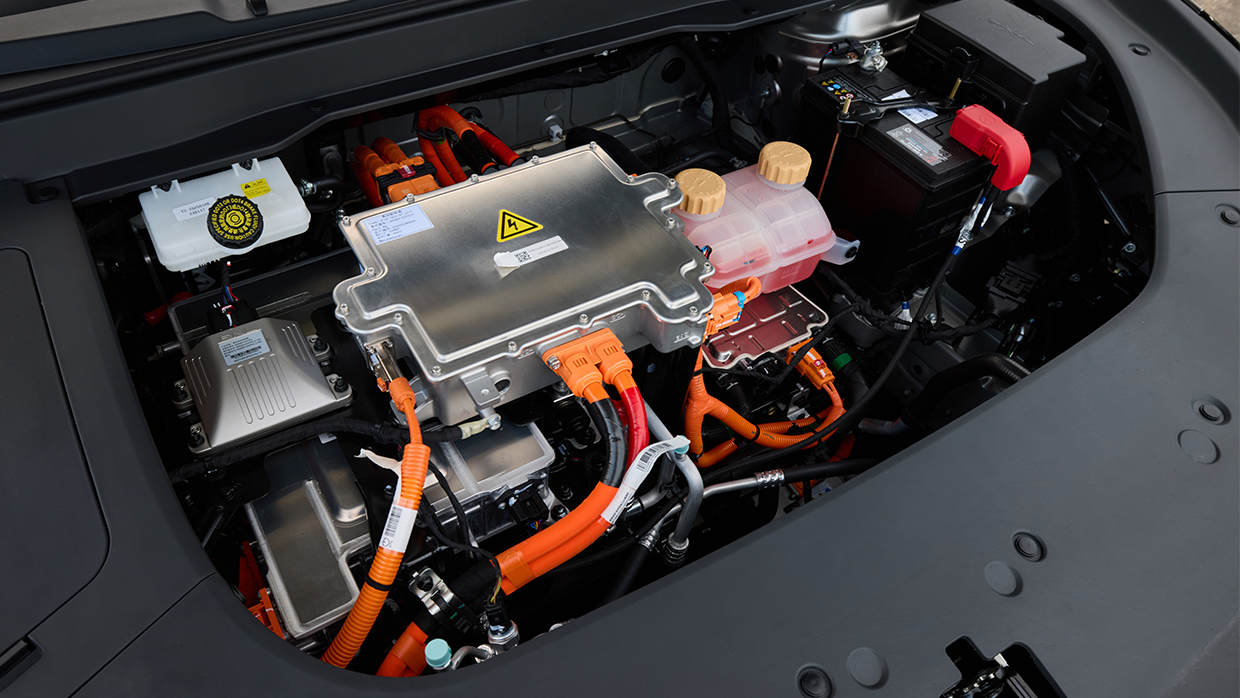
It’s again the REEV that is more interesting. Its half-size 31.9kWh LFP pack officially powers a 170km (WLTP) electric range, but we beat the estimates by recording 17.4kWh/100km in EV mode for realistic electric running of 183km — a seven percent jump.
Once depleted, the hybrid’s 43-litre petrol tank extends total WLTP range out to 937km (767km with the engine on).
Both powertrains can be recharged with typical home or office wall boxes (at 6.6kW for the REEV and 11kW for the BEV), and it’s nice that the REEV packs DC charging capability (at 40kW peak).
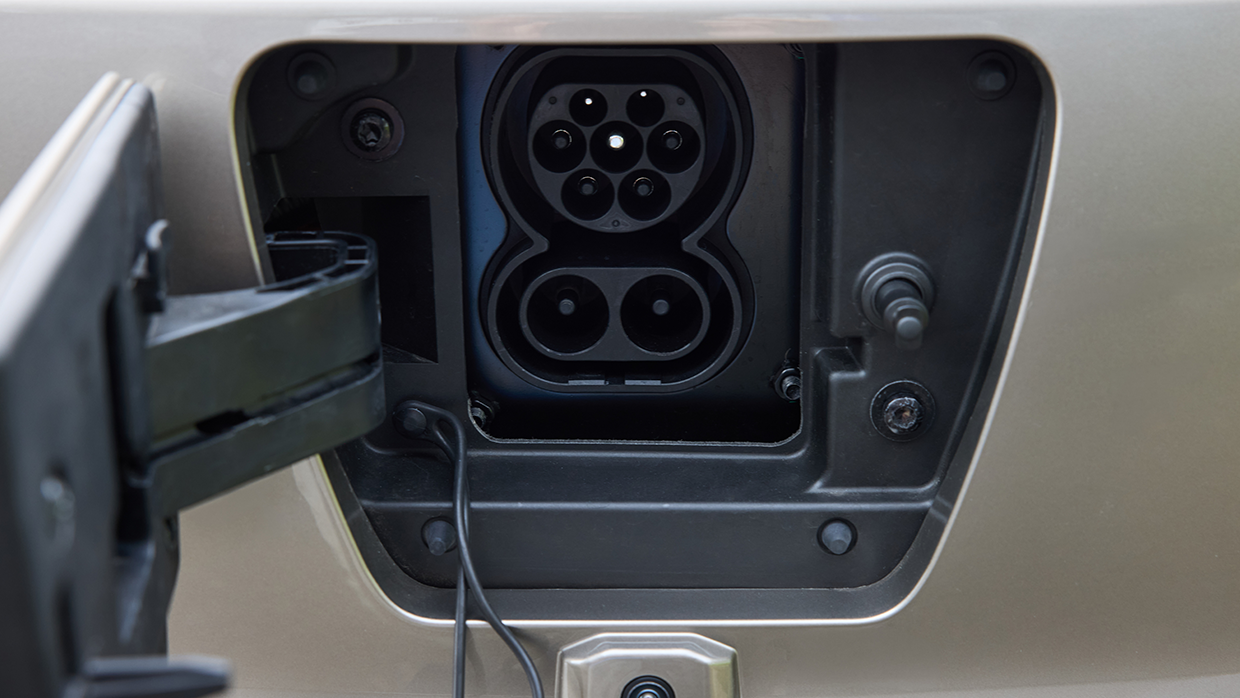
But the BEV’s 80kW DC peak charging speed is mediocre by modern electric car standards, and it requires about 30 minutes to get from 30 to 80 percent, recouping just 190km of real-world range in that time.
Warranty coverage is seven years/200,000km for the vehicle and eight years/200,000km for the high-voltage battery packs, while roadside assistance can be renewed by servicing with Forthing for up to five years.
Maintenance intervals are 12 months/20,000km (BEV) or 12 months/15,000km (REEV). Five scheduled services total $1815 for the electric version and a steeper $2605 for the hybrid.
For a multitude of reasons, we would only seriously consider buying the Range Extender Hybrid version of the Forthing Taikon 5.
That result is quite unusual. Normally, when a carmaker offers hybrid or fully electric alternatives in one model, the BEV feels like the one that received the bulk of development time and often seems like the better car. Here, the opposite is true.
The REEV is rear drive, has clearly superior suspension, feels better-balanced, and is more composed and settled (relatively speaking).
By contrast, the BEV’s noisy front motor, less compliant torsion-beam suspension and crashier ride make spending the extra $2000 very hard to justify, particularly if you are a cash buyer.
Still, the hybrid is far from flawless: its suspension tune is underdamped and needs work, its steering is vague, tyre grip is well below average, and the cabin is only just adequate.
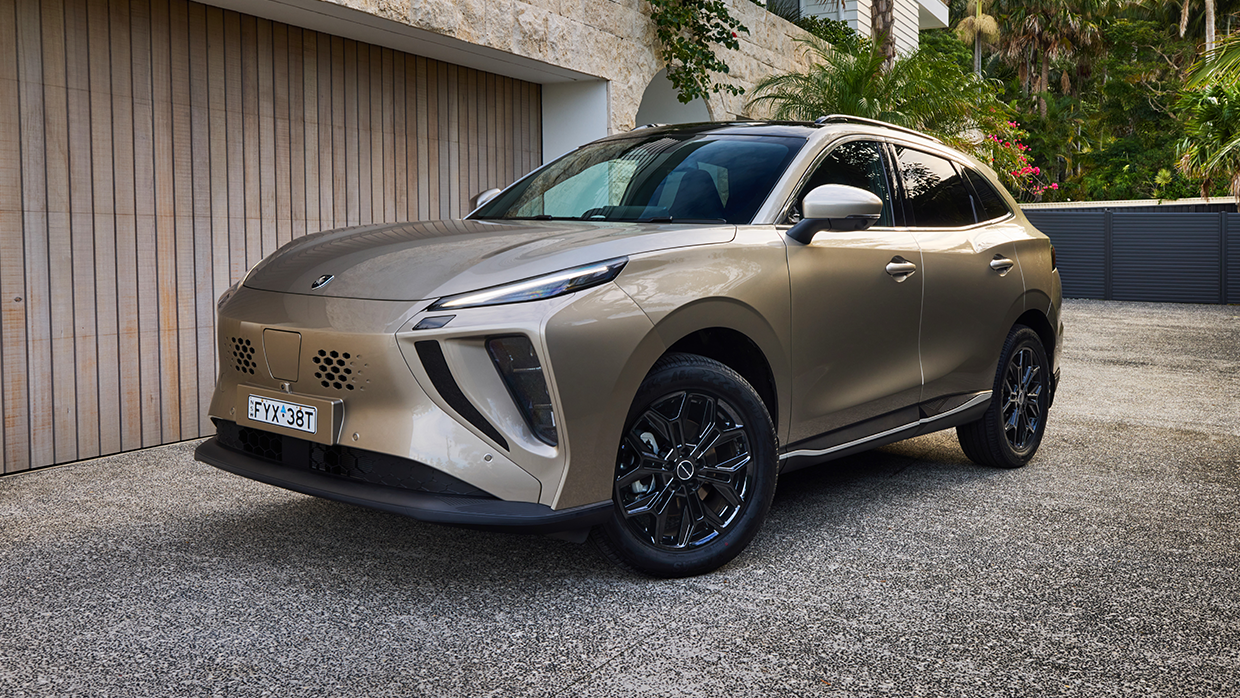
At $36,990 driveaway, the REEV ‘Luxury’ is well positioned, giving buyers big-car space, a decent equipment list and impressive electric-only range at a price point that brings the fight to smaller, cheaper SUVs.
That said, the midsize SUV segment is growing more competitive by the week. We wouldn’t rush a decision here: instead, we recommend test driving a range of crossovers — affordable ones like the Taikon 5 and dearer options like the Toyota RAV4 — so you can judge the differences by yourself.
About Chasing cars
Chasing Cars reviews are 100% independent.
Because we are powered by Budget Direct Insurance, we don’t receive advertising or sales revenue from car manufacturers.
We’re truly independent – giving you Australia’s best car reviews.
The estimate provided does not take into account your personal circumstances but is intended to give a general indication of the cost of insurance, in order to obtain a complete quote, please visit www.budgetdirect.com.au. Estimate includes 15%^ online discount.
^Conditions Apply
Budget Direct Insurance arranged by Auto & General Services Pty Ltd ACN 003 617 909(AGS) AFSL 241 411, for and on behalf of the insurer, Auto & General Insurance Company Limited(ABN 42 111 586 353, AFSL 285 571).Because we don’t know your financial needs, we can’t advise you if this insurance will suit you. You should consider your needs and the Product Disclosure Statement before making a decision to buy insurance. Terms and conditions apply.
Indicative quote based on assumptions including postcode , 40 year old male with no offences, licence suspensions or claims in the last 5 years, a NCD Rating 1 and no younger drivers listed. White car, driven up to 10,000kms a year, unfinanced, with no modifications, factory options and/or non-standard accessories, private use only and garaged at night.
^Online Discounts Terms & Conditions
1. Discounts apply to the premium paid for a new Budget Direct Gold Comprehensive Car Insurance, Third Party Property Only or Third Party Property, Fire & Theft Insurance policy initiated online on or after 29 March 2017. Discounts do not apply to optional Roadside Assistance.
2. Discounts do not apply to any renewal offer of insurance.
3. Discounts only apply to the insurance portion of the premium. Discounts are applied before government charges, taxes, levies and fees, including instalment processing fees (as applicable). The full extent of discounts may therefore be impacted.
4. We reserve the right to change the offer without notice.