Powered by

-
Car Reviews
Latest reviews
-
Car News
Latest news
-
Car Comparisons
Latest comparisons
- Chasing Deals
Latest reviews
Latest news
Latest comparisons
Pre-Paris Motor Show debut for AVATR’s most ambitious model yet: a six-seat flagship with a 71kWh plug-in hybrid battery and traditionally upright styling
The emerging Chinese luxury SUV arms race has a new contender, with the
Changan Group throwing its hat into the ring via the enormous six-seat AVATR T09
plug-in hybrid now officially earmarked for Australia in 2028.
Unveiled yesterday evening ahead of the Paris motor show, the T09 measures
5285mm long, makes use of a large 71.24kWh CATL ternary lithium-ion battery, and,
in its most powerful configuration, is claimed to produce more than 1000 metric
horsepower (630kW).
AVATR describes its Paris display as a concept, but Chinese government MIIT
approval documents already reveal detailed production specifications. With a
Chinese launch planned before the end of 2026, the Paris car looks considerably
closer to showroom reality than the concept name suggests.
The T09 will crown an expanding Australian line-up led by the 07L five-seat electric
SUV, due in the first half of 2027. The sleeker 06T shooting brake has also been
spotted testing in right-hand drive in Australia ahead of its second-half 2027 launch.
AVATR belongs to Chinese manufacturing giant Changan, whose Australian links
already include Deepal and the Changan-Mazda joint venture. CATL supplies
batteries, while Huawei provides much of the brand’s vehicle software and driver-
assistance technology in the Chinese market.
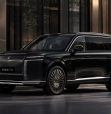
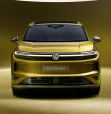
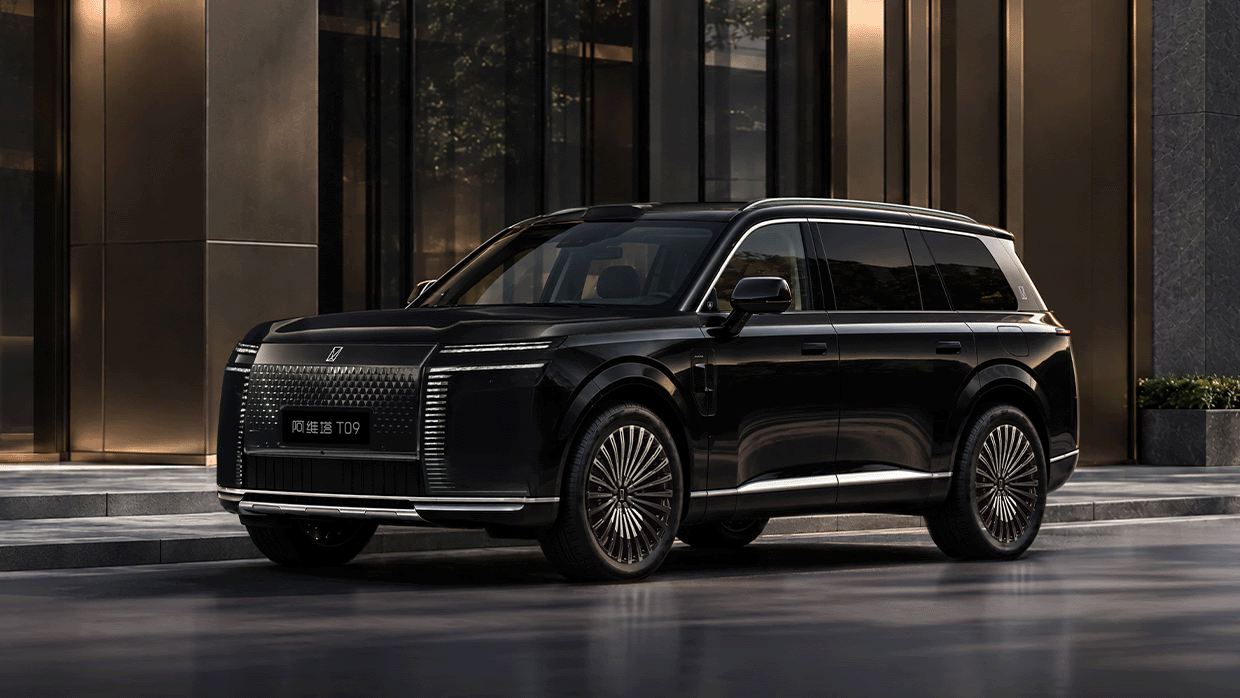
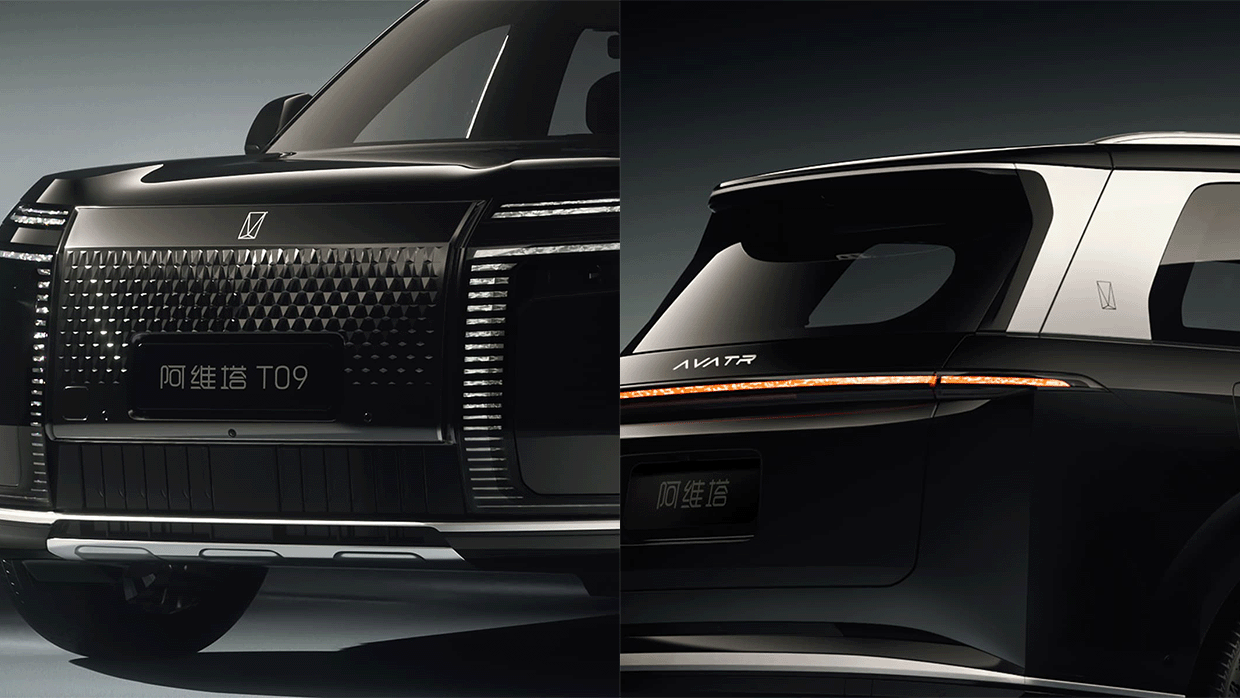
Compared to lower-set existing AVATR models, the T09 switches to a more imposing
silhouette, with a squared-off nose, intricate diamond-effect lighting, a crystal
bonnet ornament and a grille composed of 362 miniature AVATR logos.
This marks the beginning of a second, more traditional luxury design language
developing under former BMW designer Nader Faghihzadeh.
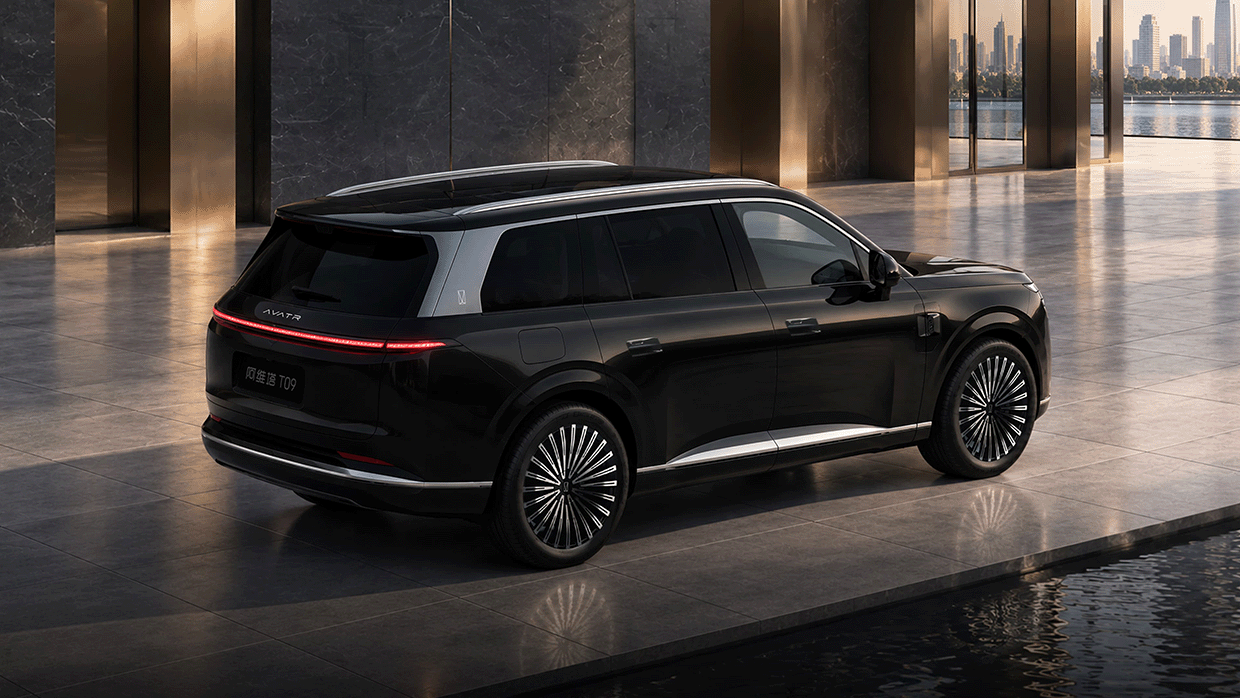
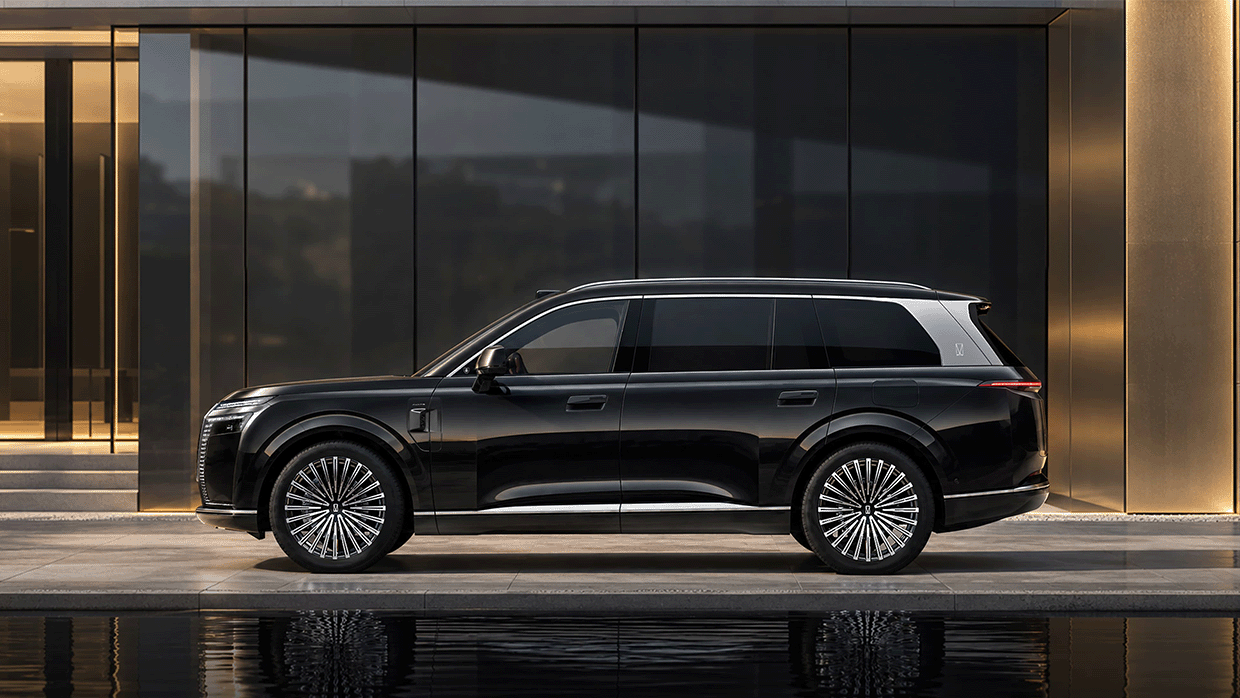
At 2025mm wide with a 3150mm wheelbase, the T09 is longer than the BMW X7 and
220mm longer than Hyundai’s latest Palisade. Inside is a 2+2+2 configuration, with
individual middle-row chairs and a third row for two.
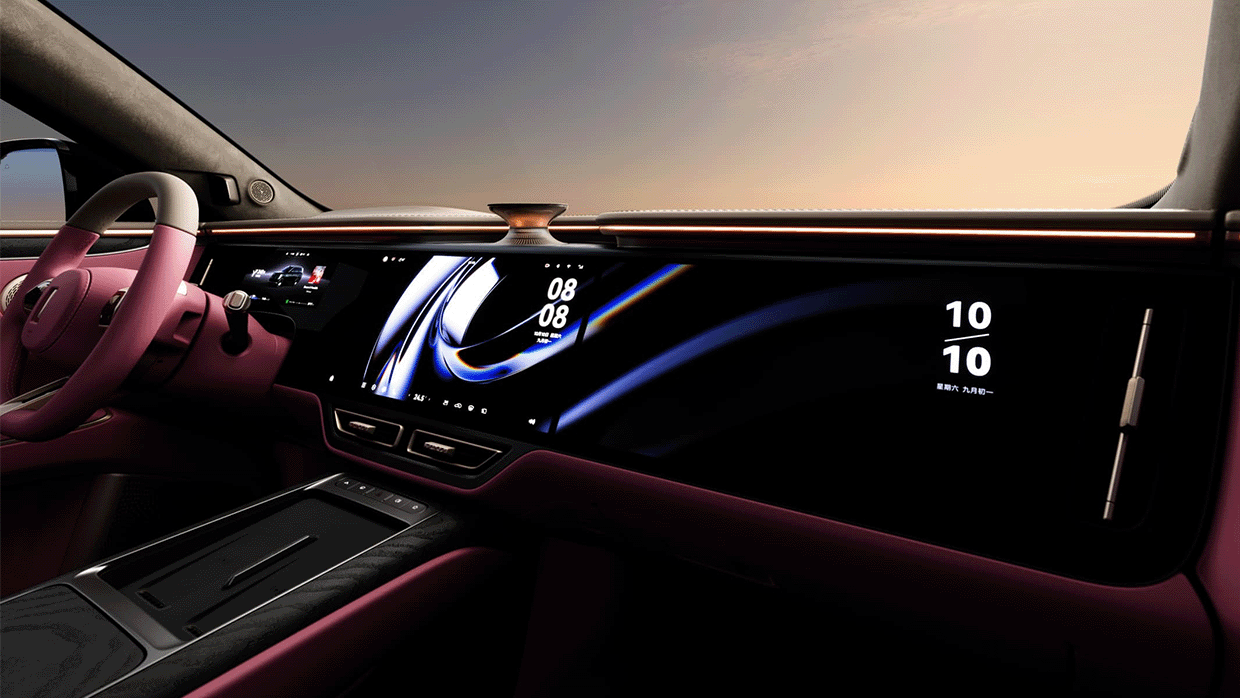
The Paris interior brings a three-screen fascia – a 10.25-inch instrument display and
twin 17.2-inch touchscreens, plus an unusual illuminated, rising centrepiece called
Vortex. Exactly which show-car details reach production remains to be seen.
Chinese regulatory filings describe two all-wheel-drive plug-in hybrid options. The
entry version combines a 110kW 1.5-litre turbo petrol engine with 180kW and 310kW
electric motors, front and rear for total outputs of 490kW.
The flagship upgrades to a 155kW 2.0-litre petrol engine with three motors: 180kW at
the front and 225kW driving each rear wheel. AVATR claims more than 630kW of
combined power.
Both use the same CATL 71.24kWh battery – larger than that fitted to some pure EVs,
with 300–330km of electric-only driving according to Chinese WLTC filings, or over
400km on the more generous CLTC cycle.
The hybrid system can switch between electric, petrol-assisted and range-extender
operation. Fast-charging figures remain unconfirmed.
Advanced chassis hardware includes dual-chamber air suspension, rear-wheel
steering and a sideways ‘crab’ manoeuvring mode. That sophistication comes with
mass: Chinese filings list kerb weights between 2880kg and 3035kg.
Huawei’s Qiankun ADS 5 uses four lidar sensors for advanced driving assistance.
Its deep integration with Chinese mapping, software and connected services creates
a substantial localisation task: Australian infotainment and ADAS functionality may
need to be altered or replaced to suit Australian laws.
The closest local rival could be the confirmed Australia-bound Zeekr 9X, another
lavish six-seat Chinese plug-in hybrid boasting a battery of up to 70kWh and up to
1030kW in its most powerful specification.
BYD-owned Denza’s B8 already gives Australian buyers a six-seat plug-in hybrid
alternative from $97,990 before on-road costs, although its body-on-frame off-road
focus differs from the T09’s luxury-first brief.
Hyundai’s Palisade hybrid, priced from $76,500 in eight-seat form, offers a more
conventional family-car comparison.
At the other extreme, BMW X7 and Mercedes-Benz GLS buyers are clearly in AVATR’s
sights, while pure-electric alternatives include the Kia EV9 and Volvo EX90.
In China, the T09 will face domestic heavyweights including the Aito M9 and Li Auto
L9 – evidence of just how fiercely contested the six-seat premium SUV market has
become.
Australian pricing, available powertrains and equipment are still unconfirmed and
are unlikely to become known until well into 2027.
Latest news
About Chasing cars
Chasing Cars reviews are 100% independent.
Because we are powered by Budget Direct Insurance, we don’t receive advertising or sales revenue from car manufacturers.
We’re truly independent – giving you Australia’s best car reviews.