Powered by

-
Car Reviews
Latest reviews
-
Car News
Latest news
-
Car Comparisons
Latest comparisons
- Chasing Deals
Latest reviews
Latest news
Latest comparisons
Extraordinary figures from GWM suggests buyers won’t have to compromise on performance to achieve remarkable fuel economy, but are either realised in reality?
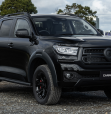
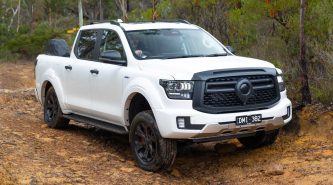
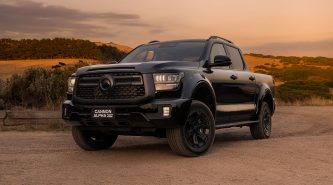
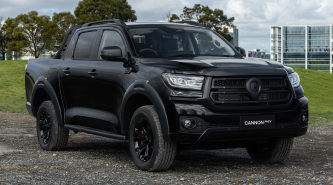
A month and a half on since we first drove GWM’s well-worn Cannon Alpha ute and Tank 500 4×4 SUV prototypes showcasing the new 3.0-litre turbo-diesel engine, the brand has presented its finished product for review.
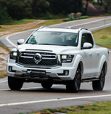
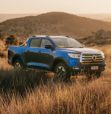
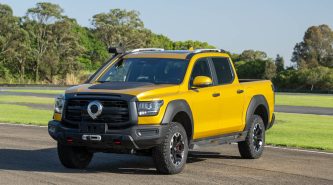
The focus of this review is the Cannon Alpha, which we had a chance to sample on the official launch in Victoria and then back on our home turf to assess if it meets its class-leading claims in a segment that’s no stranger to upsets from Chinese rivals.
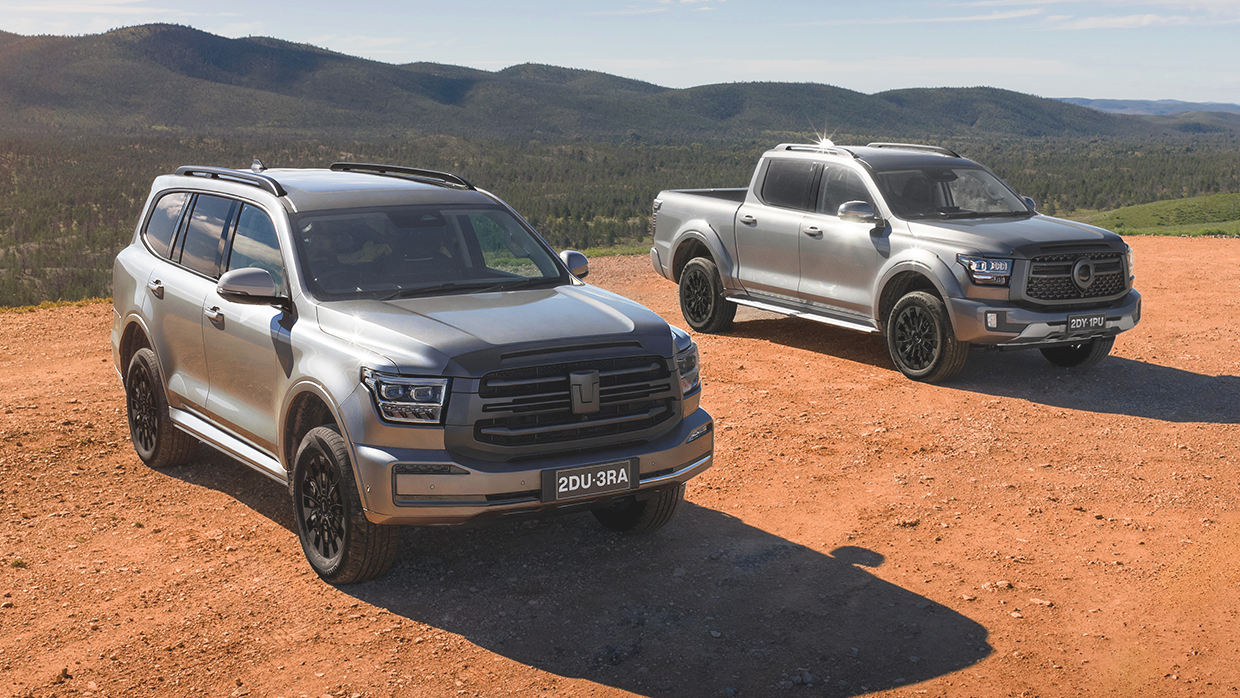
Replacing the 135kW/480Nm 2.4L turbo-diesel four-cylinder in the same way the plug-in hybrid has replaced its plugless petrol predecessor, the new 170kW/620Nm 3.0L turbo-diesel adds capability across the board.
Just two grades are offered at launch, with the Lux priced from $58,990 driveaway while the Vanta is $63,990 driveaway, making the base model $1000 more than the outgoing, top-spec 2.4L turbo-diesel.
Curiously, the new diesel starts $1500 dearer than the Lux PHEV; a vehicle not without its problems but one that promises the flexibility of 115km (NEDC) of EV range for daily commutes, now at a time when diesel is again around the three dollar per litre mark.
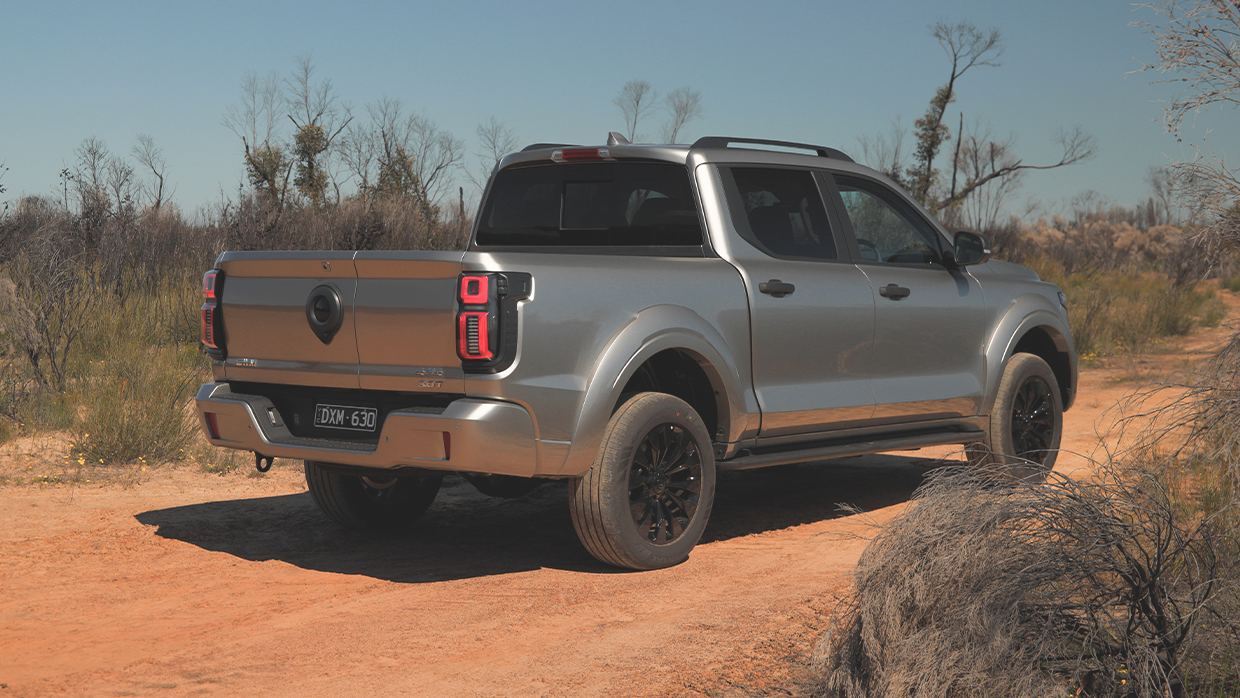
But whichever way you go, the Cannon Alpha is well-equipped.
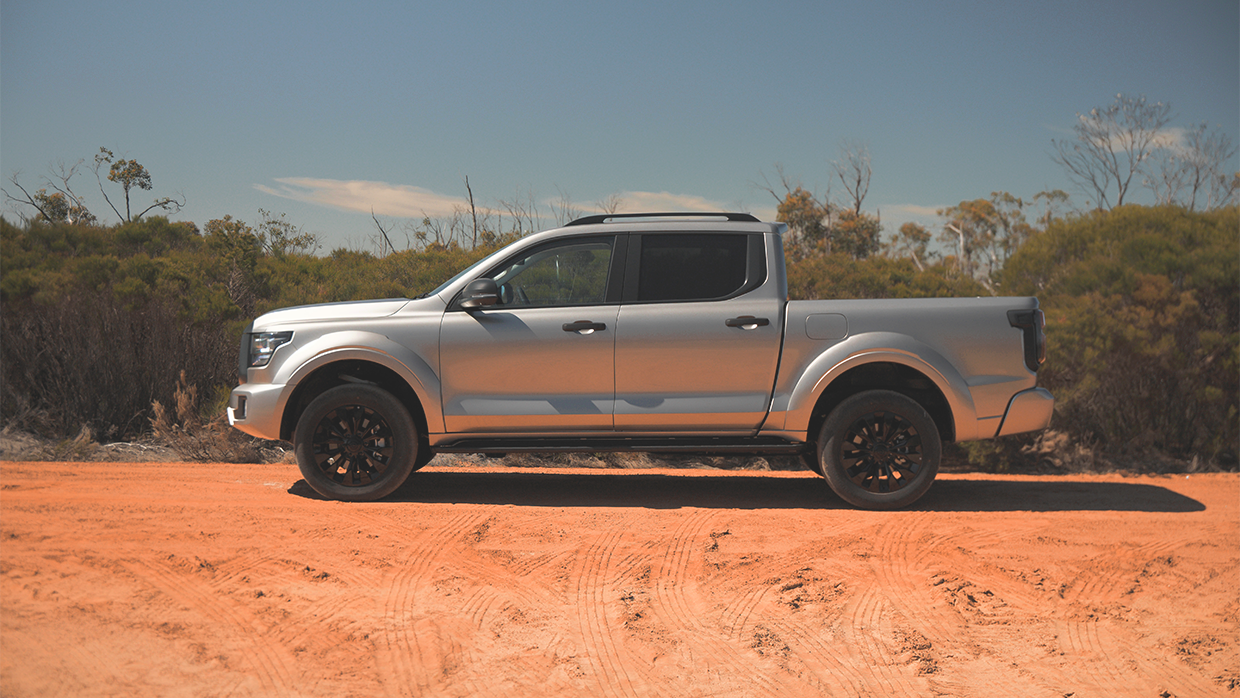
The diesel Lux is dressed in 18-inch alloy wheels, roof rails, side steps, LED headlights / tail-lights, power folding mirrors, rear privacy glass and a traditional tailgate.
Inside, you’ll find highlights including a 14.6-inch touchscreen, a 12.3-inch digital driver cluster, synthetic leather seats, power windows, a six-speaker stereo and power-adjustable front seats.
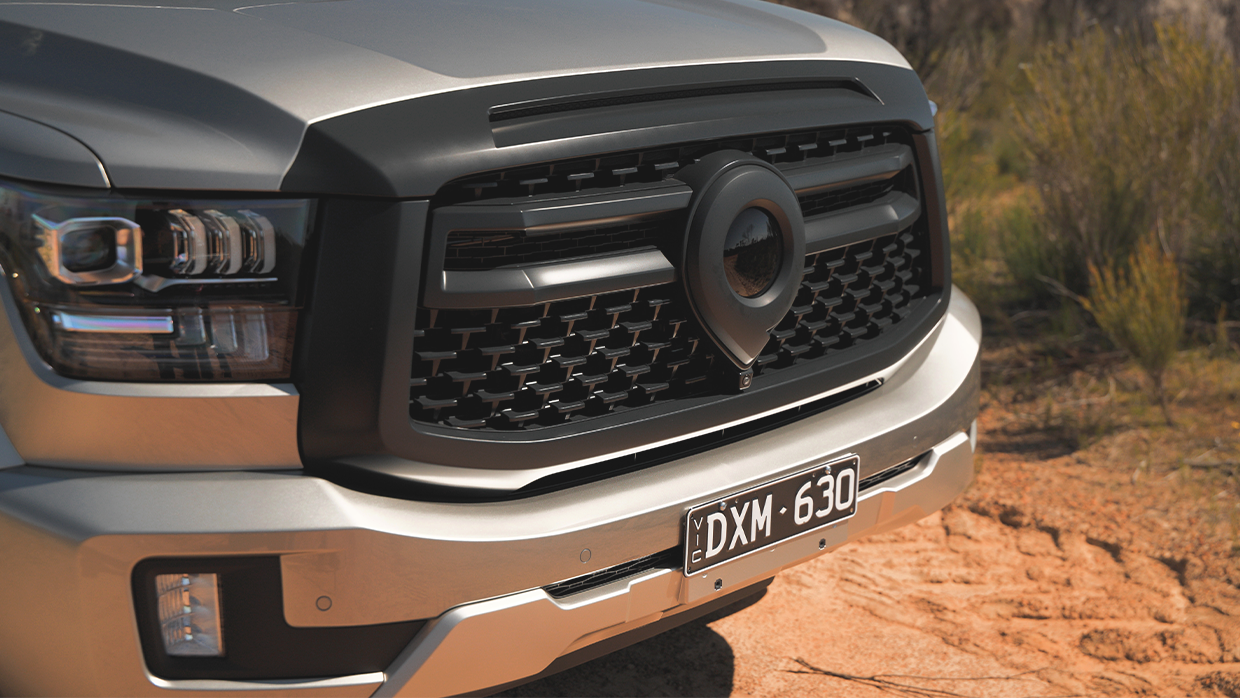
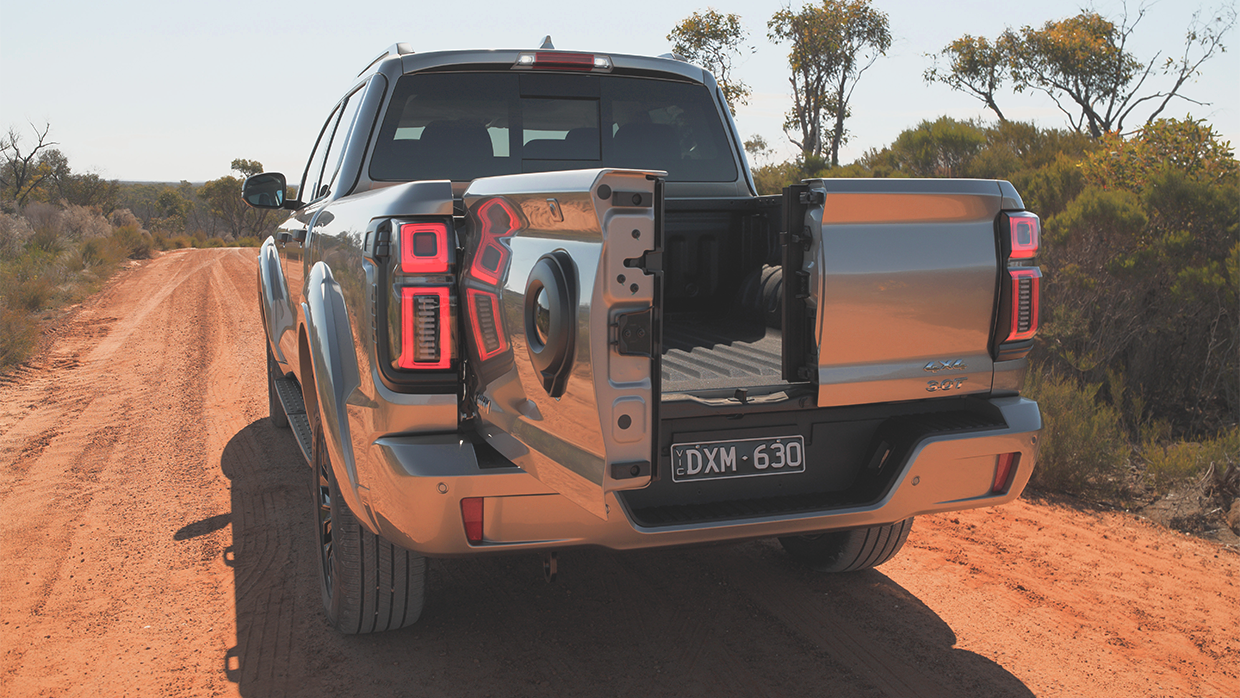
Fork out an extra $5K for the Vanta and GWM applies a black pack to all the exterior trim work, adds 19-inch alloy wheels, a 60/40 split tailgate, along with heated and cooled massaging seats, a 10-speaker stereo, heads-up display, 50-watt wireless phone charger and much more.
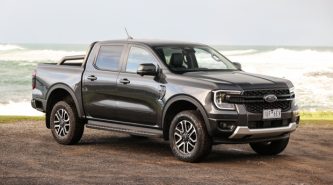
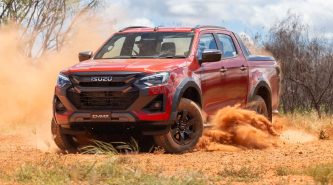
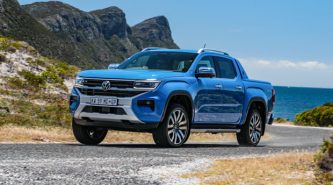
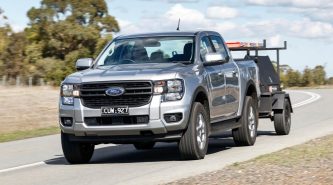
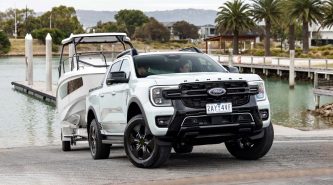
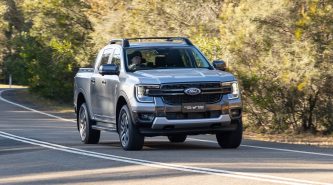
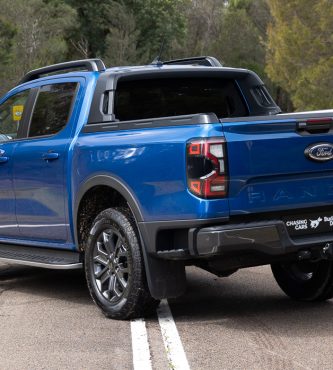
It’s a lot of kit for the coin and fairs well when you compare it against a fairly entry-level Ford Ranger Black Edition 3.0L V6 ($60,000 in NSW) or Isuzu D-Max SX 3.0L I4 ($59,220 d/a), but how does the rest of the package hold up?
Since we last got behind the wheel of the 3.0L-equipped prototype, GWM’s engineers have continued tinkering with the Cannon Alpha and tell us that incremental improvements will continue going forward.
It’s a good attitude from a car manufacturer listening to its buyers, and it’s contributed to a setup that far surpasses the 2.4L model in ways that go beyond raw power and torque, but it’s a good place to start.
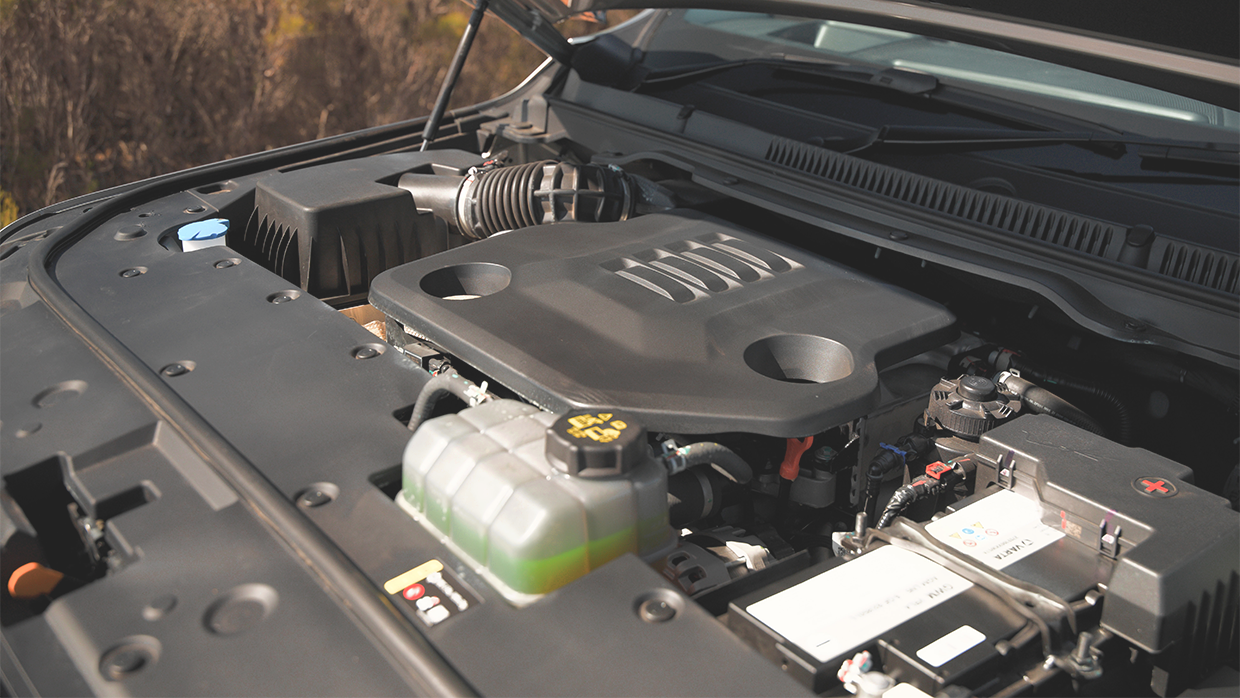
Not only are the outputs 35kW/140Nm up on the 2.4L ‘four, but the 620Nm is held from 1400-2400 rpm. The 170kW peak doesn’t quite reach the Ford Ranger V6’s 184kW mark, but it’s 600Nm does have a shorter, and later, rpm band of 1750-2250.
A proper twin-test is required to pick a winner, but given your reviewer owns a ute equipped with Ford’s V6, I can confidently say the Blue Oval unit feels like the quicker and more tractable motor.
Perhaps it’s the one-less gear in the nine-speed ZF transmission, but more likely it’s down to a decision made in the early stages to prioritise fuel consumption. The result is a claim of 7.3L/100km that’s leagues better than the Ford (8.4L/100km), and most other rivals.
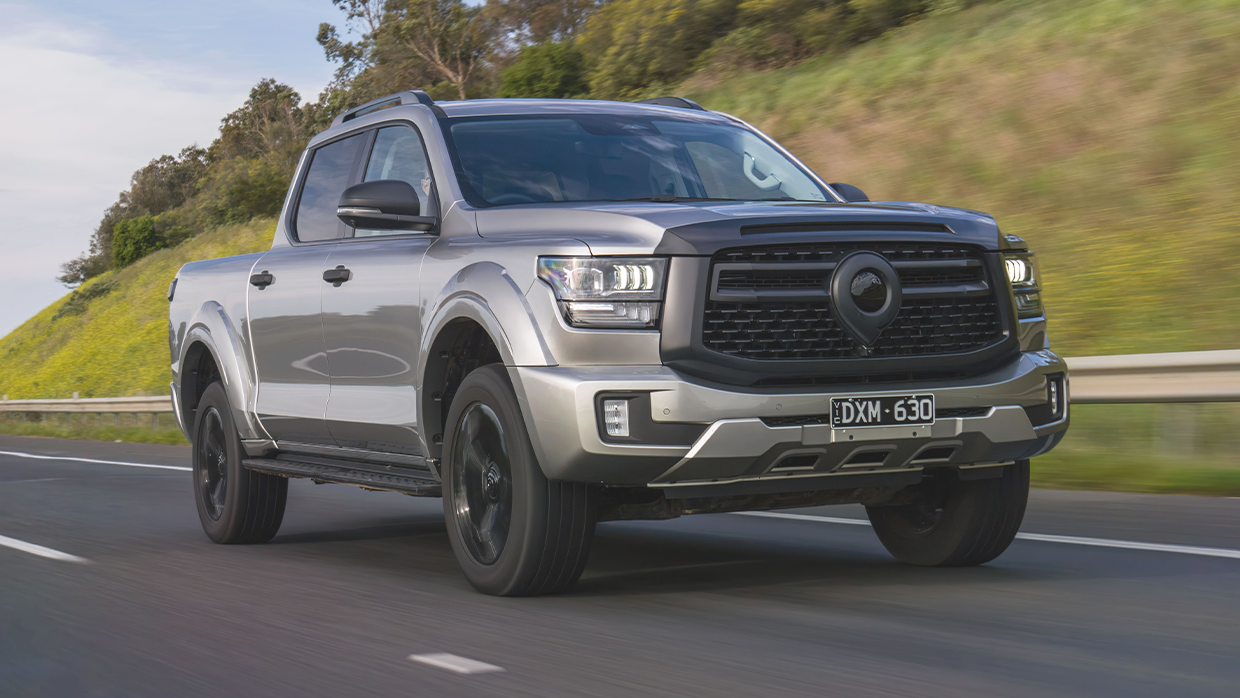
Similar to the prototype, we found the conservative tune of the Cannon Alpha is too hesitant to kick down gears when climbing hills to grab more torque. You can switch to Sport mode for greater response, but this spikes the revs notably and doesn’t fix the problem entirely.
Around town, it’s more attentive to driver demands, and we found ourselves settling into the flow of the drivetrain pairing. Accessing this flow-state does require an immediate switching off of the start-stop system each time you get in the car, as it’s comically slow to restart the engine in traffic.
Thankfully, GWM has placed a physical button on the centre console to turn it off, along with another for activating the 360-degree camera system, which you’ll need when parking this near-5.5m long ute.
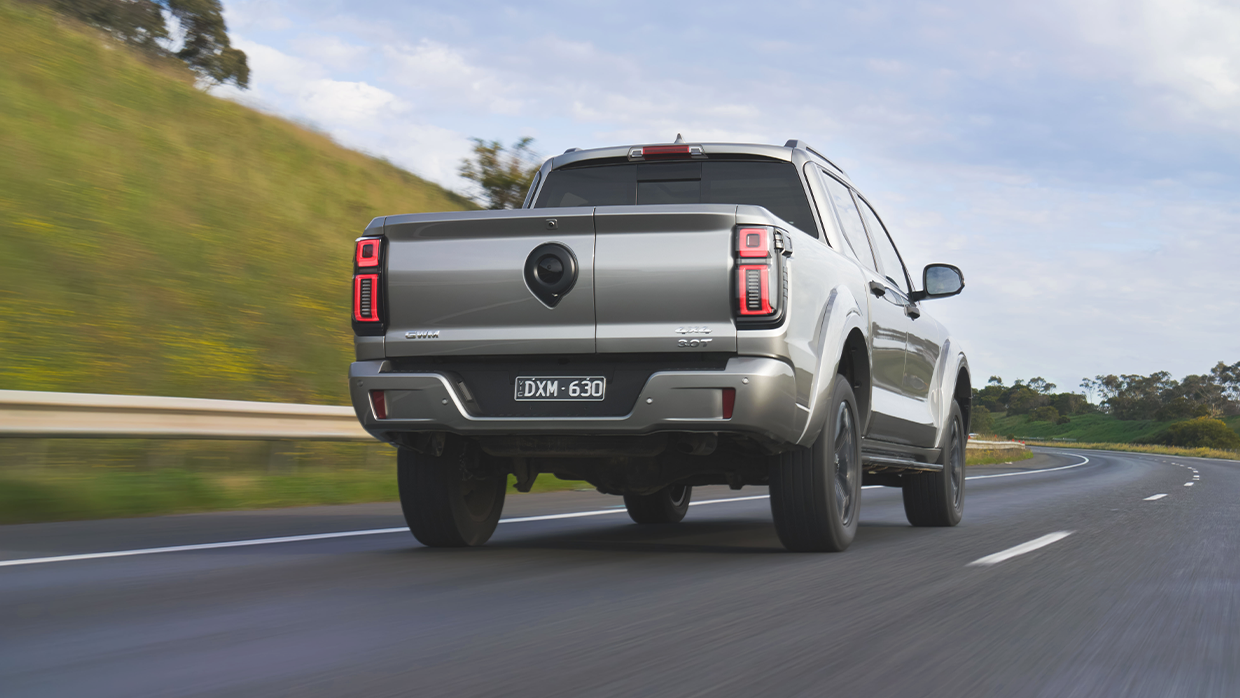
In addition to the new engine, GWM has also applied its AT-1 tuning program which goes beyond steering and suspension tuning to look at troublesome areas for the brand’s cars, such as the calibration of the software and safety systems.
While previous testing by Chasing Cars found the plug-in hybrid Cannon Alpha, with it’s coil-spring suspension, offered a soft ride over harsh surfaces but lacked body control in the bends, the diesel is the complete opposite.
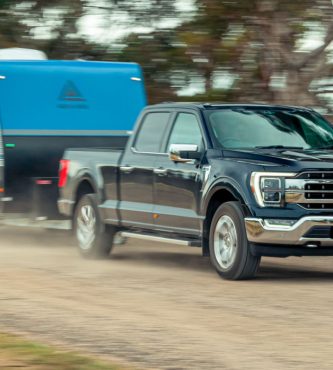
GWM has made the wise decision to increase the payload from 760kg to 945kg in the diesel to make the 3.5-tonne towing capacity more realistic, but the stiff ride from the leaf-sprung rear end makes for an uncomfortable ride, at least when unladen.
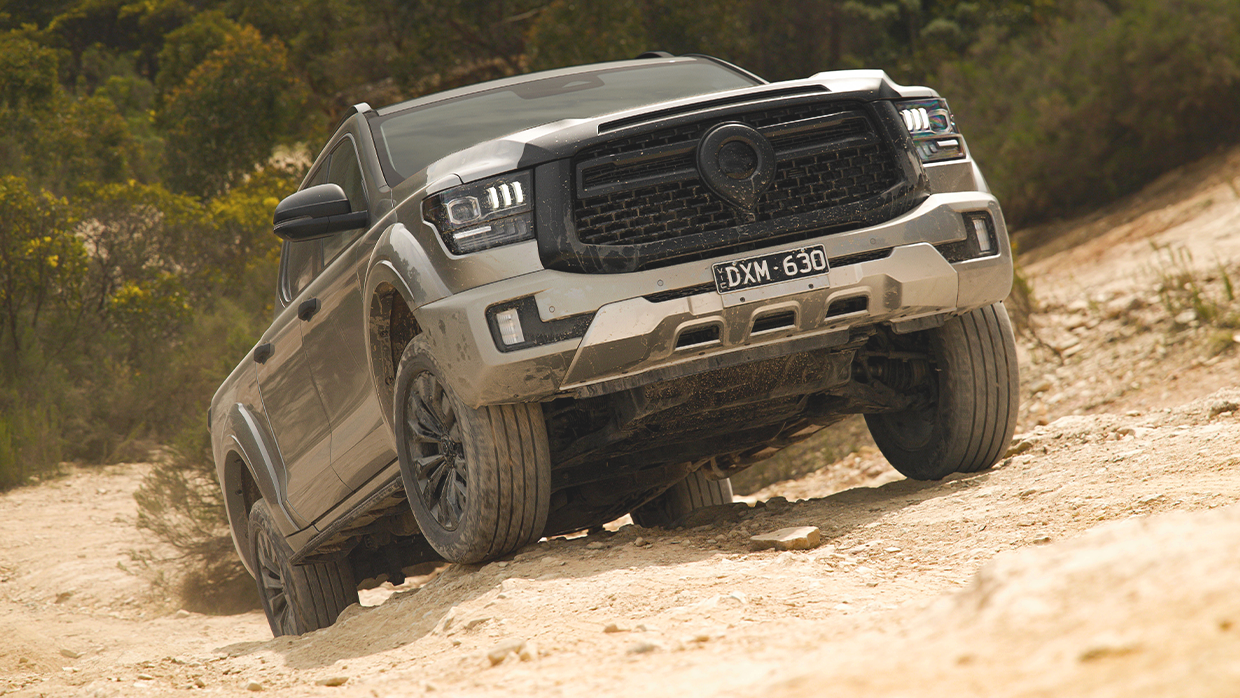
Throw it into a bend at highway speeds and the Alpha feels more composed than previous GWM’s but that faith is dampened by its limited ability to absorb but hits from unexpected pot holes and the like.
We haven’t yet towed with the new 3.0L diesel but perhaps it would make more sense in this application, with strong torque on offer, a newly integrated brake controller and dedicated tow mode, the Cannon Alpha shows promising signs in this area.
The AT-1 tuning program has also seen tweaks made to the safety assistance systems and the result is a welcome one.
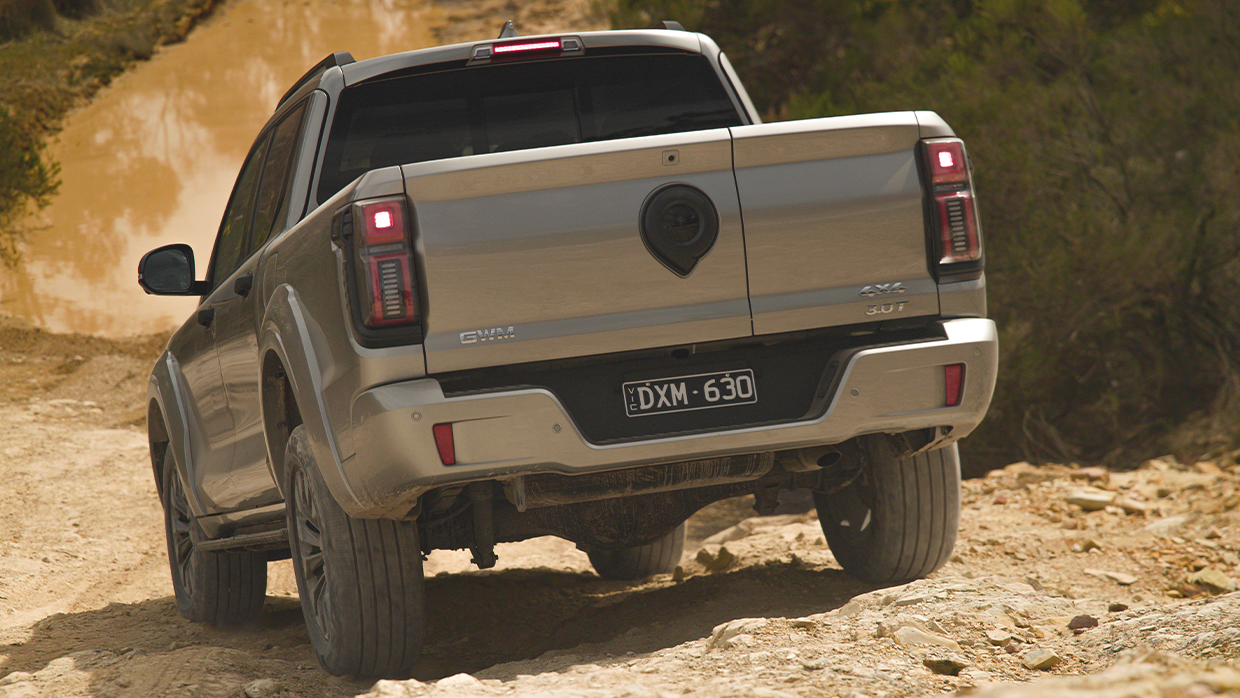
By and large, GWM is heading in the right direction here, though we did still find the driver monitoring system – primarily with driver fatigue – was too sensitive, and the ‘emergency’ lane keep assistance function was far too intrusive and cumbersome to turn off via multiple touches of the touchscreen, each and every time you start the car.
The Cannon Alpha is a big vehicle but it also uses its space well, resulting in a far larger and more practical cabin than many of its mainstream rivals, but also observed by the likes of the Foton Tunland and BYD Shark 6.
It’s ironic that it took a nation where the average man measures 50-60mm shorter than ours, to show Aussies have tolerated tiny ute cabins for far too long. Don’t believe me? Go hop into a Toyota Hilux, and then a Cannon Alpha, and you’ll see the marked difference.
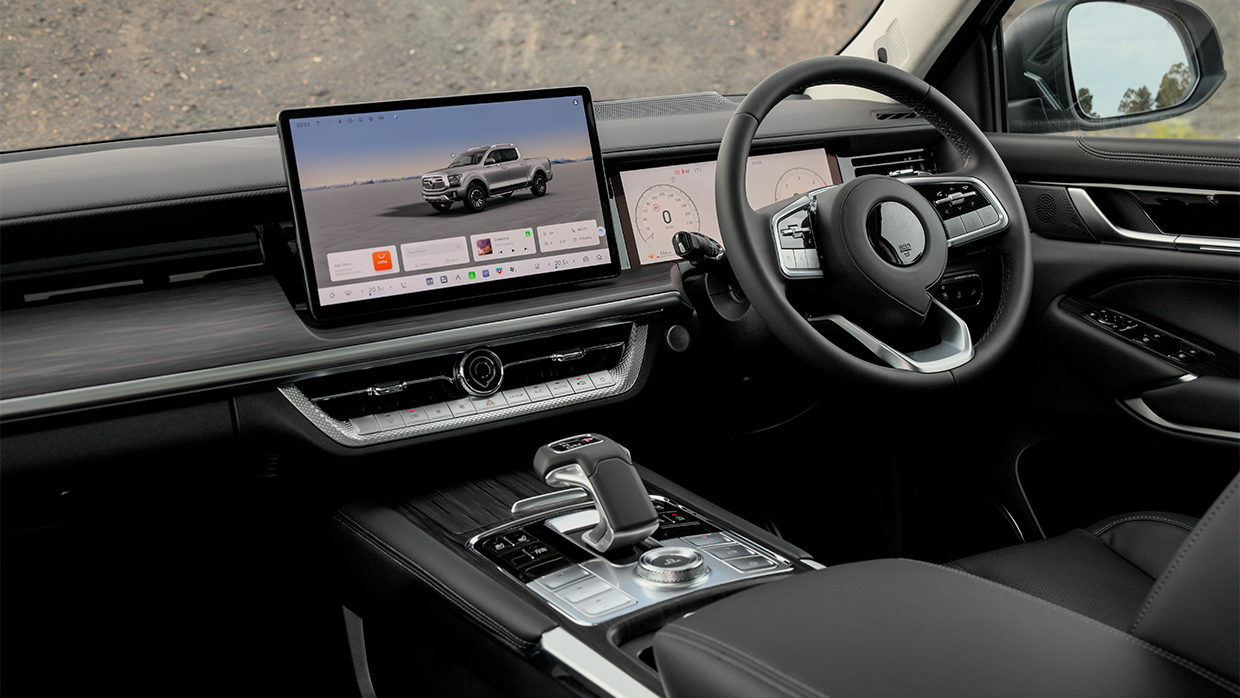
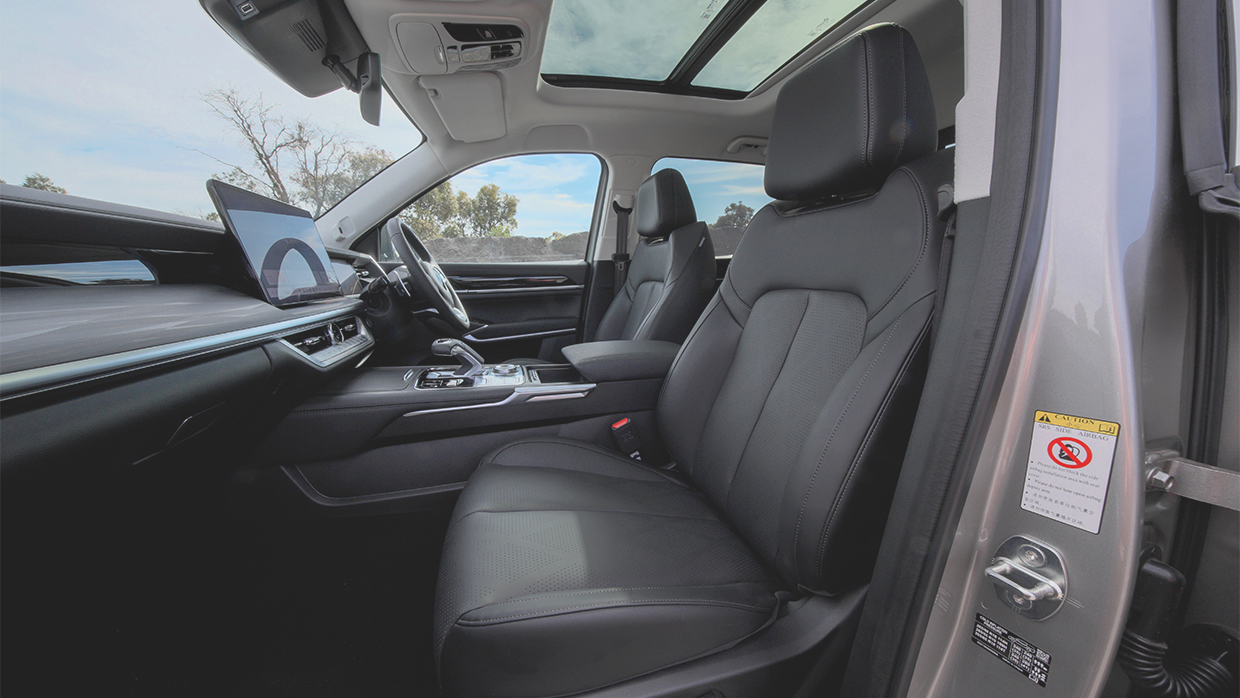
At 182cm tall the front row has plenty of room to stretch out, even if the seats themselves lack some of the inbuilt back support to ease fatigue on longer journeys.
There’s also a good amount of storage space under the shifter, centre armrest and glove box that goes beyond many mainstream rivals but to say its build quality and material choice is on the same level as something like a Ford Ranger, would be going too far.
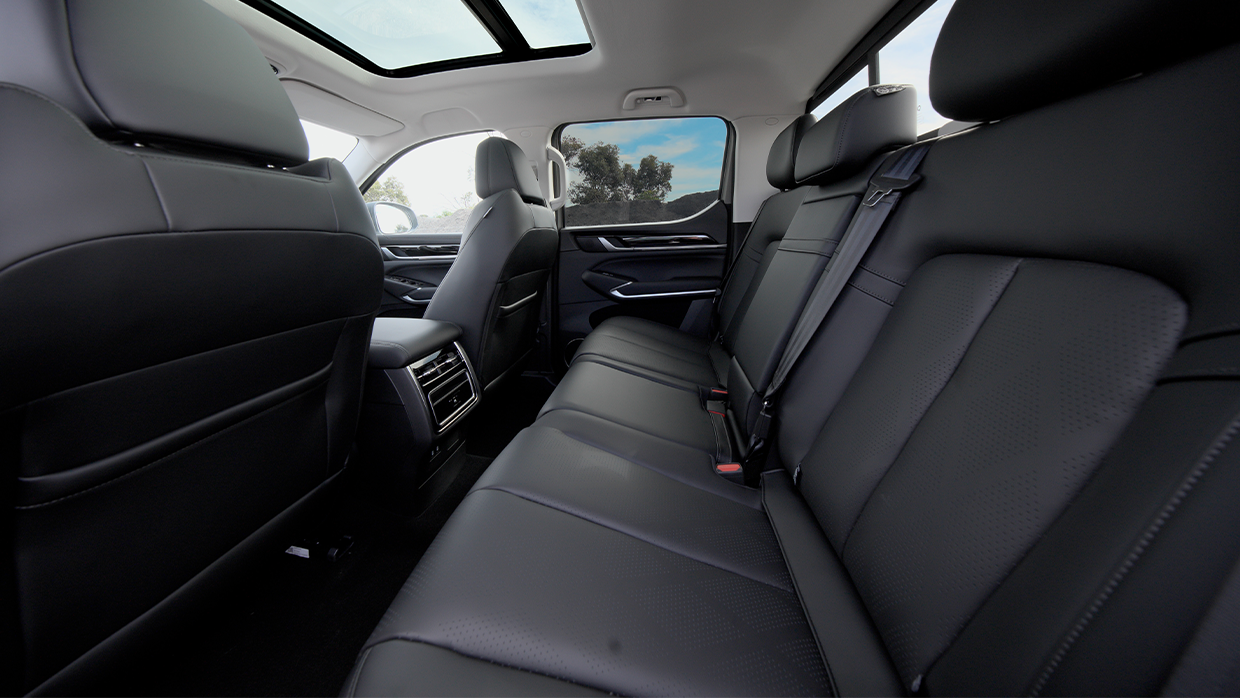
Row two is equally spacious, with plenty of room to sit directly behind my own driving position. The high floor does leave your knees feeling unsupported but the 60/40 split rear seats make up for it with a reclining function that could make it far easier for kids and adults alike to take a nap on long trips.
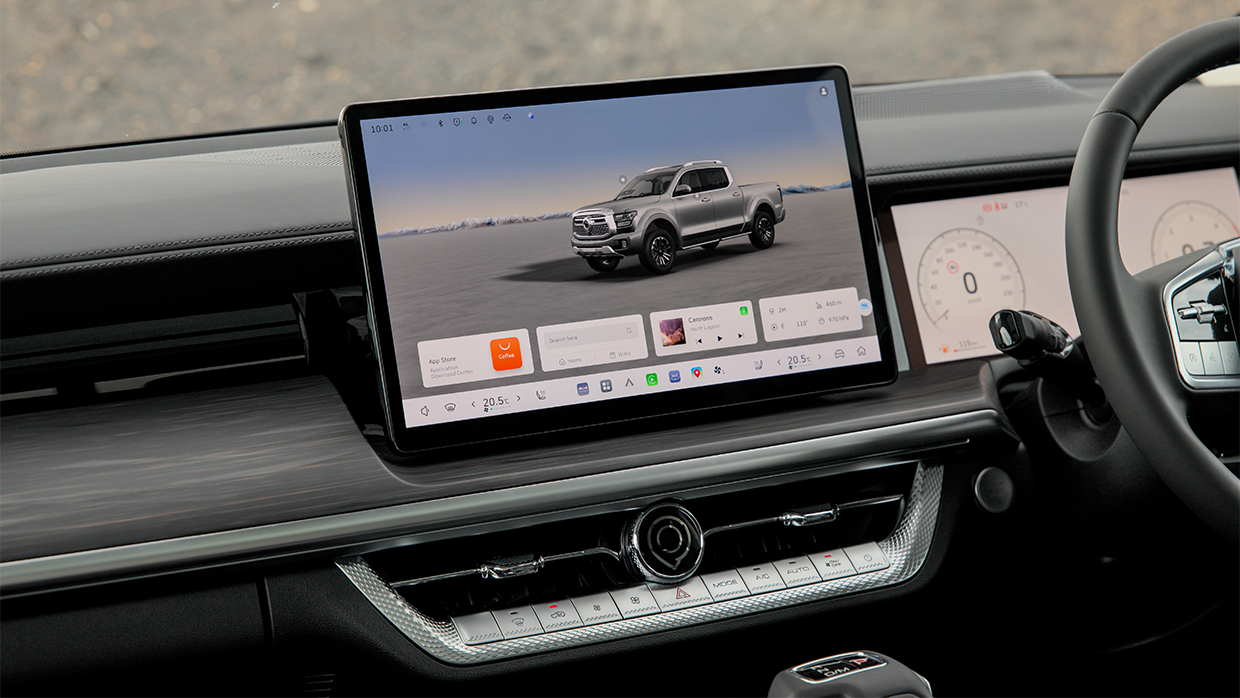
Back up front, a 14.6-inch multimedia screen serves as the command centre. Now running GWM’s latest ‘Coffee OS’ the tech feels faster and more mature than previous versions.
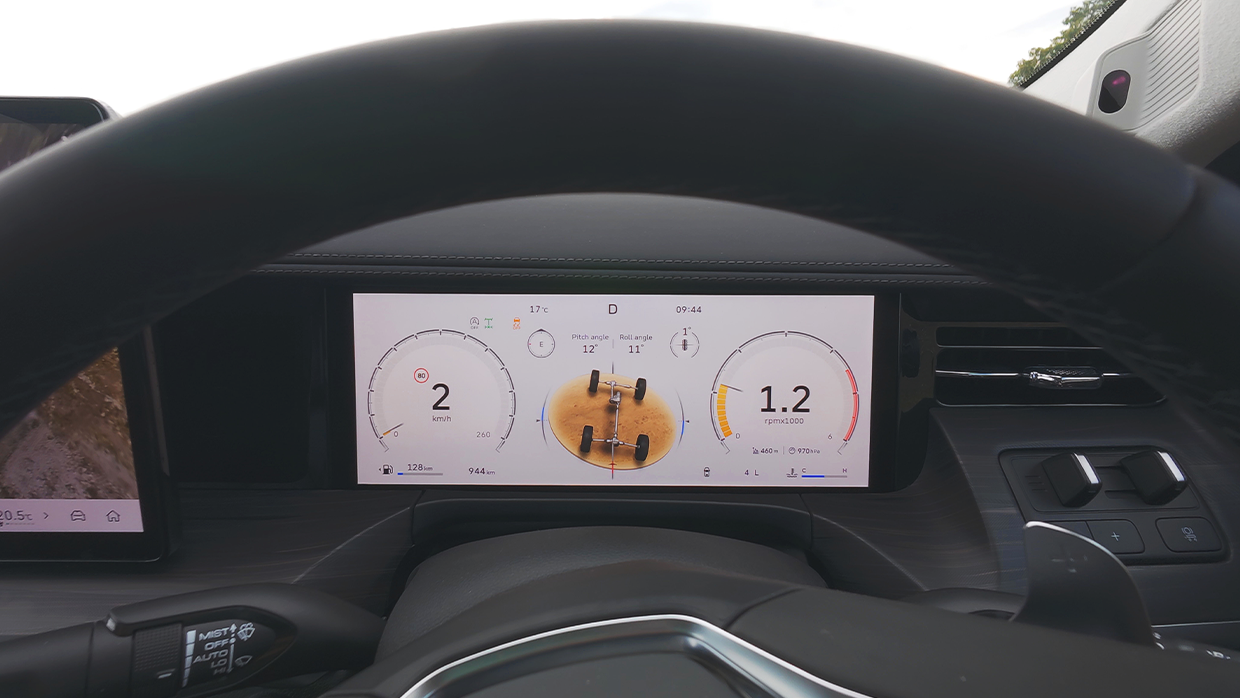
It works with an accompanying 12.3-inch digital display in front of the driver, with the pair featuring a helpful series of graphics and specialised screens for off-roading and towing, which GWM staff have clearly poured a lot of love into.
The step up to the Vanta grade feels worthwhile given the addition of an upgraded 10-speaker stereo (albeit one that didn’t blow us away), heads-up display, heated/cooled front seats, a wireless phone charger and more.
It’s notable, however, that it misses out on features available on the equivalent Tank 500 Vanta, including power steering column adjustment, a heated steering wheel, interior colour options and fancy Nappa leather trim (in multiple colours) instead of normal black leather.
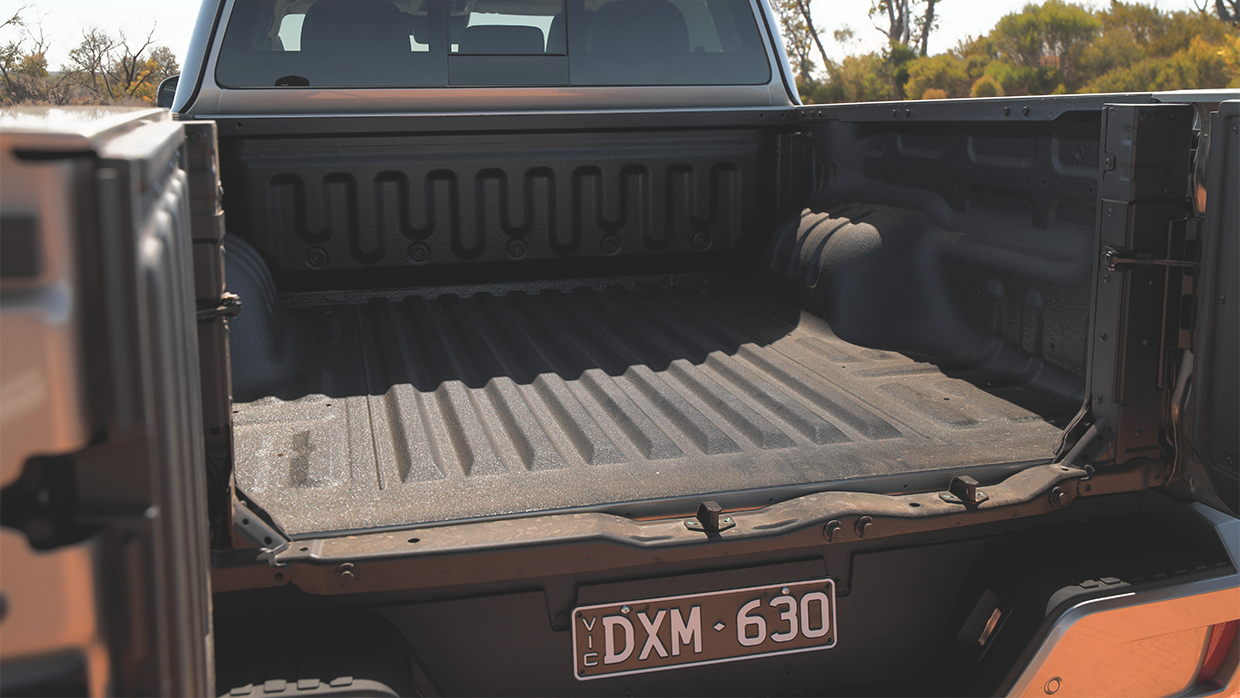
While it doesn’t have the sheer battery power behind it that the PHEV does, the diesel still features a 250V, 10A household-style plug in the tray. It loses marks for having just four tiedown points, but the 60/40 split tailgate on the Vanta is brilliant for reaching into the back of the tray.
An average fuel consumption of 7.3L/100km is quoted for the Cannon Alpha 3.0TD, which is a significant improvement over the 2.4TD’s 8.9L claim.
We did see as low as 7.1L/100km when driving on the highway but once we threw in urban driving and low-range off-roading, that figure spiked to 8.7L/100km, which is still impressive for a ute this large. Notably, the Cannon Alpha does not require AdBlue.
A 78L fuel tank is fitted to the Cannon Alpha, with the engineers unable to squeeze in the supplementary fuel tank available on the Tank 500 diesel, which boosts capacity to a whopping 131L – and nearly doubles the potential driving range.
GWM offers a seven-year, unlimited-kilometre warranty with servicing intervals of every 12 months or 15,000km, offering more flexibility than the likes of Toyota. Servicing over five years/75,000km will cost $2700.
Budget Direct told us the median annual premium purchased for the first time between 1/8/25 and 1/8/26 to comprehensively insure a new GWM Cannon Alpha was $1707. Individual circumstances and policy terms may vary.
Of course, everybody’s situation is different, and the premium will vary according to make and model, and other things insurers take into account, such as your postcode, driving history, who drives the car, where you garage the car and more.
Please quote for yourself. Subject to meeting underwriting criteria. Insurance issued by Auto & General Insurance Company Limited. See PDS & TMD at budgetdirect.com.au.
With over 86 percent of buyers opting for a diesel-powered ute last year, the choice to double down with a newly developed motor strikes us as incredibly wise.
Some elements of the engine tuning, a downgrade to part-time 4×4 and mixed performance from the suspension means it doesn’t meet the threshold for GWM’s ‘class leading’ claims but the improvement over the underpowered 2.4TD is significant.
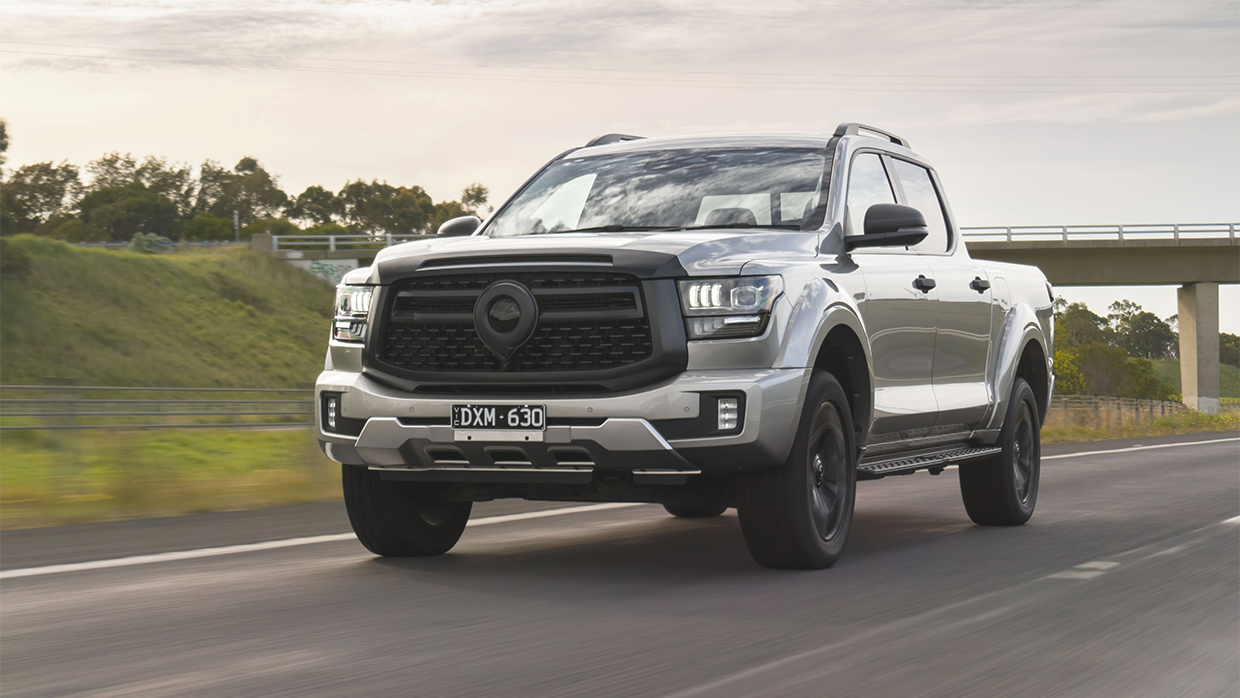
It’s a shame GWM has begrudged the Cannon Alpha some of the Tank 500 diesel’s luxury features and supplementary fuel tank, as it makes the former feel like somewhat of an also-ran, and the latter more of a stand out among its competitors.
Off-road ability, cabin space and value for money continue as key strengths of the Cannon Alpha and now it can add frugal fuel consumption and a more appealing diesel powertrain to the list.
Key specs (as tested)
About Chasing cars
Chasing Cars reviews are 100% independent.
Because we are powered by Budget Direct Insurance, we don’t receive advertising or sales revenue from car manufacturers.
We’re truly independent – giving you Australia’s best car reviews.
The estimate provided does not take into account your personal circumstances but is intended to give a general indication of the cost of insurance, in order to obtain a complete quote, please visit www.budgetdirect.com.au. Estimate includes 15%^ online discount.
^Conditions Apply
Budget Direct Insurance arranged by Auto & General Services Pty Ltd ACN 003 617 909(AGS) AFSL 241 411, for and on behalf of the insurer, Auto & General Insurance Company Limited(ABN 42 111 586 353, AFSL 285 571).Because we don’t know your financial needs, we can’t advise you if this insurance will suit you. You should consider your needs and the Product Disclosure Statement before making a decision to buy insurance. Terms and conditions apply.
Indicative quote based on assumptions including postcode , 40 year old male with no offences, licence suspensions or claims in the last 5 years, a NCD Rating 1 and no younger drivers listed. White car, driven up to 10,000kms a year, unfinanced, with no modifications, factory options and/or non-standard accessories, private use only and garaged at night.
^Online Discounts Terms & Conditions
1. Discounts apply to the premium paid for a new Budget Direct Gold Comprehensive Car Insurance, Third Party Property Only or Third Party Property, Fire & Theft Insurance policy initiated online on or after 29 March 2017. Discounts do not apply to optional Roadside Assistance.
2. Discounts do not apply to any renewal offer of insurance.
3. Discounts only apply to the insurance portion of the premium. Discounts are applied before government charges, taxes, levies and fees, including instalment processing fees (as applicable). The full extent of discounts may therefore be impacted.
4. We reserve the right to change the offer without notice.