Powered by

-
Car Reviews
Latest reviews
-
Car News
Latest news
-
Car Comparisons
Latest comparisons
- Chasing Deals
Latest reviews
Latest news
Latest comparisons
The initial marketing for Jaguar’s much-anticipated brand relaunch was heavily lampooned online, but the finished product stuns with incredible proportions
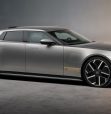
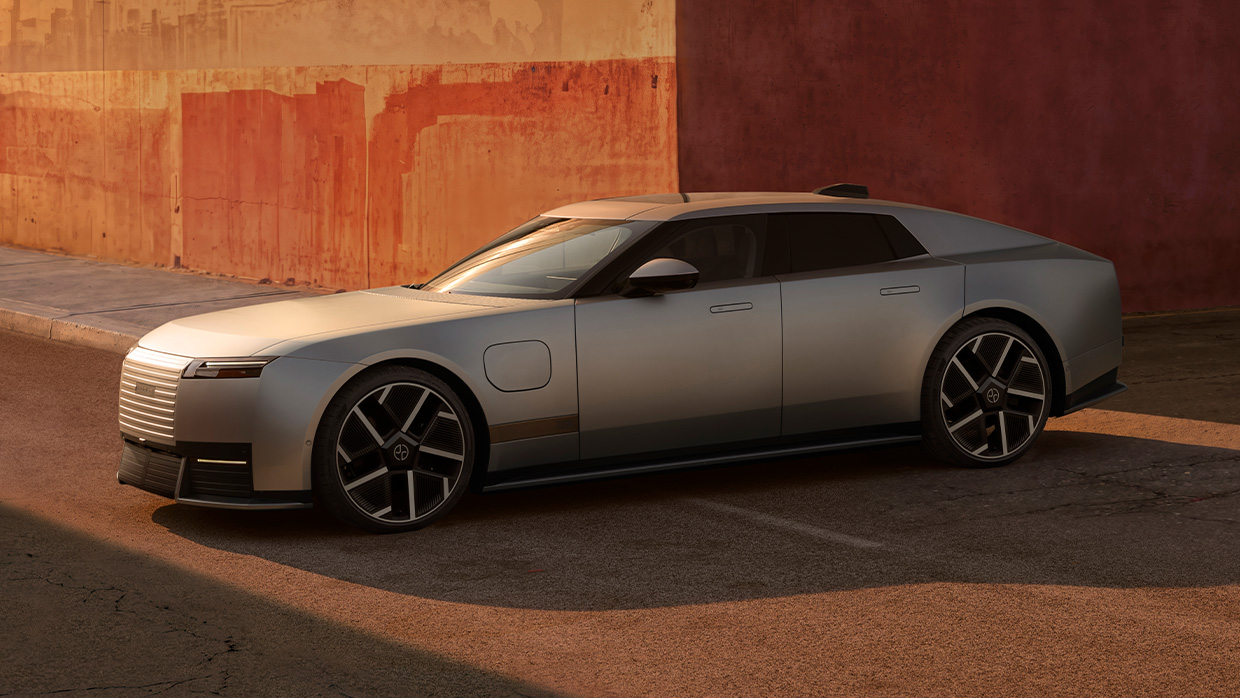
British luxury marque Jaguar has at last revealed the production Type 01, a vast four-door electric GT car charged with the not-so-small task of relaunching the brand.
Australian order books for the 5.2-metre clean-sheet flagship, which runs on an all-new Jaguar Electric Architecture (JEA) platform, are due to open in 2027.
The sedan will launch with up to 757kW of power and 1365Nm from three electric motors – two rear, one front – in initial single-trim format, with a 118kWh battery providing up to 720km of range (WLTP) and 350kW DC fast charging.
Initial guesstimates that the new Jag would attract half-million-dollar pricetags have proved to be off the pace, with expectations now being set for an Australian price of around $300,000 before on-road costs before bespoke customisation.
Still, it’s a considerable move upmarket for Jaguar, with the Australian car set to be even more highly specified than the British version, which global managing director Rawdon Glover told Chasing Cars would transact at between £125,000-130,000 ($236K-$246K).
Timing for initial Australian deliveries is yet to be locked in, but Jaguar has indicated that the first global customer cars will reach a scaled-down dealer network by mid-2027, with Glover confirming an SUV-like sibling will not be revealed until Type 01 units are on the road.
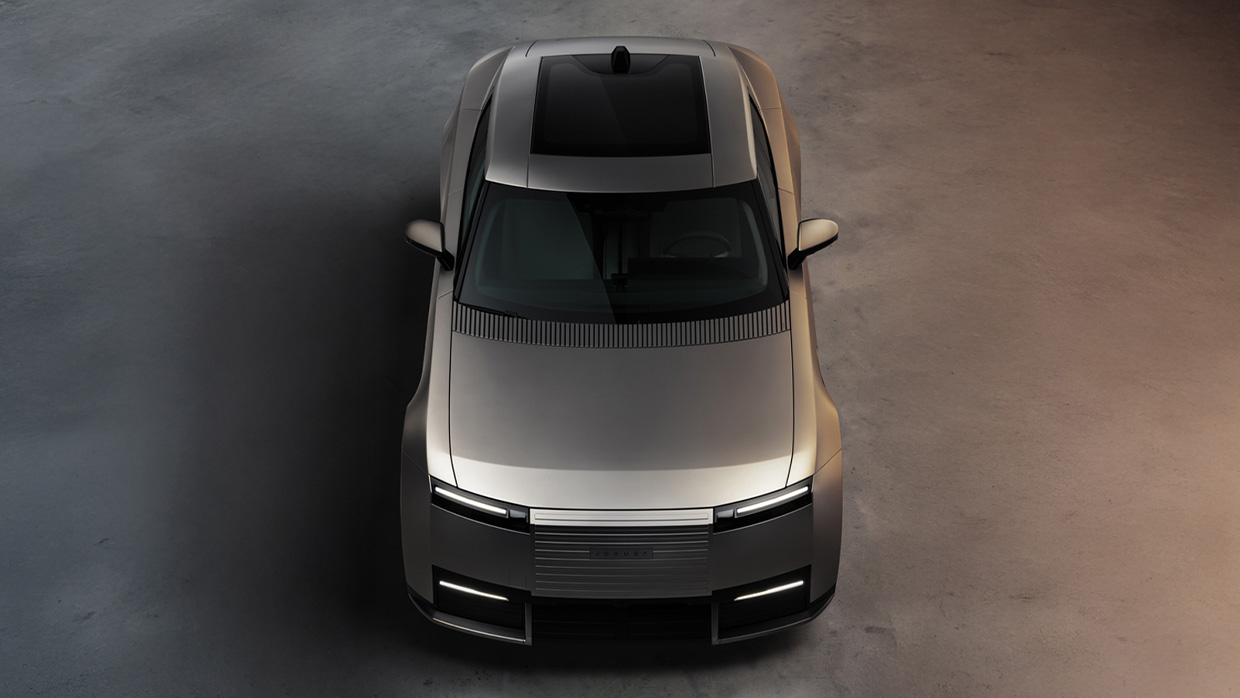
Visually, the Type 01 stays remarkably faithful to the showstopping Type 00 concept. It measures 5235mm long but just 1403mm high thanks to painstaking packaging of the NMC battery and power-electronics that shaved 200mm from the roof height.
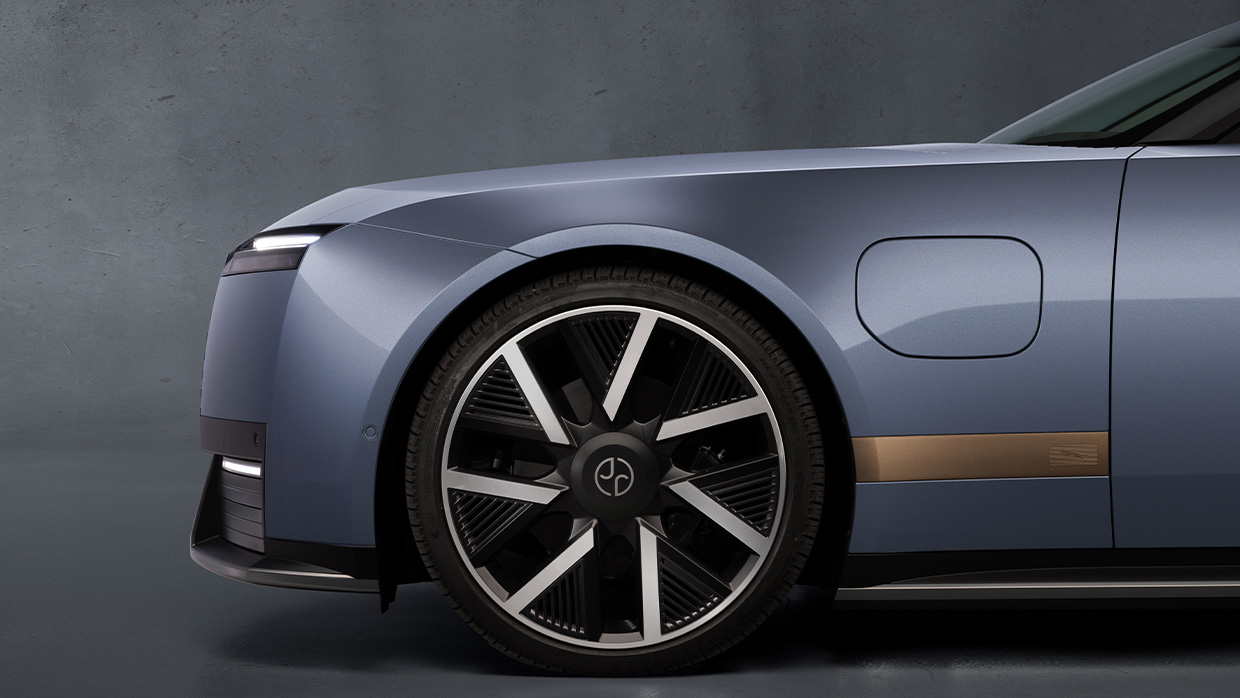
The Type 01 wears 23-inch wheels as standard – though 22s will be available – and designers have devoted a wild 898mm dash-axle gap in an ode to the long-bonneted ‘luxury gap’ that defined the Jaguar E-Type and XJS.
Jaguar says those classic two-door cars were the reference point both for the proportions and purpose of the Type 01, with executives claiming the brand has only ever been commercially successful when it pursued the high-end market.
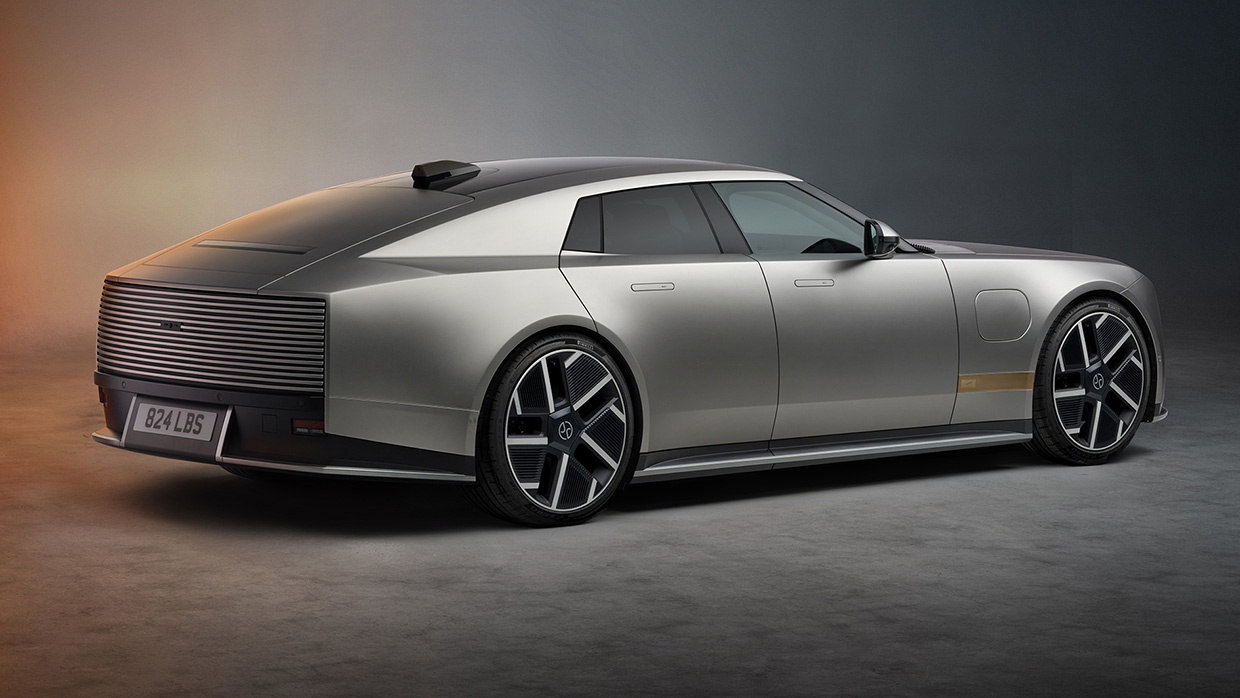
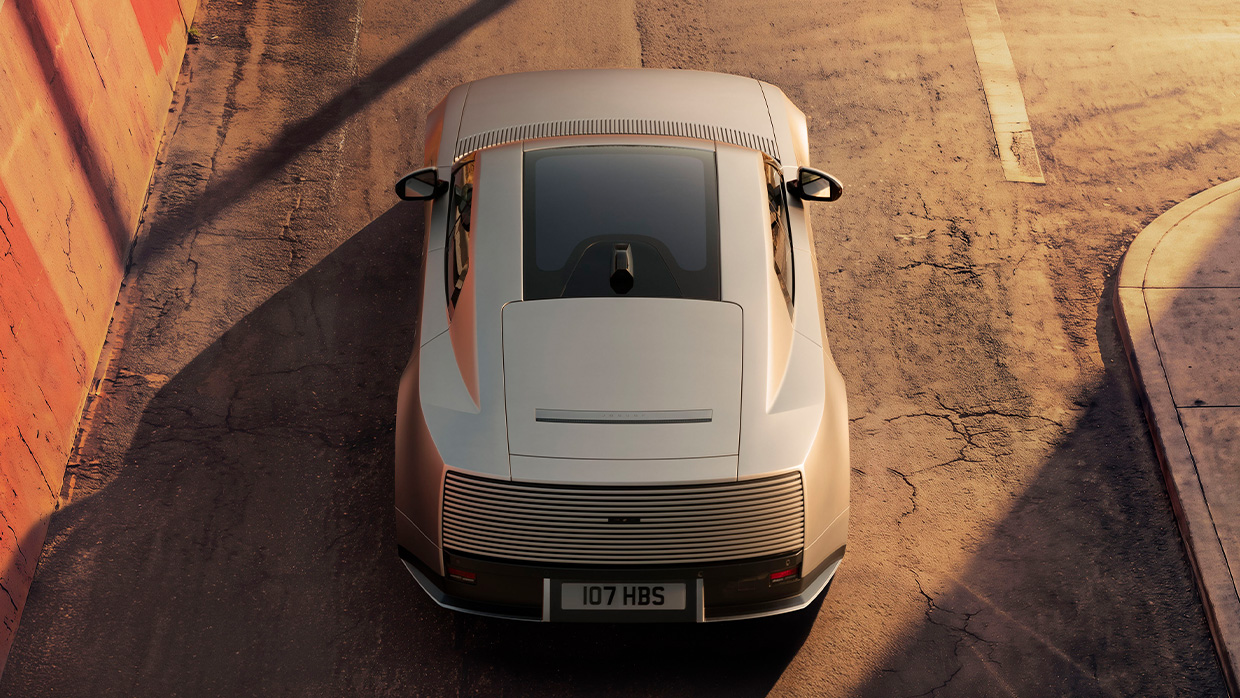
Chasing Cars has now seen the near-production version of the Type 01 in the metal. The front end reads less confrontationally than the concept while its bluff windowless rear – with Polestar 4-style digital mirror – sits above rear lighting hidden beneath ‘70s-style strakes.
Much of the shape of the Type 01 is functional, with Jaguar claiming a 0.23Cd drag coefficient, making this the brand’s most aerodynamically efficient production car. Hidden front vanes manage cooling and airflow while a three-stage rear spoiler deploys for efficiency before switching to an aero setting at higher speed.
The launch version of the Type 01 uses a 260kW permanent-magnet synchronous motor at the front (shared with the new Range Rover Electric) and two bespoke-to-Jaguar PSM rear motors producing up to 310kW each for true torque vectoring.
Acceleration from 0-100km/h comes up in a claimed 3.2 seconds but Jaguar engineers prefer to note the rolling acceleration of 100-180km/h of just 4.0sec.
Despite having all-wheel drive (with no sole-RWD version planned), Jaguar has chased a rear-driven feel. Architecture chief engineer Jon Darlington told Chasing Cars that the default ‘Jaguar’ drive mode starts with 70 percent rear torque bias while ‘Dynamic’ can send up to 87 per cent (1187Nm) rearward.
There is a clever efficiency trick, too: at a steady motorway cruise the rear motors can be fully deactivated and the Type 01 can run on its most efficient front motor alone, with Jaguar claiming 520km range at a fixed 120km/h.
The bespoke JEA structure has 50:50 weight distribution (totalling about 2700kg), and claimed torsional rigidity of 51.7kN/degree. Suspension is double-wishbone at the front and integral link at the rear, with switchable volume air springs and twin-valve adaptive dampers.
Rear-wheel steering can turn the back wheels by up to six degrees, helping this large saloon achieve an 11.5m wall-to-wall turning circle.
The 118kWh-usable battery that sits in the 3200mm wheelbase is physically split to allow the driver’s seat to be mounted as low as existing F-Type owners could expect.
An 850-volt electrical system developed for the JEA platform allows for peak recharging speeds of 350kW for a 10 to 80 percent replenishment of about 500km in 22 minutes (and 321km in a standard 13-minute roadhouse stop).
More unusually, the split-pack battery can accept up to 250kW DC charging speeds from common-in-Australia 400-volt chargers – much faster than normal for an 800-volt-plus car – while AC charging with ports on each front flank peaks at 22kW.
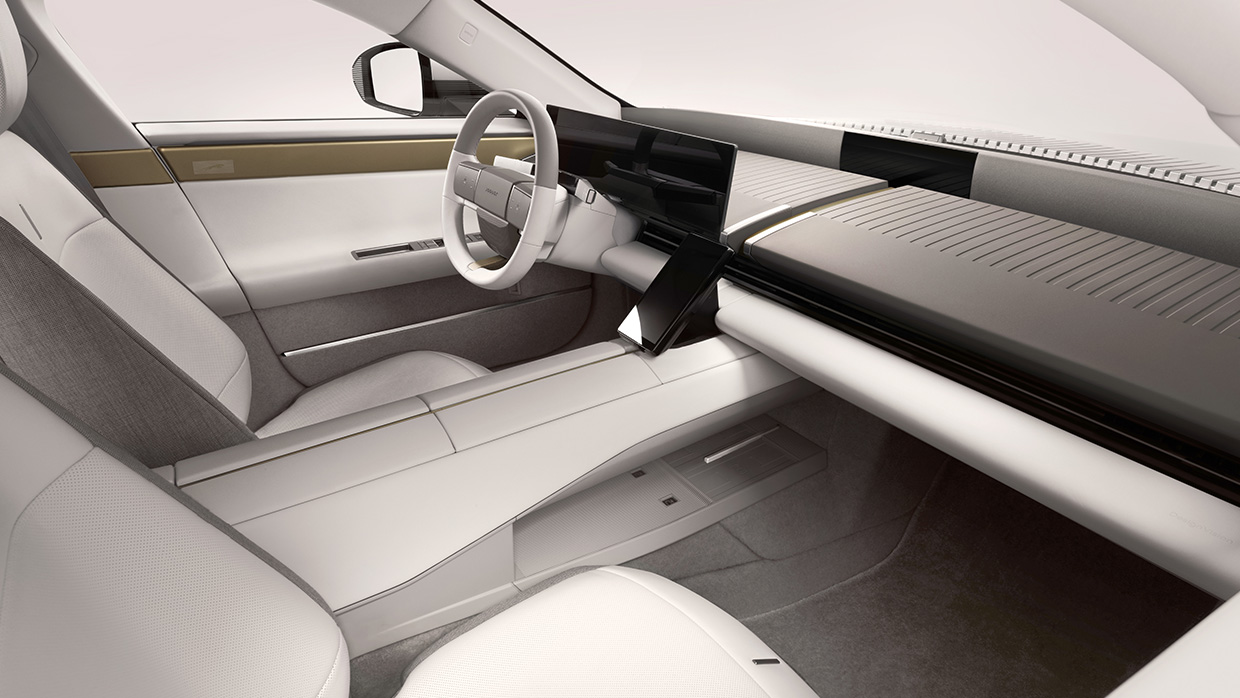
Designers told Chasing Cars that the Type 01’s cabin has been deliberately focussed on the driver and co-pilot rather than recreating the old XJ model’s chauffeur-car feel.
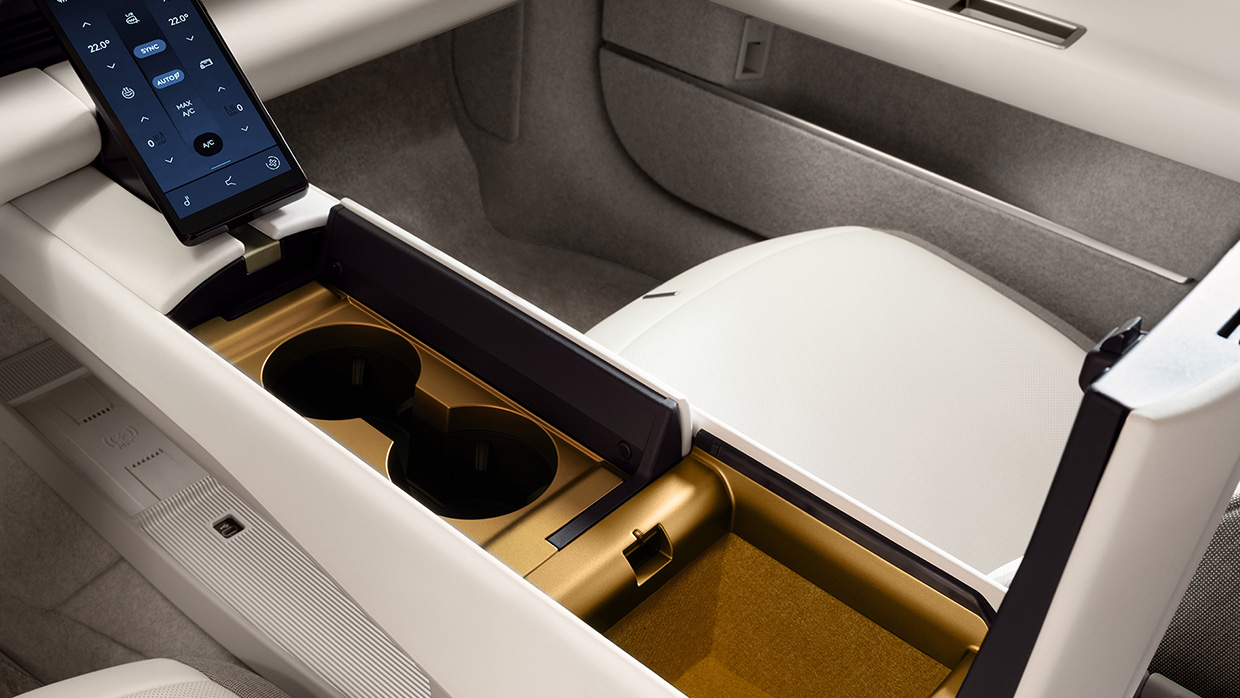
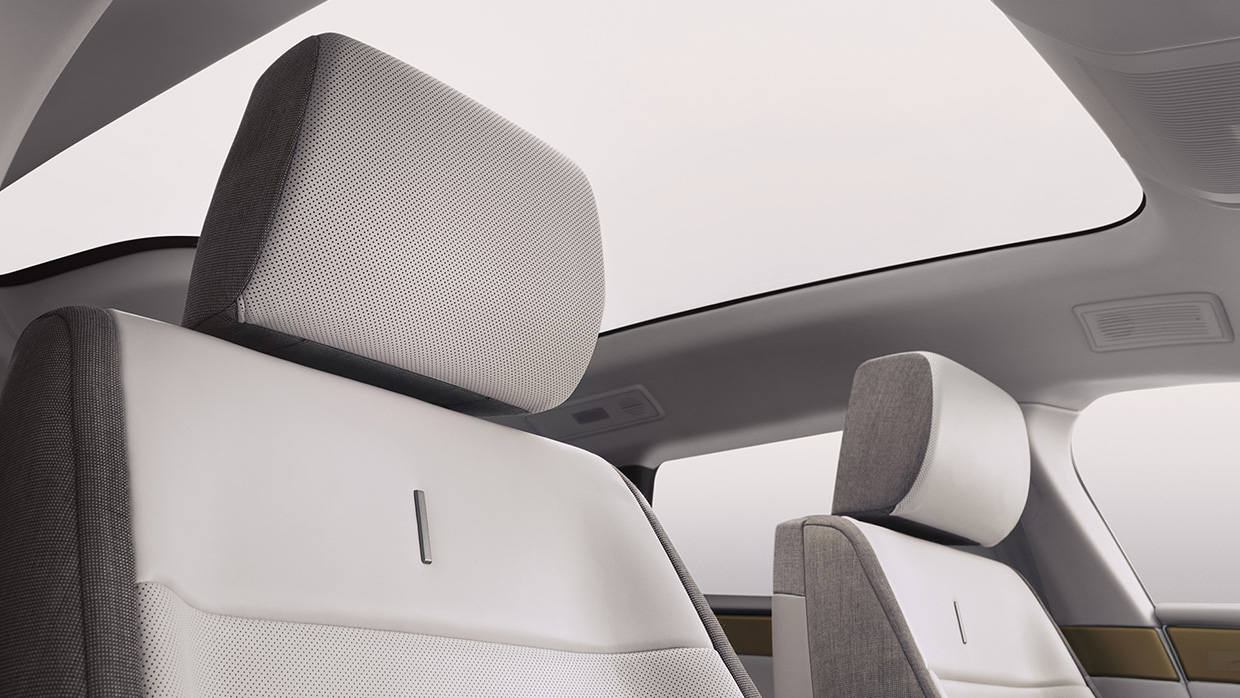
A wide, 24-inch OLED display sits ahead of the driver, supplemented by a seven-inch central touchscreen while brass-effect aluminium and a choice of leather or Ultrafabrics upholstery push the interior away from Jaguar’s traditional hide-and-wood cues.
Adults do fit in the second row, but the low roofline and short rear doors mean rear accommodation is notably less generous than the Type 01’s enormous exterior dimensions imply. The boot has a high floor (with a deep box beneath) with more than 450 litres of space.
Jaguar won’t stop at the 757kW launch car, with Darlington telling Chasing Cars there are at least two Type 01 versions planned with other power outputs likely available from the beginning of production. These will probably be revealed early in 2027.
More significantly, Glover confirmed every future Jaguar in the emerging generation will use the new JEA architecture – rather than having cheaper models sharing simpler platforms with other JLR brands.
Later models will offer more practicality than the low-slung row-one-focussed Type 01 but Jaguar does not intend to build a classical SUV or compete with the Range Rover.
All prices below are estimates and are subject to change before the launch of the vehicle.
Latest news
About Chasing cars
Chasing Cars reviews are 100% independent.
Because we are powered by Budget Direct Insurance, we don’t receive advertising or sales revenue from car manufacturers.
We’re truly independent – giving you Australia’s best car reviews.