Powered by

-
Car Reviews
Latest reviews
-
Car News
Latest news
-
Car Comparisons
Latest comparisons
- Chasing Deals
Latest reviews
Latest news
Latest comparisons

Sales data from across the globe reveal the developing world embracing electrification as oil prices surge
European new car sales hit the same tipping point as Australia in August, with electric cars and hybrids outselling petrol and diesel for the first time.
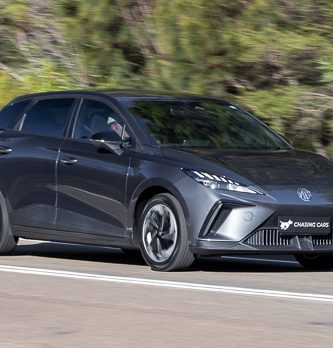
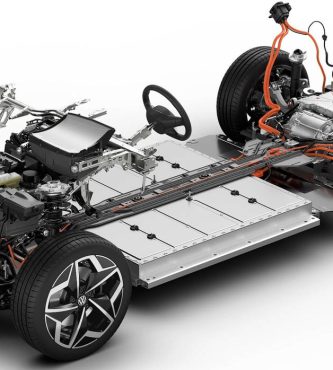
Automotive News reports more than half of cars sold in Europe were hybrids, plug-in hybrids or fully electric. A remarkable 245,120 fully electric cars were sold, a 52 percent jump on July and constituting 29 percent of all sales.
Australia nearly equalled this, with 25 percent EV sales last month.
Petrol’s European market share dropped 14 percent, and diesel’s dropped 20 percent. Reuters reports 832,637 cars were registered in total, 5.3 percent up from July.
Between January and June 2026, 22 percent of new car registrations in the EU were fully electric. For context, the war in the Middle East, which has choked oil supplies and supercharged EV demand, broke out on 28 February.
In Europe and Australia, many mid-size electric and plug-in hybrid choices have hit price parity with petrol and diesel equivalents, even without including an EV’s lower running costs.
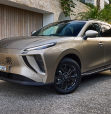
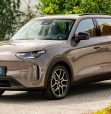
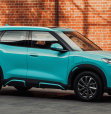
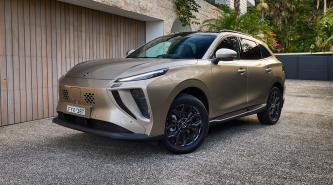
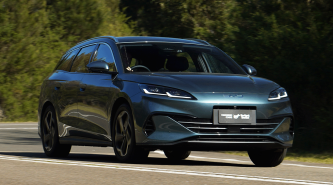
To use three mid-size SUVs as an example: the petrol-only Mazda CX-5 ($39,990 before on-roads) only undercuts the electric Geely EX5 by $2000 nowadays ($41,990 before on-roads) and is dearer than the closely related, plug-in hybrid Geely Starray ($37,490 before on-roads).
Back in Europe, the quantity of EVs on the road today is estimated to save €4.5 billion a year in oil imports
A report by the International Council on Clean Transportation published on 6 September illustrates that electric cars are now mainstream, and that the days of electric cars being a luxury are well and truly over.
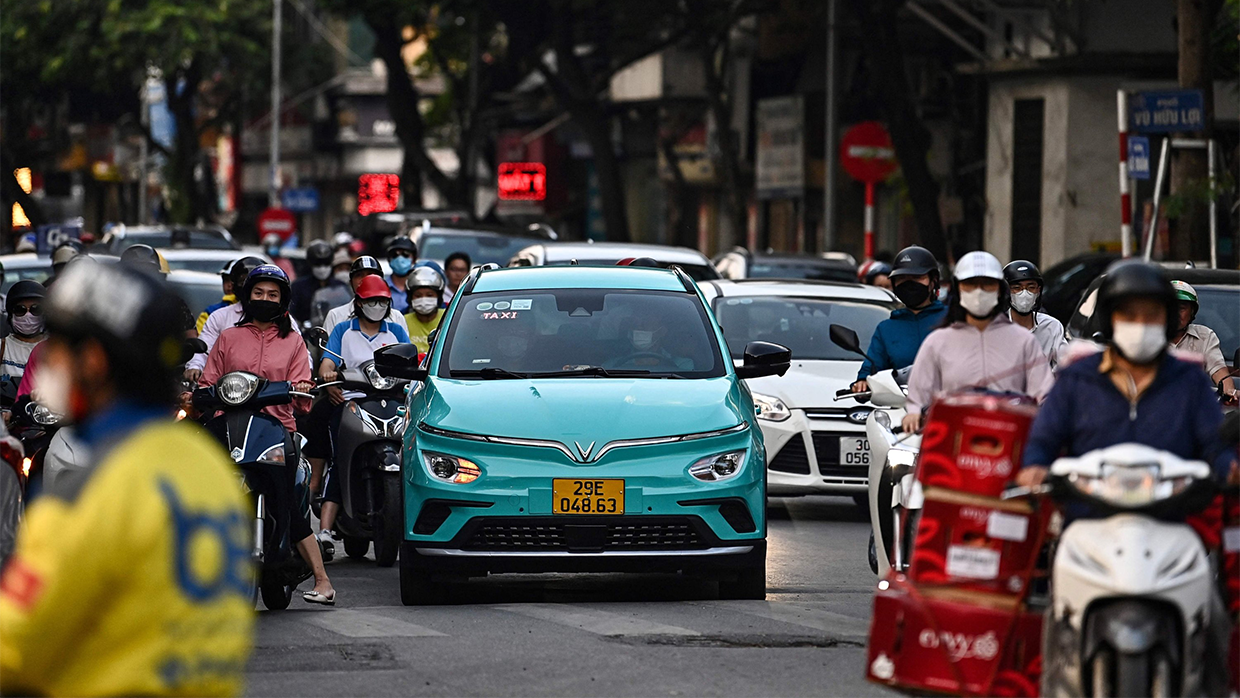
In the first half of the year, the EU’s 22 percent EV market share and China’s 35 percent EV share were beaten not only by Thailand (36 percent), but by Vietnam. Though very much not a first-world country, new cars sold in Vietnam between January and June were 47 percent electric.
Splitting the EU result country by country reveals that Vietnam has wiped the floor with two countries that build EVs in large numbers: Spain (10 percent) and Italy (eight percent).
The International Council on Clean Transportation’s report contains rare good news in the fight against climate change – the EU’s strict targets for reducing carbon dioxide from new cars are on track to be met.
However, the report warns that plug-in hybrids are producing 4.6 times the carbon dioxide in real-world use than they do in emissions testing.
PHEVs’ emissions and fuel consumption vary dramatically day by day. Commuting to and from work can burn no fuel at all, while as per any car, a spirited drive will make fuel consumption spike.
User error is, unfortunately, part of the problem – without timely charging, most PHEVs with a flat battery must run entirely on the engine, completely negating fuel and emissions benefits.
Latest news
About Chasing cars
Chasing Cars reviews are 100% independent.
Because we are powered by Budget Direct Insurance, we don’t receive advertising or sales revenue from car manufacturers.
We’re truly independent – giving you Australia’s best car reviews.