Powered by

-
Car Reviews
Latest reviews
-
Car News
Latest news
-
Car Comparisons
Latest comparisons
- Chasing Deals
Latest reviews
Latest news
Latest comparisons
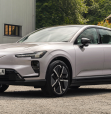
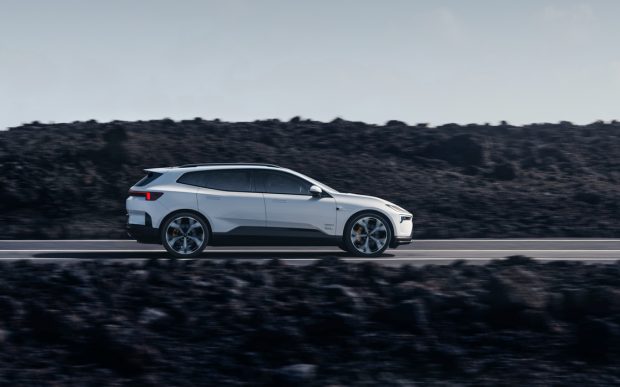
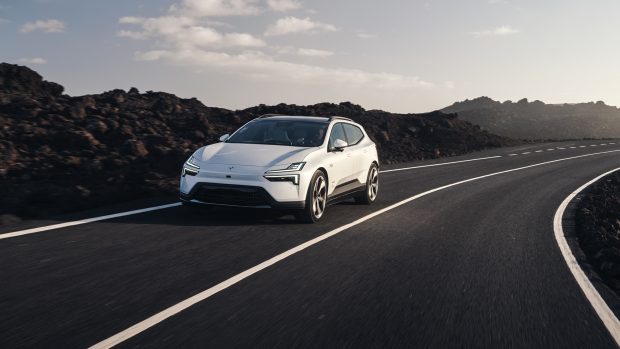
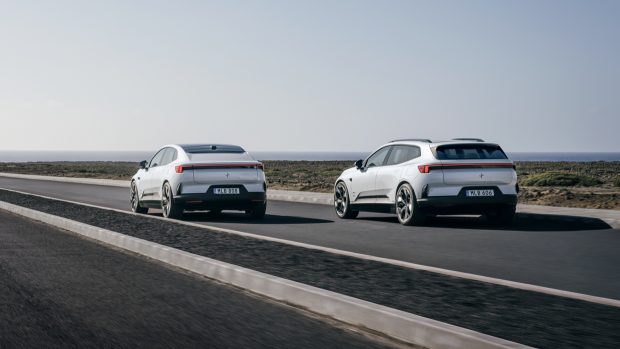
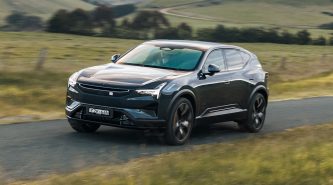
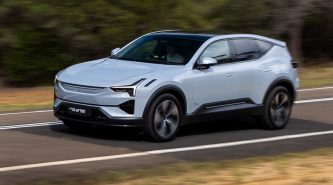
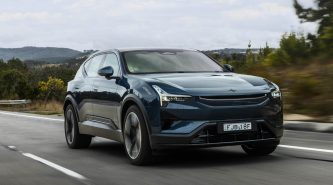
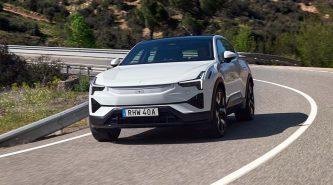
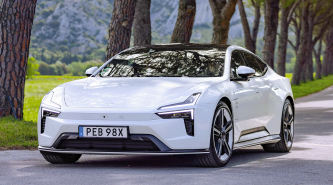
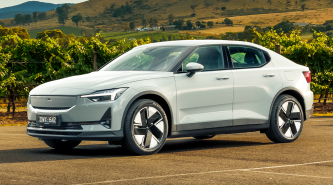
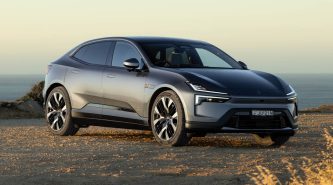
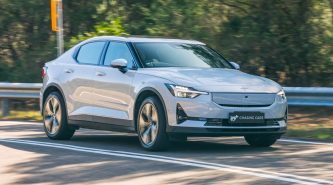
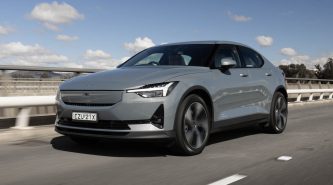
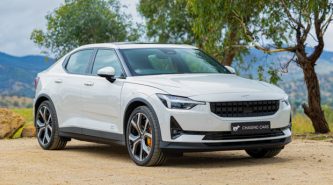
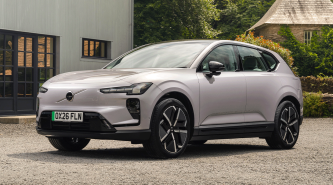
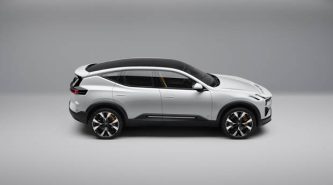
It might be called ‘SUV’, but the more practical addition to the Polestar 4 lineup is more like a raised wagon in the style of a Volvo Cross Country or Audi Allroad
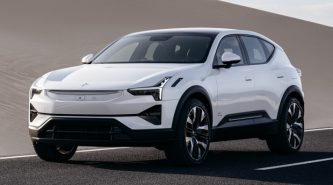
After months of testing in light camouflage, Polestar today revealed the hotly anticipated ‘SUV’ body style that will shortly join the now-renamed ‘coupé’ model in the midsize Polestar 4 electric vehicle lineup.
It’s also been confirmed that the Polestar 4 SUV has been locked in for Australia, with the South Korean-built model set to arrive here before the end of 2026 in both rear- and all-wheel drive formats.
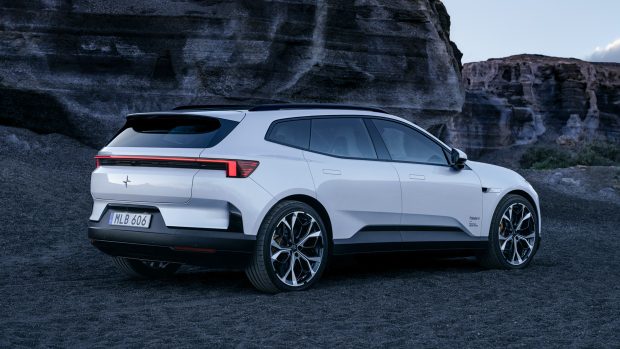
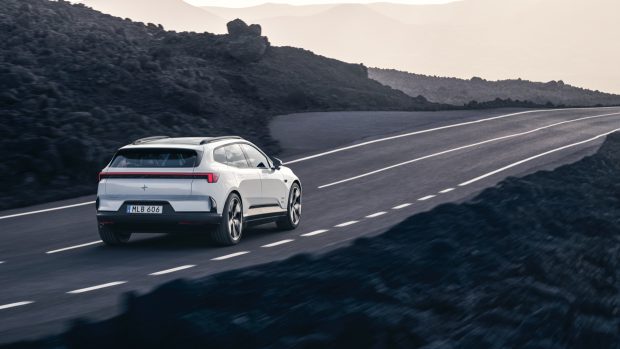
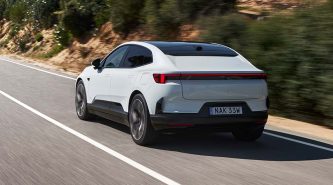
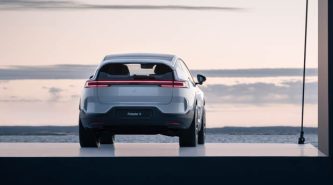
Complete with an upright tailgate, additional boot space and – yes – the rear glass missing from the avantgarde coupé model, the Polestar 4 SUV joins rather than replaces its sibling.
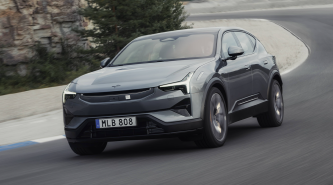
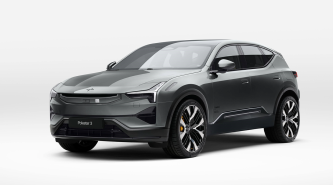
Chasing Cars was given an early look at the new body style ahead of its global reveal and sharing its height (bar 22mm stand-off roof rails), the new addition to the Polestar 4 lineup is more wagon than SUV in the metal.
We’re due to drive the Polestar 4 SUV next month ahead of Australian deliveries kicking off before Christmas.
The Polestar 4 SUV Rear Motor is priced at $73,900 plus on-road costs, with the Dual Motor pegged at $81,750 + ORCs.
It’s a $7850 step that adds a second motor on the front axle, bringing with it all-wheel drive traction and double the power and torque.
The Rear motor produces 200kW/343Nm and can complete the 0-100km/h run in 7.3 seconds. Spending up on the AWD grade lifts outputs to 400kW/686Nm, cutting the benchmark sprint to 3.9 sec.
Both versions make use of a 94kWh (usable) CATL nickel manganese cobalt battery. The SUV has been rated at 630km range (WLTP) for the rear-driver, and 600km for the dual-motor grade thanks to a motor disconnect function.
Unlike the partially related Zeekr 7GT, the Polestar 4 has stuck with a 400-volt electrical architecture. A swap to 800V, as recently undertaken with the Polestar 3 large SUV, was technically feasible but avoided in order to get the SUV variant to market more quickly.
DC fast charging is supported at up to 200kW speeds with a claimed 10-80 percent charge replenishing 420-440km range and requiring a 30-minute session. Standard AC charging is capped at 11kW but a 22kW upgrade costs $900.
Both variants can now tow 2000kg with the Rear Motor model’s capability having been upgraded.
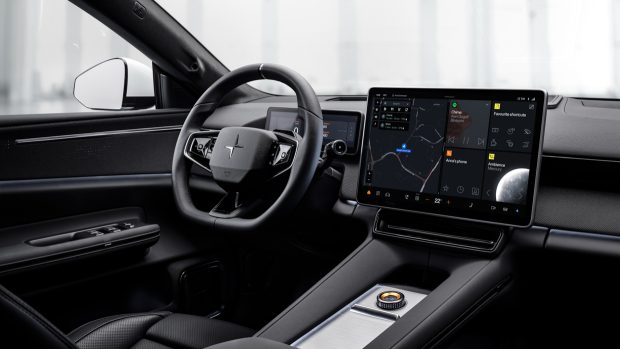
Standard equipment includes a panoramic glass roof, 360-degree parking camera, PVC seat upholstery (with heating up front), 15.4-inch touchscreen running Google Android Automotive OS (with Apple CarPlay), and a conventional rear-view mirror.
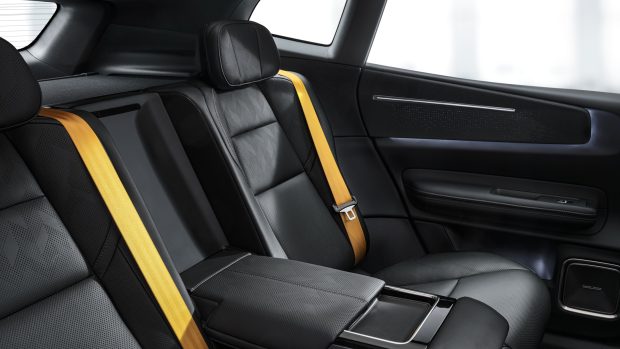
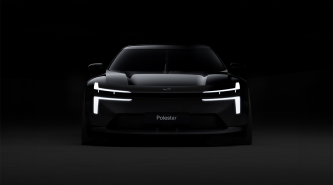
A $6500 Plus pack adds a head-up display, premium Harman-Kardon audio, Pixel LED headlights, power tailgate, additional power adjustment for the front seats, reclining/heated rear seats, a heated steering wheel, tri-zone climate control and a rear control display.
Australians who select the Dual motor grade with Plus pack can further specify a $7200 Performance pack, which ups the mechanical ante with adaptive dampers from ZF, Brembo brakes with gold callipers, 22-inch wheels, Pirelli P Zero tyres, and a harder-edged chassis tune.
Standalone options, including a digital rear view mirror ($1000), privacy glass ($700), and an electrochromic function for the glass roof ($2200) can be added.
Adding the SUV variant has been a relatively efficient process for Polestar, with the existing 4 model’s 4840mm length and most of its bodywork retained aside from fitment of a straighter roof and a more upright rear end.
What we found on our early viewing was a handsome shape that works better in person than the more unusual coupé. The changes also make the car easier to use.
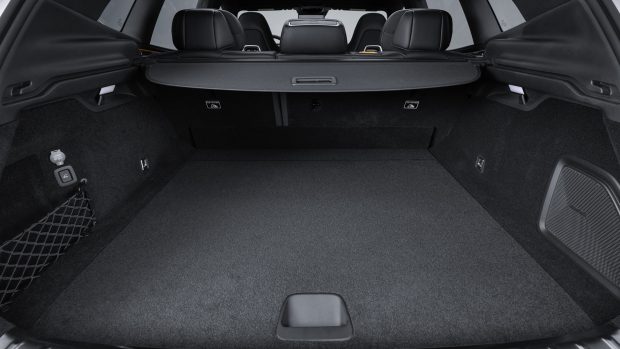
Boot capacity increases from 500 litres to 530L when measured to the rear seatbacks, or from 526L to 655L when loaded right to the roof. Folding the 60:40 rear seats expands cargo room to 1665L, supplemented by a (very small) 15L frunk.
Furthermore, loading long items is considerably simpler in the SUV thanks to deletion of the coupé’s divider fitted behind the rear seats. This has opened up a wider and more conventional loading area more suited to bicycles or furniture.
Second-row occupants gain an additional 25mm of headroom, and we found that legroom remains vast, aided by the very long 2999mm wheelbase.
Polestar says the closest global rivals to the Polestar 4 SUV include the Audi A6 e-tron, new BMW iX3 and Mercedes-Benz GLC Electric, with the Porsche Macan Electric and Tesla Model Y also in the frame.
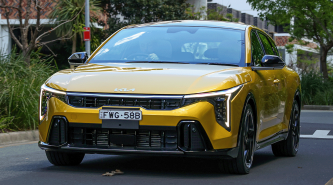
In Australia, though, the main competition is expected to come from one of Polestar’s fellow Geely brands, with the Zeekr 7GT set to launch at about the same time.
The 7GT shares part of the Polestar 4’s SEA platform but offers a newer 800-volt charging system and more power across the board, though some of its suspension hardware is not as sophisticated as that found in the Polestar.
Australian deliveries are scheduled to begin in the fourth quarter of 2026, with production for our market already underway in Busan, South Korea.
All prices listed are before on-road costs.
Latest news
About Chasing cars
Chasing Cars reviews are 100% independent.
Because we are powered by Budget Direct Insurance, we don’t receive advertising or sales revenue from car manufacturers.
We’re truly independent – giving you Australia’s best car reviews.